Crematogaster
Crematogaster lineolata
Nuptial Flight Calendar
Flight months: Jun, Jul, Aug, Sep, Oct
Care Guide
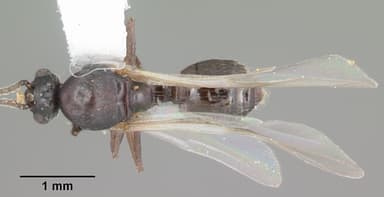
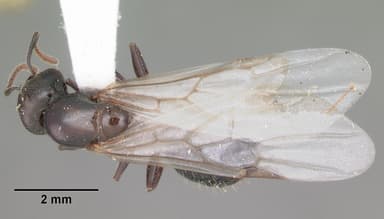
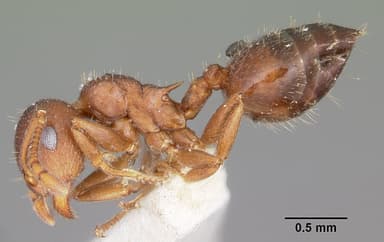
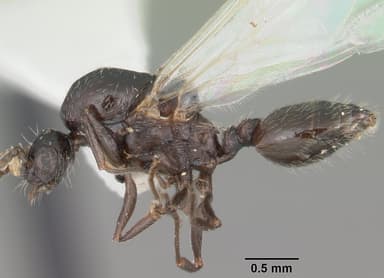
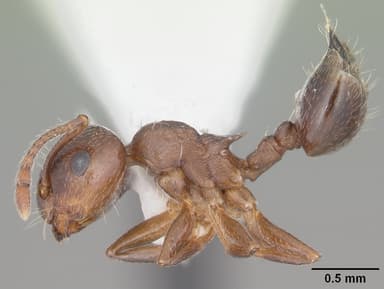
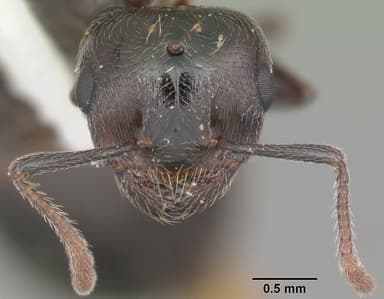
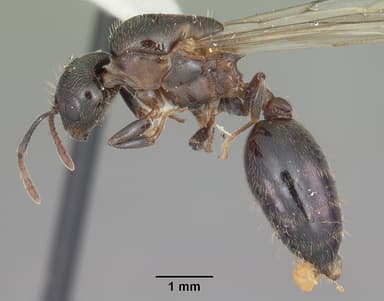
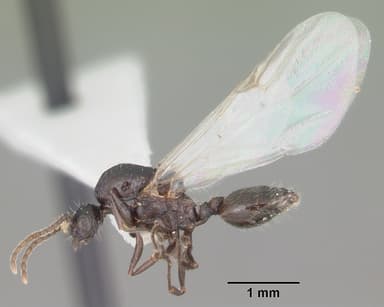
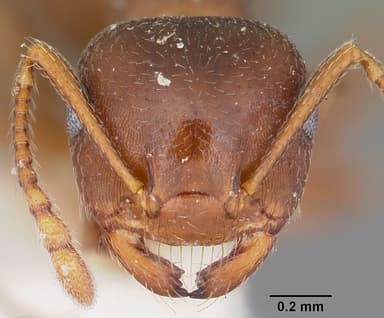
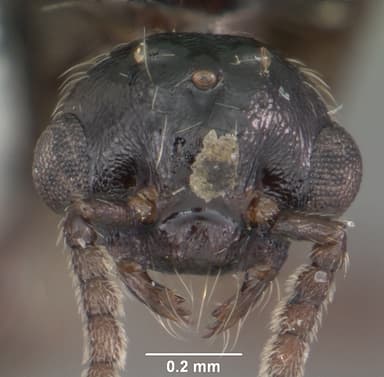
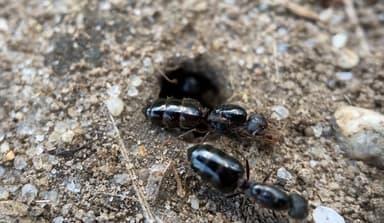
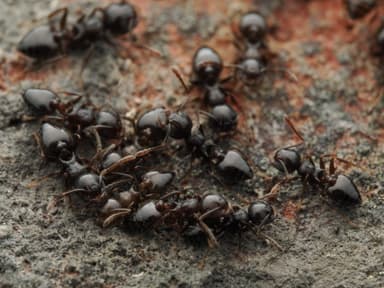
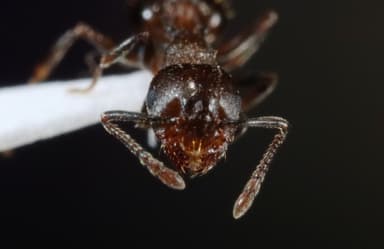
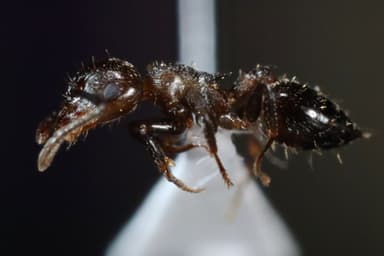
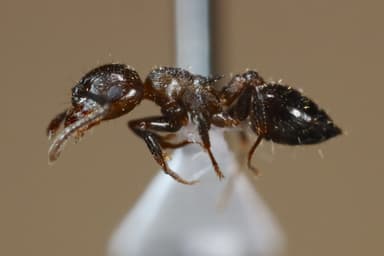
Crematogaster lineolata, commonly known as the acrobat ant or valentine ant, is a delightfully charismatic species native to the eastern half of North America. Workers, which are monomorphic and measure a diminutive 2.5 to 4 millimeters, exhibit a distinctive heart-shaped gaster that they famously raise over their thorax when alarmed—a behavior that gives the genus its common name and makes them instantly recognizable in the field (Fisher & Cover 2007). Queens are considerably larger at 7 to 9 millimeters and, like all Crematogaster, are fully claustral, founding new colonies without the need to forage. Mature colonies can swell to as many as 10,000 individuals, creating a bustling, tightly coordinated society that is a pleasure to observe. In their natural range, which stretches from the Gulf Coast up into the Great Lakes region and eastward to the Atlantic (GBIF data), they thrive in open woodlands, grassy fields, and even suburban habitats, often nesting under stones, in rotting wood, or directly in the soil. Nuptial flights occur on warm, humid afternoons, often following a summer rain, with alates taking to the wing from June through September (AntWiki). The combination of their acrobatic postures, heart-shaped rears, and robust, active foraging makes C. lineolata an endlessly engaging species for the home myrmecologist.
For a beginner ant keeper, Crematogaster lineolata is an outstanding choice. Its care difficulty is squarely in the beginner range, thanks to a forgiving nature and a lack of the specialized needs that challenge more demanding taxa. The ants are hardy enough to tolerate minor lapses in humidity or temperature, and they recover quickly from disturbances that might send more sensitive species into a decline. They are not polymorphic, so you won’t need to manage multiple worker sizes, and the single minor worker caste does all the heavy lifting, from brood care to foraging. Moreover, these ants possess no functional sting; while they can bite and may secrete a defensive chemical from the gaster, they are generally non-aggressive and pose no real risk to their keeper. This species suits anyone looking for a first ant colony that is large, active, and full of personality, yet experienced keepers will also appreciate the subtleties of their acrobat behavior and the sheer momentum of a thriving, populous nest.
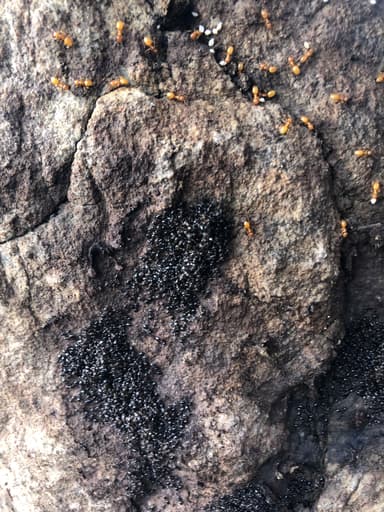
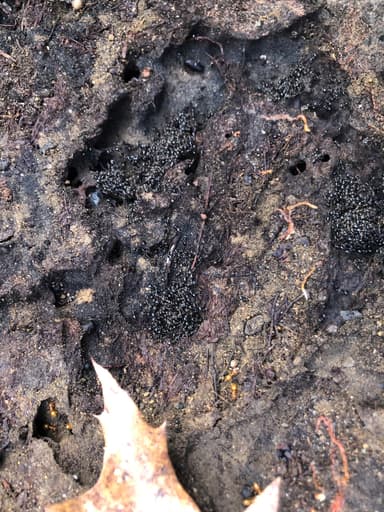
Housing C. lineolata requires a formicarium that balances ventilation with good humidity retention, as the ants prefer a relative humidity between 50 and 70 percent and a temperature gradient of 20 to 28 degrees Celsius. In nature, they frequently inhabit rotting logs or shallow soil nests, so an ideal captive setup mimics these conditions. A gypsum or grout nest with a built-in water reservoir works beautifully, providing the consistent moisture they crave and allowing you to maintain a slight humidity gradient so the colony can choose its preferred microhabitat. The outworld should be spacious enough for active foraging and fitted with an escape-proof barrier, as these slender ants are accomplished climbers and can squeeze through minute gaps. A substrate of sand and loam, or even bare glass with some shelter, works well, but if you provide a naturalistic vivarium, including a piece of cork bark or a dried wood section will encourage them to nest in a familiar manner. Avoid nesting materials that mold easily, and always give them a test tube water source inside the nest until the colony is large enough to fully occupy the chamber.
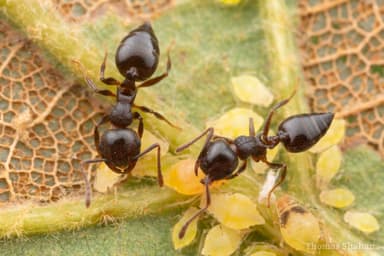
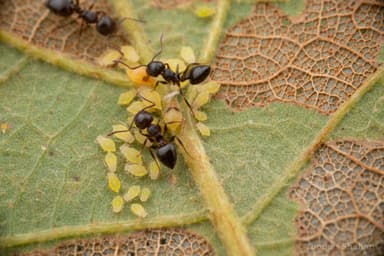
An acrobat ant’s diet in the wild is famously broad, and in captivity they are equally undemanding. Protein is essential for brood development and should be supplied several times a week in the form of freshly killed or pre-frozen fruit flies, pinhead crickets, chopped mealworms, or other suitably sized soft-bodied insects. Adult workers fuel their restless activity with carbohydrates, and they will eagerly lap up small drops of sugar water, honey water, or a commercial ant nectar. Fisher and Cover (2007) note that many Crematogaster species tend aphids and scale insects for honeydew, so offering a liquid sugar source replicates their natural feeding ecology. Always provide a separate, fresh water source, either a small test tube with cotton or a hydration station in the outworld, and remove uneaten prey after a day to prevent mold and mite buildup. The colony’s appetite will grow dramatically as the worker population expands, so scale feedings accordingly, but resist the temptation to overfeed, which can lead to refuse problems inside the nest.
Hibernation is non-negotiable for Crematogaster lineolata if you want the colony to maintain a healthy annual rhythm. In their native range, temperatures drop well below their active threshold for several months, and the ants respond by ceasing brood production and clustering deep in their nest. Captive colonies should be gradually cooled beginning in late autumn until they reach a stable 8 degrees Celsius, which is their ideal hibernation temperature. This can be achieved in a dedicated wine cooler, a chilly basement, or a well-insulated garage in colder climates, as long as the temperature never dips below freezing. Keep the nest lightly moist, but do not feed during this dormant period; the ants will live off their stored reserves. A hibernation period of three to four months, followed by a slow, week-long warmup, usually prompts the queen to resume egg-laying with vigor and sets the colony up for a productive summer.
The first days after your acrobat ant colony arrives are a critical settling-in window. Unpack the queen and her workers with minimal light and vibration, and place the test tube or starter pod in a dark, quiet corner of the formicarium. Resist the urge to offer food immediately; instead, wait at least a few hours, then place a minuscule droplet of sugar water near the entrance—just enough for a few workers to find without risk of drowning. A day or two later, you can introduce the first protein source, a single pre-killed fruit fly or similarly tiny insect, and observe from a distance how they respond. Watch for signs that the queen is laying eggs and that workers are foraging calmly, as this indicates they have accepted their new environment. Keep the nest relatively warm and humid during this phase, and avoid any major disturbances like moving or vibrating the setup. Once the first new workers eclose and the colony begins to outgrow its founding chamber, you can offer access to a larger nest, letting the ants emigrate at their own pace. With patience and gentle observation, you’ll soon be rewarded with the mesmerizing spectacle of a thriving Crematogaster lineolata colony, its workers flowing in determined columns, their tiny heart-shaped gasters bobbing high in perpetual readiness.