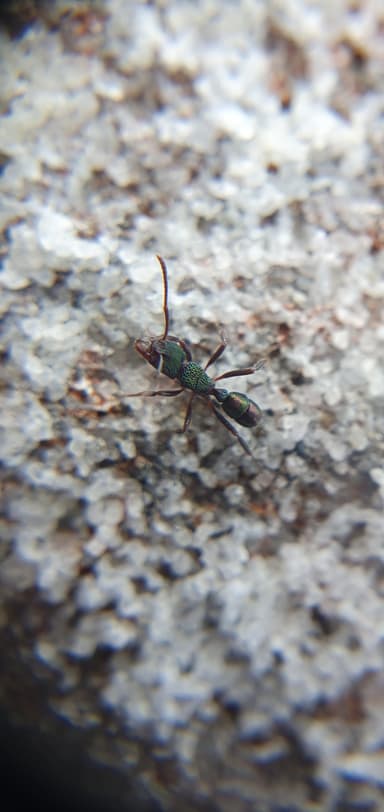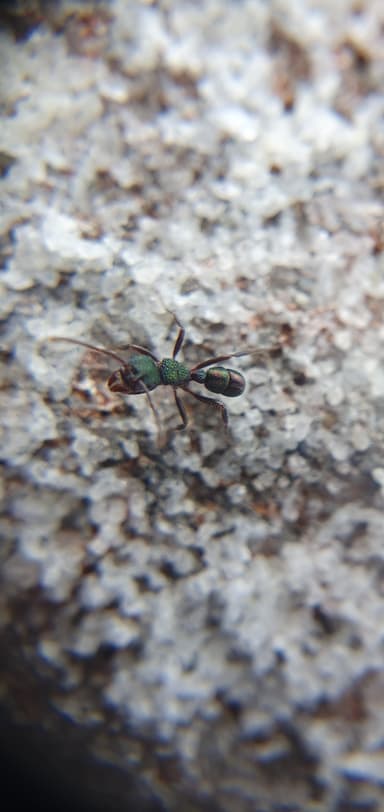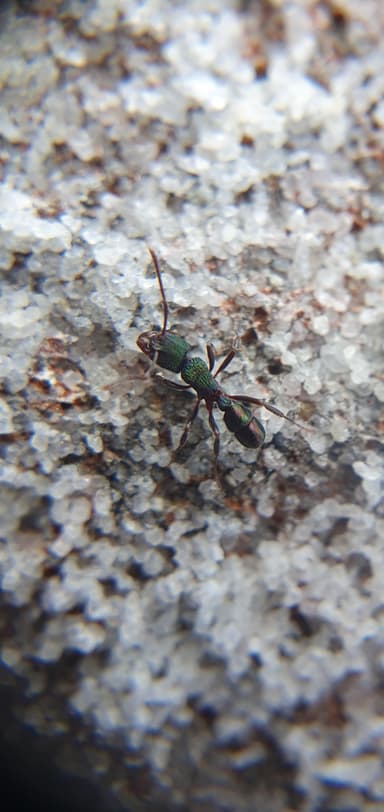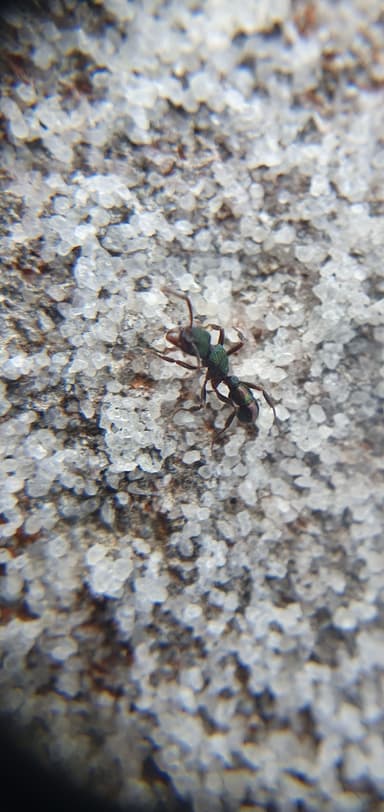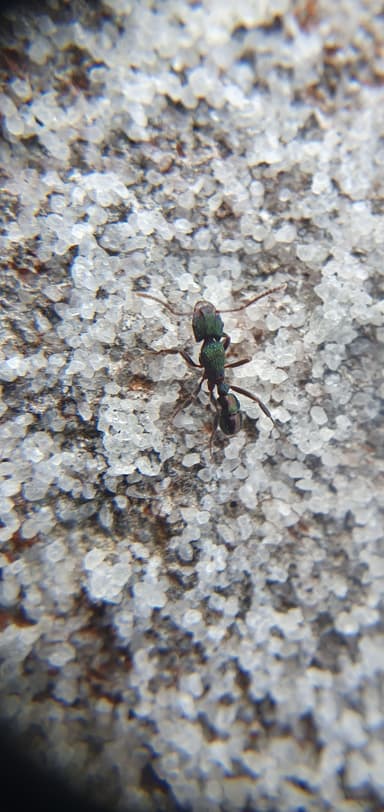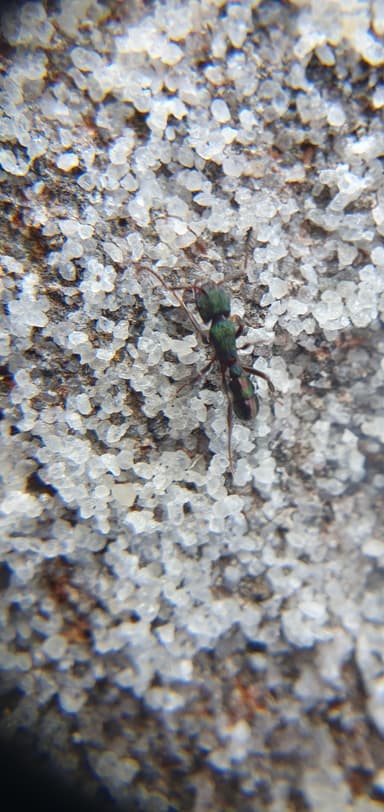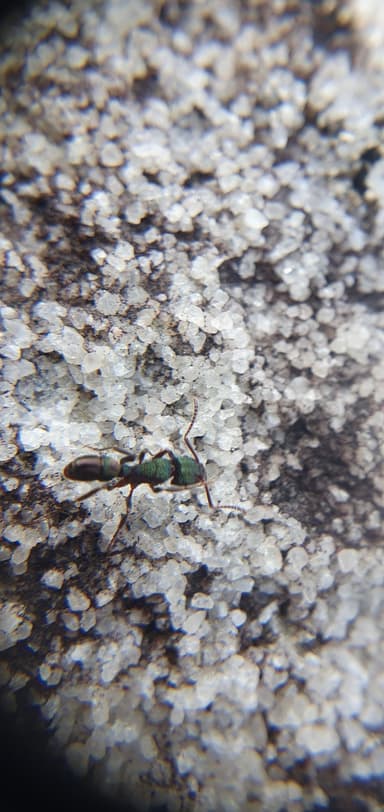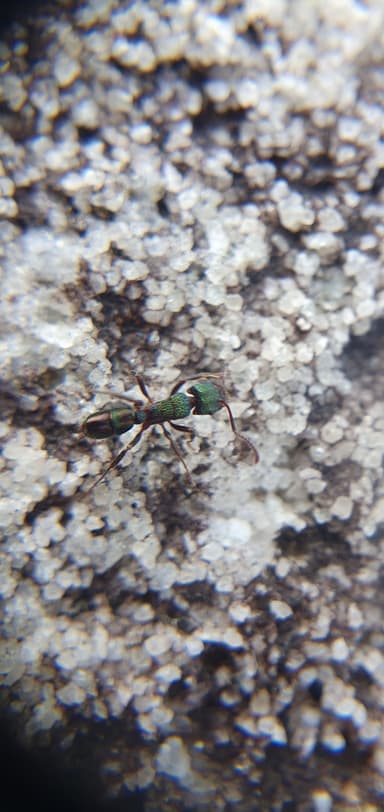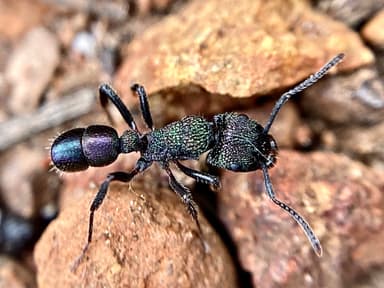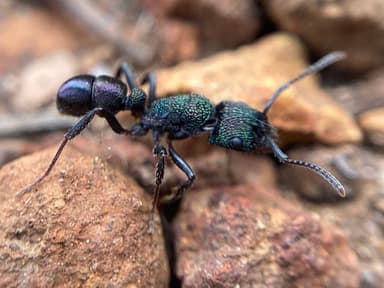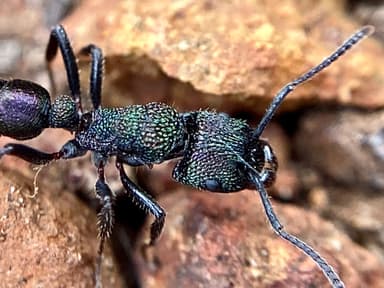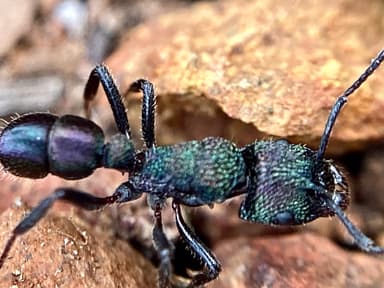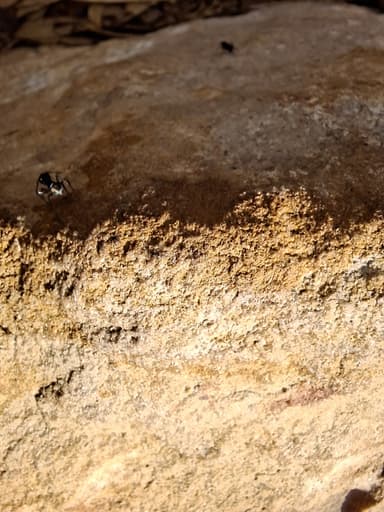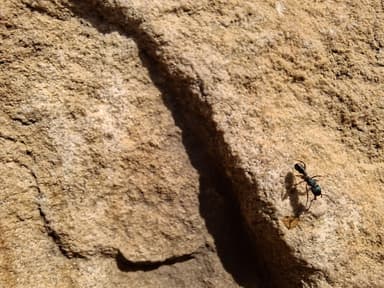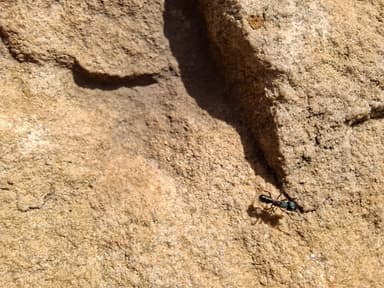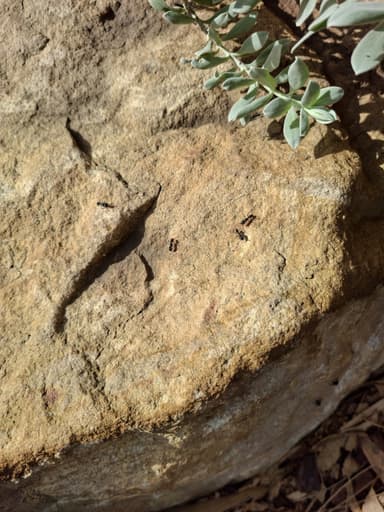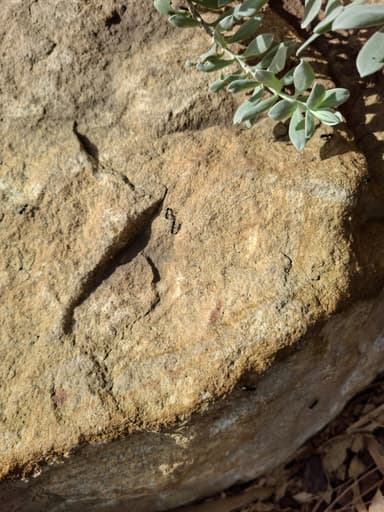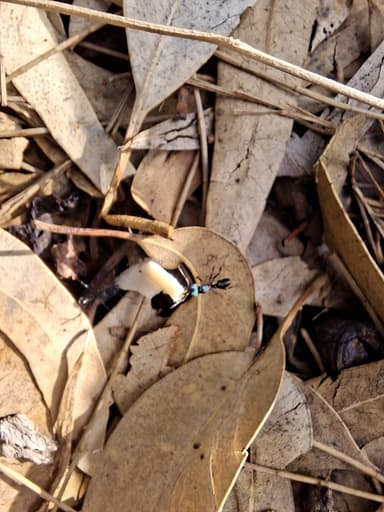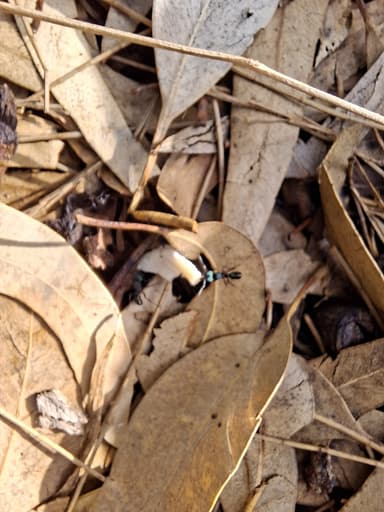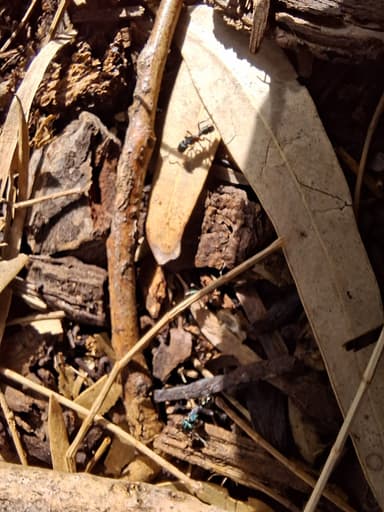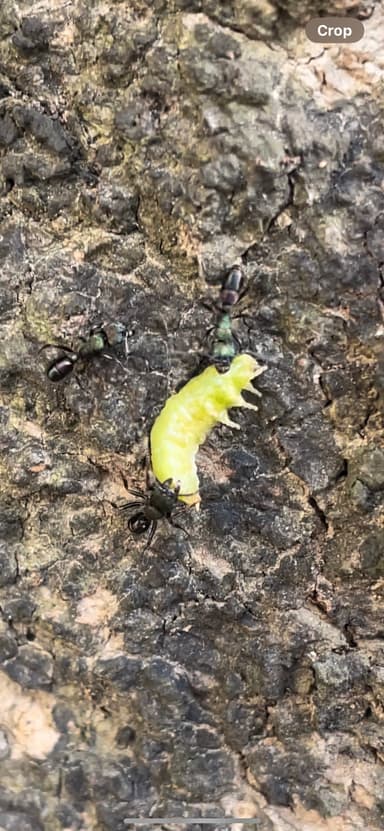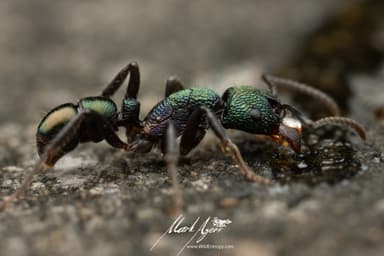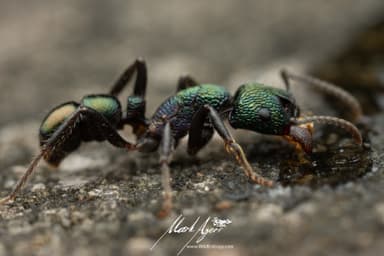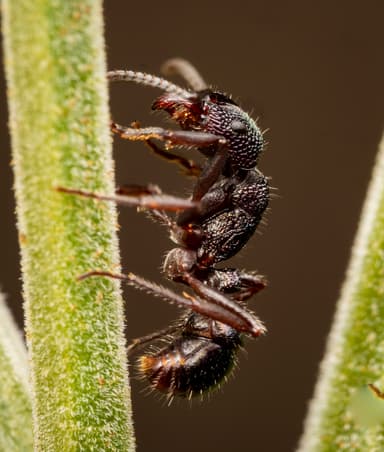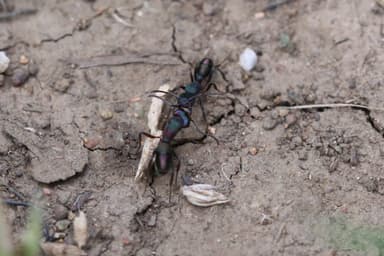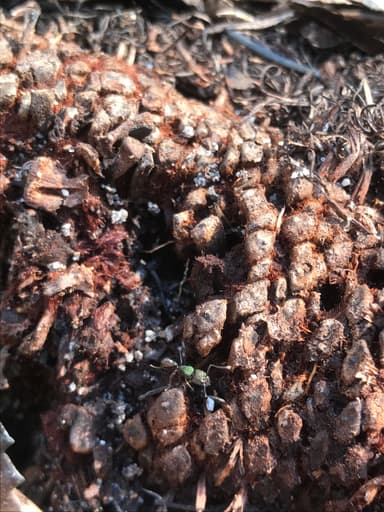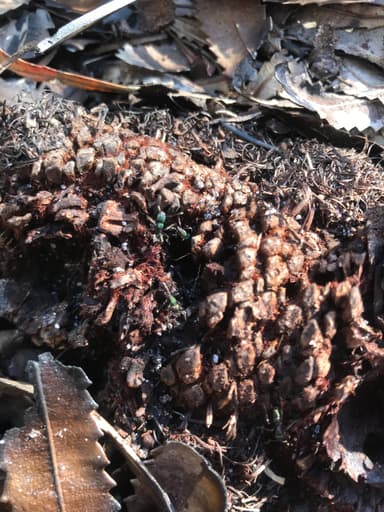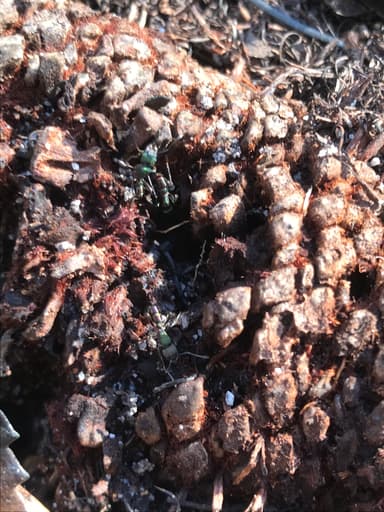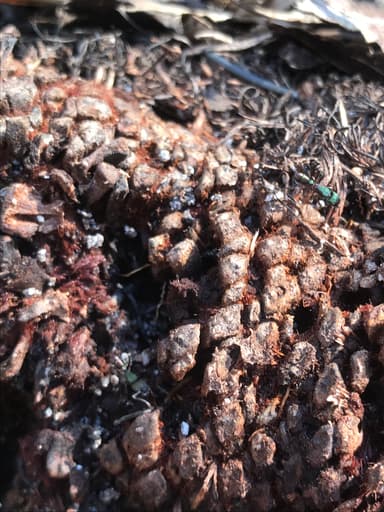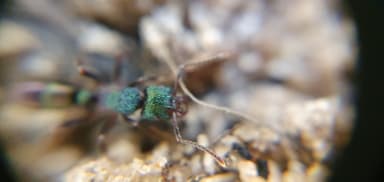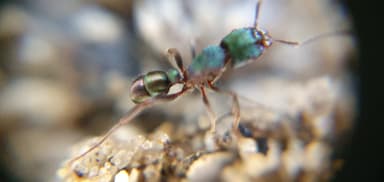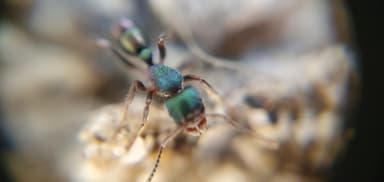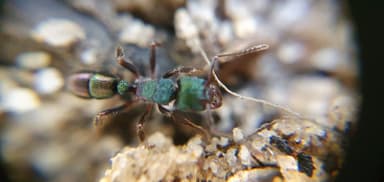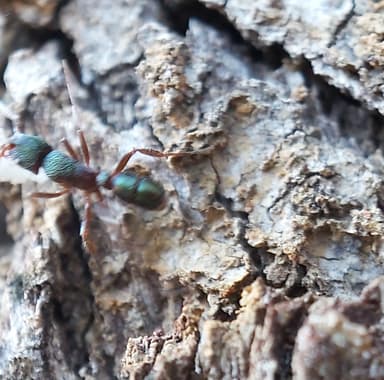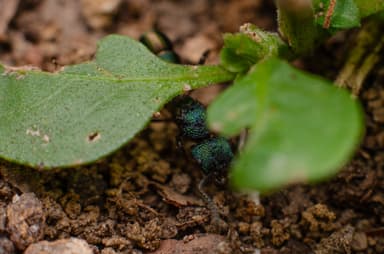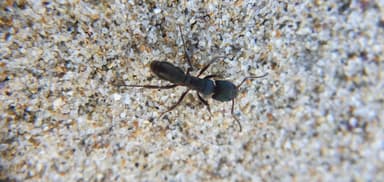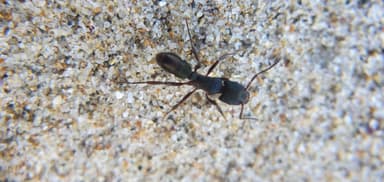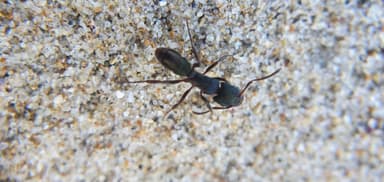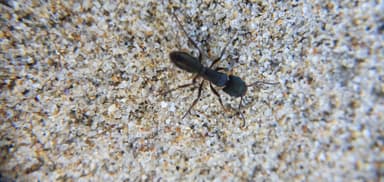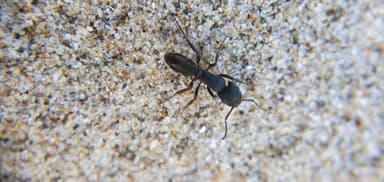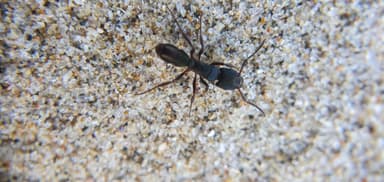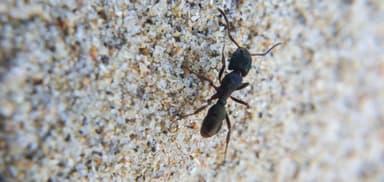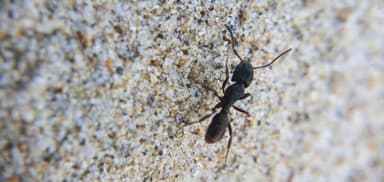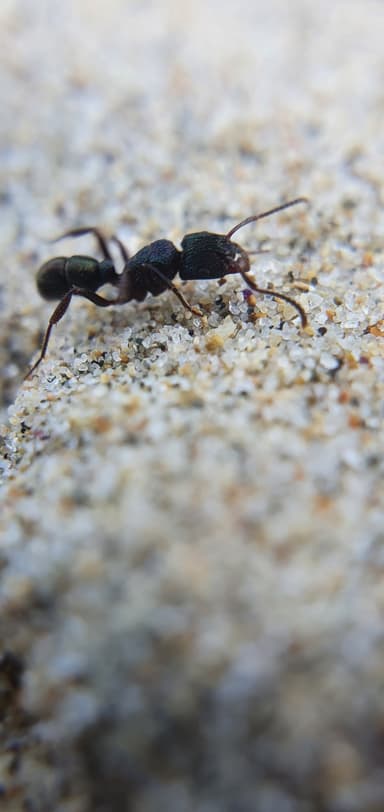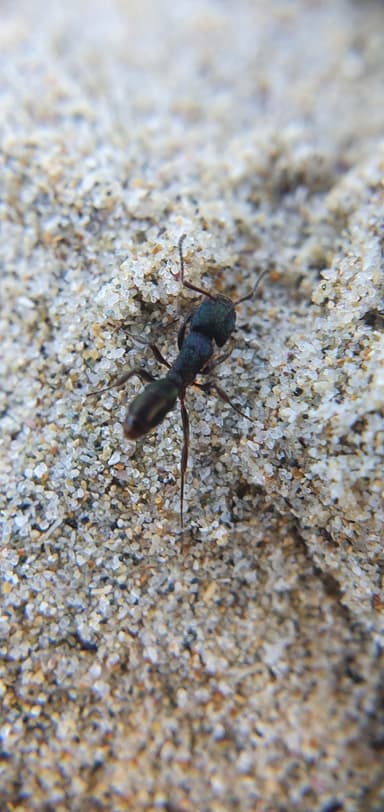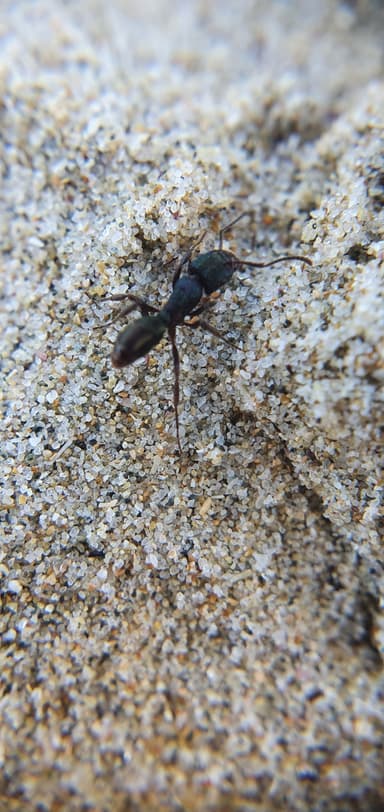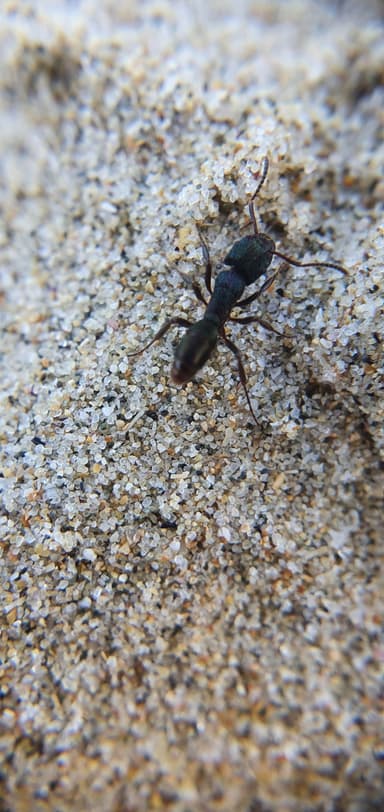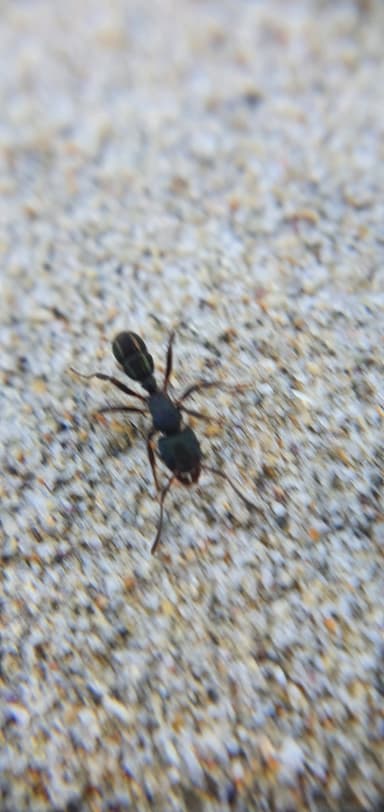
Rhytidoponera
Rhytidoponera metallica
Care Guide
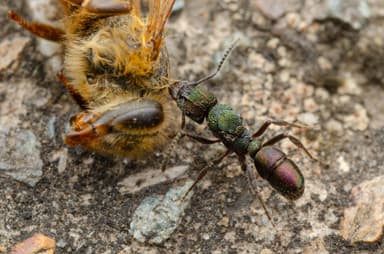
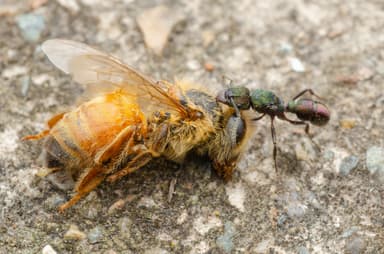
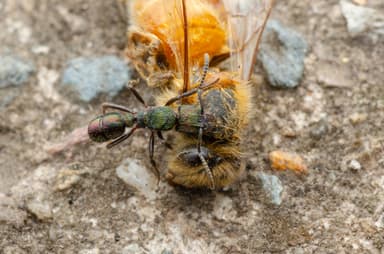
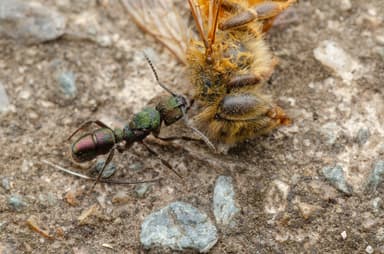
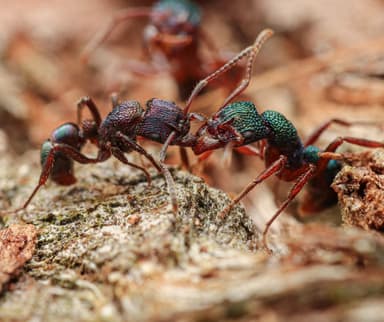
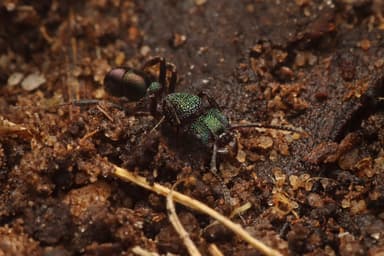
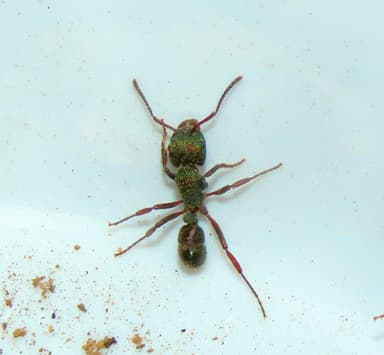
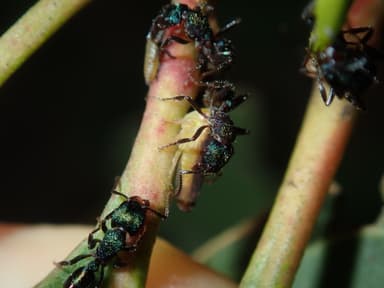
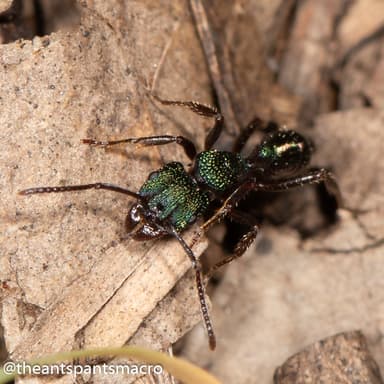
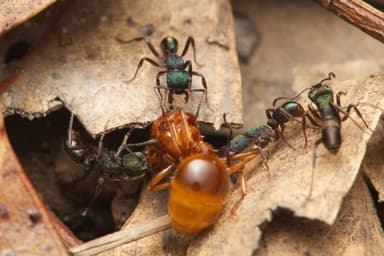
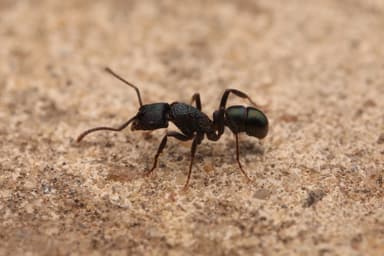
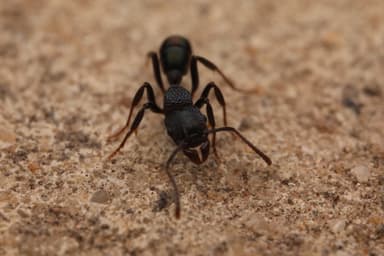
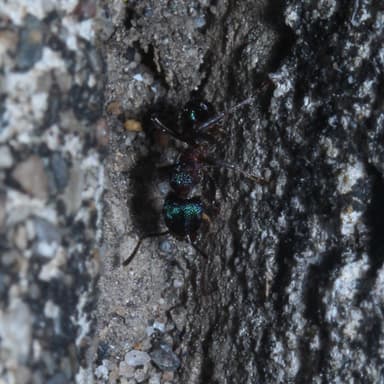
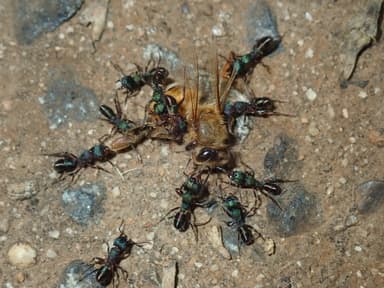
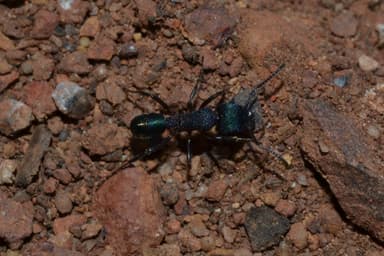
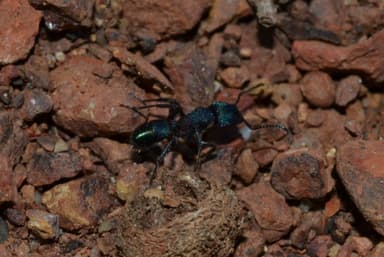
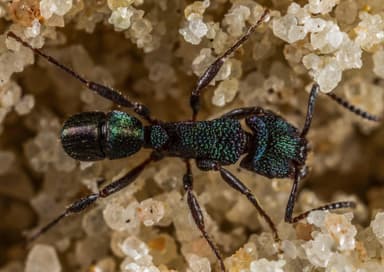
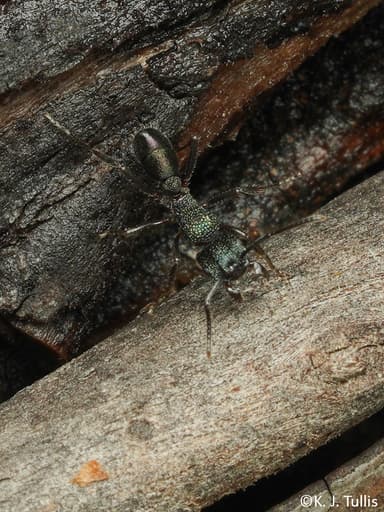
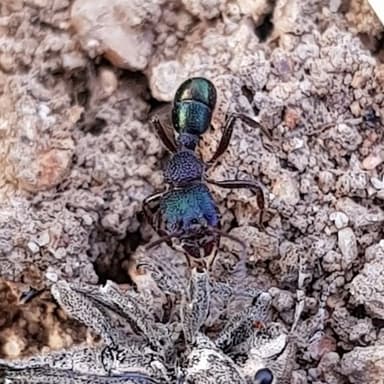
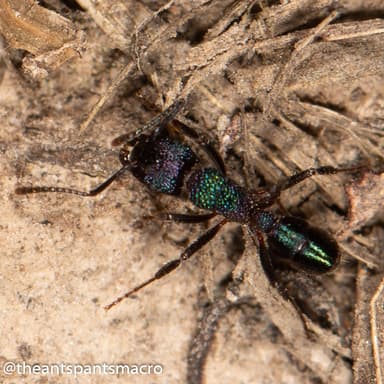
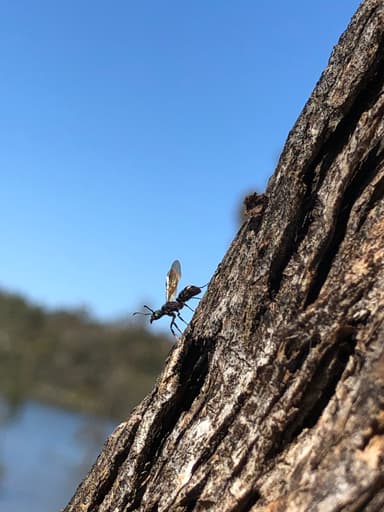
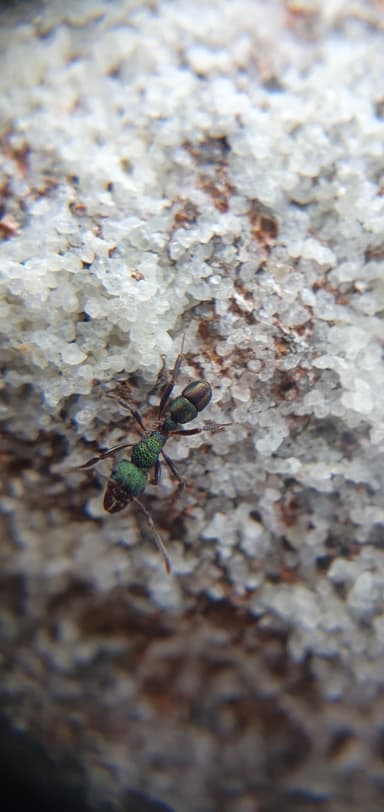
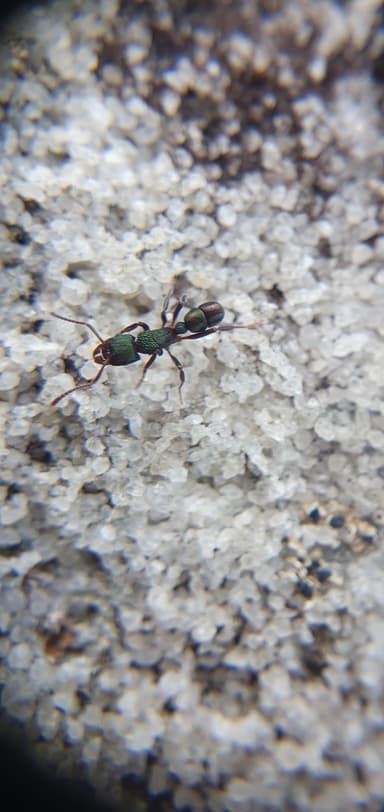
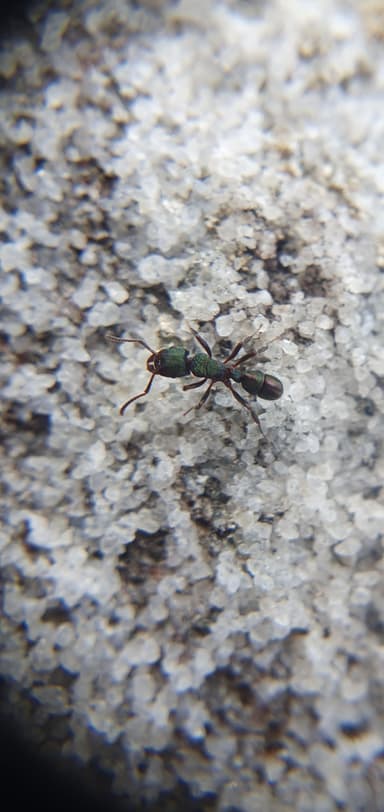
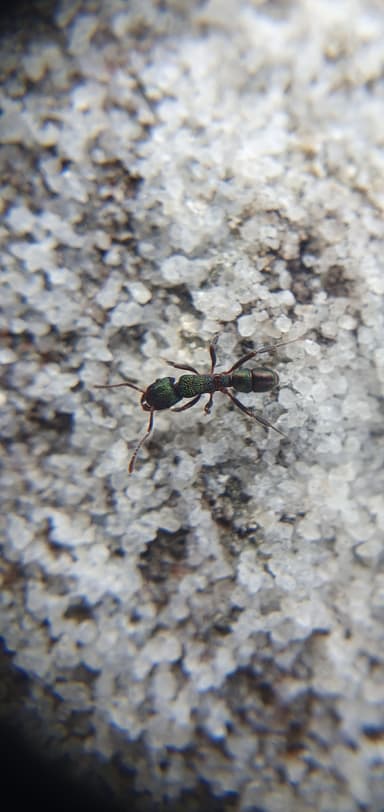
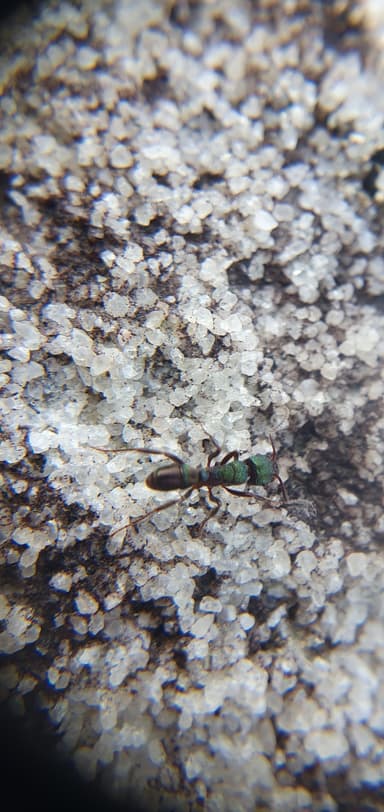
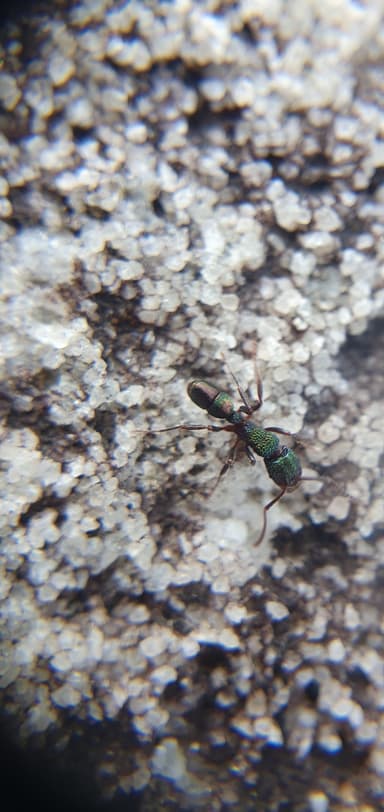
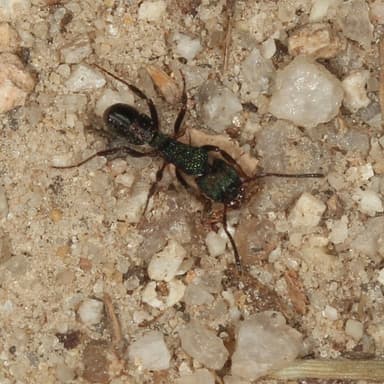
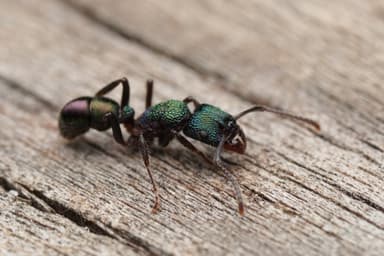
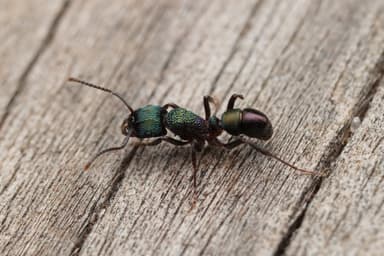
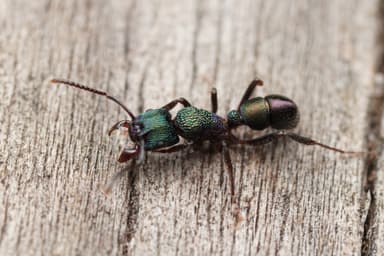
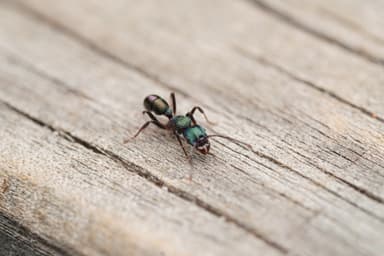
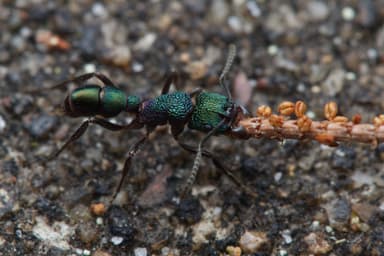
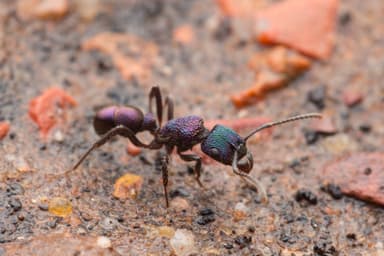
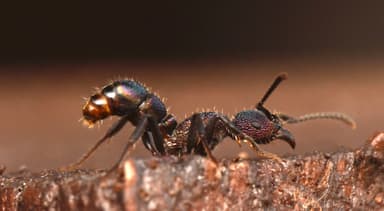
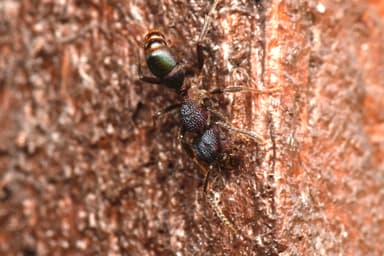
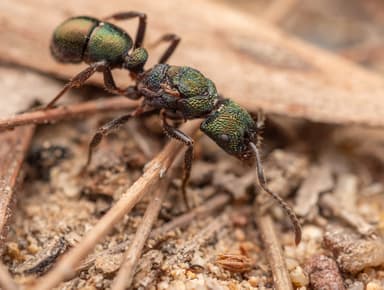
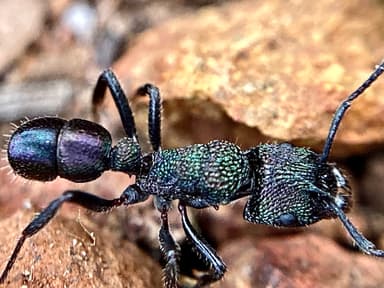
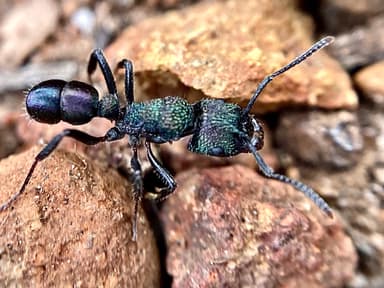
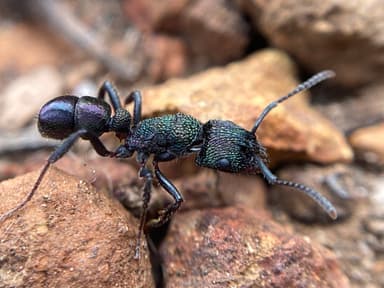
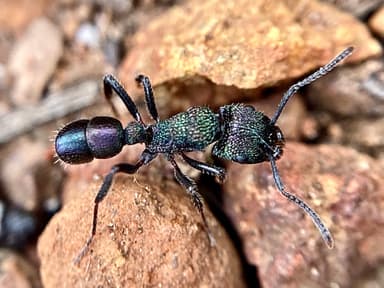
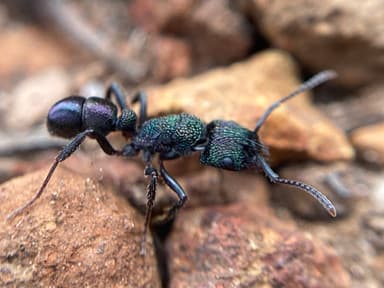
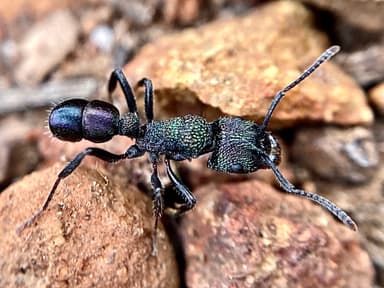
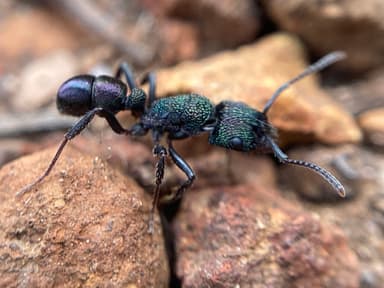
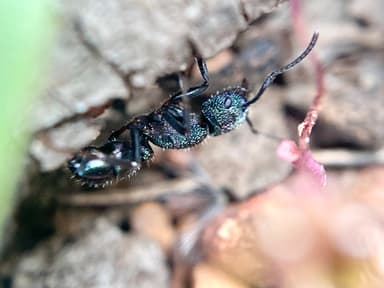
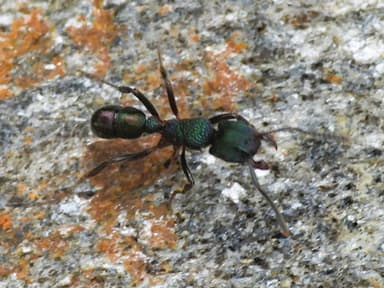
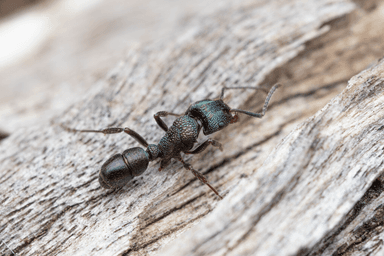
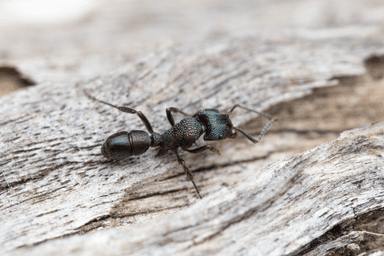
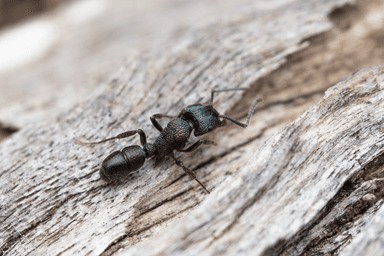
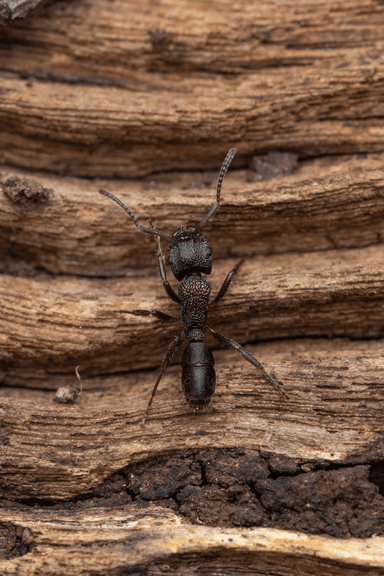
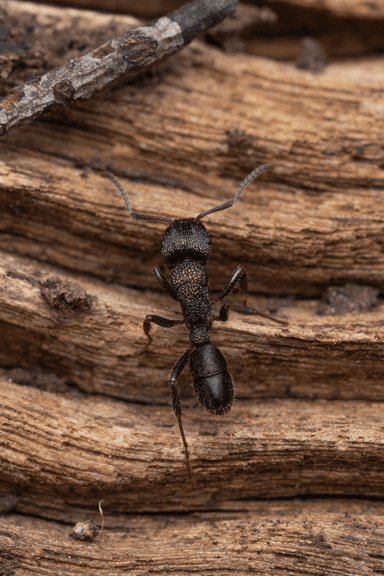
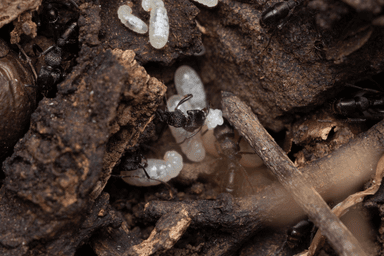
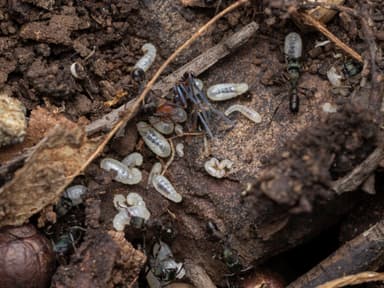
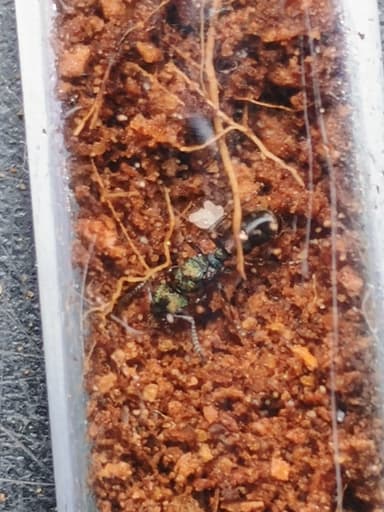
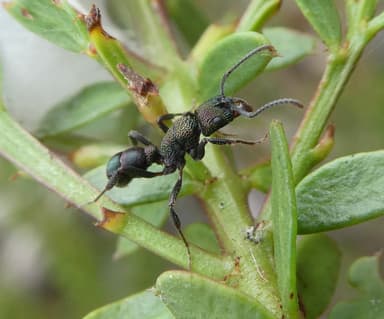
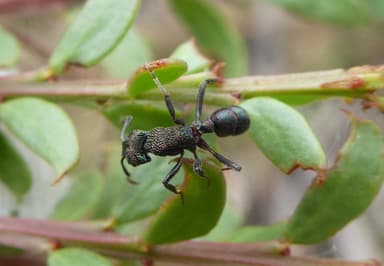
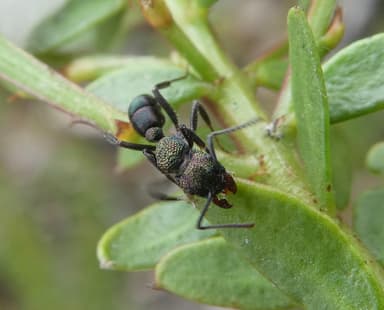
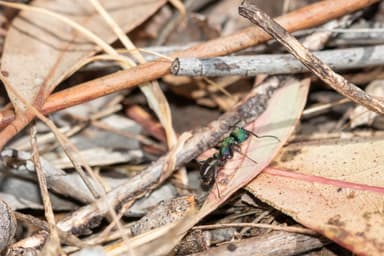
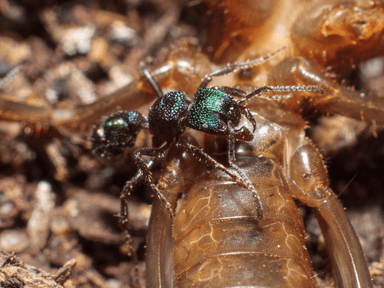
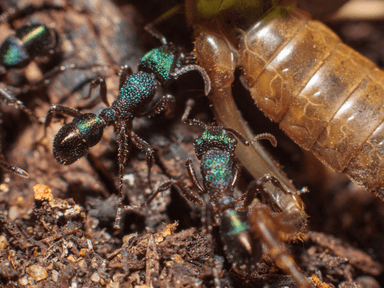
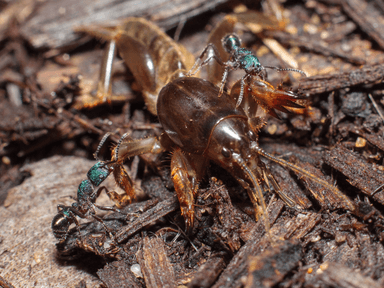
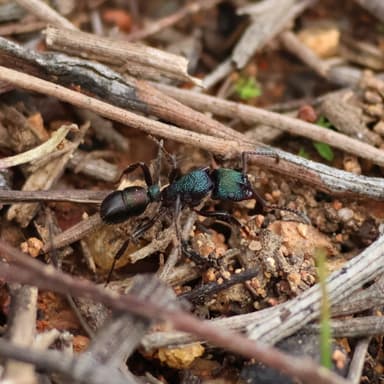
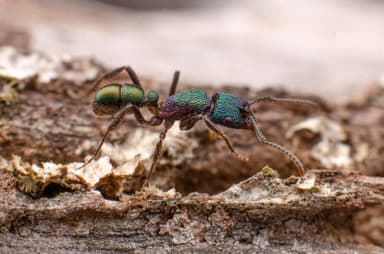
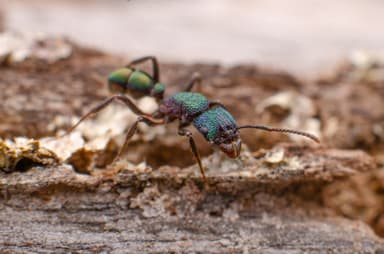
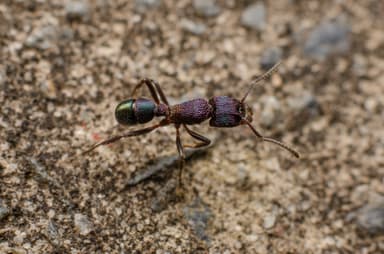
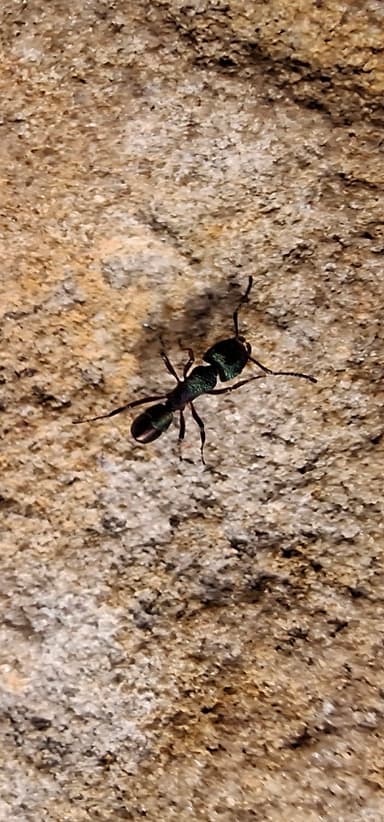
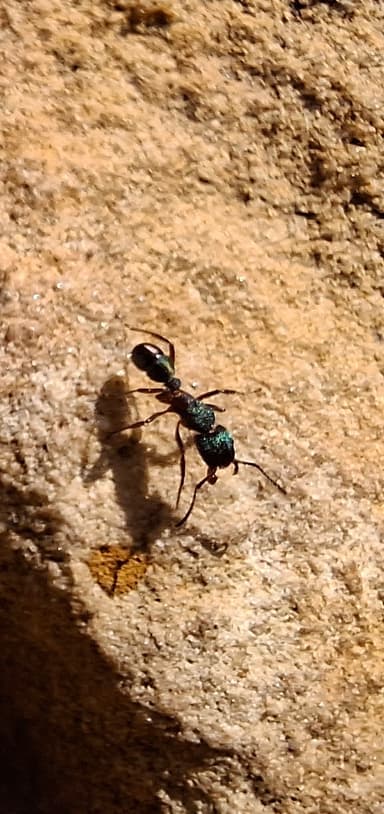
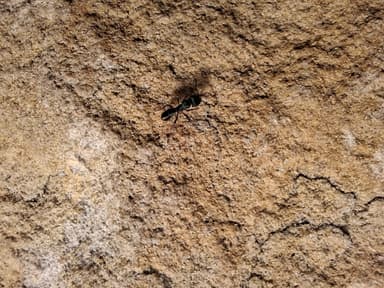
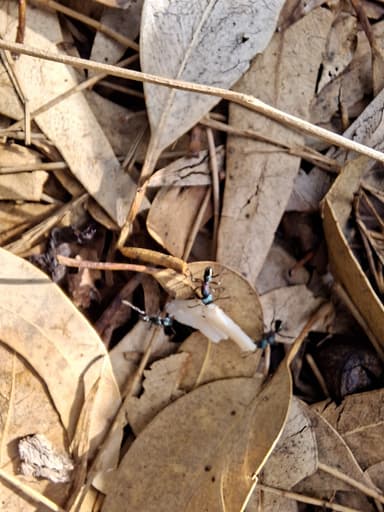
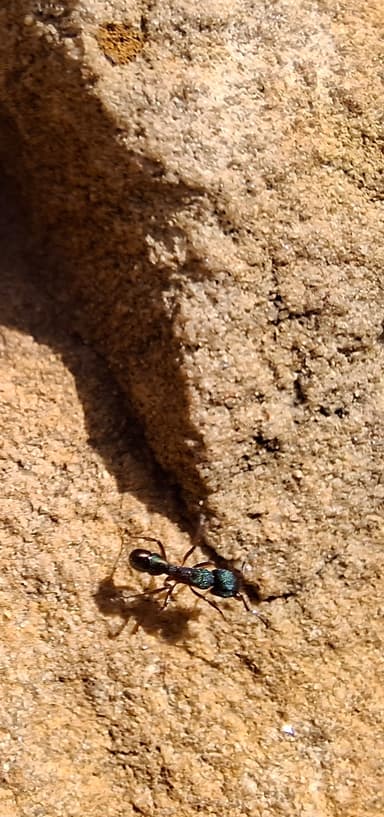
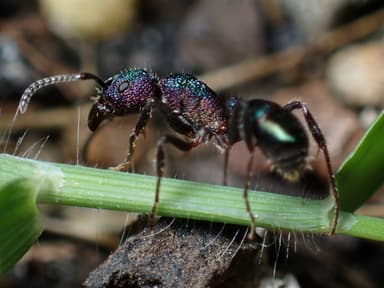
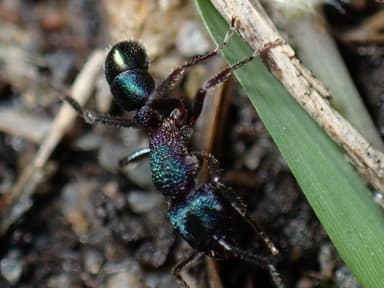
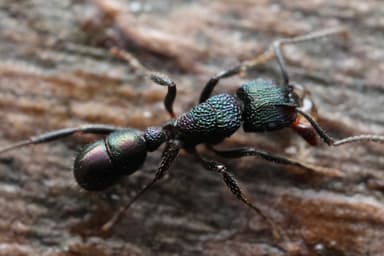
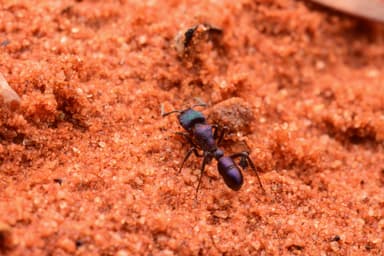
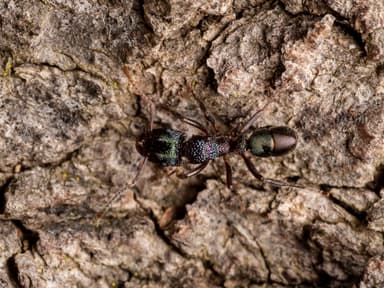
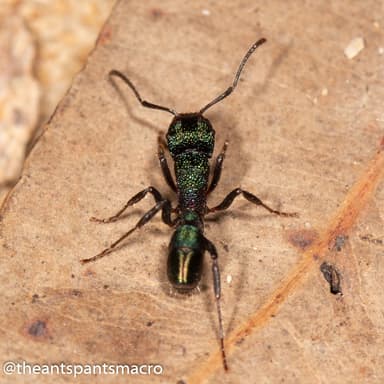
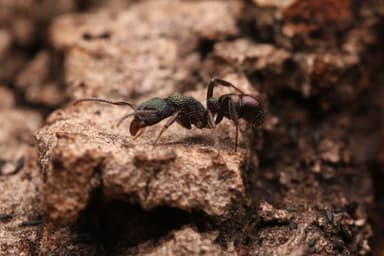
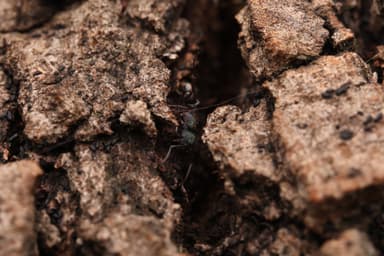
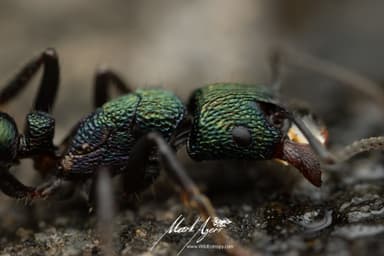
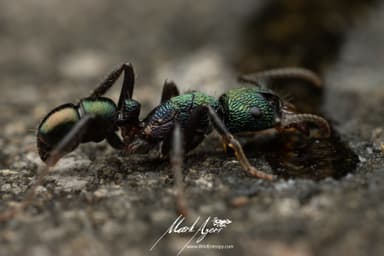
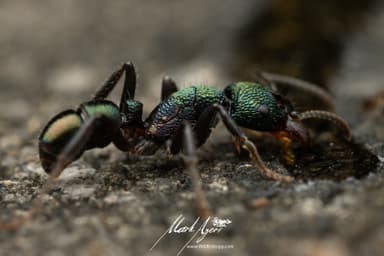
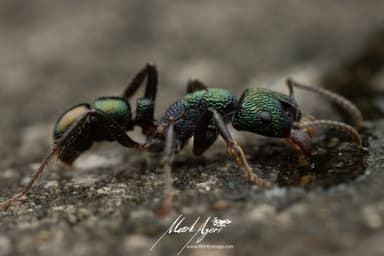
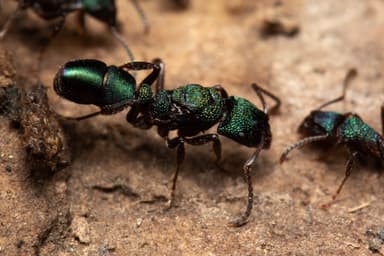
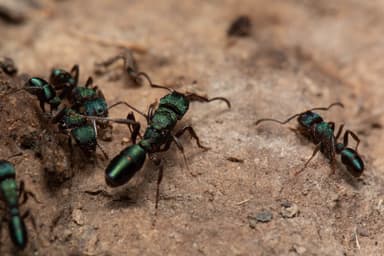
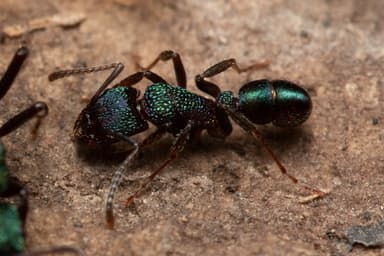
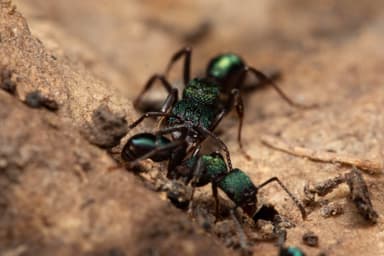
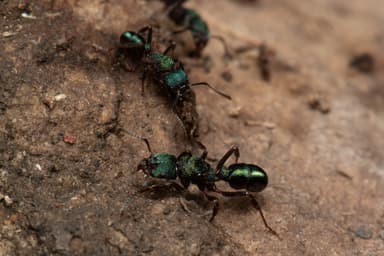
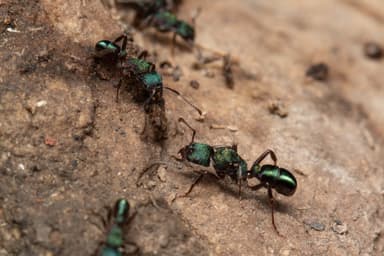
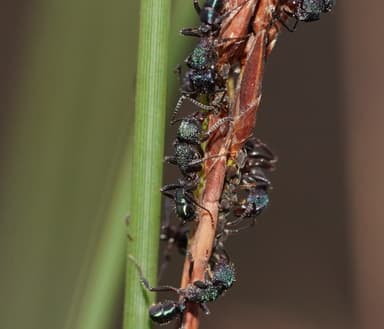
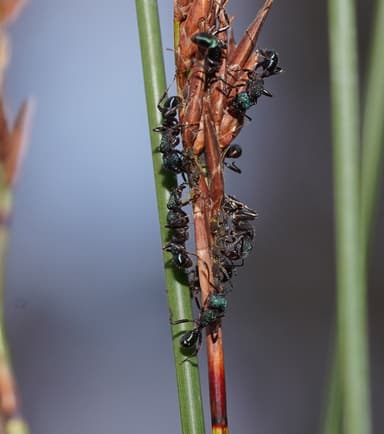
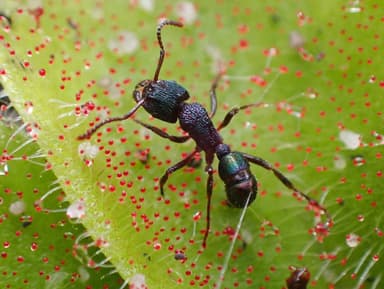
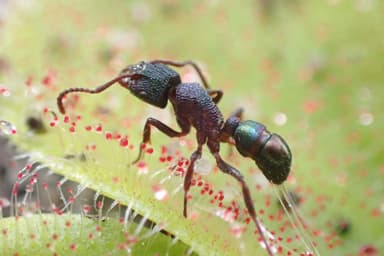
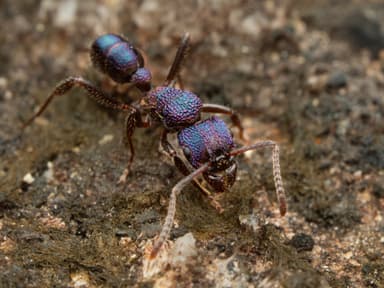
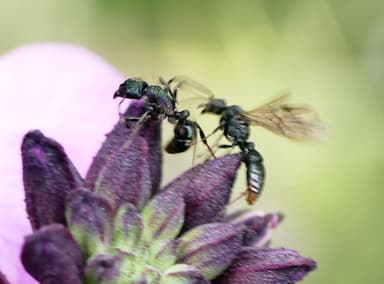
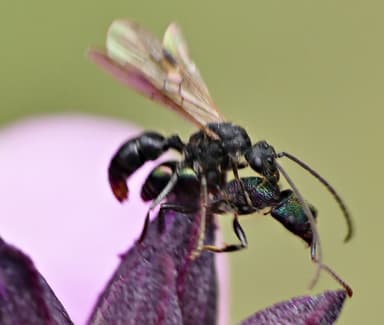
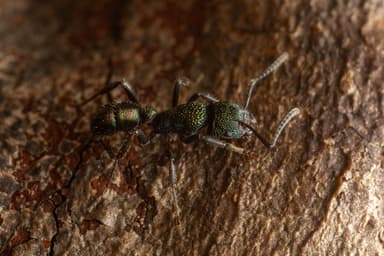
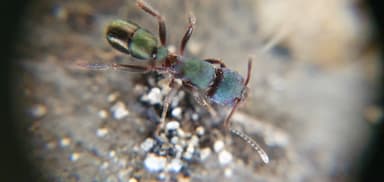
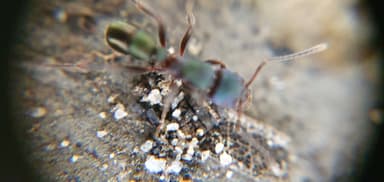
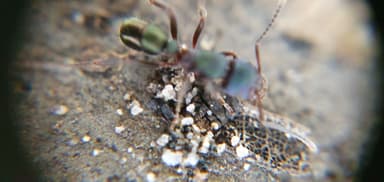
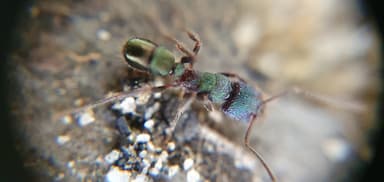
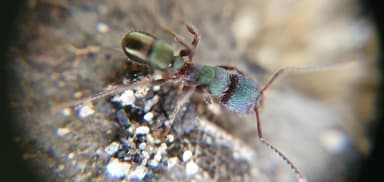
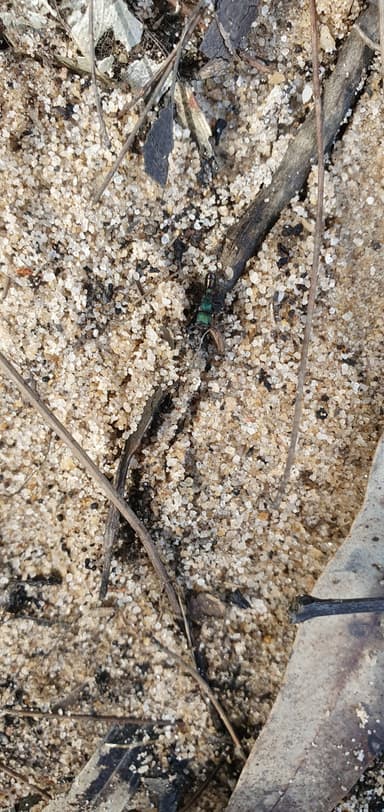
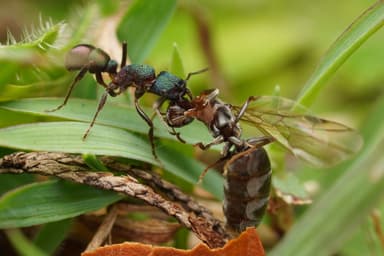
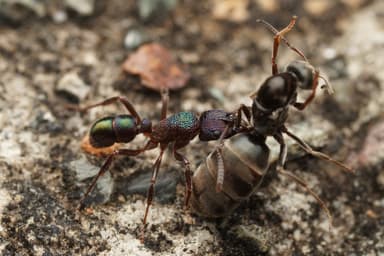
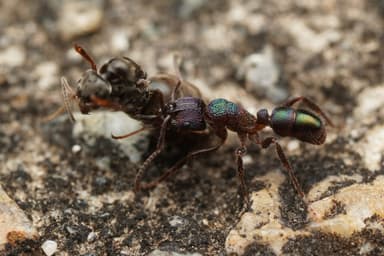
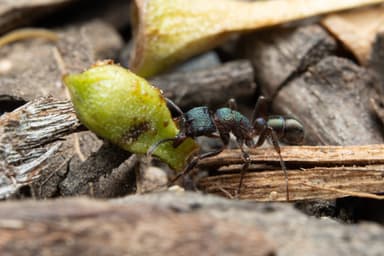
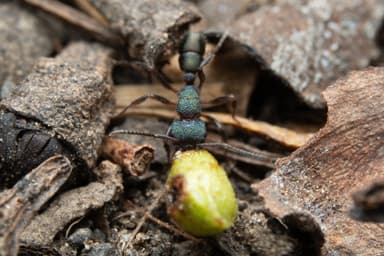
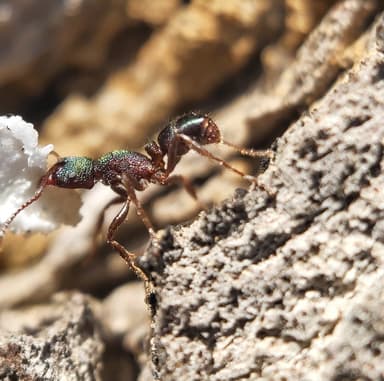
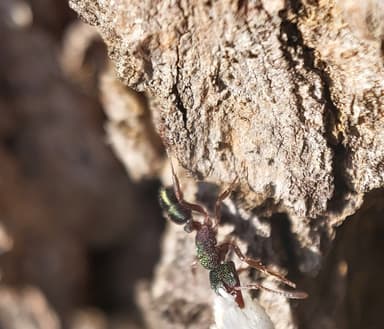
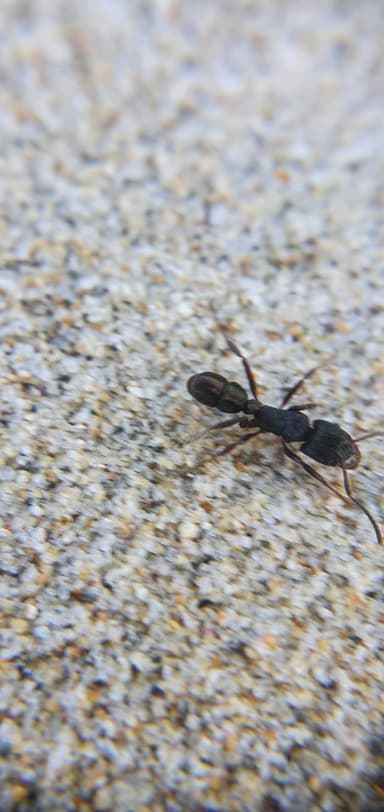
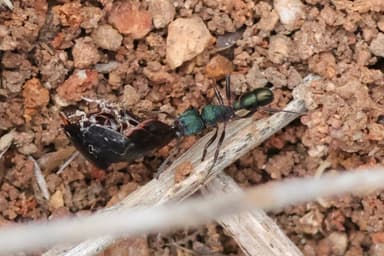
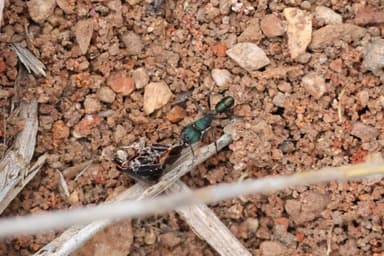
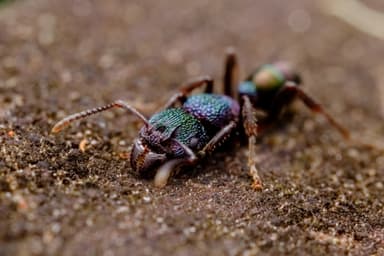
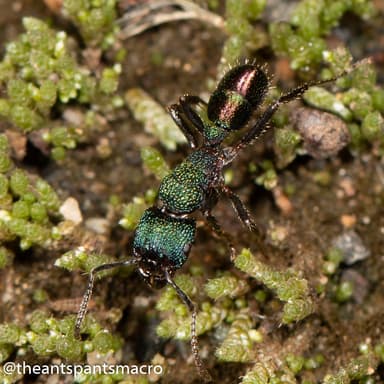
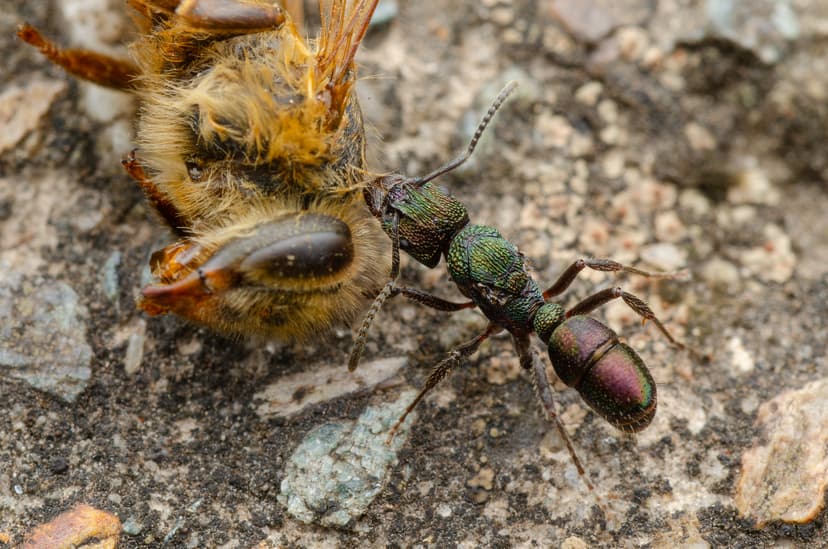
Rhytidoponera metallica, commonly known as the green-head ant or metallic pony ant, is one of the most visually striking species available to ant keepers. Its workers and queen shimmer with a brilliant metallic green-blue sheen that shifts in the light, making them a true gem in any collection. Unlike many ants, this species does not rely on nuptial flights in the traditional sense — queens often mate on the ground or even inside the nest, and they can found colonies through budding, where a portion of workers leaves with a young queen. This unique reproductive strategy, combined with their potent sting and bold foraging behavior, makes them an endlessly fascinating subject for intermediate keepers.
Care difficulty
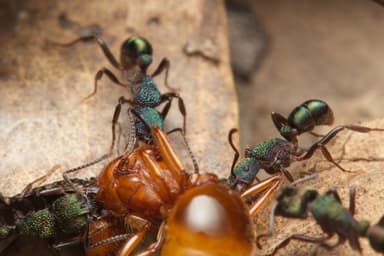
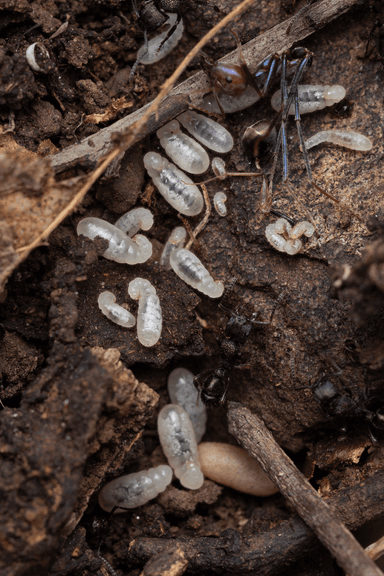
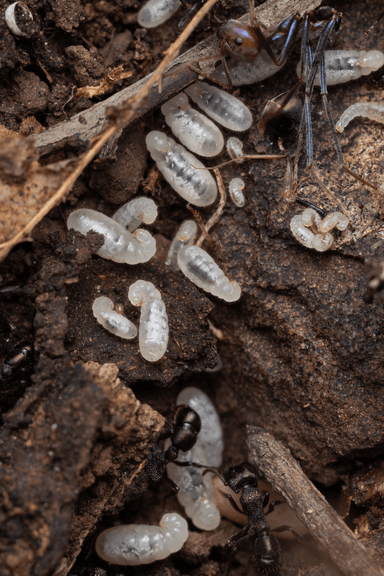
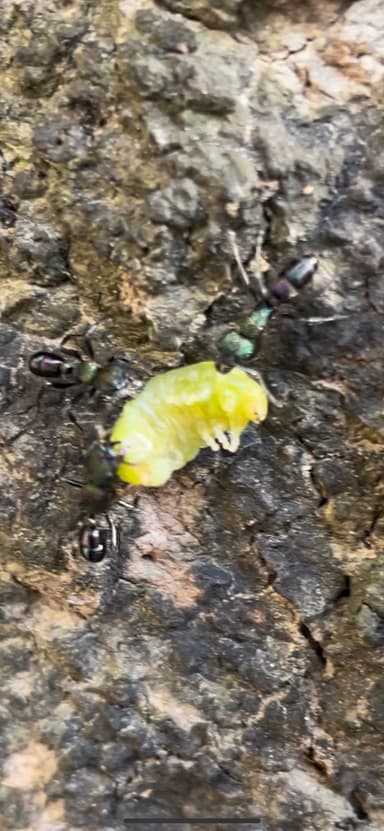
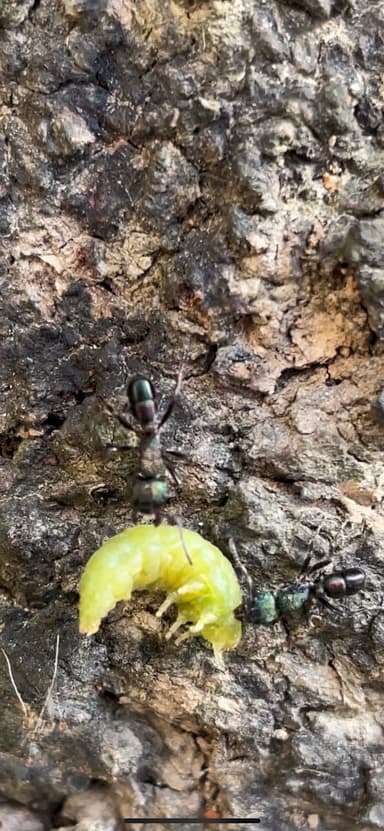
Keeping Rhytidoponera metallica is considered intermediate due to their semi-claustral founding and relatively fast growth once established. The queen must be fed during the founding stage, as she goes out to forage for protein and sugar while raising her first brood. This means keepers need to provide small insects and sugar water regularly from the very beginning. Once the colony reaches about twenty to thirty workers, growth accelerates, and their activity becomes highly visible. These ants are diurnal foragers with a strong preference for protein — they will eagerly hunt down fruit flies, crickets, and mealworms, but also appreciate honey water or diluted honeydew. No hibernation is required, which simplifies year-round care, but they do appreciate a temperature range of twenty to twenty-eight degrees Celsius with moderate humidity.
Housing
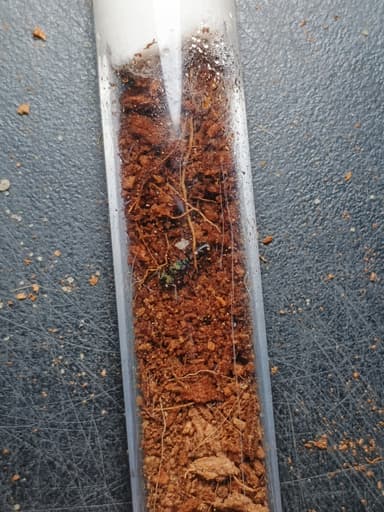
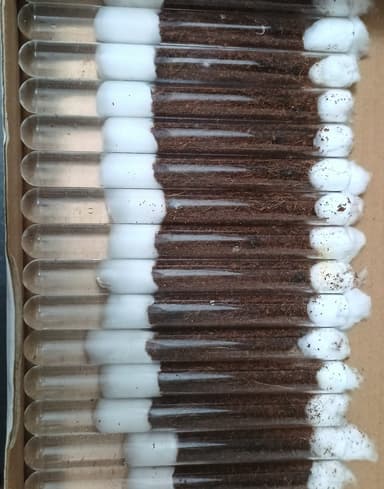
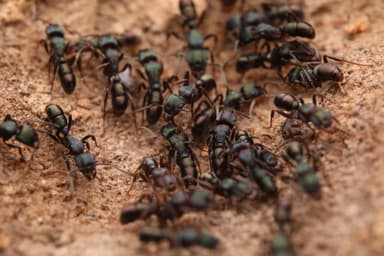
A formicarium for Rhytidoponera metallica should provide a clean, dry nesting area with good ventilation. They are not particularly demanding in terms of substrate, but they prefer a nest with multiple chambers and a separate outworld for foraging. Because these ants are active foragers and will readily explore open spaces, a well-sealed enclosure is essential to prevent escapes. They are not especially prone to climbing smooth surfaces, but a fluon or oil barrier on the outworld sides is recommended. Humidity levels between forty and sixty percent are ideal; the nest area can be lightly moistened, but avoid waterlogging. Queens measure seven to eight millimeters, while workers range from five to seven millimeters, so a colony of up to five hundred workers will need a formicarium of moderate size. A test tube setup works well during founding, but once the colony grows, a modular acrylic or plaster nest is preferred.
First days after purchase
Upon receiving your Rhytidoponera metallica colony, place the container in a quiet, dimly lit area and allow the ants to settle for several hours or overnight. Check that the queen has access to a small drop of diluted honey water and a tiny piece of protein, such as a freshly killed fruit fly or a sliver of cricket. Minimize disturbances during the first few days — these ants can be sensitive to vibrations and sudden light. Monitor feeding closely during the semi-claustral phase, as the queen relies entirely on the keeper for nutrition. Once the first workers appear, you can gradually move the colony into its permanent housing, ensuring a smooth transition by connecting the test tube to the formicarium and letting the ants move at their own pace. With patience and consistent care, this species will reward you with a dazzling display of metallic movement and lively foraging behavior.