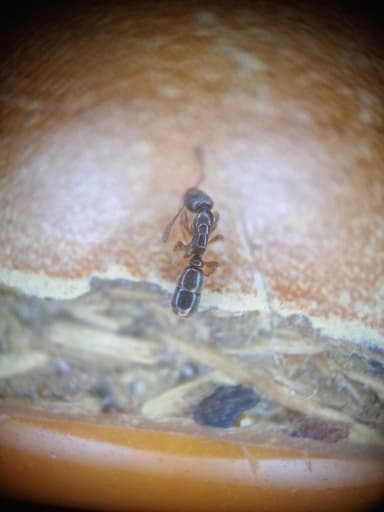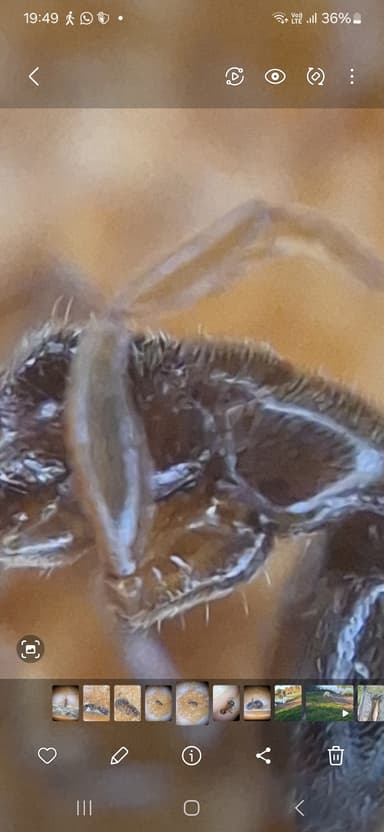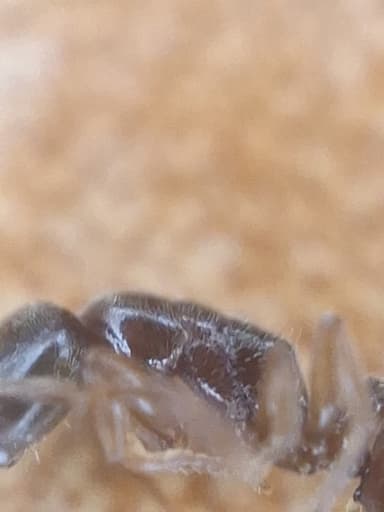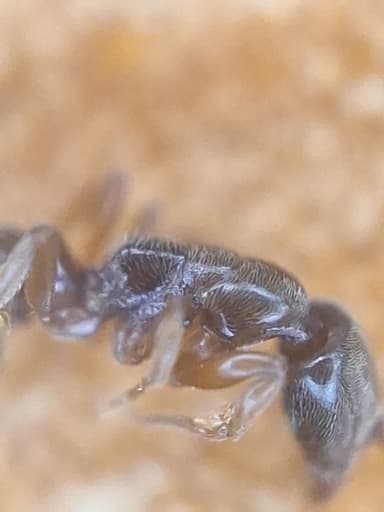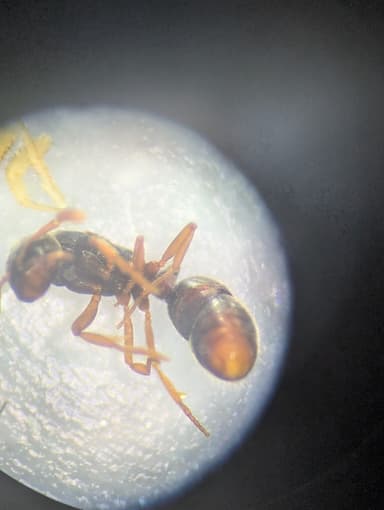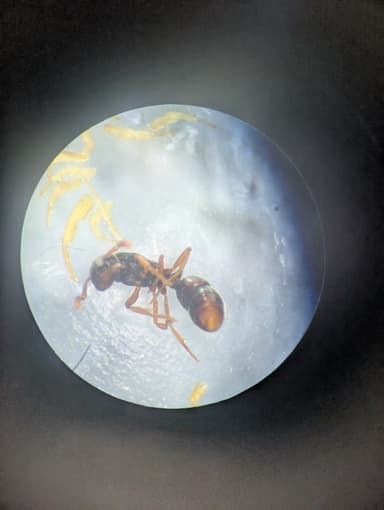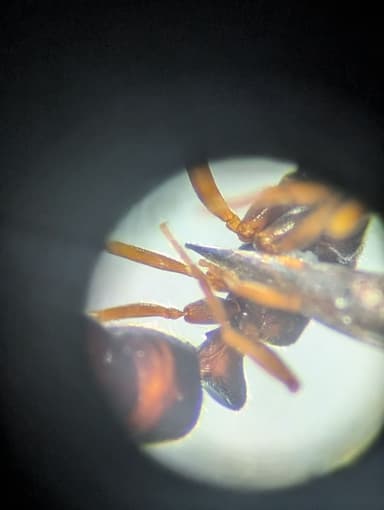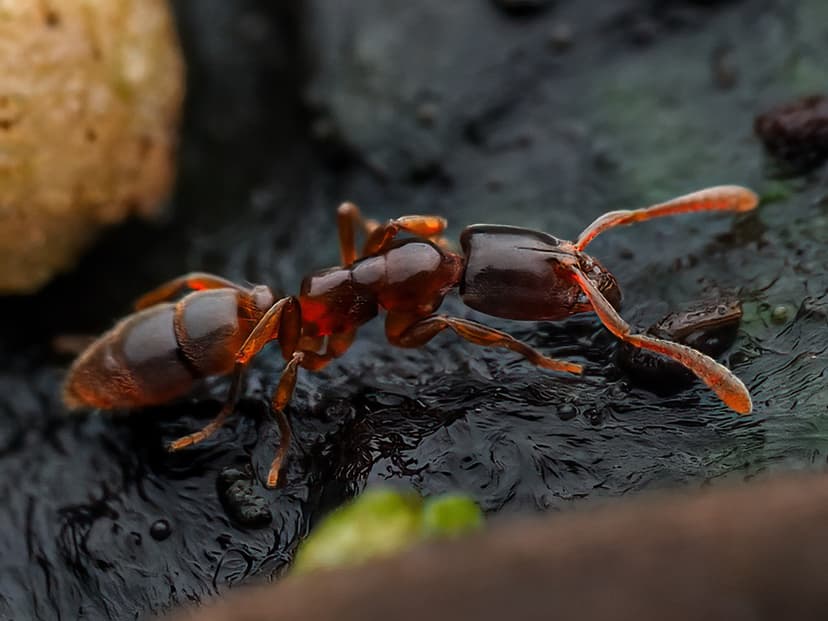
Ponera
Ponera coarctata
Care Guide
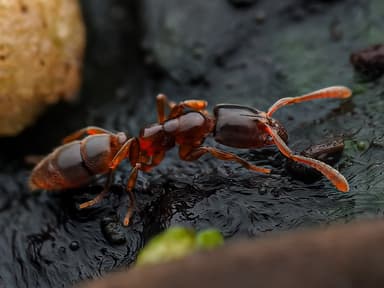
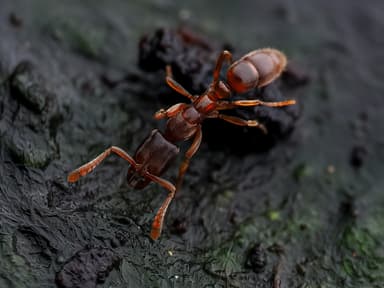
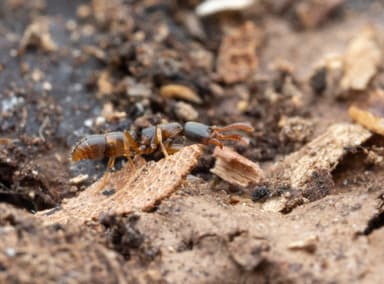
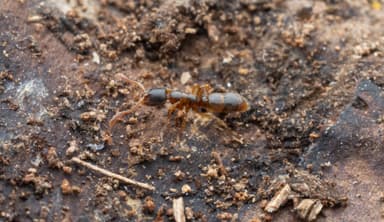
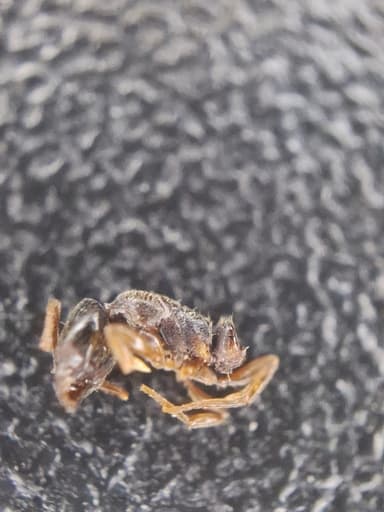
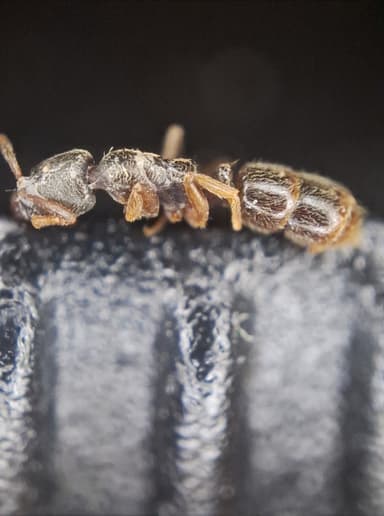
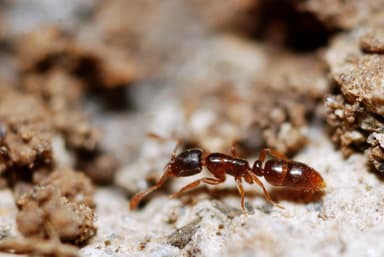
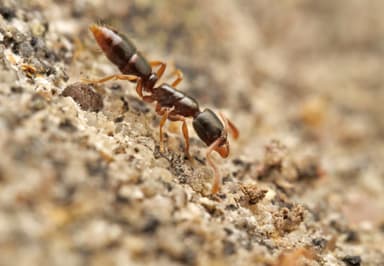
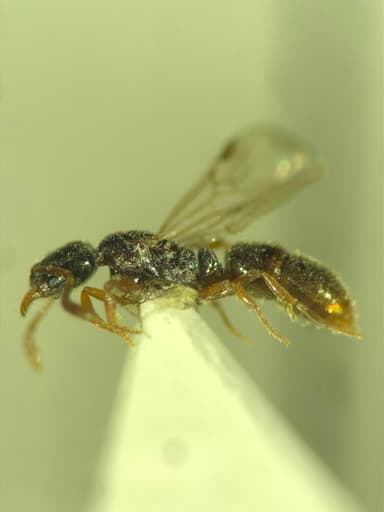
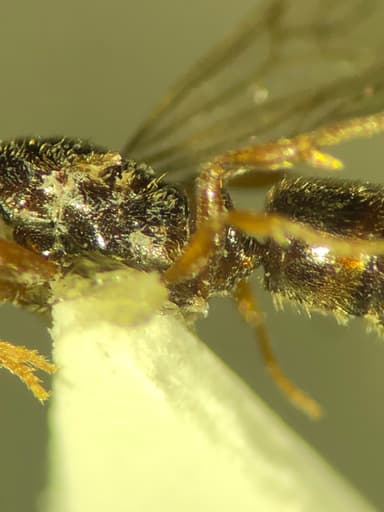
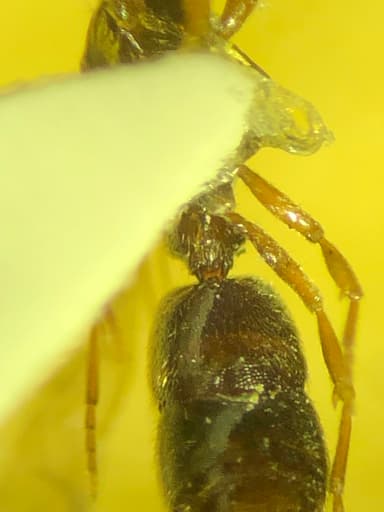
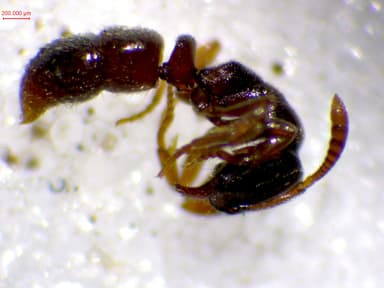
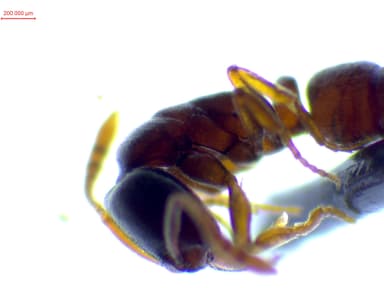
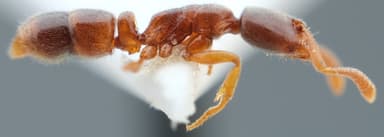
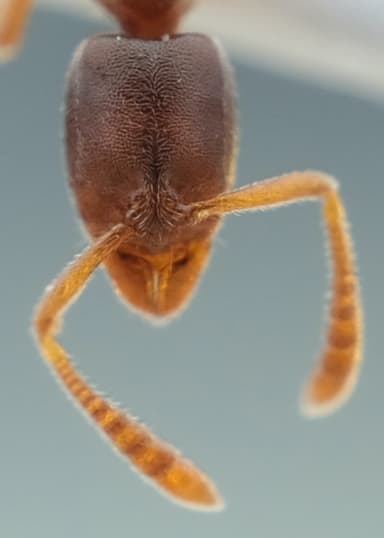
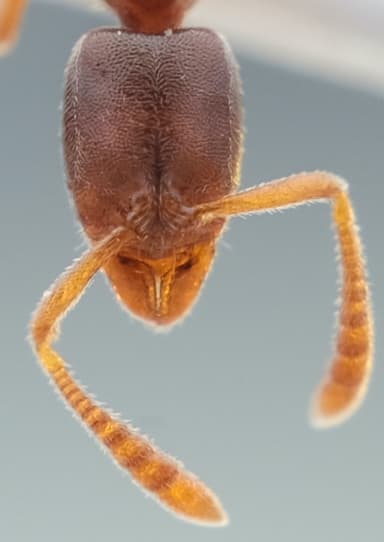
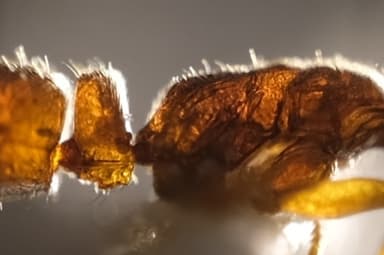
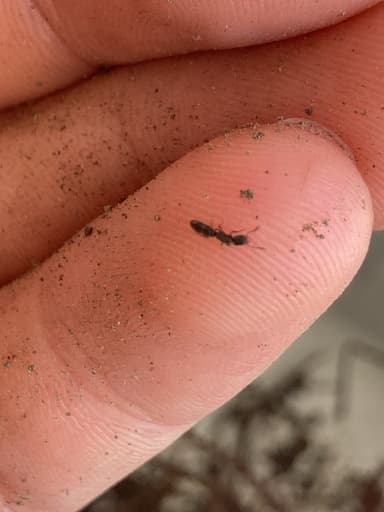
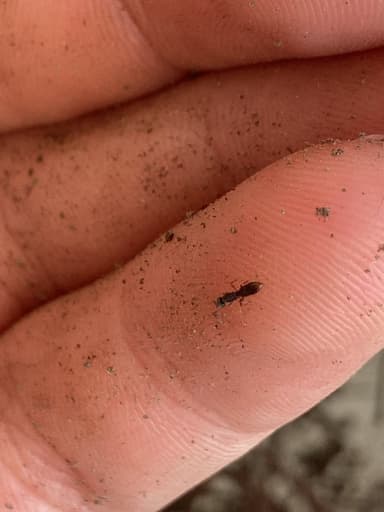
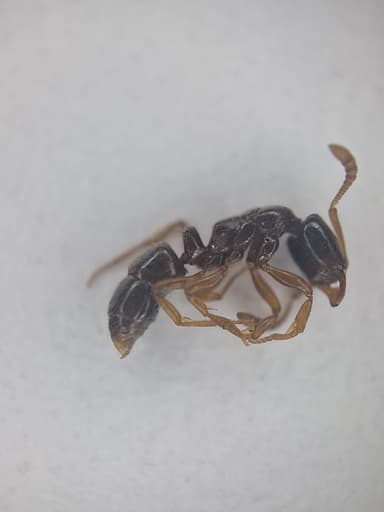
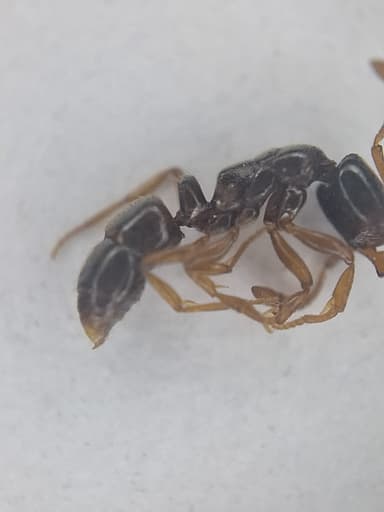
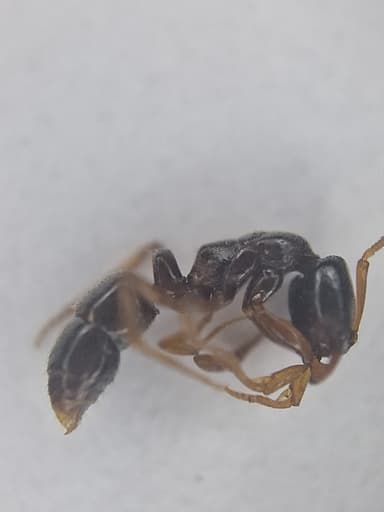
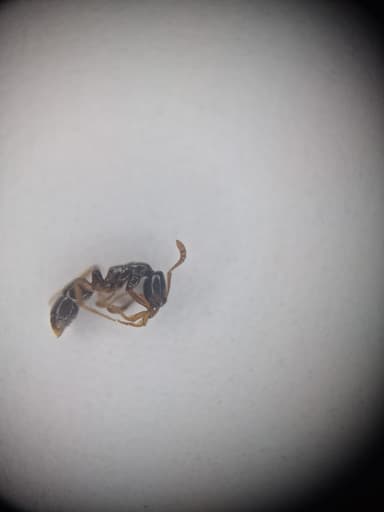
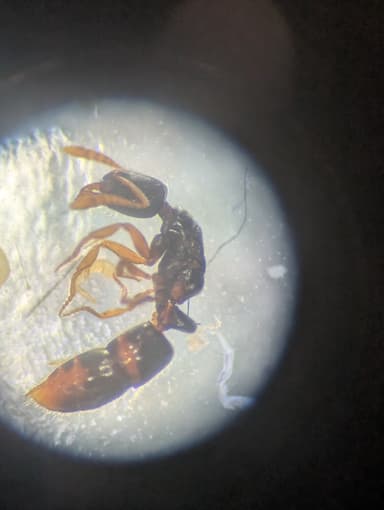
Ponera coarctata is a small but fascinating ant species that offers a rewarding challenge for the intermediate keeper. Unlike the large, polymorphic seed harvesters, these ants are monomorphic – all workers are roughly the same size, measuring just 2.5–3.5 mm, while the queen reaches a modest 3.5–4.5 mm. Colonies are small, typically containing between 30 and 100 workers, which lends itself to a more intimate observation experience. What truly sets Ponera coarctata apart is that they are ponerine ants, equipped with a potent stinger used to subdue prey. They are primarily subterranean hunters, preying on soft-bodied insects and arthropods. Another intriguing aspect of their biology is their ability to produce a faint, pleasant scent reminiscent of bananas when disturbed – a defense mechanism that adds a surprising sensory dimension to ant keeping.
Care difficulty
Keeping Ponera coarctata is considered intermediate, not because they are aggressive or difficult to feed, but because their specific environmental requirements demand careful attention. Their small colony size means they are slow to establish and sensitive to stress. The most crucial factor is humidity – these ants thrive in consistently moist conditions between 70 and 85%. In addition, they require a distinct winter diapause (hibernation) at around 6°C for several months. Without this cooling period, the colony may struggle to develop or fail to produce new sexuals. Diet is straightforward: they are pure protein-feeders. Offer them small insects such as fruit flies, small crickets, or pieces of mealworm. They do not collect seeds or sugars, so no honey water is needed.
Housing
A formicarium for Ponera coarctata should recreate the damp, earthy conditions of their natural habitat. A substrate-based nest with good moisture retention, such as a soil or sand-clay mix, works very well. The nest should be kept dark and shielded from vibrations. Because these ants are tiny and cryptic, a test tube setup is ideal for the founding stage and can be connected to an outworld once the colony grows. Maintain temperatures between 18 and 25°C – they prefer cooler conditions and are sensitive to heat above 28°C. The outworld should have a reliable water source and be kept humid, but not flooded. Providing scattered leaf litter or small pieces of cork bark helps them feel secure and encourages natural foraging behavior.
First days after purchase
When your Ponera coarctata colony arrives, place the tube or formicarium in a quiet, dark spot and resist the urge to check on them frequently. Allow them at least 24 hours to acclimatize. During the first few days, observe from a distance to ensure they are drinking from the water source and accepting offered food. Offer a single small insect, such as a freshly killed fruit fly, and remove any leftovers after 24 hours to prevent mold. Keep humidity levels high by moistening the nest area if needed. Be patient – these ants are cautious and may take time to explore their new surroundings. Once they feel settled, their slow but deliberate movements and cooperative hunting behavior make them a deeply satisfying species to watch.