Pheidole
Pheidole rhea
Care Guide
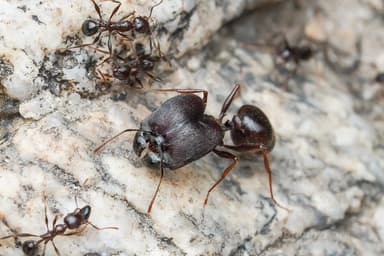
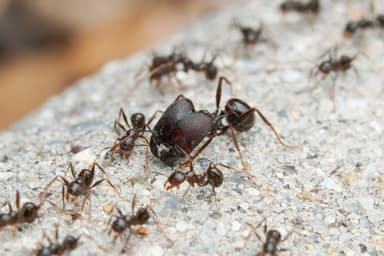
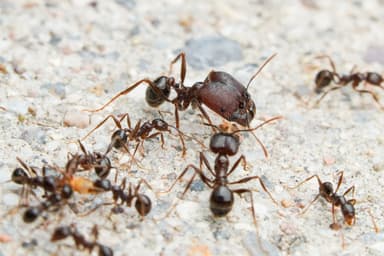
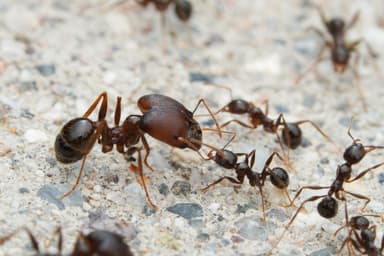
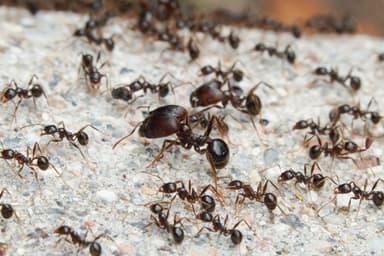
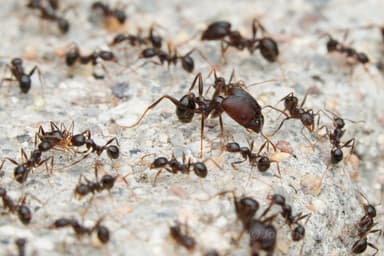
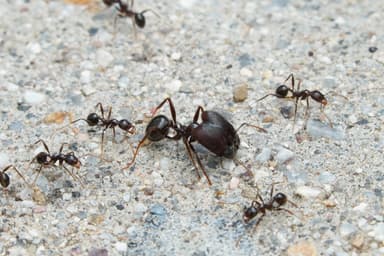
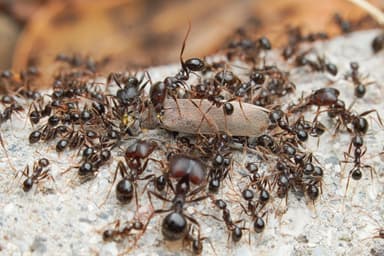
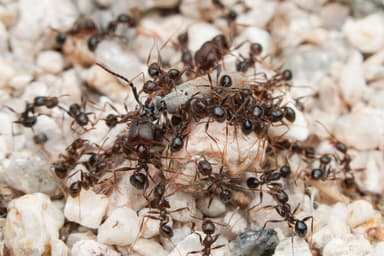
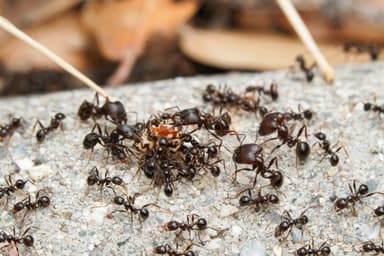
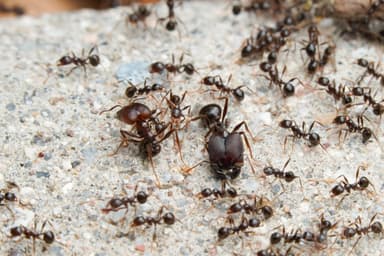
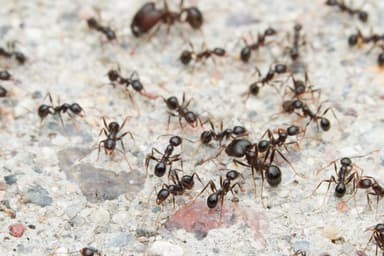
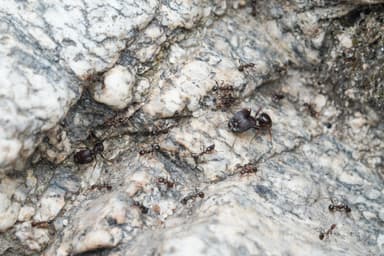
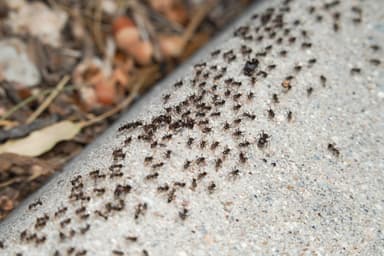
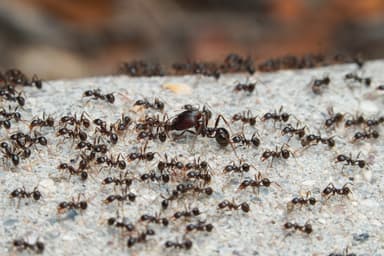
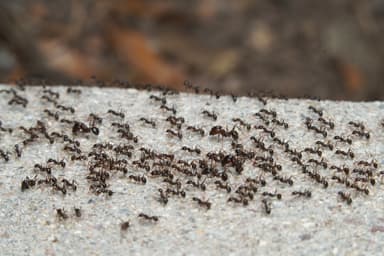
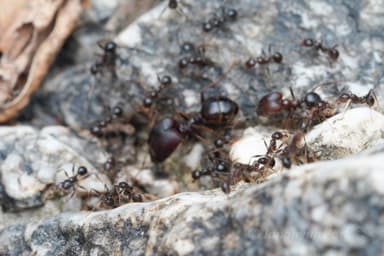
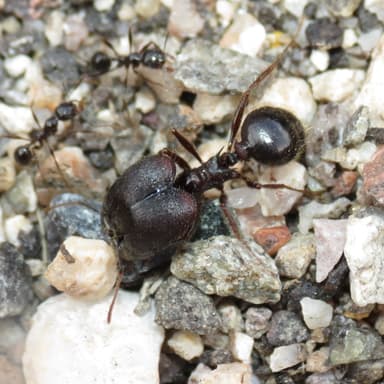
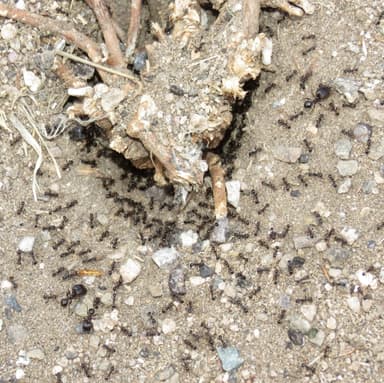
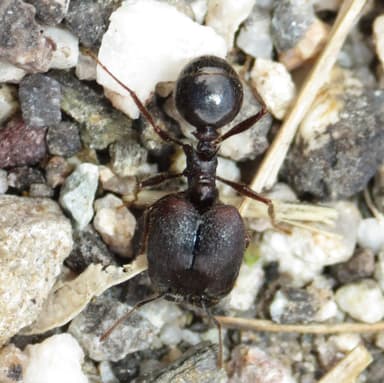
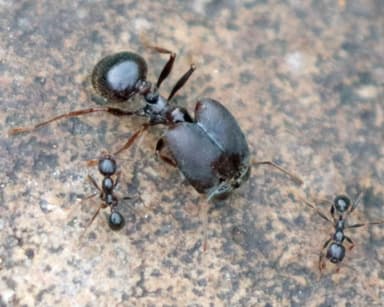
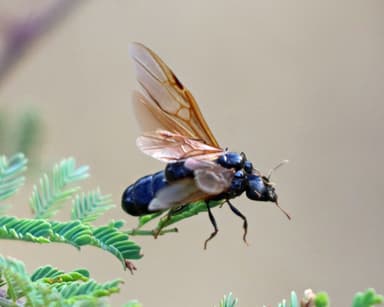
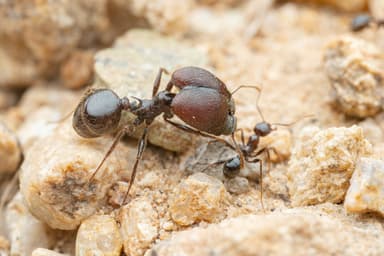
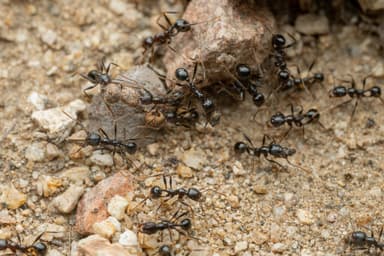
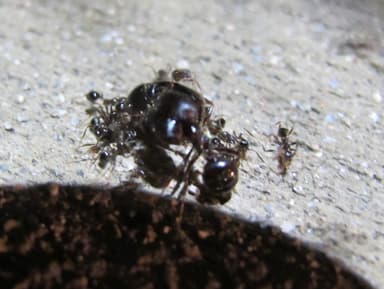
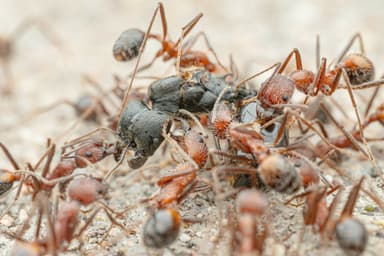
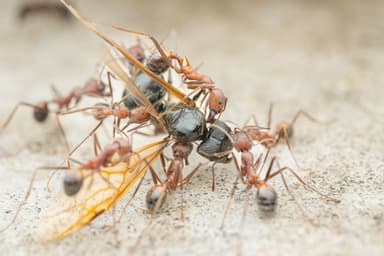
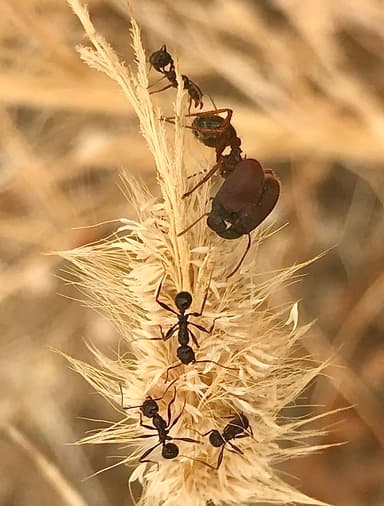
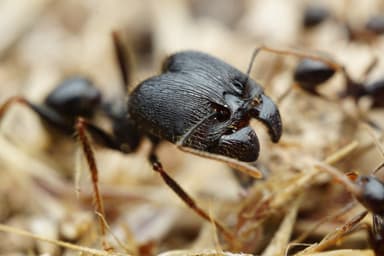
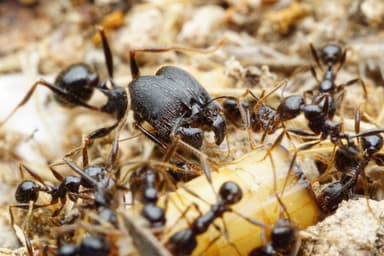
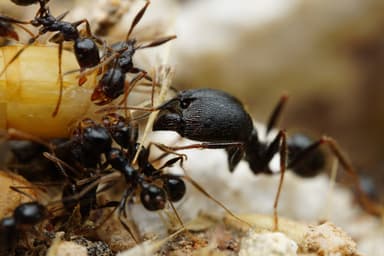
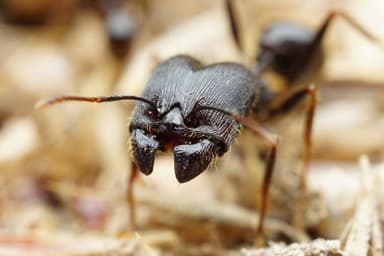
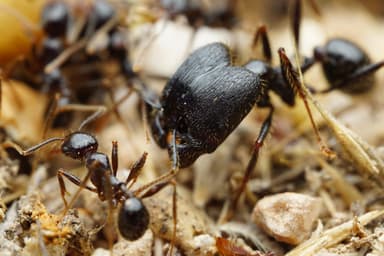
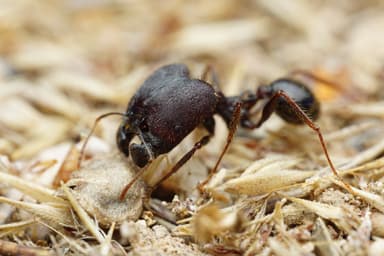
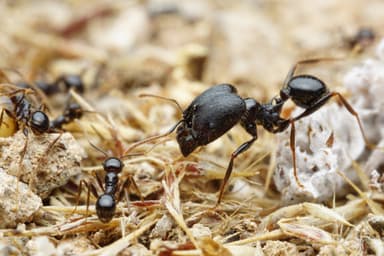
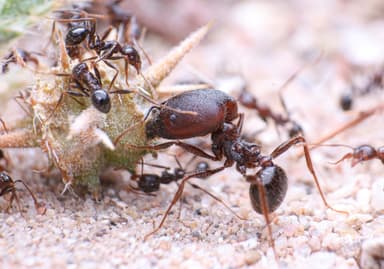
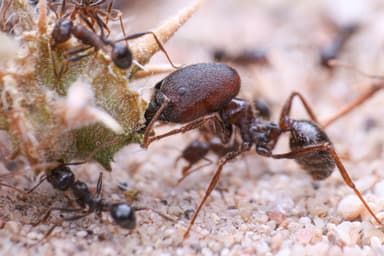
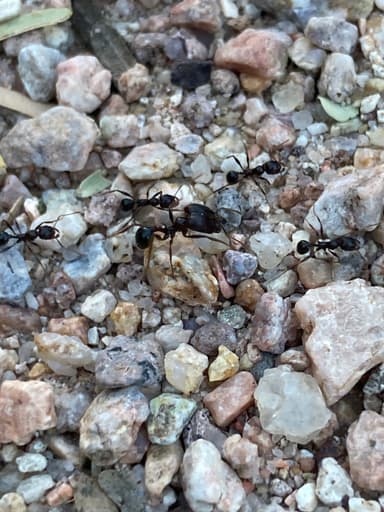
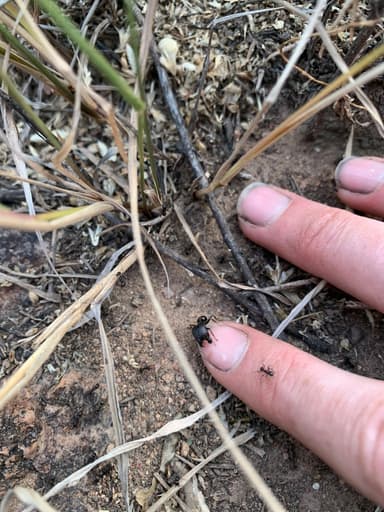
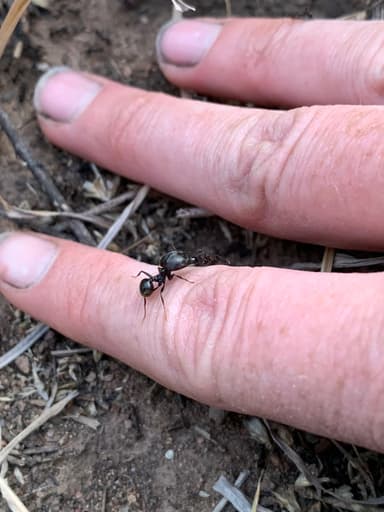
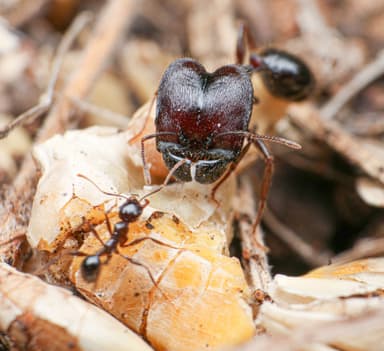
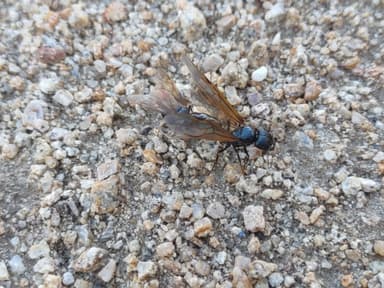
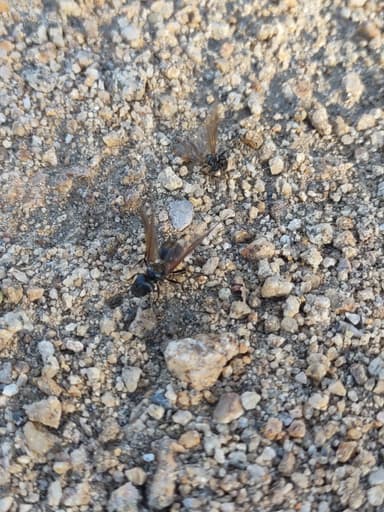
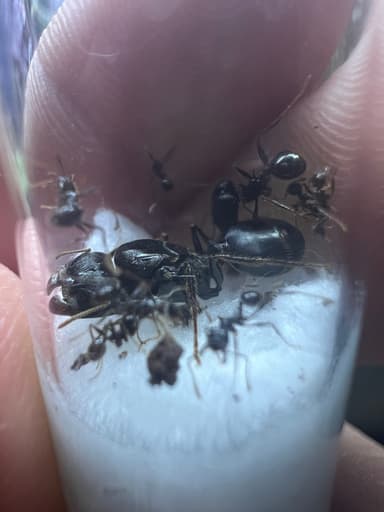
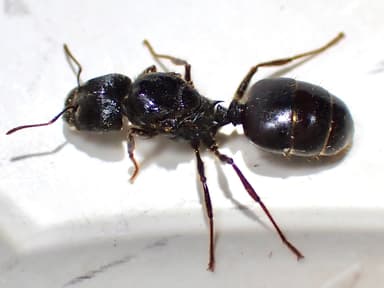
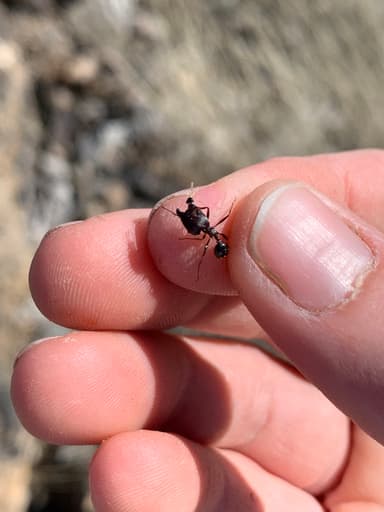
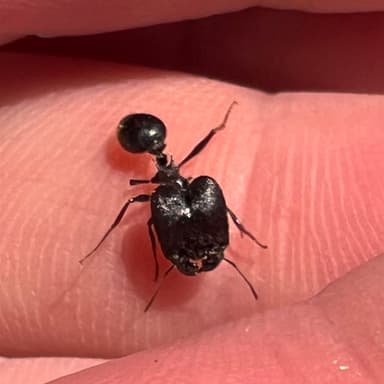
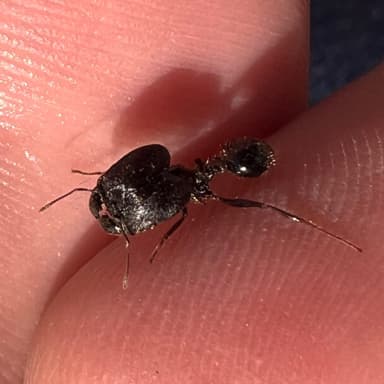
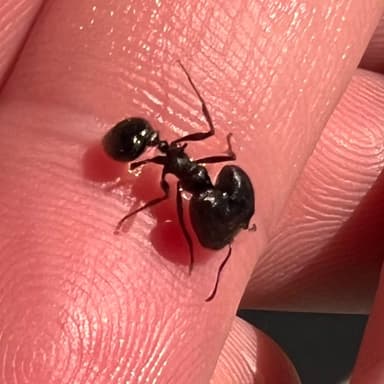
Pheidole rhea is a striking example of polymorphism within the ant world, where a single colony produces workers of dramatically different sizes and forms. The queen, measuring 10–12 mm, is the largest individual and the colony’s sole reproductive. Workers range from nimble minor workers around 3 mm to formidable major workers that can reach up to 10 mm, easily identified by their disproportionately large, powerful heads. These majors serve as defenders and seed crackers, using their strong mandibles to process hard seeds that minors collect.
The diet of Pheidole rhea is versatile and well-suited to captive feeding. They are true omnivores, thriving on a mix of insect protein, a variety of seeds, and sugar water. In the wild, they forage for small arthropods and gather seeds, which the majors then mill into a digestible paste. In captivity, they readily accept mealworms, crickets, or fruit flies as protein sources, alongside a seed mix (such as millet or poppy seeds) and a standard sugar water feeder. This varied diet simplifies nutritional planning and supports robust colony growth.
Care difficulty
Keeping Pheidole rhea is rated as intermediate. Their care is more demanding than that of beginner-friendly species, largely due to their sensitivity to humidity and temperature fluctuations, as well as their need for consistent protein intake. However, their claustral founding – where the queen seals herself in a chamber and raises the first workers without food – makes colony establishment relatively straightforward. Once the first workers eclose, the colony requires attentive feeding and stable environmental conditions to reach its full potential of several thousand workers.
Housing
A formicarium for Pheidole rhea should provide adequate nesting space for the growing colony, with a separate foraging arena for feeding. Ideal temperatures range from 22–30°C, with a sweet spot around 26°C for brood development. Humidity is best kept between 30–50% – lower than many tropical species, but it must be monitored carefully, as overly dry conditions can harm larvae. A hydration system in the nest, such as a moistened substrate or a water reservoir, helps maintain this balance. These ants appreciate some warmth, so a heat cable or mat placed under part of the nest is beneficial. Providing a dark, vibration-free environment is crucial, especially in the early stages, as light and disturbance can stress the colony.
First days after purchase
Upon receiving your Pheidole rhea colony, place the formicarium in a quiet, dimly lit spot and allow the ants to settle for at least 24 hours. Avoid any unnecessary movement or opening of the nest. Ensure they have immediate access to fresh water and a small amount of sugar water. Do not offer protein immediately – give them time to acclimate. After a day or two, introduce a single small insect (like a fruit fly or pinhead cricket) to test their feeding response. Gradually increase feedings as the colony becomes active. With patience and stable conditions, Pheidole rhea will reward you with the fascinating sight of their polymorphic workforce bustling about their duties.