Neoponera
Neoponera villosa
Nuptial Flight Calendar
Care Guide
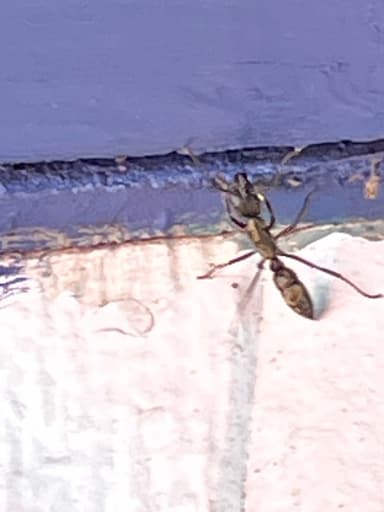
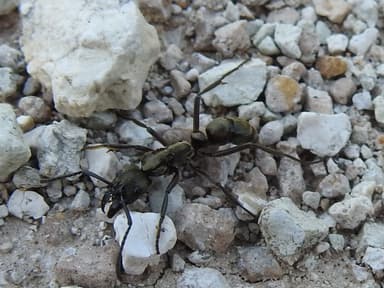
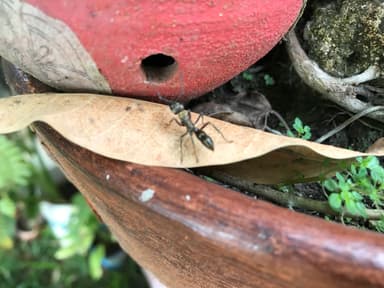
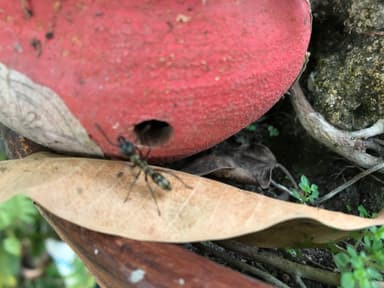
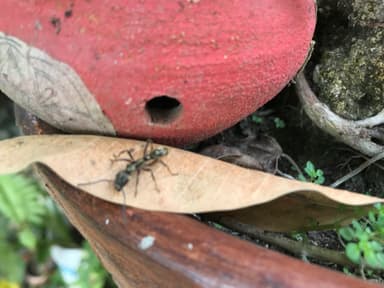
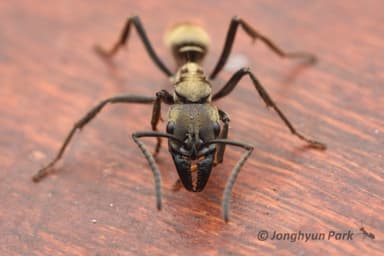
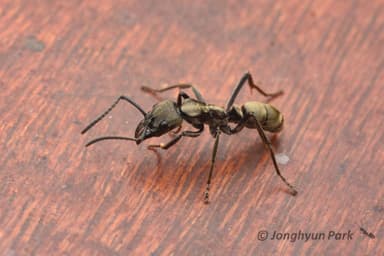
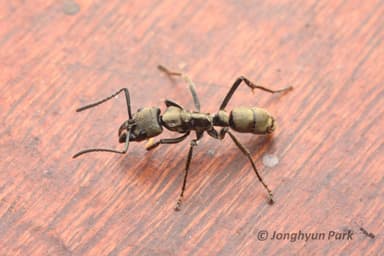
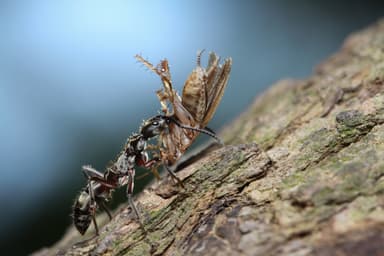
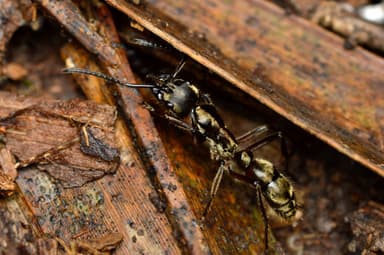
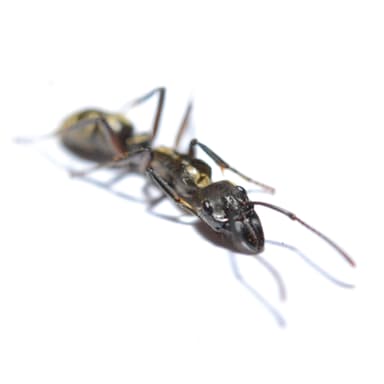
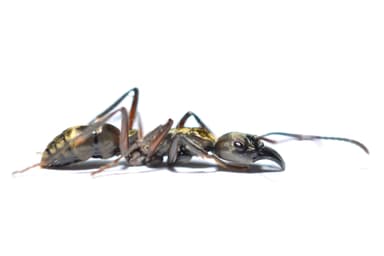
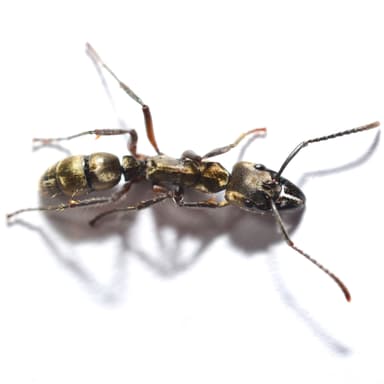
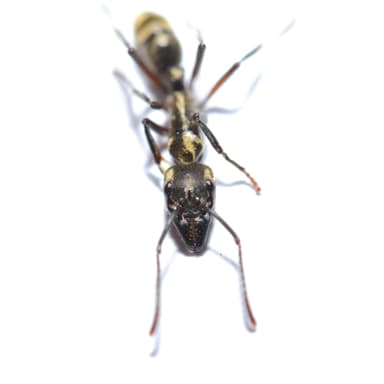
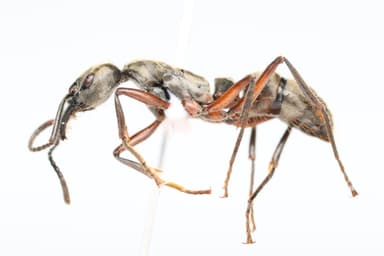
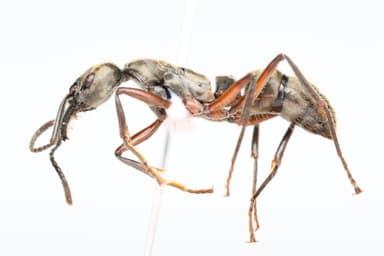
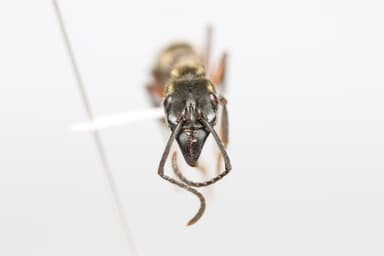
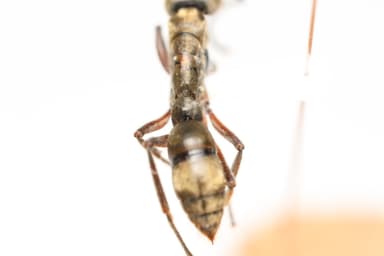
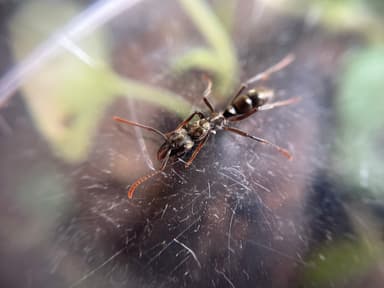
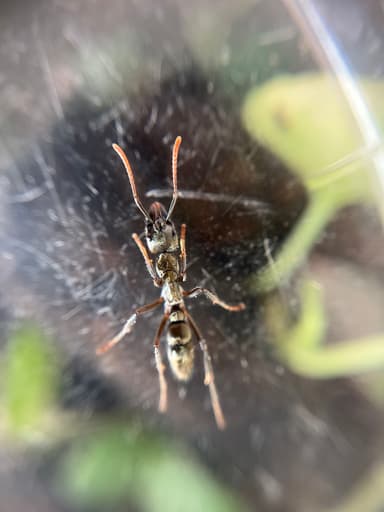
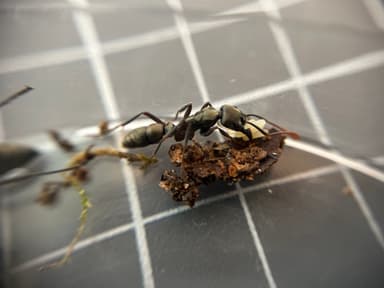
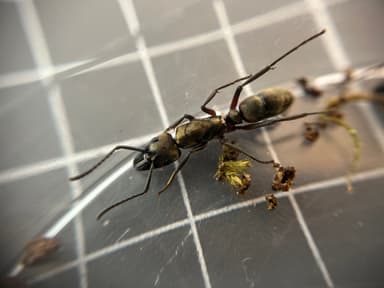
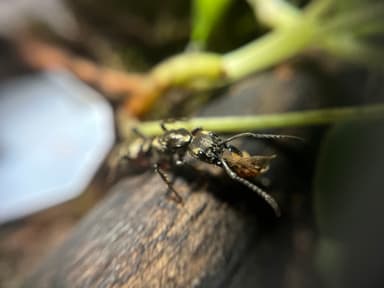
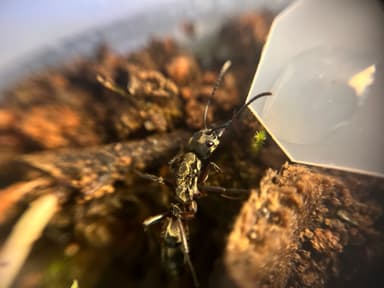
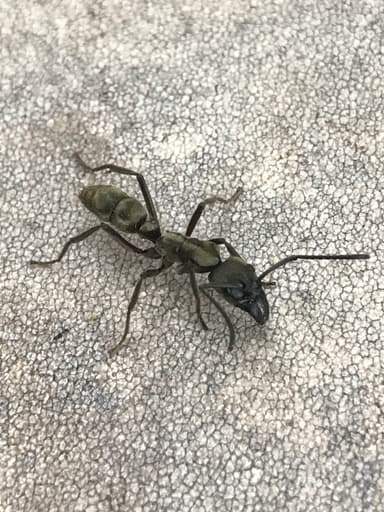
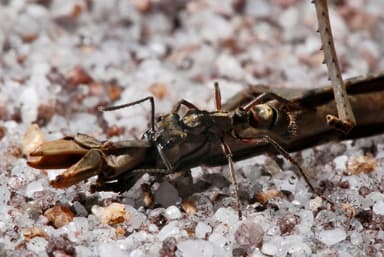
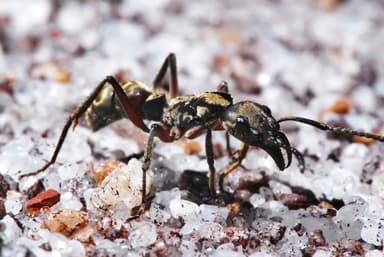
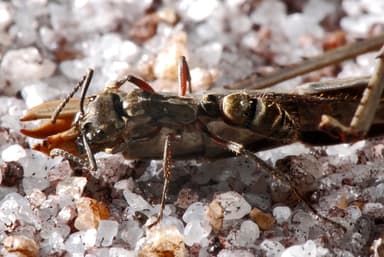
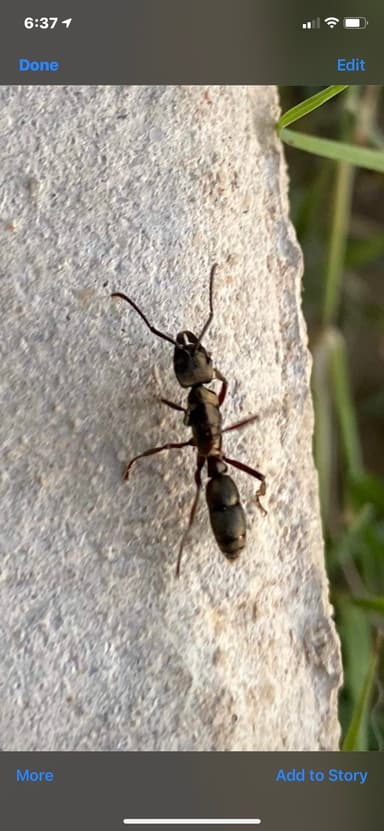
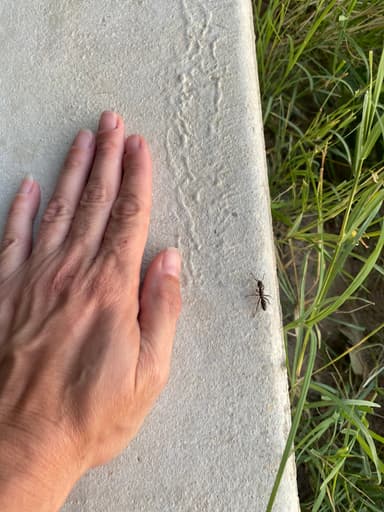
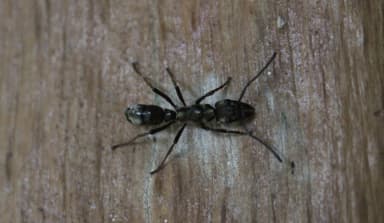
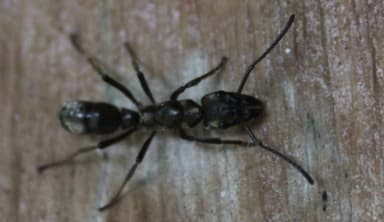
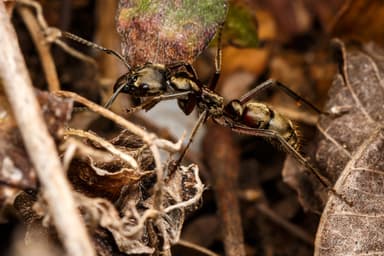
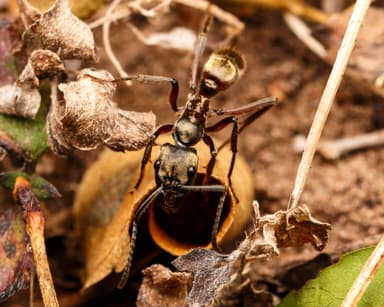
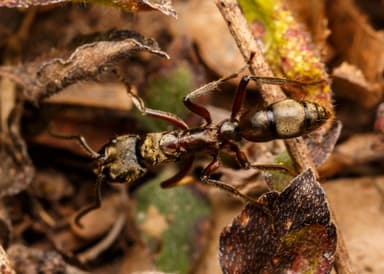
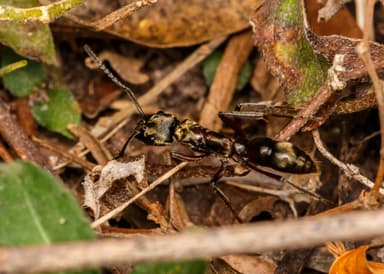
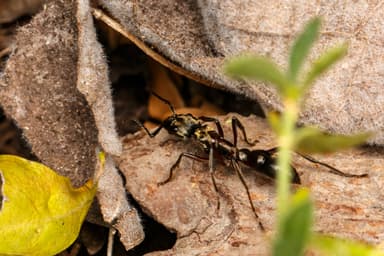
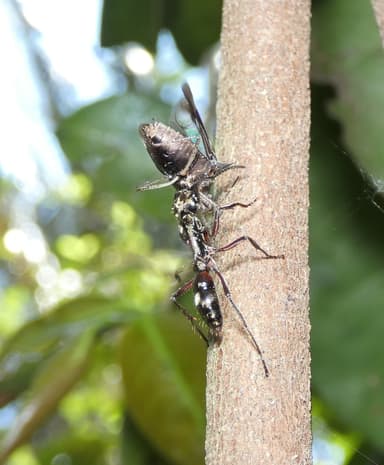
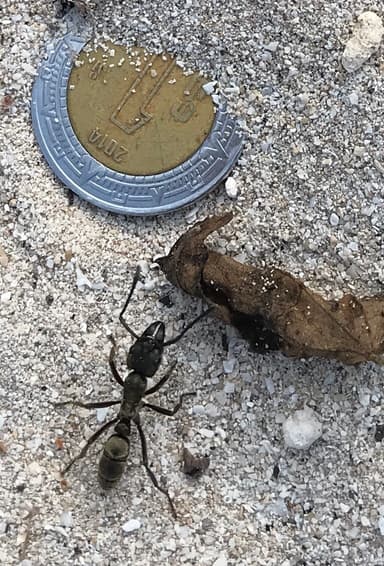
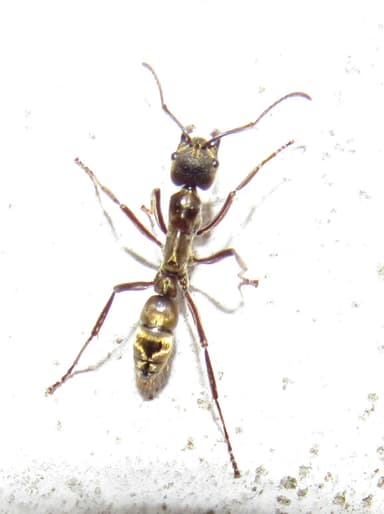
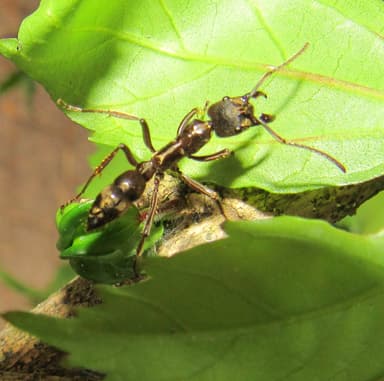
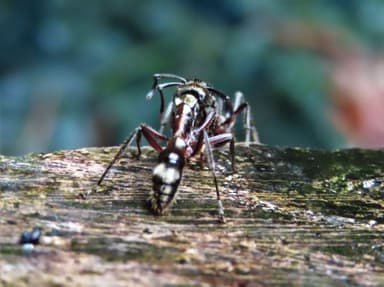
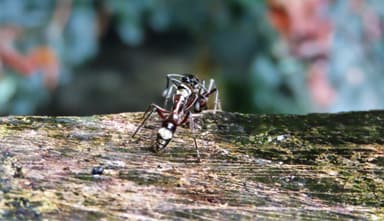
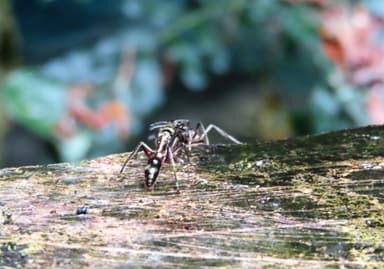
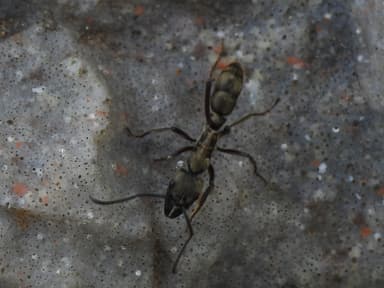
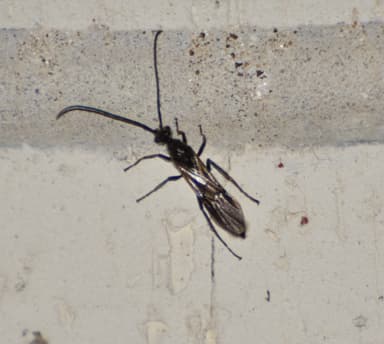
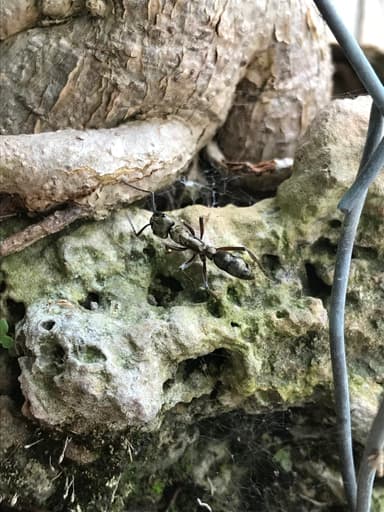
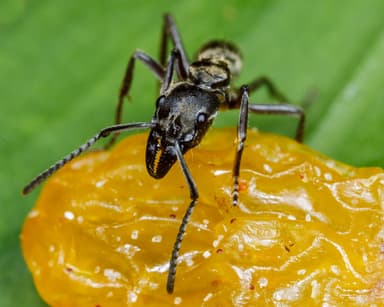
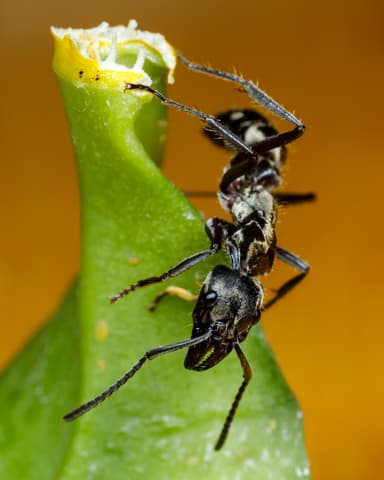
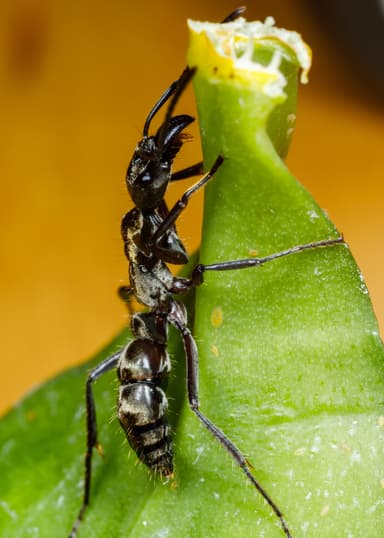
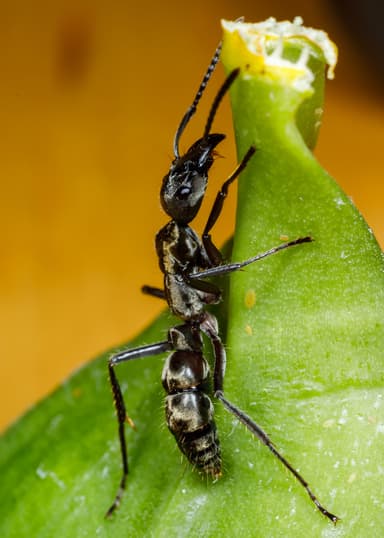
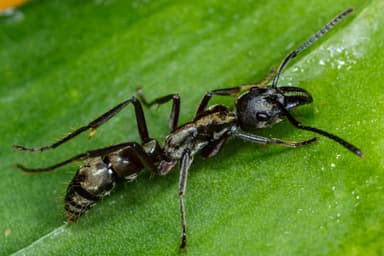
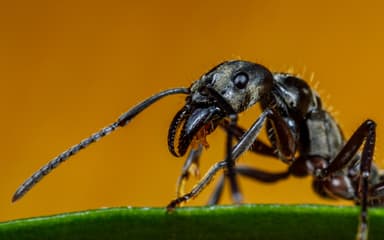
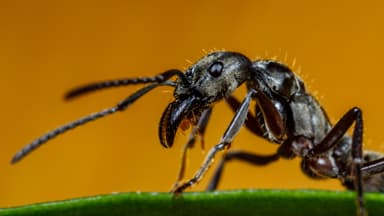
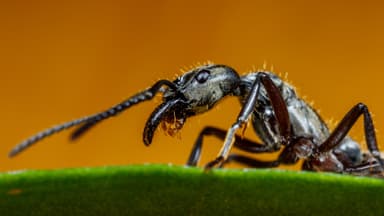
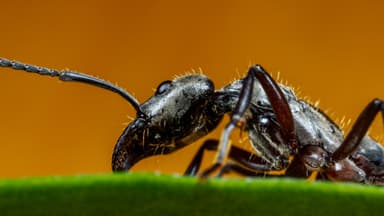
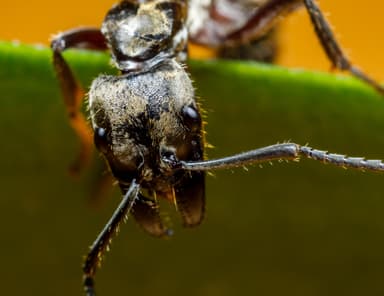
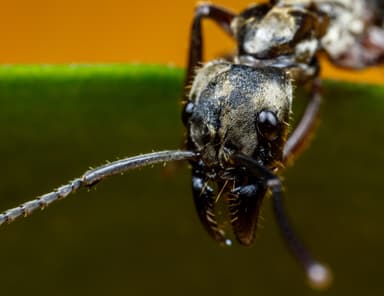
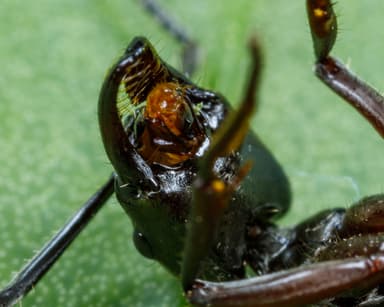
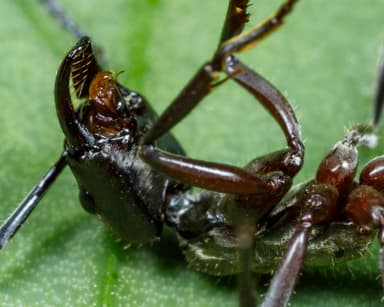
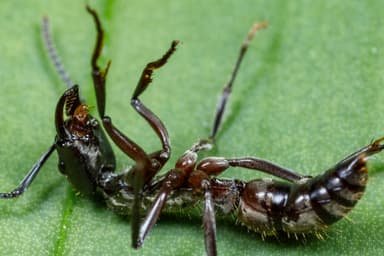
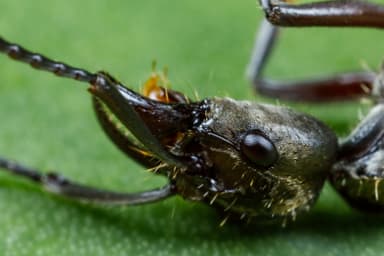
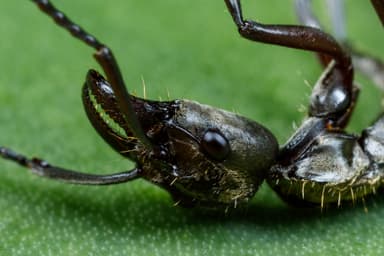
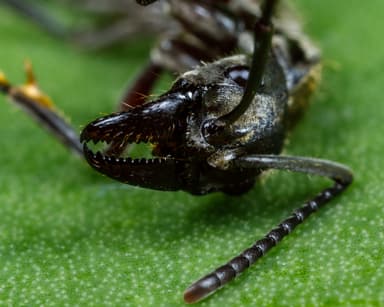
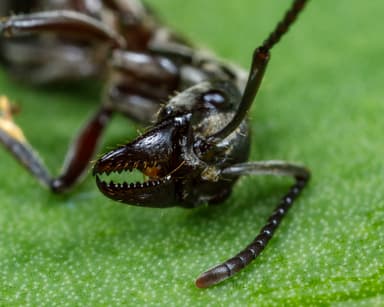
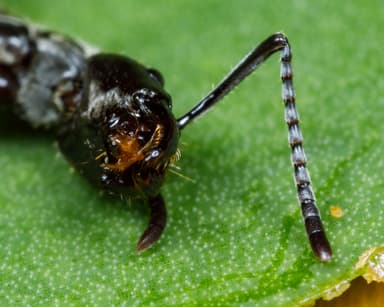
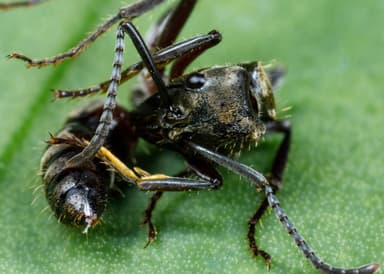
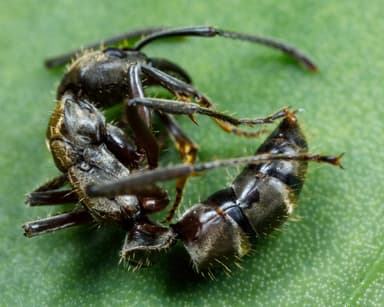
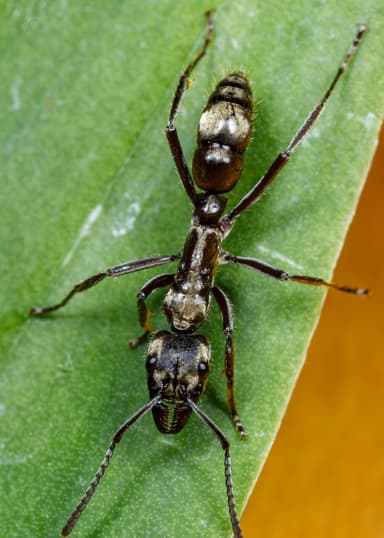
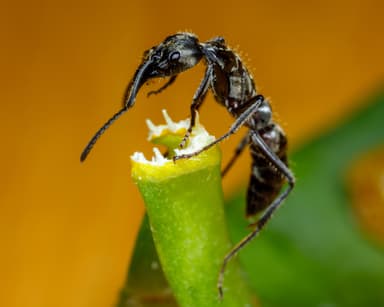
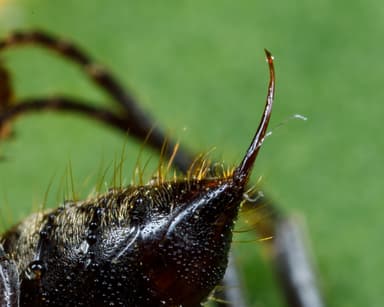
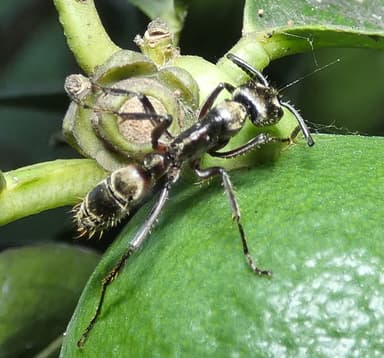
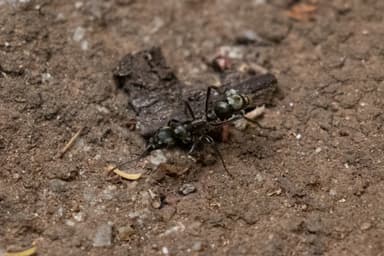
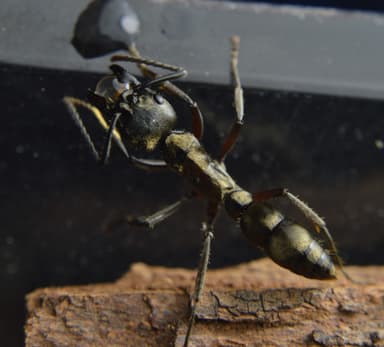
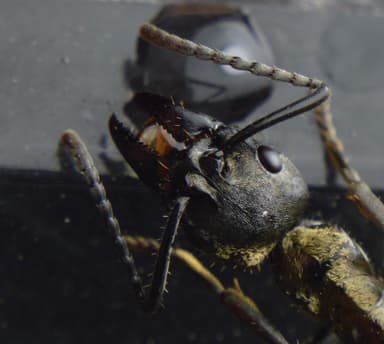
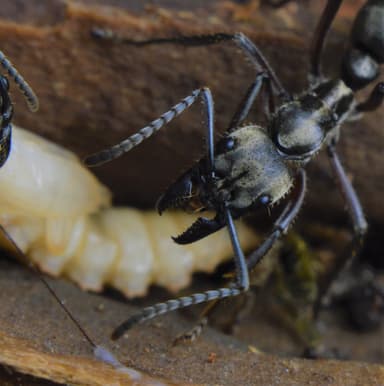
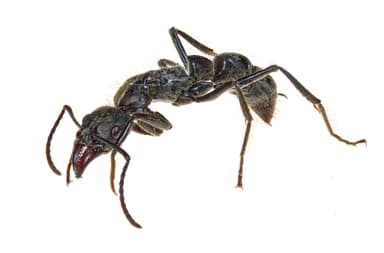
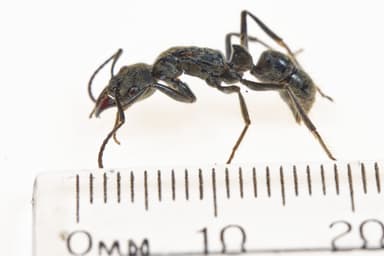
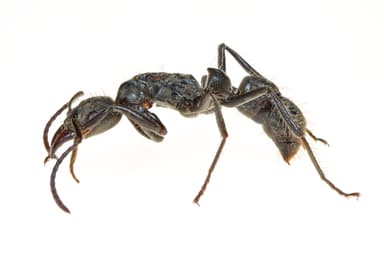
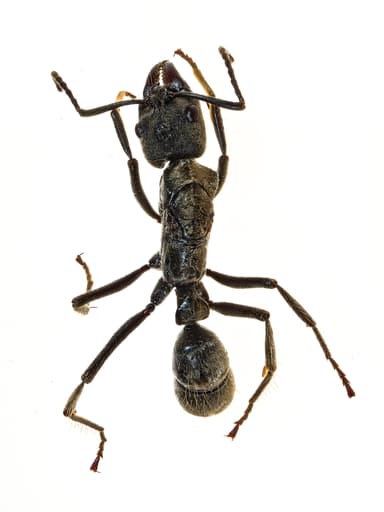
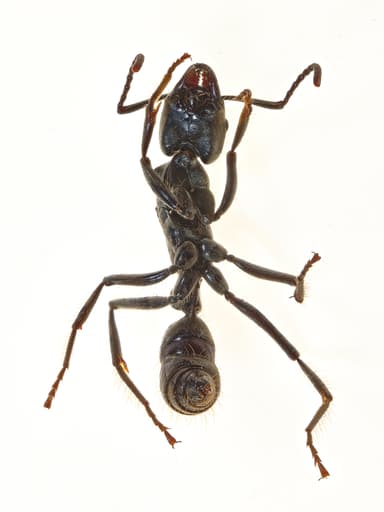
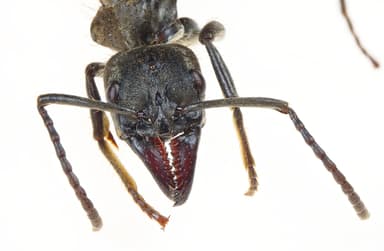
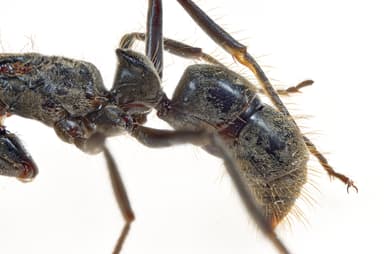
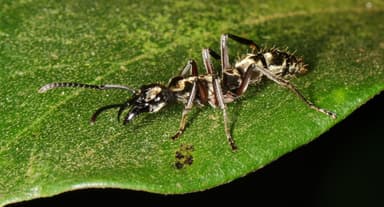
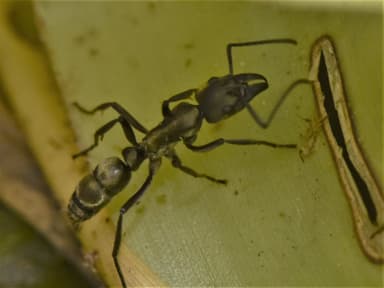
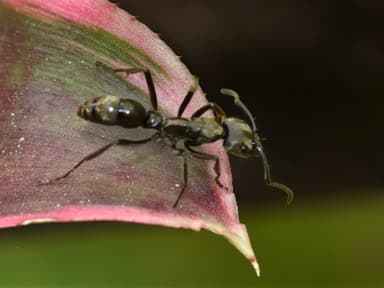
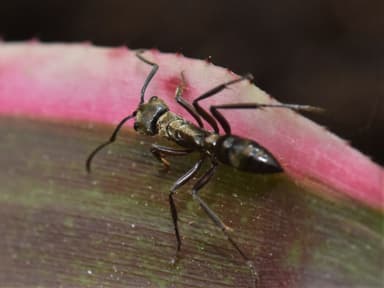
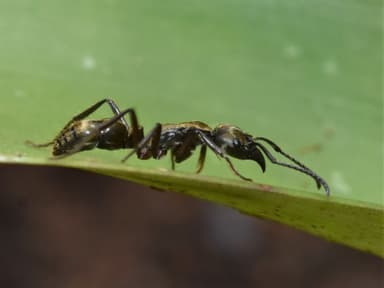
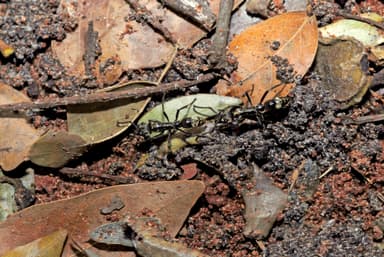
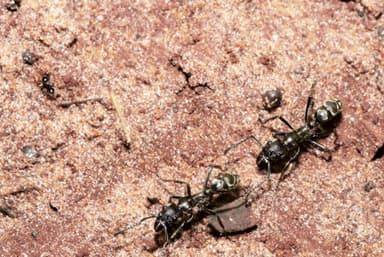
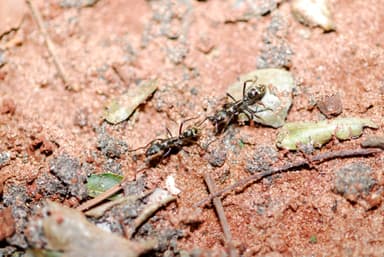
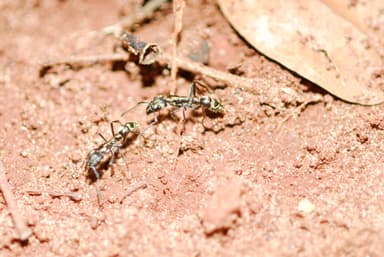
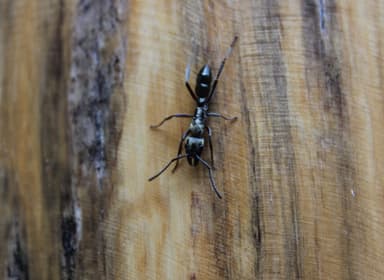
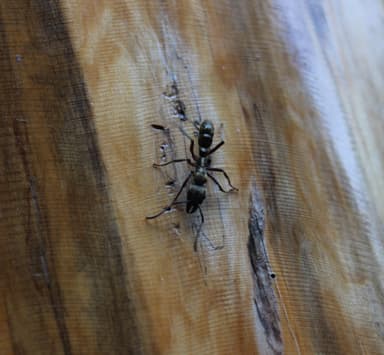
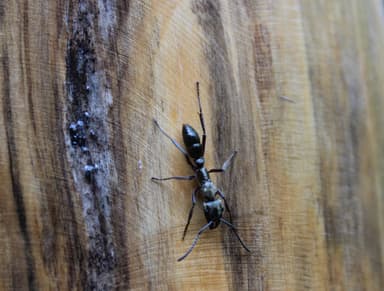
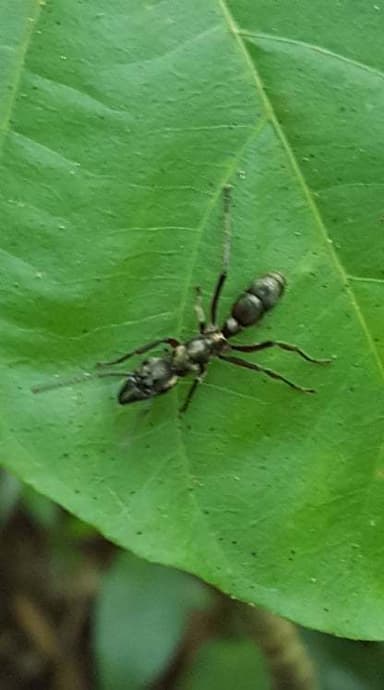
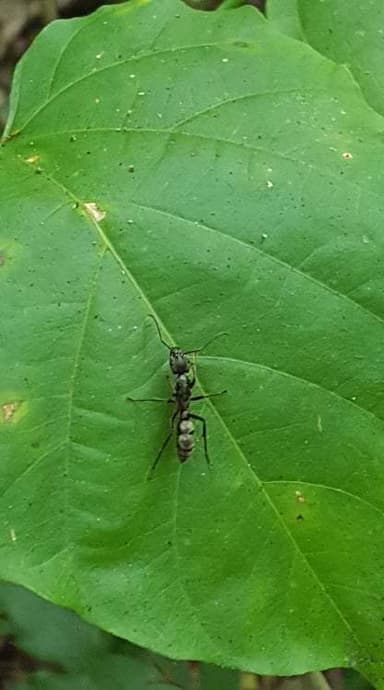
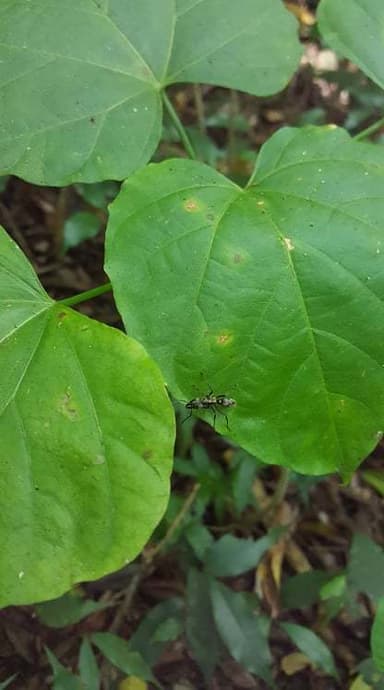
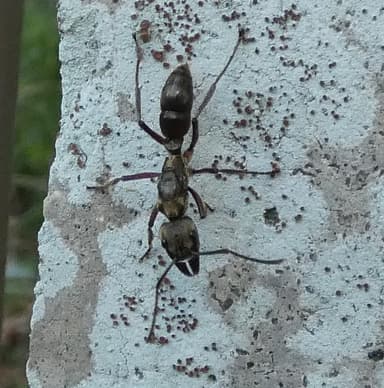
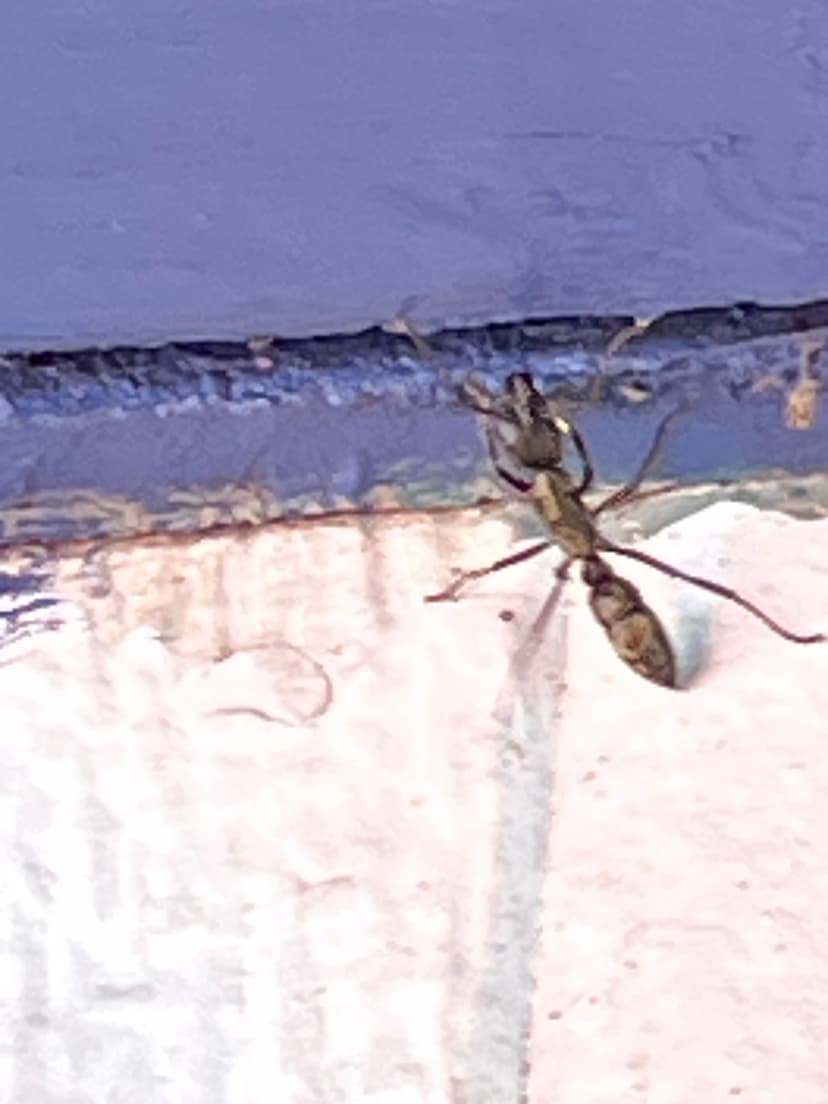
Neoponera villosa, also known as the “giant hunting ant,” is a striking species native to Central and South America. These ants are immediately recognizable by their large size and glossy black appearance. The queen is an impressive 18–22 mm long, while workers range between 12–16 mm, with little size variation — they are monomorphic, meaning a colony consists of similarly sized individuals. What they lack in polymorphism they more than make up for in sheer presence and hunting prowess. Neoponera villosa possesses a powerful sting that can cause considerable pain, so respect and caution are essential when keeping them.
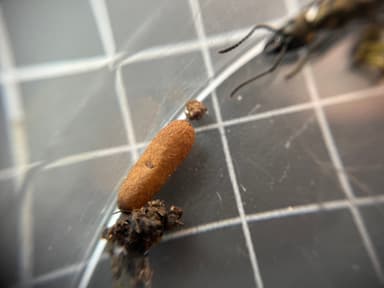
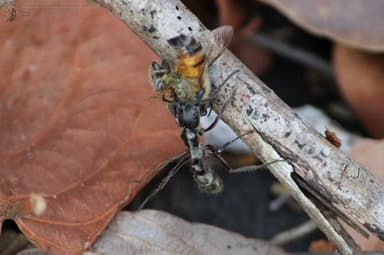
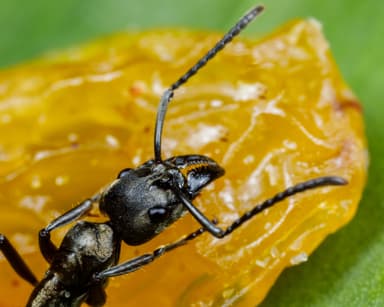
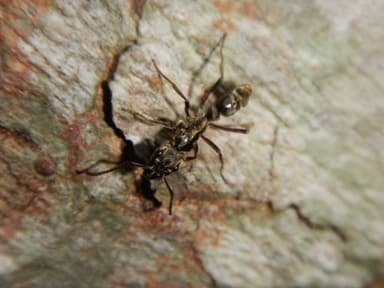
One of the most distinctive features of this species is its semi-claustral founding strategy. A newly mated queen must continue to forage for food after establishing her nest — she cannot seal herself away like fully claustral species. This means she needs a steady supply of live insects and sugary liquids from the very beginning. In the wild, Neoponera villosa colonies are active predators, hunting a wide variety of arthropods and supplementing their diet with honeydew and plant exudates. In captivity, they thrive on a diet of crickets, roaches, mealworms, and regular offerings of sugar water or diluted honey. Protein is critical for larval development, and the colony's growth rate depends heavily on consistent feeding.
Care difficulty
Keeping Neoponera villosa is considered advanced, and for good reason. Their semi-claustral founding requires the keeper to actively feed the queen during the earliest, most vulnerable stages. Additionally, their potent sting means every interaction — whether feeding, cleaning, or expanding the nest — must be done with care. These ants are fast, alert, and defensive when disturbed. A well-sealed formicarium with good ventilation is non-negotiable. They do not require hibernation, which simplifies seasonal care, but maintaining the correct temperature and humidity is crucial for brood development.
Housing
The ideal setup for Neoponera villosa includes a formicarium with a heated area maintaining a temperature of 24–30°C and a humidity range of 60–80%. They prefer a substrate or nesting material that holds moisture well, such as clay, plaster, or natural soil. The outworld should be spacious enough for foraging, with a secure lid to prevent escapes. Because these ants are active and grow to colonies of up to 2,000 workers, plan for eventual expansion. Regular moisture control is essential — too dry, and the brood may desiccate; too wet, and mold can become an issue.
First days after purchase
Upon receiving your Neoponera villosa colony, place them in a quiet, dimly lit area and allow them at least 24 hours to settle. During this acclimation period, avoid unnecessary vibrations and light exposure. Check that the queen has access to a small piece of insect (e.g., a freshly killed cricket) and a drop of sugar water. If she is alone (semi-claustral), she will need these resources to feed herself and her first larvae. Observe from a distance — stress can delay founding. Once the first workers arrive, the colony’s confidence will grow, and you can gradually increase feeding frequency and interaction. Patience and a gentle hand are the keys to success with this magnificent species.