Myrmecia
Myrmecia mandibularis
Nuptial Flight Calendar
Care Guide
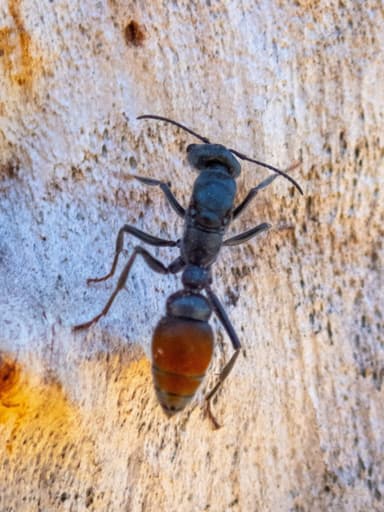
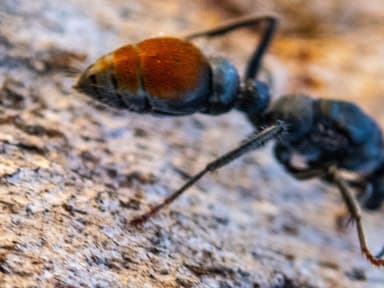
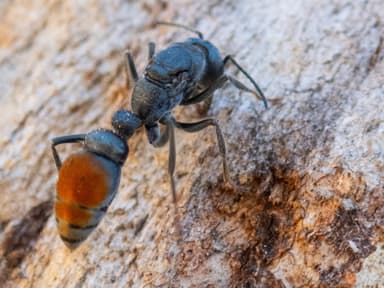
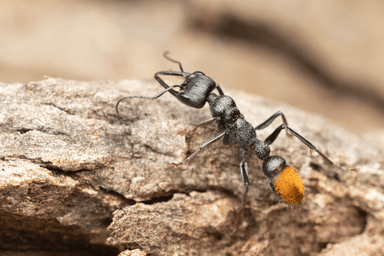
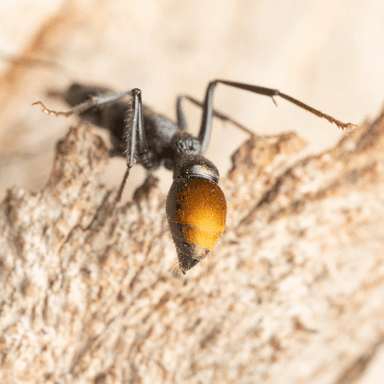
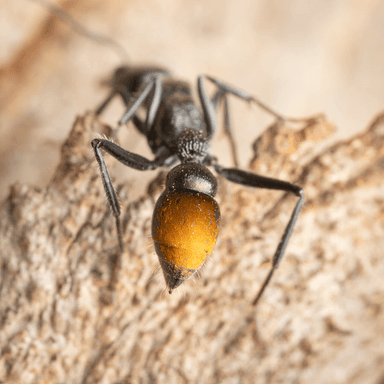
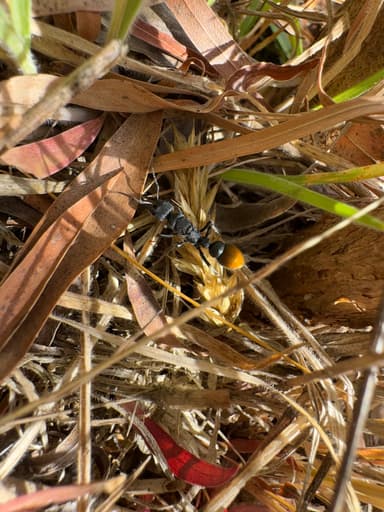
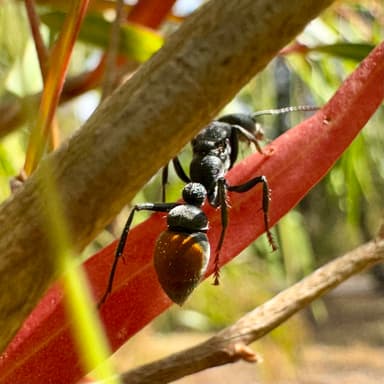
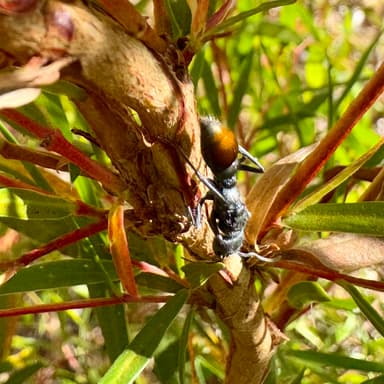
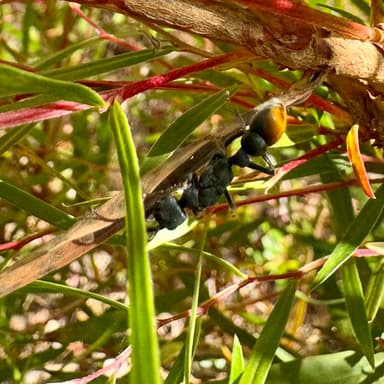
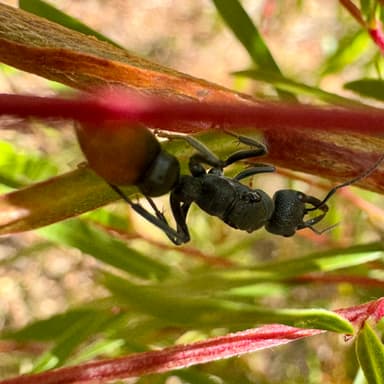
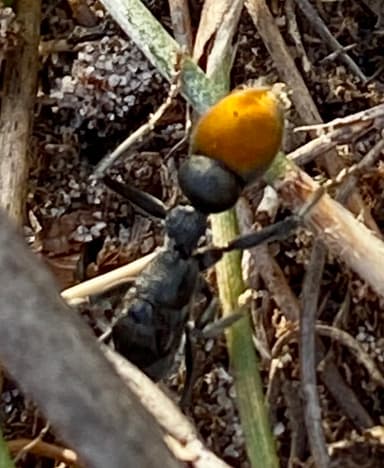
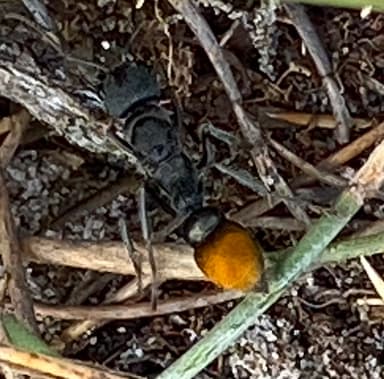
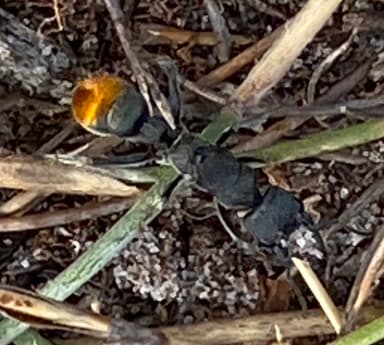
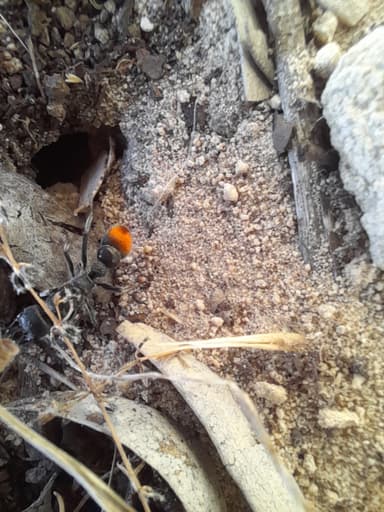
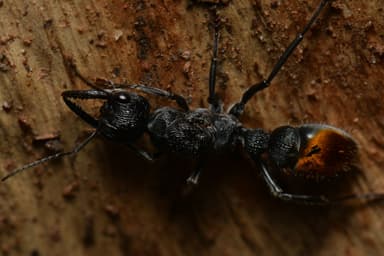
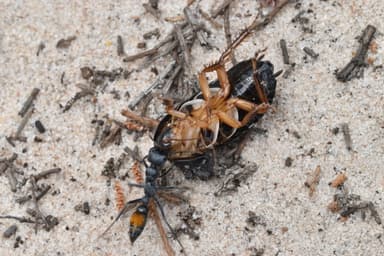
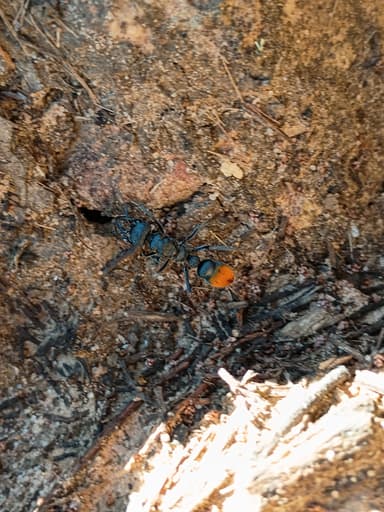
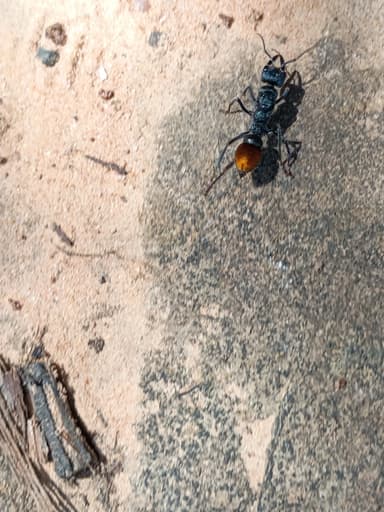
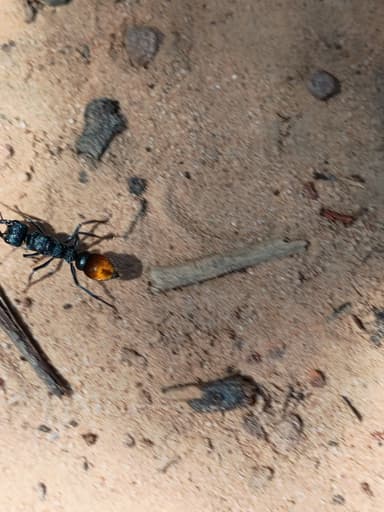
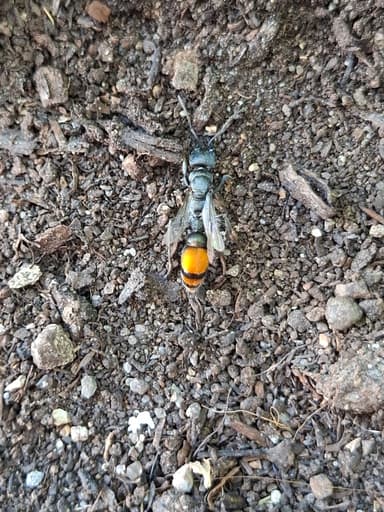
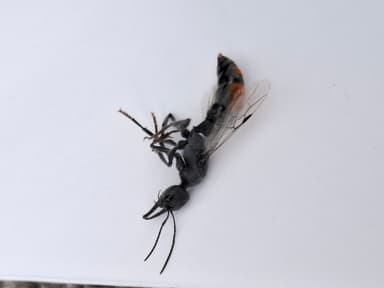
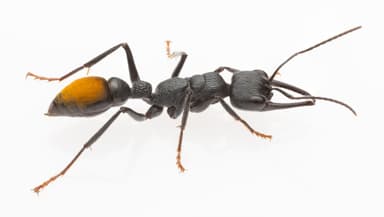
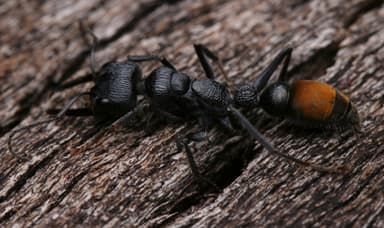
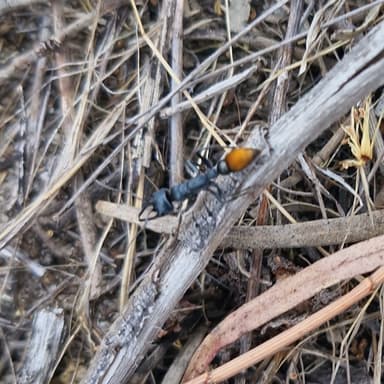
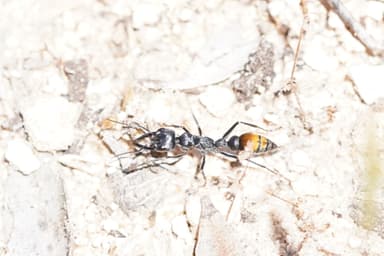
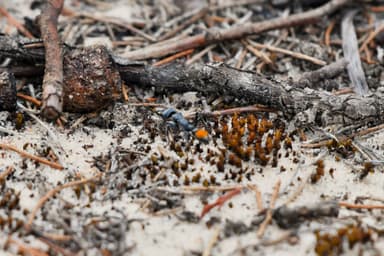
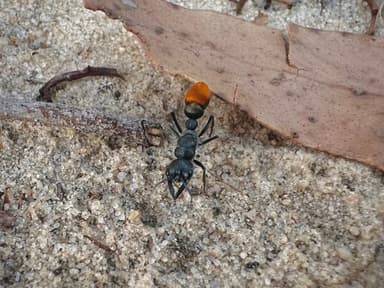
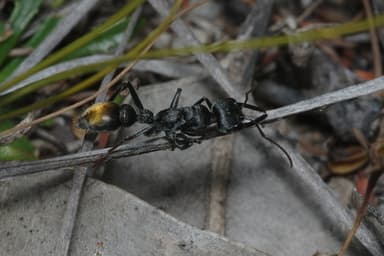
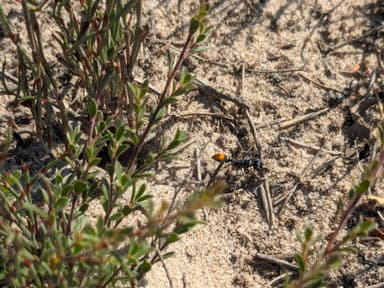
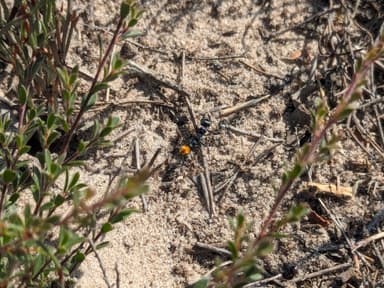
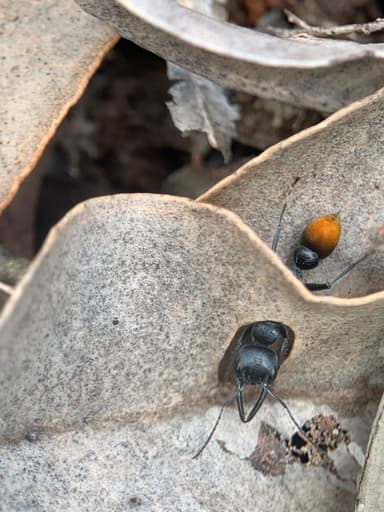
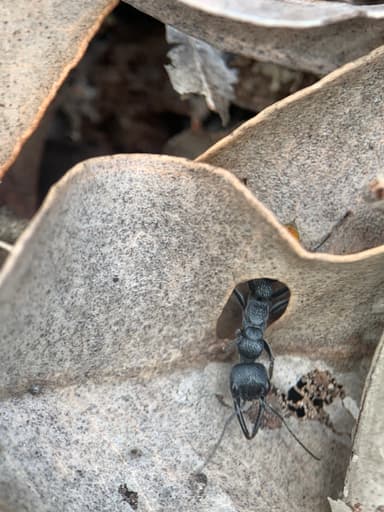
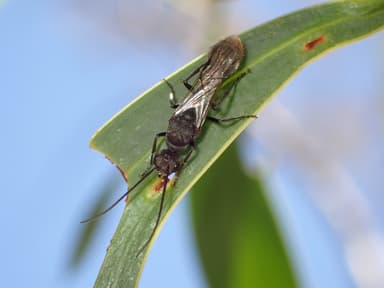
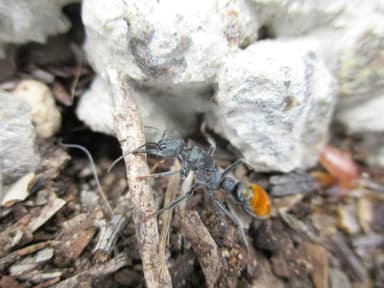
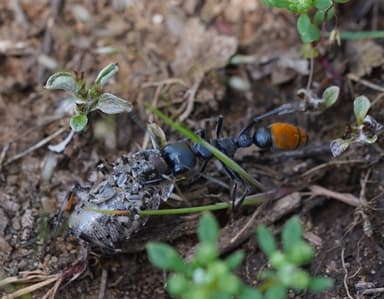
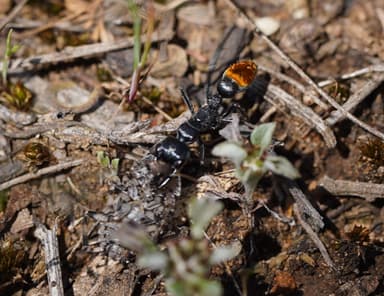
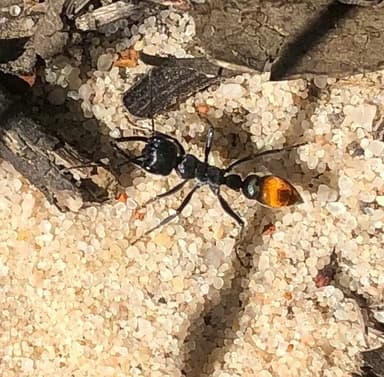
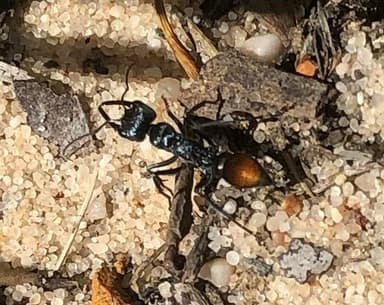
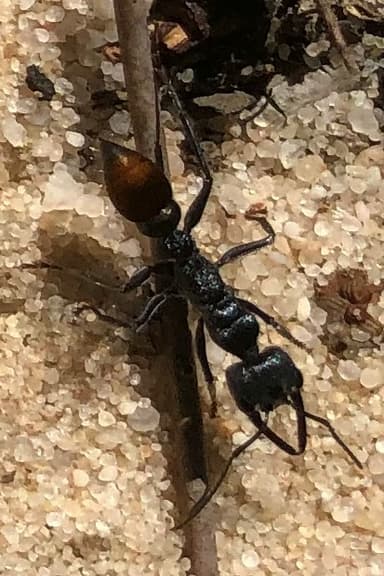
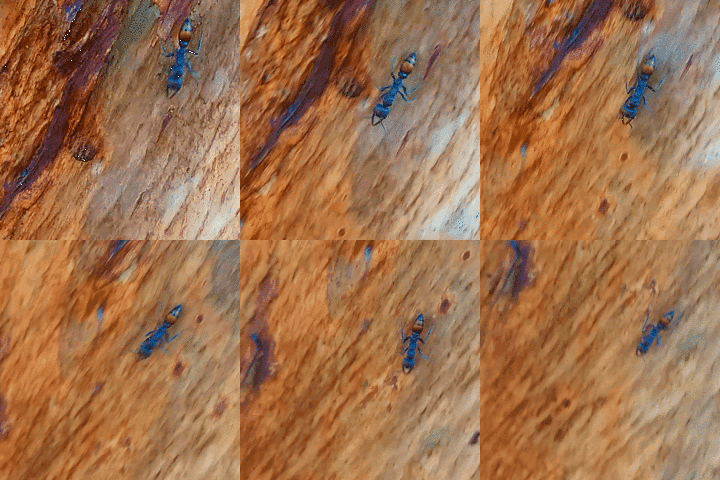
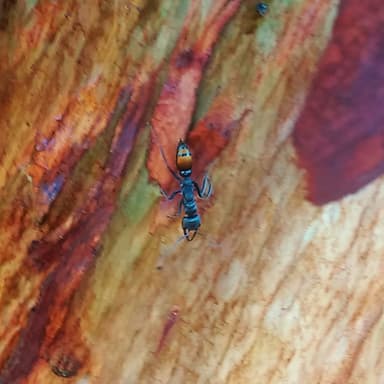
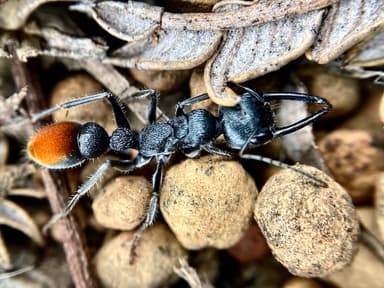
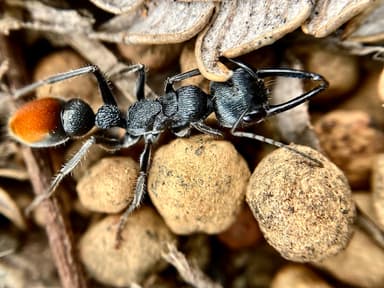
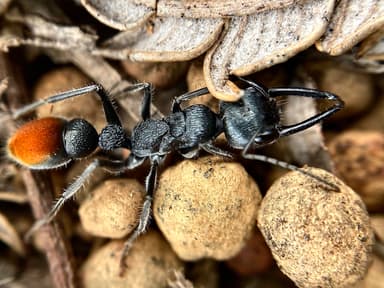
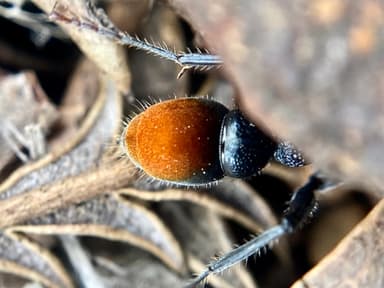
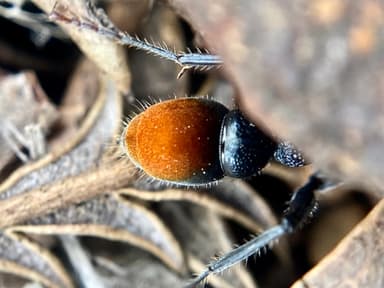
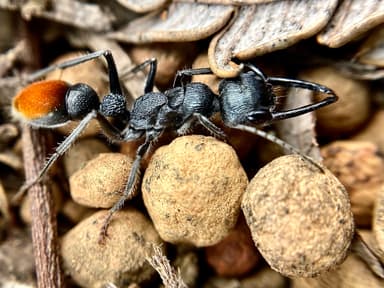
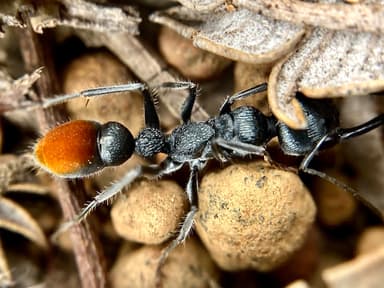
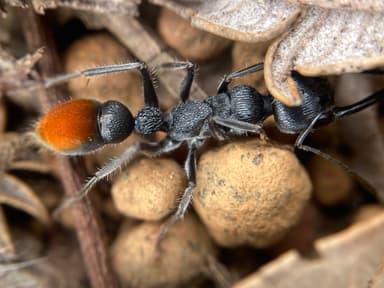
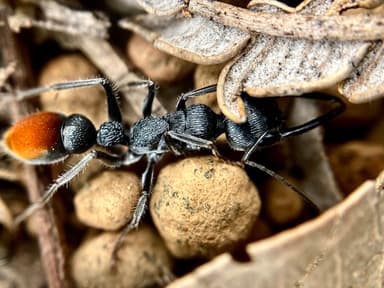
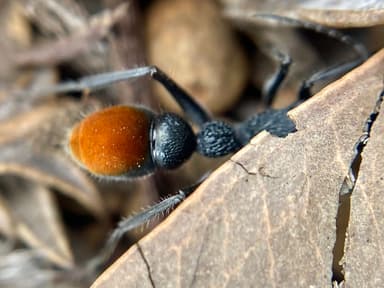
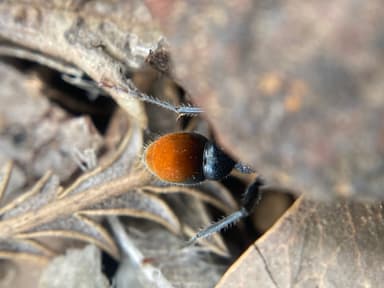
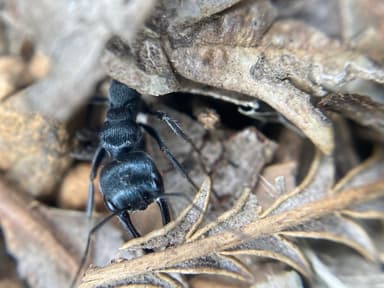
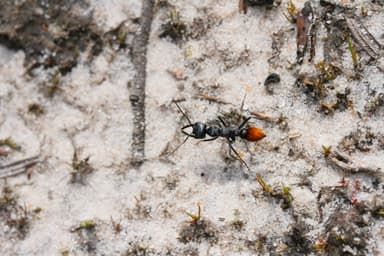
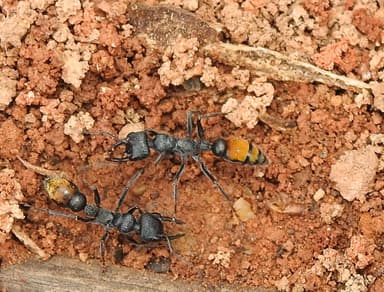
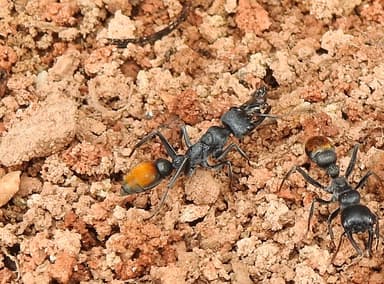
Myrmecia mandibularis is a species that commands respect. Commonly known as a bull ant or bulldog ant, these formidable insects are among the most visually striking and behaviorally fascinating ants in the world. The queen is a true giant, measuring between 20 and 22 mm, while the workers range from 14 to 18 mm. Their powerful mandibles, long legs, and venomous sting make them instantly recognizable, and their hunting style is just as impressive as their appearance. Unlike many ants that rely on scent trails, Myrmecia species are visually oriented, solitary hunters that actively stalk and pounce on prey with lightning speed. This is not an ant that shyly gathers crumbs—it is a predator through and through.
A defining characteristic of Myrmecia mandibularis is their semi-claustral founding method. Unlike fully claustral species that seal themselves in a chamber and raise the first workers on stored body reserves, the queen of this species must leave the nest regularly to hunt for food. This makes the founding phase extremely delicate and demanding. The queen is exposed to predators and environmental stress while foraging, and she must succeed in capturing live prey to feed her growing larvae. For the ant keeper, this means providing a carefully managed diet of protein-rich insects—crickets, roaches, or flies—along with a steady source of sugar water or honeydew. A colony that is well-fed becomes more confident and expands steadily, but any disruption in food supply can quickly derail development.
Care difficulty
Keeping Myrmecia mandibularis is a challenge best suited for experienced ant keepers. Their semi-claustral nature, hypersensitivity to disturbance, and potent sting make them unsuitable for beginners. The queen’s need to hunt during founding requires constant attention, and the workers themselves are highly defensive. This species will not hesitate to leap and sting when threatened, and their venom can cause significant pain and swelling in humans. A calm, methodical approach and a solid understanding of ant biology are essential.
Housing
Housing must prioritize escape-proofing and safety. Myrmecia are excellent jumpers and climbers, so a formicarium with tight-fitting lids, fluon or oil barriers, and no gaps is mandatory. A spacious outworld with good ventilation allows them to display their impressive hunting behavior. Temperature should be maintained between 20 and 28 °C, and humidity between 30 and 60%—on the lower side, as these ants prefer fairly dry conditions. No hibernation is required, making them an active year-round species. The nest itself should have chambers large enough for the queen and later the workers to move freely, with a substrate that allows for some moisture retention in the brood area.
First days after purchase
Upon receiving your new colony, place the setup in a quiet, dimly lit location and resist the urge to observe constantly. The ants will need time to acclimate after the stress of transport. Ensure the queen has access to a small piece of insect protein and a droplet of sugar water immediately. Disturb the nest only when necessary during the first week. Patience is critical—once the colony settles, their bold and intelligent behavior will reward your careful attention.