Myrmecia
Myrmecia croslandi
Care Guide
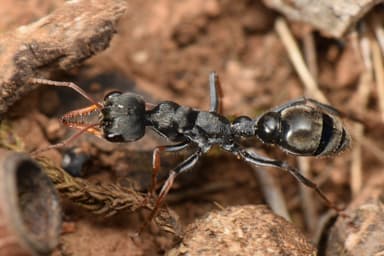
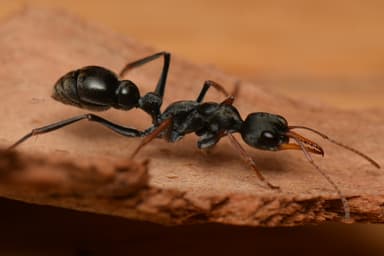
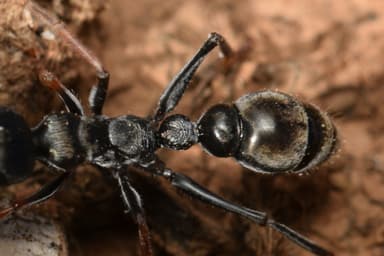
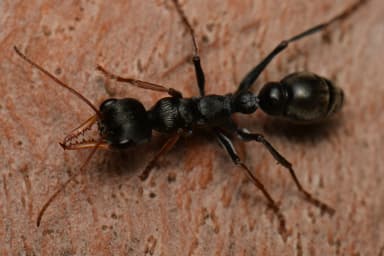
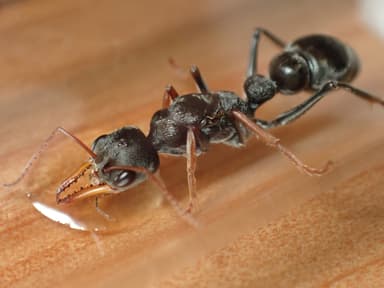
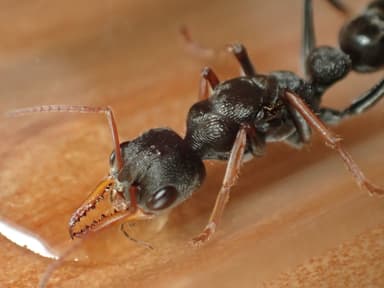
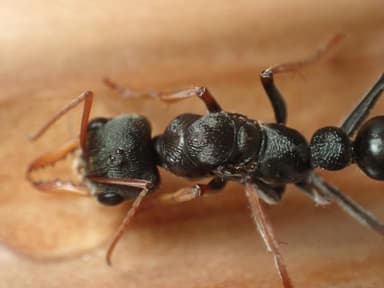
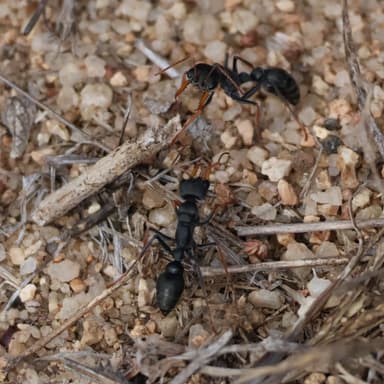
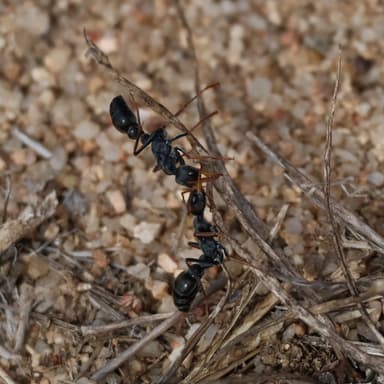
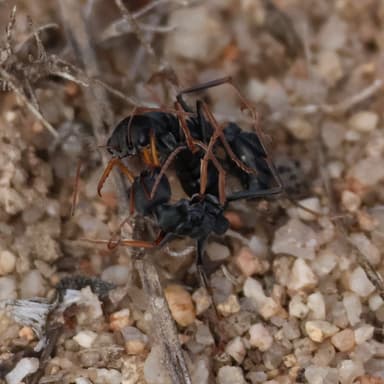
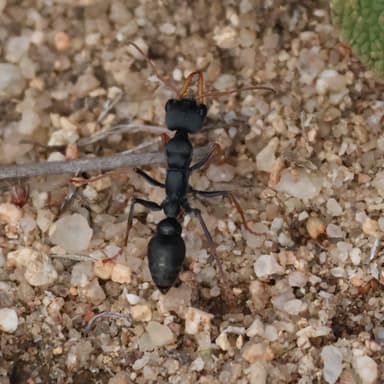
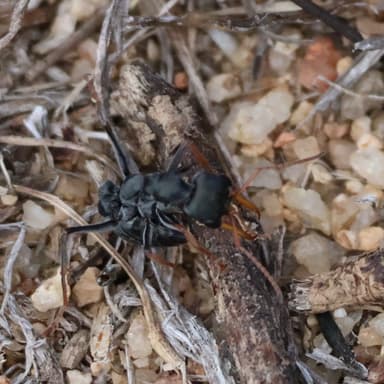
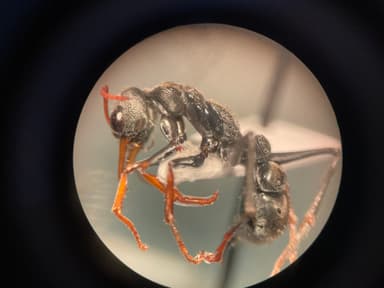
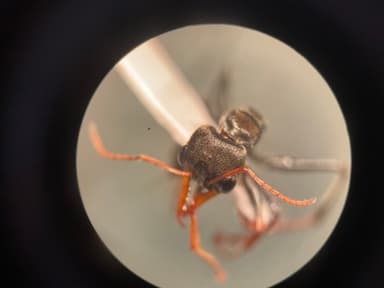
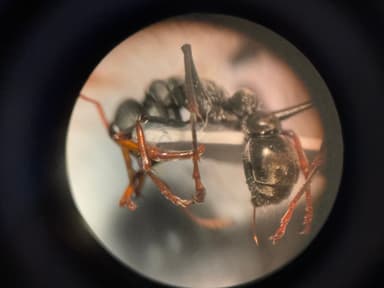
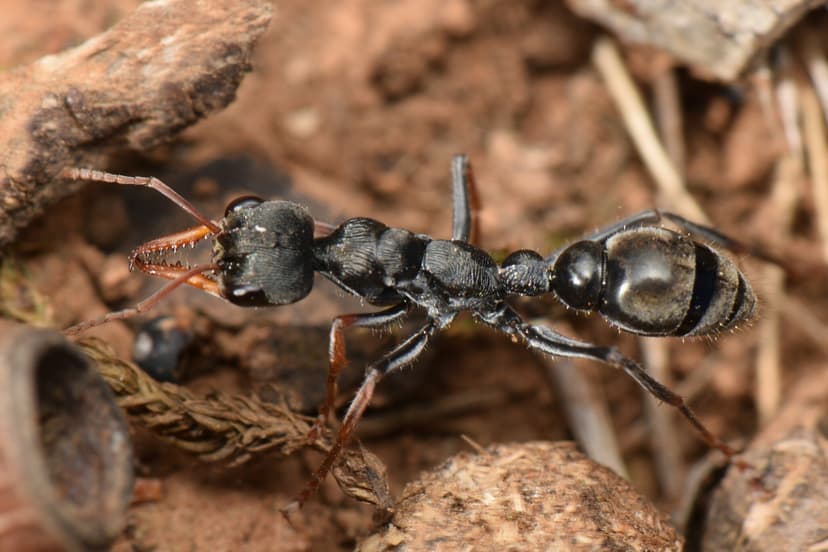
Among the most formidable and fascinating ants in the world, Myrmecia croslandi commands immediate respect. These are not ants for the faint-hearted or inexperienced keeper. Often called bull ants or jumper ants, they are instantly recognizable by their large, powerful mandibles, enormous compound eyes, and a distinctly aggressive temperament. The queen, a striking figure at 18–22 mm, is the largest member of the colony, while her workers range from 10 to 16 mm. Unlike many ant species, Myrmecia croslandi does not display pronounced polymorphism; instead, the colony consists of a single worker caste that is already impressive in size and strength. Their most defining trait, however, is their vision—these ants rely primarily on sight, not scent, to hunt and navigate. This makes them exceptional predators that actively stalk and pounce on prey rather than simply following pheromone trails.
The diet of Myrmecia croslandi reflects their fierce hunting nature. They require a steady supply of live insects—crickets, roaches, flies, and mealworms are ideal—and will readily take down prey much larger than themselves. In addition to protein, they need carbohydrates, which can be provided through sugar water or honeydew. It is important to offer sugar water in a shallow dish or feeder to prevent drowning, as these ants are not well adapted to drinking from typical ant waterers. Fresh water must always be available, but it should be provided in a separate drinking container or by regularly moistening the outworld substrate.
Care difficulty
Keeping Myrmecia croslandi is rated as advanced for several reasons. First, they are semi-claustral, meaning the founding queen must leave the nest to forage during the early stages of colony development. This exposes her to risk and requires the keeper to delicately provide small prey items into her test tube or founding chamber without triggering her defensive response. Second, these ants are highly aggressive and possess a potent sting that can be very painful to humans—escape-proof setups and careful handling during maintenance are absolute necessities. Third, they are sensitive to vibrations and disturbances, which can cause stress and slow colony growth. Only keepers with prior experience in keeping aggressive or primitive ant species should attempt to care for them.
Housing
A suitable formicarium for Myrmecia croslandi must prioritize security and space. Because the workers are large and active, the nest chambers should be generously sized, with clear sightlines and a dry, well-drained substrate. The outworld needs to be large enough to allow hunting behavior; a terrarium-style setup with soil or sand and some natural decor works well. Temperature should be maintained between 20 and 28°C, with humidity in the nest area around 50–70%. No hibernation is required—these ants are active year-round. The nest should be kept in a dimly lit area, as bright light stresses them, and vibration sources (like loud appliances or foot traffic) should be avoided.
First days after purchase
Upon receiving your Myrmecia croslandi colony, place the setup in a quiet, low-traffic room and cover the outworld with a dark cloth for the first few days to reduce stress. Do not attempt to feed live prey immediately; instead, offer a small drop of sugar water on a piece of foil or plastic. Observe from a distance—any sudden movements or jarring will provoke defensive displays. Allow the ants to explore their new environment at their own pace. After 48–72 hours, you can cautiously introduce a single small cricket. If the queen or workers retreat instead of attacking, remove the prey and wait another day. Patience is key: a well-settled colony of Myrmecia croslandi is a spectacular sight, but earning their trust takes time and careful attention.