Meranoplus
Meranoplus bicolor
Nuptial Flight Calendar
Care Guide
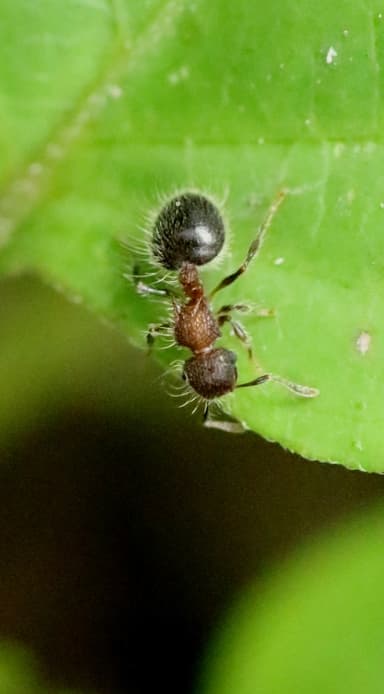
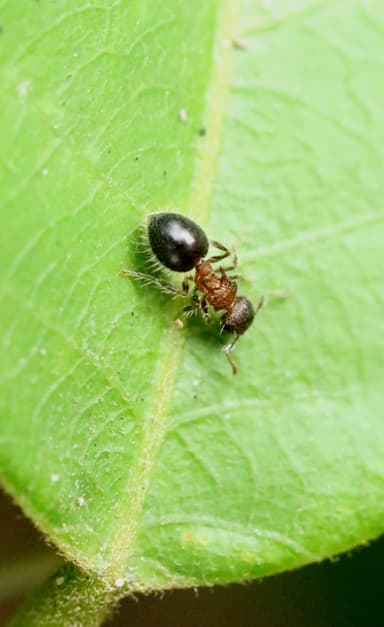
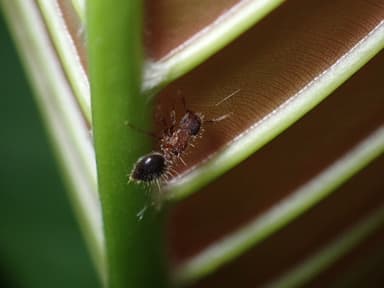
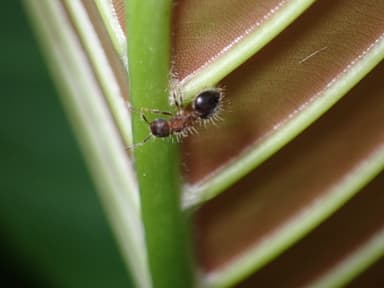
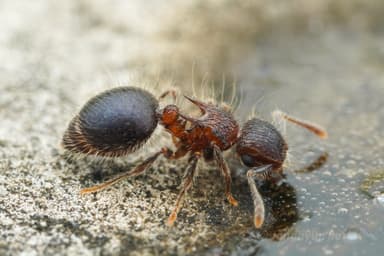
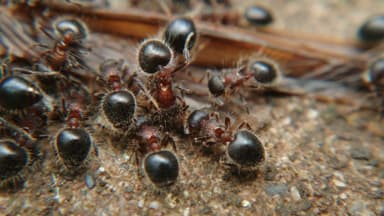
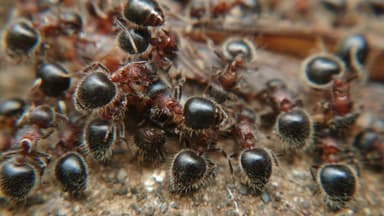
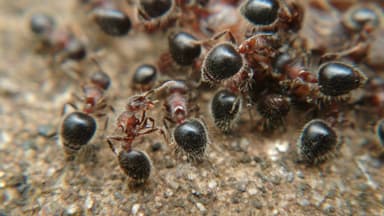
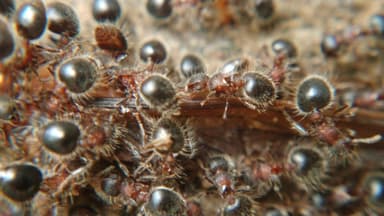
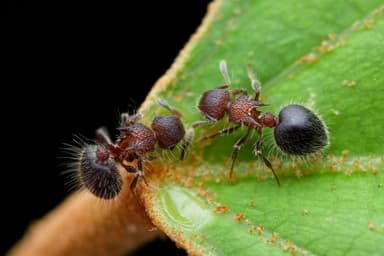
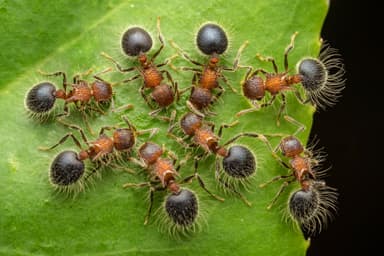
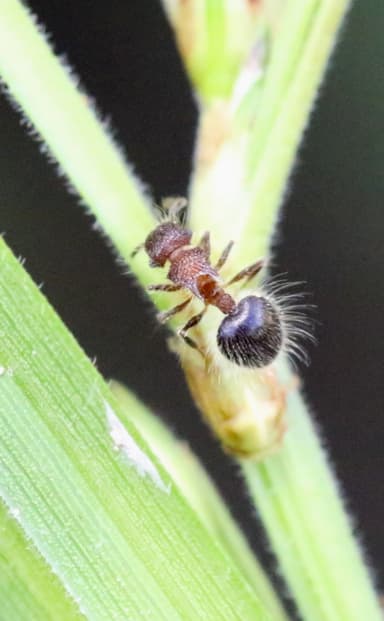
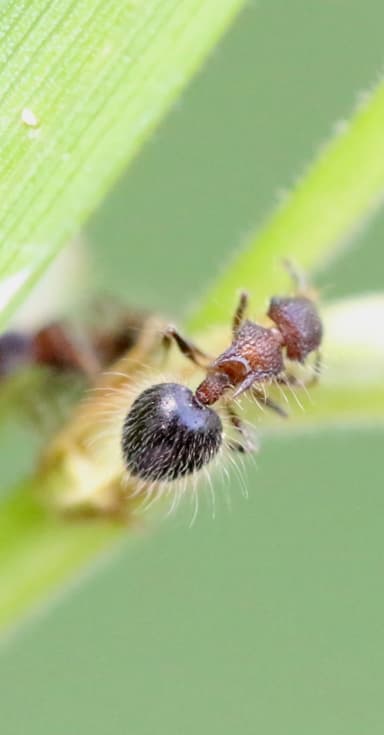
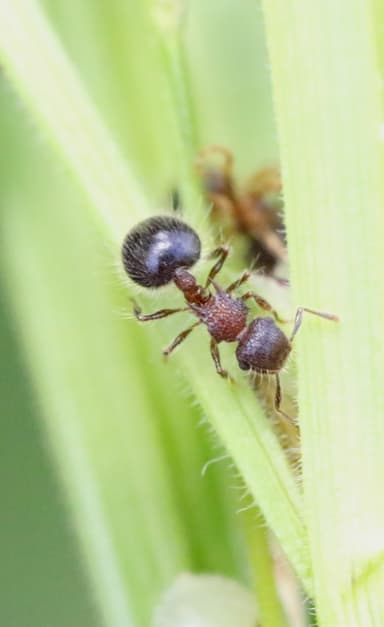
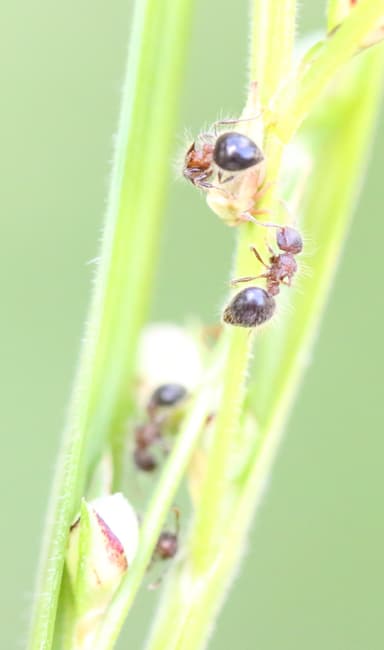
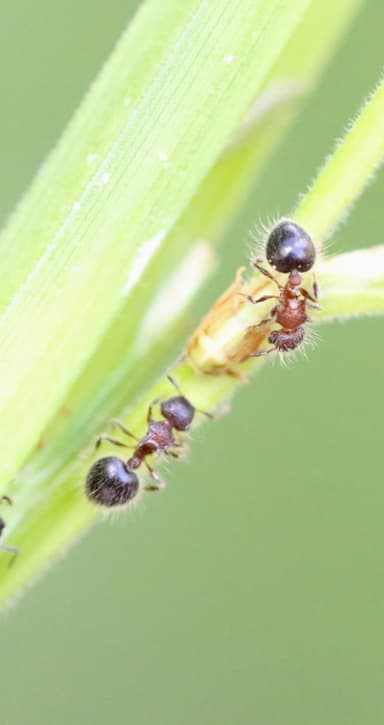
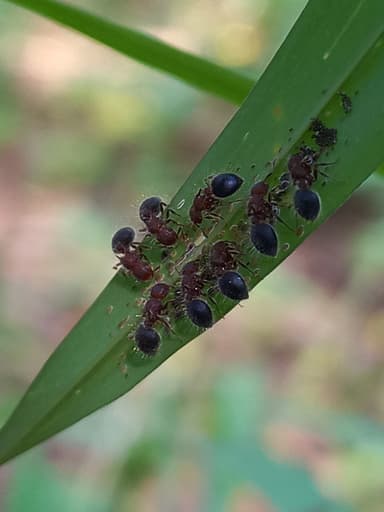
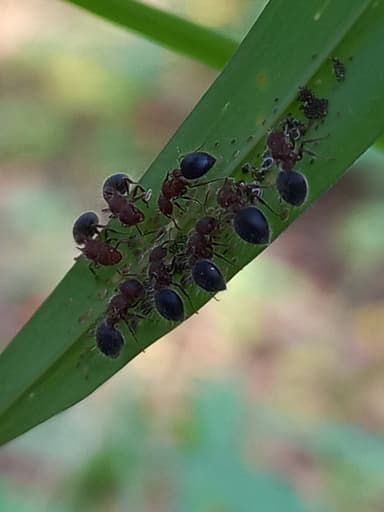
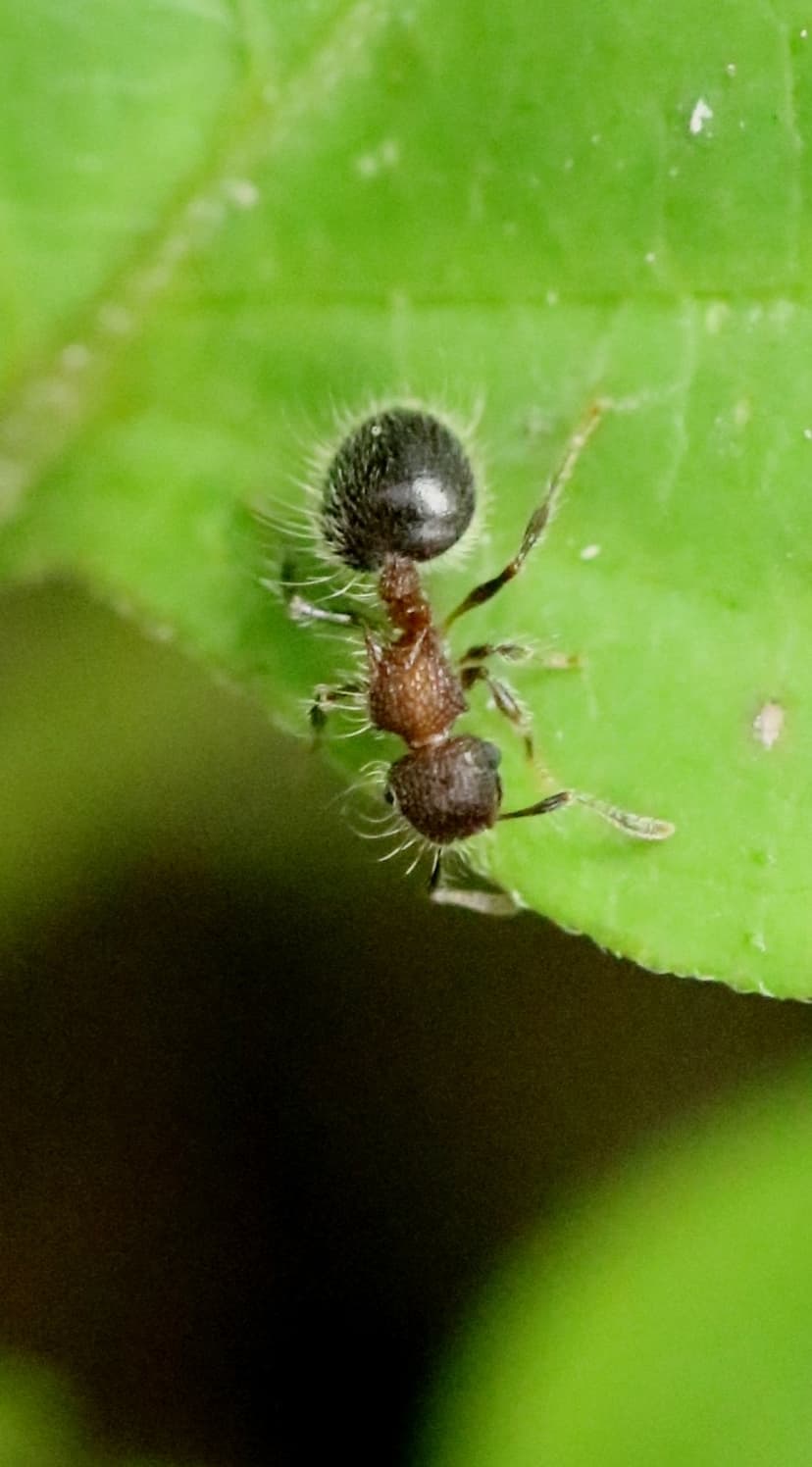
Meranoplus bicolor is a strikingly beautiful species, instantly recognizable by the contrast between its dark head and reddish-brown body. These ants are commonly known as "shield ants" for their flattened, shield-like exoskeleton that allows them to squeeze into narrow crevices and even drop from vegetation to play dead when disturbed. Despite this defensive behavior, they are active, diurnal foragers that build orderly colonies of several hundred to a few thousand workers. The queen measures between 8 and 10 mm, while workers range from 4 to 5 mm, with a subtle size variation among the worker caste.
One of the defining traits of Meranoplus bicolor is its diverse diet. Like many seed-harvesting ants, they collect and store seeds, which are processed into a nutritious "ant bread" inside the nest. However, they also eagerly accept insect prey such as fruit flies, mealworms, and small crickets, and they regularly drink sugar water or honey water for energy. This varied menu makes feeding easy and ensures a balanced diet for the colony. Because they do not require hibernation, they remain active year-round, which is a welcome advantage for keepers in cooler climates.
Care difficulty
Keeping Meranoplus bicolor is rated as intermediate. The main challenges lie in maintaining the right humidity and providing a stable, quiet environment. They are not overly demanding, but beginners may find their sensitivity to vibrations and sudden changes tricky. Once the colony stabilizes, however, they are rewarding and relatively low-maintenance.
Housing
A formicarium for Meranoplus bicolor should offer a warm, humid nest area with a temperature of 24–28°C and humidity of 60–80%. A moisture gradient is beneficial—dryer in the foraging area and moister in the nest chambers. Use a substrate like sand-clay mix or plastic tubes with hydration ports. Because they do not dig deep burrows in captivity, a modular nest with pre-formed chambers works well. Provide a spacious outworld for foraging, as they are active and appreciate scatter-feeding. Ensure good ventilation to prevent mold, especially since seed storage can attract mites. Avoid strong light; these ants prefer dim conditions in the nest zone.
First days after purchase
When your Meranoplus bicolor colony arrives, place the formicarium in a quiet, dark spot and avoid unnecessary handling. Give them at least 24–48 hours to acclimatize. During this period, offer a small drop of sugar water and a few tiny seeds or a crushed insect. Check the water source—if using a test tube setup, keep the cotton moist. Minimize vibrations and do not disturb the queen. Once the workers begin exploring and feeding normally, you can gradually connect the foraging area. Patience is key; these ants may take a few days to fully settle, but once they do, their alert, bustling activity becomes a joy to watch.