Lasius
Lasius citrinus
Care Guide
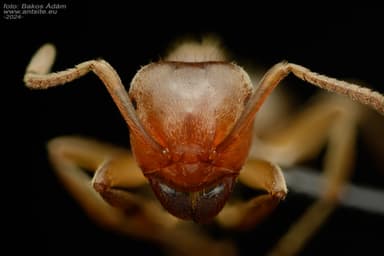
Lasius citrinus presents a fascinating but challenging species for the dedicated ant keeper, primarily due to its unique social-parasitic founding strategy. Unlike typical ant queens that raise their first brood alone, a Lasius citrinus queen must infiltrate an established colony of a host Lasius species, typically Lasius niger or Lasius flavus. She locates the host queen, kills her, and then uses the chemical signature of the dead queen to trick the host workers into accepting her as their new ruler. Those host workers then raise the first generation of Lasius citrinus offspring. This parasitic beginning makes colony founding an extremely delicate phase, and the species is not recommended for beginners.
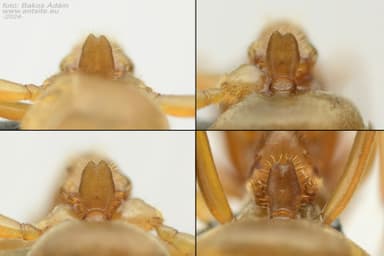
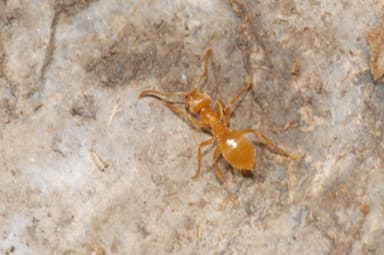
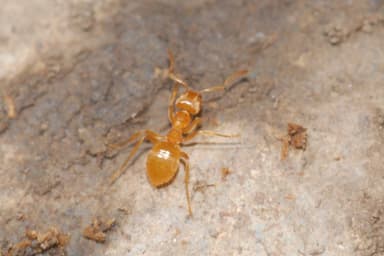
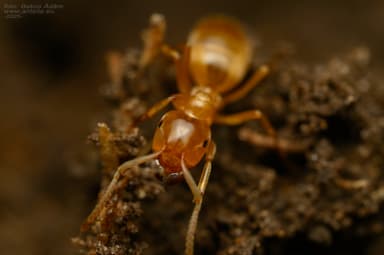
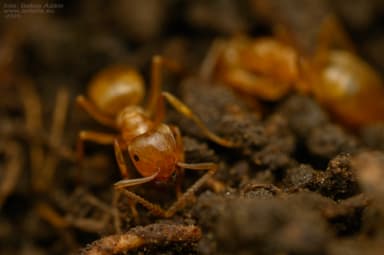
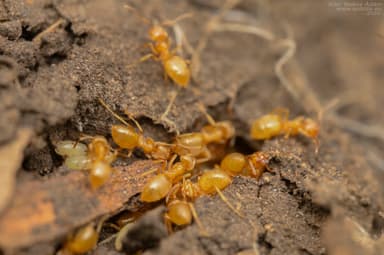
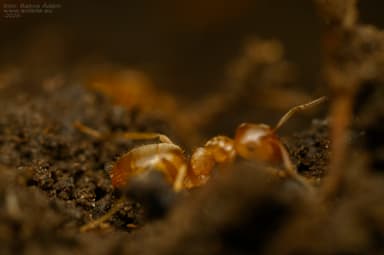
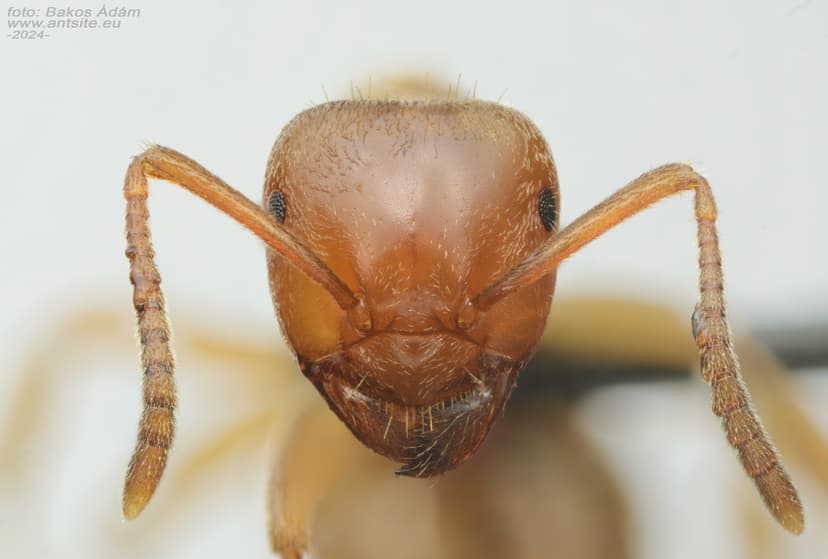
Workers are small, measuring only 2 to 3 mm, with a pale yellowish-brown coloration that gives the species its name. The queen is slightly larger at 4 to 5 mm but still modest in size. Colonies remain relatively small by Lasius standards, typically ranging from 50 to 2,000 workers. Despite their modest numbers, these ants are active and aggressive hunters, requiring a steady supply of small insects alongside sugar water or honeydew to thrive.
Care difficulty
Keeping Lasius citrinus is classified as advanced. The primary challenge lies in the founding stage. Successfully introducing a parasitic queen to a host colony fragment requires precise timing, the right host species, and an environment that minimizes stress. Even after establishment, the colony remains dependent on a constant supply of host workers during its early growth, unless the keeper manages to move the colony to a pure Lasius citrinus setup. Even then, the ants are sensitive to disturbances and require stable temperature and humidity. Regular hibernation at around 5°C is mandatory for long-term health and brood production.
Housing
A formicarium for Lasius citrinus should maintain a temperature range of 18–26°C and humidity between 50–70%. The nest area must offer good moisture retention, as the colony can dry out quickly in overly arid conditions. A test tube setup works well for small colonies, with a connection to an outworld for foraging. As the colony grows, a modular system with clay or plaster nests is ideal. Because these ants are sensitive to light and vibration, place the formicarium in a quiet, dim location. During hibernation, move the colony to a cool, dark space (such as a refrigerator or cellar) and keep them at a steady 5°C for 3–5 months, with occasional moisture checks.
First days after purchase
Upon receiving a Lasius citrinus colony, place the entire setup in a dark, undisturbed spot and let the ants rest for at least 24 hours. Do not open the container or shine bright lights on them. Observe through the glass or use a red filter if necessary. Offer a drop of sugar water and a small dead insect to confirm they are feeding. If the colony includes host workers from the seller, do not remove them — the parasite ants may still rely on them. Gradually acclimate the ants to your local conditions over the next week before introducing any major change. Patience is key; this species rewards the careful keeper with a unique glimpse into the intricate world of social parasitism.