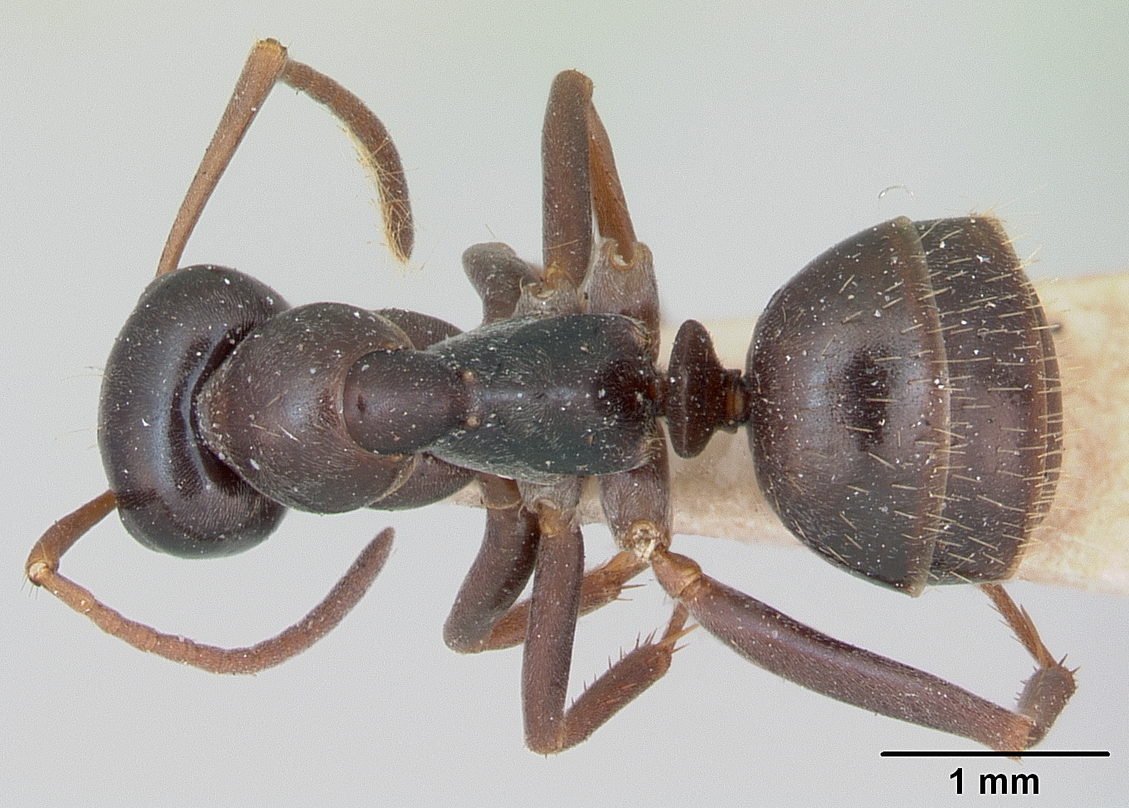
Formica
Formica gagates
Nuptial Flight Calendar
Care Guide
Formica gagates may not flaunt the dramatic caste system of seed harvesters or the architectural genius of leafcutters, but what this species lacks in spectacle it makes up for in bold personality and robust growth. The queen measures a modest 8–10 mm, while workers range from 4 to 6.5 mm, appearing uniform in size with a glossy black-brown cuticle. These ants are fast, alert, and fiercely defensive of their colony — a trait that makes them a delight for intermediate keepers who appreciate a colony with visible character.
One of the most distinctive features of Formica gagates is their opportunistic, protein-hungry diet. In the wild, they are accomplished hunters, scavengers, and tenders of aphids for honeydew. In captivity, they thrive on a varied menu of live or frozen insects (crickets, fruit flies, mealworms) alongside sugar water or diluted honey. Protein drives colony growth, so regular insect offerings are essential. They are also known to accept egg-based foods or commercial ant gel, but fresh prey brings out their best hunting instincts.
Care difficulty
Keeping Formica gagates is rated as intermediate — not trivial for beginners, but very rewarding for those with some experience. The main challenges are their sensitivity to disturbance during the founding stage and their need for a reliable hibernation period. Once established, however, they are hardy and forgiving, bouncing back quickly from minor husbandry missteps.
Housing
A suitable formicarium for Formica gagates should offer a dry nesting chamber connected to an arena. These ants prefer relatively low humidity inside the nest — aim for 50–70%, with the arena kept even drier. The nest can be made of plaster, acrylic, or natural materials like sand-clay mix; just ensure good ventilation. Temperature should stay between 20–26°C. They will accept moderate light levels once settled, but sudden vibrations or knocks near the setup will trigger panic runs. Provide a water source in the arena (test tube or small dish) and scatter food items so they can forage naturally. As the colony grows toward the upper end of their thousand-to-five-thousand worker range, you will need to expand the nest gradually — these ants are messy and will fill storage chambers with discarded prey remains.
First days after purchase
Upon receiving your Formica gagates, place the transport tube or founding setup into a quiet, dimly lit area. Do not disturb them for at least 48 hours. Check that the queen and workers have access to a clean water source and a small protein item — a crushed cricket or a drop of sugar water on cotton. Avoid bright lights or tapping the container. If the colony seems stressed (workers running frantically), cover the nest with a red filter or cloth. Once they calm down and begin tending brood normally, you can start offering small food items daily. Remember that these ants will need a proper winter diapause at around 6°C for two to three months each year — plan your care schedule accordingly. Patience rewards observation, and before long you will enjoy watching your Formica gagates colony develop its trademark speed and confidence.