Formica
Formica fusca
Nuptial Flight Calendar
Care Guide
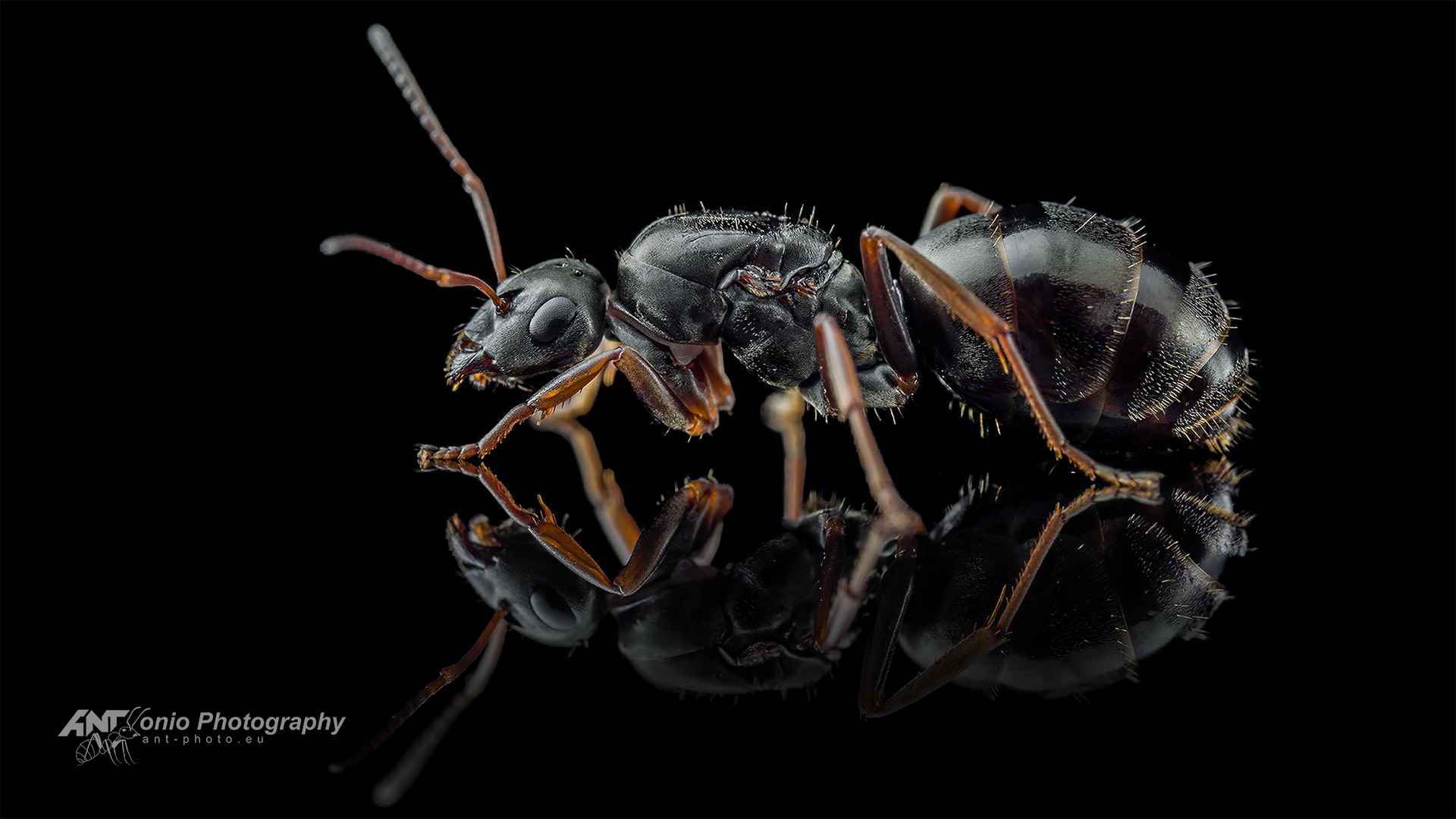
Formica fusca is one of the most rewarding ant species for newcomers to the hobby, combining hardiness, fast growth, and fascinating natural behavior. Unlike some of their larger cousins, these ants are monomorphic — all workers are of a similar size, ranging from about 4 to 7 mm, with the queen measuring slightly larger at 8 to 10 mm. What they lack in dramatic caste variation they make up for in sheer liveliness: Formica fusca colonies are known for their speed, efficiency, and remarkable adaptability. A mature nest can hold between 1,000 and 5,000 workers, offering a satisfyingly busy but manageable colony size.
These ants are claustral founders, meaning the queen seals herself into a founding chamber after mating and raises her first brood without foraging, using only her stored body reserves. This makes early colony establishment straightforward and ideal for beginners. Once workers arrive, the colony becomes a joy to watch as they busily explore, tend brood, and defend their territory with surprising tenacity for their modest size.
Care difficulty
Keeping Formica fusca is about as easy as ant keeping gets. They tolerate a wide range of conditions and are forgiving of minor mistakes. Their diet is simple: provide a steady source of protein — small insects such as fruit flies, mealworms, or crickets work well — alongside sugar water, honeydew, or a quality ant nectar. They are enthusiastic feeders and will quickly turn any offered protein into brood production. Maintaining a temperature between 20 and 26°C and a humidity level of 50 to 70% keeps them active and healthy. One important note: Formica fusca requires a winter hibernation period. To do this correctly, gradually reduce temperatures to around 6°C for two to three months, then slowly bring them back to room temperature in spring. Skipping hibernation can weaken the colony over time.
Housing
A standard formicarium with a nest chamber and an outworld works perfectly for this species. They do not need a large nest early on — a test tube setup can sustain a small colony for many months. As the colony grows, provide a nest with several chambers and a connected foraging area. Regular moistening of the nest substrate supports larval development, but be careful not to over-wet the area. These ants are not particularly sensitive to light or vibrations once established, but it is always wise to place their home in a quiet spot to avoid unnecessary stress.
First days after purchase
When your Formica fusca colony arrives, give them time to settle. Place the test tube or formicarium in a calm, dimly lit area and avoid disturbing them for the first few days. Ensure they have access to clean water — most shipping setups already include a water source. Offer a small drop of sugar water and a tiny piece of protein, but do not be alarmed if they ignore it at first. The queen and her small retinue need to acclimate. Observe from a distance; within a week you should see the workers begin to explore and forage. Patience during this initial period pays off quickly as you’ll soon be treated to one of the most active and endearing ants in the hobby.