Ectatomma
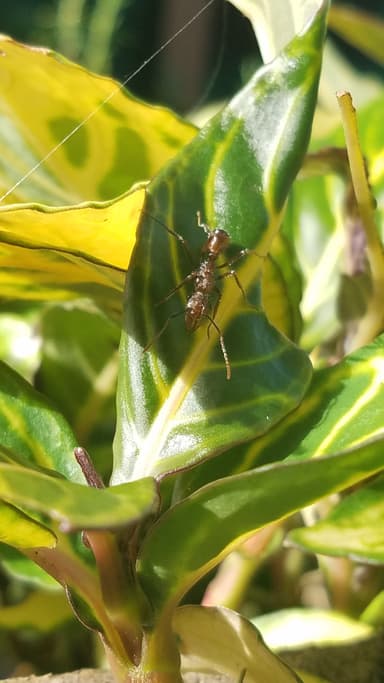
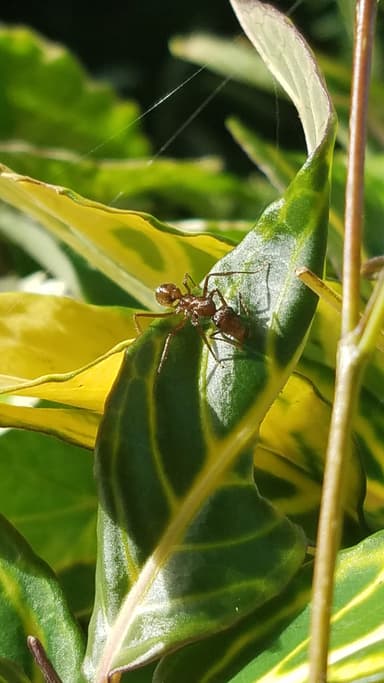
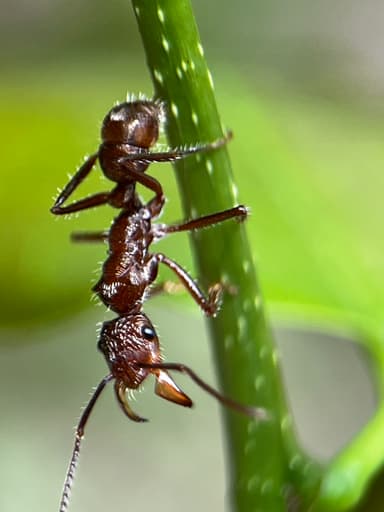
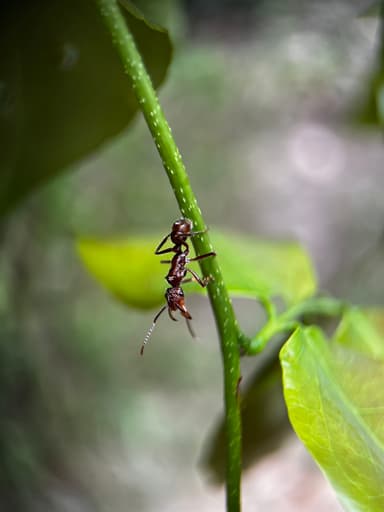
Ectatomma tuberculatum
Care Guide
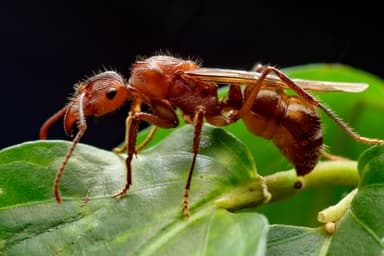
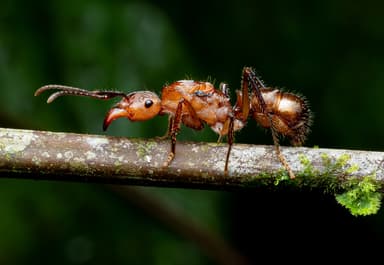
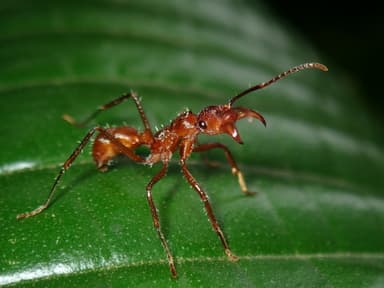
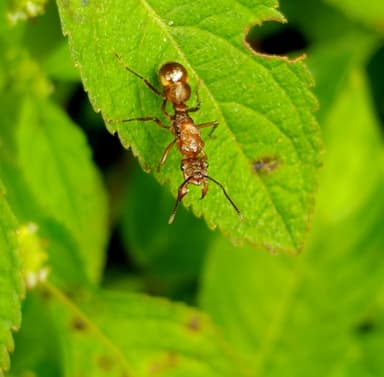
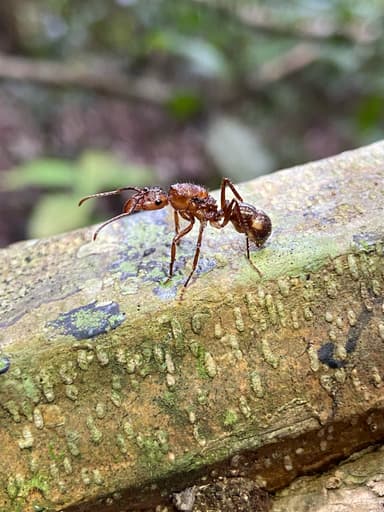
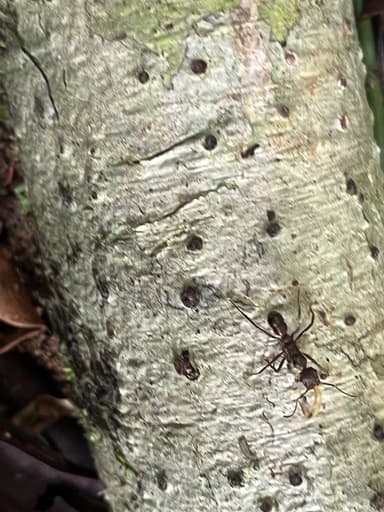
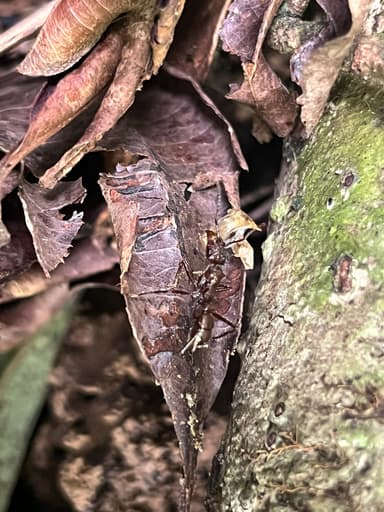
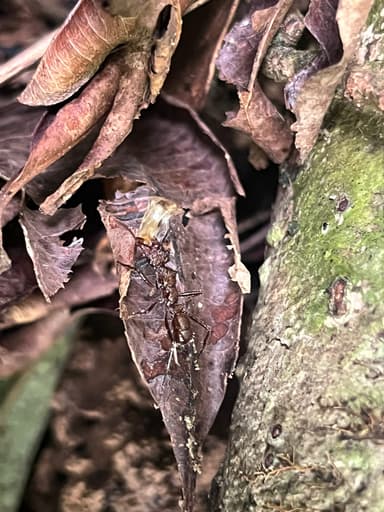
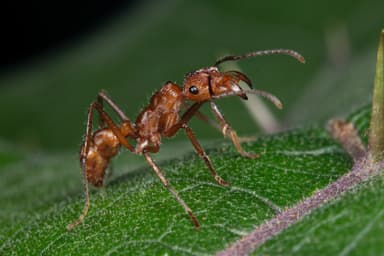
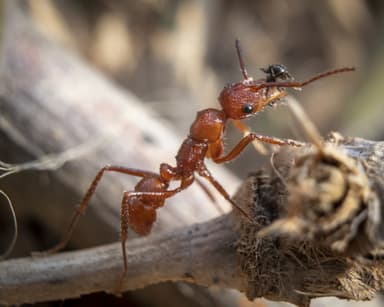
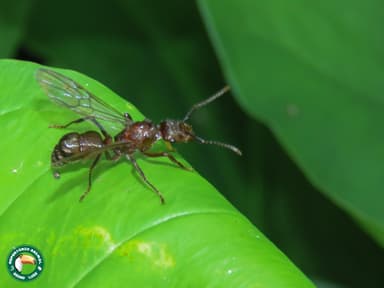
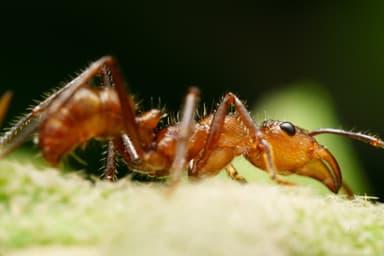
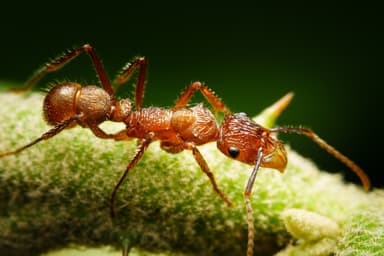
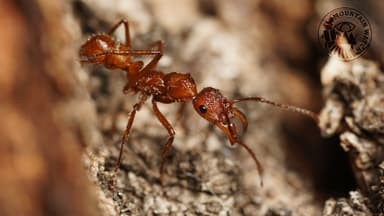
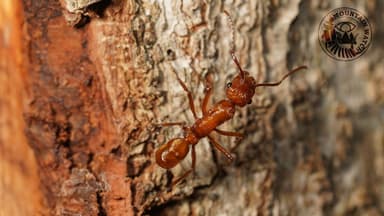
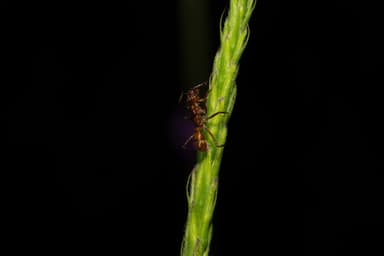
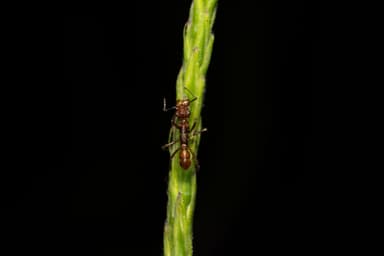
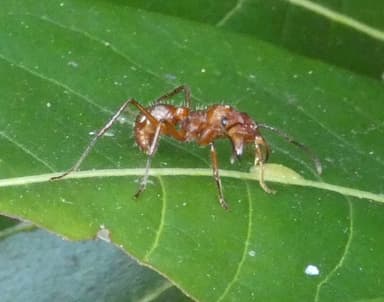
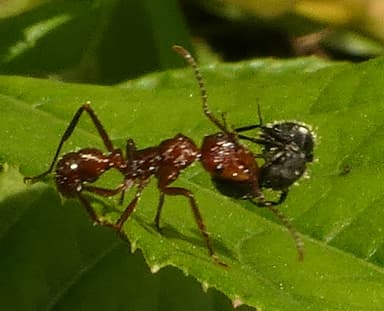
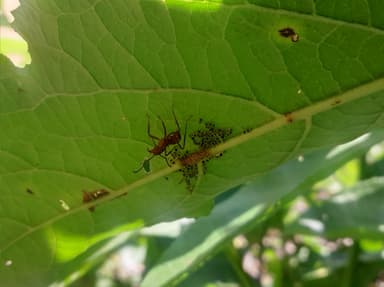
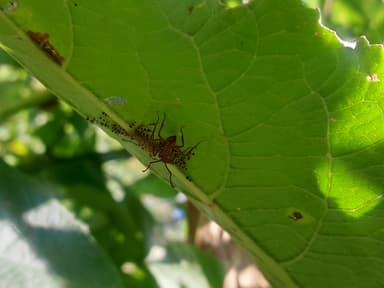
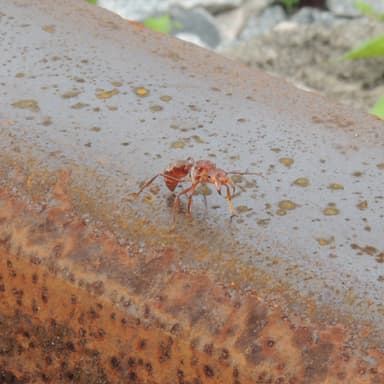
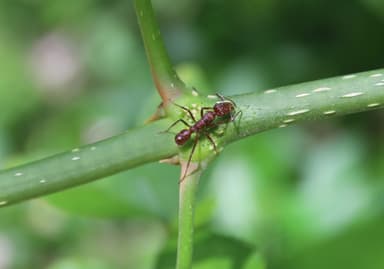
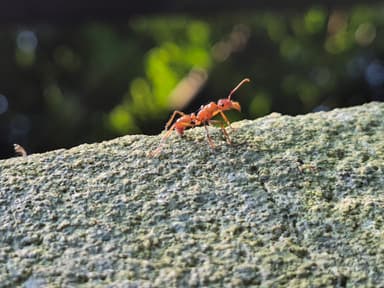
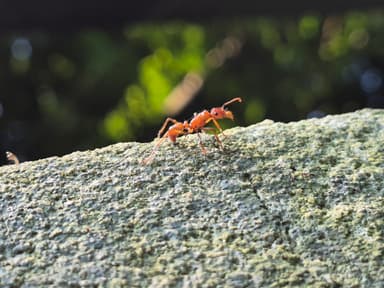
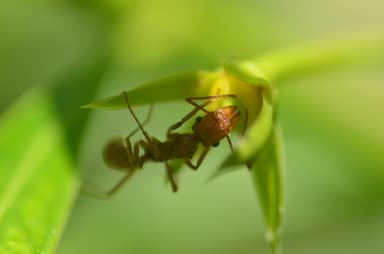
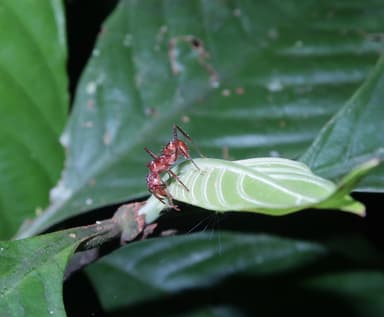
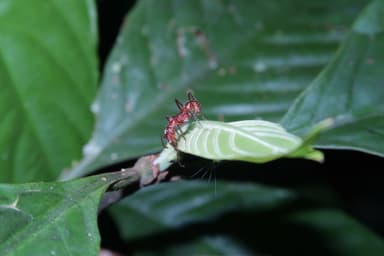
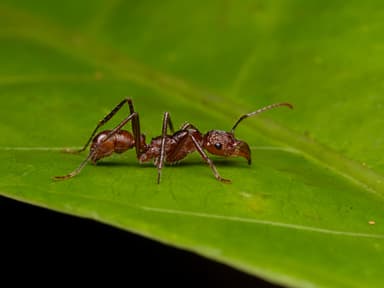
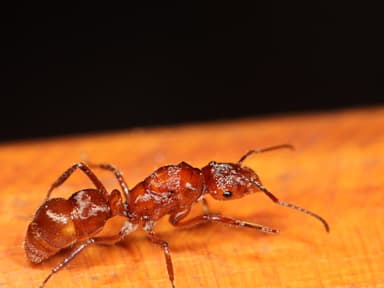
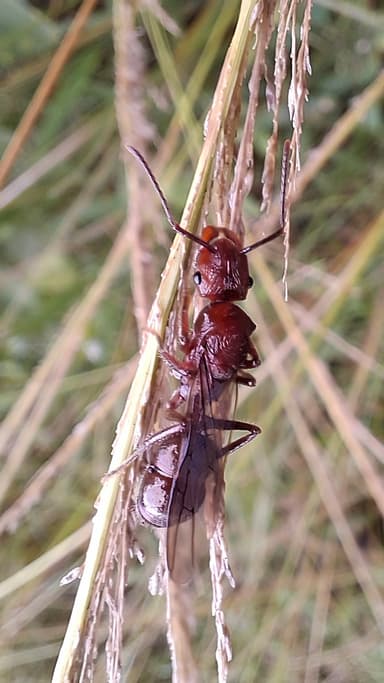
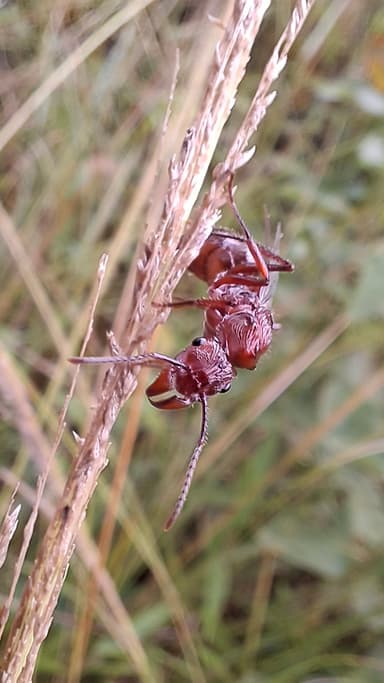
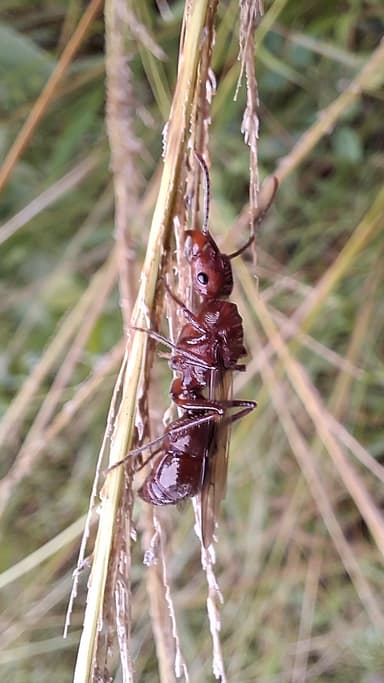
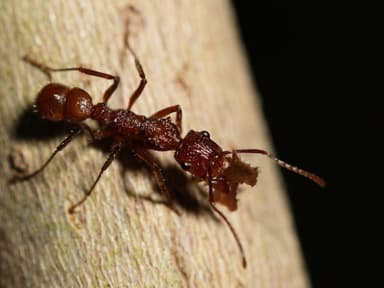
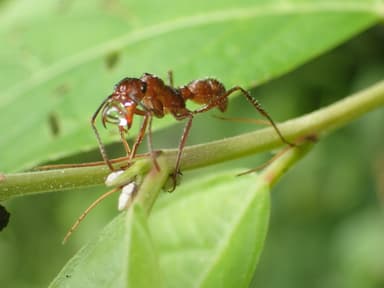
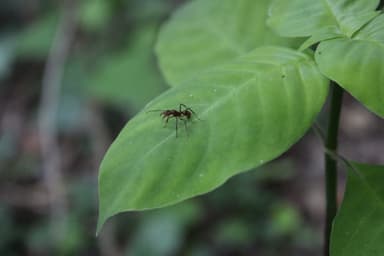
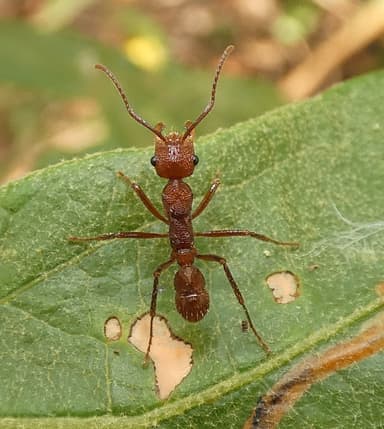
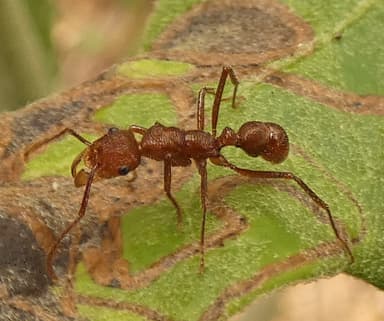
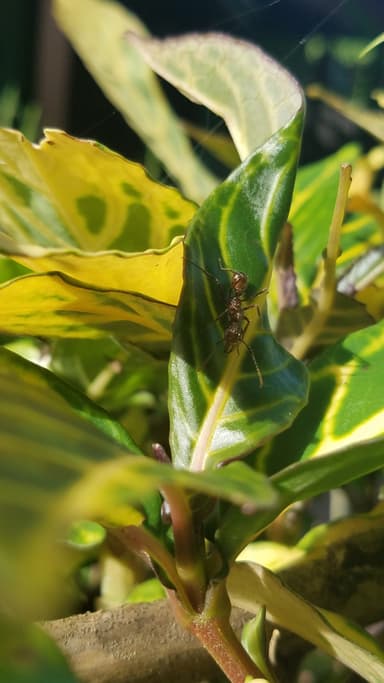
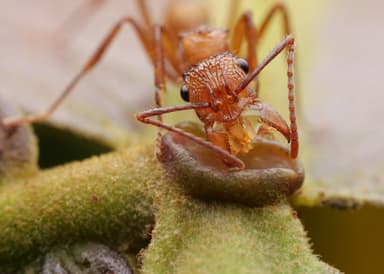
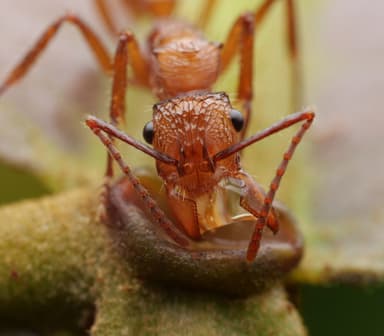
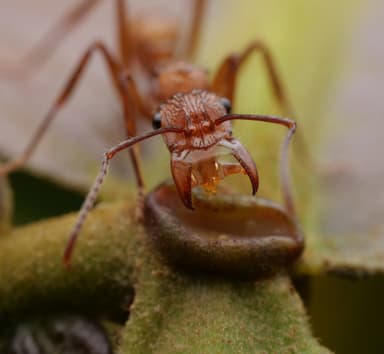
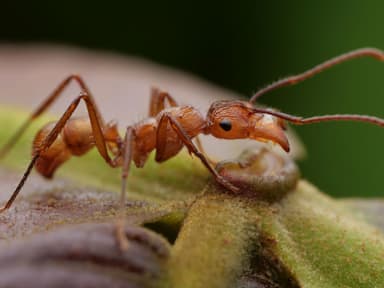
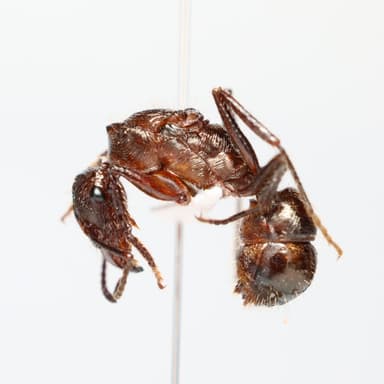
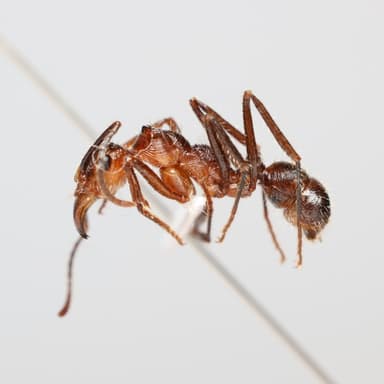
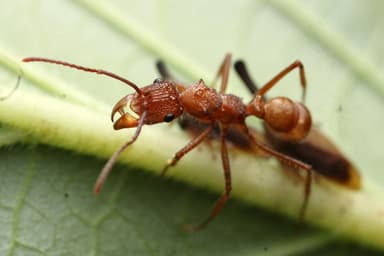
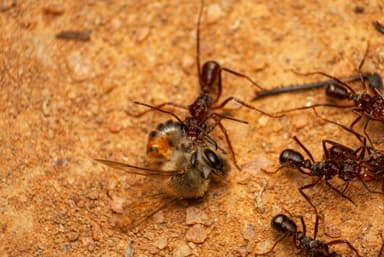
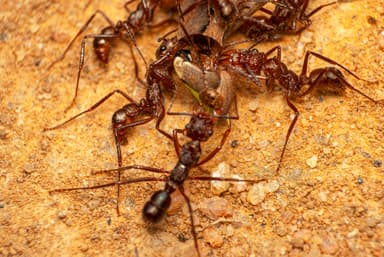
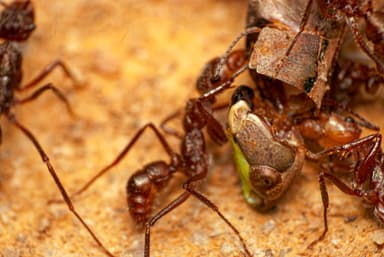
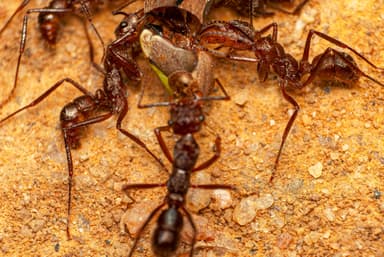
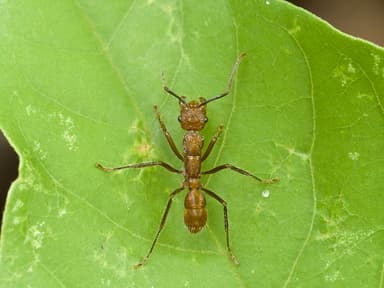
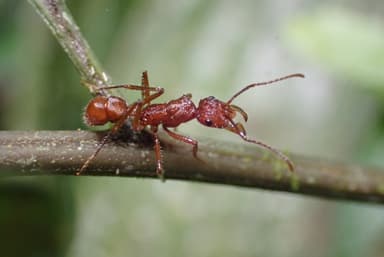
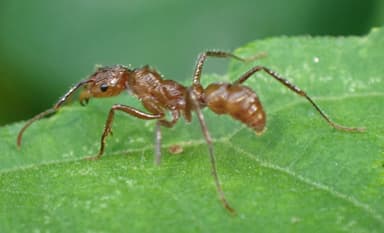
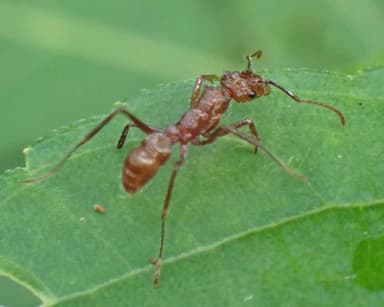
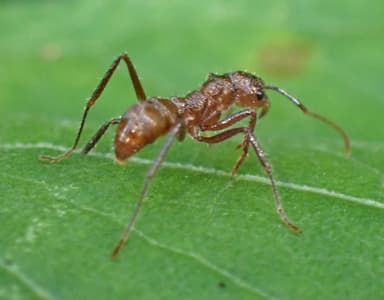
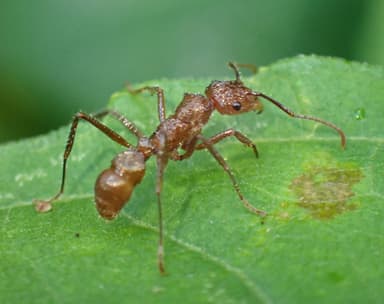
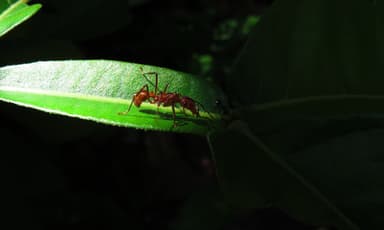
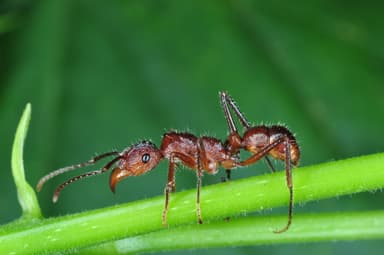
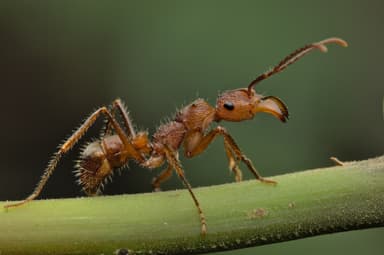
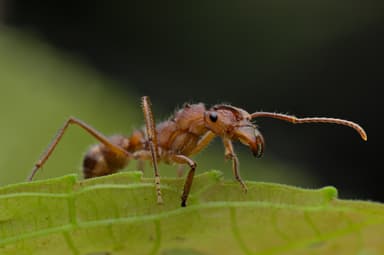
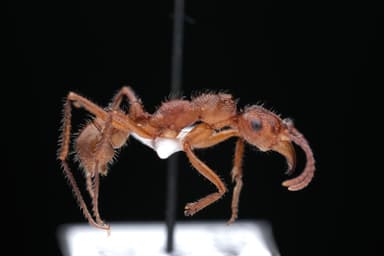
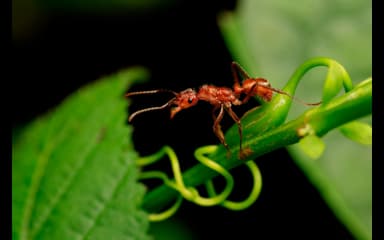
Ectatomma tuberculatum is a strikingly beautiful ant species native to the American tropics, easily recognized by the small tubercles, or bumps, on its thorax and head. These ants are known for their bold and active nature—they are adept hunters, with workers moving with a deliberate, powerful gait as they patrol their territory. The queen measures between 10 and 12 mm, with workers slightly smaller at 7 to 9 mm. While the colony size remains modest, reaching up to roughly a thousand individuals, what they lack in numbers they make up for in sheer personality. Each worker is robust and fearless, making this species a favorite among keepers looking for something with a bit more character than the typical docile seed-eater.
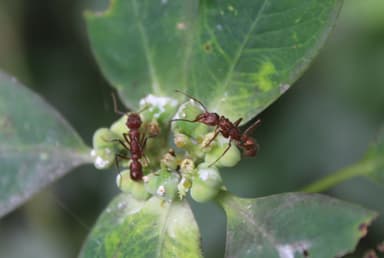
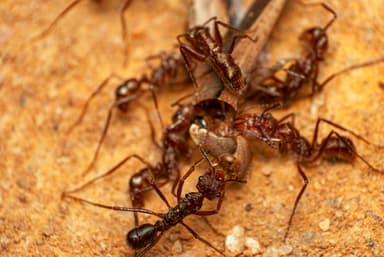
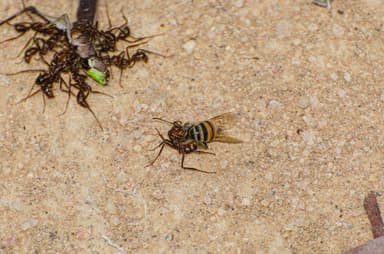
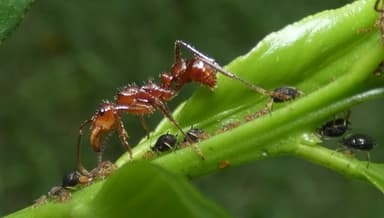
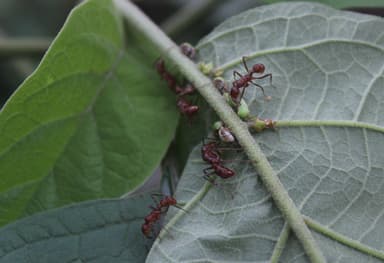
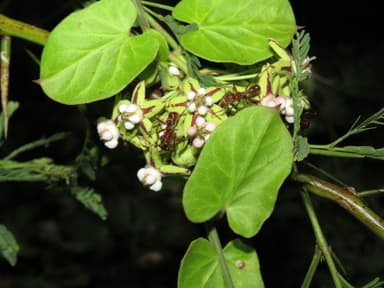
The diet of Ectatomma tuberculatum is almost entirely protein‑based. These ants are formidable predators, eagerly taking down small insects such as flies, crickets, and mealworms. In their natural habitat they also collect honeydew from hemipterans, and in captivity they will readily accept sugar water or diluted honey as a supplementary energy source. A steady supply of insect prey is essential for brood development; without enough protein, the colony may fail to grow or even collapse. Offering a balanced menu of live and freshly killed insects, alongside occasional sugary treats, will keep your colony thriving.
Care difficulty
Keeping Ectatomma tuberculatum is considered an intermediate‑level challenge. The main difficulty lies in the queen’s founding method: she is semi‑claustral, meaning she must leave the nest to hunt while raising her first workers. This makes the early stages particularly delicate—if the founding queen is disturbed or fails to find enough food, she may not survive. Once the colony matures, however, they become resilient and are less prone to stress. A keeper with some experience handling claustral or semi‑claustral founders will find this species immensely rewarding.
Housing
These ants require a warm, humid environment to mimic their tropical origins. Maintain a nest temperature between 24 and 28 °C, with humidity levels in the range of 60 to 80 percent. A substrate that holds moisture well, such as a soil‑sand mix or a naturalistic plaster nest, works best. The outworld should be generously spacious, as Ectatomma are active foragers that appreciate room to hunt. They do not need hibernation, so you can keep the colony active year‑round with consistent heating and humidity. Ensure the nest is well ventilated to prevent mold, as high humidity combined with leftover prey can quickly become problematic.
First days after purchase
When you receive your new colony, place them in a quiet, dimly lit spot and resist the urge to open the nest. Semi‑claustral queens are particularly sensitive during the founding phase, so give them at least three to five days to acclimatize. During this time, provide a tiny drop of sugar water and a small piece of insect (like a severed fly leg) near the entrance of the founding chamber—do not place it directly inside, as the queen may be startled. Observe from a distance; if the queen begins feeding and moving freely, she is settling in well. Over the following week, gradually offer more substantial prey as the first workers emerge. Patience and a steady hand will reward you with an active, captivating colony that showcases the raw energy of a true tropical predator.