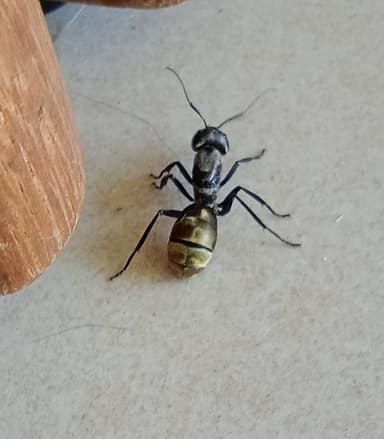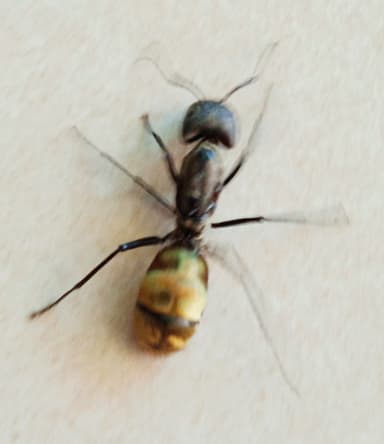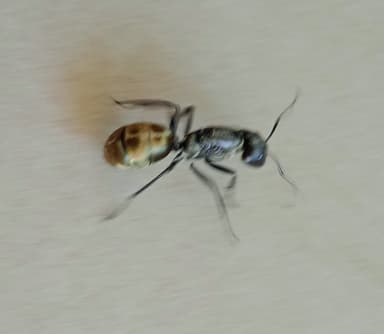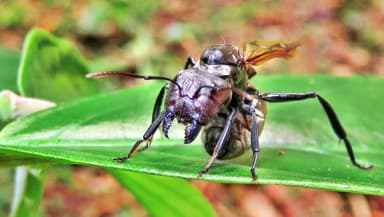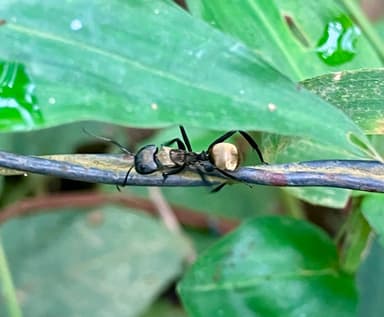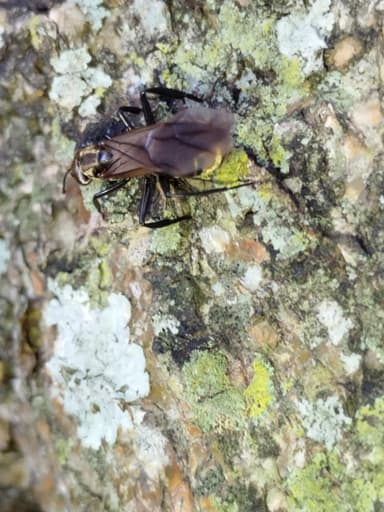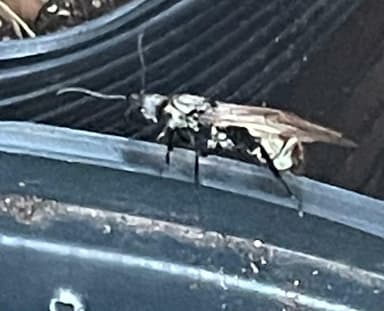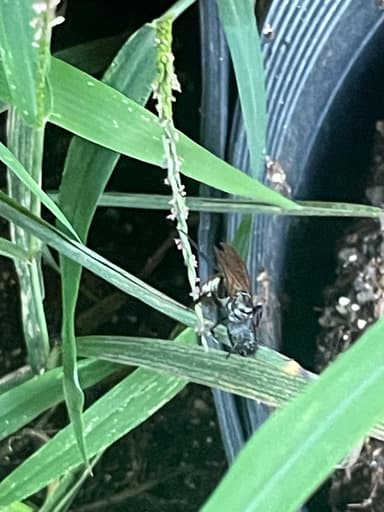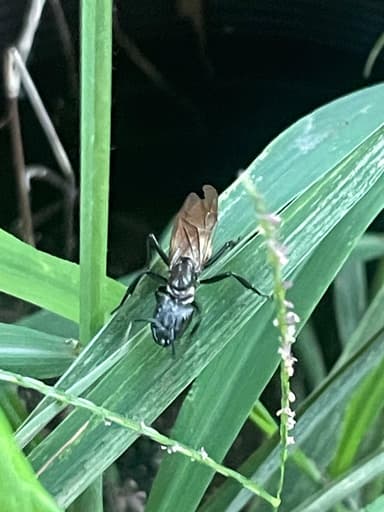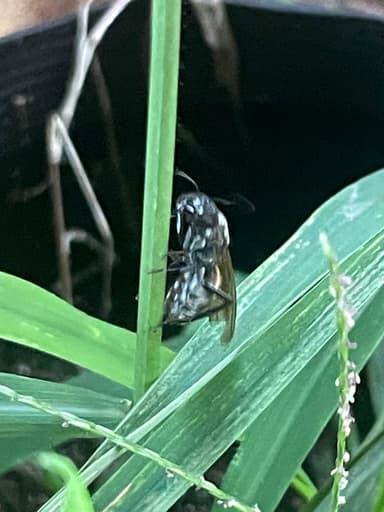
Camponotus
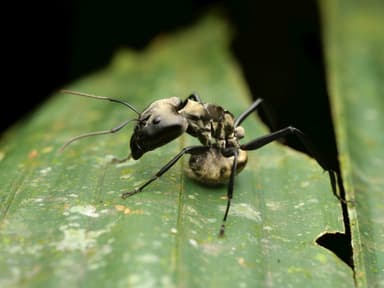
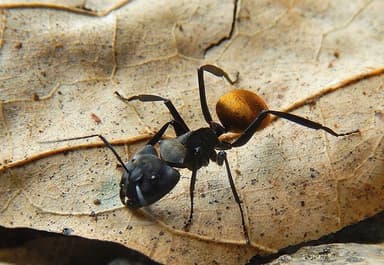
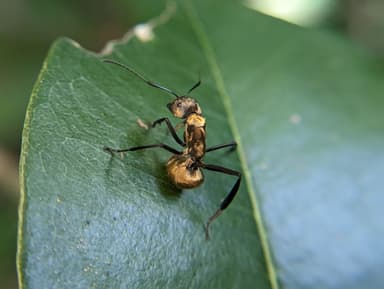
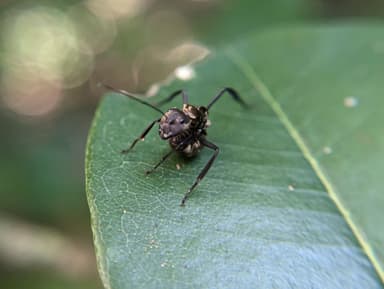
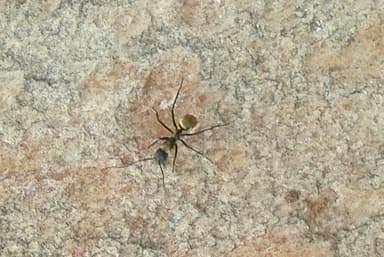
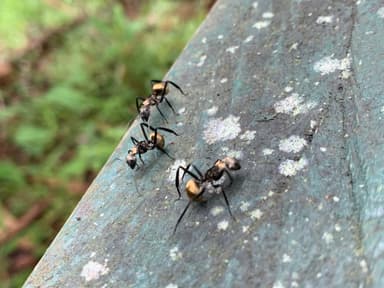
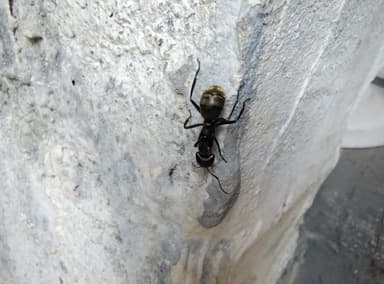
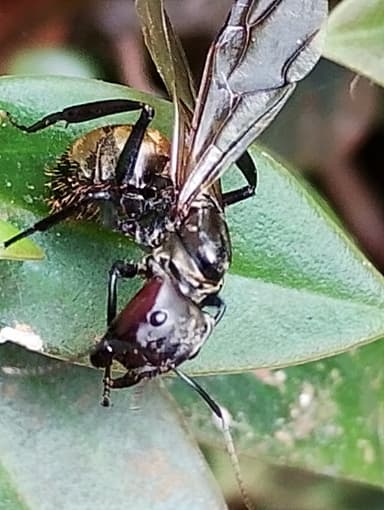
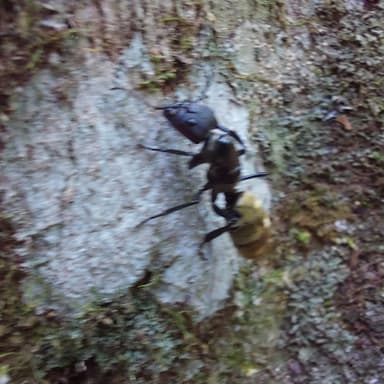
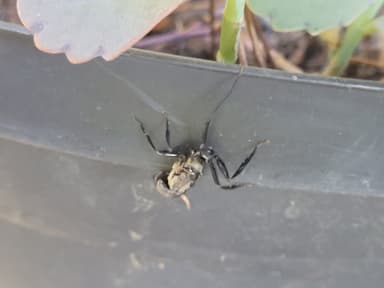
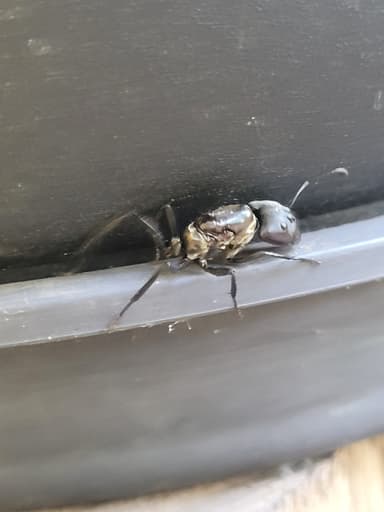
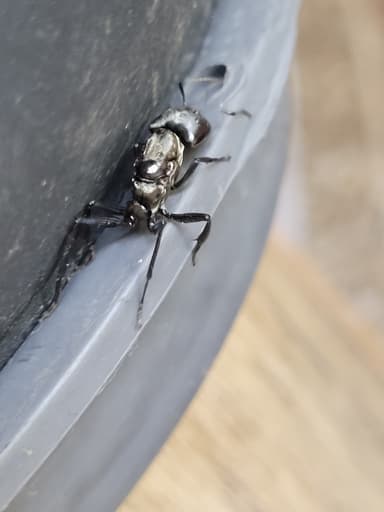
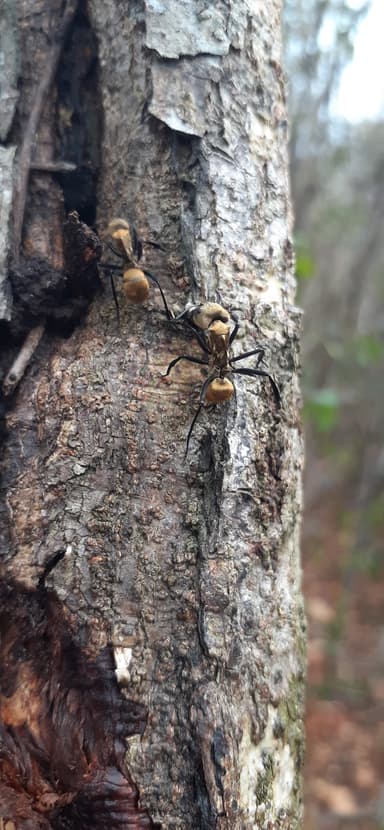
Camponotus sericeiventris
Care Guide
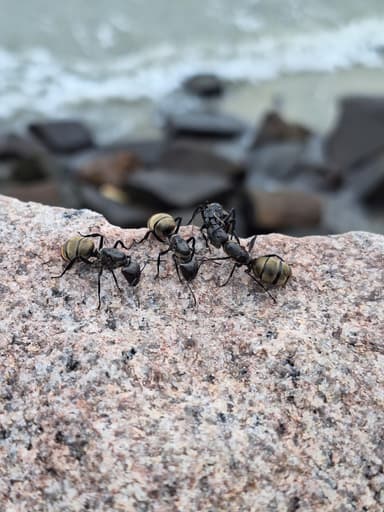
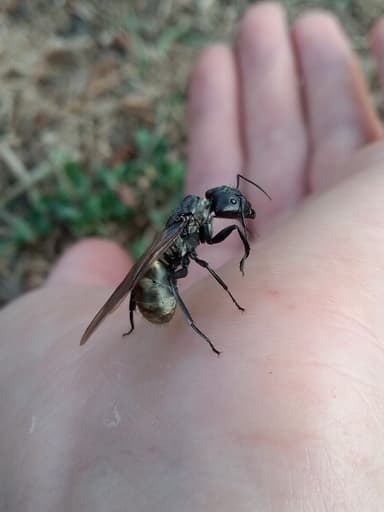
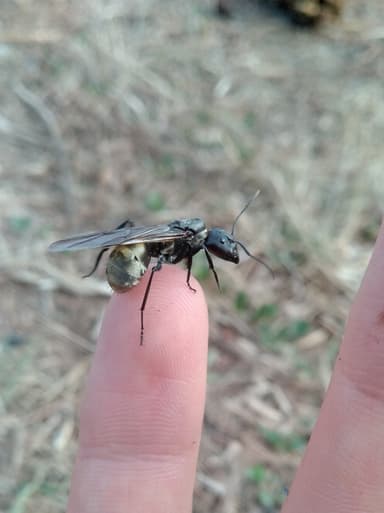
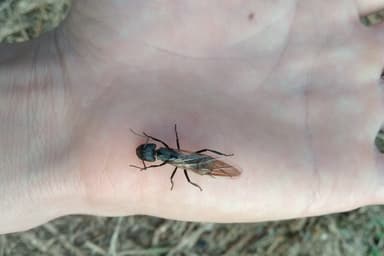
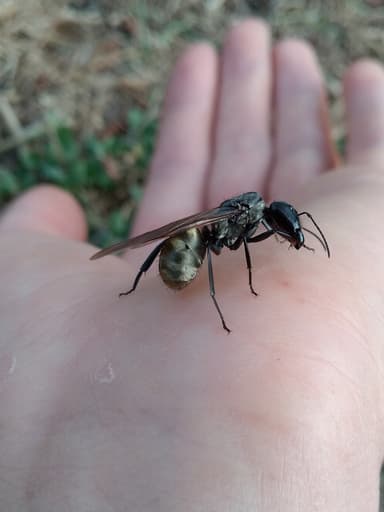
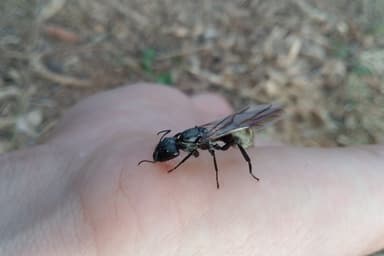
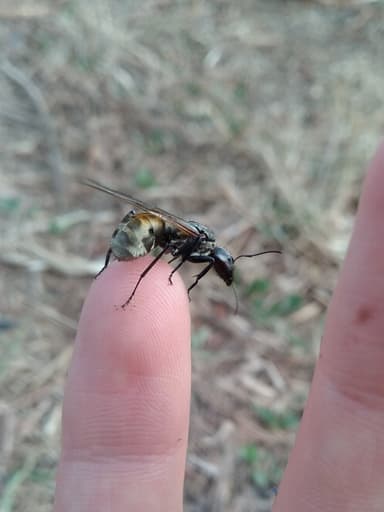
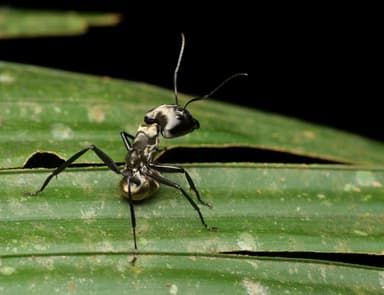
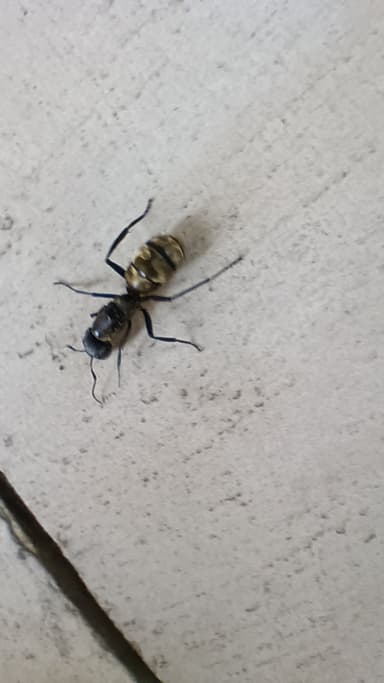
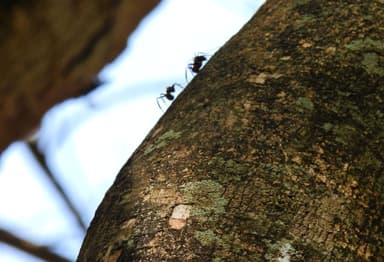
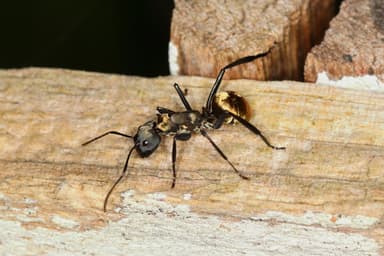
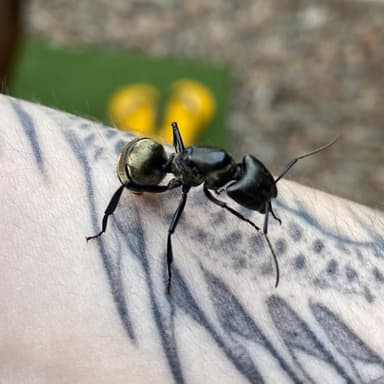
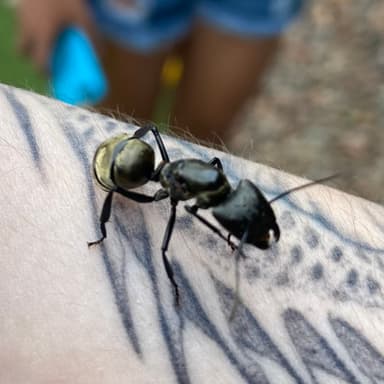
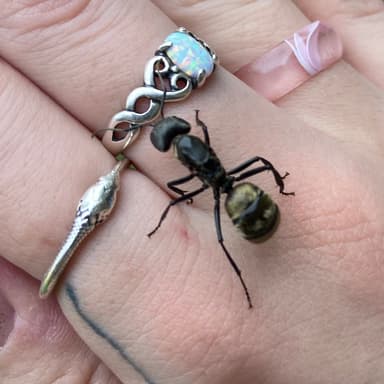
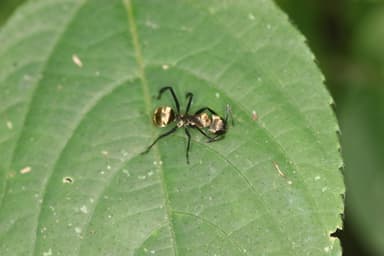
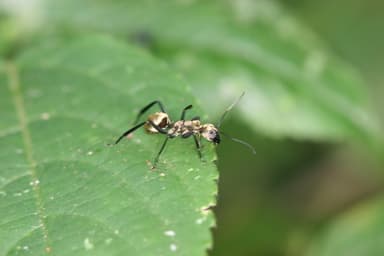
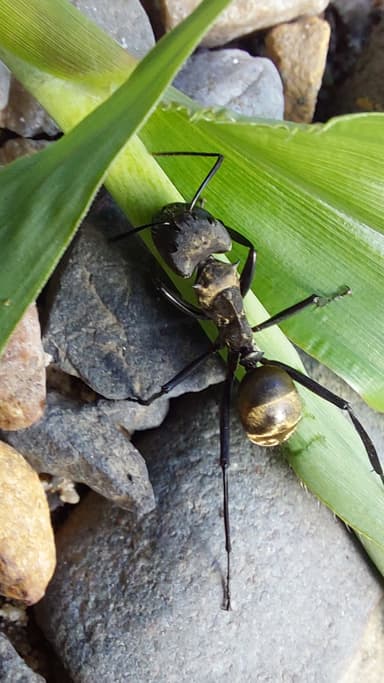
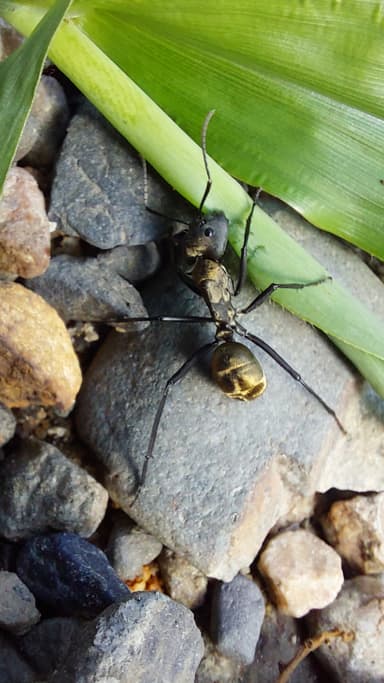
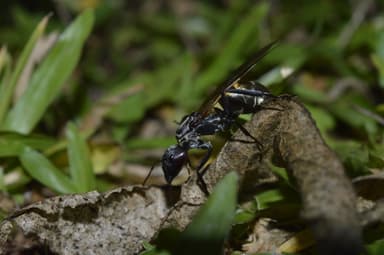
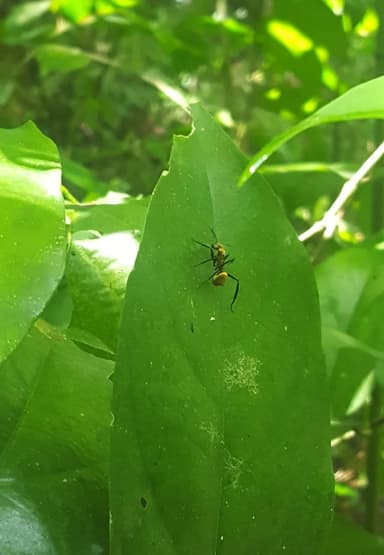
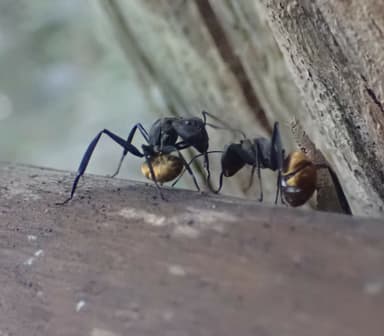
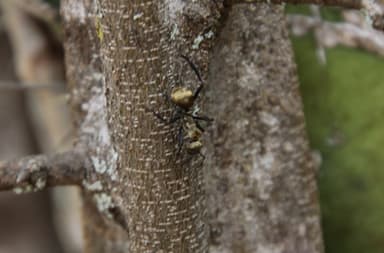
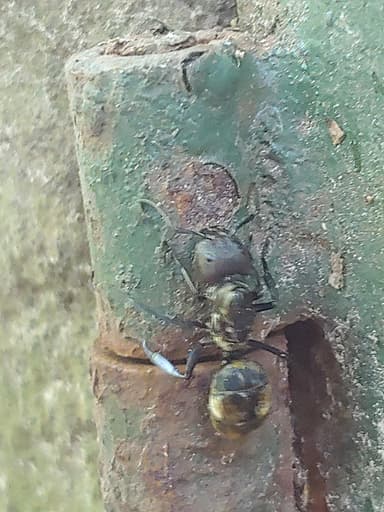
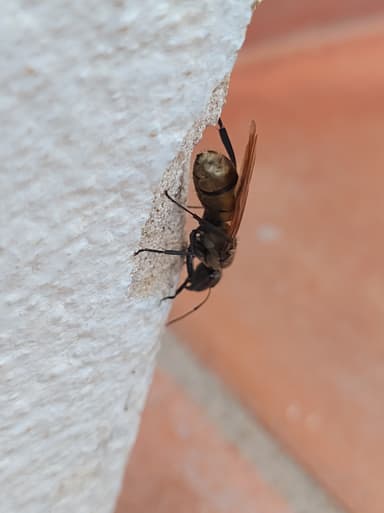
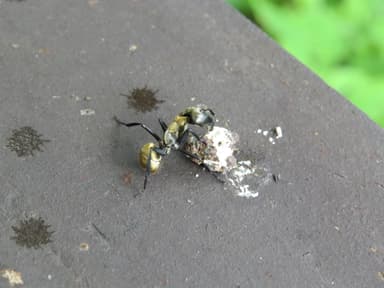
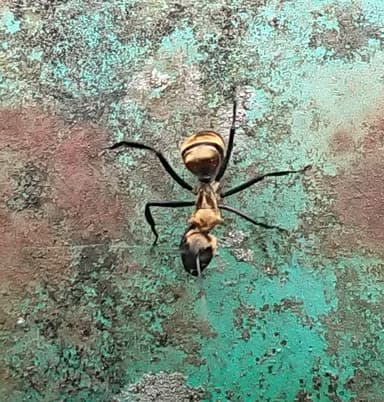
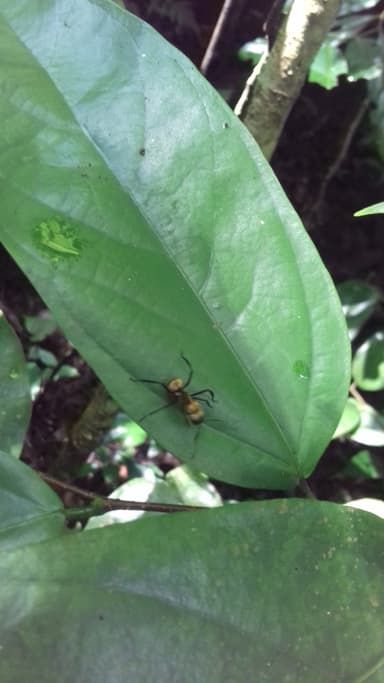
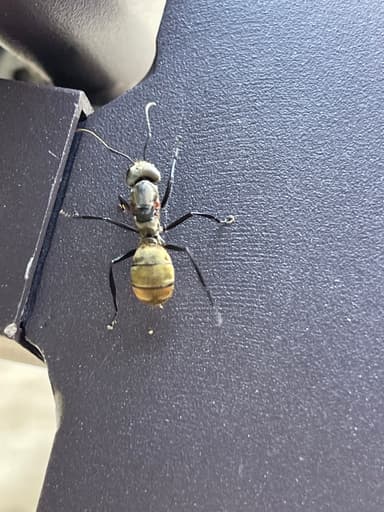
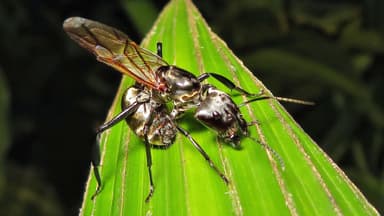
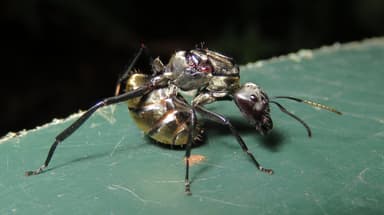
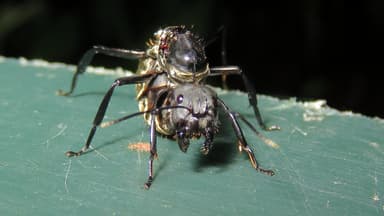
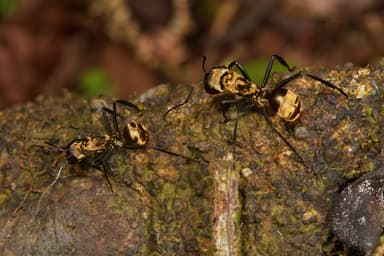
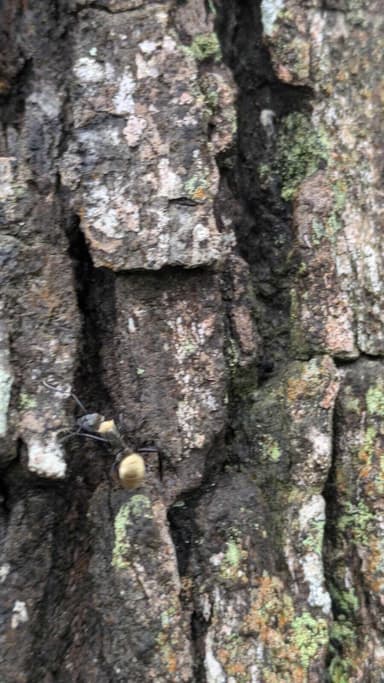
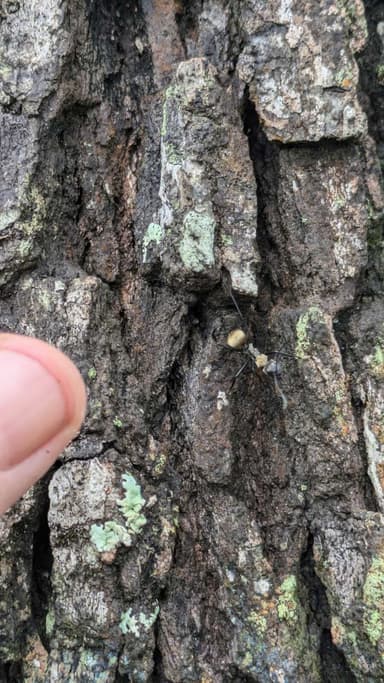
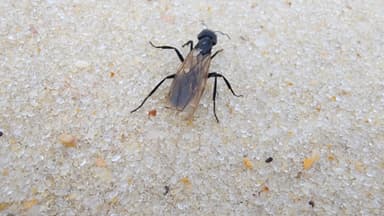
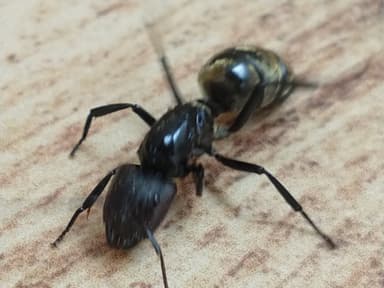
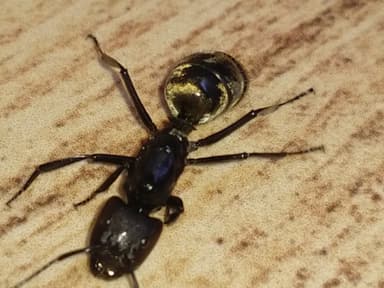
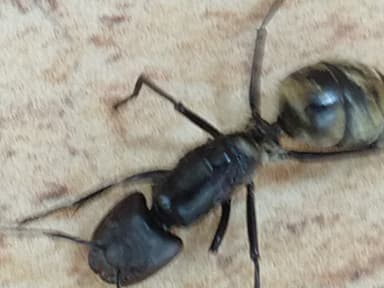
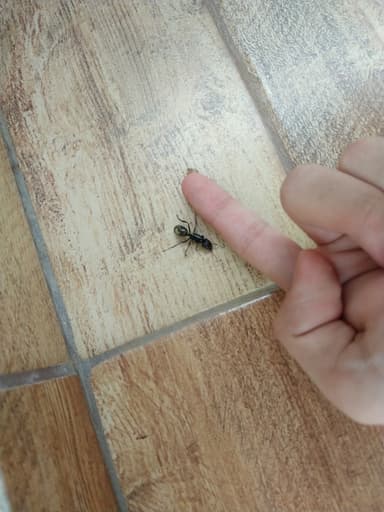
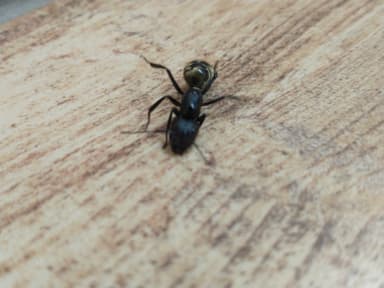
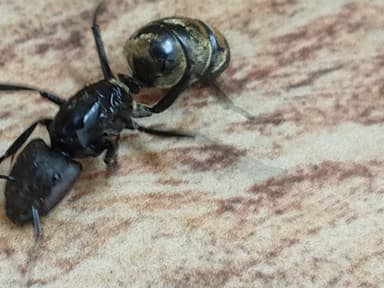
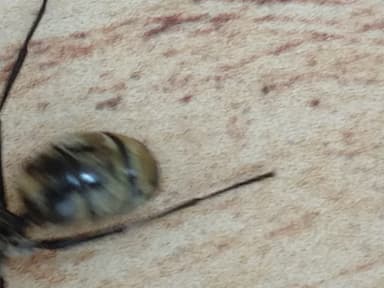
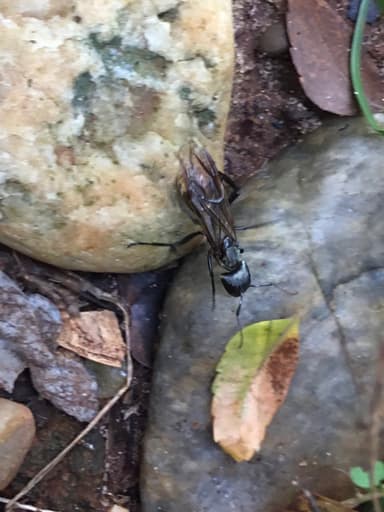
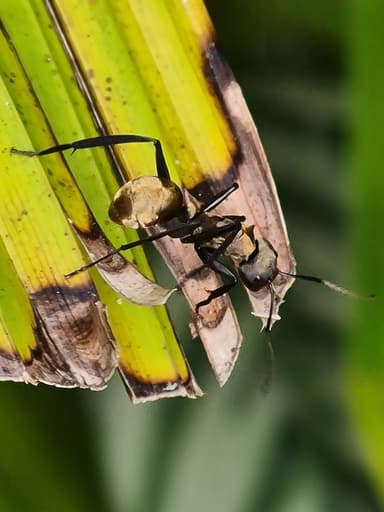
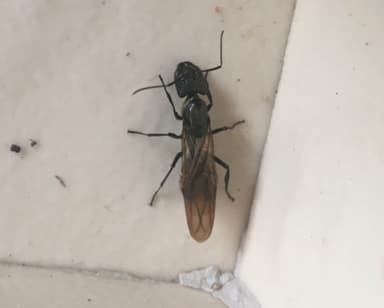
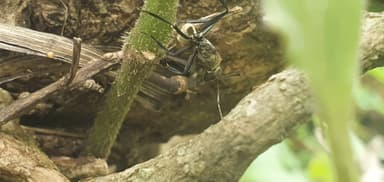
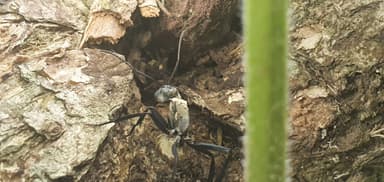
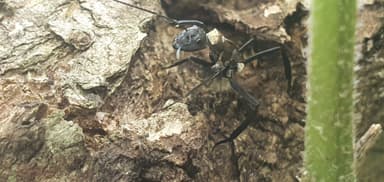
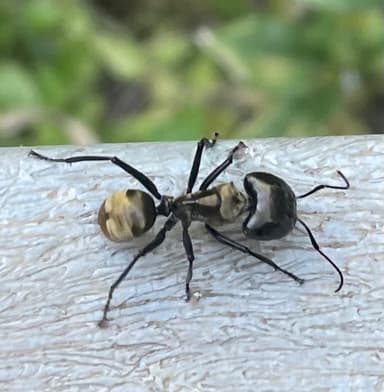
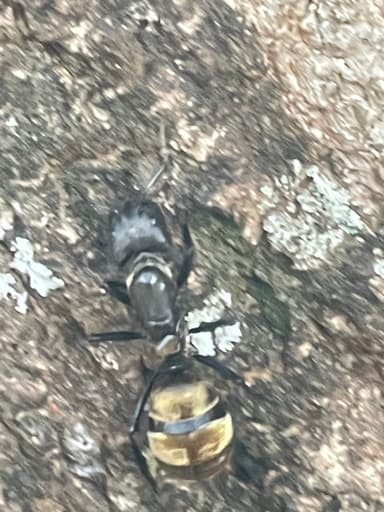
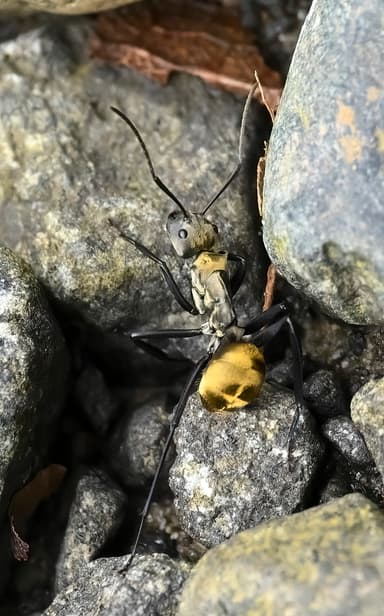
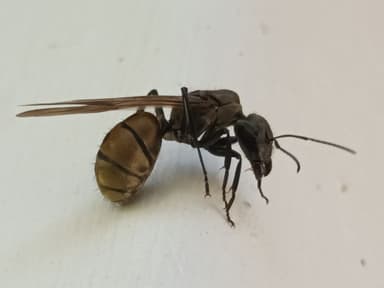
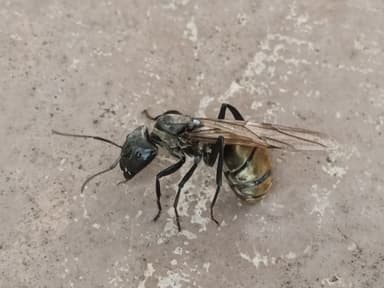
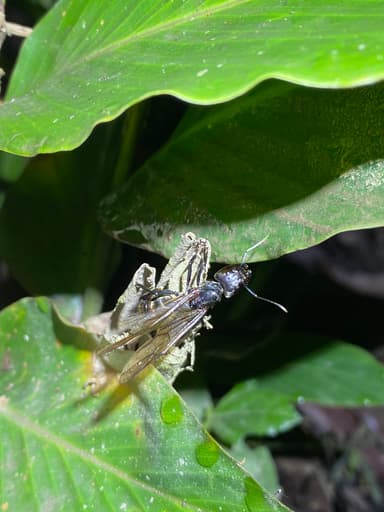
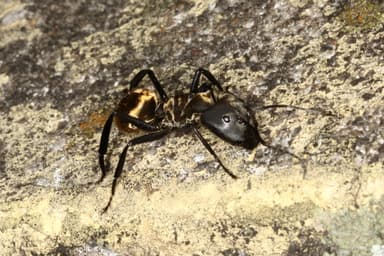
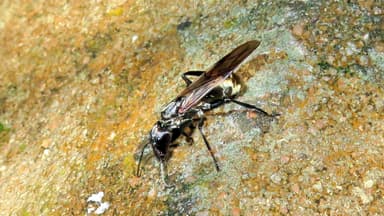
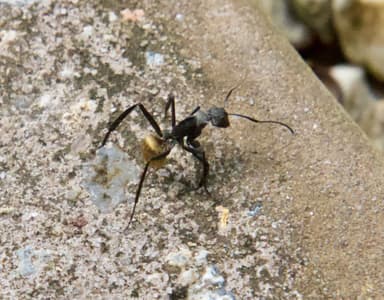
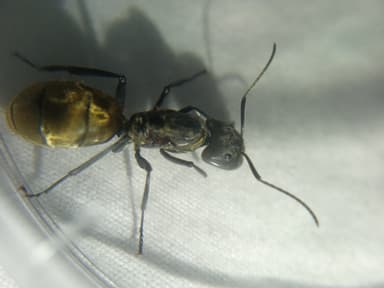
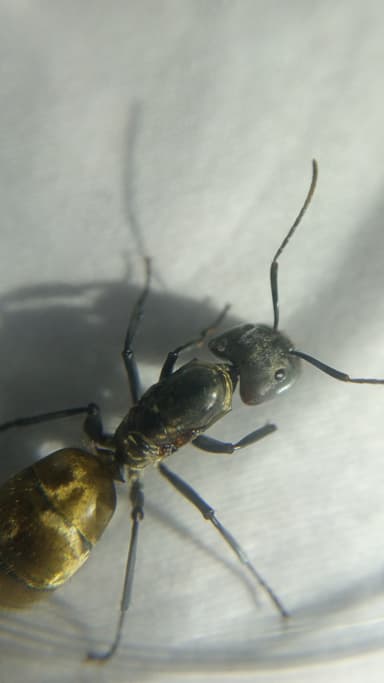
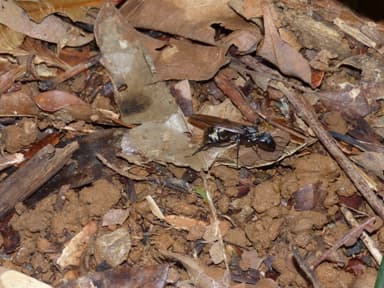
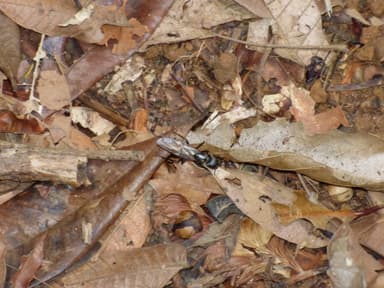
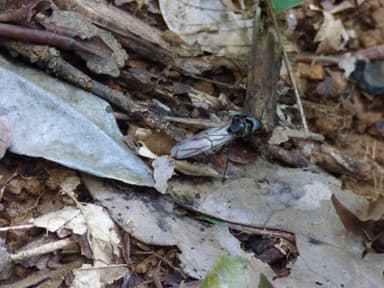
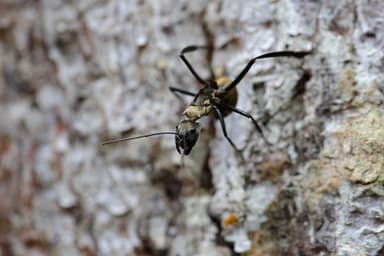
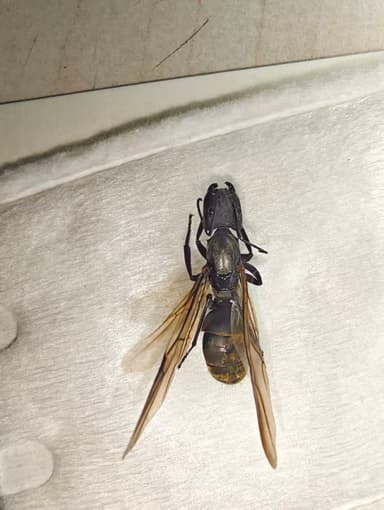
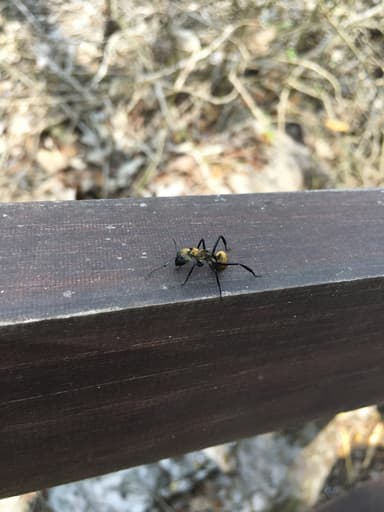
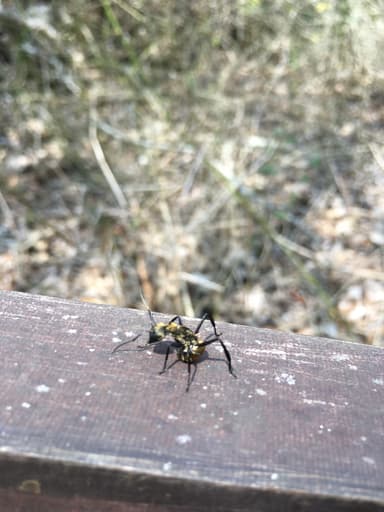
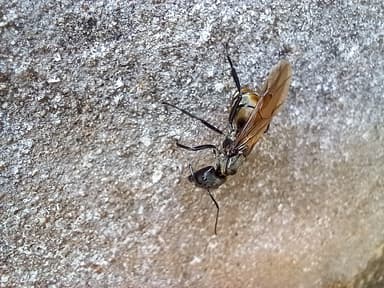
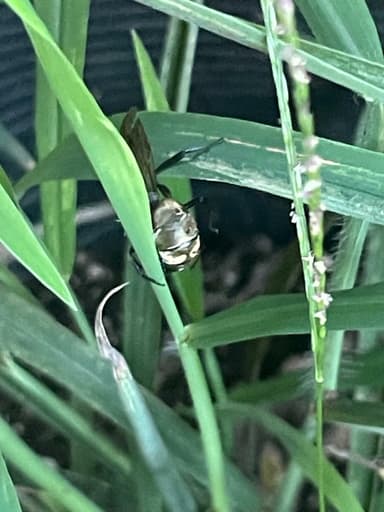
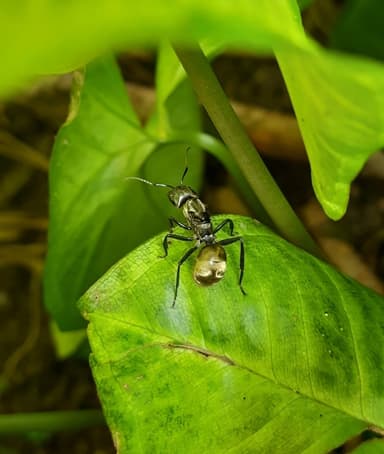
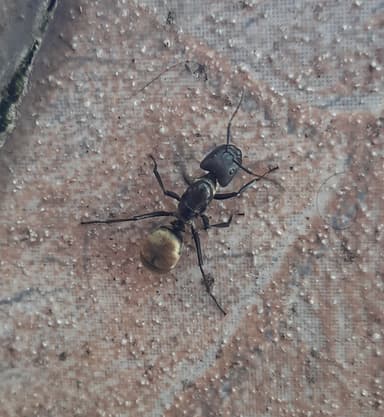
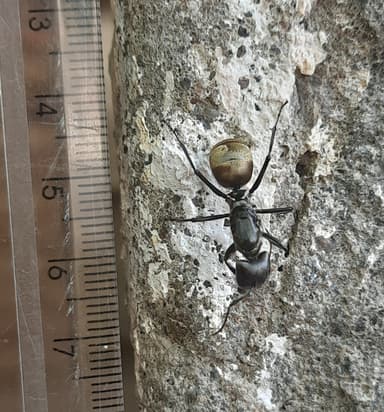
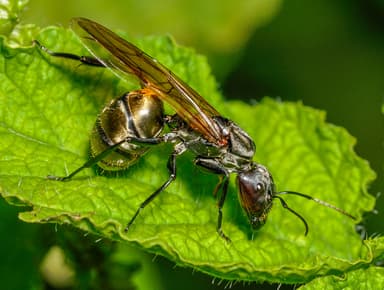
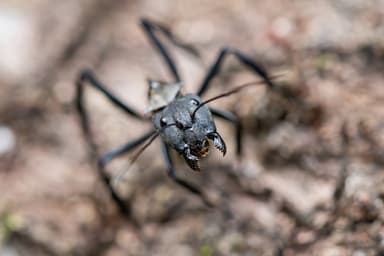
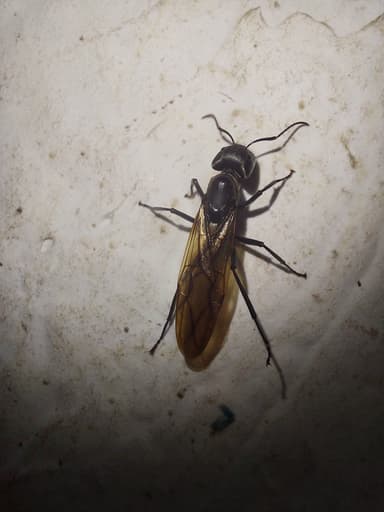
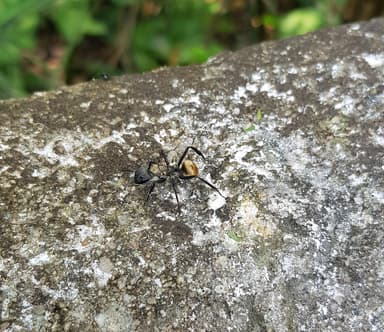
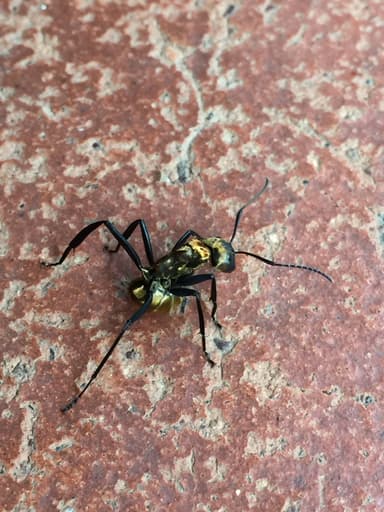
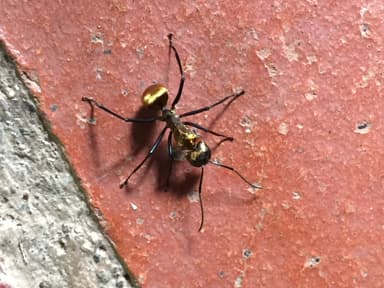
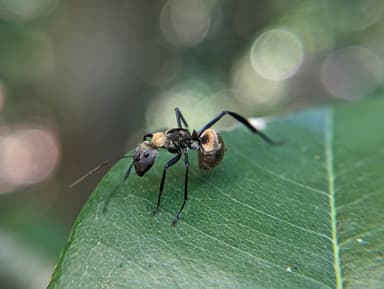
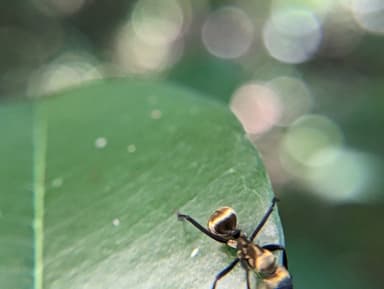
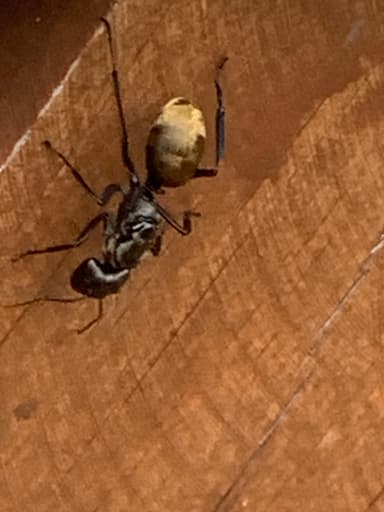
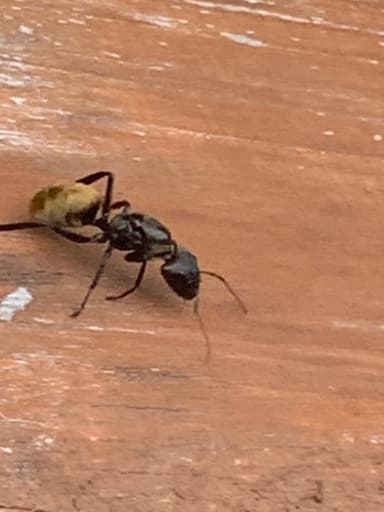
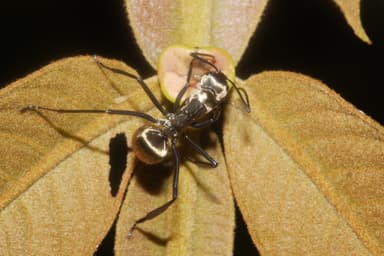
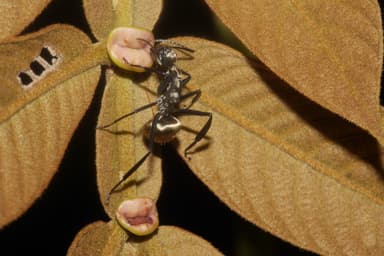
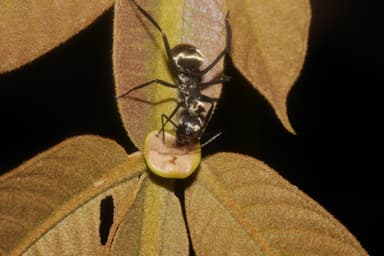
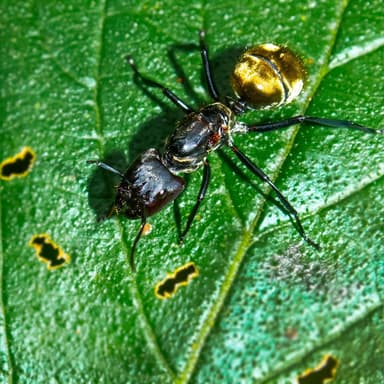
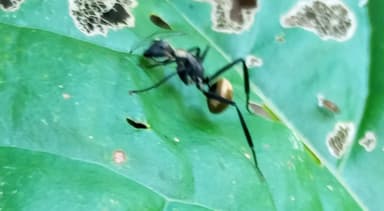
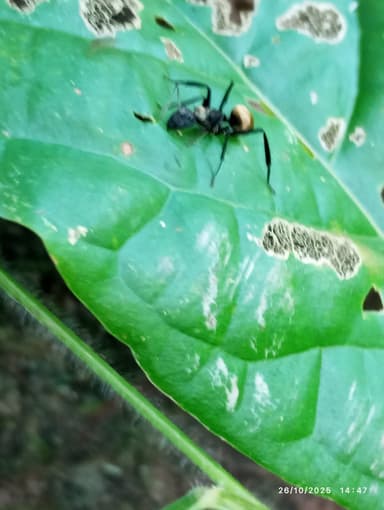
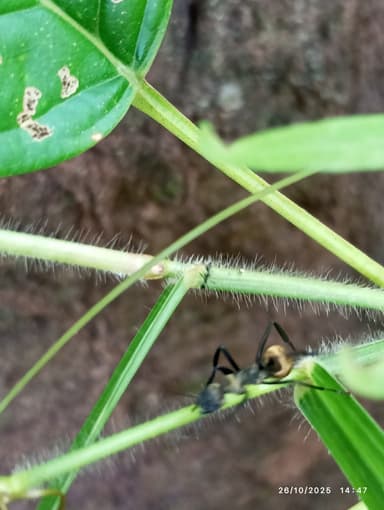
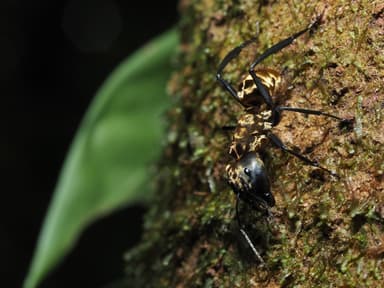
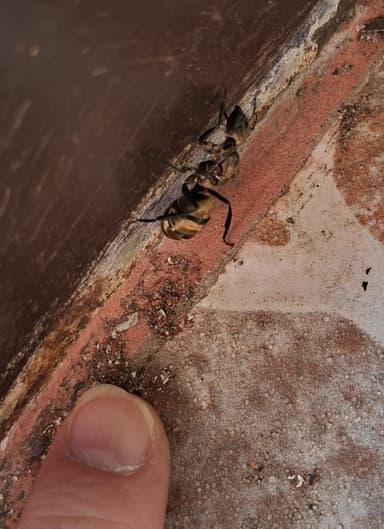
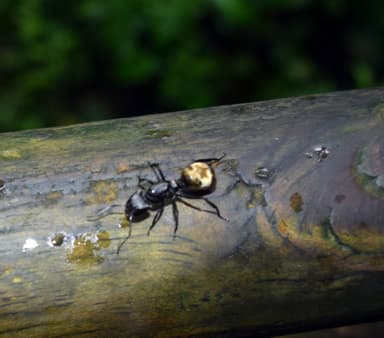
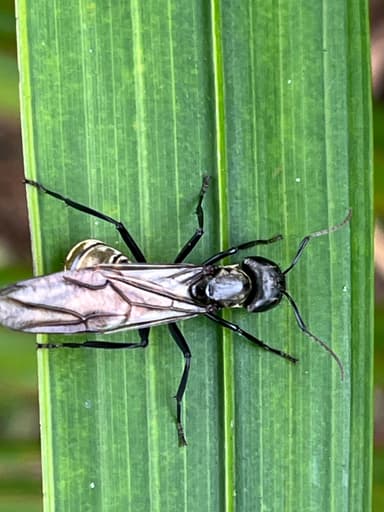
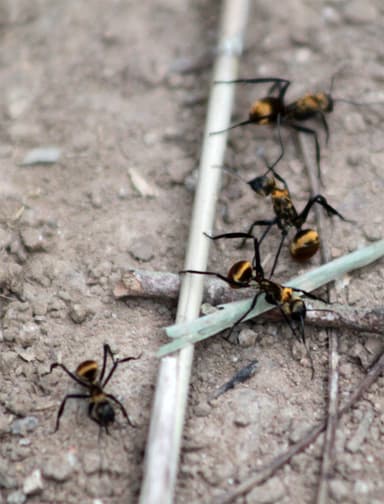
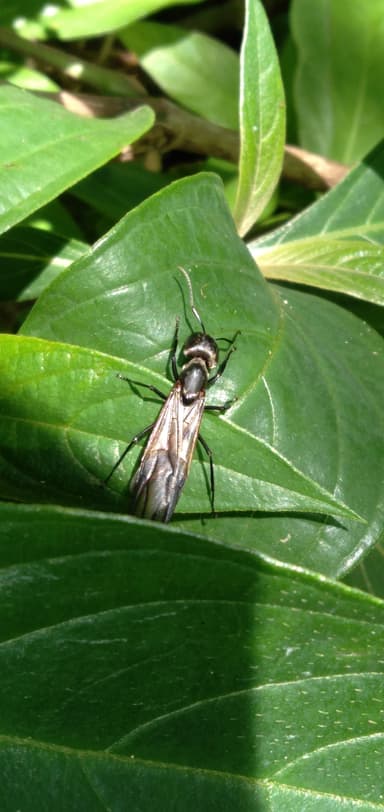
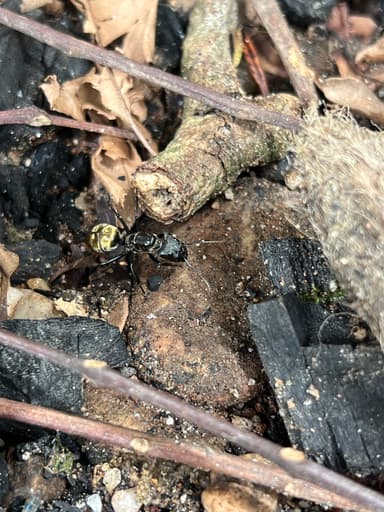
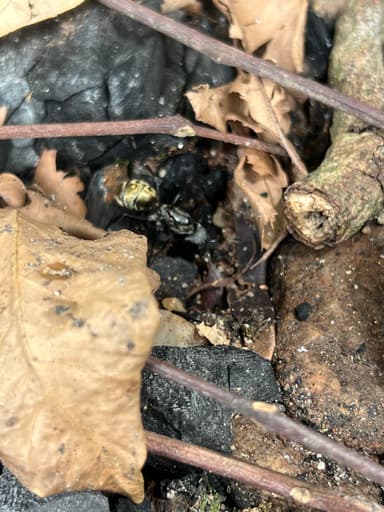
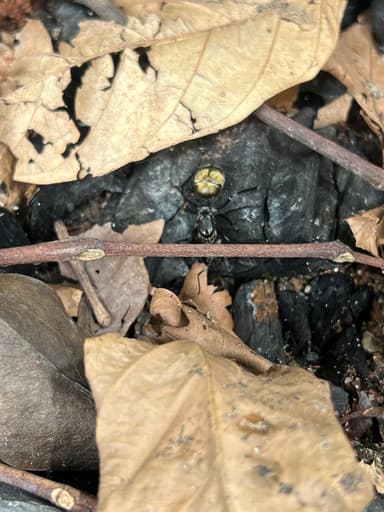
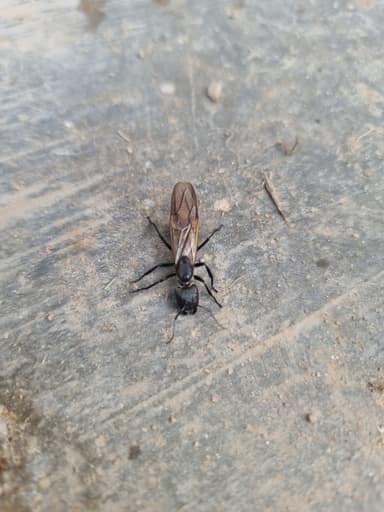
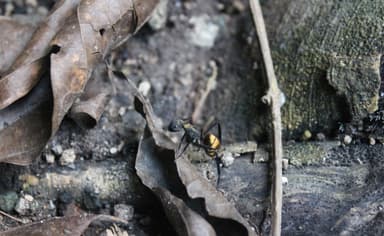
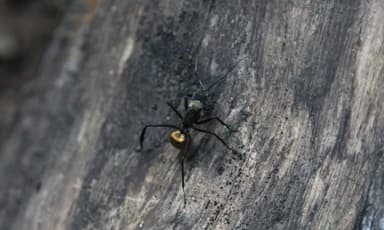
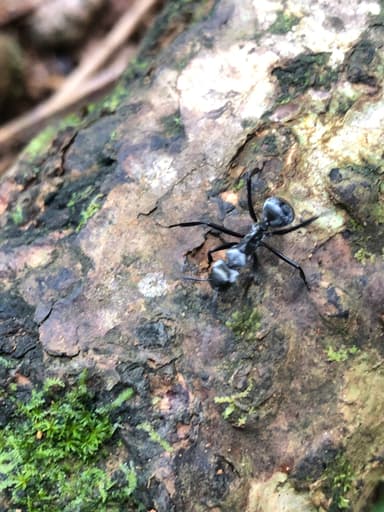
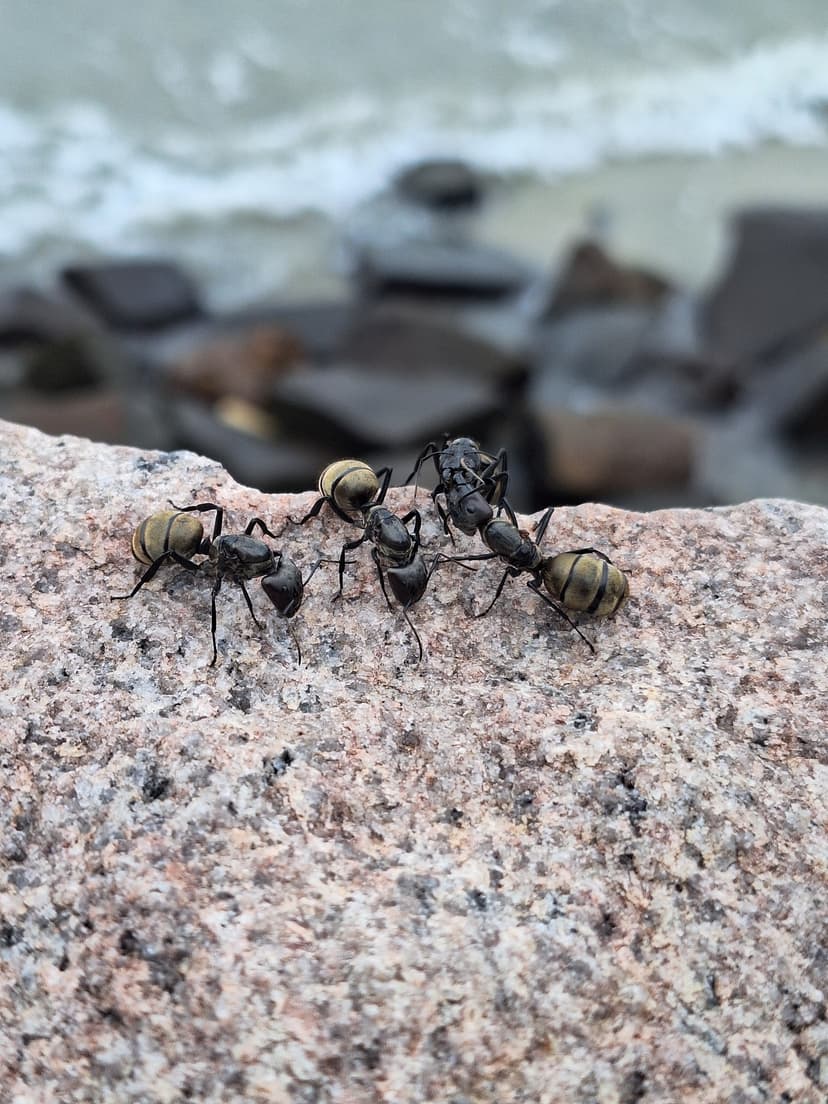
Camponotus sericeiventris is one of the most visually striking ant species in the hobby, thanks to its dense covering of silky golden hairs that give the gaster a shimmering, velvety appearance. This intermediate-level species displays clear size polymorphism: the queen, a robust and stately individual, measures 16–18 mm, while workers range from 6 mm minors up to 14 mm majors. The majors are notable for their powerful mandibles and broad heads, used for defending the colony and processing larger food items. Unlike some Camponotus species, C. sericeiventris does not require hibernation and maintains activity year-round, making it a rewarding species for keepers who want a constant show of life.
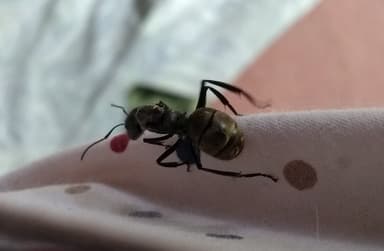
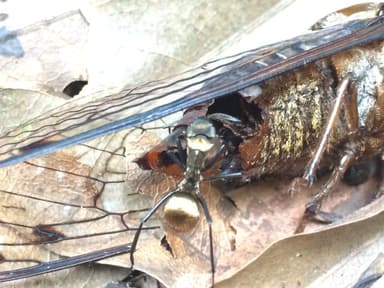
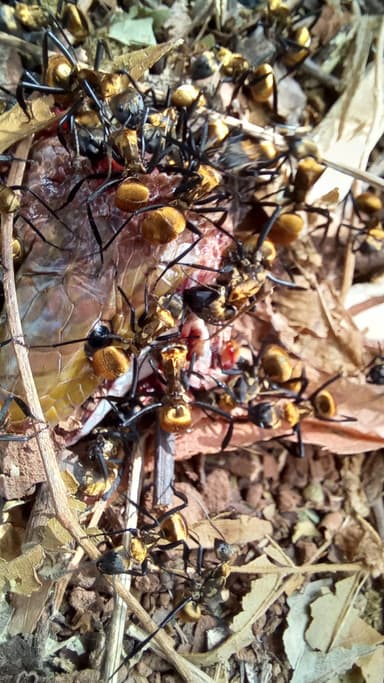
The foraging behavior of these ants is a delight to observe. They are fast, confident foragers that readily accept a diet of insects such as crickets, flies, and mealworms, supplemented with sugar water or honeydew. Their large mandibles allow them to tackle relatively large prey, and they will rapidly dismember and transport pieces back to the nest. A well-fed colony will develop a noticeable golden sheen on the workers, especially under bright light. Protein is critical for brood development, so regular feedings of live or freshly killed insects are recommended.
Care difficulty
Keeping Camponotus sericeiventris is best suited for keepers with some experience, as the colony can be sensitive to abrupt changes in temperature and humidity during early growth. However, once established, they are hardy and resilient. The claustral founding phase is straightforward — the queen does not need feeding until her first workers eclose, provided she is kept in a dark, undisturbed tube with proper moisture. The main challenge lies in maintaining a stable, warm environment and providing adequate foraging space for their active nature.
Housing
A formicarium with good ventilation and a well-sealed nest chamber is essential. These ants prefer temperatures between 22 and 28°C, with a warm spot around 26–28°C near the nest to encourage brood development. Humidity should be kept between 50 and 70%; a hydration system that moistens one part of the nest while leaving other areas drier works well, as the ants will choose their preferred microclimate. Because they do not hibernate, you can enjoy year-round activity, but be mindful of heat loss during winter if you live in a cooler climate. A spacious outworld with a clean feeding area will allow you to watch their impressive foraging trails.
First days after purchase
Upon receiving your colony, place the transport tube or small setup in a quiet, dimly lit area. Allow the ants to acclimate for at least 24 hours without disturbance. If you are transferring them to a new formicarium, provide a gentle connection from their current tube to the new nest using a silicone tube or adapter; let them explore at their own pace. Offer a small drop of sugar water and a tiny piece of protein (e.g., a crushed cricket) near the nest entrance. Avoid bright lights and vibrations in the first week. Once the colony has settled and workers are actively foraging, you can gradually increase interaction. With patience and consistent care, Camponotus sericeiventris will reward you with a glittering, bustling miniature world.