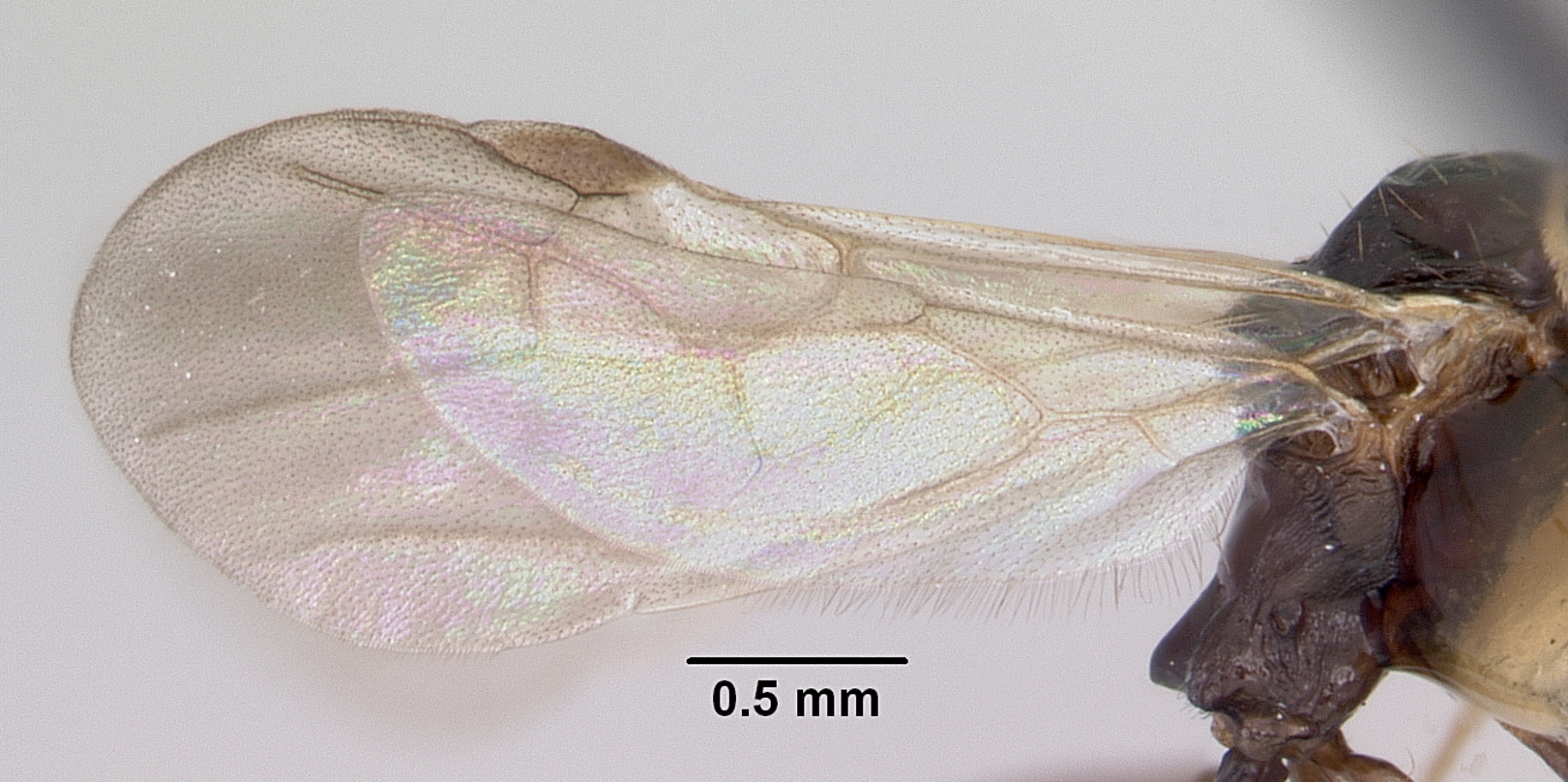
Aphaenogaster
Aphaenogaster fulva
Nuptial Flight Calendar
Care Guide
Aphaenogaster fulva is a slender, woodland-dwelling ant native to the eastern United States, where it lives in the leaf litter and rotting logs of mature deciduous forests. The queen reaches 8–9.5 mm, with workers ranging from 4.5 to 6 mm. Coloration is a rich orange-brown that gives these ants an elegant, almost graceful appearance, complemented by long legs and antennae characteristic of the entire genus.
Like all Aphaenogaster, this species is a generalist forager. Workers collect small invertebrates, scavenge carrion, take elaiosomes from seeds (acting as important seed dispersers in temperate forests), and tend sugary food sources. Colonies are modest in size, typically reaching 500 to 3,000 workers, which makes them well-suited to small and medium formicaria where their slow, deliberate movements can be appreciated.
A. fulva founds new colonies through semi-claustral founding — the queen leaves the nest in the early stages to forage. Keepers must offer her small insects and sugar from day one rather than sealing her away in a test tube as with claustral species.
Care difficulty
This species is rated intermediate. Semi-claustral founding requires more interaction than fully claustral species, and the colony does require a proper winter hibernation period at around 8 °C for long-term health.
Housing
Provide a small starter setup with a moist nesting area and a slightly drier outworld. Temperature should sit between 22 and 26 °C during the active season, with humidity at 50–70 %. Offer small insects such as fruit flies and crickets two or three times a week, sugar water or honey droplets, and a small selection of seeds with elaiosomes (violet, bloodroot, trillium). Once autumn arrives, gradually cool the colony to 8 °C for two to three months of hibernation.
First days after purchase
Place the founding queen or young colony in a quiet, dimly lit spot. Offer a freshly killed fruit fly and a tiny droplet of honey water within the first two days. Refresh water regularly and minimize disturbance. The colony will accept a small formicarium once it reaches around 30 workers.