Tapinoma
Tapinoma nigerrimum
Nuptial Flight Calendar
Flight months: May, Jun, Jul, Aug, Sep
Care Guide
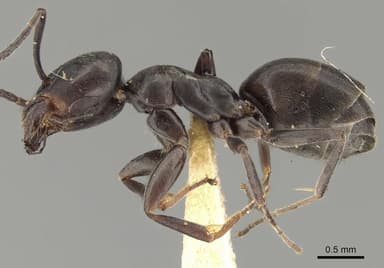
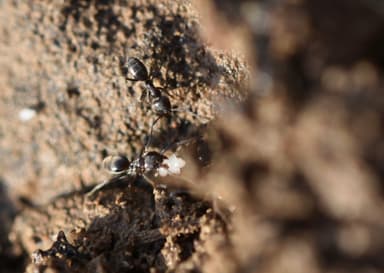
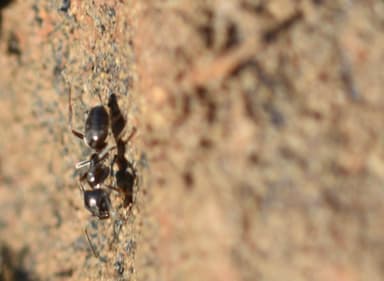
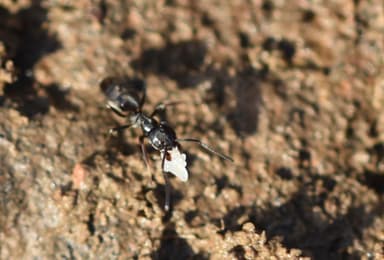
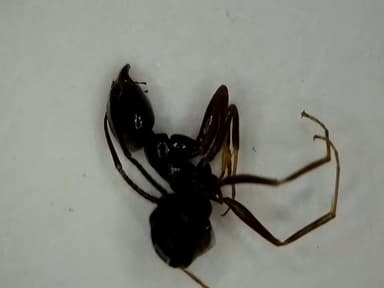
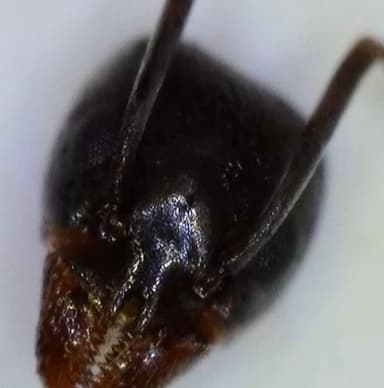
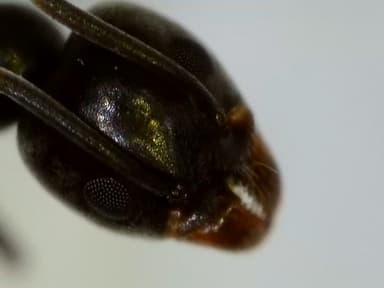
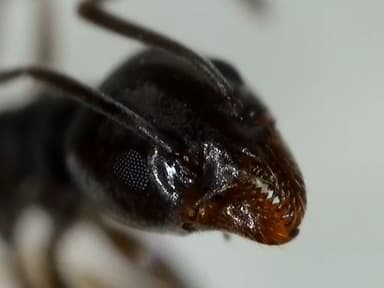
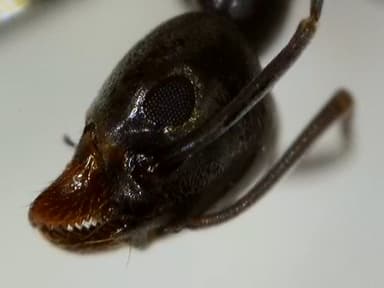
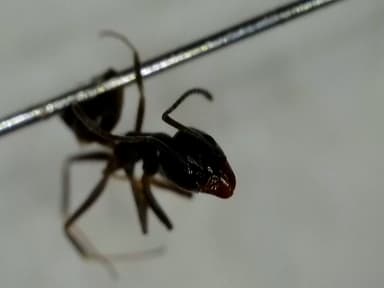
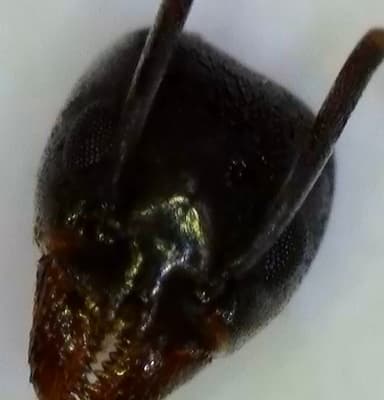
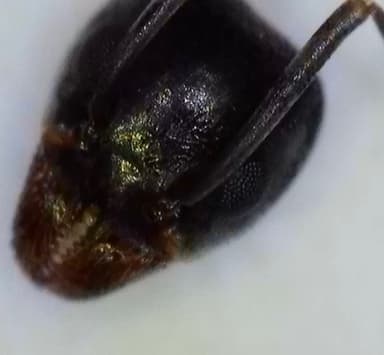
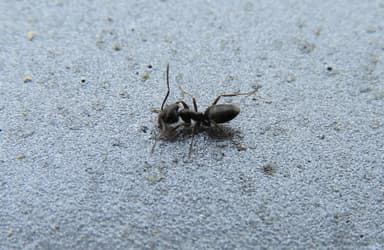
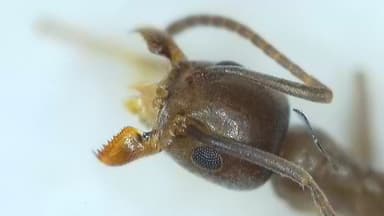
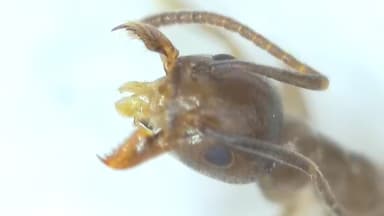
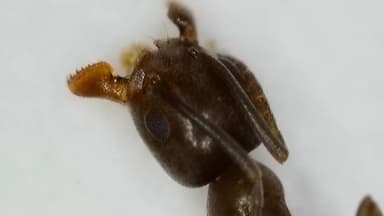
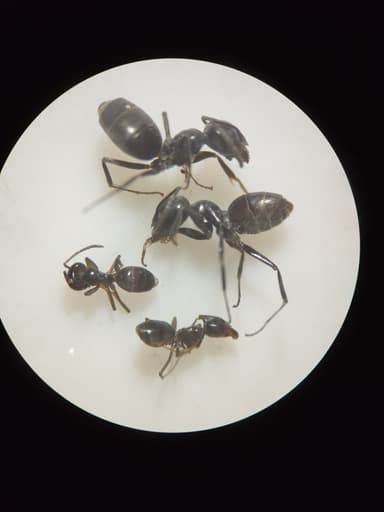
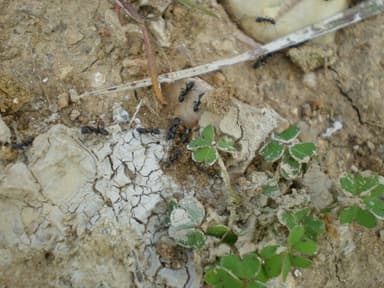
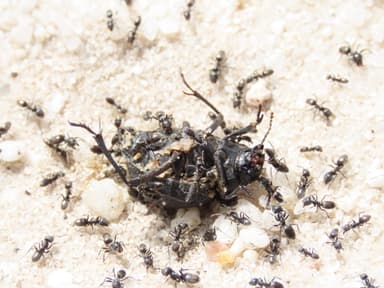
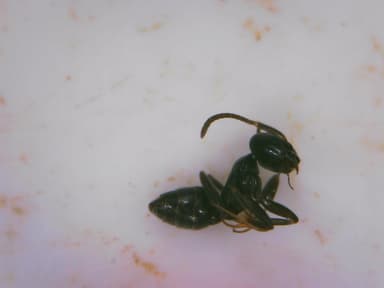
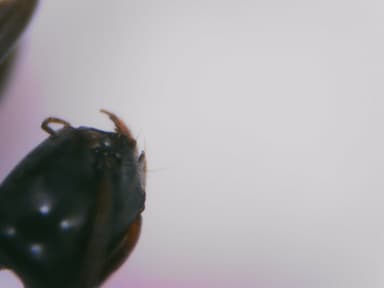
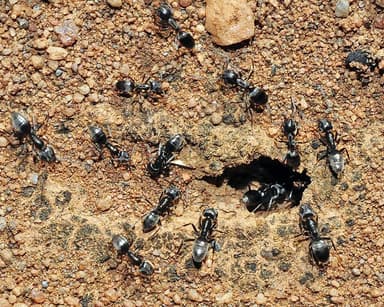
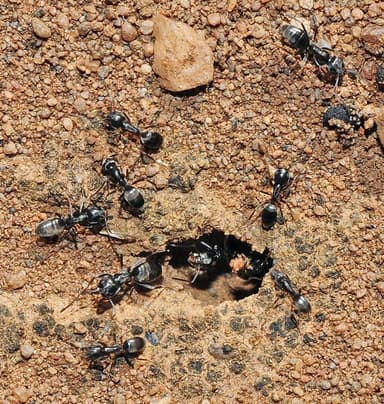
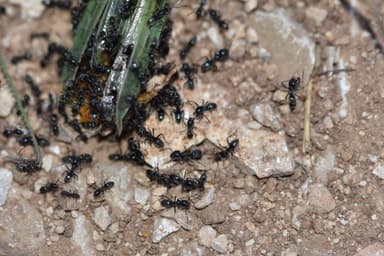
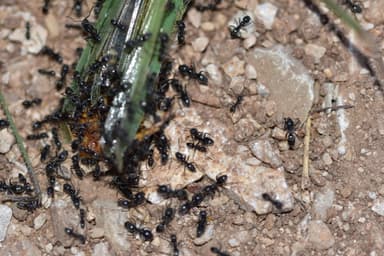
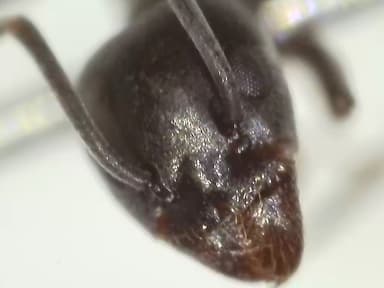
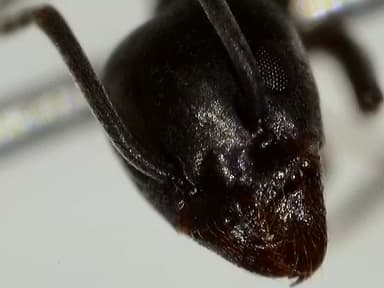
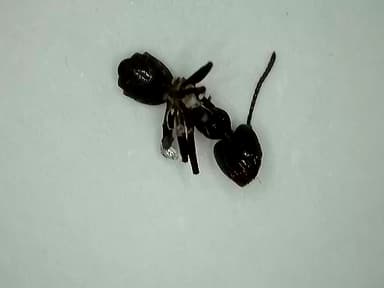
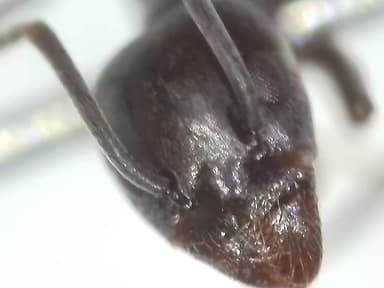
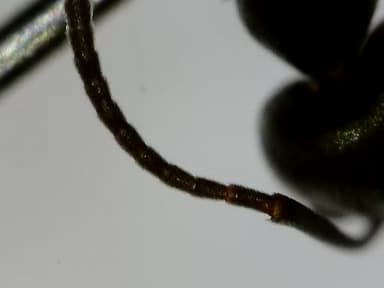
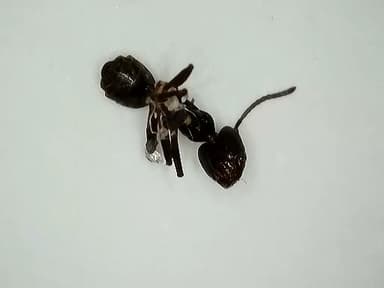
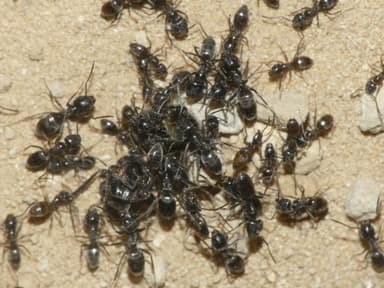
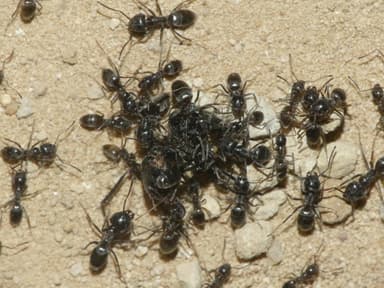
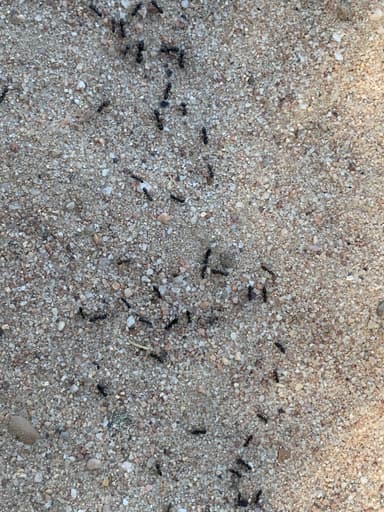
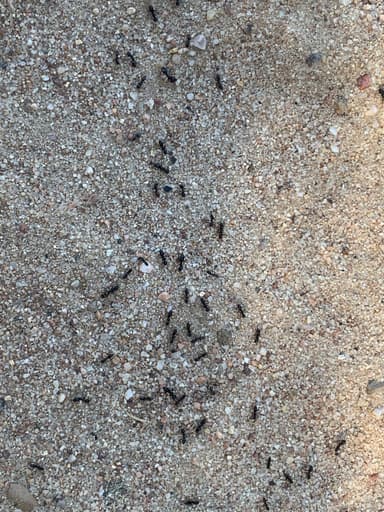
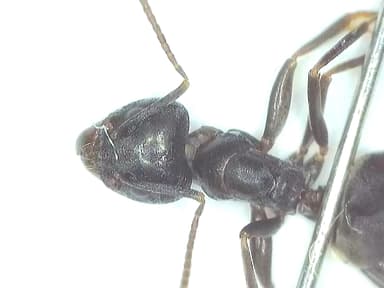
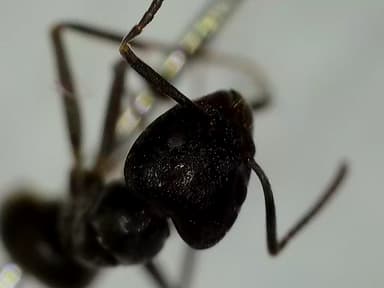
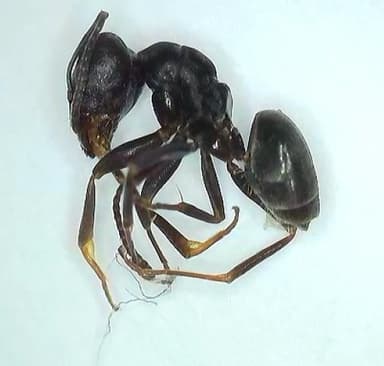
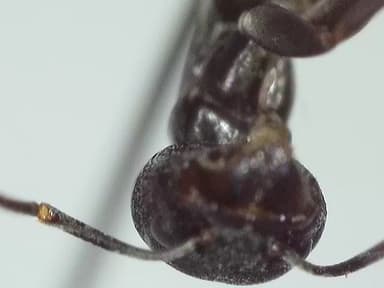
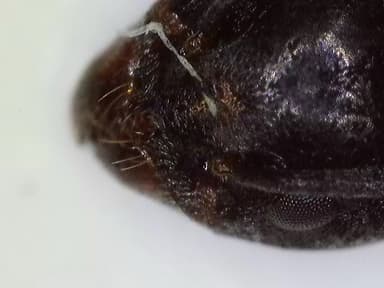
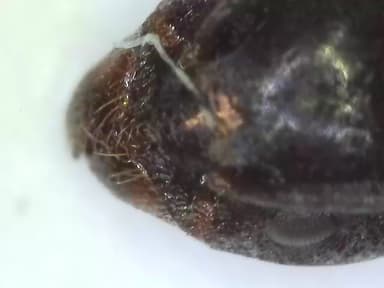
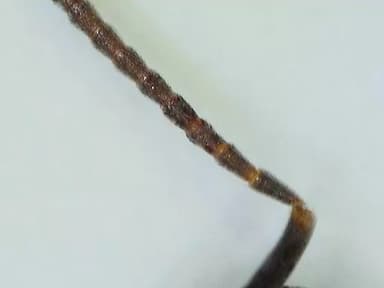
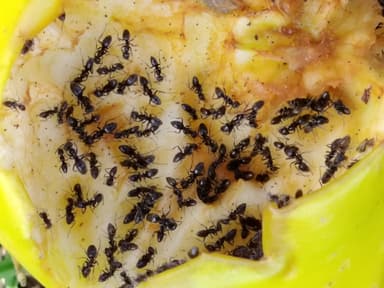
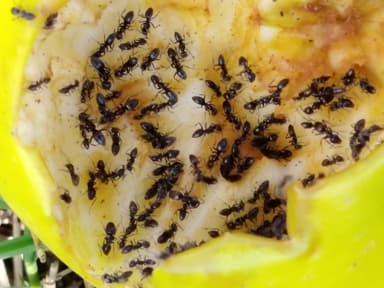
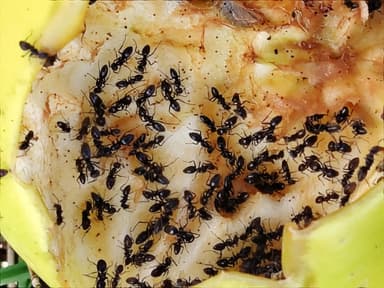
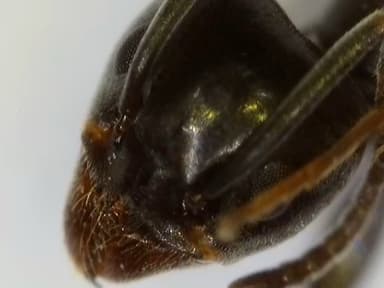
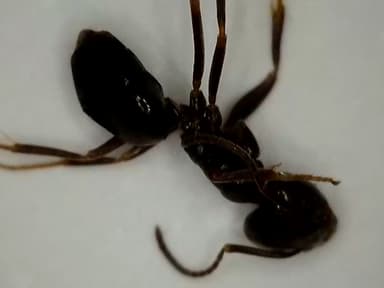
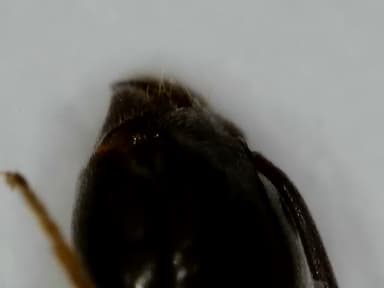
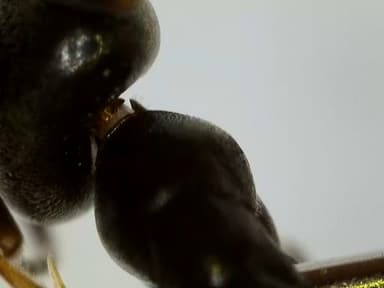
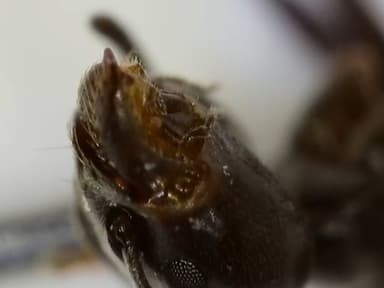
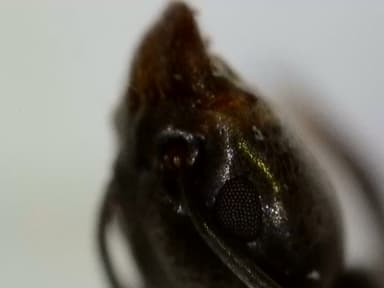
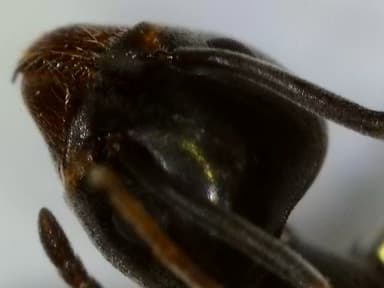
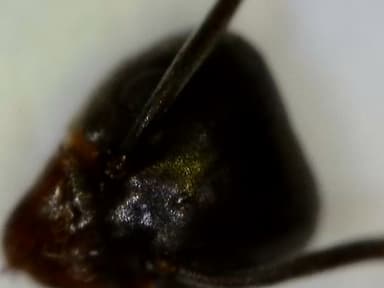
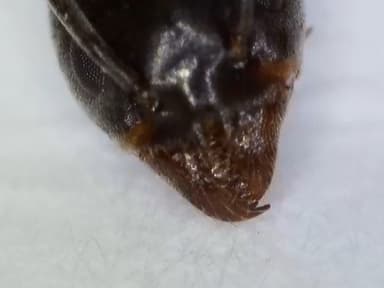
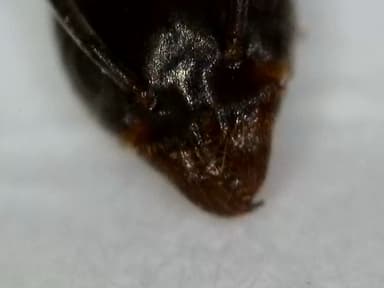
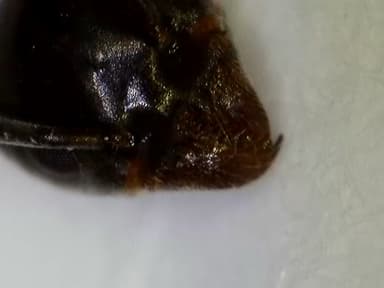
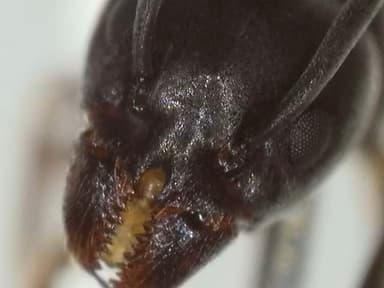
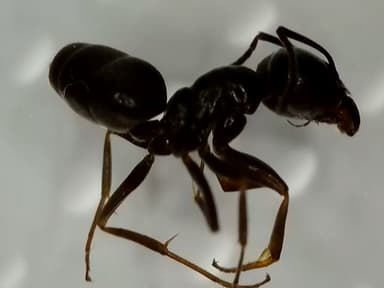
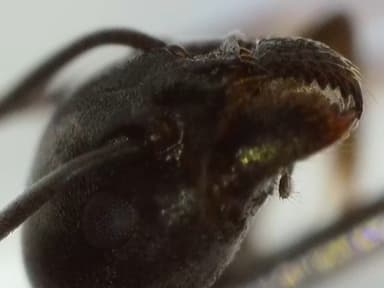
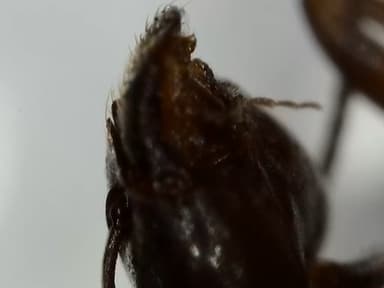
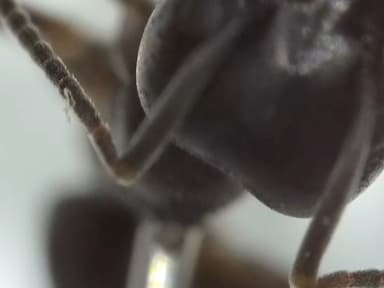
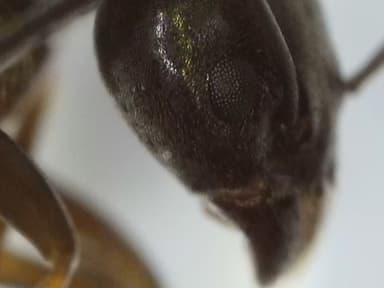
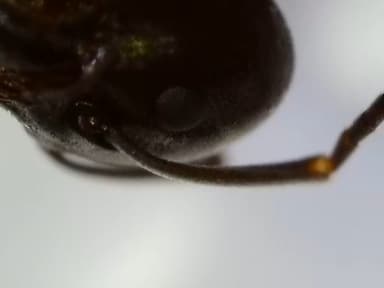
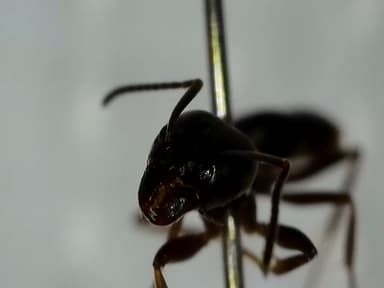
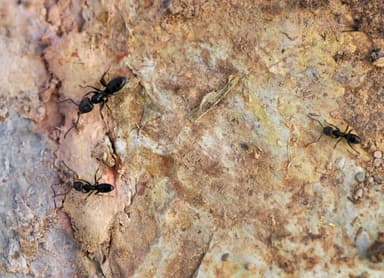
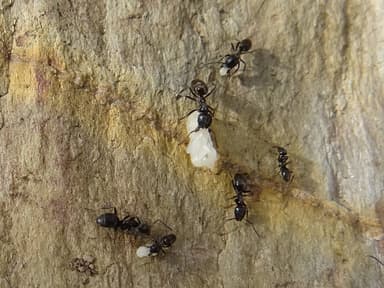
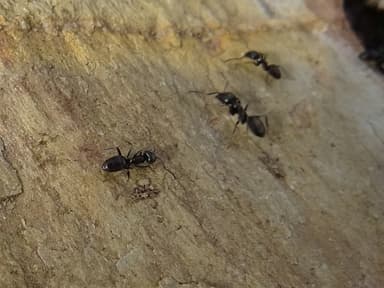
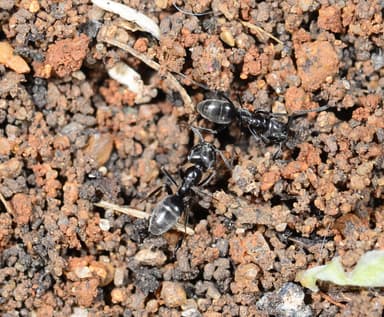
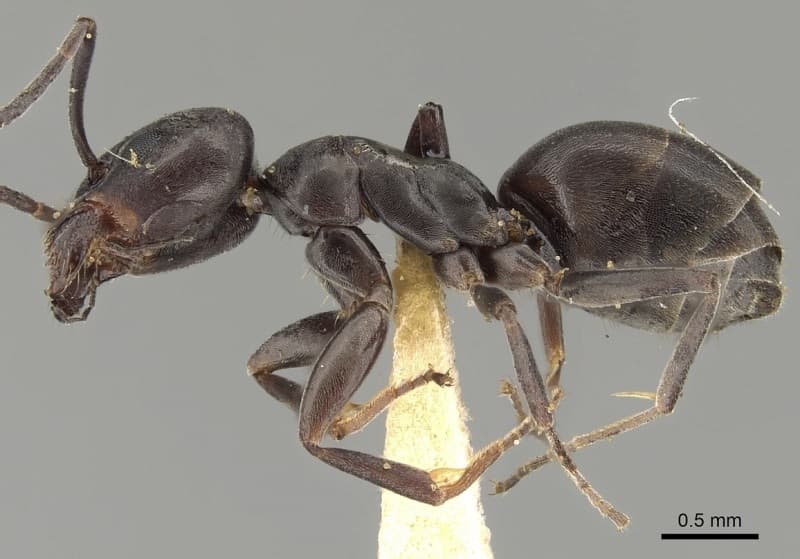
The robust and fast-paced Tapinoma nigerrimum is a cornerstone species of the Mediterranean ant fauna, ranging across coastal Iberia, southern France, Italy, and North Africa, with a natural band between roughly 30°N and 47°N and from the Atlantic shores to the eastern Mediterranean basin (GBIF occurrence data). What immediately captivates any ant‑keeper is the colony’s sheer vitality. Workers exhibit distinct physical polymorphism, with minors as small as 2.7 mm and majors bulking up to 5 mm, while the larger queens measure an impressive 8–11 mm (AntWeb). The cuticle is a uniform deep blackish‑brown, often gleaming, and like all Tapinoma, the ants release a pungent, coconut‑like odour from their anal glands when disturbed. This is a budding species, meaning new colonies are founded by a fragment breaking away with numerous workers and multiple queens; there is no solitary claustral stage. In captivity, a thriving colony can explode to a staggering 500,000 individuals (AntWiki), forming broad, confident foraging columns that exemplify the dolichoderine hustle. Nuptial flights flood the warm, humid afternoons of late spring and summer, from May through September, especially after rain, when alates from Mediterranean Europe swarm in the still, heavy air (Cagniant 2009; Seifert 2018).
Often recommended as a beginner‑friendly ant, T. nigerrimum nonetheless demands respect for its sheer speed and tremendous growth potential. The care difficulty is truly beginner in terms of resilience—colonies forgive minor husbandry lapses and accept a wide range of foods—but intermediate when it comes to containment. These ants are confident climbers on glass and plastic, and they can rapidly exploit the tiniest gap in a lid. They suit keepers who have the space for a large, active setup and who enjoy the logistical challenge of providing ever‑expanding nest capacity. Because of their budding nature, the colony will continuously produce reproductive individuals and fragment if overcrowded, so offering multiple connected nest chambers or satellite formicaria helps prevent stress. The ideal keeper is one who wants a ceaselessly dynamic display, who is not intimidated by escapes, and who delights in the controlled chaos of thousands of ants mobilising for a droplet of sugar water.
Housing T. nigerrimum means creating a stable, warm, and moderately humid environment that mimics the sun‑baked soils of its native coastal plains. They thrive at temperatures between 20°C and 28°C, with a relative humidity of 50–70%, conditions easily maintained with a small heat mat placed under one corner of the nest to create a thermal gradient. Any well‑ventilated formicarium works, from classic ytong or gypsum nests to simple tub‑and‑tube setups, as long as a moisture‑retentive substrate such as a sand‑loam mix is provided in at least part of the nest. The ants will excavate and mould the substrate themselves, so a deep, moistened layer of sandy soil encourages natural behaviour and aids brood hydration. Escape prevention is paramount: a wide, smoothly applied band of PTFE‑based fluon or a tight‑fitting, breathable lid with fine mesh is non‑negotiable. The outworld should be roomy, with climbing objects and a shallow water source, as the ants forage relentlessly. Given their budding strategy, avoid cramped conditions; the colony will tell you when it needs an annex by crowding near the exits or showing conspicuous queen‑larval clusters.
Feeding these ants is simple but needs to be scaled to their frenetic appetite. A high‑quality protein source, such as freshly killed crickets, fruit flies, or small mealworms, should be offered two to three times per week, with the quantity ramped up as the worker population balloons. Carbohydrates are a daily necessity: a small vial of sugar water, a dab of honey, or pieces of soft fruit like grape or apple will be eagerly collected. Like many Tapinoma, T. nigerrimum tends homopterans for honeydew in the wild, and in captivity they will gorge on artificial nectar mixes. Always provide fresh water in a separate drinking source, employing a cotton‑plugged tube or a plaster‑filled water tower to avoid drowning. Remove uneaten protein after 48 hours to inhibit mite and mould outbreaks. Careful observation of feeding traffic will help gauge colony health; workers carrying prey back to the nest at a steady clip indicate a well‑balanced diet.
A mandatory winter diapause at around 12°C is essential for the long‑term vitality of T. nigerrimum. In their natural range, cooler winter temperatures slow the colony’s metabolism and synchronise reproductive cycles; without this rest, queens often cease laying and workers die prematurely (Seifert 2018). Prepare for a 10‑ to 14‑week hibernation, gradually lowering the temperature from late autumn until the colony sits steadily at 12°C in a cool basement, wine cooler, or temperature‑regulated cabinet. During this period, feeding is minimal: offer a tiny sip of sugar water every few weeks, and ensure the nest retains slight humidity so the ants do not desiccate. After the rest period, warm them back to activity slowly over a week, and the colony will rebound with a fresh flush of brood.
When you first receive your T. nigerrimum—usually as a small starter group of a few hundred workers, multiple queens and brood, bundled in a travel tube—patience is key. Unpack them gently, connect their tube to a dark, pre‑warmed nest, and leave them completely undisturbed for at least 24 hours. After that settling period, offer a tiny drop of sugar water on a piece of foil near the tube entrance and, a few hours later, a single pre‑killed fruit fly. Watch for the colony’s response: workers should eagerly recruit and carry the offering home. During the first week, avoid bright light and vibration; stress in this phase can trigger inappropriate budding or escape attempts. Check daily for escapees, and ensure the outworld barrier is intact. As soon as you see eggs and young larvae accumulating, increase food gradually. The colony will soon begin their breathtaking expansion, a true spectacle of myrmecological vigour.