Myrmecocystus
Myrmecocystus mexicanus
Nuptial Flight Calendar
Flight months: Jun, Jul, Aug
Care Guide
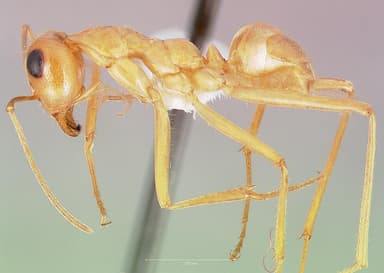
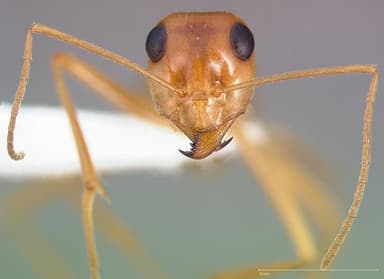
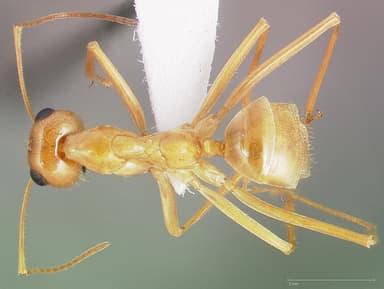
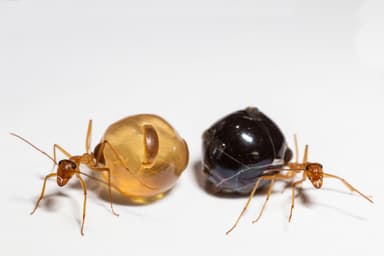
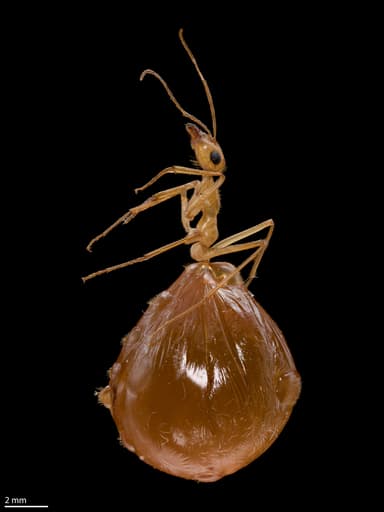
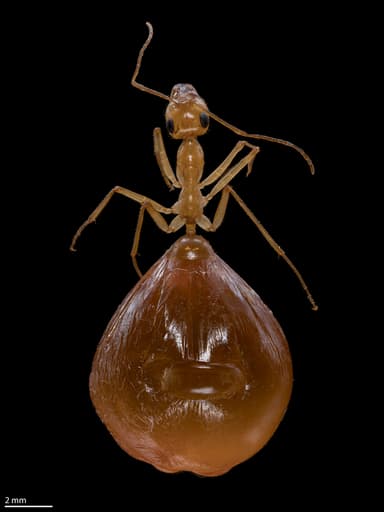
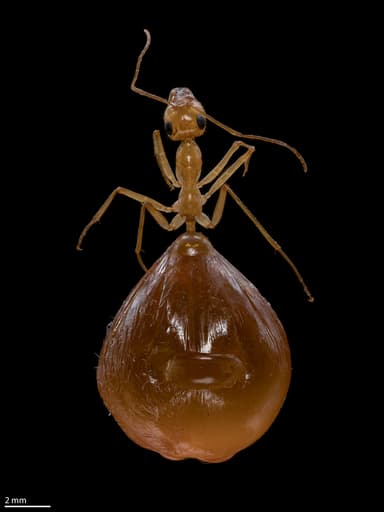
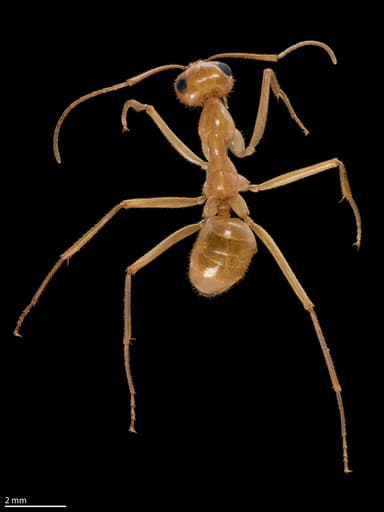
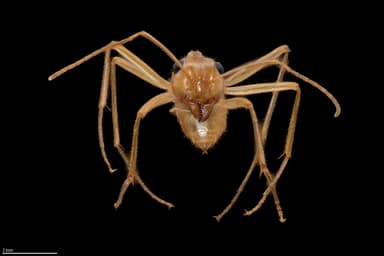
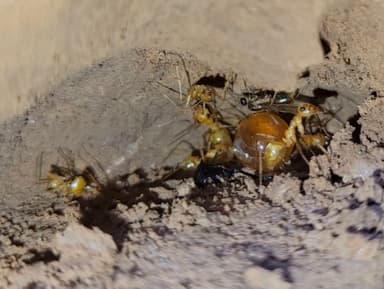
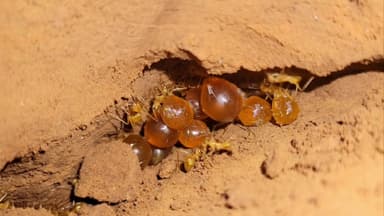
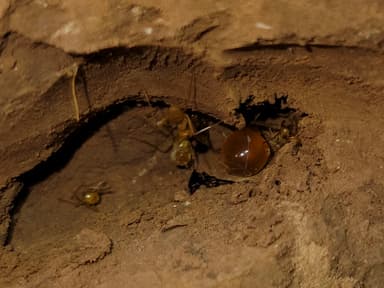
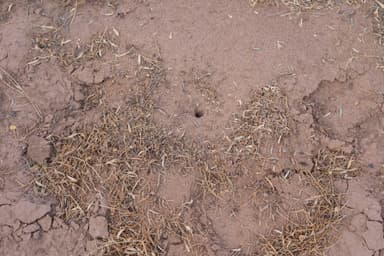
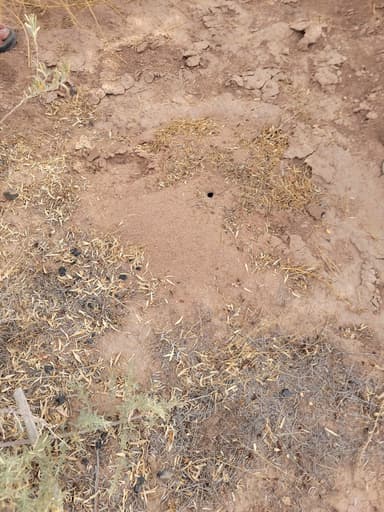
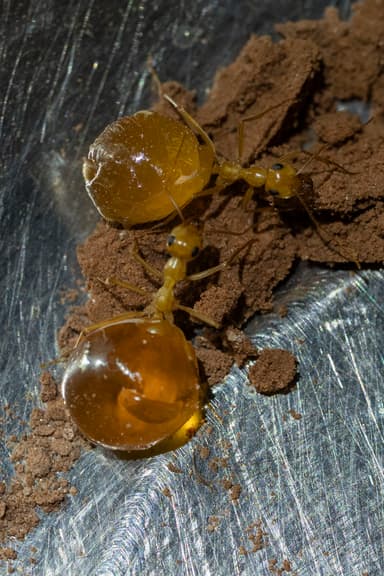
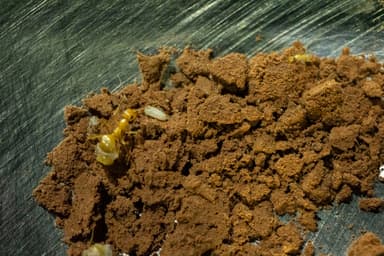
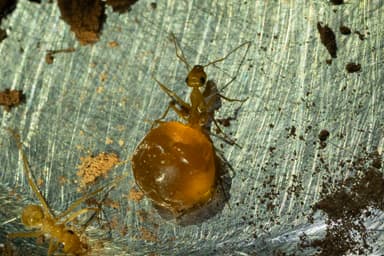
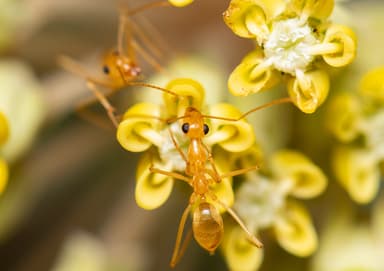
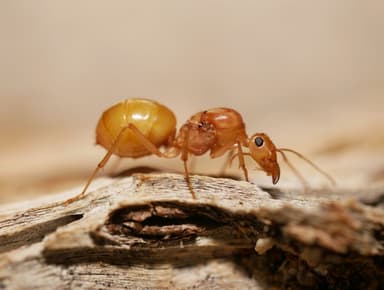
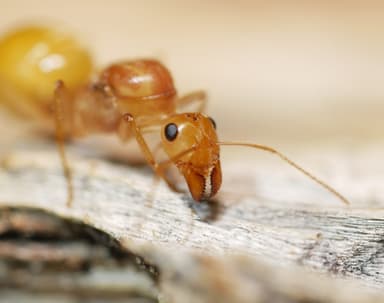
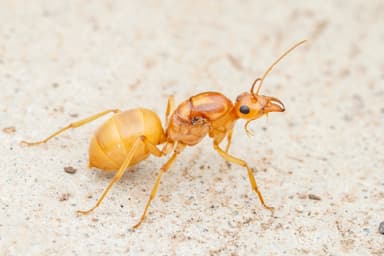
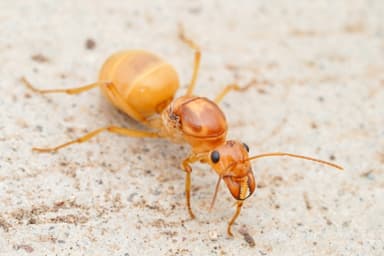
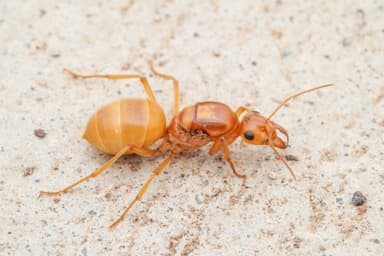
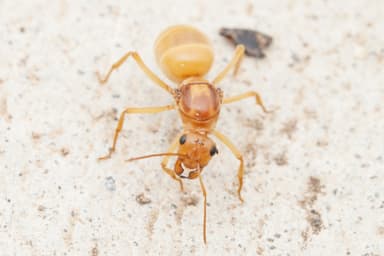
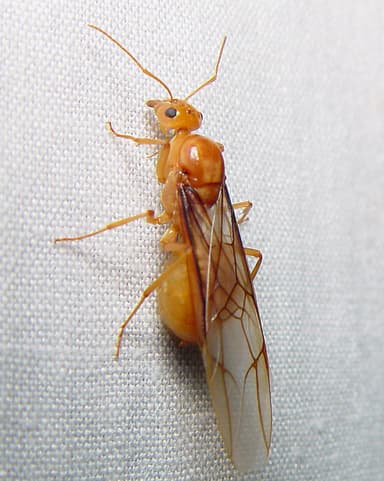
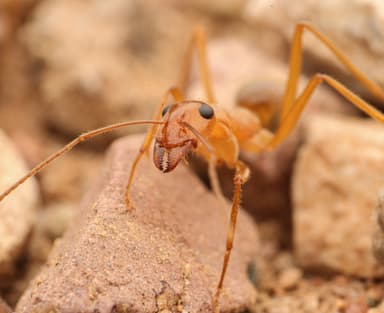
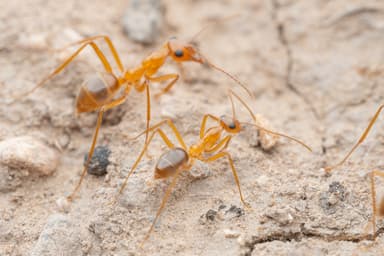
Myrmecocystus mexicanus, the Mexican honey ant, is one of the most visually captivating species in the ant-keeping hobby, best known for a unique caste of workers called repletes. These specialized workers act as living storage vessels, hanging motionless from the ceiling of the nest with abdomens grotesquely swollen with nectar, which they regurgitate to nestmates during times of scarcity. In the wild, colonies inhabit the arid landscapes of the southwestern United States and northern Mexico, where this adaptation allows them to thrive in challenging conditions. Queens are robust, measuring 13 to 16 mm, while workers display striking polymorphism: minor workers are a nimble 5 mm, while the major workers reach up to 10 mm and possess powerful mandibles used for defense and food processing. Mature colonies can eventually house as many as 15,000 individuals, and observing the development of the replete caste is a reward that draws many keepers to this species. The distribution data from Snelling's comprehensive 1976 revision and recent GBIF records show that these ants are true desert specialists, and understanding their natural rhythms is essential for successful captive care.
With an overall care difficulty rated as intermediate, Myrmecocystus mexicanus is best suited to keepers who have already mastered a few hardy beginner species and are comfortable maintaining precise environmental gradients. They are not demanding in a high-maintenance sense, but their narrow humidity tolerance (30–60%) and mandatory winter dormancy mean that neglect is poorly tolerated. First-time ant keepers will likely find the hibernation requirements daunting, but those who enjoy the ritual of seasonal adjustments will discover a deeply rewarding animal. The colony’s growth is relatively slow in the first year, which demands patience, yet once established, the spectacle of repletes forming and the constant, deliberate foraging activity more than compensates for the wait. If you have successfully kept species requiring a dry nest atmosphere and a cool diapause, you are ready for this honey ant.
Housing must replicate their arid savanna and desert fringe habitat. Any formicarium used should feature a generous nest area and a well-ventilated foraging arena to prevent stale air and condensation. A plaster, gypsum, or ytong nest works well because these materials allow you to create a moisture gradient: keep one end of the nest dry (30–40% humidity) while offering a slightly more humid chamber (up to 60%) near the water source, usually a test tube with a cotton plug. Provide a fine sand or sandy loam substrate in the foraging arena; many keepers go further and offer a digging medium, which allows the ants to express natural excavation behaviors, though a plaster nest with a thin layer of sand for grip is often sufficient for a starter colony. Temperature is critical: maintain a gradient of 22 to 30°C across the nest, with the warmest spot at one end. A low-wattage heat mat placed under about one-third of the nest area permits the colony to regulate their brood development perfectly. The foraging arena can remain at room temperature but should never drop below 20°C during the active season. Good airflow and a mesh lid prevent any dangerous humidity spikes that could promote fungal growth.
Feeding Myrmecocystus mexicanus provides one of the hobby's great pleasures, because you are directly fueling the development of the repletes. The carbohydrate source is the colony’s lifeblood: offer them diluted honey, sugar water, or a specialized ant nectar from a small liquid feeder that prevents drowning. Workers will eagerly drink and then solicit each other, eventually selecting younger major workers to become the living honey pots. Protein is equally important, especially for brood production, and should come in the form of freshly killed or pre-frozen small insects—fruit flies, pinhead crickets, mealworm segments, and small roaches all work well. Feed insects two to three times a week in tiny amounts, removing any uneaten remains after a day to avoid mold. Always provide a clean water source, such as a test tube with a cotton plug, placed in the foraging area; workers also extract moisture from the nest's humidity gradient. Interestingly, Conway’s 1986 study revealed that wild repletes even store water during dry periods, so never let the colony completely dehydrate.
A winter diapause is non-negotiable for long-term colony health. In their native range, Myrmecocystus mexicanus experiences a distinct cool season, and captive colonies must be given a hibernation period at around 15°C. In late autumn, gradually lower the temperature over two weeks, stop offering protein, and remove any leftover sugars that might ferment. The ants will naturally settle into a torpid state, clustering together and moving very little. Keep the nest dark and undisturbed for two to three months while ensuring the humidity gradient remains stable and that fresh water is always available. Midway through dormancy you may offer a tiny drop of sugar water if workers appear active, but many keepers simply let them rest. When spring arrives, warm them slowly back to the active temperature range over a week, then resume a normal feeding schedule. Skipping this cycle typically leads to a colony decline, with queens stopping egg-laying and workers dying prematurely.
When your Myrmecocystus mexicanus colony first arrives, prioritize a calm, low-stress settling-in period. Connect the travel tube to the nest entrance and let the ants move into their new home on their own timetable—this may take several hours or even a day. Cover the nest with a light cloth to provide darkness, and resist the urge to check on them constantly. The very first evening, place a minuscule droplet of sugar water on a small piece of aluminum foil near the nest entrance and observe from a distance; if the workers find it and drink eagerly, that’s a perfect sign. Do not offer any protein for at least 48 hours, and then begin with the tiniest pre-killed fruit fly. Watch the queen: she should remain in the deepest nest chamber, sometimes surrounded by a small retinue of workers, and appear plump and unhurried. A healthy colony will soon reposition its brood and begin investigating the foraging area deliberately. Any frantic, ceaseless pacing or refusal to take sugars after a day may indicate that the temperature or humidity needs adjustment, so fine-tune the gradient gently and give them time. With patience and respect for their desert rhythms, your honey ants will gradually reveal the full charm of their extraordinary replete society.