Linepithema
Linepithema humile
Nuptial Flight Calendar
Flight months: Jan, Feb, Apr, May, Jun, Jul, Aug, Sep, Oct, Nov, Dec
Care Guide
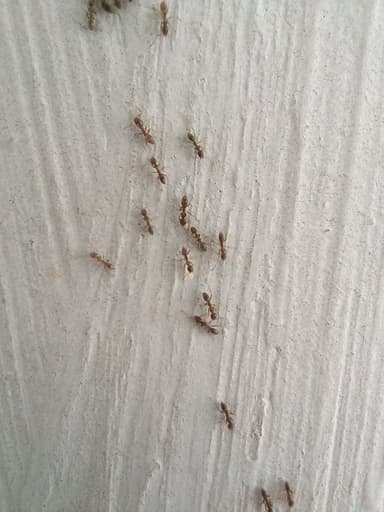
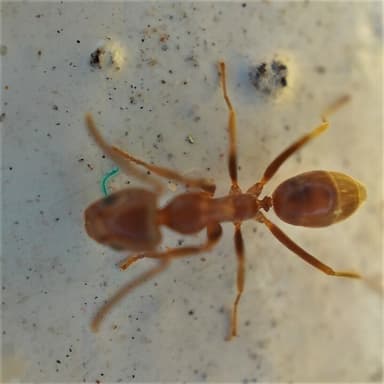
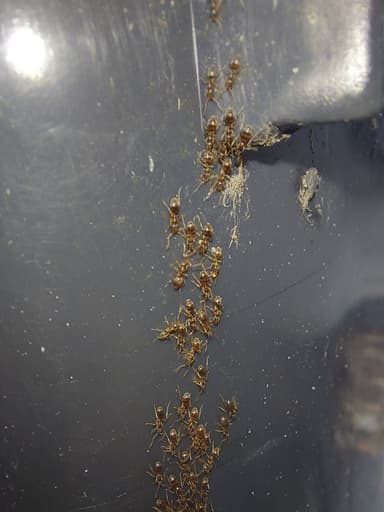
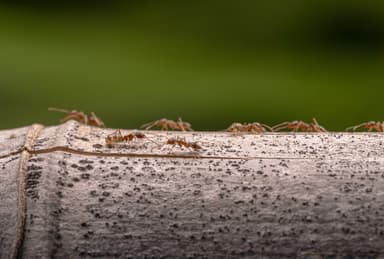
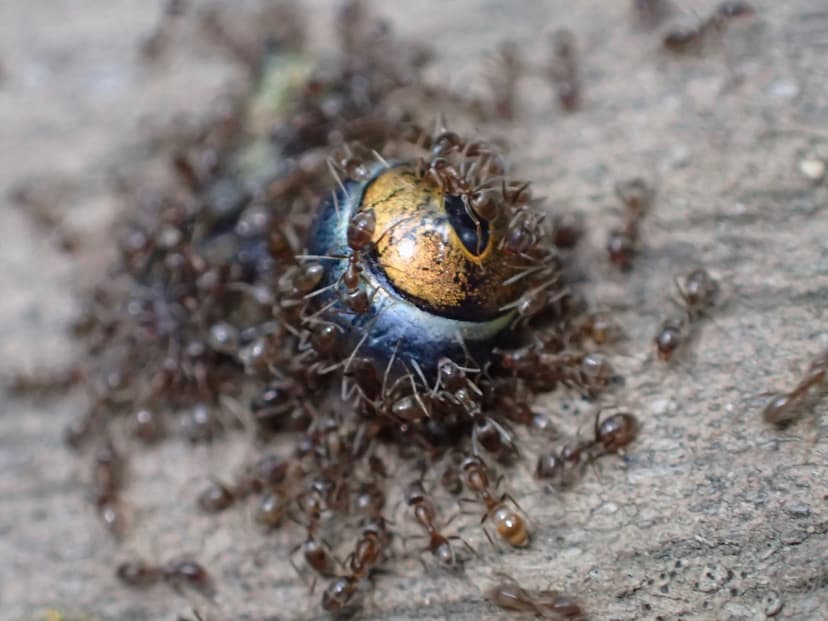
Linepithema humile, the Argentine ant, is a diminutive yet extraordinary insect whose colonies can balloon to over a million individuals. Workers are monomorphic and tiny, measuring just 2.1 to 2.6 millimeters, while queens are noticeably larger at 4.5 to 6 millimeters (Wild 2004). Unlike most ants, they do not perform aerial nuptial flights; mating occurs inside the nest, and new colonies form exclusively through budding—a process in which groups of workers and queens split from the parent nest to establish a new one nearby. This mode of reproduction, combined with human-assisted transport, has made them one of the most successful invasive species on the planet, forming vast supercolonies across Mediterranean, subtropical, and temperate regions (Suarez et al. 2001; Holway et al. 2002). For a hobbyist, their fluid social structure and relentless foraging efficiency are endlessly captivating, but they also demand a deep respect for their containment.
The Argentine ant is rated as beginner-level due to its remarkable hardiness, broad climatic tolerance, and lack of a mandatory hibernation period. They are forgiving of minor husbandry errors and eager feeders, which can give a novice early success. However, this accessibility comes with a crucial caveat: they are escape artists of the highest order, capable of exploiting the tiniest gaps and bridging anti-escape barriers with their own bodies or debris. This ant is best suited to keepers who are meticulous and fully committed to permanent, absolute containment; there must be zero chance of accidental release, because even a single queen fragment can wreak ecological havoc outside (Holway et al. 2002). If you can accept the responsibility of maintaining a hermetically sealed microcosm, they offer a front-row seat to one of nature’s most efficient social machines.
Housing for Linepithema humile must be escape-proof above all else. A glass or smooth acrylic formicarium with a tight-fitting, gasketed lid and a stout fluon barrier is the minimum starting point. They thrive at temperatures between 18 and 30°C and relative humidity levels of 50–80%, conditions readily achievable in most homes without extra equipment, though a gentle heat mat on one side will accelerate brood production. Substrate is not strictly necessary—they are content to live in moist plaster or plastic nests—but if you choose a naturalistic setup, a sandy loam that holds moisture is ideal. The real challenge is expansion: these ants multiply explosively by budding, so provision must be made for adding new nest modules connected by lockable tubing. This modular approach lets you offer more space on demand while keeping the colony manageable, but always inspect barriers daily for any sign of a budding trail looking for a way out.
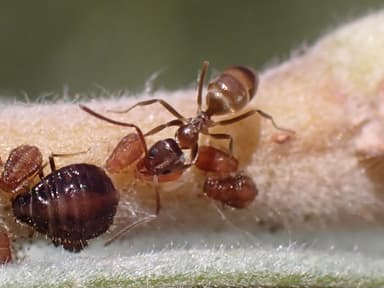
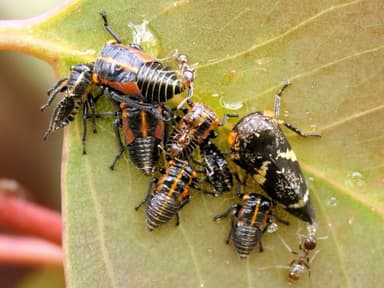
As enthusiastic omnivores with a famous sweet tooth, Argentine ants flourish on a varied diet. In the wild, they harvest insect prey and the honeydew of aphids, a behavior easily replicated in captivity. Offer protein in the form of fruit flies, pinhead crickets, or small pieces of mealworm two to three times per week, and provide a constant supply of carbohydrate-rich liquid such as diluted honey, maple syrup, or plain sugar water. Feed small amounts to prevent spoilage, and remove uneaten insect parts within a day. Always make fresh water available via a test tube with a cotton plug or a shallow dish filled with absorbent cotton; their high metabolism and large worker forces mean they drink and forage incessantly. Expect that a single droplet of sugar water can summon a seething mass of workers within minutes, so opern the enclosure with deliberate care.
No hibernation or cooling period is necessary for this species. In their native South American range (Wild 2004) and all invaded territories, colonies remain fully active year-round as long as temperatures stay above roughly 18°C. If your room cools seasonally, brood production may slow but the ants will not enter a true diapause. This means you can enjoy their constant bustling activity through the winter, but it also means their demands for food and moisture never pause, so plan for uninterrupted care.
During the first days after acquiring your Argentine ant colony, place the formicarium in a dim, quiet location and resist the urge to check on them for at least 24 hours. This settling-in period lets them recover from transport and start exploring their new boundaries. After that, offer a tiny droplet of sugar water and a single pre-killed fruit fly just outside the nest entrance. Watch closely not only to confirm feeding but also to detect any escape attempts—the initial hours are when barrier flaws become glaringly obvious. Queens, already fertilized from intranidal mating, will typically resume laying within days, and you should see small clusters of brood being tended by workers. From this modest start, with unfailing containment and consistent food, the colony will steadily expand by budding, rewarding you with an endlessly dynamic display of collective behavior.