Lasius
Lasius niger
Nuptial Flight Calendar
Flight months: Jun, Jul, Aug, Sep
Care Guide
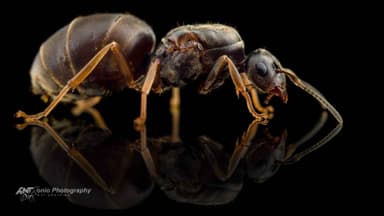
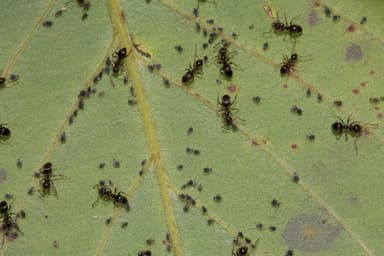
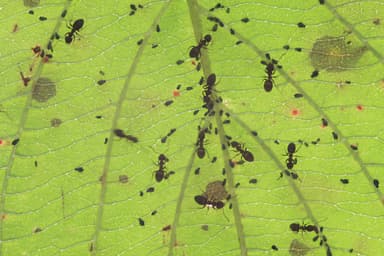
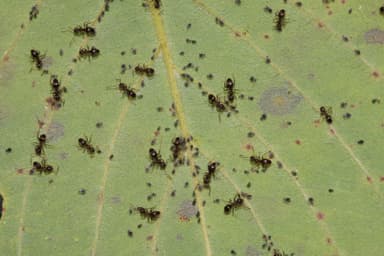
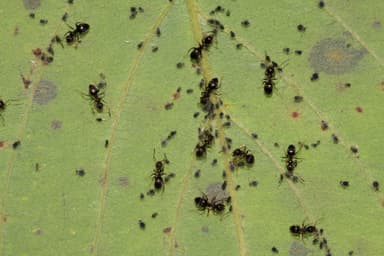
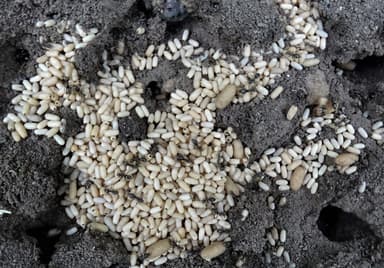
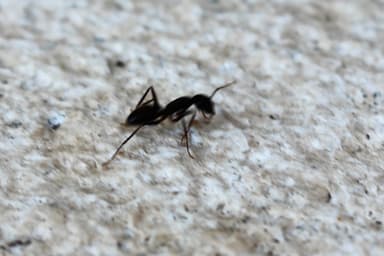
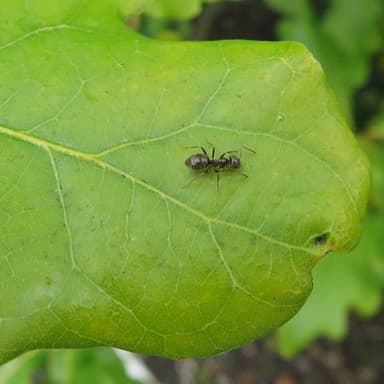
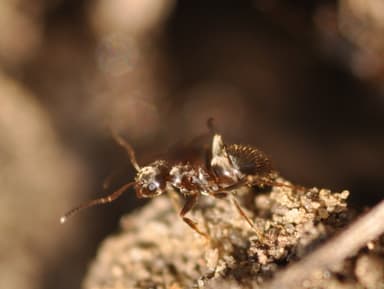
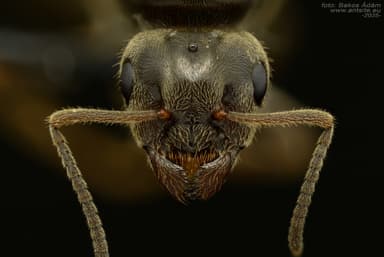
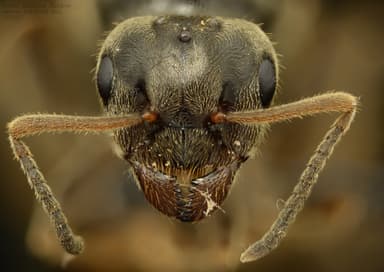
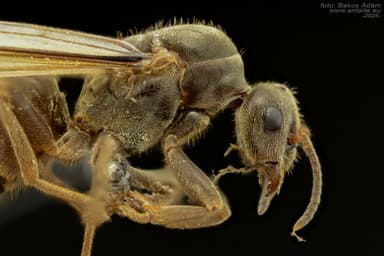
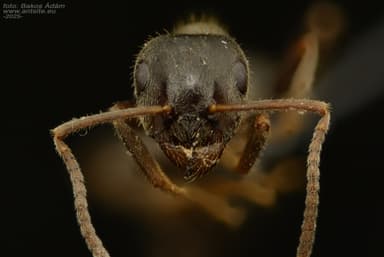
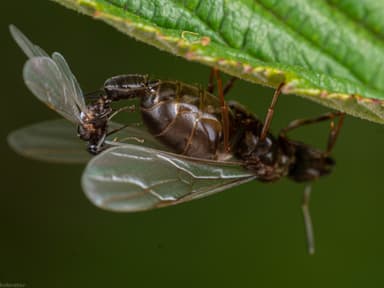
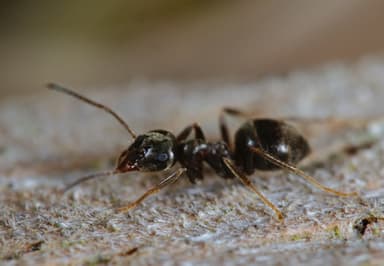
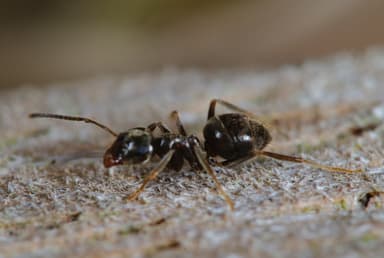
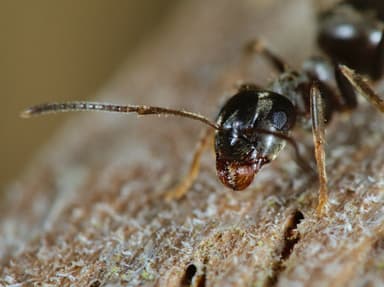
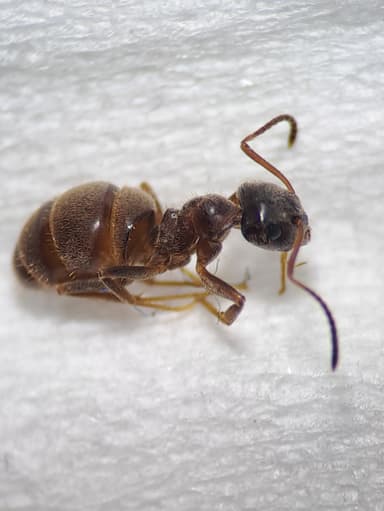
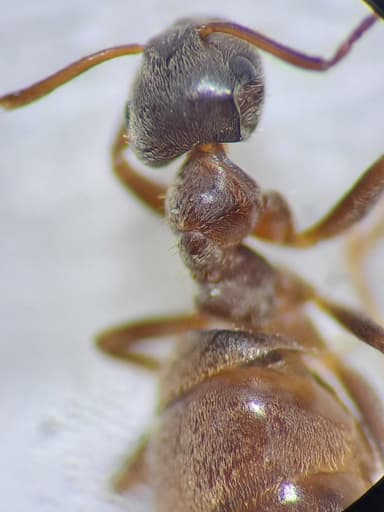
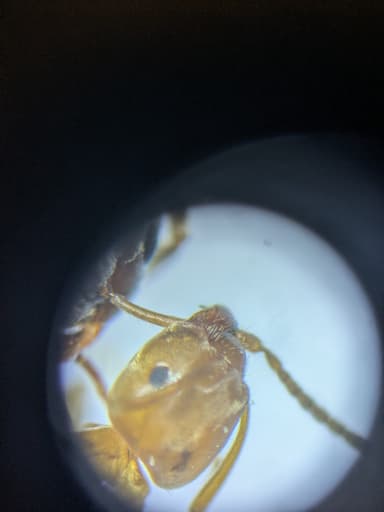
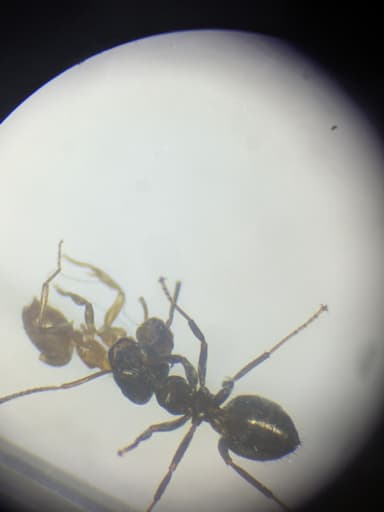
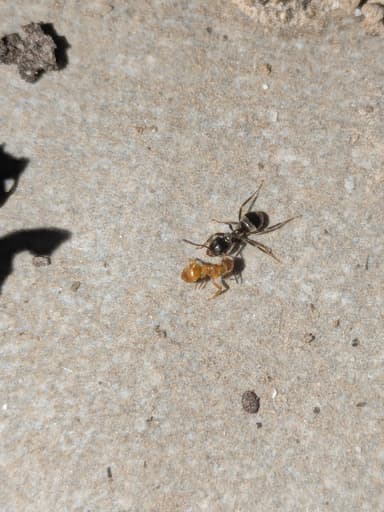
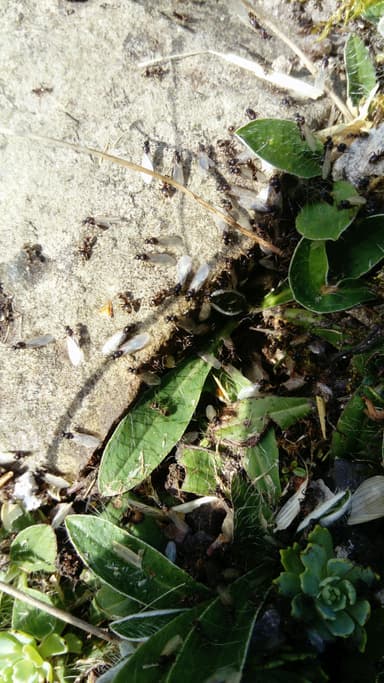
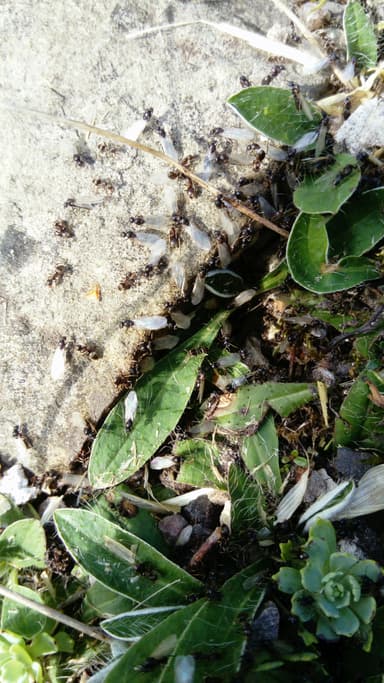
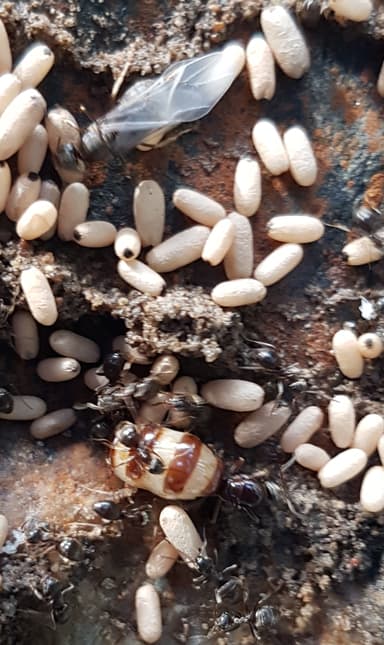
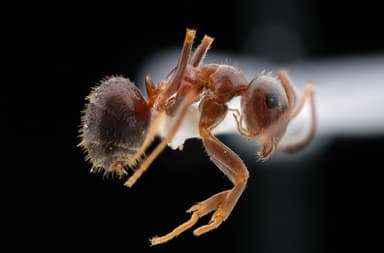
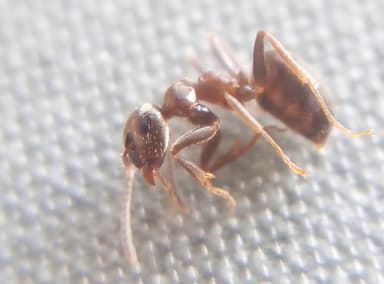
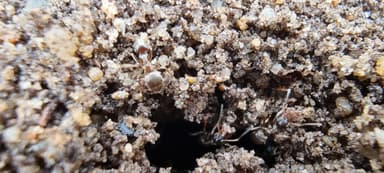
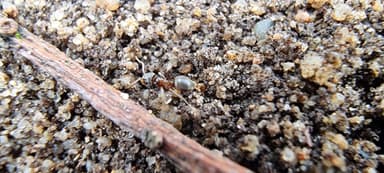
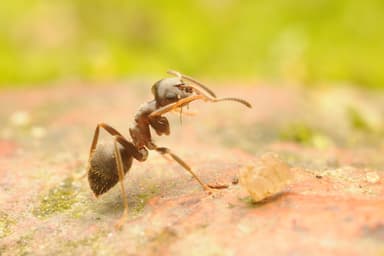
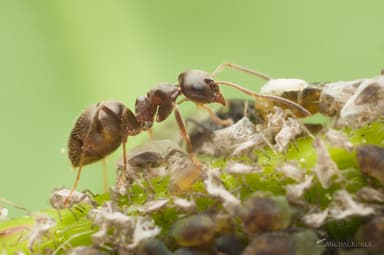
Lasius niger, the common black garden ant, is for many keepers the quintessential first species — and with good reason. Queens measure a robust 8 to 11 millimetres, while their uniformly sized workers span just 3 to 5 millimetres, all sporting a smooth, jet‑black cuticle that gleams under good light. This monomorphic species produces a single worker caste, yet mature colonies can swell to a remarkable 40,000 individuals (Seifert, 2018). What makes L. niger so endlessly fascinating is its blend of accessibility and complex behaviour: the elaborate trophallaxis networks, the mass foraging columns that stream to honeydew sources, and the queen’s extraordinary longevity — often surpassing 15 years — offer a window into the layered sociality of ants. Their nuptial flights are a familiar summer spectacle across Europe and temperate Asia, occurring on warm, humid afternoons after rain, typically from June through August (Czechowski et al., 2012). Watching a newly mated queen seal herself into a brood chamber to found her colony entirely from her own metabolic reserves — true claustral founding — is a drama that never grows old.
When it comes to care difficulty, Lasius niger has earned its reputation as the ideal beginner ant. No other species is so forgiving of the minor mistakes that novice keepers inevitably make. Their temperature and humidity tolerances are broad; a steady 21 to 26 °C and a nest humidity of 50 to 70 percent will keep them thriving, but they can weather brief fluctuations without collapse. Because the queen requires no food during founding, you can simply place her in a test tube setup and leave her undisturbed for weeks. The non‑polymorphic workforce simplifies feeding, and their eagerness to accept a wide variety of foods reduces the pressure to source exotic prey. This hardy nature, combined with a slow initial growth phase that prevents the colony from outgrowing its enclosure overnight, makes them perfectly suited to someone just learning the rhythms of antkeeping.
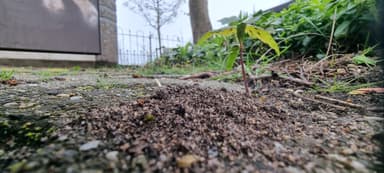
For housing, the key is to match the nest environment to the species’ natural subterranean preferences. A classic test tube with a water reservoir remains the gold standard for founding queens; once workers number around 20 to 30, they can be moved into a small plaster, ytong, or soil‑based formicarium. These materials help maintain the 50–70 percent humidity gradient that L. niger appreciates, while a temperature maintained between 21 and 26 °C ensures steady brood development. Although they are not obligate diggers, offering a sandy loam substrate in a basin or outworld allows them to express natural tunnelling behaviour, and a thin layer of plaster on the nest floor can mimic the rocky crevices they often colonise in the wild. Always ensure the nest has a well‑ventilated exterior foraging area, as these ants are inveterate explorers and quickly learn the location of food sources.
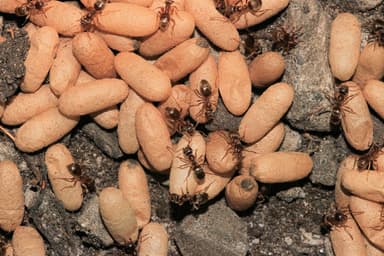
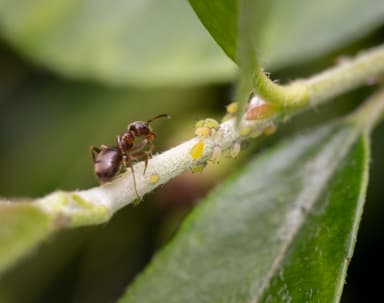
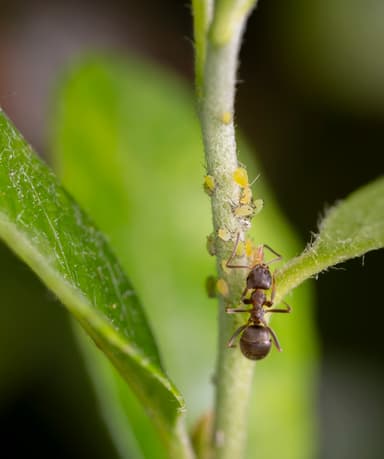
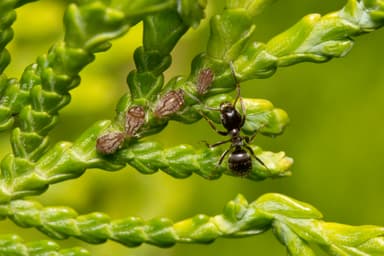
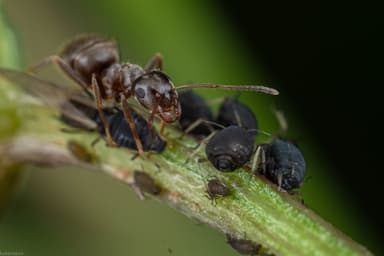
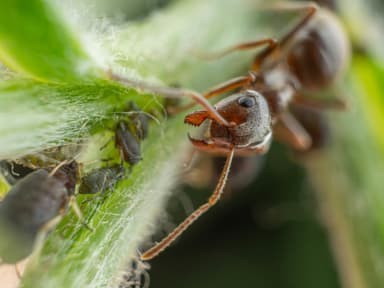
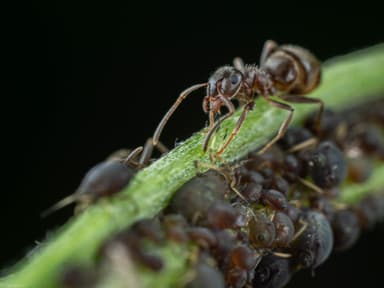
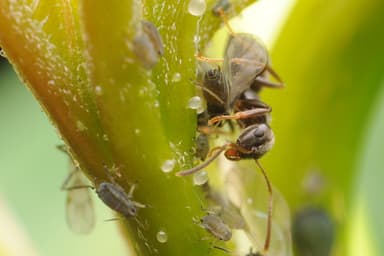
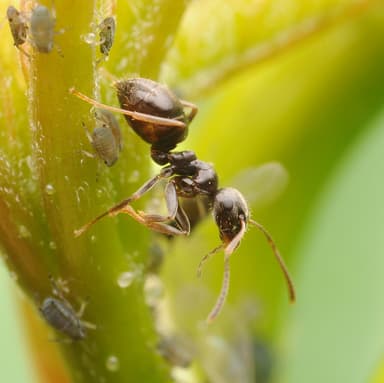
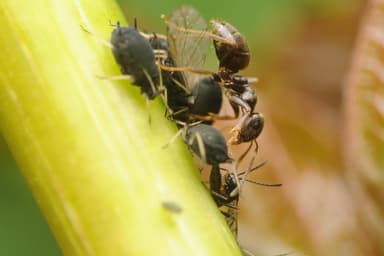
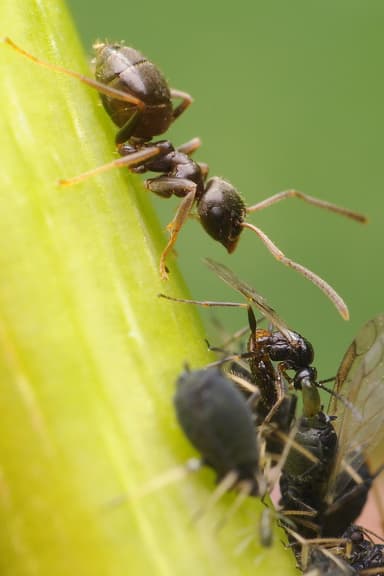
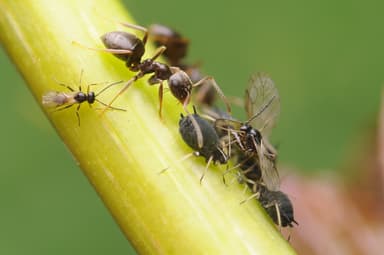
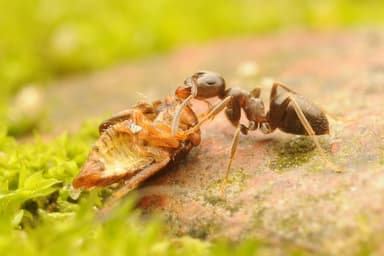
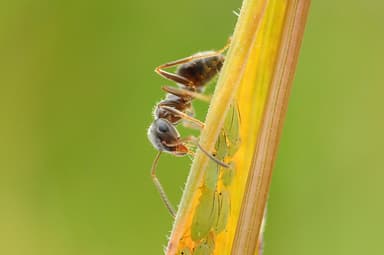
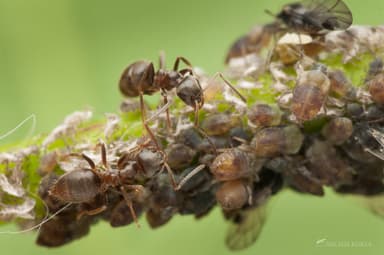
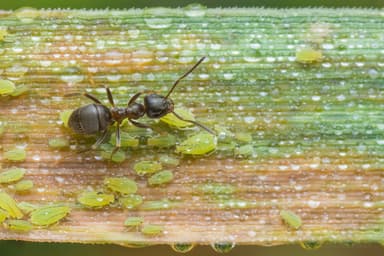
A balanced diet fuels the colony’s explosive summer growth. Lasius niger are enthusiastic tenders of aphids and scale insects, and in captivity they crave liquid carbohydrates: provide a constant supply of sugar water, honey water, or an amino‑acid‑rich nectar substitute, taking care to offer it in a shallow, spill‑proof feeder. Protein is equally critical for larval development, and they readily accept freshly killed small insects — fruit flies, pinhead crickets, chopped mealworms — or even small pieces of cooked egg or cat kibble as a treat. Scatter tiny fragments near the nest entrance and watch the rapid recruitment; a strong column of foragers will soon disassemble the offering. Fresh water must be available at all times, whether via the nest’s hydration system or a separate water feeder, to prevent desiccation.
One non‑negotiable aspect of Lasius niger husbandry is hibernation. In nature, these ants endure a long winter diapause at temperatures hovering around 5 °C, and without this rest period the colony’s biological rhythms break down, leading to weak brood, poor queen fecundity, and eventual collapse (Kipyatkov, 2001). Prepare for hibernation in late autumn: stop feeding protein, gradually reduce the temperature over two weeks, and then place the colony in a setting where a steady 5 °C can be maintained — a dedicated wine cooler, an unheated garage that does not freeze, or the crisper drawer of a refrigerate are all practical solutions. They will need this cold slumber for a full three to four months. Come spring, warm them gradually, offer a drop of sugar water, and watch the colony revive with vigour.
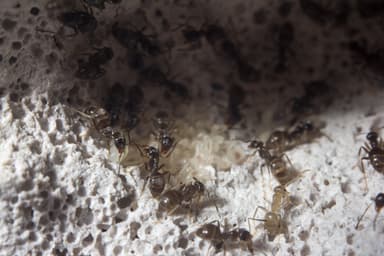
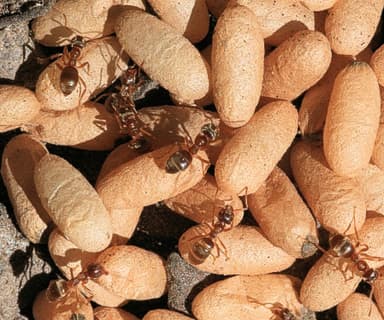
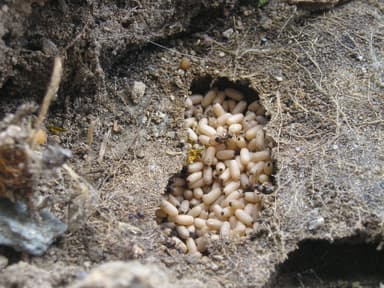
The first days after acquiring a queen or small colony are a test of patience. If you have a newly mated, solitary queen in a test tube, keep her in a dark, vibration‑free spot and do not check on her more than once a week. She has enough internal reserves to raise her first tiny workers — the nanitics — without any food at all. The moment you see one or two of these miniature pioneers wandering the tube, you may offer a minuscule droplet of sugar water and a freshly crushed fruit fly, then leave them be. Avoid the temptation to move them into a larger nest too soon; a colony of fewer than 20 workers feels secure in the tight confines of the tube. Watch for signs of stress: a queen violently tossing her brood or workers refusing to leave the nest may indicate excessive disturbance or incorrect humidity. Given darkness and calm, however, Lasius niger will settle in with a reliability that has made it the enduring cornerstone of the ant‑keeping hobby.