Formica
Formica subsericea
Nuptial Flight Calendar
Flight months: Apr, May, Jun, Jul, Aug
Care Guide
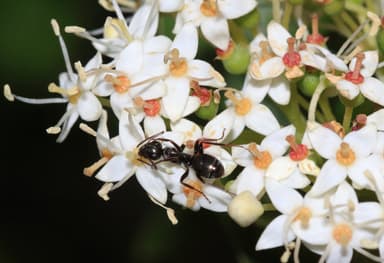
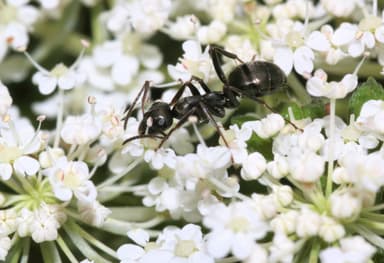
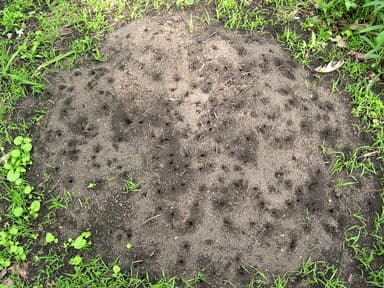
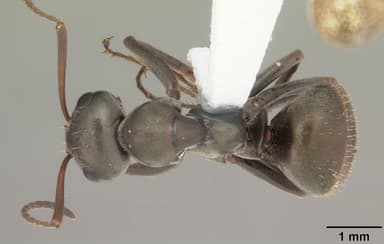
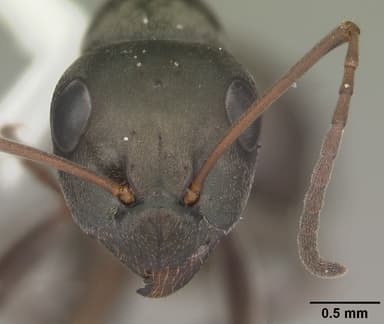
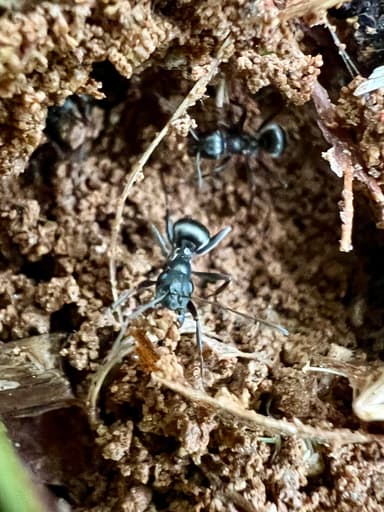
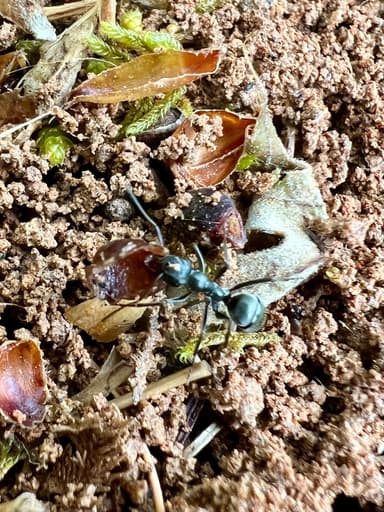
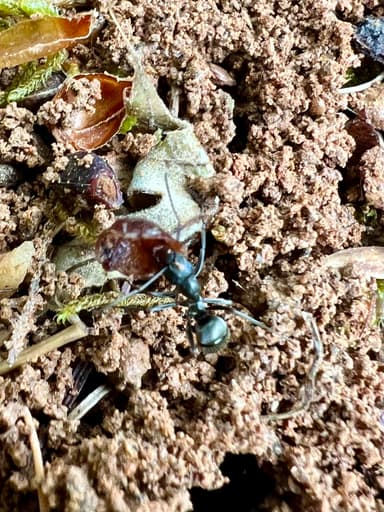
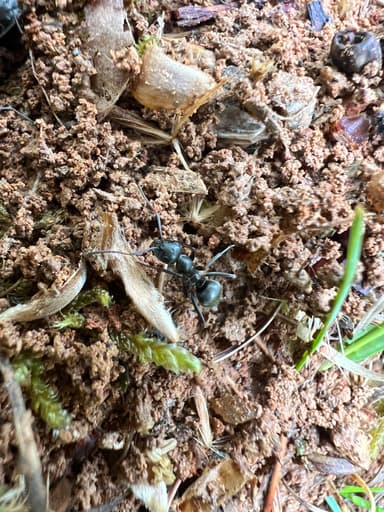
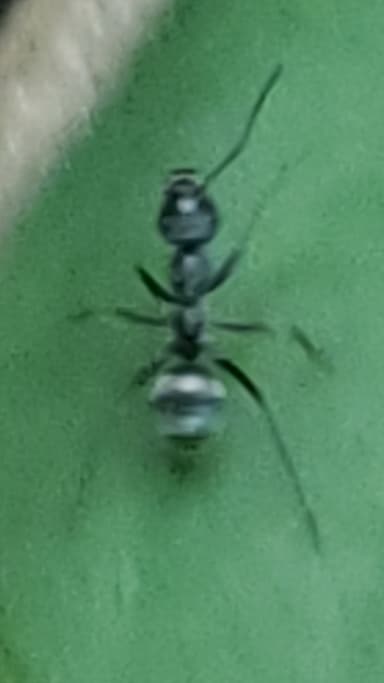
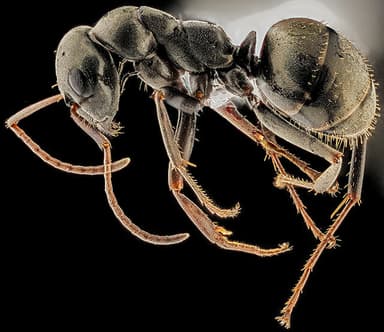
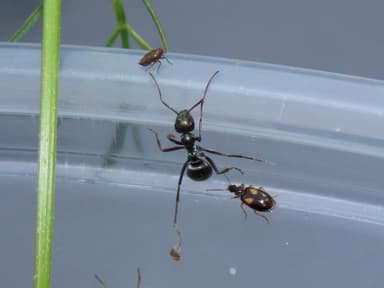
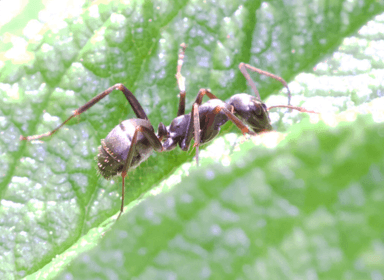
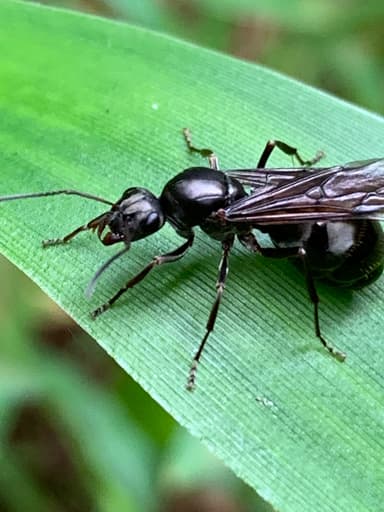
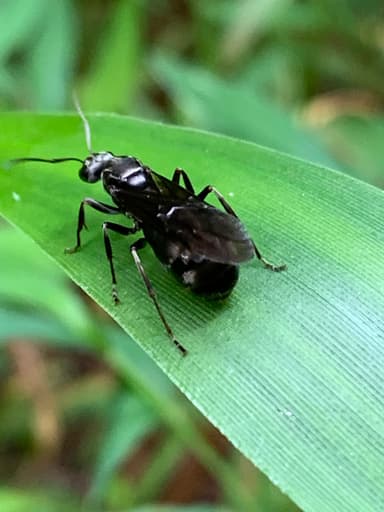
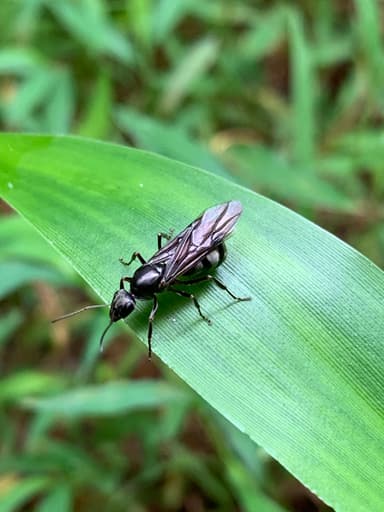
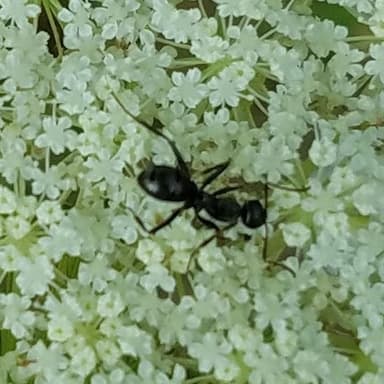
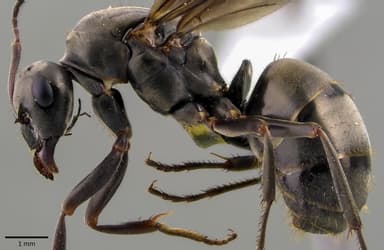
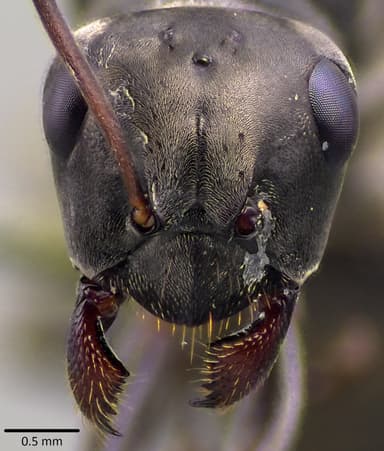
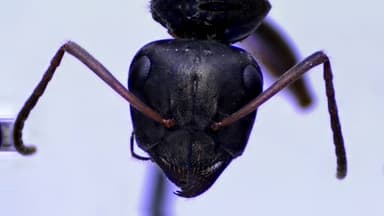
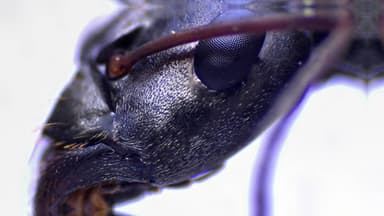
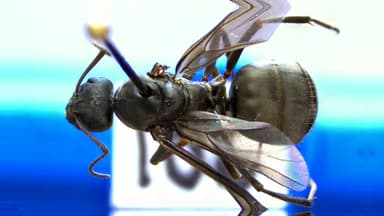
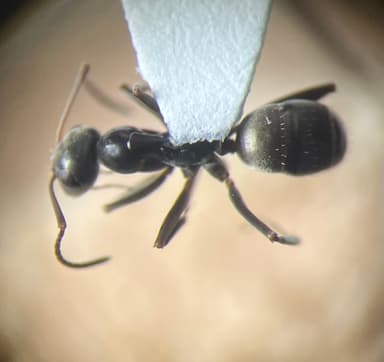
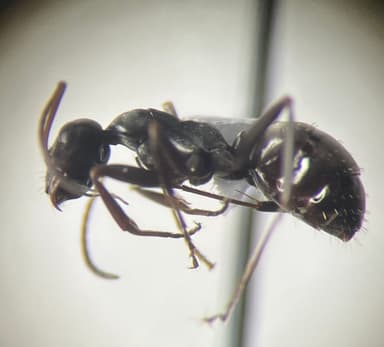
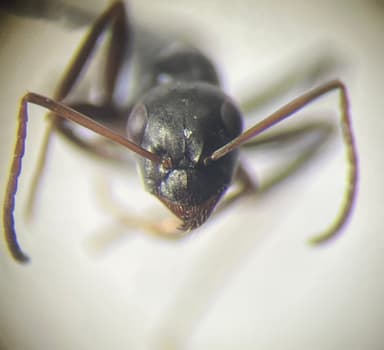
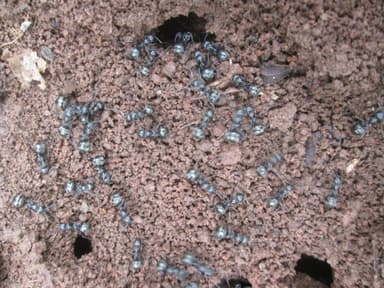
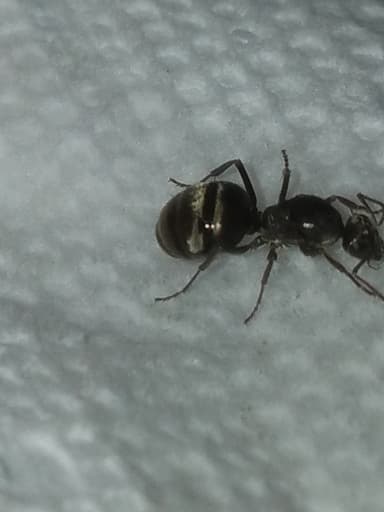
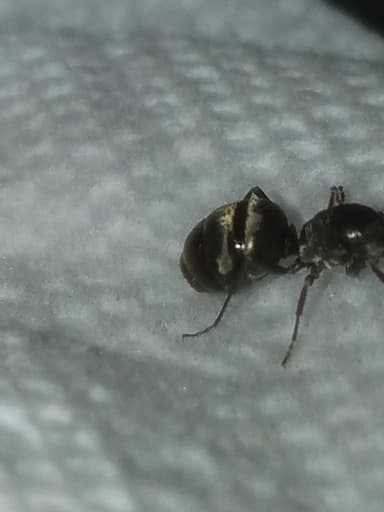
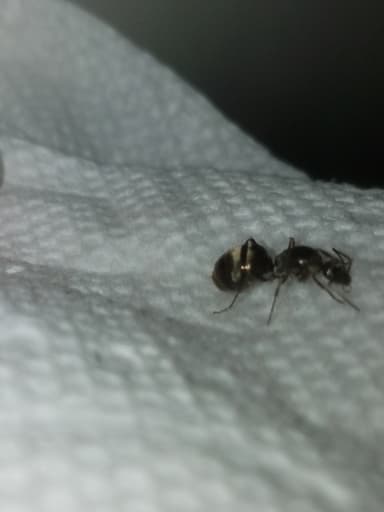
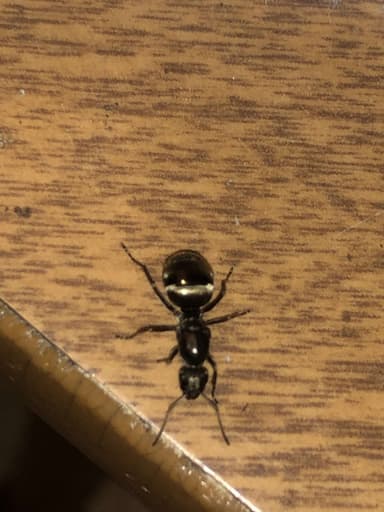
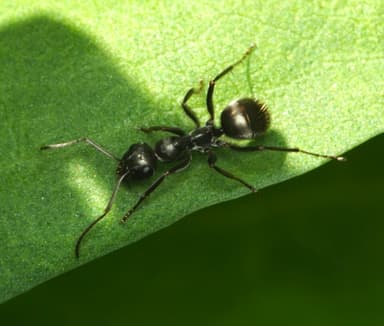
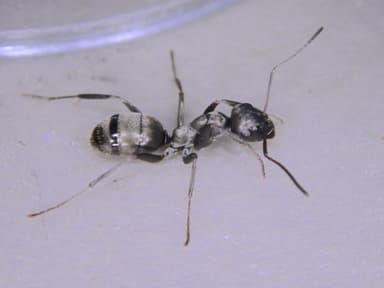
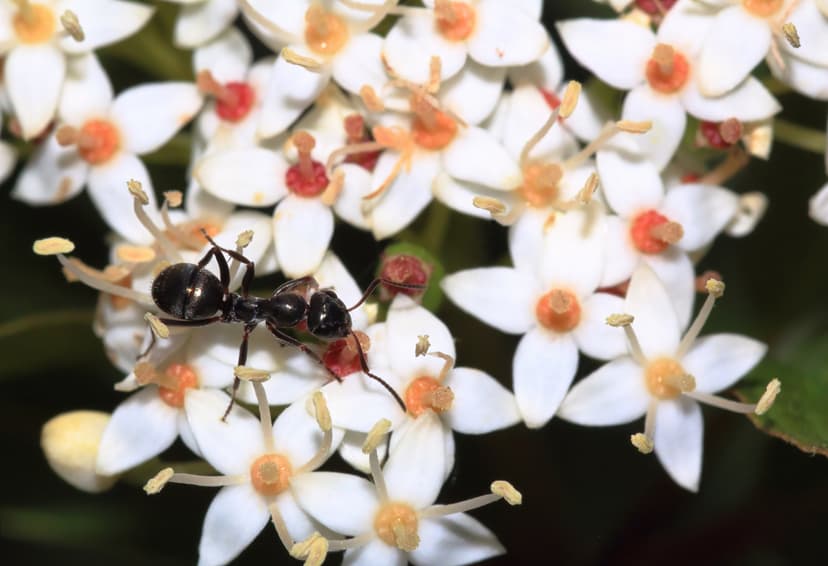
Among the many formicines of North America, Formica subsericea —commonly known as the silky field ant—stands out for its lustrous, dark brown to black integument with a faint silvery sheen, its swift, assertive foraging, and its remarkably easygoing nature in captivity. Queens measure a robust 9 to 10.5 mm, while the monomorphic workers range between 4.5 and 7 mm, all of a single minor‑worker caste. Mature colonies can swell to around 4,000 individuals, forming sprawling networks of multiple nest entrances in the wild (Coovert 2005). Unlike some of its more temperamental congeners, F. subsericea relies less on chemical weaponry for routine disturbance and more on sheer speed and numbers, though it will readily spray formic acid when its nest is breached. Its large, easily observable colonies, combined with a claustral founding strategy that eliminates the need to feed the queen during the critical early weeks, have made it a perennial favorite among hobbyists exploring the vast grasslands and open woodlands of eastern North America, from the Great Plains to the Atlantic seaboard.
For the ant keeper, Formica subsericea is an unequivocal beginner‑friendly species. The claustral founding means a newly mated queen can be left undisturbed in a test tube setup until her first workers eclose, requiring no food and minimal intervention. Once the colony is underway, its monomorphic workers simplify feeding routines: there are no drastically different head sizes or specialized castes to accommodate, so a single size of prey item works for all. The species’ eurythermic tendencies also lend a forgiving buffer, thriving naturally between 20 and 28 °C. That said, the mandatory hibernation at around 5 °C for three to four months does demand that a keeper be prepared to provide a cold space, such as a refrigerator or cool basement, and to monitor the colony during dormancy. This seasonal rhythm, far from being a drawback, teaches foundational husbandry skills and rewards the patient caretaker with vigorous springtime growth and a more resilient queen. As such, F. subsericea suits a newcomer who is ready to embrace the full annual cycle yet does not want to wrestle with finicky dietary needs or fragile humidity tolerances.
Housing these ants hinges on offering a nest that balances the colony’s need for moderate humidity—50 to 70 %—with ample ventilation, as stagnant moisture invites fungal problems. A plaster, gypsum, or ytong‑style nest provides excellent moisture buffering and mimics the soil‑bank crevices they favor in nature; a thin layer of sand‑clay mixture inside the nest chambers often encourages more natural behaviors and allows workers to adjust humidity themselves by moving substrate around. The outworld should be escape‑proof, as F. subsericea workers are rapid explorers and skilled climbers: a fluon or talc barrier with a tight‑fitting lid is not optional. While they do not require a deep substrate to dig, offering a foraging area with a few centimeters of sandy soil or coconut coir gives them satisfying excavation opportunities. Ambient temperature for the arena can sit comfortably between 20 and 28 °C, and a gentle gradient within the nest, slightly warmer at one end, helps the colony self‑regulate. Lighting is not critical, but a regular day‑night cycle from room light or a low‑intensity LED keeps the colony’s circadian rhythms aligned (Ellison et al. 2012).
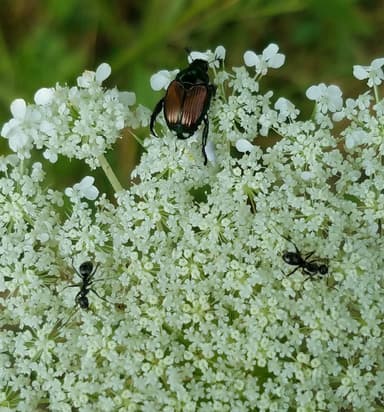
Dietarily, Formica subsericea is a prototypical omnivore with a strong sweet tooth. Workers will eagerly lap up carbohydrate solutions: a simple mix of sugar or honey water, dilute maple syrup, or commercial ant nectar works splendidly. In the wild they avidly tend aphids and scale insects for honeydew, and this carbohydrate hunger makes them entertaining to feed in the formicarium as they fill their social stomachs to repletion. Protein is equally critical for brood production. Offer small, appropriately killed or stunned insects such as fruit flies, crickets, mealworms, or roaches, ensuring portions are scaled to the colony’s size. A colony of a few hundred workers might consume several small crickets per week, while smaller founding colonies should get just a tiny fragment of insect every few days to prevent spoilage. Always provide a water source—either through a test‑tube waterer in the outworld or by keeping the nest’s hydration system filled—and remove uneaten protein within a day to avoid mold. Supplementing occasionally with diluted honey or a tiny speck of fresh fruit adds variety, but avoid anything with preservatives or pesticides. Freshness is paramount, especially for founding queens who, being claustral, require nothing at all until workers appear and begin foraging.
As a temperate‑zone species distributed from approximately 25° to 50° north latitude, F. subsericea has an obligate diapause. Without a cold winter rest of three to four months at a steady 5 °C, colonies gradually lose vigor, brood production stalls, and queen longevity plummets. Planning for hibernation begins in late autumn: gradually reduce feeding over a couple of weeks, then lower the temperature stepwise over another week or two until the colony enters its cold room—this could be a dedicated wine cooler, an unheated garage corner that reliably holds near 5 °C, or the refrigerator’s crisper drawer (with careful temperature monitoring). During this time, the ants cluster loosely, their metabolic rate plunging; they do not feed but must have access to moisture, as desiccation is a real threat. A well‑hydrated nest and a backup water tube will suffice. In early spring, reverse the process: slowly warm them back to room temperature, and offer a small drop of sugar water on the first day of activity, followed by protein a day later. The queen will soon resume laying, and within weeks a flush of new workers will signal a successful wintering.
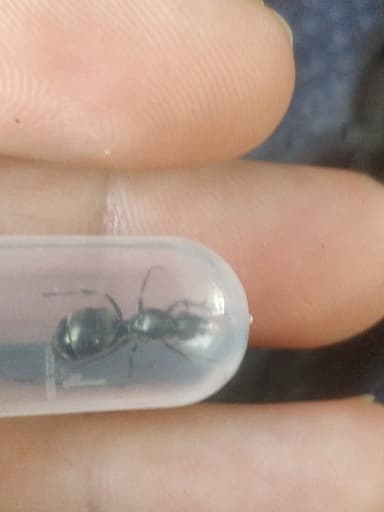
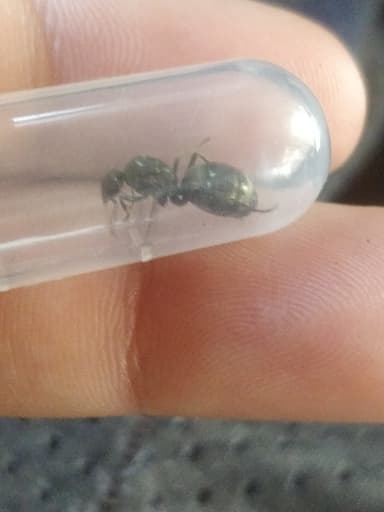
When your F. subsericea colony first arrives, whether as a newly mated queen in a tube or a young colony with a small worker force, the key is minimal disturbance and rapid provision of a secure, pre‑humidified home. Set the tube or nest in a quiet, vibration‑free spot out of direct sunlight, and resist the urge to check more than once every few days. For a founding queen, simply ensure her cotton plug stays damp; she will not eat until her first nanitic workers emerge. For an incipient colony with workers, place a tiny droplet of sugar water on a piece of crumpled wax paper just outside the nest entrance and, after twelve hours, offer the smallest of insect fragments—half a fruit fly is often more than enough. Watch that they locate the food; if they ignore it, remove it after 24 hours to prevent mold and try again the next day. In these early moments, escape artistry, not starvation, is the greater peril, so double‑check all barriers. Also observe for signs of excessive restlessness or crowding against the nest’s walls, which may indicate the nest is too damp or too dry; adjusting the humidity slightly often settles them. With patience, a bit of seasonal planning, and a respect for their natural rhythms, Formica subsericea will reward the keeper with a vibrant, long‑lived colony that beautifully reflects the ecology of the eastern North American savannas and fields (Wheeler 1913; AntWiki).