Formica
Formica rufa
Nuptial Flight Calendar
Flight months: May, Jun, Jul
Care Guide
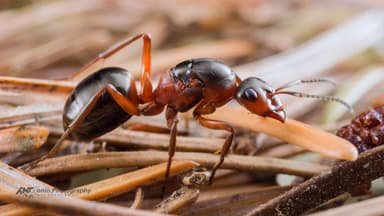
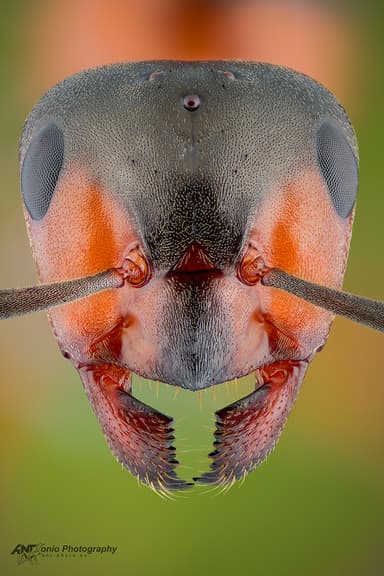
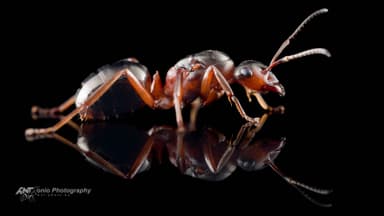
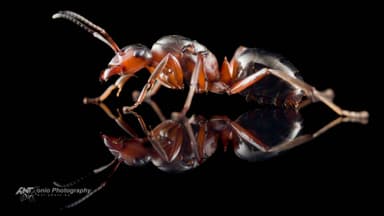
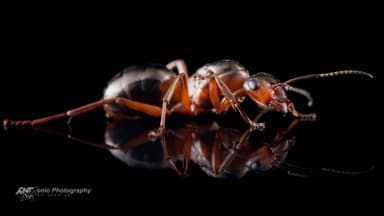
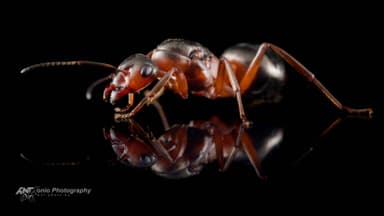
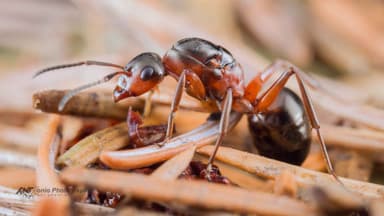
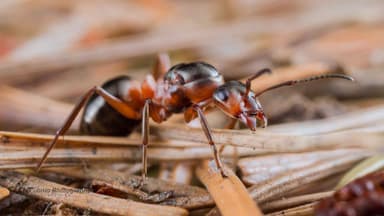
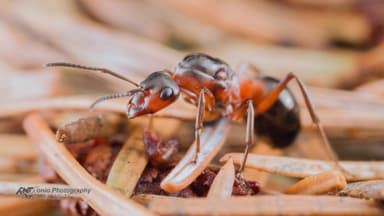
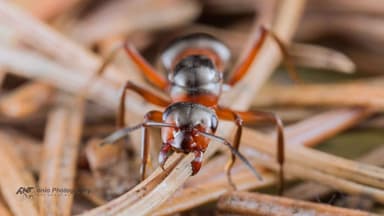
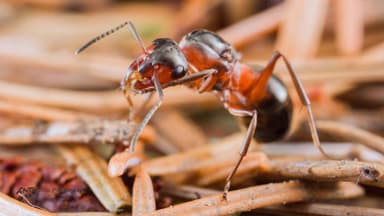
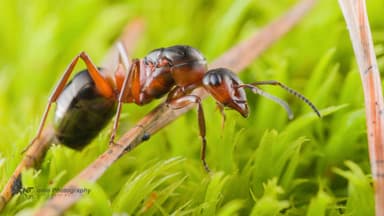
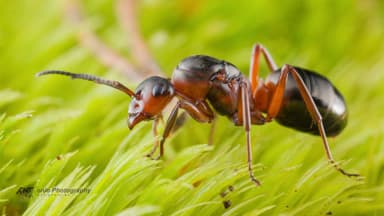
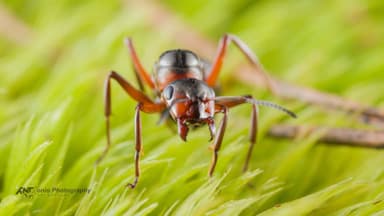
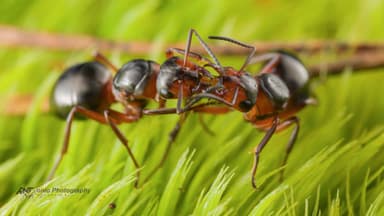
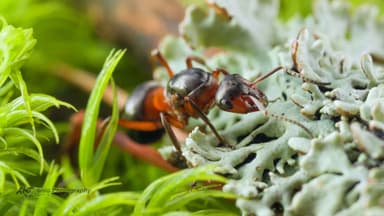
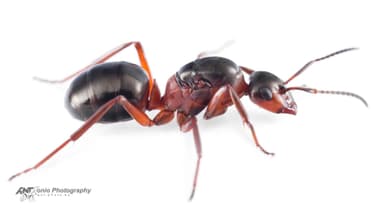
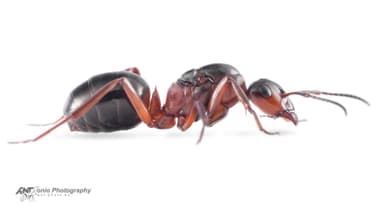
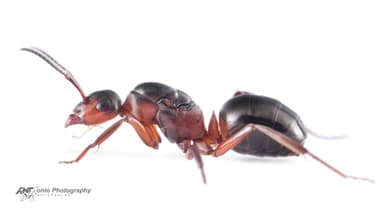
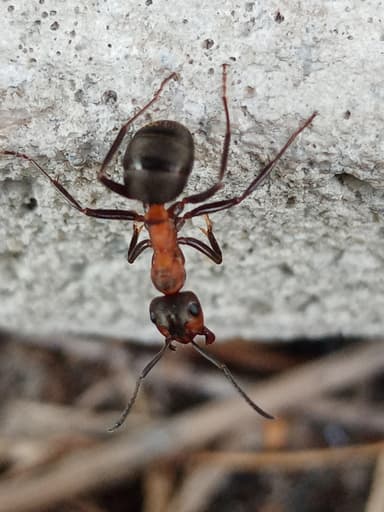
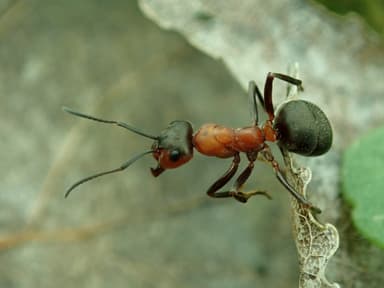
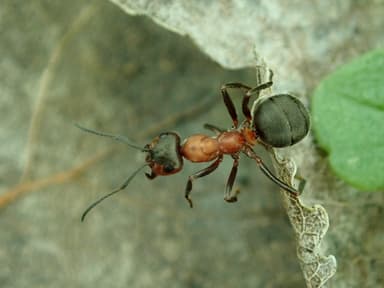
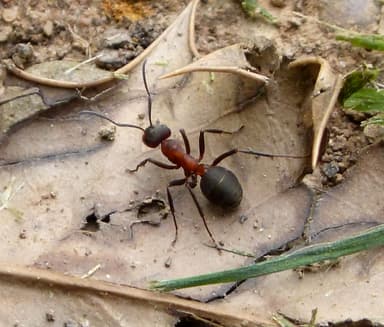
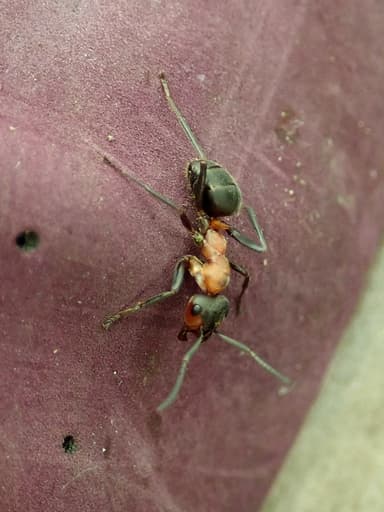
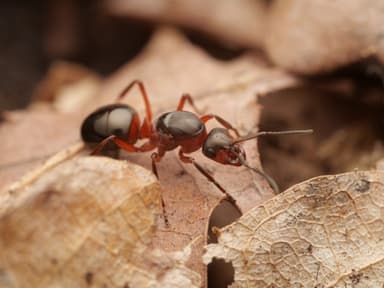
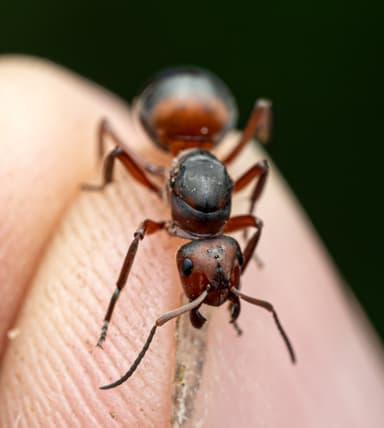
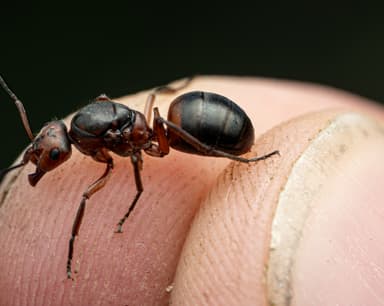
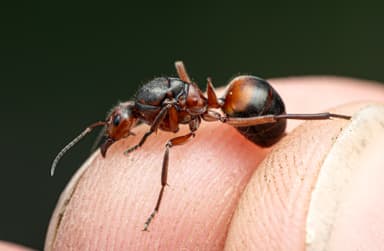
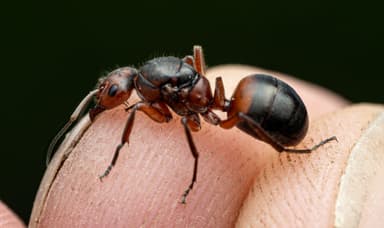
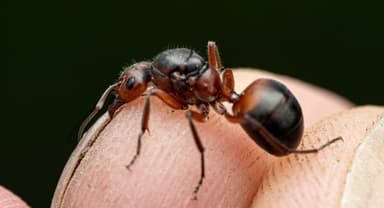
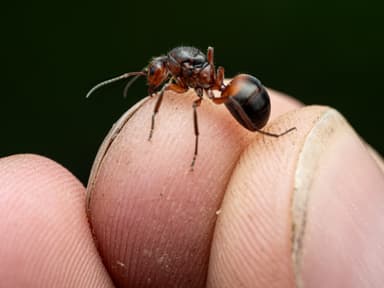
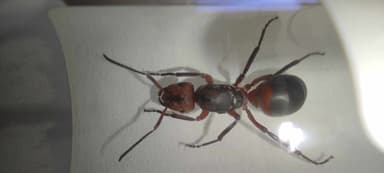
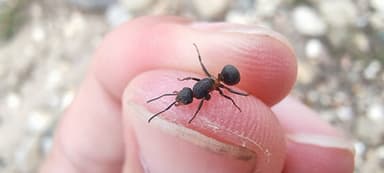
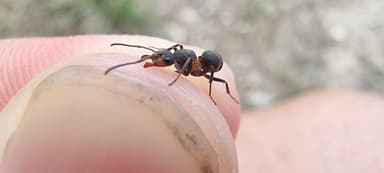
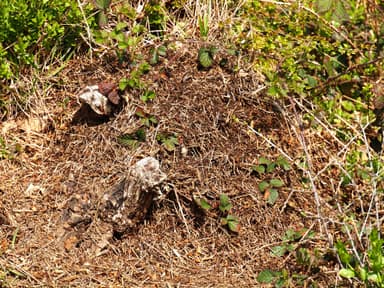
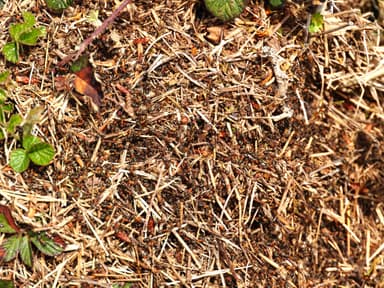
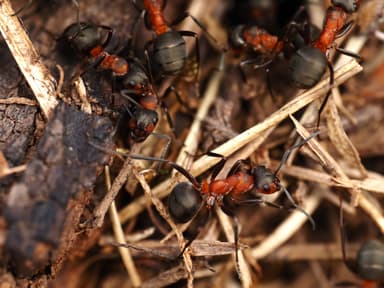
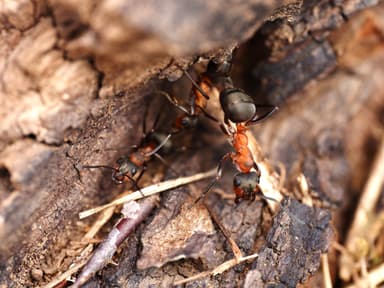
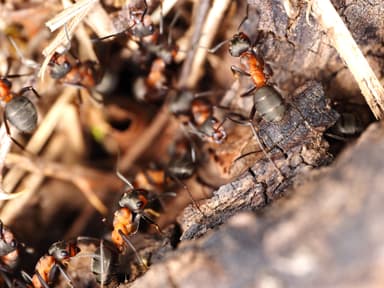
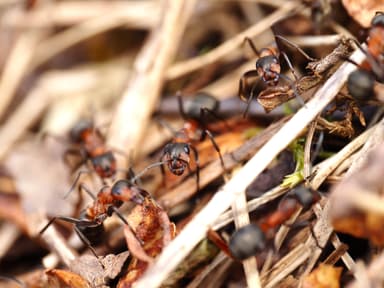
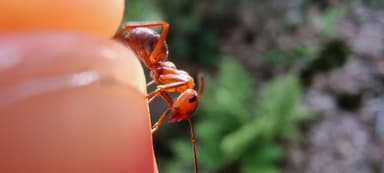
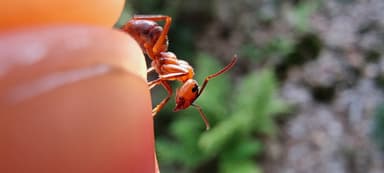
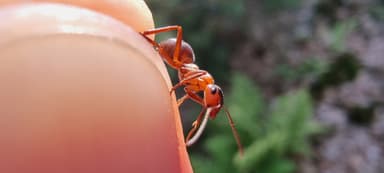
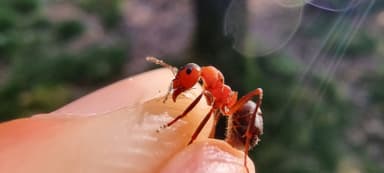
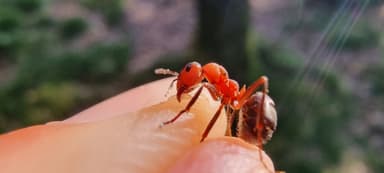
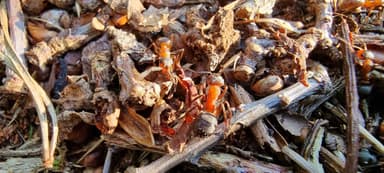
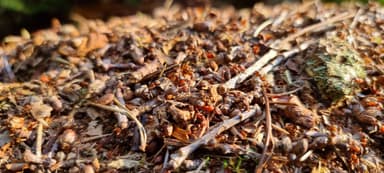
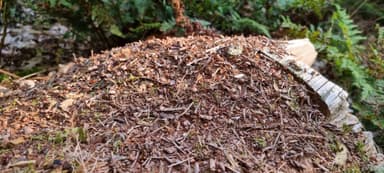
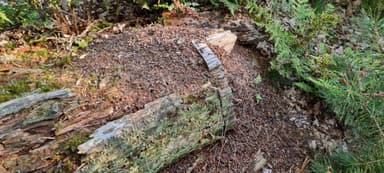
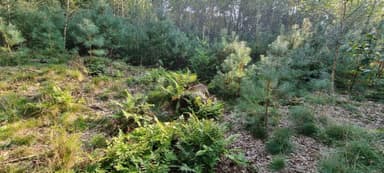
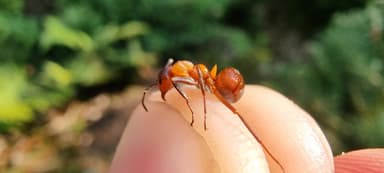
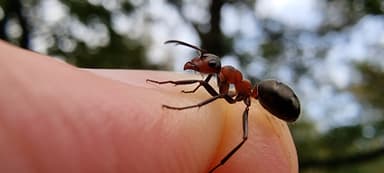
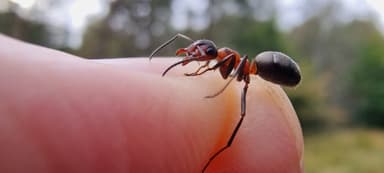
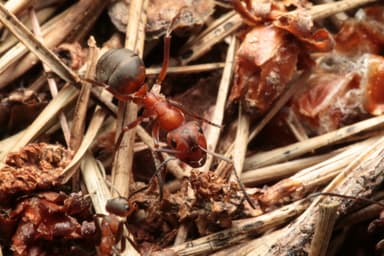
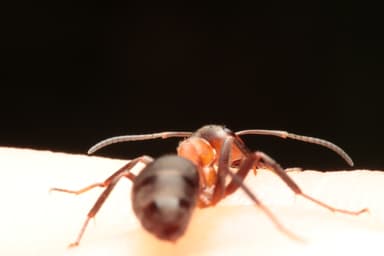
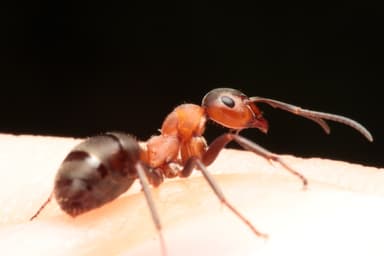
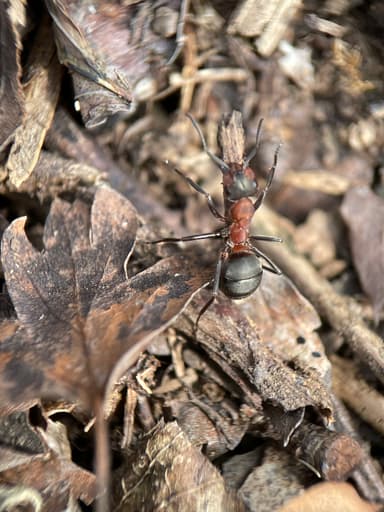
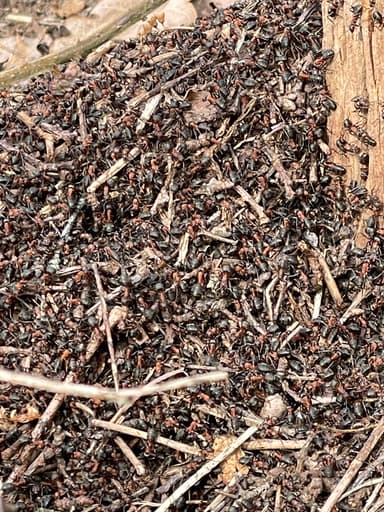
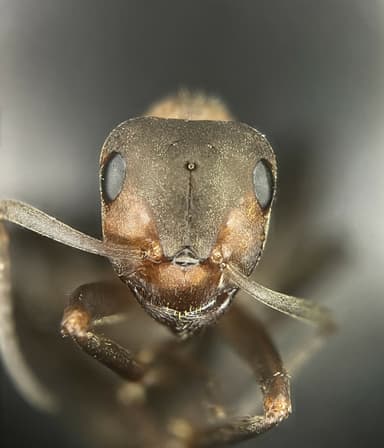
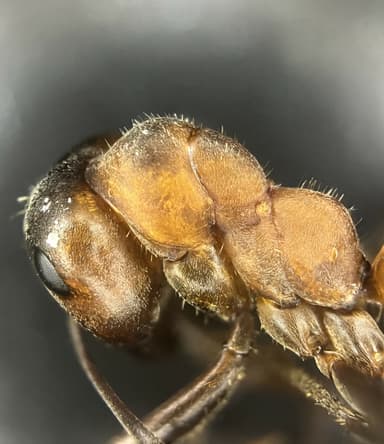
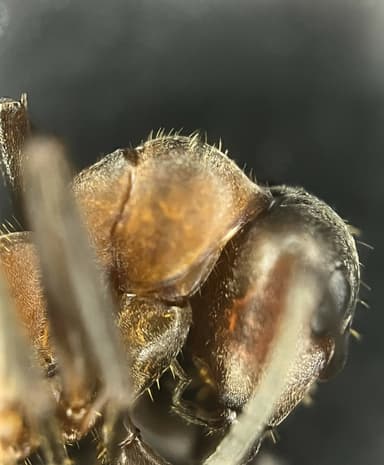
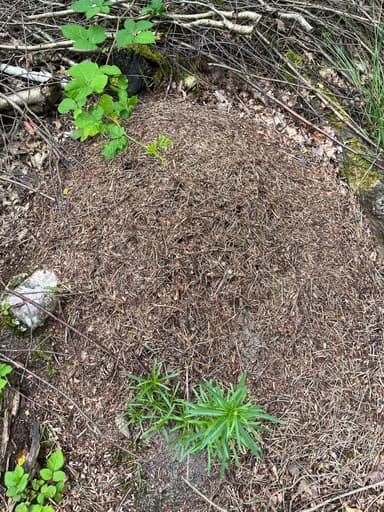
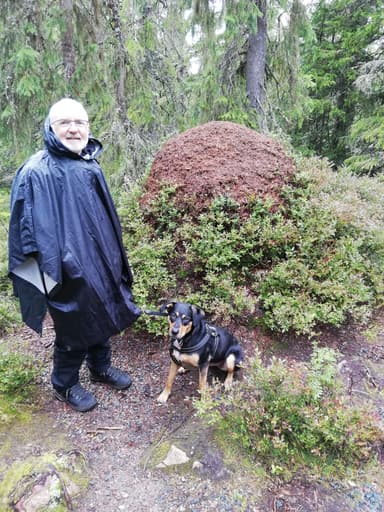
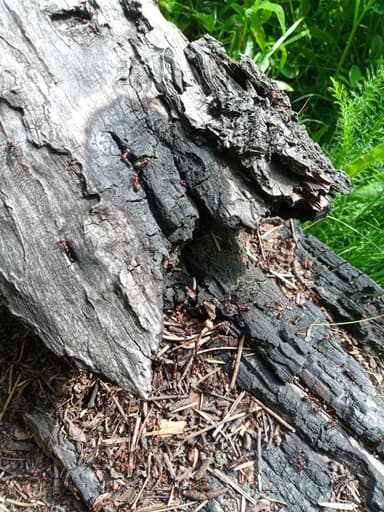
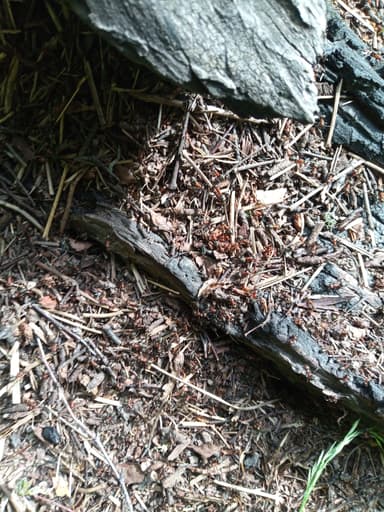
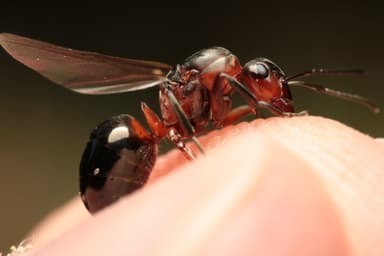
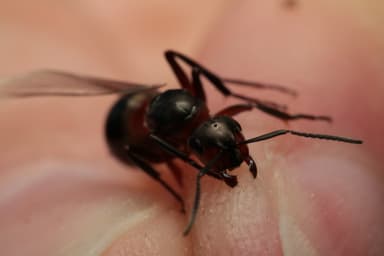
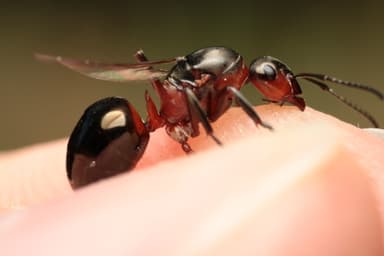
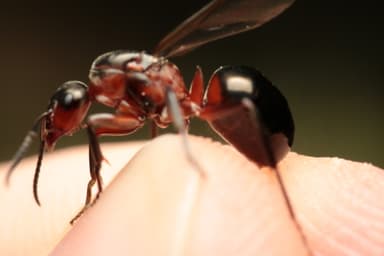
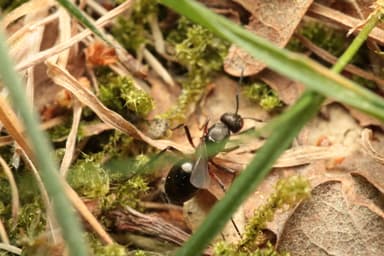
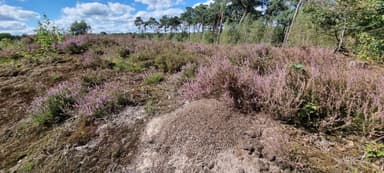
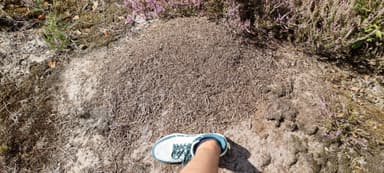
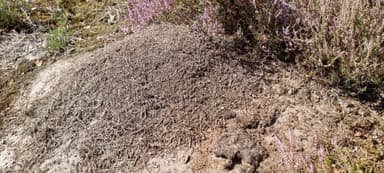
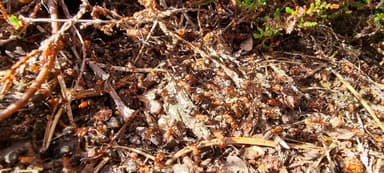
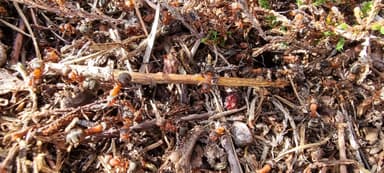
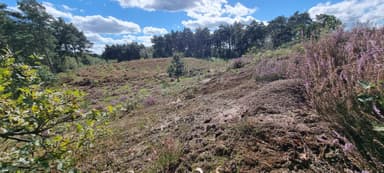
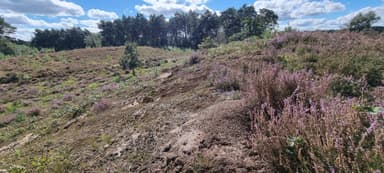
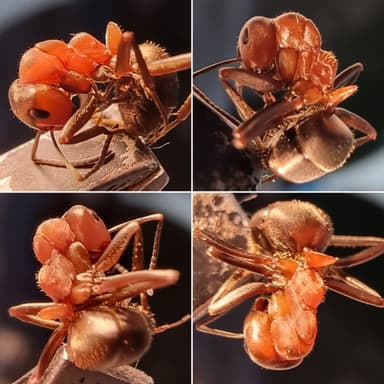
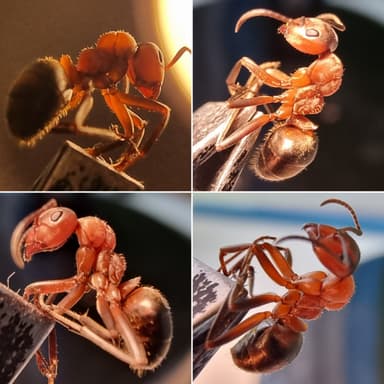
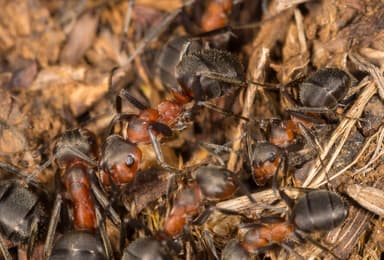
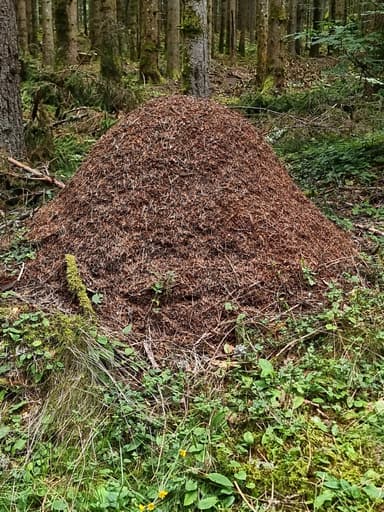
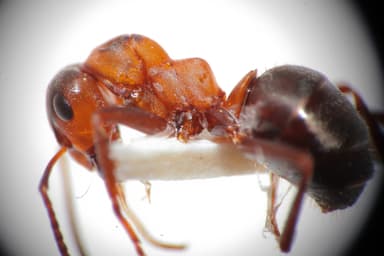
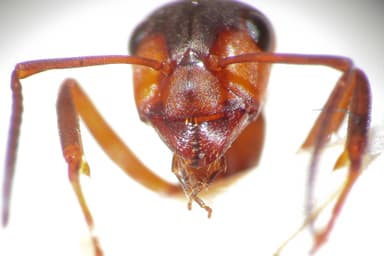
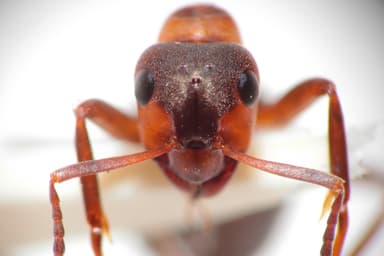
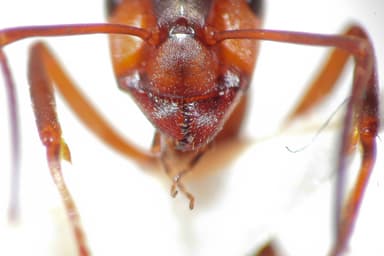
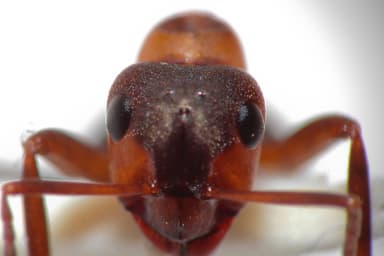
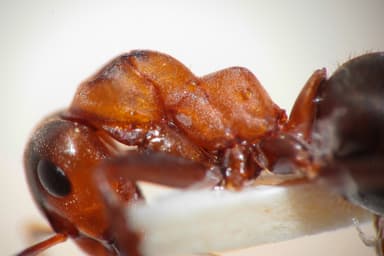
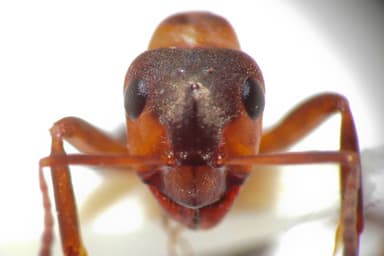
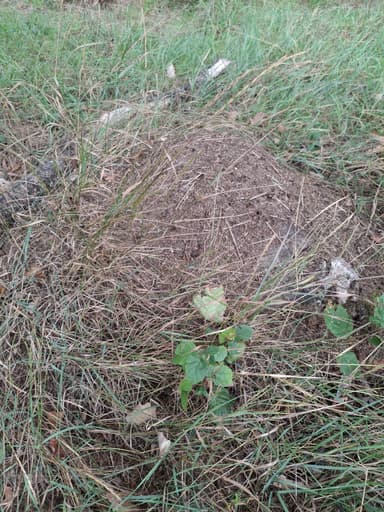
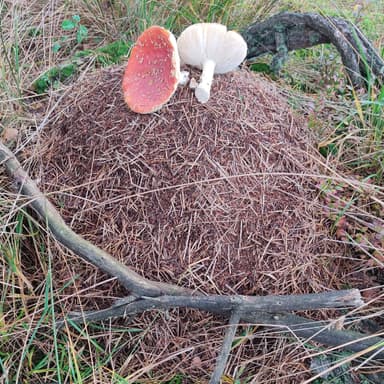
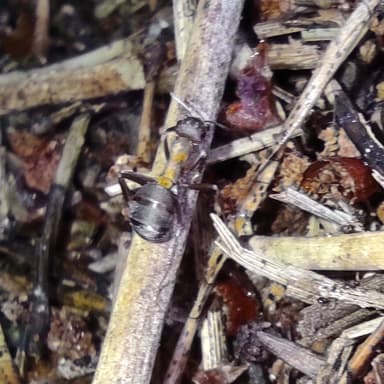
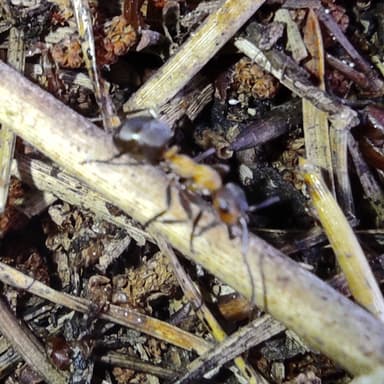
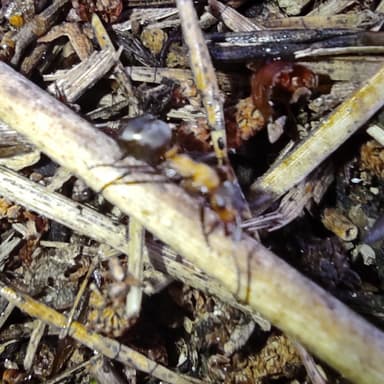
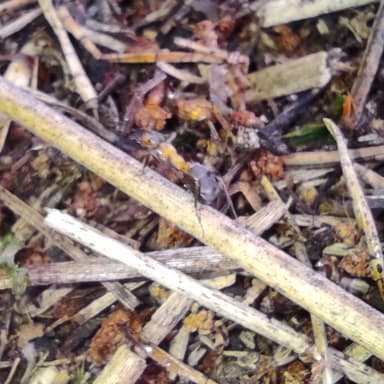
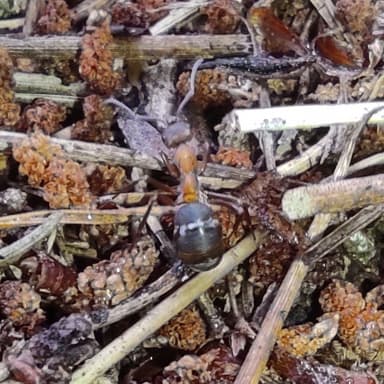
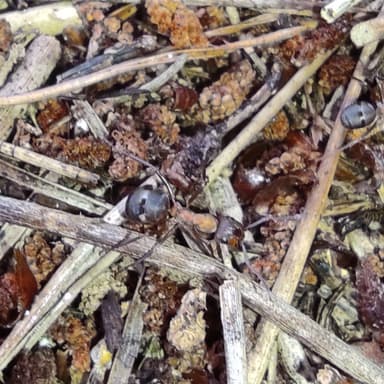
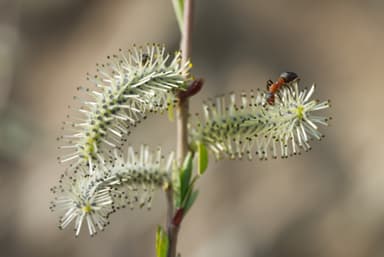
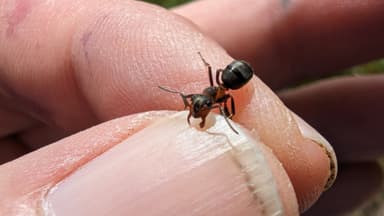
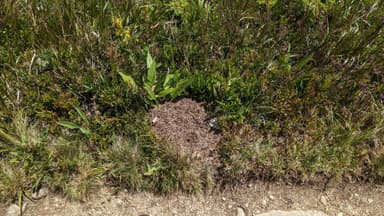
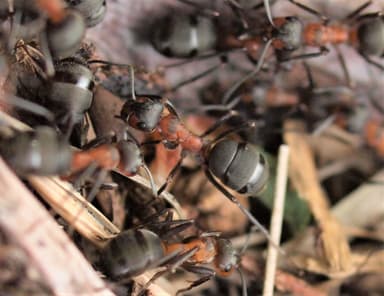
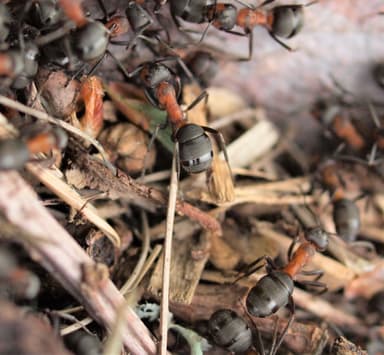
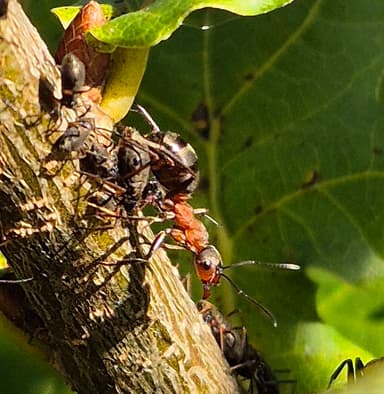
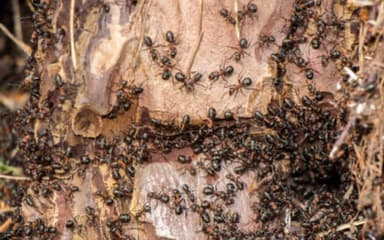
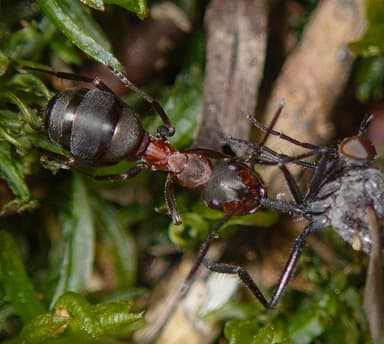
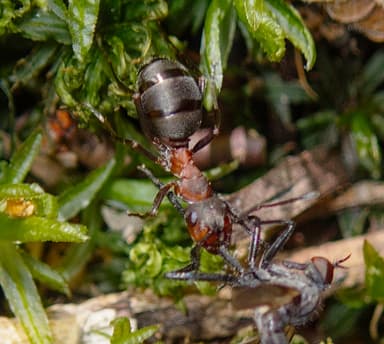
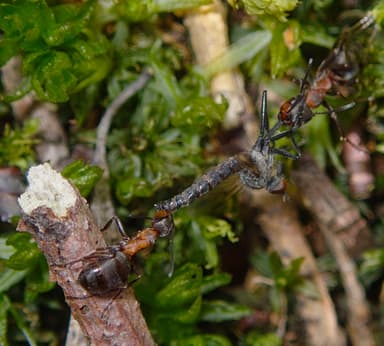
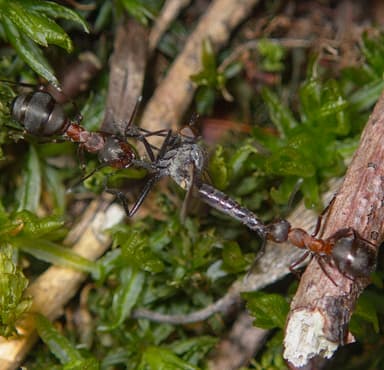
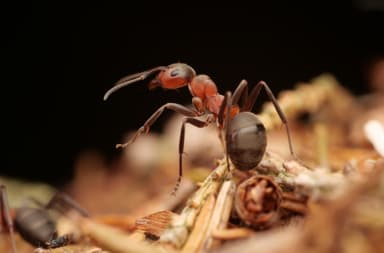
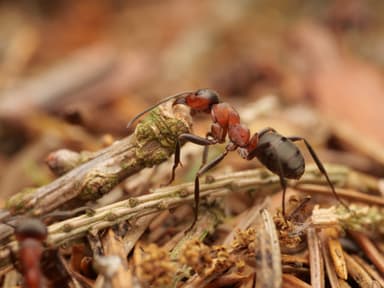
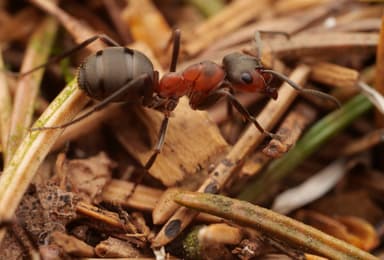
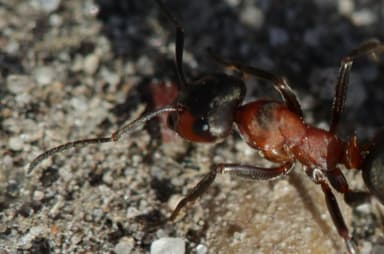
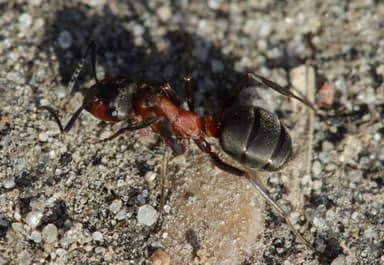
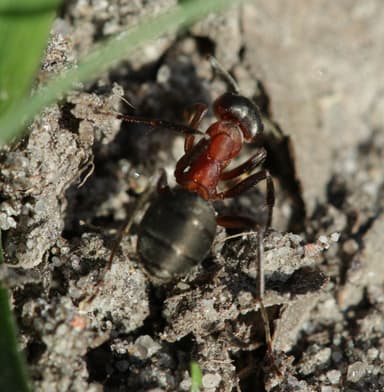
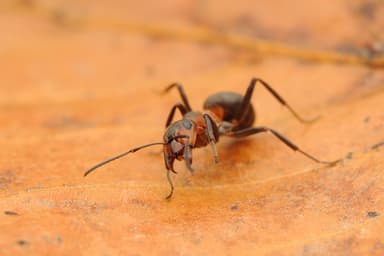
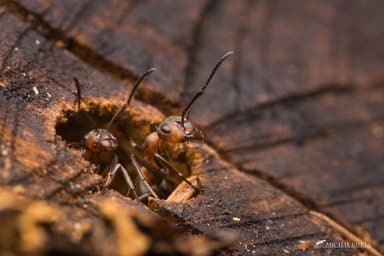
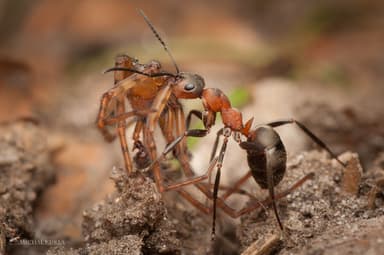
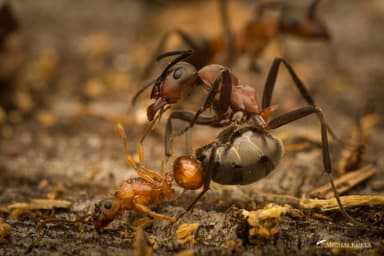
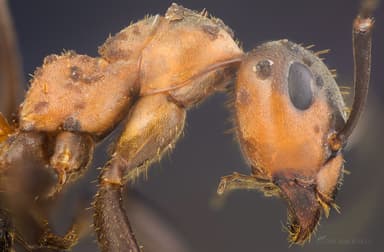
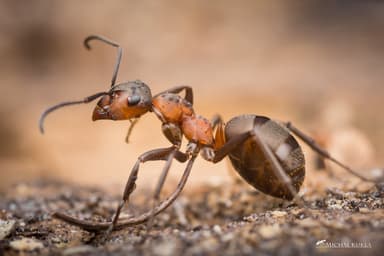
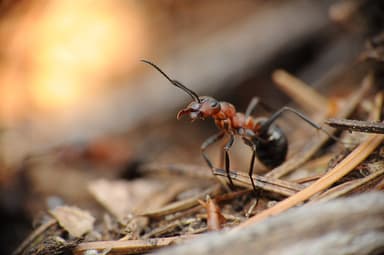
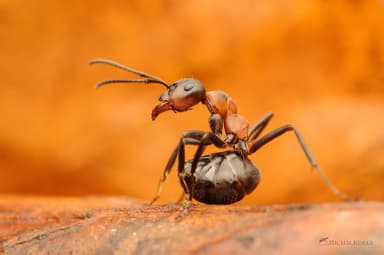
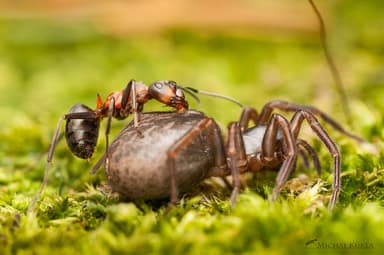
Formica rufa, the red wood ant, is among the most charismatic and ecologically significant ants of the Palearctic, instantly recognisable by the large, sun-drenched thatch mounds that dot European forests from the British Isles to Siberia. Workers display continuous polymorphism, dividing broadly into minor and major castes ranging from a diminutive 4.5 mm to a robust 9 mm, while the queen measures an imposing 9–11 mm (Collingwood 1979; Seifert 2018). Their coloration is a striking rusty red over the head and thorax, darkening to a sooty black on the gaster, and they are famously capable of spraying formic acid defensively. Mature colonies can swell to a staggering 400,000 individuals, sustaining an intricate social network built through a peculiar founding strategy: newly mated queens are social parasites, infiltrating nests of the Formica fusca group to trick host workers into rearing their first brood. This mix of architectural prowess, chemical defense, and parasitic beginnings makes F. rufa a truly fascinating — but demanding — species for the dedicated ant keeper.
Labelled unequivocally as an expert-level species, Formica rufa is not a sensible choice for the casual hobbyist. The social-parasitic founding means that a queen must be introduced to a host colony or recently emerged mated queens need a retinue of fusca-group workers and brood to start a colony in captivity, a delicate process that frequently fails. Once established, the colony’s rapid growth and enormous adult size require progressively larger spaces, while their tendency to spray formic acid demands well-ventilated setups to avoid self-poisoning in enclosed nest chambers. This ant is best suited to keepers who have already mastered multiple founding types in temperate genera, enjoy building large naturalistic vivaria, and are prepared to manage a living colony that may outlive a decade. In return, a thriving F. rufa colony offers an unparalleled spectacle — the relentless traffic of foragers, the constant shaping of nest material, and that distinctive sharp, vinegary scent that announces a healthy defensive response.
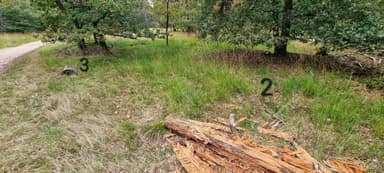
Successfully housing a red wood ant colony means mimicking their natural woodland conditions with fidelity and foresight. Nest temperature should be maintained between 18°C and 26°C, avoiding sudden swings; many keepers use a gradient within a large terrarium so the ants can thermoregulate by moving brood to preferred spots. Relative humidity is equally critical and must stay in the 50–70% range, monitored with a digital probe, as overly dry air leads to desiccation while stagnantly wet conditions encourage mites and fungal outbreaks. The nest itself should be a spacious, deep container filled with a slightly moistened mixture of peat, sand, and fine clay — the classic “mound” substrate — which the ants will sculpt into an ever-evolving heap. A soil-based nest is not optional; F. rufa workers are inveterate builders and mechanically move particles to construct their signature thatched roof. An outworld or foraging arena at least three times the nest’s footprint is essential, furnished with branches, leaf litter, and a vertical barrier of liquid PTFE to contain these agile climbers.
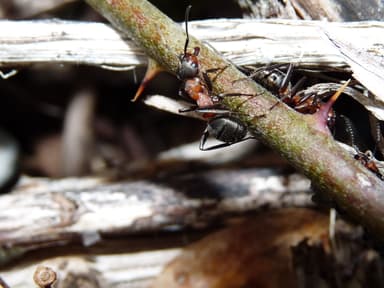
Diet is one of the more straightforward aspects of care, though the sheer volume required by a large colony demands a consistent supply chain. Red wood ants are efficient predators and scavengers in the wild, and in captivity they thrive on a protein staple of freshly killed or frozen-thawed insects — crickets, mealworms, waxworms, and fruit flies — offered two to three times a week. Protein is crucial for larval development, especially in major workers, so during the rapid growth phase in spring and early summer, feedings may need to increase. Carbohydrates are equally vital and typically come from a clean sugar-water solution, diluted honey, or artificial nectar; many keepers present them in test-tube feeders with cotton wicks to prevent drowning. In nature, the ants vigorously tend honeydew-producing aphids, so providing a small, regularly refreshed patch of aphid-infested plants in a connected enclosure can elevate both nutrition and natural behaviour into a miniature ecosystem display. Fresh water must always be available via a drinking station, but avoid open dishes inside the nest to avert humidity crises.
Hibernation is an absolute, non-negotiable requirement for the health and longevity of Formica rufa colonies. Without a prolonged cold rest, the annual biorhythm collapses — the queen will cease egg-laying, workers die prematurely, and the colony spirals into decline within a year. The hibernation temperature should be gradually lowered over several weeks in late autumn until it stabilises at around 5°C, a temperature they naturally experience beneath the snow in their native range (Seifert 2018). The colony can be moved into a dedicated refrigerator, a cold cellar, or an insulated outdoor shed, provided temperatures never dip below freezing for the nest’s core. This dormant phase typically lasts from November to March, though a three-month minimum is widely observed, and humidity must still be checked periodically — the substrate should remain slightly damp but never wet. When spring arrives, warming must be equally gradual, giving the ants a slow reawakening that mirrors nature’s cues and triggers the queen’s renewed fertility.
The first days after acquiring your Formica rufa — most likely as a small founding unit with a queen and a dozen host workers — are a period of high anxiety for both ant and keeper. On arrival, place the transport vial or tube in a darkened, quiet corner of the target setup and allow the temperature to equilibrate for an hour before gently opening it. Offer a drop of sugar water on a tiny foil tray immediately; the workers will eagerly replenish energy reserves, and this first meal often signals a successful transition. Wait a full day before introducing a tiny, pre-killed fruit fly or fruit fly pupae as the first protein, and resist any urge to poke, move, or otherwise inspect the nest for at least 48 hours. The queen may initially appear sluggish and the workers may huddle tightly — this is normal post-shipping stress. Watch closely for any sign of rejection: if host workers turn aggressive toward the queen, you may need an emergency re-introduction protocol with additional fusca-group workers, but this should rarely be necessary if the unit was already stable. Once the first new, golden-brown cocoons appear, you can breathe easier — the colony has accepted its new home and is ready to begin the long, patient journey from a handful of workers into a majestic, mound-building empire.