Cataglyphis
Cataglyphis bicolor
Nuptial Flight Calendar
Flight months: Jun, Jul, Aug
Care Guide
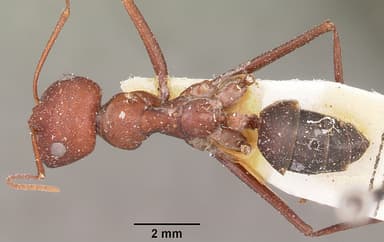
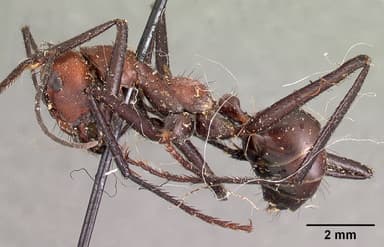
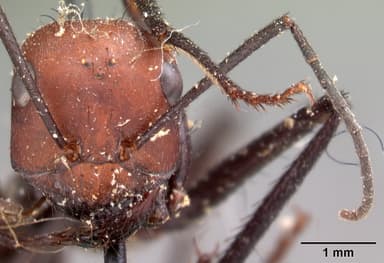
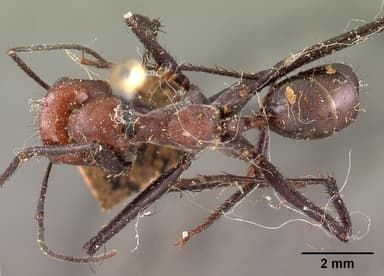
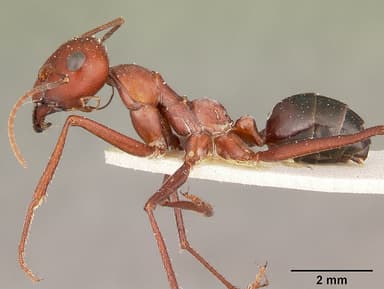
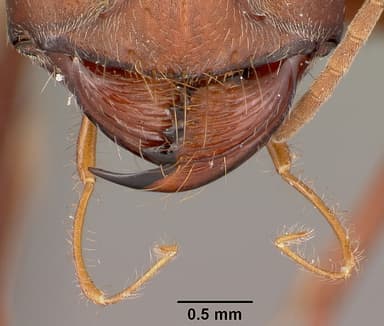
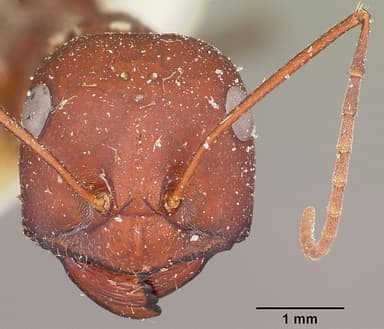
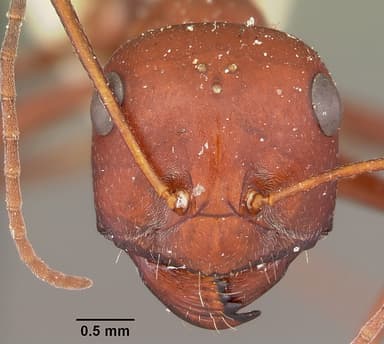
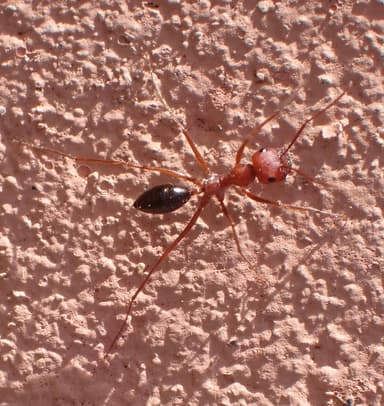
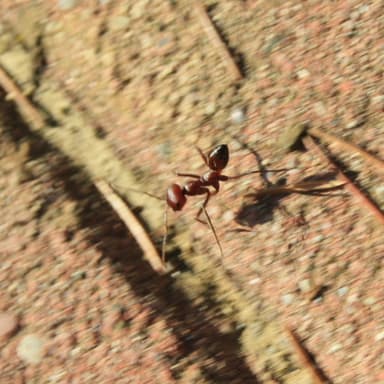
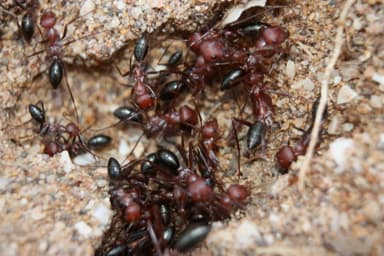
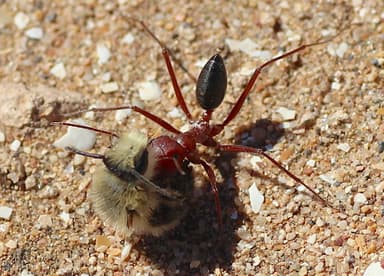
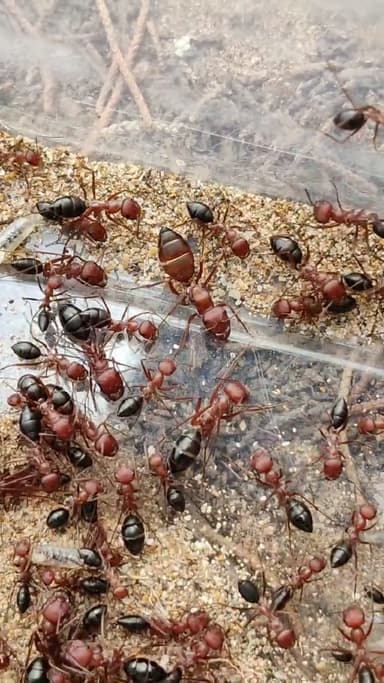
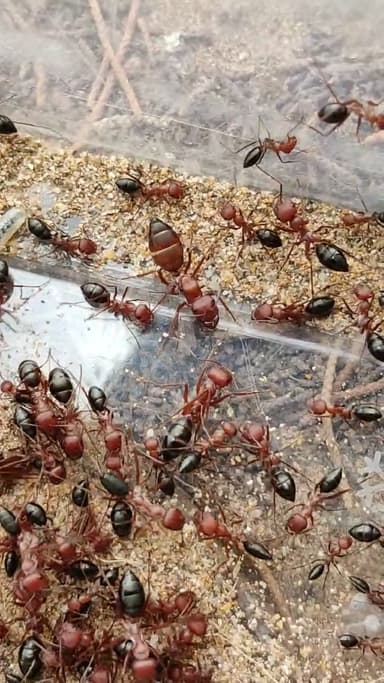
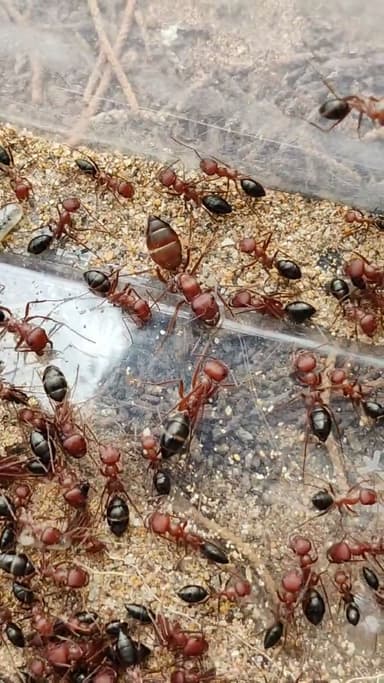
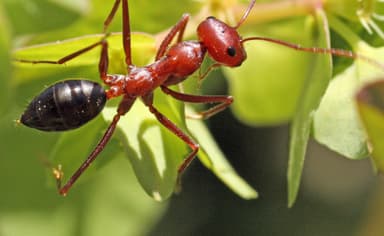
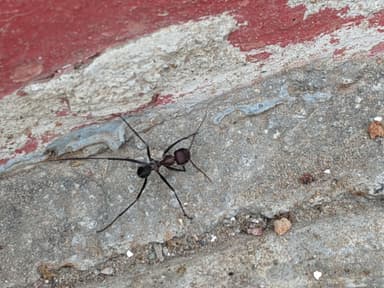
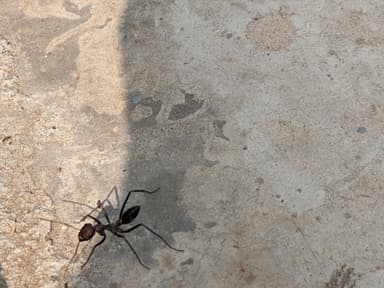
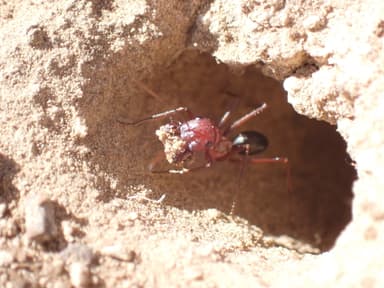
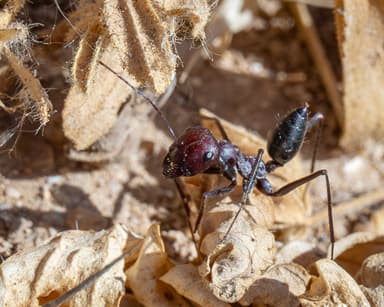
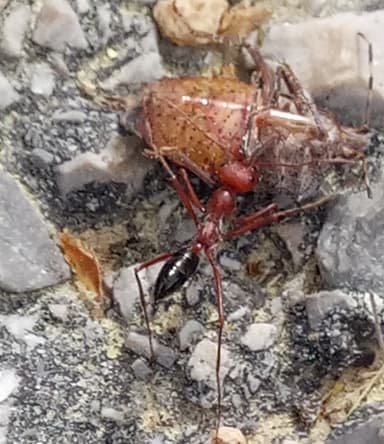
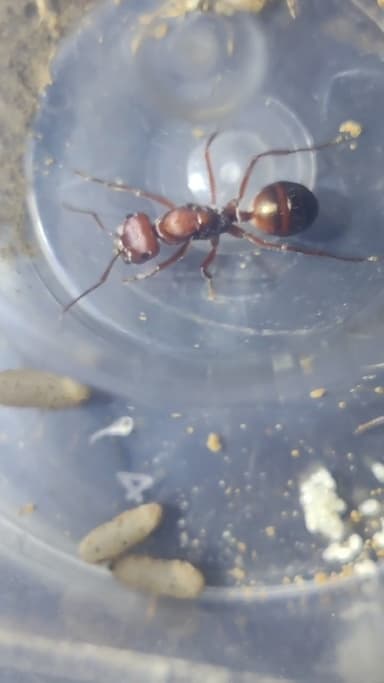
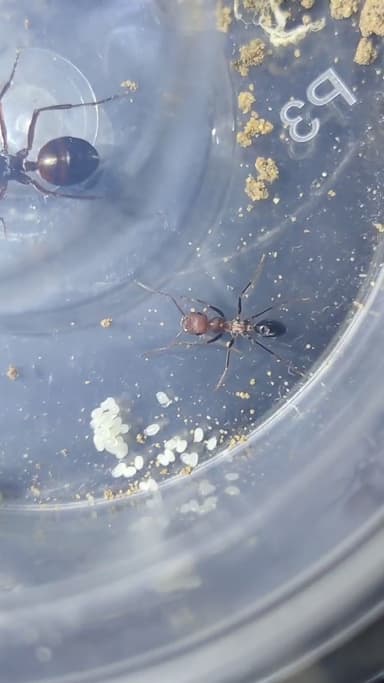
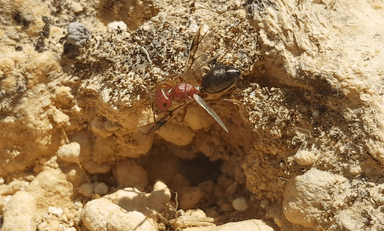
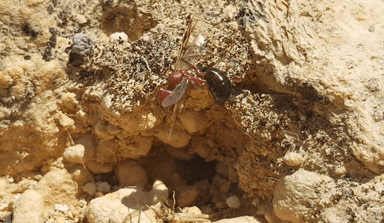
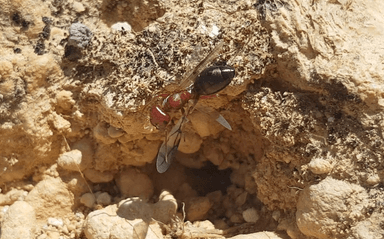
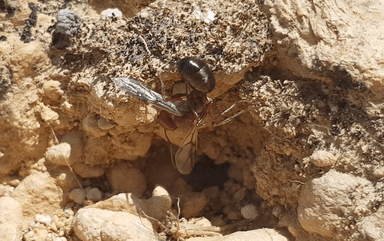
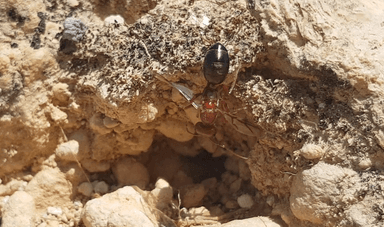
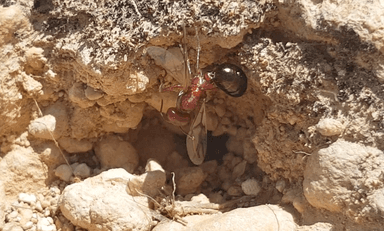
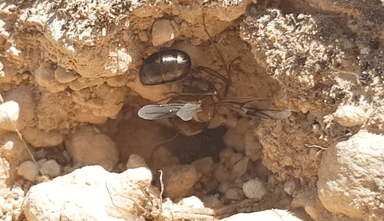
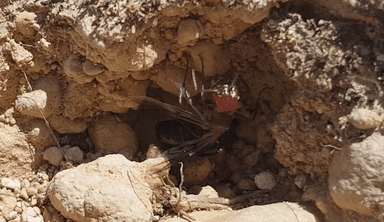
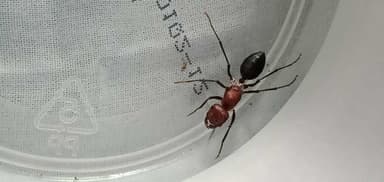
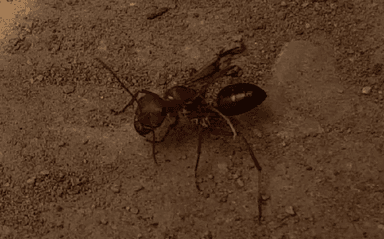
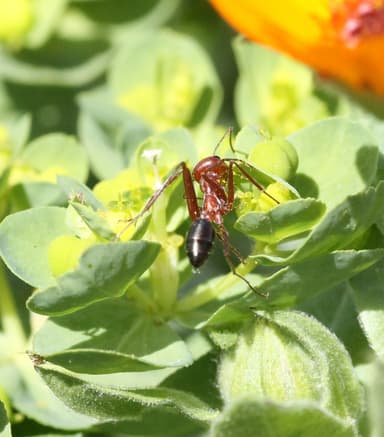
Cataglyphis bicolor, the Saharan silver ant, is a true desert specialist that has captivated scientists and hobbyists alike with its extreme heat tolerance and remarkable navigational abilities. Queens are robust, measuring 14 to 16 millimeters, while workers display striking polymorphism across three distinct castes: minors around 6 millimeters, media workers, and large majors reaching up to 14 millimeters. This size variation allows the colony to partition tasks efficiently, from brood care to foraging. Mature colonies can grow to an impressive 10,000 individuals, all exhibiting the species’ characteristic silvery sheen and elongated legs that hold their bodies high above the scorching sand. The ant’s claim to fame, however, is its foraging strategy; workers leave the nest during the hottest part of the day, when surface temperatures exceed 50°C, to scavenge on heat-stricken arthropods, relying on a well-studied path integration system to navigate featureless terrain (Wehner 1987). For the advanced keeper, watching these ants race across a heated arena at blistering speeds is an unparalleled spectacle.
This species is unequivocally for expert keepers only. Its demanding environmental requirements and intolerance of missteps make it a poor choice for beginners. The care revolves around faithfully replicating the extreme diurnal fluctuations of its native North African and Sahel range, where it occurs from the Atlantic coast to the Horn of Africa. If you have a track record of successfully maintaining tropical or Mediterranean ants and are ready to invest in specialized heating and vigilant monitoring, Cataglyphis bicolor may be your next challenge. Be prepared for a visually oriented, fast-moving ant that can escape through the smallest gap; their legendary speed and tendency to panic if the nest is disturbed mean that a securely designed setup is non-negotiable. The reward is witnessing desert adaptation at its most extreme.
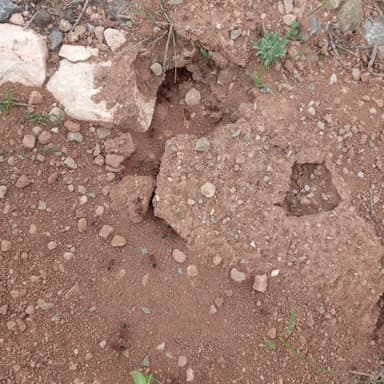
Housing must prioritize high temperatures and dry air. The foraging arena should sustain a gradient from 25°C in the coolest refuge up to 50°C directly under a heat lamp, simulating the midday sun. A ceramic heat emitter or halogen bulb placed over one section of the arena works well, but always provide a thermally stratified space so the ants can self-regulate. The nest itself must not overheat; aim for a steady nest temperature around 28–32°C. Humidity is a deadly foe—keep it between 30% and 60%, erring on the lower side. A dry, ventilated gypsum or firebrick nest is ideal, absorbing any accidental condensation. Substrate in the arena should be fine sand at least 5 centimeters deep, allowing workers to perform natural digging and orientation behaviors. Avoid moisture-retaining nest materials; high humidity fosters fungal outbreaks and brood death. Dillier and Wehner (2004) observed that wild colonies maintain nests with remarkably stable dry chambers, which we should emulate. For a founding queen, a small, dark claustral tube with a dry cotton plug suffices until her first workers arrive.
In the wild, Cataglyphis bicolor are scavengers, taking advantage of arthropods that succumb to heat stress. In captivity, provide a diet rich in protein for the larvae: freshly killed small crickets, mealworm pieces, roach nymphs, or fruit flies are ideal. Protein should be offered daily in small quantities during active growth phases, as workers have a high metabolic rate. For carbohydrates, they readily accept sugar water or diluted honey, but be meticulous—any spillage in a hot, dry setup crystallizes or ferments rapidly. Use a micro-feeding dish that can be removed and cleaned regularly. Water is the most delicate aspect: provide a tiny cotton-stoppered water tube in the arena, refilled frequently, so workers can drink without raising humidity. They obtain additional moisture from prey, but a dedicated source prevents desiccation, especially for the brood.
A welcome relief for many keepers is that this species does not require hibernation. Its native habitat sees neither a cold winter nor a pronounced diapause period. Colonies remain active year-round, although they may slow down if temperatures consistently dip below 25°C. You should maintain the same temperature and feeding regime throughout the year; any attempt to impose a cool resting phase could be detrimental. The queen will continue laying eggs, so be prepared for an ever-expanding colony that never takes a seasonal break.
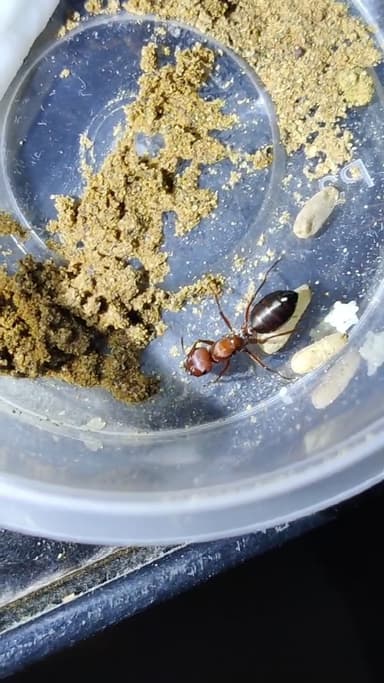
The first days after acquiring your Cataglyphis bicolor queen or small founding colony are critical. Place the test tube or founding nest in a dark, quiet location and allow at least 48 hours of complete solitude. The queen is claustral and needs no feeding until the first workers eclose; she relies on metabolized wing muscles. Resist the urge to check on her, as vibration and light cause stress that may lead to egg consumption. After the first minor workers appear, offer a minute drop of sugar water on wax paper near the nest entrance, and the next day introduce a small pre-killed fruit fly. Watch that the foragers find the food—Cataglyphis bicolor uses solitary navigation and may initially ignore offerings placed too far from their learned path. Gradually increase prey size with colony growth. Monitor humidity obsessively: any condensation signals a need for more ventilation. Once the colony reaches 20–30 workers, attach a small arena with a heat lamp to observe their switch to heat-tolerant foraging. Workers are incredibly fast and will exploit any gap, so double-escape barriers with Fluon or a tight-fitting lid are essential. Then you’ll witness one of the ant world’s most extraordinary adaptations in your own home.