Camponotus
Camponotus maculatus
Nuptial Flight Calendar
Flight months: Jan, Feb, Mar, Oct, Nov, Dec
Care Guide
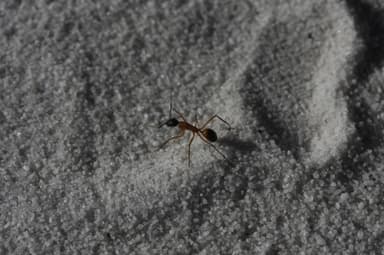
Camponotus maculatus is a widespread and robust carpenter ant that offers keepers a window into the impressive polymorphism and behavioural complexity of the genus. Queens measure a substantial 15–18 mm, while workers span an exceptional 6–14 mm range, with two distinct castes: smaller, nimble minor workers and heavily built major workers, often called soldiers, which sport enlarged, muscular heads used for defence and processing tough food. The body colour is typically a dark brown to black, frequently adorned with pale, yellowish spots or bands on the gaster—an attractive pattern that has inspired the common name “spotted sugar ant.” In the wild, colonies can grow to around 10,000 individuals (Bolton 1995), and founding is claustral, meaning the queen seals herself away to raise her first brood using only her bodily reserves—no foraging needed during this vulnerable stage. This species ranges across a vast swathe of Africa and adjacent regions (GBIF occurrence data), where it thrives in warm climates, foraging nocturnally and opportunistically scavenging both live prey and sugary exudates. For the hobbyist, C. maculatus provides a fascinating study in division of labour, gradual colony growth, and the dramatic size difference between castes that makes feeding time a spectacle.
This ant is best suited to keepers with some prior experience, meriting an intermediate difficulty rating. While it is not as forgiving as the archetypal beginner species, many of its demands are straightforward to meet once you understand its tropical origins. The primary challenges lie in maintaining consistent warmth and humidity, avoiding escape due to the strong climbing ability of these large ants, and exercising patience during the slow initial growth phase typical of claustral founders. Their requirement for a warm environment day and night means a temperature-regulated setup is non-negotiable; a drop below 24°C for extended periods will stall brood development. Provided you are comfortable with basic equipment such as a heat mat and a hygrometer, and you are prepared for a species that does not hibernate, C. maculatus makes a deeply rewarding captive. Its polymorphic workers and steady, deliberate activity are a constant delight, and the lack of a winter diapause means you can observe the colony’s daily rhythms year-round.
Housing should closely mimic the warm, moderately humid conditions of the Sub-Saharan and surrounding tropical landscapes from which this ant hails. A nest with good humidity retention, such as a plaster or ytong formicarium, works beautifully, while a naturalistic setup with a soil-based substrate can also succeed if moisture gradients are carefully managed. Target a temperature range of 24–30°C, with a warm spot around 28–30°C during the day, and humidity between 50% and 70%—excessive wetness invites fungal problems, while prolonged dryness causes brood dessication. Provide a foraging arena with a secure lid, as these large ants are adept climbers that will explore every surface. Ventilation is critical; a small screened opening will prevent stagnant air without letting humidity plummet. A thin layer of sand over a moisture-retaining base in the arena helps mimic the dry savannah floor, but the nest chamber itself should be the primary humid refuge. No hibernation is required, so the setup can remain stable across all seasons, though a slight nighttime temperature dip is acceptable and mirrors natural diurnal cycles.
In the wild, C. maculatus is a versatile forager, tending hemipterans for honeydew and scavenging arthropods (Hölldobler & Wilson 1990). Replicate this by offering a balance of protein and carbohydrates. Protein should come from freshly killed or pre-frozen insects—crickets, mealworms, and small roaches are excellent staples; for small founding colonies, chop prey into manageable pieces to avoid overwhelming the queen. Sugary fuels can be provided as diluted honey, maple syrup, or sugar water, offered on a small dish or soaked into cotton to prevent drowning. As the colony grows, you may introduce occasional fruit slices, which many minors eagerly harvest. Ensure a clean, constant water source, ideally via a test-tube water feeder or a damp cotton wick, because access to drinking water is essential even when nest humidity is high. Feed protein two to three times per week for a developing colony, and always remove uneaten food within a day to deter mould and mites.
No hibernation period is required for this permanently tropical ant. C. maculatus originates from regions where seasonal temperature swings are minimal, and its lifecycle has no obligate diapause. Keep temperatures steady above 24°C throughout the year, and the colony will continue brood production and foraging without interruption. If you attempt to cool them significantly, the result is not a healthy rest period but a sluggish, stressed colony with halted egg-laying. This makes the species particularly appealing for keepers who enjoy a continuously active display and are willing to maintain artificial warmth even during local winters.
When your queen and her first workers arrive, immediate calm is paramount. Place the test tube or small founding chamber in a darkened, vibration-free spot at their target temperature, and resist the urge to check on them for at least 24–48 hours. The queen has expended enormous energy founding claustrally, and disturbance now can delay her recovery and egg-laying. For a first feeding, offer a minuscule drop of sugar water on a sliver of wax paper and, after another day, a pre-killed fruit fly or a section of a small cricket leg. Watch for the workers to discover these offerings—they will typically recruit nestmates excitedly within an hour. During these early weeks, observe from a distance: a healthy queen will sit calmly with a clutch of eggs and larvae, while workers cluster around her, grooming and feeding. Signs of trouble include a constantly agitated queen, refusal to eat, or ghostly pale, shriveled brood. If all goes well, you can expect the first nanitic workers to become more adventurous after a week or two, at which point you can gradually introduce a small foraging arena. With steady warmth, patient feeding, and minimal intrusion, your Camponotus maculatus colony will slowly but surely grow into a bustling microcosm of one of Africa’s most charismatic ants.