Camponotus
Camponotus caryae
Nuptial Flight Calendar
Flight months: Apr, May, Jun, Jul
Care Guide
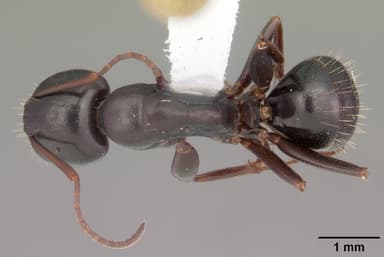
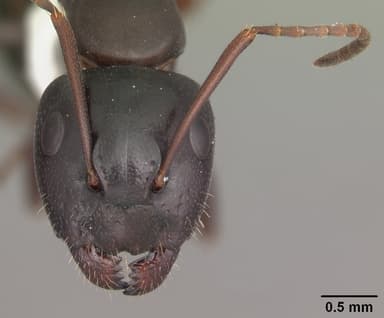
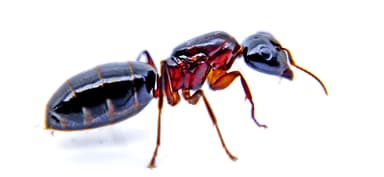
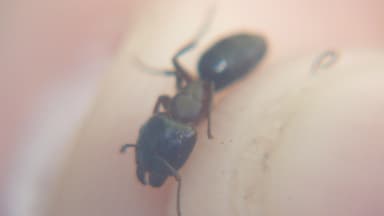
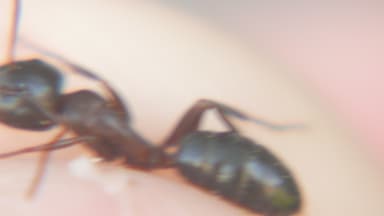
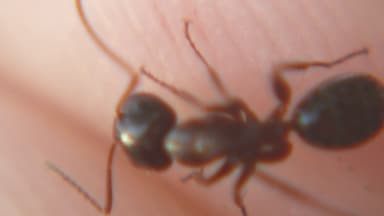
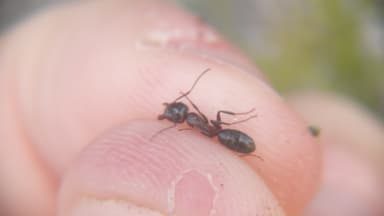
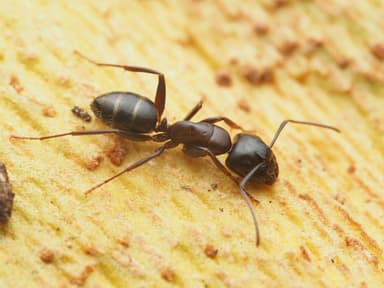
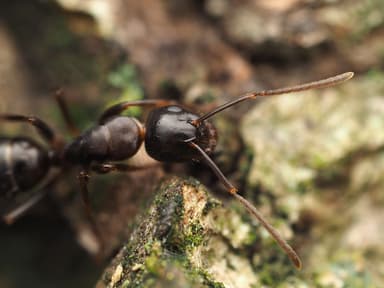
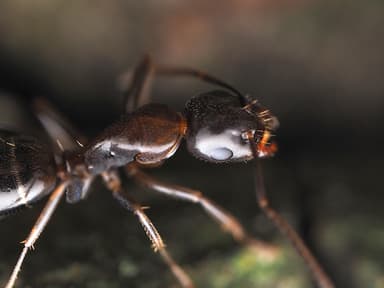
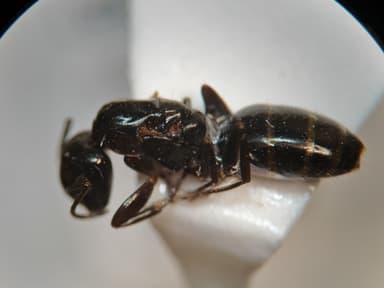
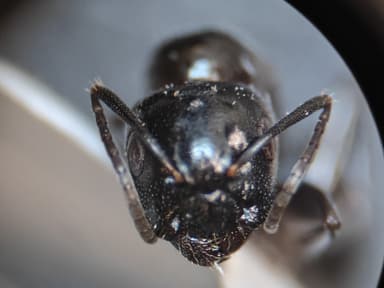
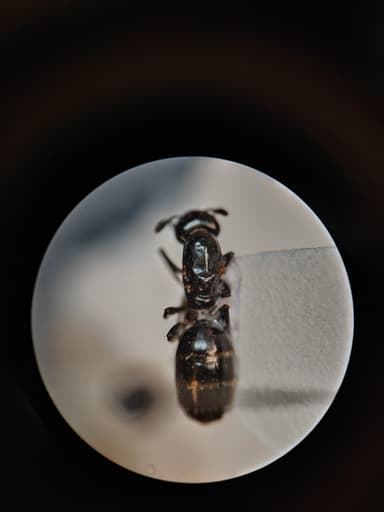
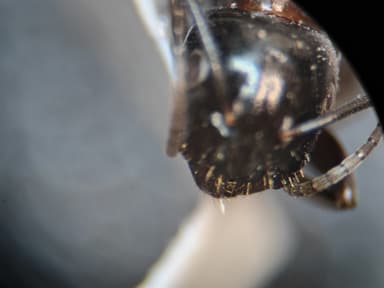
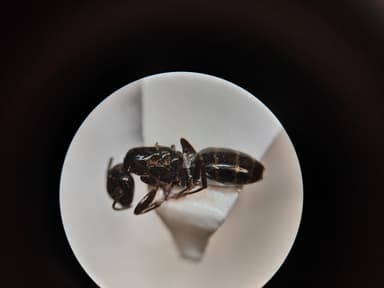
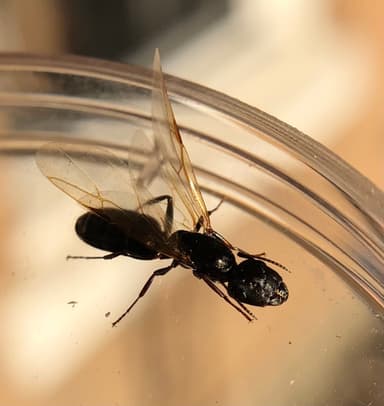
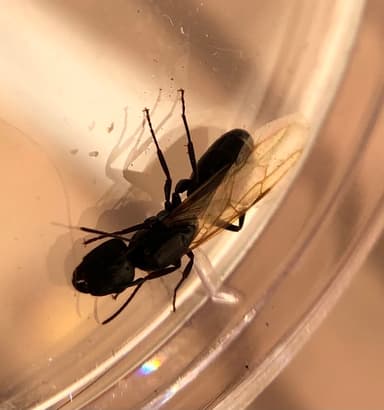
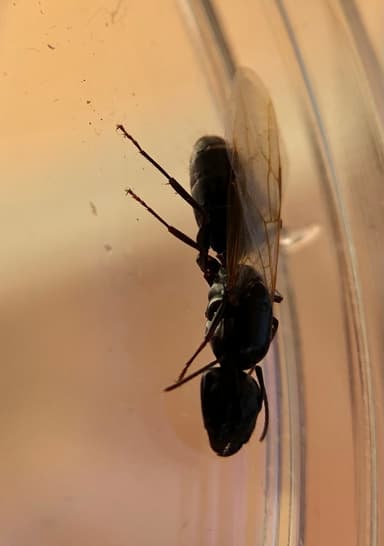
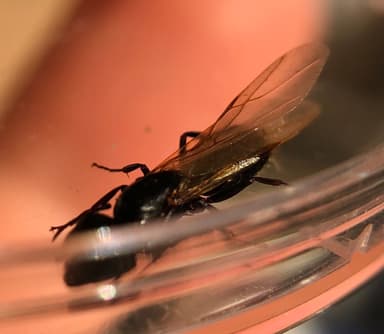
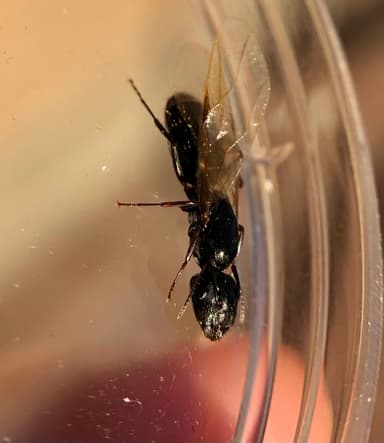
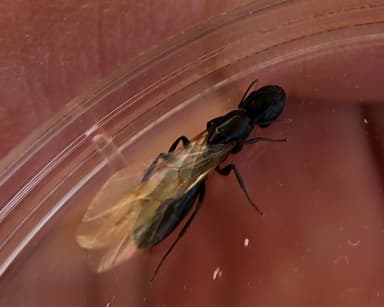
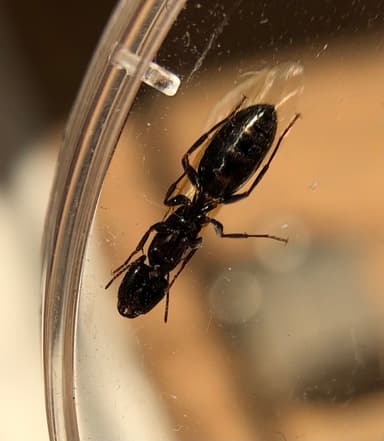
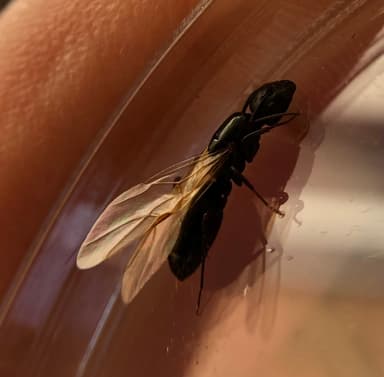
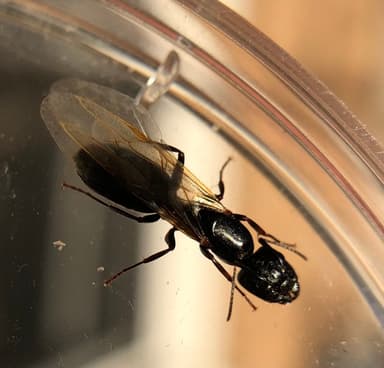
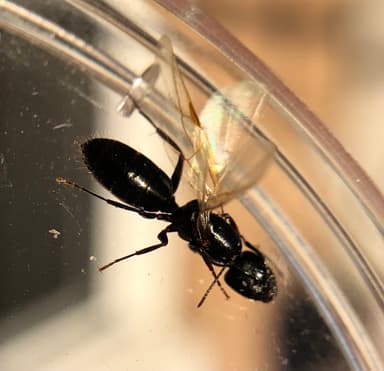
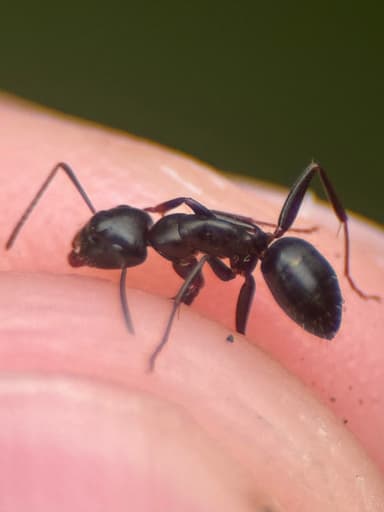
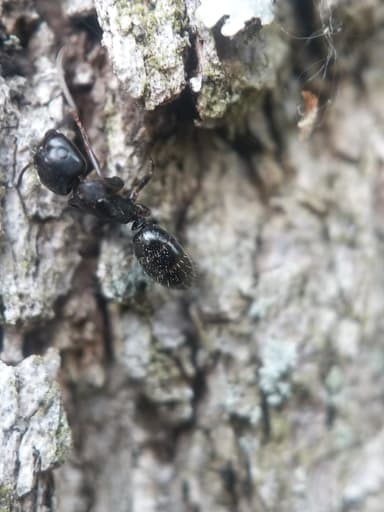
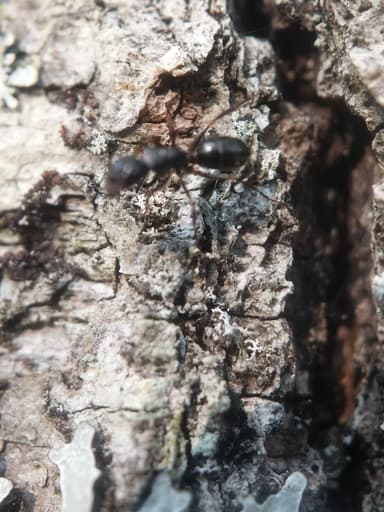
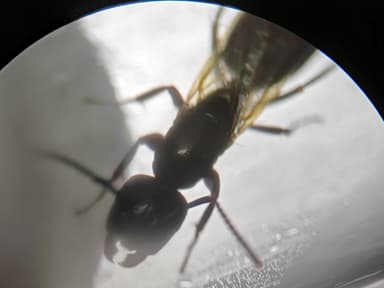
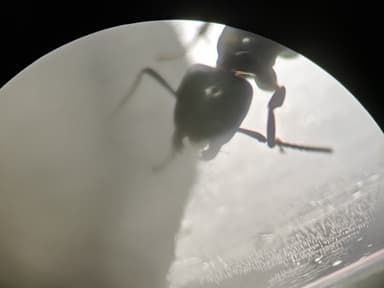
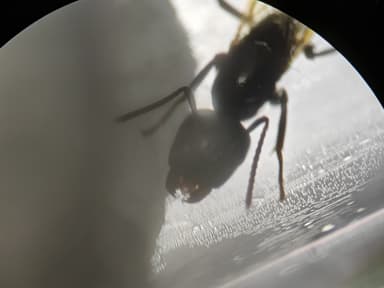
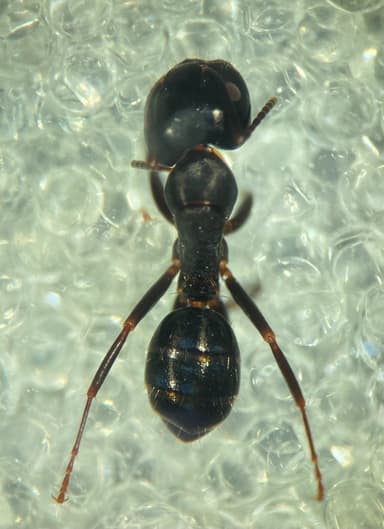
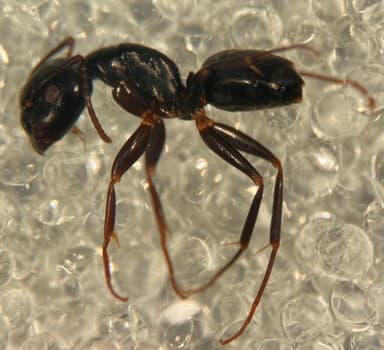
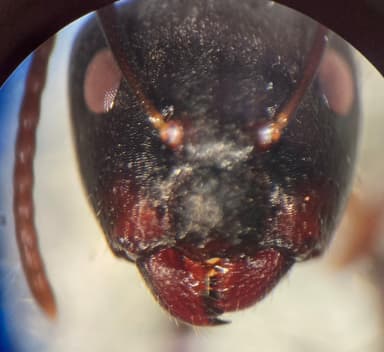
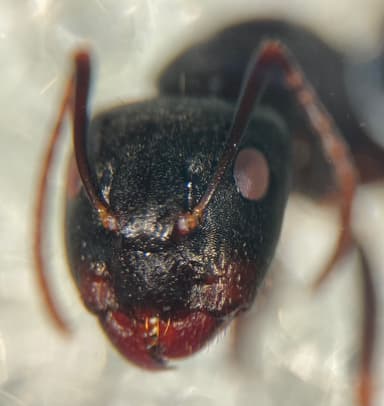
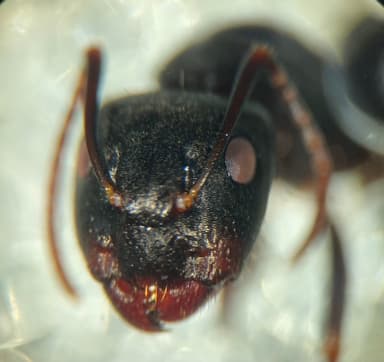
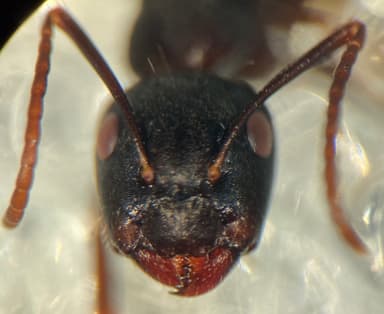
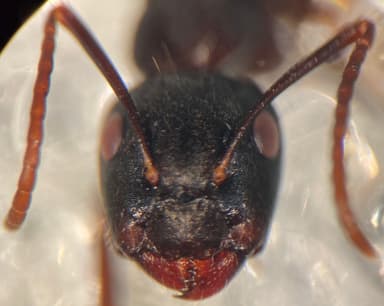
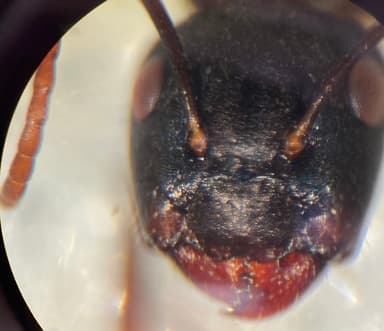
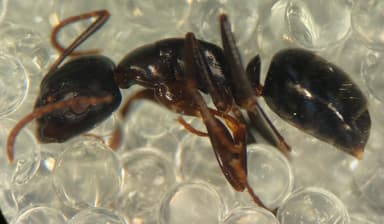
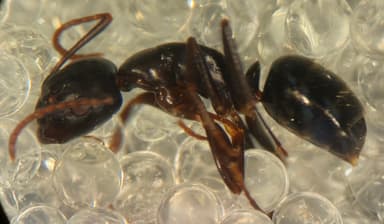
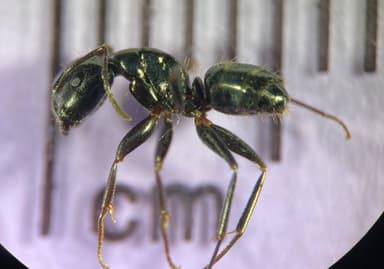
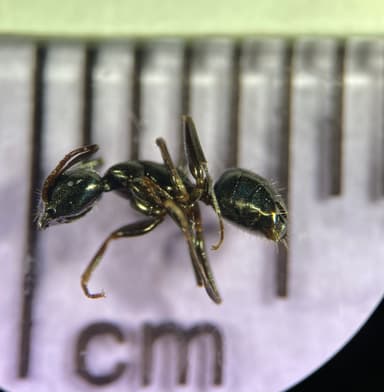
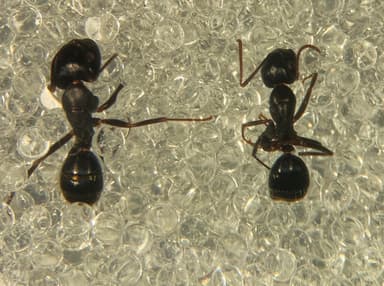
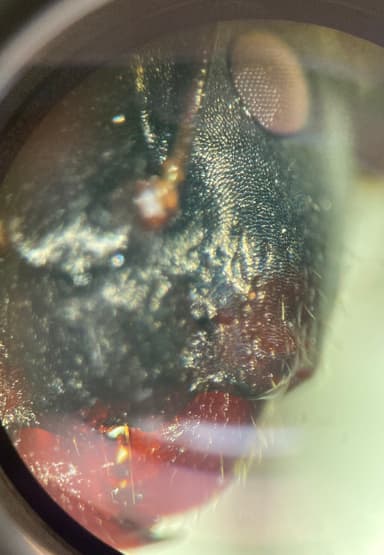
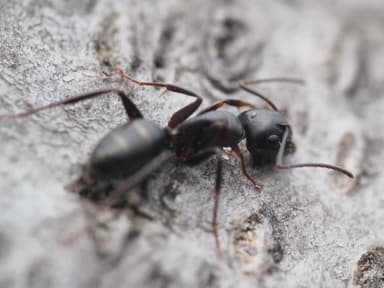
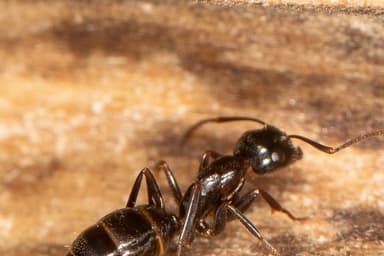
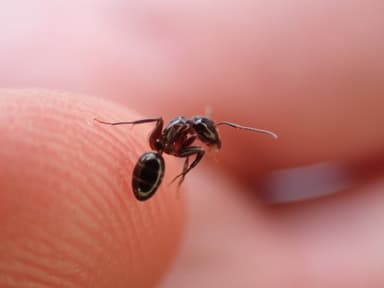
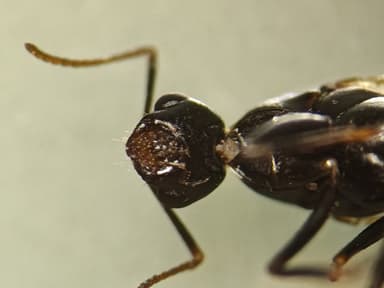
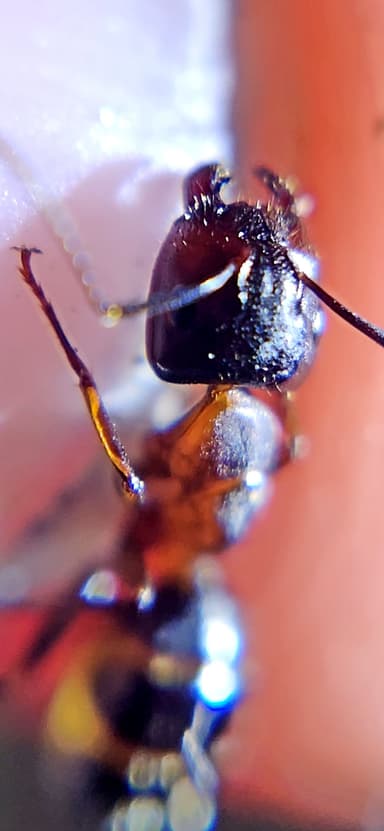
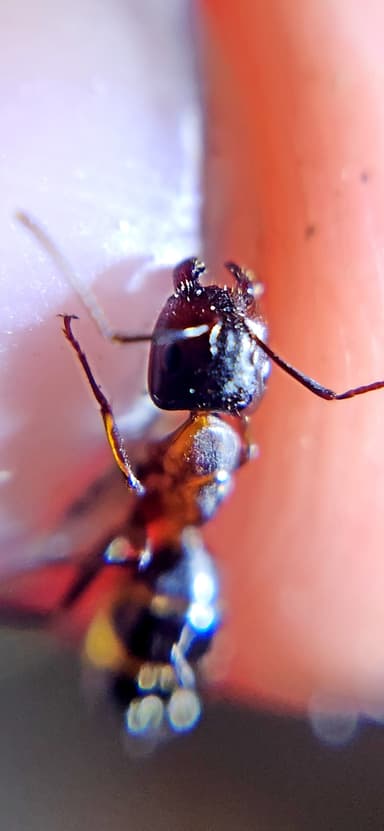
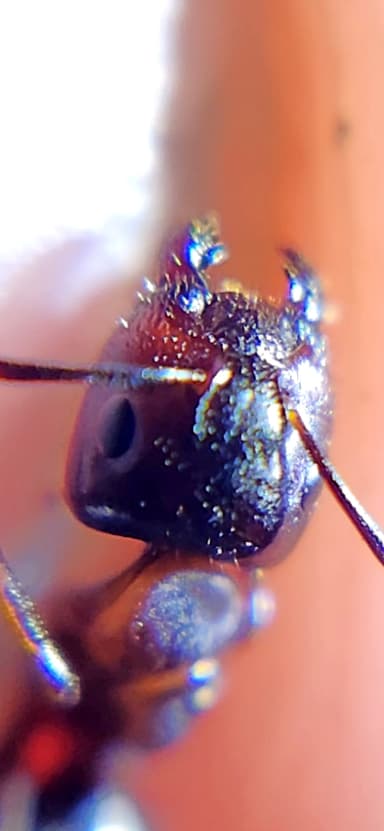
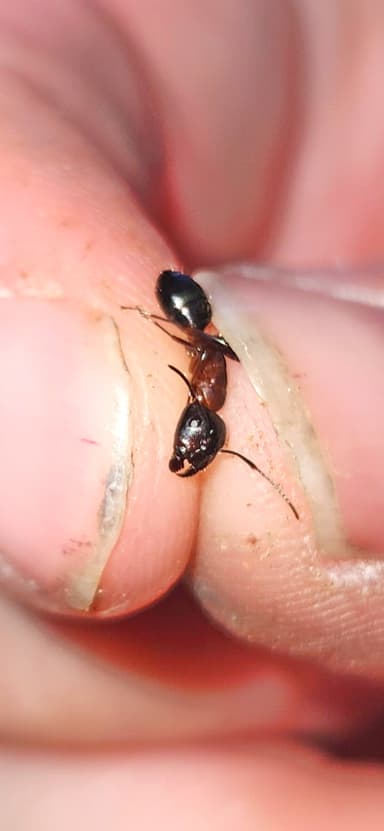
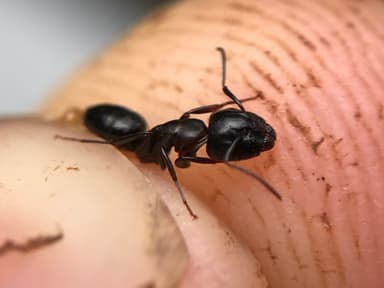
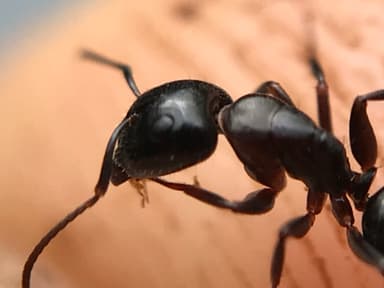
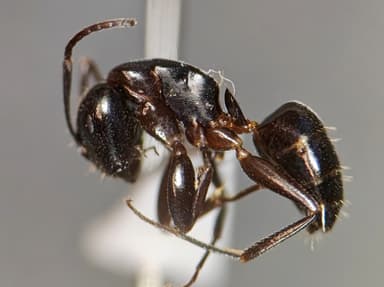
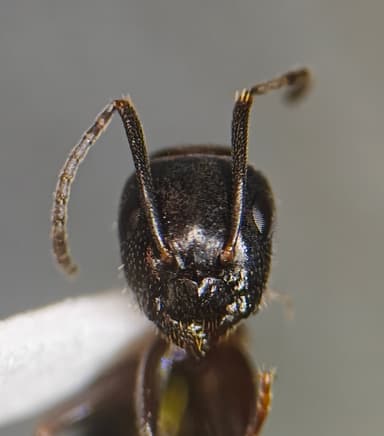
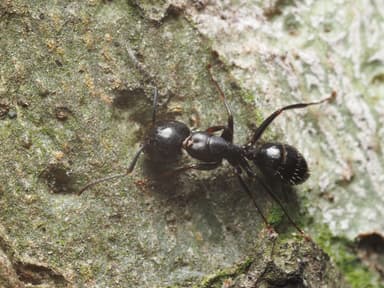
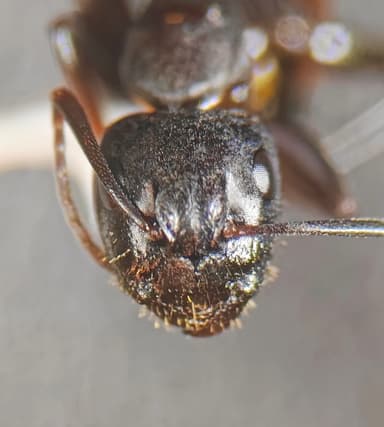
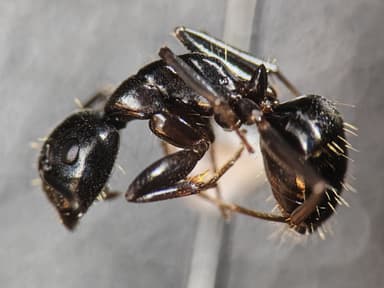
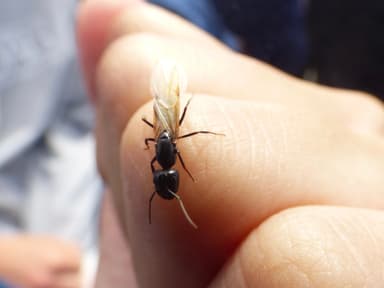
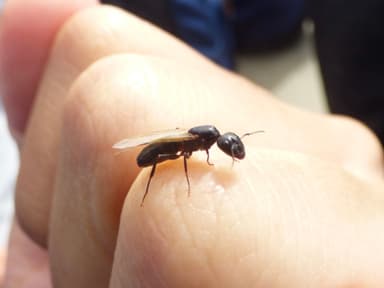
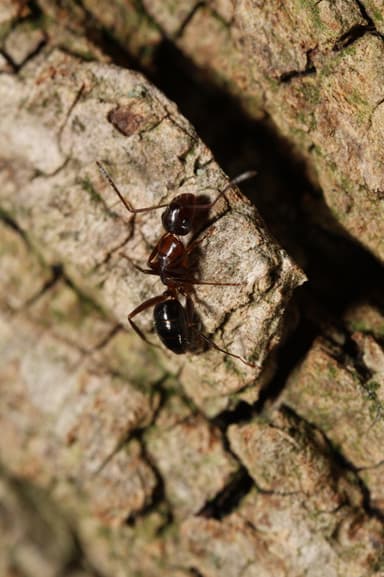
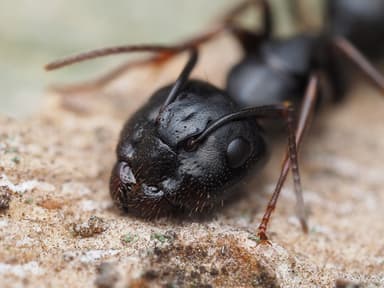
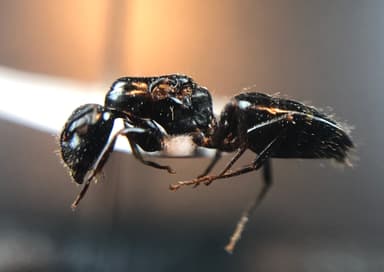
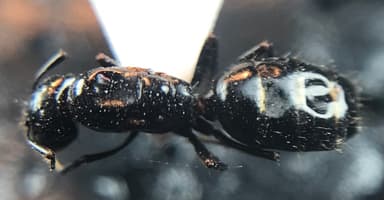
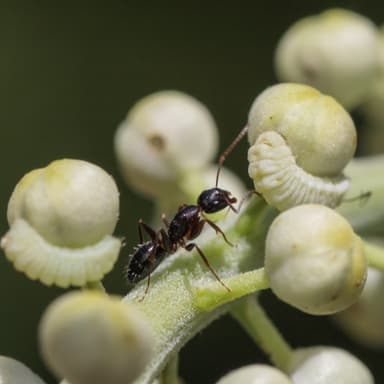
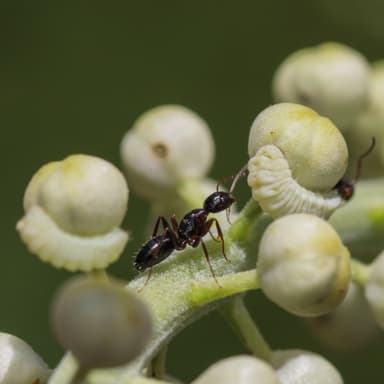
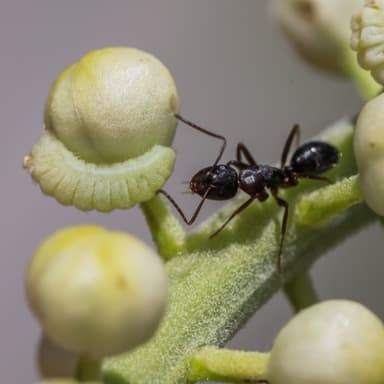
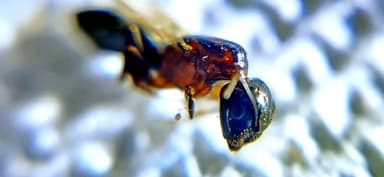
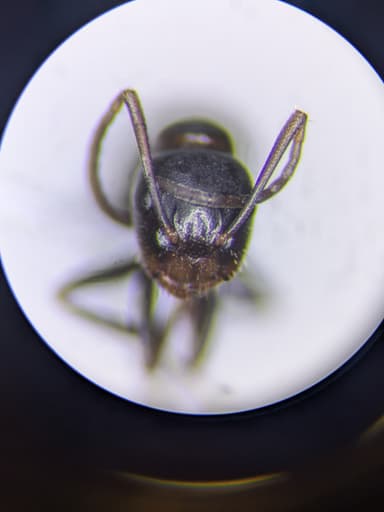
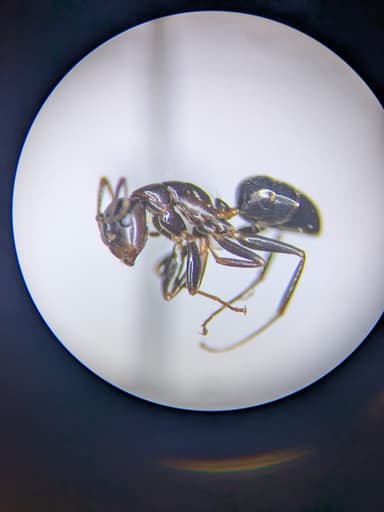
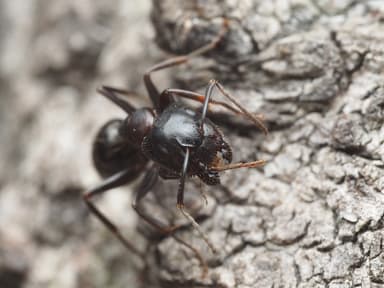
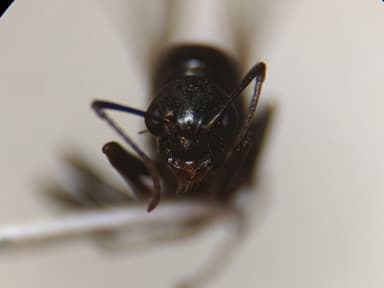
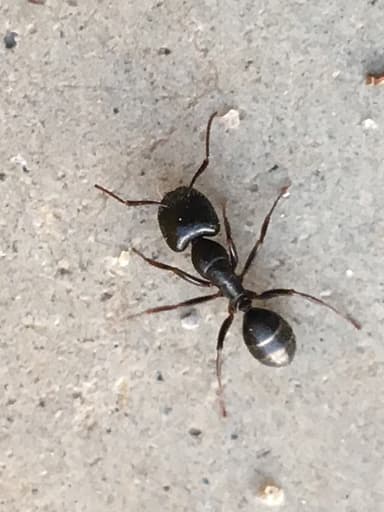
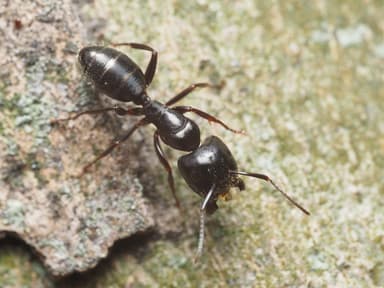
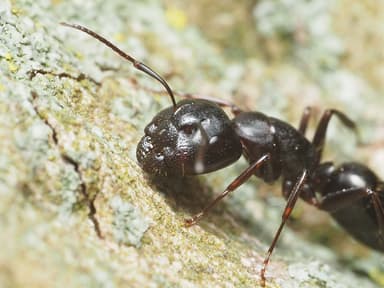
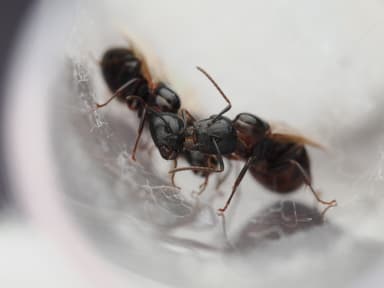
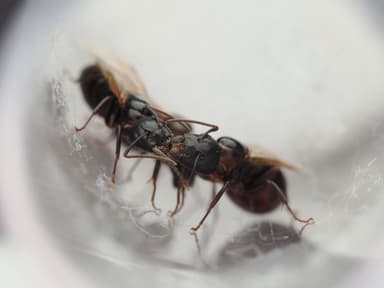
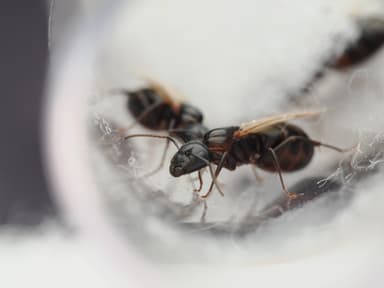
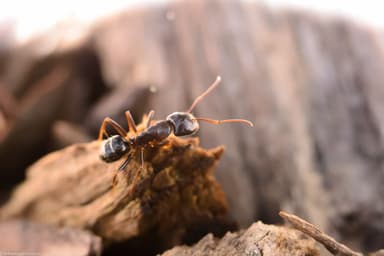
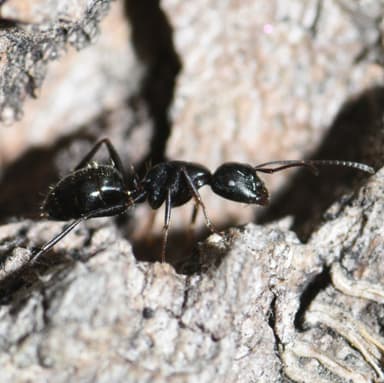
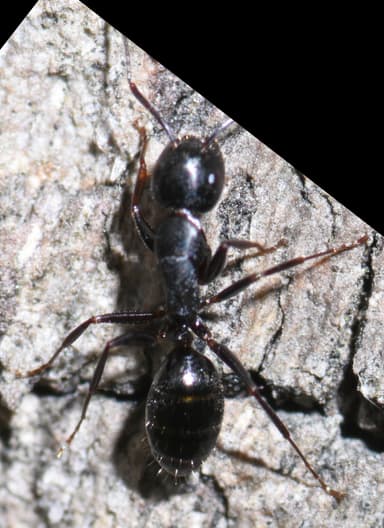
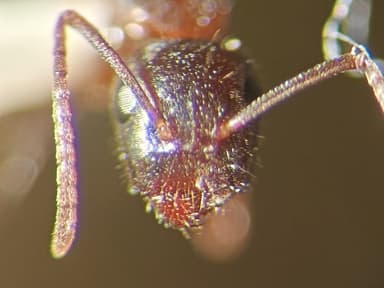
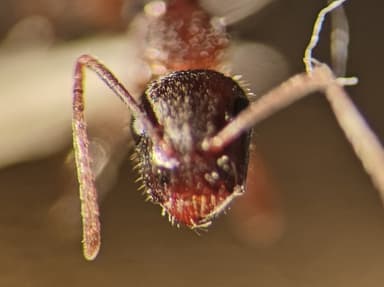
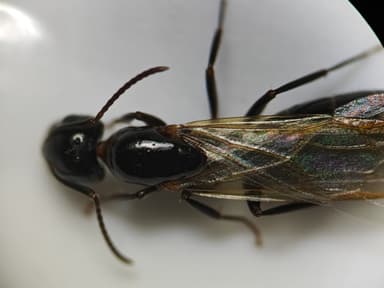
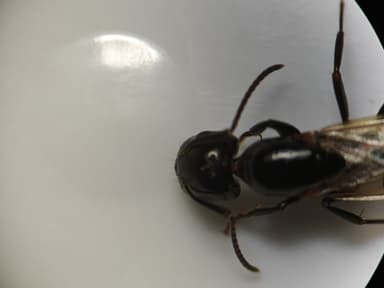
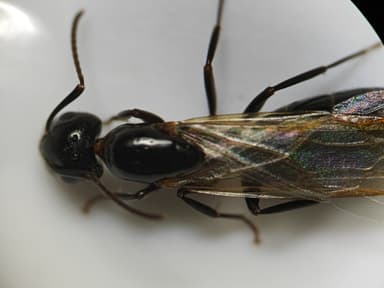
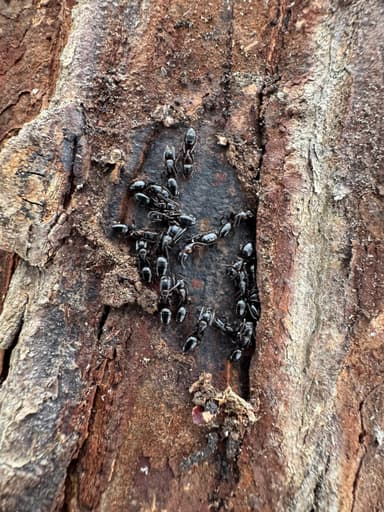
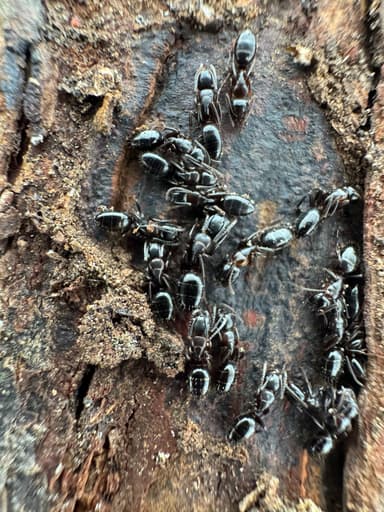
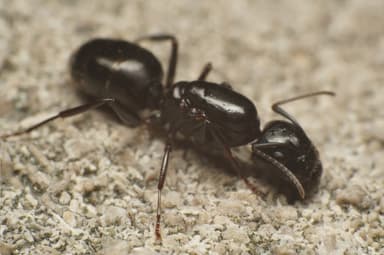
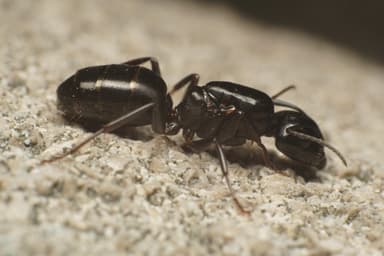
Camponotus caryae is a medium-sized carpenter ant native to the hardwood forests of eastern North America, ranging from the Great Lakes to the Gulf states. Queens are robust, measuring 9 to 11 mm, while the polymorphic worker caste spans 4 to 8 mm and includes two distinct forms: minor workers that handle most foraging and brood care, and large, broad-headed majors that defend the nest and can act as repletes. Their coloration is a rich, satiny reddish-brown on the head, mesosoma, and legs, contrasting with a darker, often blackish gaster, making them one of the more visually understated but elegant Camponotus in the region (Creighton 1950; Mackay & Mackay 2019). Colonies are claustrally founded and grow slowly at first, but mature nests can house up to 3,000 individuals. Like other carpenter ants, they excavate galleries in soft or decaying wood, an adaptation that gives them a special charm — and a requirement — in captivity: they genuinely enjoy chewing into wood, and providing natural burrowable material stimulates colony activity and reduces escape attempts.
With an intermediate care difficulty, Camponotus caryae best suits keepers who have successfully overwintered a temperate ant species and are comfortable maintaining stable temperature and humidity gradients. The species is not especially demanding day-to-day, but it will not thrive without a well-executed hibernation. Novices who start with a single queen can do well if they research the hibernation needs thoroughly, but the long winter rest can be a frustrating hurdle for the impatient. These ants are calm and relatively slow-moving, and their large size makes observing brood development a pleasure, yet they can be escape artists when colonies grow large and foraging areas are not perfectly sealed. Anyone equipped with a dedicated ant room or an escape-proof formicarium and a mini-fridge or cool basement for winter will find them a deeply rewarding long-term project.
Housing must accommodate their nature as wood-nesting ants. A combination nest of cork, ytong, or soft wood blocks with a hydration source works beautifully; colonies will excavate tunnels if given rotted oak or poplar, and watching minor workers remove tiny splinters is a constant delight. Temperature should be kept between 21°C and 27°C, with a gentle gradient so the ants can self-regulate. Maintain nest humidity at 50–70%, achievable by a water tower or a plaster nest section with a reservoir. Too dry, and brood development stalls; too wet, and the nest molds and ants retreat. The outworld can be dry except for a small waterer. A loose substrate of sand and fine soil in the foraging arena is optional but helps retain moisture, and a few chunks of bark or wood give the ants anchors to climb. Unlike many Camponotus, caryae is less tolerant of prolonged saturation, so a well-ventilated nest with a clear humidity gradient helps the colony choose the right microclimate.
A balanced diet fuels both growth and the production of large major workers. Offer a steady supply of protein twice a week: small crickets, fruit flies, mealworm pieces, or even chopped pinky mouse for large colonies. Protein is essential for larval development and allows the queen to ramp up egg-laying after hibernation. Carbohydrates should come from pure honey, sugar water, or ripe fruit — a tiny drop placed on a piece of foil prevents drowning. Fresh water must always be available, either from a test-tube setup in the initial stages or a dedicated water feeder. During active brood-rearing in summer, increase feeding frequency, but remove uneaten prey after 48 hours to prevent mold. Unlike some northern carpenter ants, C. caryae does not tend to require high-sugar “ant jelly” substitutes; natural honey and fruit juices work well and are greedily accepted (Mackay & Mackay 2019).
Hibernation is non-negotiable. In the wild, these ants retreat deep into their wooden nests from late October through February, and in captivity they require a similar 3- to 4-month diapause at a steady 8°C. Starting in late autumn, gradually reduce temperature and feeding over two weeks to empty their guts, then move the colony to a dark, cool space — a dedicated mini-fridge, an unheated garage, or a wine cooler. Do not let the nest freeze or desiccate; maintain a slight moisture gradient and check every few weeks that the water source hasn’t dried out. The colony will cluster together, queen and workers, barely moving. In early spring, warm them slowly to room temperature before offering their first insect meal, and within days you’ll see a flurry of egg-laying. Skipping or poorly executing hibernation often leads to a lethargic queen, low brood turnout, and a shortened colony lifespan (Creighton 1950).
The first days after receiving a founding queen or small colony set the tone for their future. Place the test tube or small founding chamber in a completely dark, quiet, vibration-free spot at around 24°C and resist the urge to check on them more than once every few days. Wait 24 to 48 hours before offering the first tiny drop of honey — not protein yet, as a stressed queen may ignore it, and a dead insect can quickly foul her tube. After a week, if she has settled and perhaps laid a few eggs, you can provide a pinhead cricket or a fruit fly fragment. Watch for signs of mold; if the cotton plug becomes soiled, gently offer a fresh tube connected by tape, and she will move on her own. Patience during this fragile settling phase pays off; a well-started colony will soon graduate to a small wood or plaster nest, launching the rewarding journey of watching these meticulous wood-carvers build their miniature empire.