Formica
Formica polyctena
Nuptial Flight Calendar
Flight months: Apr, May, Jun, Jul
Care Guide
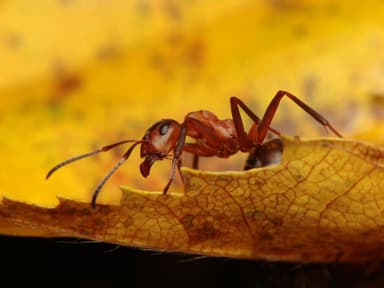
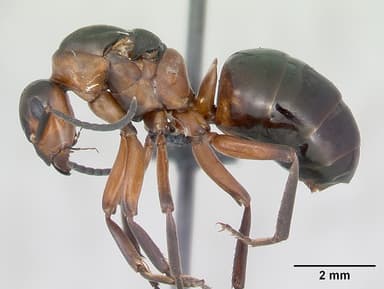
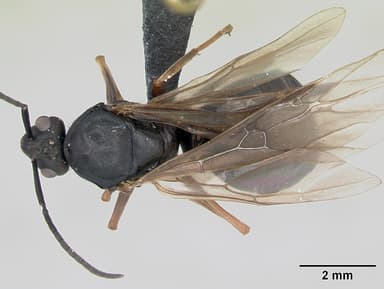
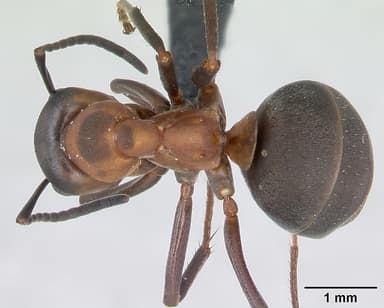
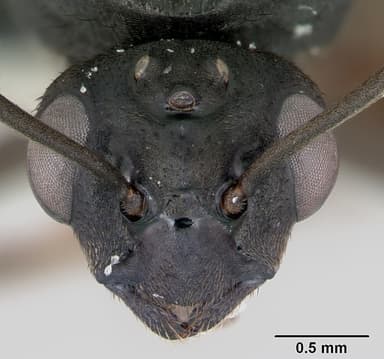
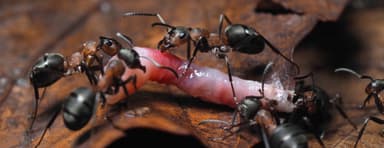
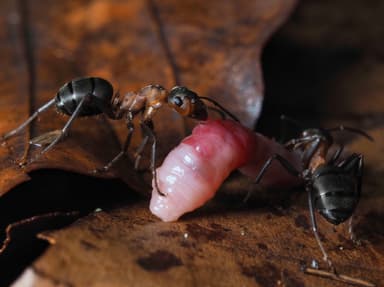
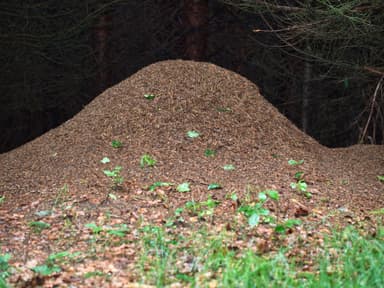
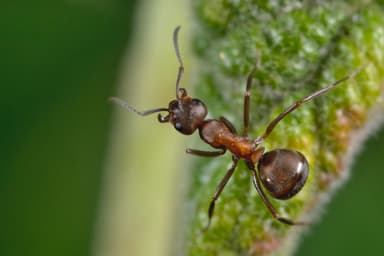
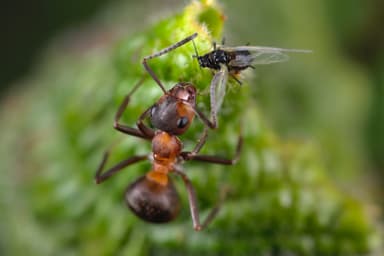
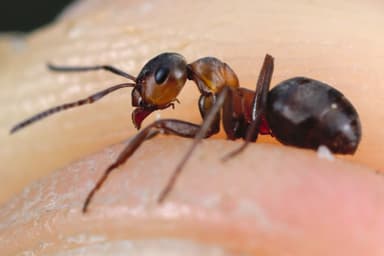
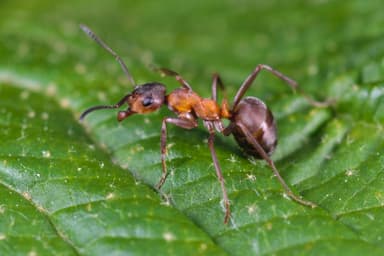
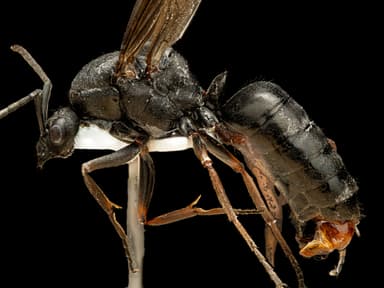
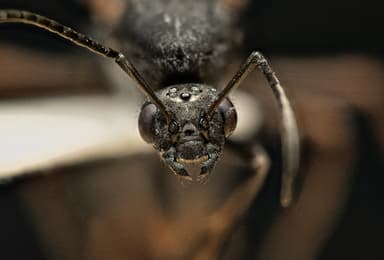
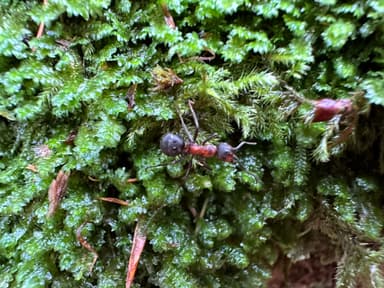
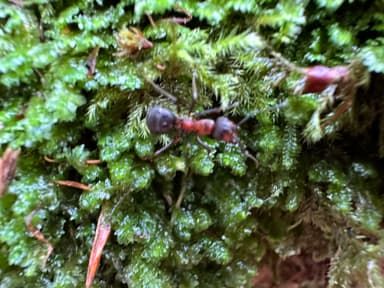
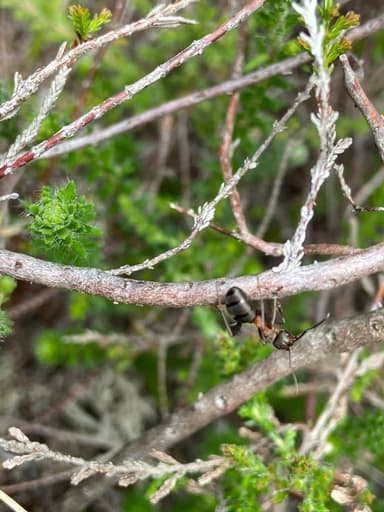
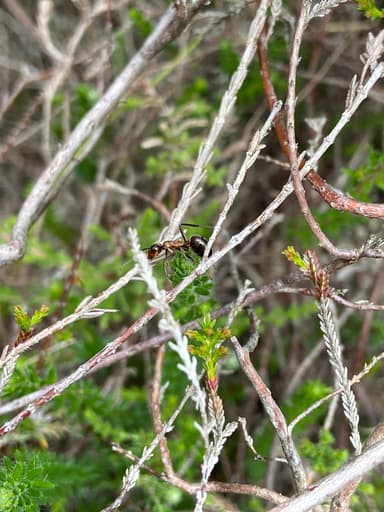
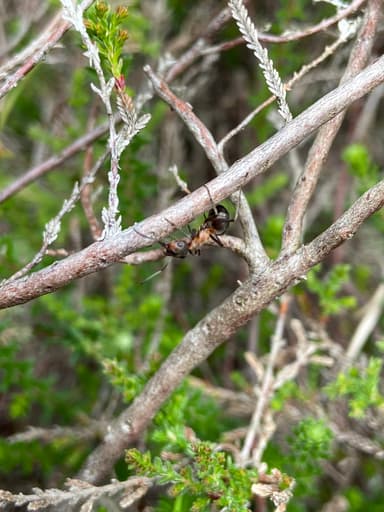
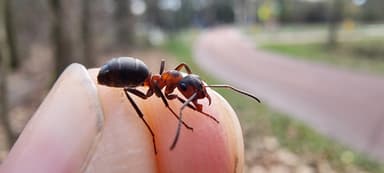
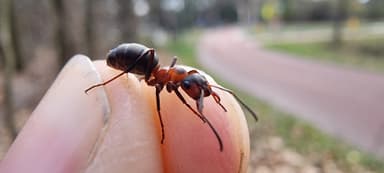
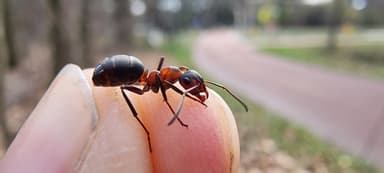
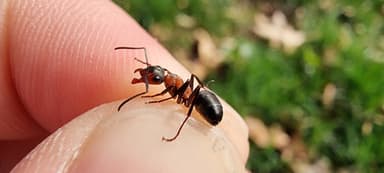
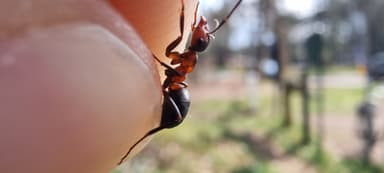
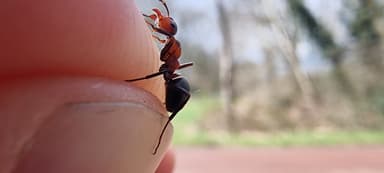
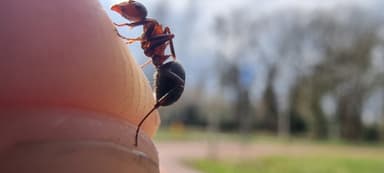
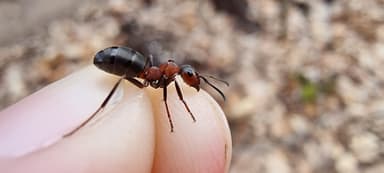
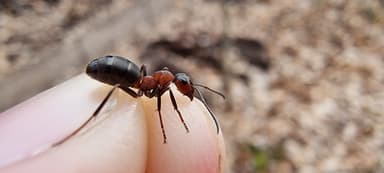
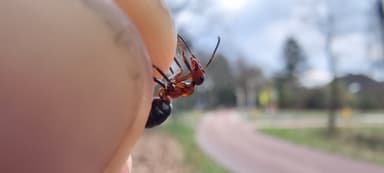
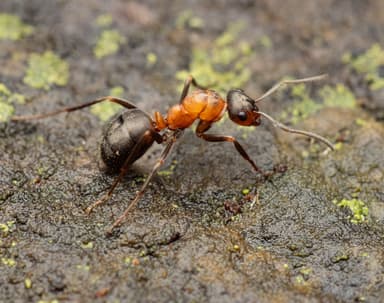
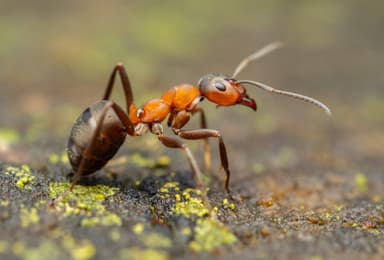
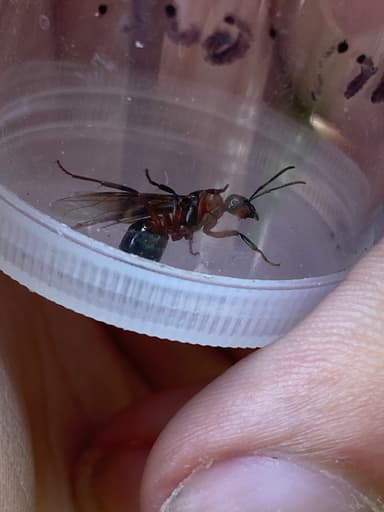
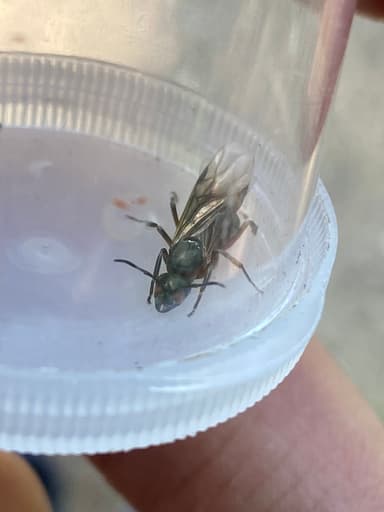
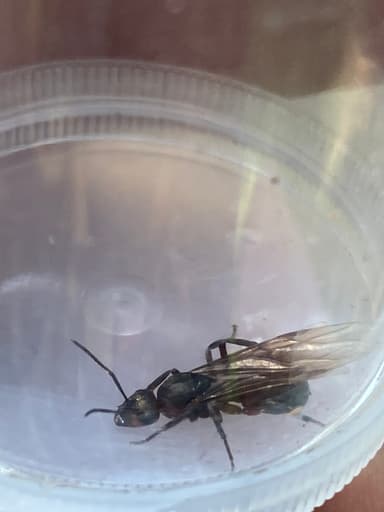
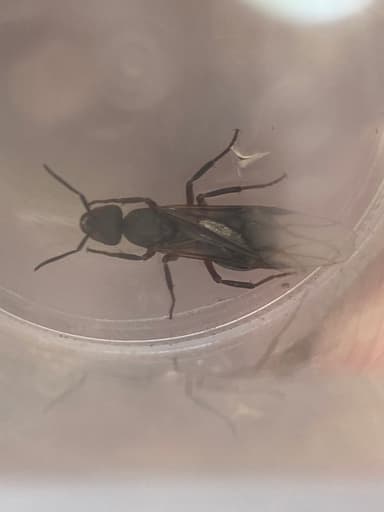
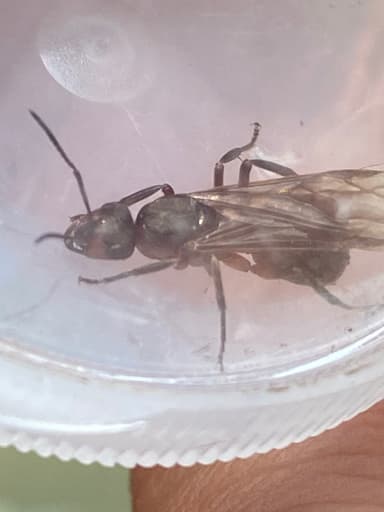
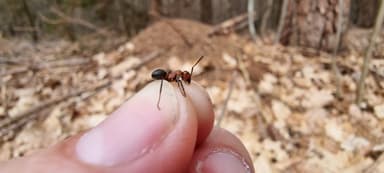
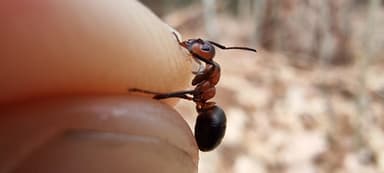
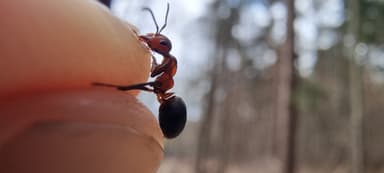
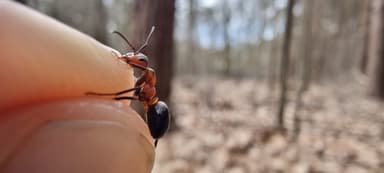
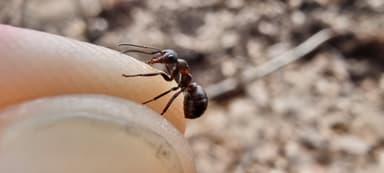
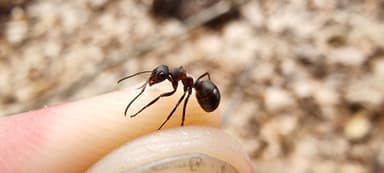
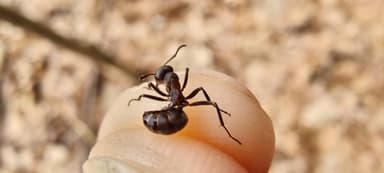
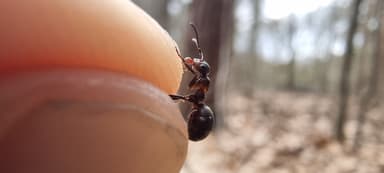
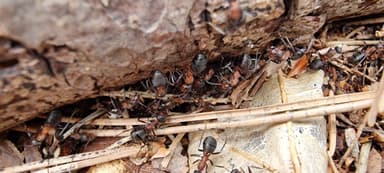
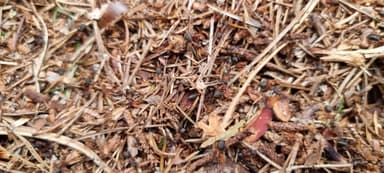
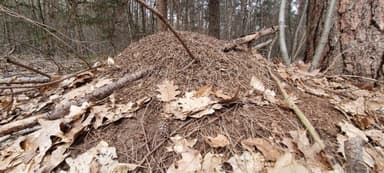
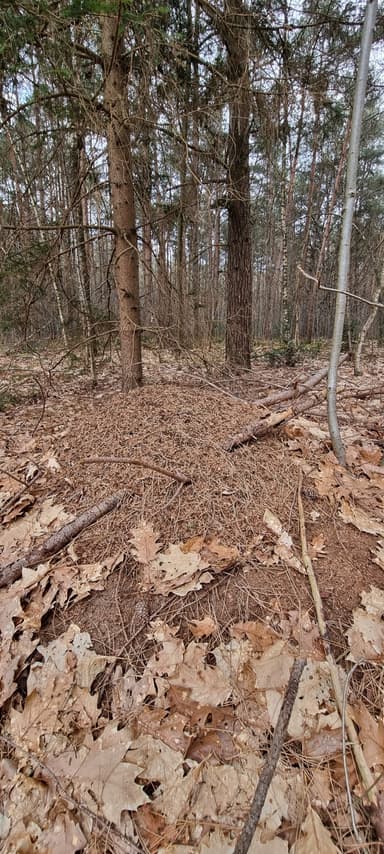
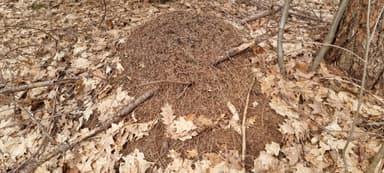
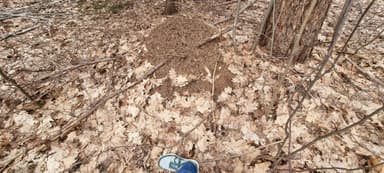
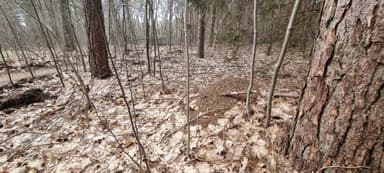
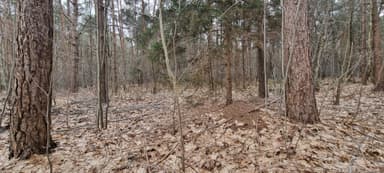
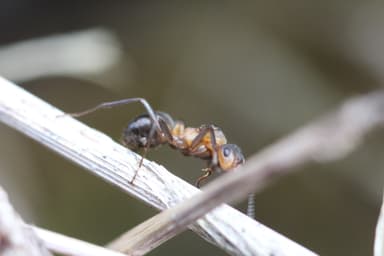
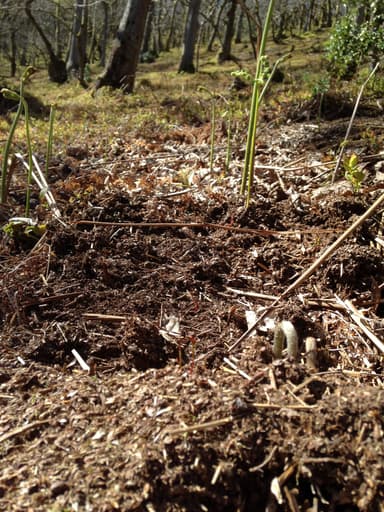
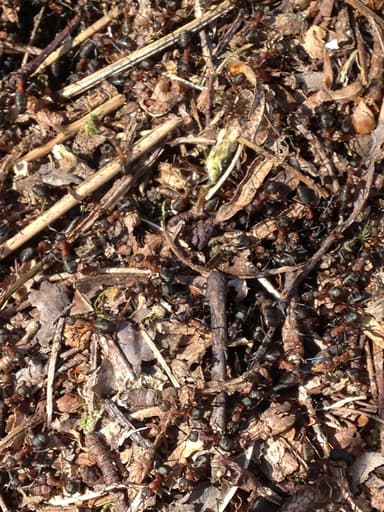
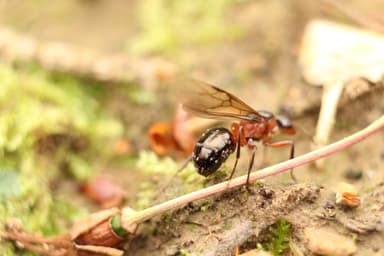
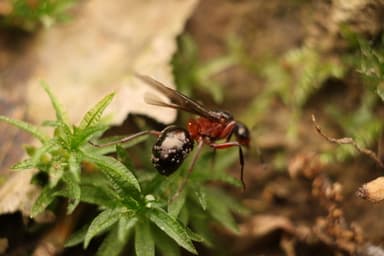
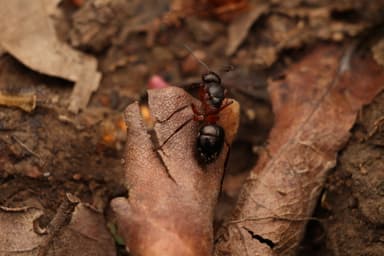
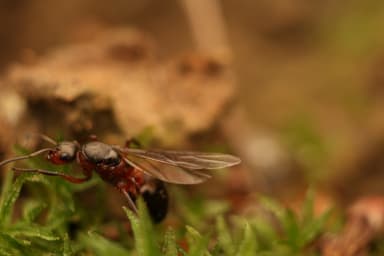
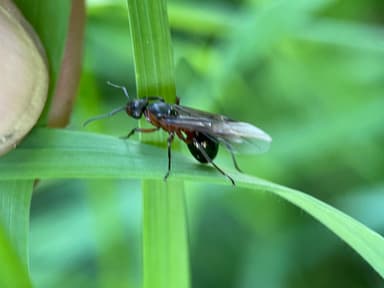
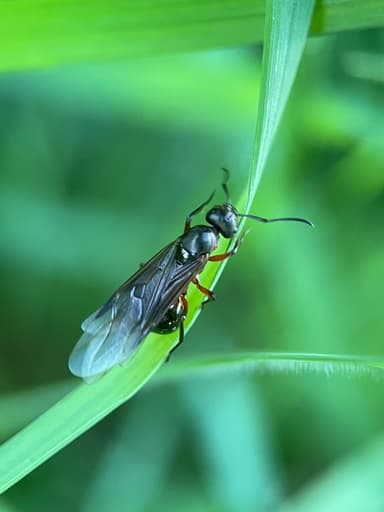
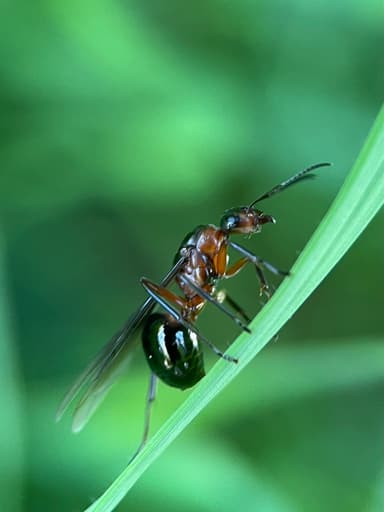
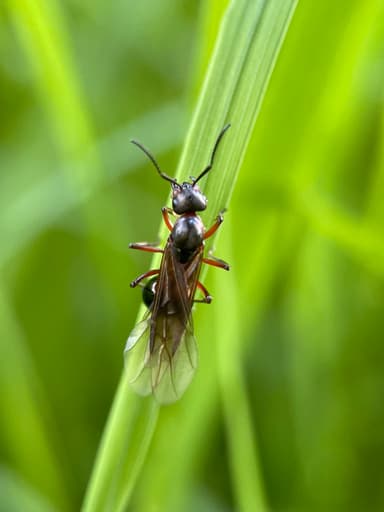
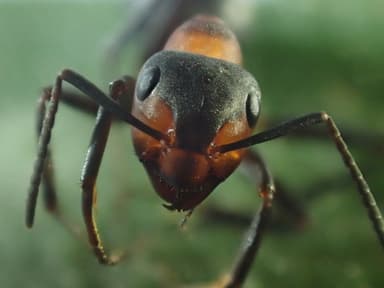
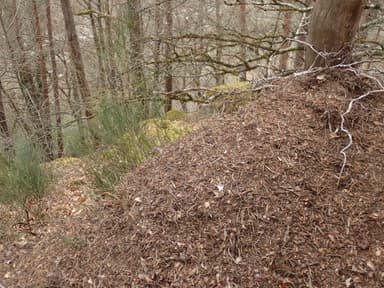
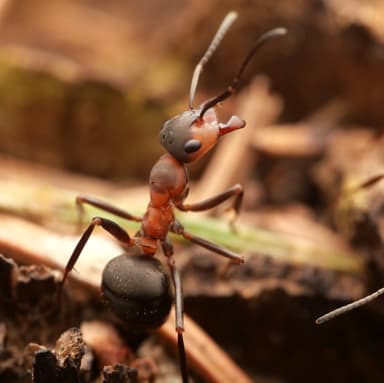
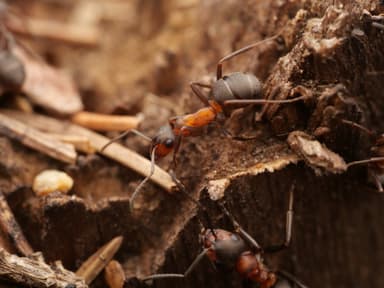
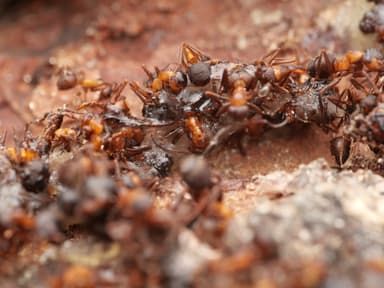
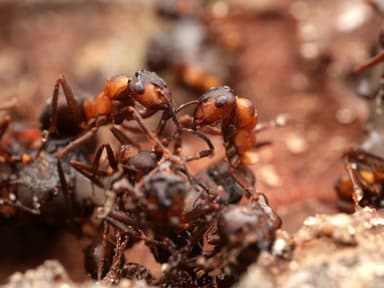
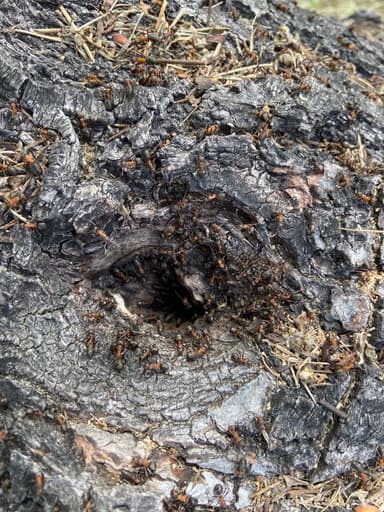
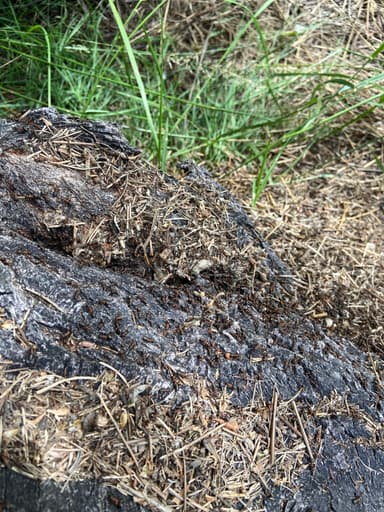
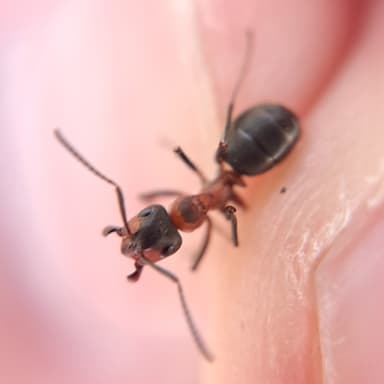
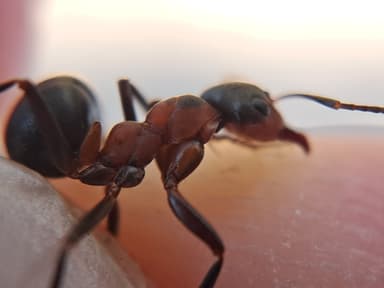
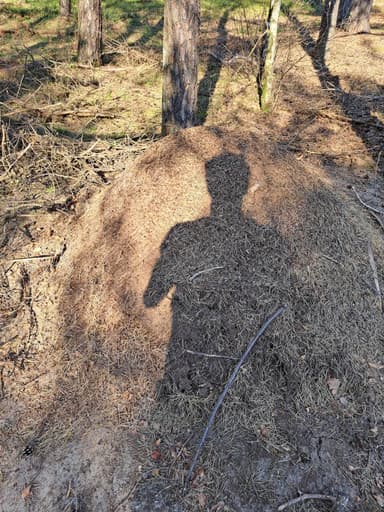
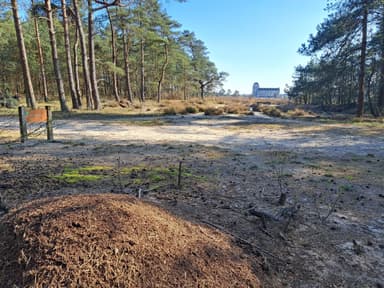
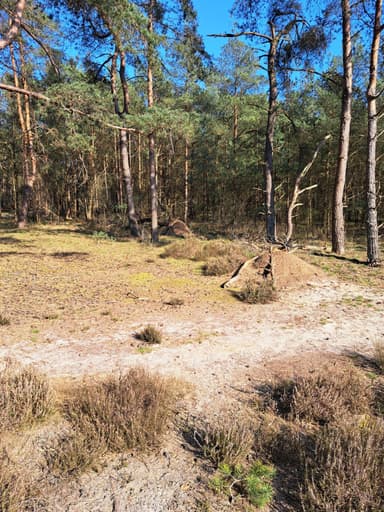
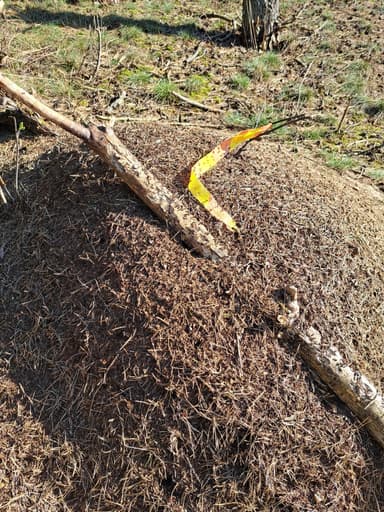
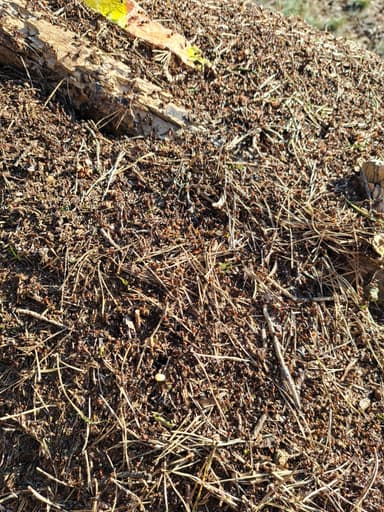
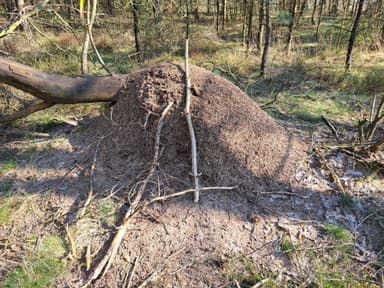
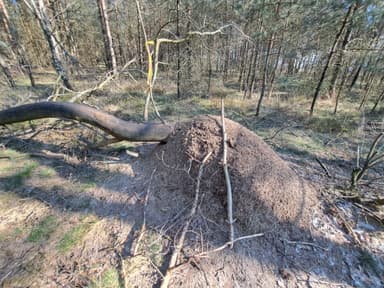
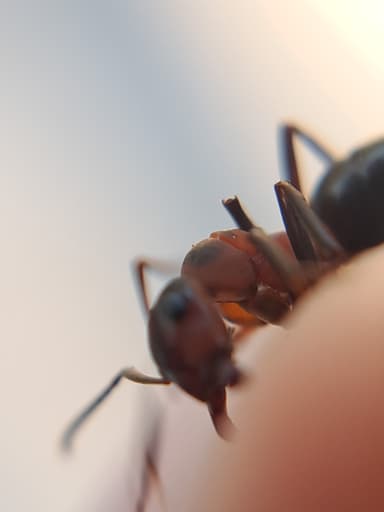
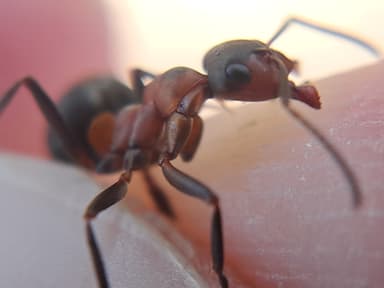
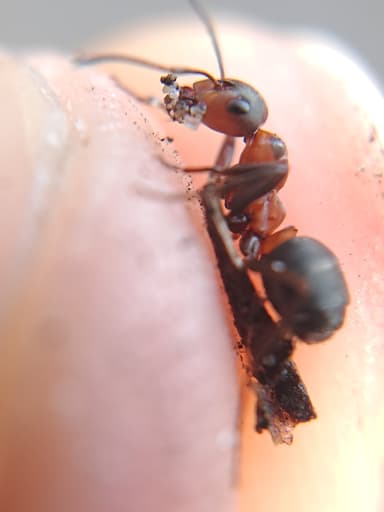
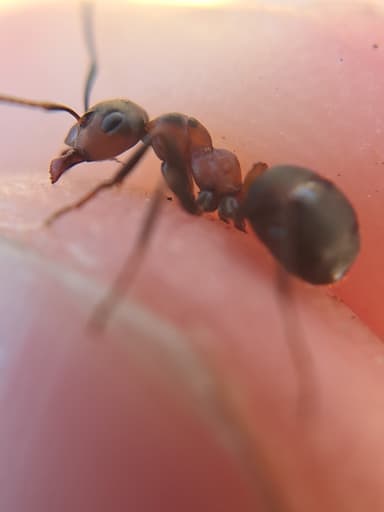
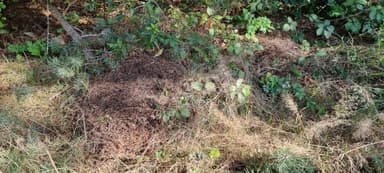
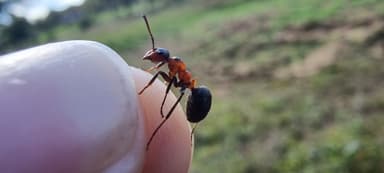
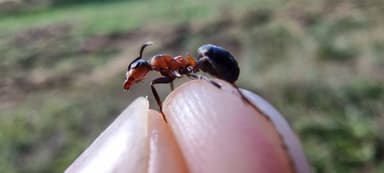
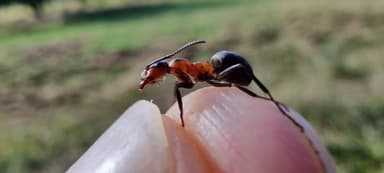
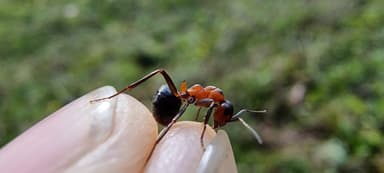
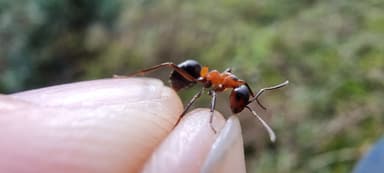
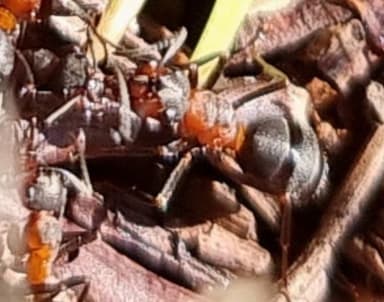
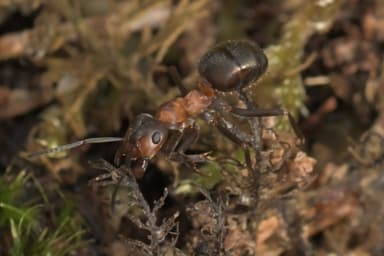
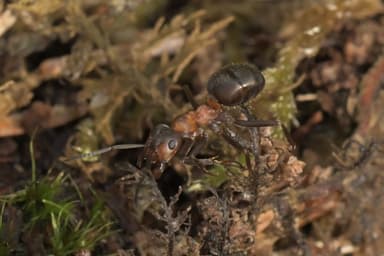
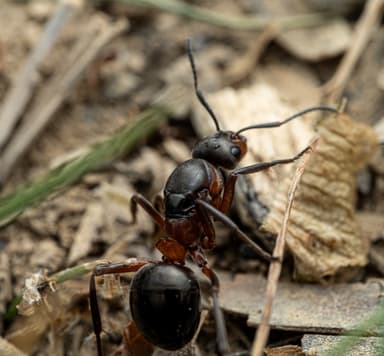
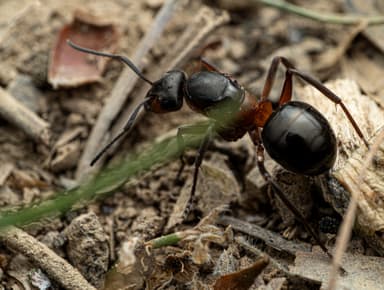
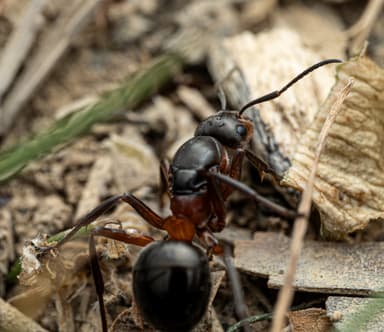
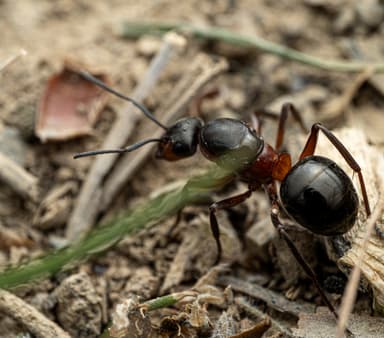
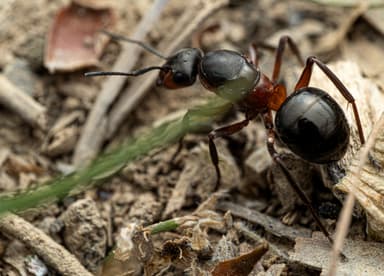
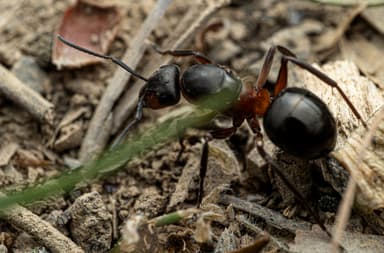
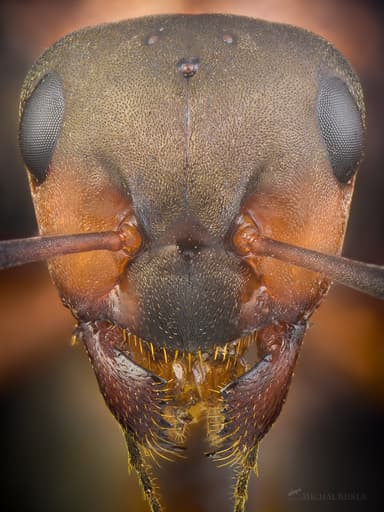
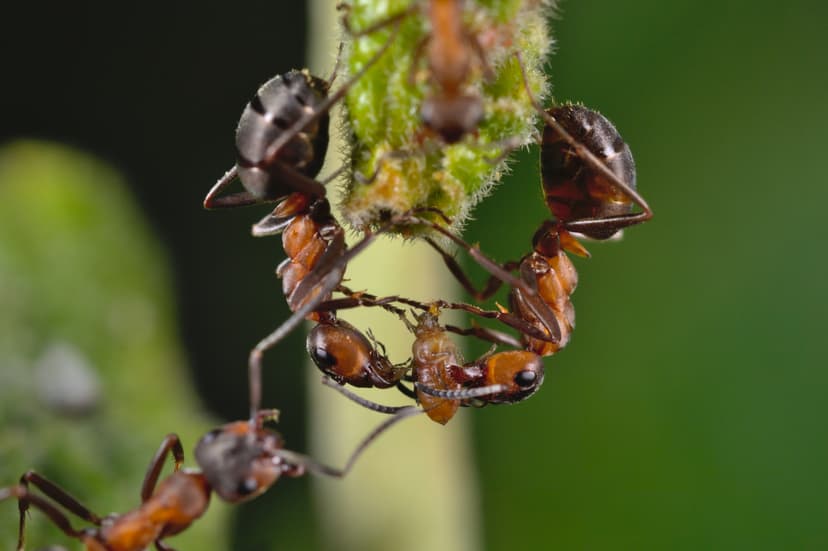
Formica polyctena, often called the European red wood ant, is a visually striking and ecologically significant species native to the boreal and temperate forests stretching from Western Europe to the Russian Far East (Seifert 2018). The workers are highly polymorphic, with minors as small as 4.5 mm and robust majors reaching 9 mm; both exhibit a shiny reddish-brown head and thorax contrasting with a darker gaster. Queens are more uniformly colored and notably larger, measuring between 9 and 11 mm. In the wild, mature colonies are polydomous superorganisms, frequently housing several hundred queens and up to a million workers across interconnected mound nests built from pine needles and soil (Gösswald 1989). This enormous workforce, combined with a highly developed system of cooperative brood care and trail communication, makes them a keystone predator in their habitat and a true spectacle for the dedicated keeper. Nuptial flights occur in Central and Northern Europe from May through July, typically on warm, sunny afternoons following rain, when alates take wing at temperatures above 20°C.
Caring for Formica polyctena is an undertaking reserved for expert myrmecologists. The species’ classification as an obligate social parasite demands that a newly mated queen must infiltrate a colony of a Serviformica host species (such as F. fusca or F. lemani) to rear her first brood, a process fraught with risk and requiring careful manipulation and observation (Seifert 2018). Even after successful founding, the colony’s eventual size—potentially several hundred thousand workers—requires an exceptionally large, secure, and well-ventilated setup, and their vigorous defense of the nest involves spraying formic acid, which can irritate skin and eyes. This ant is therefore suited only to the most seasoned keepers who have experience with social parasites, can provide a dedicated, large-scale formicarium, and are willing to manage the colony’s aggressive expansion over many years.
The ideal housing replicates the forest-floor conditions of their natural range. A spacious glass or acrylic nest with a deep substrate of sand-loam mixture is essential; the ants will use this material to construct their own internal chambers and, if given enough vertical space, a partial mound that aids in temperature and humidity regulation. Keep the nest area at a stable 18–28°C, with a gradient that allows workers to thermoregulate their brood, while maintaining ambient humidity between 50% and 70%—too low promotes desiccation, too high encourages mold. A large, escape-proof foraging arena is mandatory, as these ants are voracious and will aggressively explore every inch. Naturalistic setups with a layer of peat, moss, and pine needles help maintain humidity and provide nesting material, but be prepared for the colony to rearrange everything to its liking. The polydomous nature of wild colonies means that in captivity, linking multiple nest boxes via tubes can encourage more natural behavior and relieve congestion as the population explodes.
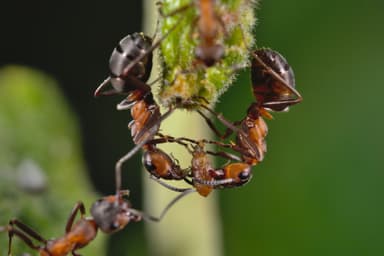
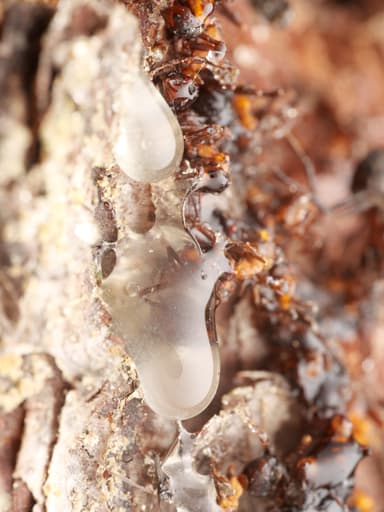
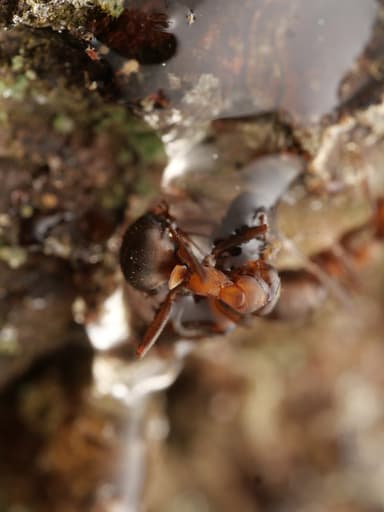
Feeding a colony of this magnitude is a daily commitment. Protein is paramount, especially during brood rearing; provide a constant supply of freshly killed or live insects such as crickets, mealworms, fruit flies, and roaches, adjusting the volume as the colony grows. Carbohydrates are equally important and are naturally sourced from aphid honeydew; in captivity, a diluted honey or sugar-water solution, changed frequently to prevent fermentation, mimics this diet. Always supply clean water via test tubes plugged with cotton, and consider supplementary hydration in the form of moistened sponges in the outworld if the nest seems dry. As the colony numbers swell into the thousands, you may need to feed large, whole prey items on a daily basis and even raise feeder insects yourself to keep pace with their relentless appetite.
An annual hibernation is non-negotiable for the long-term health of Formica polyctena. In the wild, the colony retreats deep into the mound for winter, where temperatures hover just above freezing. In captivity, you should gradually lower the temperature over several weeks until they remain at approximately 4°C for three to five months, typically from November into March. A dedicated refrigerator, a cold basement, or a wine cooler works well, but you must ensure the nest never freezes solid and retains some humidity to prevent workers from desiccating. Skipping or shortchanging this dormancy will result in a weak spring brood, increased queen mortality, and restless, short-lived workers, so plan your yearly cycle around it from the very beginning.
When you first receive a founding queen or a small starter colony, patience and minimal disturbance are your greatest tools. If you have acquired a mated queen without workers, she will need to be introduced to a small group of Serviformica host workers and their pupae; this is best done in a narrow tube with a dark nest area so she can acquire the colony odor (Seifert 2018). For an already established micro-colony, simply connect the transport tube to a prepared nest and arena, offer a shallow dish of sugar water and a small pre-killed insect, and leave them undisturbed in a dark, quiet place for at least 48 hours. Watch for the queen to begin laying eggs and for workers to accept her, indicated by grooming and feeding behavior. Avoid the temptation to check on them constantly; excess vibration and light during this fragile period can cause fatal stress, so use a red filter if you must observe. Once you see steady foraging and brood care, you can slowly transition to a normal care routine, always mindful that you are now the steward of one of nature’s most complex and demanding insect societies.