Cataglyphis
Cataglyphis savignyi
Nuptial Flight Calendar
Flight months: Apr, May, Jun
Care Guide
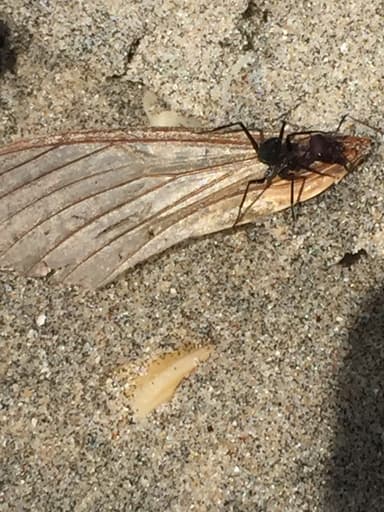
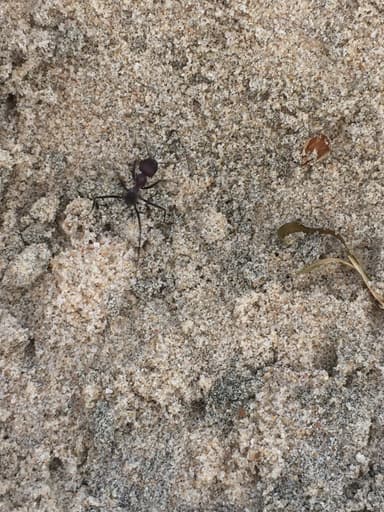
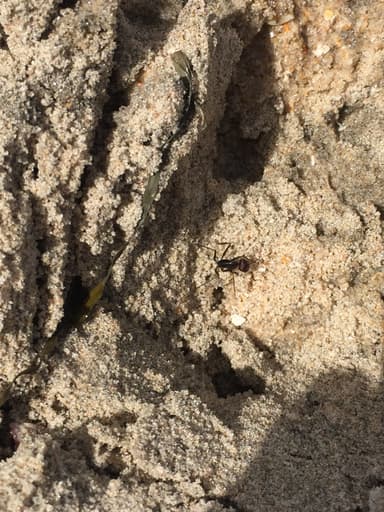
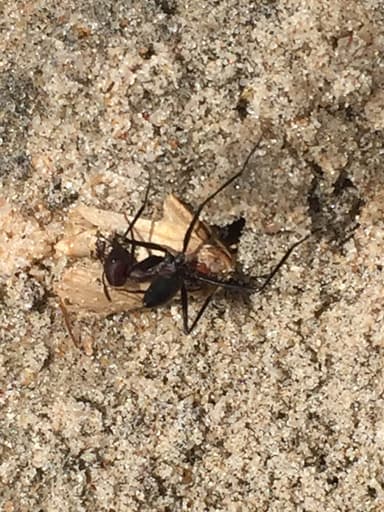
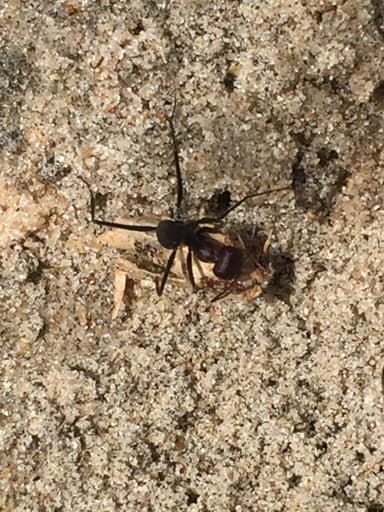
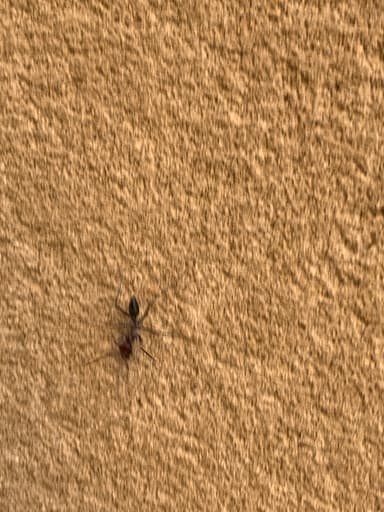
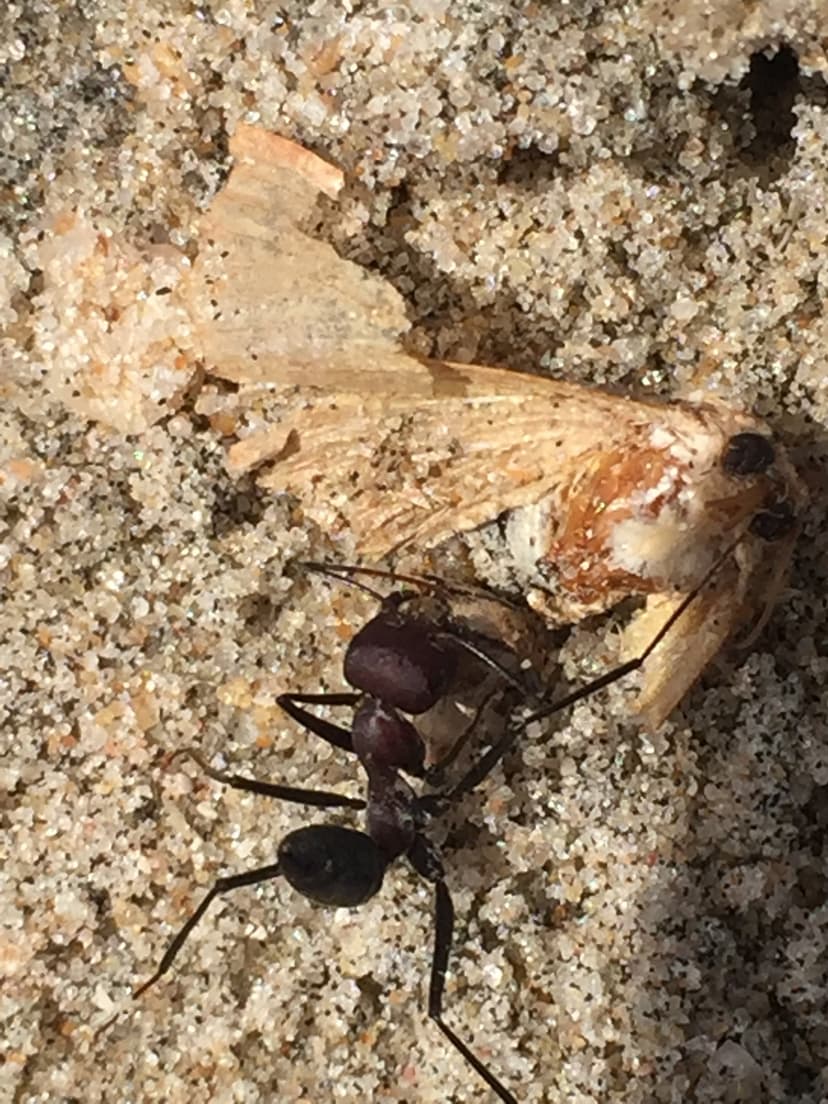
Among the most iconic desert ants of the Old World, Cataglyphis savignyi commands immediate respect. Queens measure 11–14 mm and workers display distinct polymorphism, with a minor caste as small as 6 mm and major workers reaching 12 mm, their long silver‑spangled legs and streamlined bodies perfectly adapted to the searing sands. Colonies may eventually number up to 5000 individuals, and founding is semi‑claustral, meaning new queens must actively forage to raise their first brood. The species ranges across North Africa and the Sinai, from roughly 22° to 31.5°N and 25° to 35.5°E (GBIF occurrence records), where it thrives in hyper‑arid gravel plains and dune fields. What makes C. savignyi truly fascinating is its legendary thermophily: workers forage at the peak of the day when surface temperatures can exceed 60°C, navigating vast distances using a celestial compass and path integration that has been the subject of decades of research (Wehner 1983). This combination of extreme heat tolerance, visual navigation prowess, and a semi‑claustral founding strategy places the ant in a league of its own among hobbyist species.
Care difficulty is unequivocally expert. Cataglyphis savignyi demands precise environmental control and an intimate understanding of xeric microhabitats, making it unsuitable for beginners or even many intermediate keepers. You will be replicating a slice of the Sahara, where a momentary spike in humidity or a poorly ventilated nest can rapidly trigger fungal outbreaks or drown workers. These ants are also escape artists of the highest order: they can sprint up glass and squeeze through minute gaps, so enclosures must be fortress‑grade. This species is best suited to myrmecologists with several years of experience keeping desert‑adapted ants, particularly those who have mastered heat gradients and ultra‑low humidity regimes. If you are comfortable building custom arid vivariums and can monitor conditions daily, C. savignyi will reward you with unparalleled behavioral spectacles, but the margin for error is razor‑thin.
Housing must revolve around one principle: aridity. A dry nest is non‑negotiable. The best options are either a plaster or gypsum nest block that can absorb any accidental moisture, or a deep sand‑filled basin that allows the ants to dig their own chambers. Crucial is a strong temperature gradient spanning the species’ full range of 22–40°C. Position a heat source—such as a ceramic lamp or heat cable—at one end to create a basking spot reaching the upper 30s Celsius, while the opposite end remains around 22°C. This lets the ants thermoregulate exactly as they would on a desert dune. Humidity must be kept between 20% and 50% at all times; do not mist the nest, and ensure the outworld is equally dry. A thin layer of fine sand or a sand‑clay mixture in the foraging arena mimics their natural substrate and aids traction. Ventilation is paramount: multiple fine‑mesh screens prevent stale air pockets. Provide a water source only in the outworld, such as a test tube with a cotton plug, but keep the nest itself bone‑dry. The design should allow you to observe the colony without constantly opening the lid, as even a brief escape can lead to the loss of these swift, heat‑seeking runners.
Diet for C. savignyi mirrors their scavenging‑nectarivorous wild habits. In their Saharan home, workers harvest dead arthropods and collect sugary exudates from plants, a dual strategy that you must replicate. Offer freshly killed insects—crickets, small cockroaches, flies—several times a week, cutting them to sizes appropriate for the colony’s current needs. Protein is especially critical for brood development. Carbohydrates should come in the form of a tiny droplet of sugar water or diluted honey placed on a piece of foil or a shallow feeder; never leave free‑standing liquid that could trap ants. Remove uneaten insect fragments after 24 hours to prevent mold, a perpetual risk in a warm dry setup where even a speck of rot can taint the microclimate. Although they obtain much of their water from prey, always keep a cotton‑stoppered water tube available in the outworld. These ants are extremely efficient at water conservation, and you will rarely see them drinking, but the option must be there.
No hibernation or diapause is required. Coming from regions with mild winters and hot summers, C. savignyi remains active year‑round as long as temperatures stay within their operational range. You can maintain the same gradient without seasonal chilling. Some keepers introduce a minor nighttime drop of a few degrees to mimic natural diurnal cycles, but this is not mandatory. The key is never allowing the colony to experience cold below 20°C for extended periods, as they lack any physiological preparation for dormancy. Keep them warm, dry, and well‑fed, and they will continue to forage and rear brood without interruption.
The first days after purchase are the most delicate, especially if you receive a founding queen. Because C. savignyi is semi‑claustral, the queen must be housed in a small founding chamber—a test tube filled with dry sand or a tiny plaster nest connected to a miniature outworld. Offer a temperature of 28–30°C immediately. Place a freshly killed fruit fly or a tiny piece of mealworm and a minuscule droplet of sugar water in the outworld; the queen will emerge to feed, often within hours. She cannot rely solely on her wing‑muscle reserves and will perish if not fed. Check daily, removing uneaten food and keeping disturbance minimal. Once she settles, she will begin laying eggs, and the first workers—the nanitic minor caste—should eclose after several weeks. At this point you can increase prey size and frequency, moving the colony to a larger setup only when worker numbers reach roughly 20–30. Watch closely for early signs of stress: if the queen constantly tries to escape or refuses food, review your temperature and ventilation. Stagnant air or a single damp corner can be fatal. With calibrated patience, you will witness a true desert specialist unfold its breathtaking life history in your own living room (Agosti 1990, AntWiki, AntWeb).