Brachyponera
Brachyponera chinensis
Nuptial Flight Calendar
Flight months: Apr, May, Jun, Jul, Aug, Sep, Oct
Care Guide
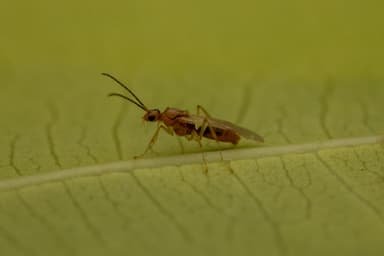
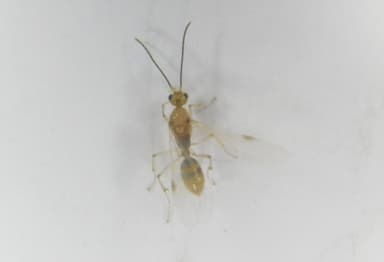
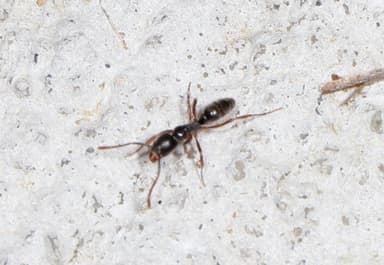
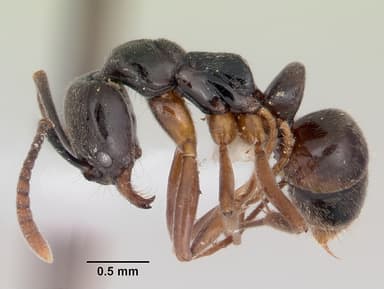
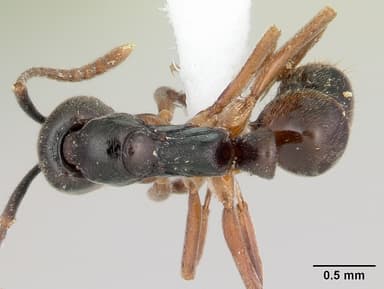
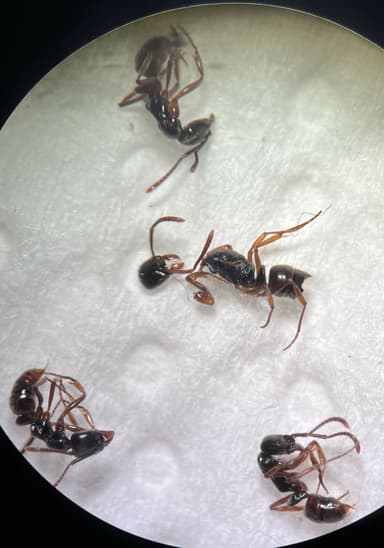
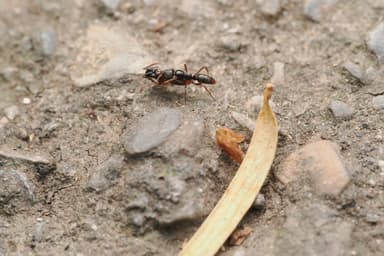
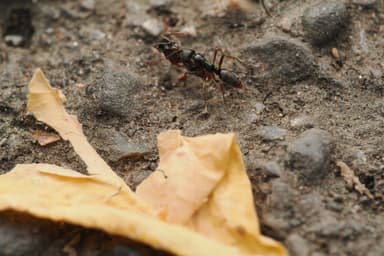
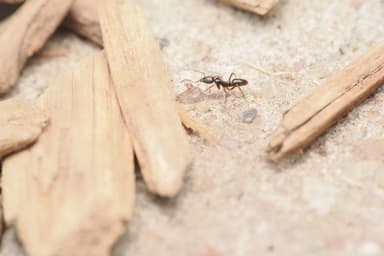
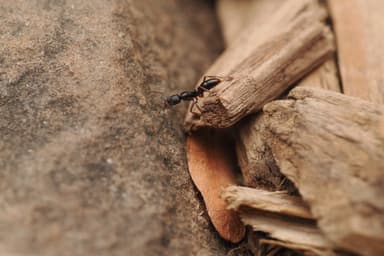
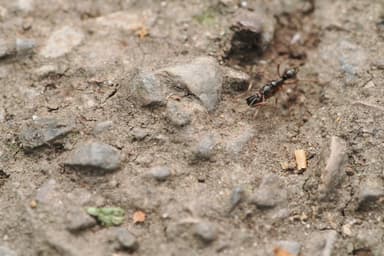
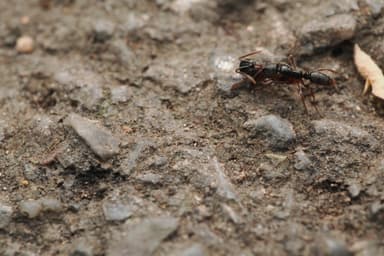
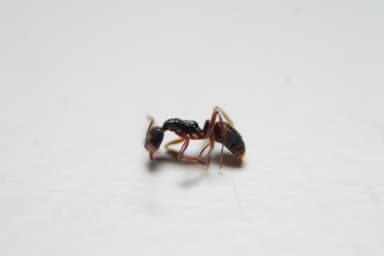
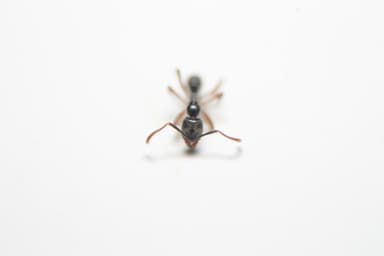
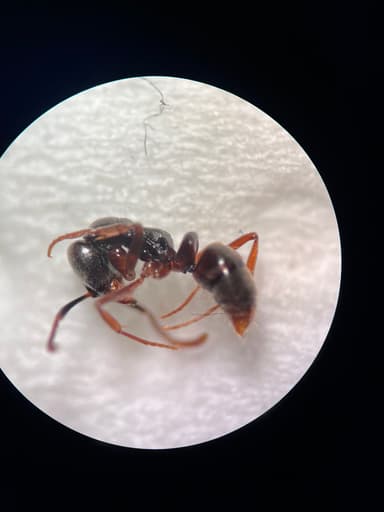
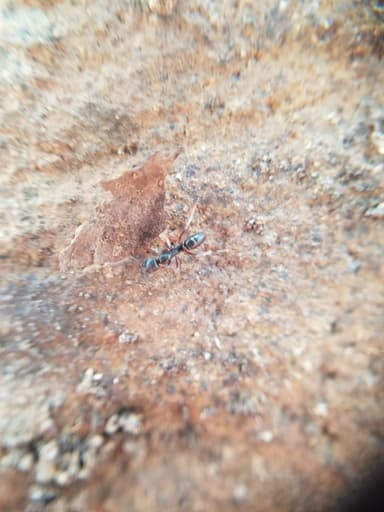
Brachyponera chinensis, often called the Asian needle ant, is a sleek and predaceous ponerine ant that has captured the attention of myrmecologists and hobbyists alike. Workers are a uniform dark brown to black, slender, and measure 3.5 to 4.5 mm in length, while the queens are more robust at 6.5 to 7.5 mm. Despite their small size, these ants possess a notably painful sting that they deliver with a flexible gaster, a trait they use effectively to subdue prey. Colonies are monomorphic, with only a single minor-worker caste, and can grow to around 5,000 individuals under optimal conditions (AntWiki). The species is claustral, meaning newly mated queens can rear their first brood in isolation without foraging, a convenience for founding setups. Much of the excitement around B. chinensis stems from its ecological role as a invasive predator, particularly its specialized appetite for termites (Bednar & Silverman 2011). Native to East Asia—Japan, China, and Korea—it has become well-established in the hardwood forests of the southeastern United States, where its nests in rotting wood and leaf litter have drawn concern from ecologists (Guénard & Dunn 2010; Nelder et al. 2006).
This is a species best suited to keepers with an intermediate level of experience. The care difficulty rating stems not from complex husbandry but from the ant’s escape potential and its willingness to use a powerful sting when disturbed. Securing a tight-fitting lid or a reliable barrier of liquid PTFE is non-negotiable, as these slender ants exploit the smallest gaps. Hobbyists who enjoy observing active predatory behavior and can respect the ant’s defensive nature will find them a captivating subject. First-time ant keepers might be better served by a more forgiving species, but for anyone fascinated by termite-specialist predators or the biology of invasive ants, B. chinensis offers a window into these themes right on the desk.
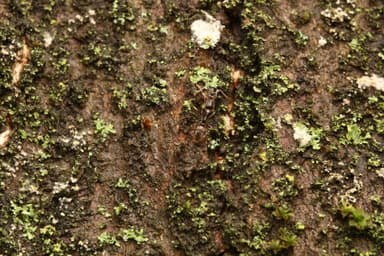
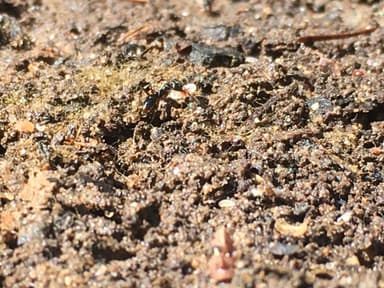
Housing for B. chinensis should replicate the warm, humid microhabitats they favor in the wild. They naturally nest in decaying wood, under loose bark, or in soil cavities (AntWeb). In captivity, a plaster, grout, or ytong nest with a hydration reservoir works well, as it allows you to maintain the recommended 50–70% humidity gradient while giving the ants a surface to sculpt. Temperature should be kept between 20°C and 28°C, with the warmer end encouraging brood development. A heat cable or mat applied to one side of the nest creates a thermal gradient that the colony can choose from. The nest should be connected to a foraging arena that is thoroughly escape-proofed; even a thin layer of talc or liquid PTFE along the rim, combined with a tight lid, is prudent. While not essential, a layer of coconut coir or sand in the arena will mimic their natural leaf-litter habitat and provide additional structure for hunting.
Feeding this species is where the interaction becomes truly engaging. As specialist predators of termites (Bednar & Silverman 2011), they will readily accept live termites—Reticulitermes species are particularly relevant—which can often be sourced from pet suppliers or wild-collected with caution. If termites are unavailable, substitute live or freshly killed insects such as small crickets, fruit flies, or mealworms; the colony will also scavenge on pieces of cut protein. Carbohydrates should be offered in the form of a small droplet of honey‑water, sugar‑water, or even fresh fruit, but note that Brachyponera tend to be less interested in sweets than more generalized ants. Provide a constant source of clean water, either through a test-tube waterer or by dampening a cotton ball in the outworld. Feed workers a few times per week, adjusting quantities based on how quickly prey is consumed and the number of larvae present—hungry larvae stimulate active foraging.
A mandatory hibernation period is required to maintain long-term colony health. In their native range, temperatures drop during winter, and the ants enter a diapause. The care data recommend a hibernation temperature of approximately 10°C, sustained for 3–4 months. In practical terms, you can gradually reduce the nest temperature starting in late autumn (e.g., by moving the setup to an unheated garage or a dedicated wine cooler) and keep it steady at around 10°C until early spring. During this time, activity will almost cease; the workers should not be disturbed, and feeding is unnecessary, though hydration must still be available. This cold rest period is crucial for resetting the queen’s egg-laying rhythm and ensuring the colony thrives in the following year.
When your Brachyponera chinensis colony arrives, the first few days are all about quiet acclimation. Transfer the test tube and any workers gently into the prepared formicarium, avoiding any strong vibrations or bright lights. For the first 24 hours, simply keep the setup dark and at the target temperature and humidity, offering nothing but the hydration they already have. On the second day, place a minute drop of sugar water and a decapitated fruit fly near the nest entrance, then leave them undisturbed. Watch for signs of settling: workers will explore the arena calmly rather than racing in search of an exit, and the queen will remain inside the nest. If workers seem agitated or repeatedly test the barrier, double-check your escape-proofing and consider adding more humidity to the nest. During this sensitive period, resist the urge to observe them for long stretches; once they accept the first meal and begin returning to the nest with food, you’ll know they are on the right track.