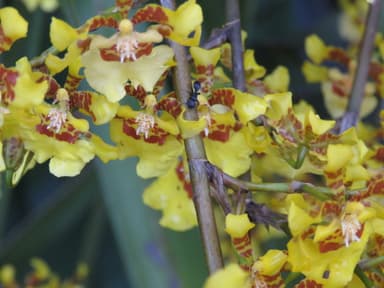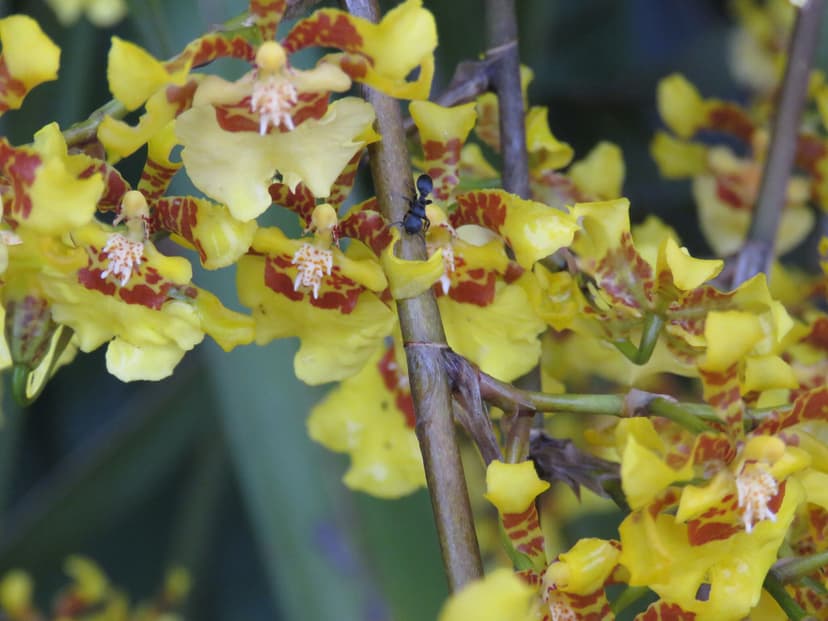
Procryptocerus
Procryptocerus scabriusculus
Care Guide
Procryptocerus scabriusculus may not be the flashiest ant in the hobby, but this Neotropical gem rewards patient keepers with a fascinating glimpse into the life of an arboreal specialist. The queen, measuring 5 to 6 millimeters, is only slightly larger than her workers, which range from 3 to 4 millimeters. Despite their modest size, these ants possess a distinctly sculptured, rough-textured exoskeleton that gives them a prehistoric appearance—a feature that often goes unnoticed until you take a magnifying glass to the nest. Colonies remain modest, typically reaching 100 to 500 workers, which makes them ideal for keepers who want a manageable yet engaging species without the space demands of larger colonies.
One of the most charming aspects of Procryptocerus scabriusculus is their foraging behavior. These ants are graceful, deliberate explorers that move with a careful, almost cautious gait. They are not aggressive foragers, but they are persistent and will methodically harvest sugar water, honeydew, and small insect prey. Their diet is straightforward: offer them a variety of feeder insects such as fruit flies or small crickets, alongside a reliable source of sugars. They accept honeydew and sugar water equally well, and a balanced protein-to-sugar ratio keeps the colony thriving.
Care difficulty
Keeping Procryptocerus scabriusculus is best suited for keepers with some experience under their belt. While their founding is claustral and therefore low-maintenance in the initial phase, the colony’s sensitivity to environmental conditions and their slower growth rate mean that patience is a must. They do not hibernate, which simplifies year-round care, but maintaining stable warm temperatures and high humidity is essential. Beginners may find the need for constant moisture regulation a challenge, but for those with a hygrometer and a willing hand, it becomes second nature.
Housing
An ideal formicarium for Procryptocerus scabriusculus mimics their natural dead-wood habitat. A setup with a naturalistic substrate, cork bark, or softwood inserts works wonderfully. The most critical factor is humidity: a consistent level of 70 to 80 percent must be maintained, especially in the nest chamber. Dry conditions quickly stress the colony and can halt brood development. Temperature should stay within 24 to 28 degrees Celsius year-round. These ants appreciate peace and low vibration, much like many other slow-growing species, and do best when the nest area is kept dim and undisturbed. An outworld with good ventilation and a shallow water source completes the setup.
First days after purchase
Upon receiving your colony, transfer them gently into their prepared nest and place the formicarium in a quiet, warm location. Resist the urge to check on them too frequently during the first week. Provide a drop of sugar water and a small insect piece near the entrance, then let the ants acclimate. Observe from a distance—steady foraging and brood care are signs they have settled in. Once they are confidently exploring, you can gradually introduce a regular feeding schedule. With time, the subtle beauty of this species will unfold.