Prenolepis
Prenolepis imparis
Nuptial Flight Calendar
Care Guide
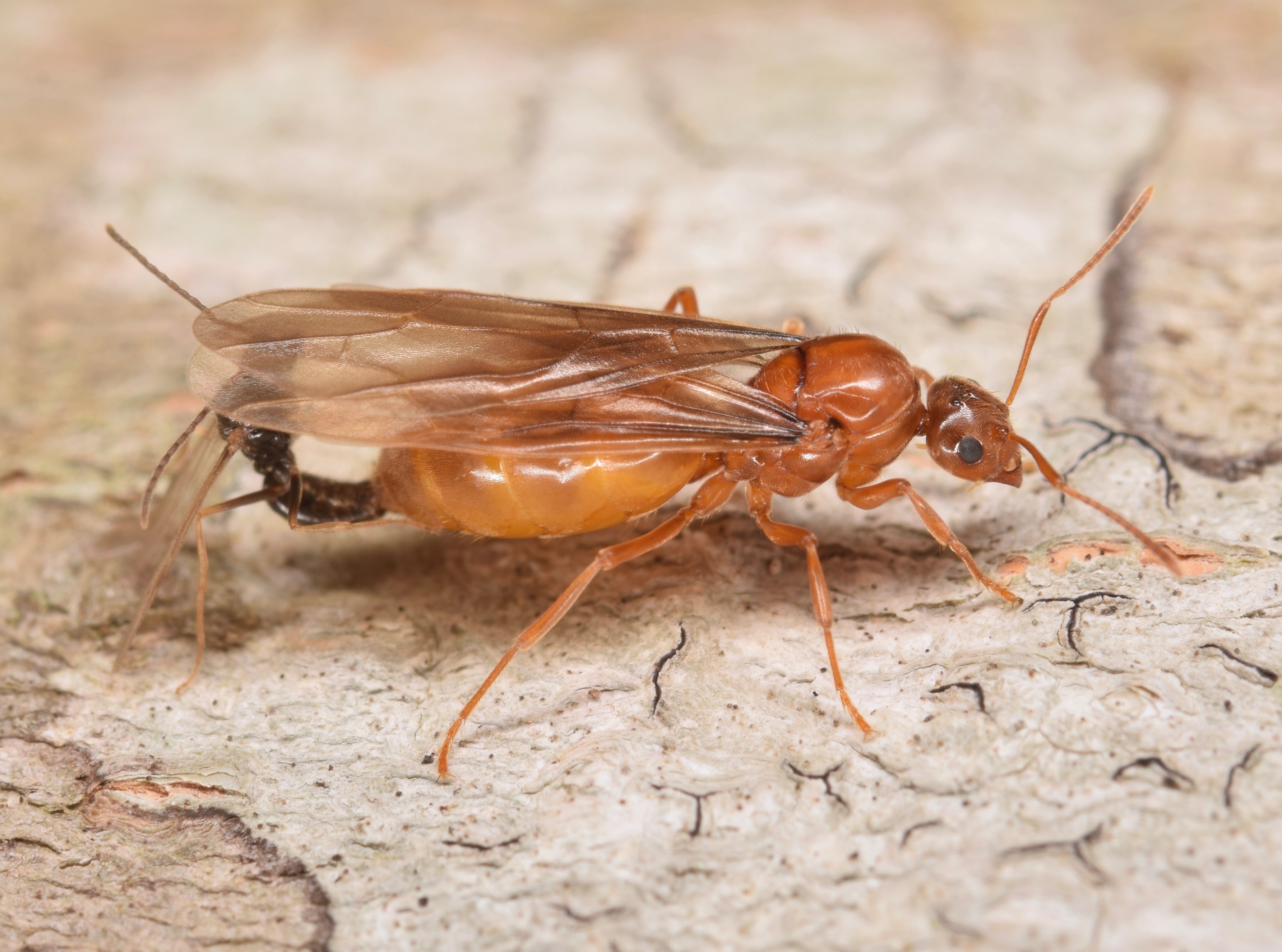
Prenolepis imparis, commonly known as the winter ant, is a species that defies the typical ant calendar. While most ants slow down in cooler weather, this species thrives in temperatures that would send others into hiding. Queens are modest in size, measuring 6.5 to 8.5 mm, and workers are small at 3 to 4 mm, with a slender, dark body and a characteristically slow, deliberate gait. What makes them truly remarkable is their ability to store liquid food in their gasters, giving older workers a slightly swollen, translucent appearance—not unlike tiny, living storage tanks. The colony grows gradually, reaching up to 8,000 workers at its peak, and is founded claustrally: the queen seals herself in a chamber and raises her first brood without foraging, relying solely on her own energy reserves.
One of the most distinctive features of Prenolepis imparis is their temperature preference. They are most active in spring and autumn, foraging eagerly at 15 to 22°C, and will even venture out in near-freezing conditions. During the heat of summer, they often become less active or even enter a dormancy-like state, which is the opposite of what most ant keepers expect. This means hibernation is essential for their long-term health—they require a winter diapause at around 4°C for several months. In the wild, they feed primarily on honeydew from aphids and tree sap, so in captivity, a constant supply of sugar water or diluted honey is vital. They also accept small insects for protein, but their diet leans heavily toward carbohydrates.
Care difficulty
Keeping Prenolepis imparis is rated as intermediate, mainly because of their specific temperature and hibernation needs. They are not difficult to feed or house, but maintaining the cool environment they love can be a challenge for beginners. A heated room is actually detrimental—they do best in a cellar, an unheated garage, or a dedicated cool cabinet. Their slow growth and sensitivity to warmth require patience and careful observation.
Housing
A formicarium for Prenolepis imparis should provide a stable nest with 55 to 75% humidity and ample ventilation. Because they are not aggressive foragers, a small outworld with a feeding dish for sugar water and a water source is sufficient. The nest itself should be kept cool, and the substrate moistened regularly to prevent desiccation of the brood. The most important consideration is temperature control: avoid placing their setup near heat sources, and plan for a winter cooling period of at least three months.
First days after purchase
After receiving your Prenolepis imparis colony, place the formicarium in a quiet, cool spot and let the ants settle undisturbed for at least 48 hours. Provide a drop of sugar water on a small piece of foil and a tiny insect (like a fruit fly) if the colony has workers. Observe from a distance—these ants are shy initially, but once they accept their new home, they will begin exploring their outworld with their characteristic deliberate pace. Do not rush to introduce heat; cooler is better for their acclimation.