Myrmica
Myrmica sabuleti
Nuptial Flight Calendar
Care Guide
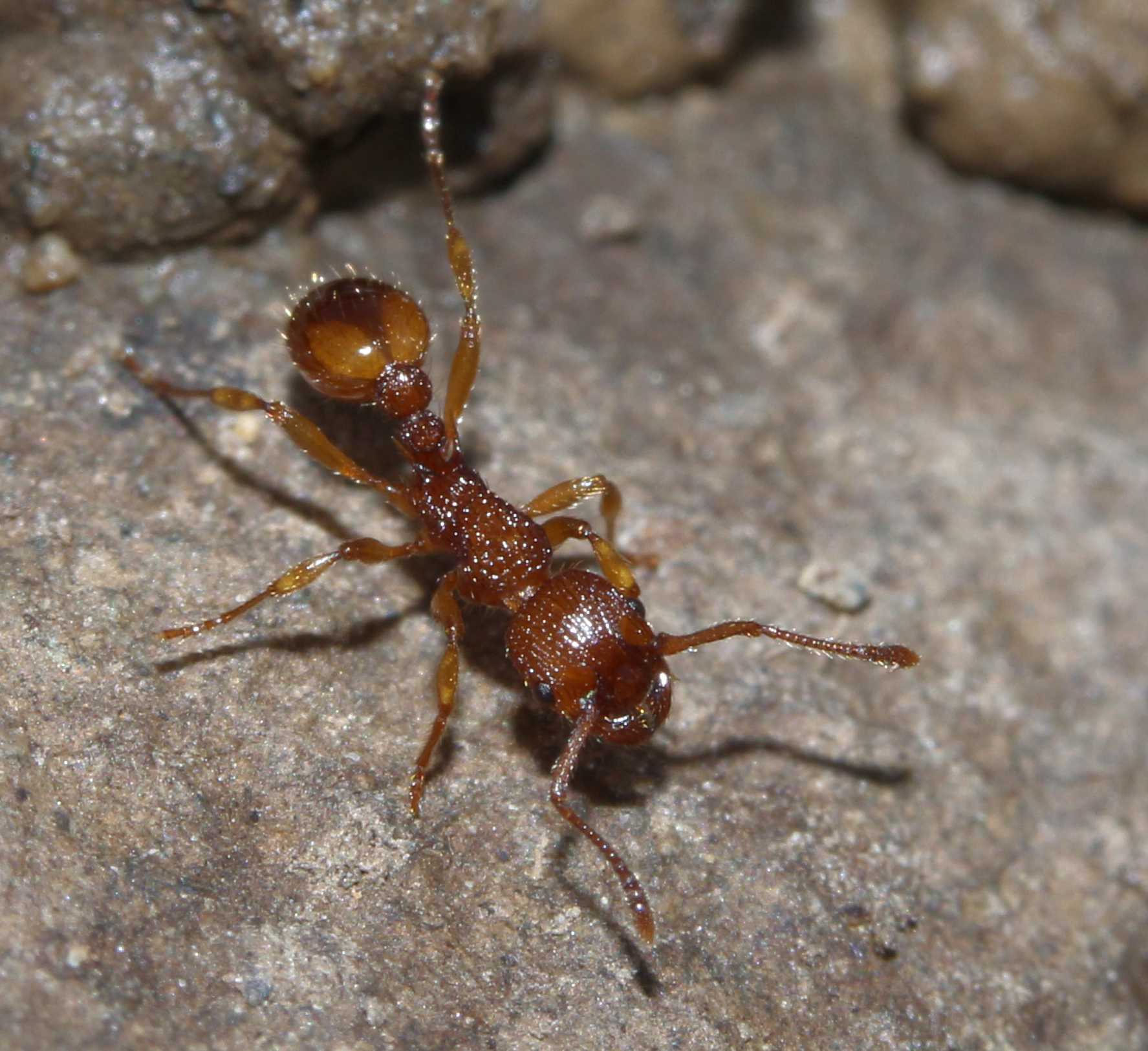
Myrmica sabuleti is a charming and active European ant species that offers a rewarding challenge for the intermediate keeper. Unlike the highly polymorphic seed harvesters, this species is monomorphic: the queen measures 5.5–7 mm while the workers range from 4–5.5 mm, with little variation in size between them. What Myrmica sabuleti lacks in caste diversity, however, it makes up for in personality and fascinating biology. These ants are semi-claustral founders, meaning the young queen must forage for food during the first weeks of colony establishment — a delicate stage that requires patience and a watchful eye from the keeper. Mature colonies number between 500 and 3,000 workers, forming lively, tightly organized societies that are a pleasure to observe.
One of the most distinctive features of Myrmica sabuleti is their strong relationship with temperature and moisture. They thrive in relatively cool conditions, between 18 and 24°C, and require a humidity range of 55 to 75 percent. This makes them well suited to setups that avoid excessive heat, and they are often kept in rooms without additional heating. Their diet is varied: they eagerly accept small insects such as fruit flies, crickets, or mealworms, and also require a steady supply of sugar water and protein. Hibernation is essential for long-term health and brood production — these ants must experience a winter diapause at around 5°C for several months, mimicking their natural European habitat. Without this cooling period, the queen may stop laying eggs and the colony's growth will stall.
Care difficulty
Keeping Myrmica sabuleti is best suited to ant keepers who have some experience, particularly with semi-claustral species. The initial founding stage is the most demanding: the queen must be fed regularly without causing stress, and the nest must be kept in a quiet, low-vibration location. Once the first workers appear, care becomes more straightforward, though maintaining the correct humidity and ensuring a proper hibernation period remain key responsibilities.
Housing
A formicarium with a well-hydrated nesting area and a separate foraging arena works well for Myrmica sabuleti. They appreciate naturalistic setups with soil or sand that retains moisture, as the larvae are sensitive to drying out. The foraging arena should offer a constant supply of sugar water and protein sources. Because these ants are sensitive to light and disturbance, especially during founding, it is wise to cover the nest portion with a red filter or opaque material. Ensure proper ventilation to prevent mold in the humid nest.
First days after purchase
Upon receiving your Myrmica sabuleti colony, place the formicarium in a calm, dimly lit spot and allow the ants to settle for at least 24 hours before any interference. If you have a queen with her first workers, check that the test tube or nest section remains moist and that a small drop of honey-water or sugar water is accessible. Avoid opening the nest unnecessarily; instead, observe through the glass. After a few days, you can gradually begin offering tiny insects. The key to success with Myrmica sabuleti is patience — let the colony grow at its own pace, and you will be rewarded with a robust, active community.