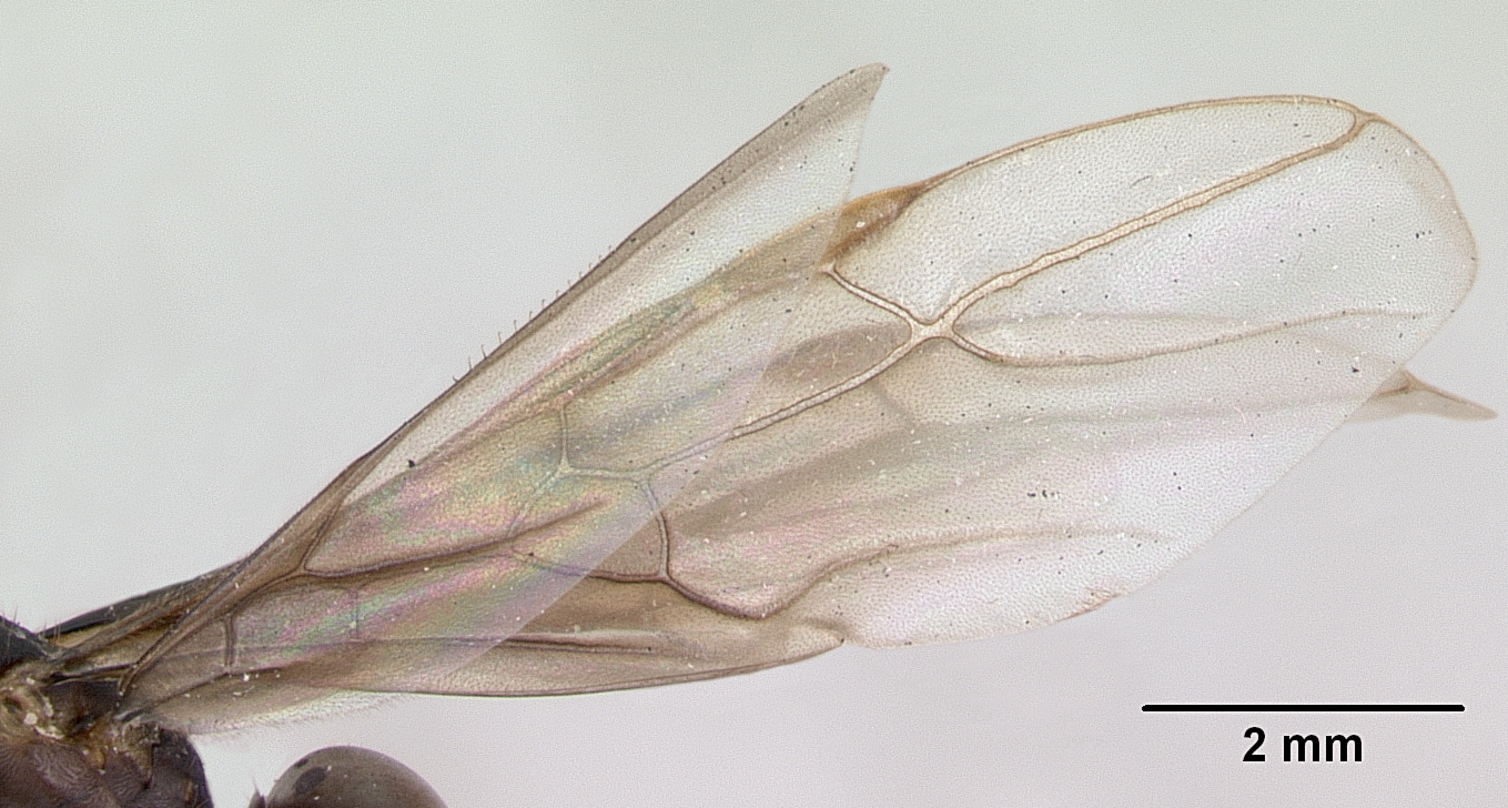
Lasius
Lasius brunneus
Nuptial Flight Calendar
Care Guide
Lasius brunneus is a charming and moderately challenging species native to Europe, well-loved by ant keepers for its bold foraging behavior and striking contrast between the dark brownish-black workers and the slightly larger, reddish-brown queen. Unlike many of its more timid relatives, *Lasius brunneus* is quick to defend its nest and will readily harvest food from the foraging area — a trait that makes observation especially rewarding. The queen measures 6.5 to 8 mm, while the monomorphic workers range from 3 to 4.5 mm. Colonies can grow to several thousand individuals, forming a bustling society that is both active and visually impressive.
One of the most interesting aspects of *Lasius brunneus* is its relationship with aphids. In the wild, these ants tend aphid herds on tree roots and branches, collecting honeydew as their primary carbohydrate source. In captivity, they accept sugar water or honey water with equal enthusiasm. Their protein needs are met by small insects such as fruit flies, mealworms, or roach nymphs. Founding is claustral — the queen seals herself in a chamber and raises her first brood without feeding, relying solely on her wing muscles. This makes initial care straightforward, but patience is needed as the colony grows.
Care difficulty
Keeping *Lasius brunneus* is considered intermediate, primarily because of the species’ need for a distinct winter hibernation period and its sensitivity to overly dry conditions. For keepers with some experience, however, these requirements are easy to meet. The main challenges lie in providing consistent humidity and ensuring the colony has a proper cooling phase each year to rest.
Housing
A formicarium with moderate humidity control works best — aim for a nest humidity of 55 to 75 percent, with the foraging area drier. *Lasius brunneus* appreciates a nest with wood or cork elements, as they naturally nest under bark or in rotting wood. A test tube setup is perfect for founding, but once the colony reaches a few hundred workers, a larger formicarium with multiple chambers and an integrated outworld becomes necessary. The ideal temperature range is 20 to 26°C, with a slight drop at night. During winter, the colony must be hibernated at around 8°C for two to three months — a refrigerator with a thermostat is the most reliable method.
First days after purchase
Upon receiving your *Lasius brunneus* colony, transfer them gently into a clean test tube setup or their intended nest. Place the formicarium in a quiet, dimly lit location and allow the ants to settle without disturbance for at least 48 hours. Offer a drop of sugar water and a small insect after the first day, checking that the queen is calm and the workers are tending brood. Keep the nest tube moist but not flooded, and avoid bright light. These ants are resilient, but giving them a peaceful start will greatly accelerate their growth. Observe regularly, but refrain from tapping or moving the nest — patience will soon be rewarded with a thriving, confident colony.