Stenamma
Stenamma debile
Nuptial Flight Calendar
Flight months: Jul, Aug, Sep, Oct
Care Guide
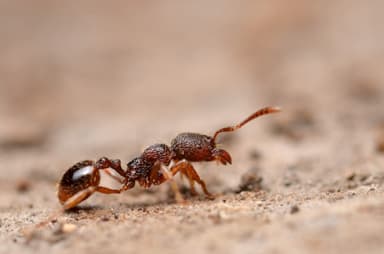
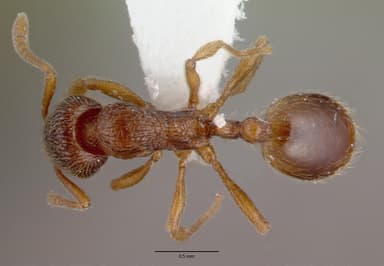
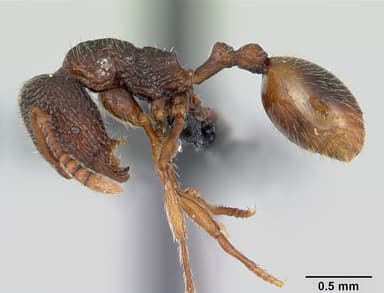
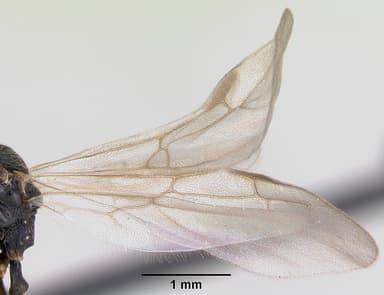
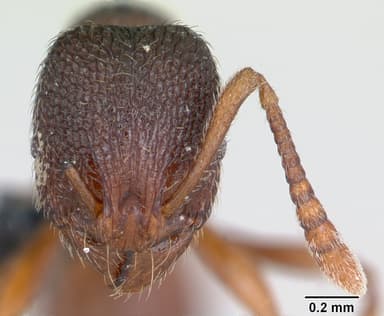
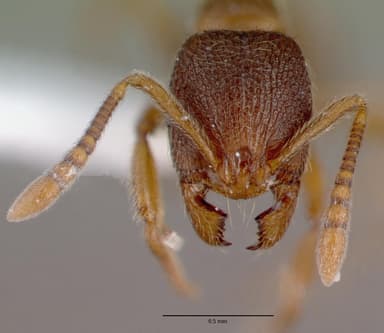
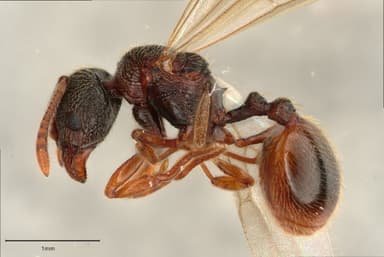
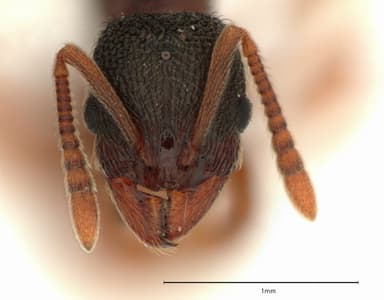
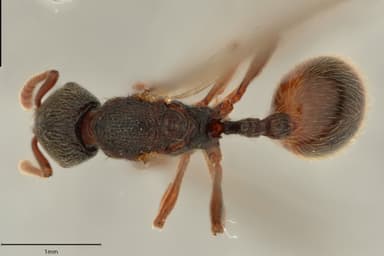
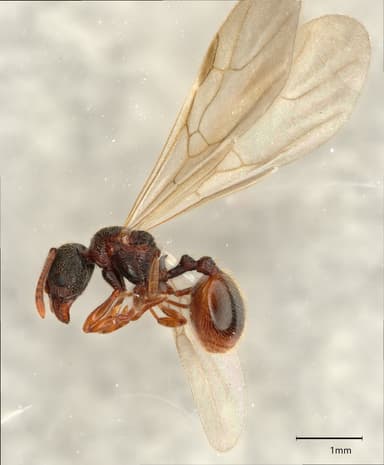
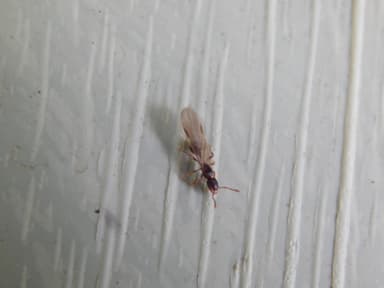
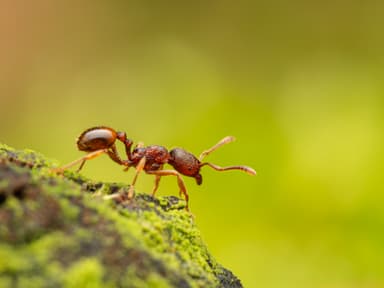
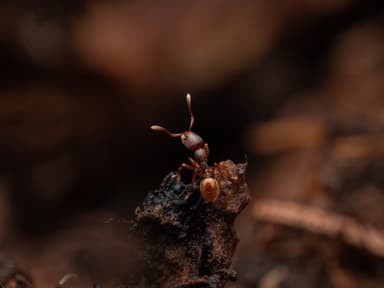
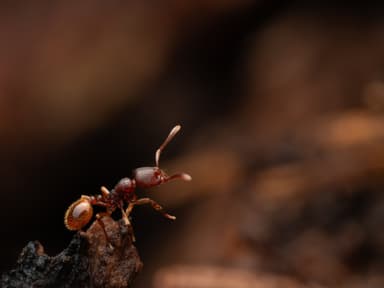
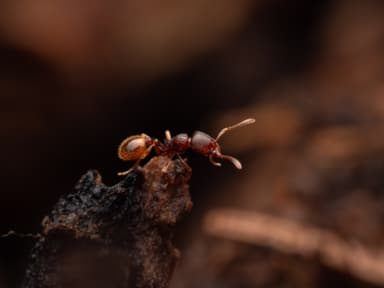
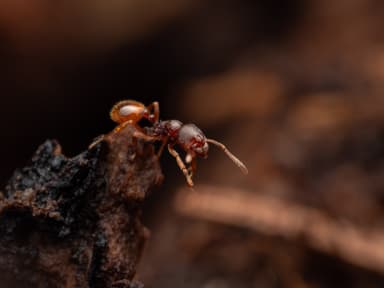
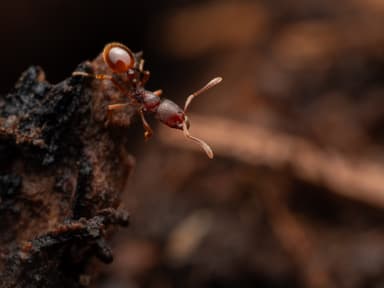
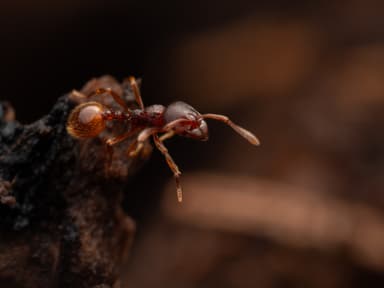
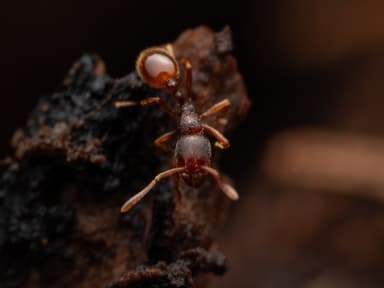
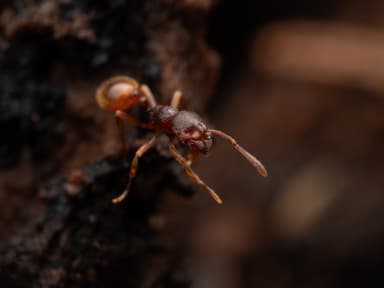
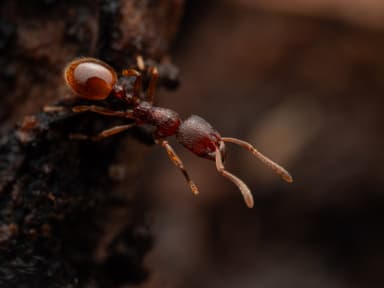
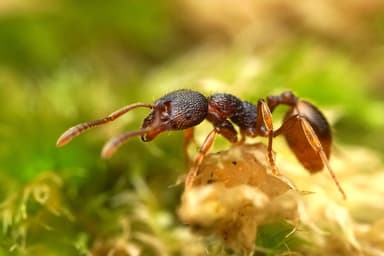
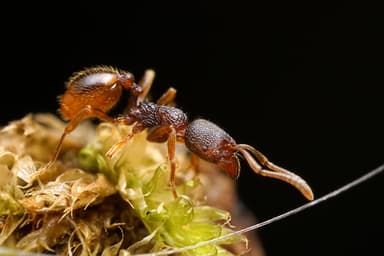
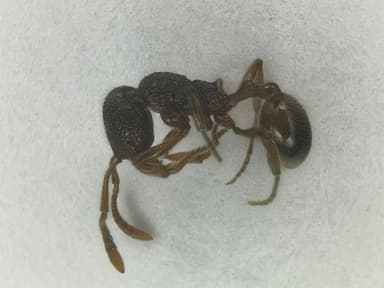
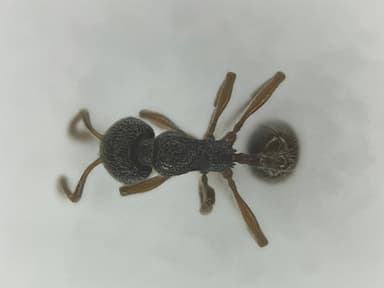
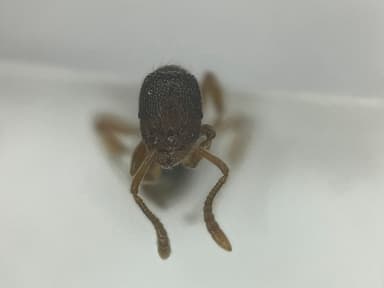
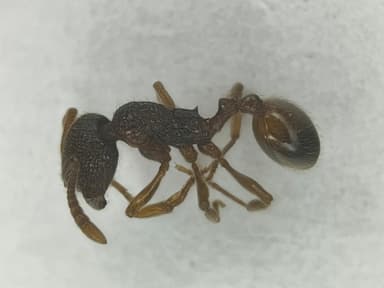
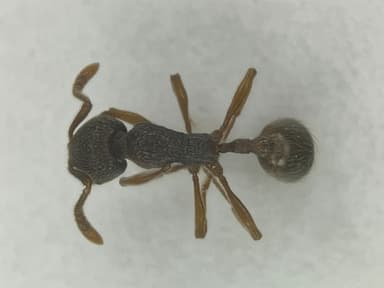
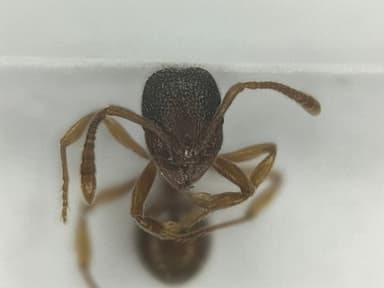
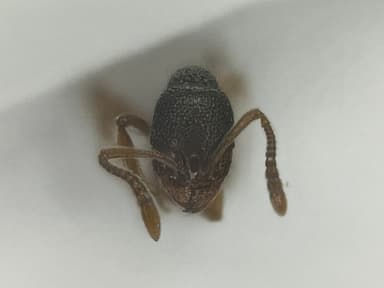
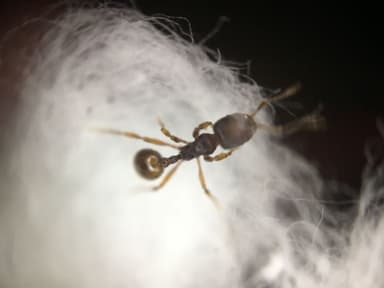
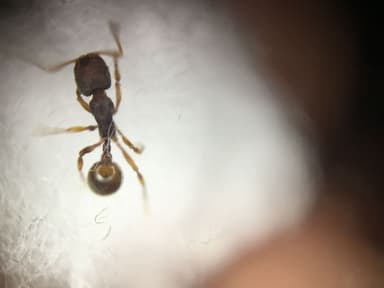
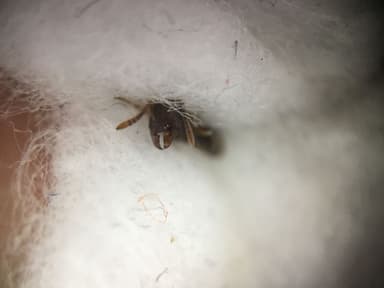
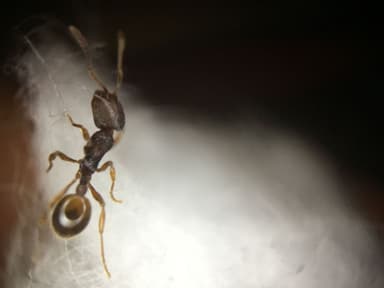
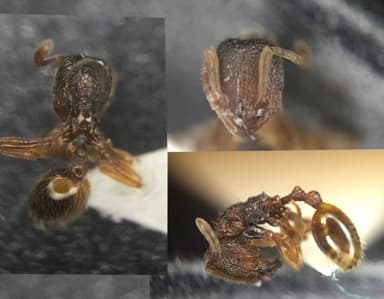
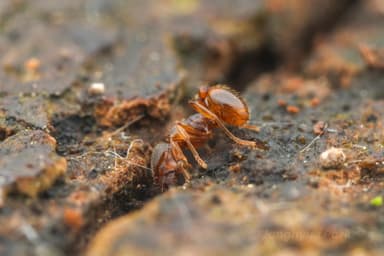
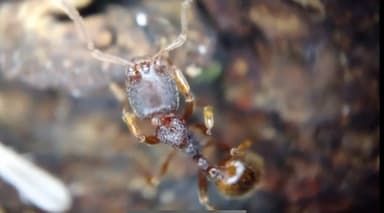
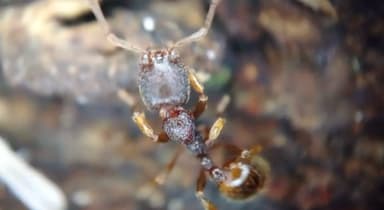
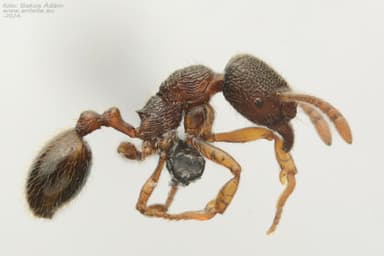
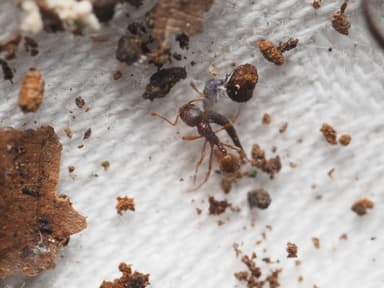
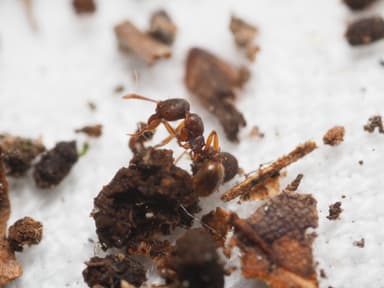
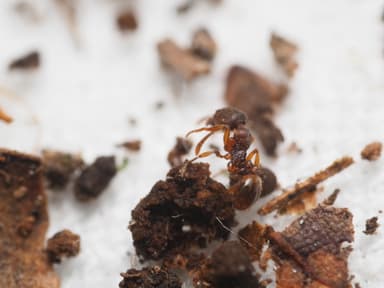
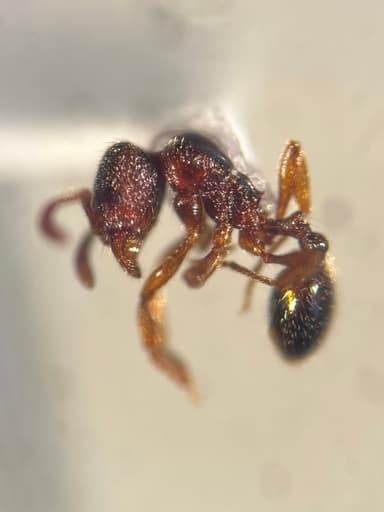
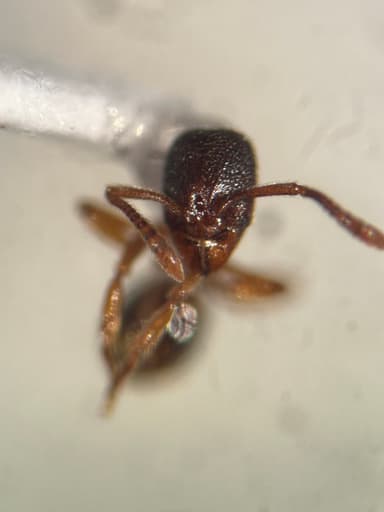
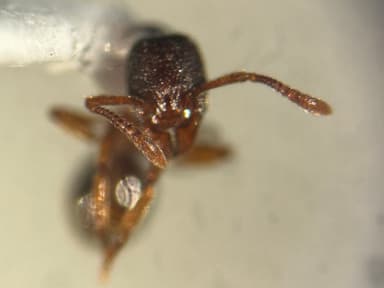
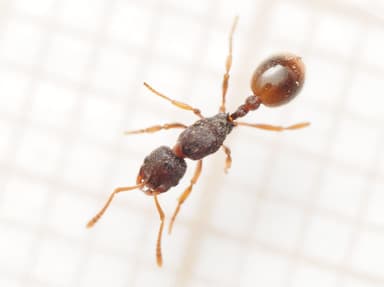
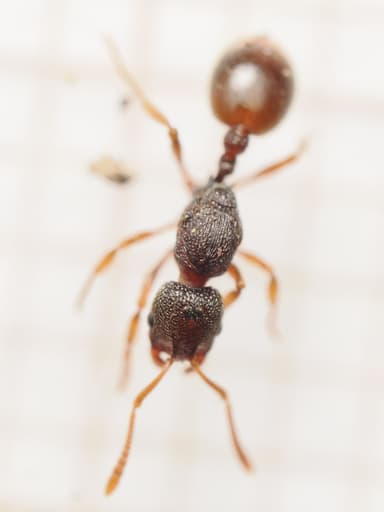
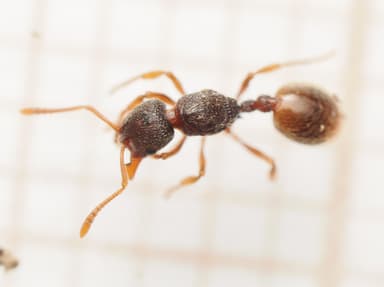
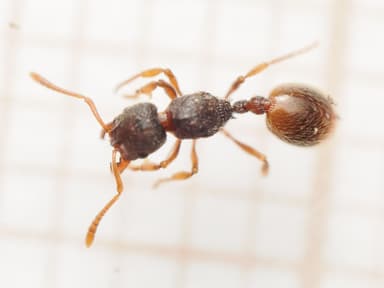
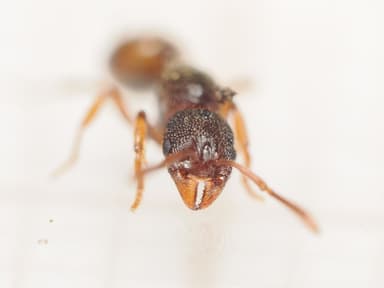
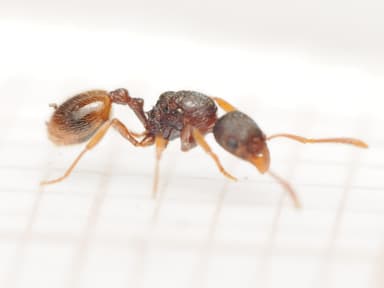
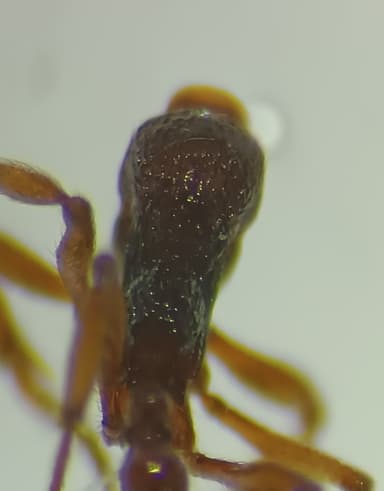
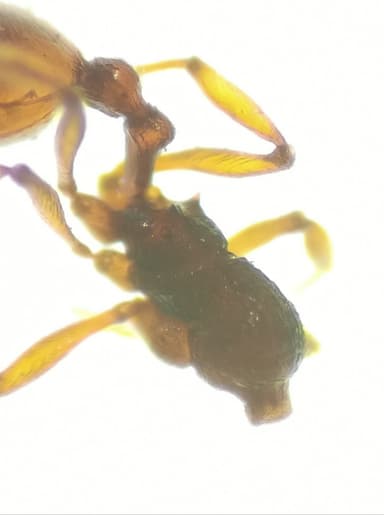
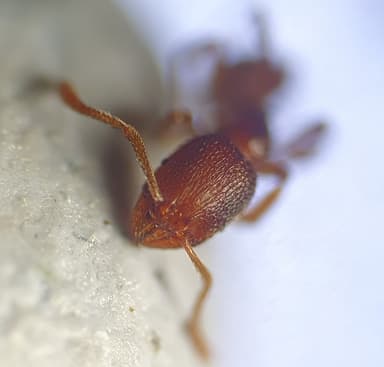
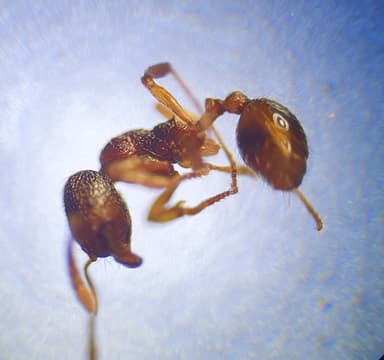
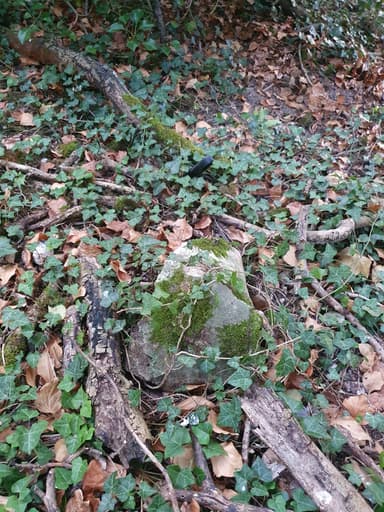
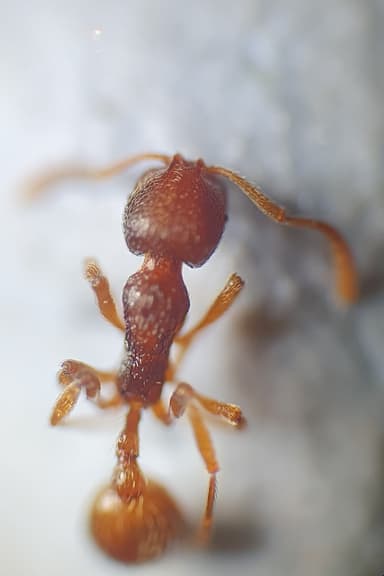
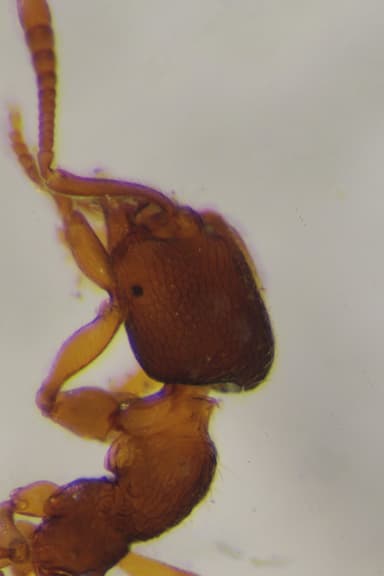
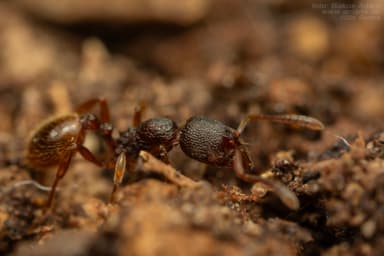
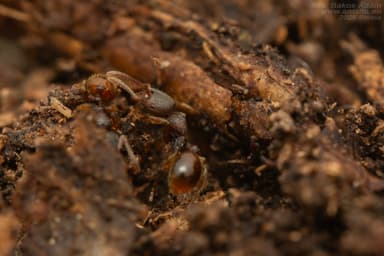
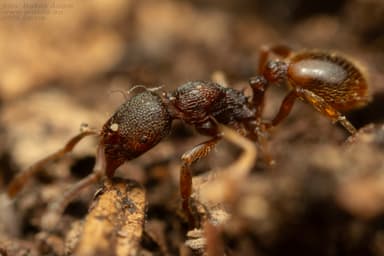
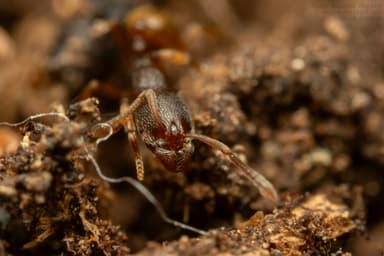
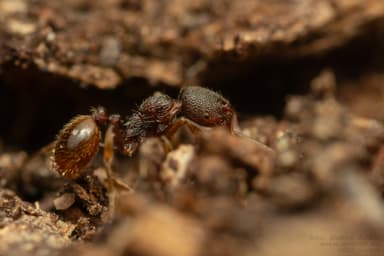
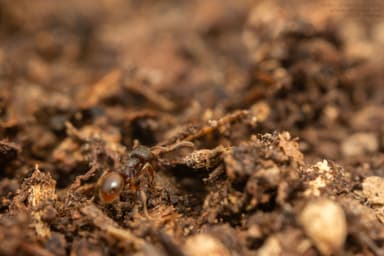
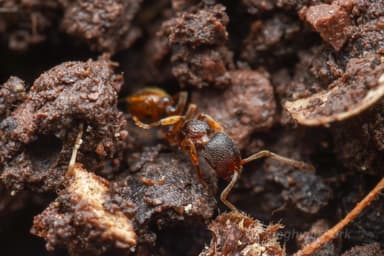
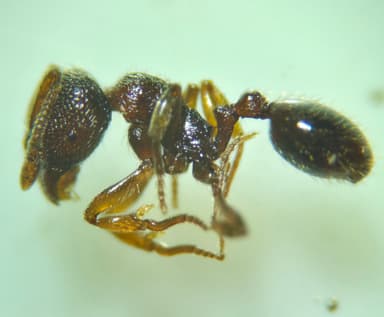
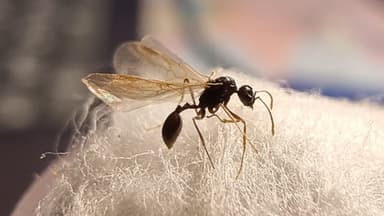
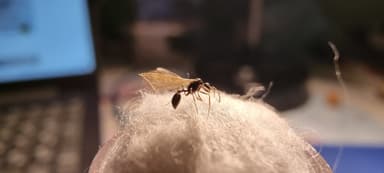
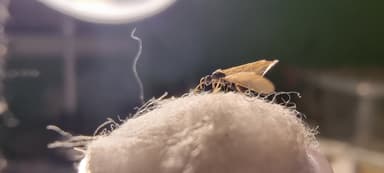
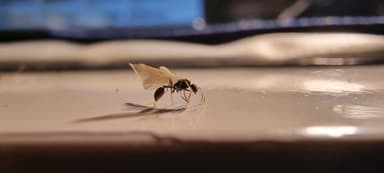
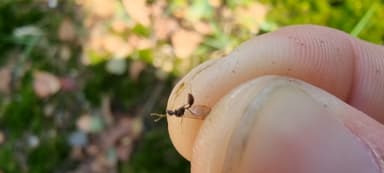
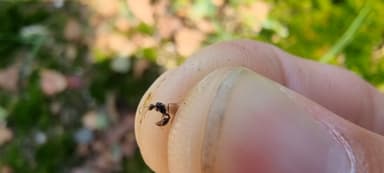
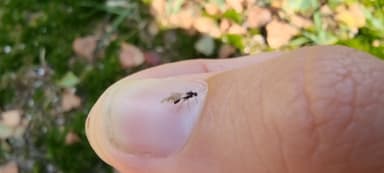
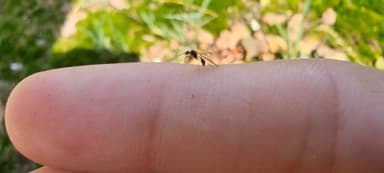
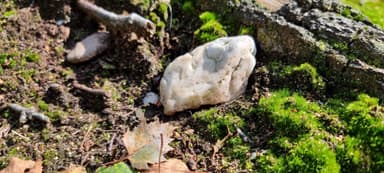
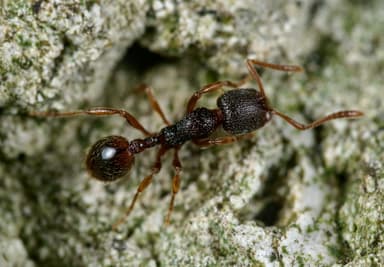
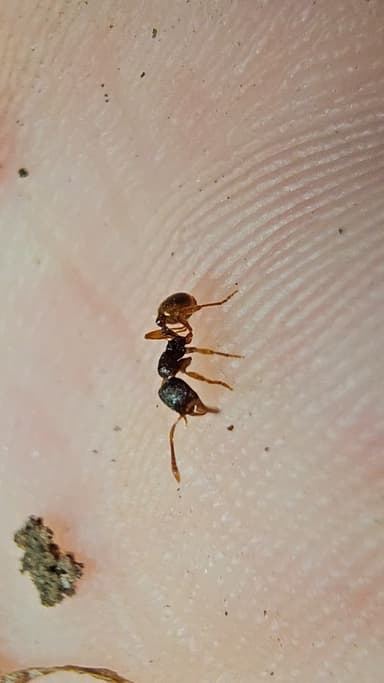
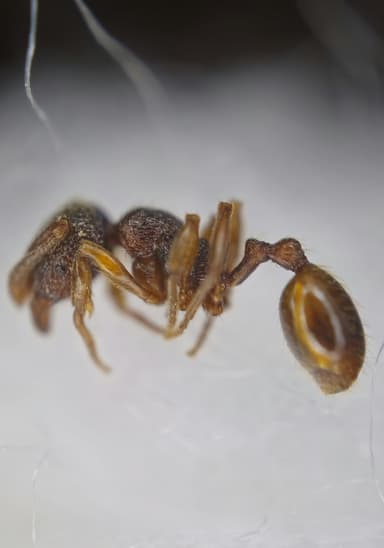
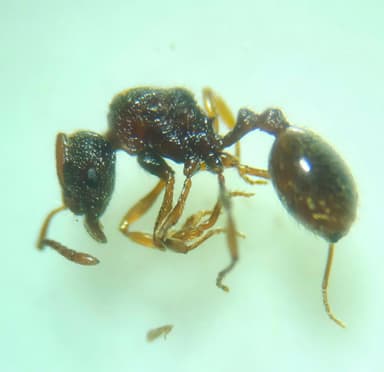
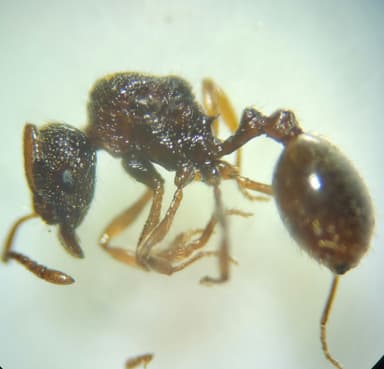
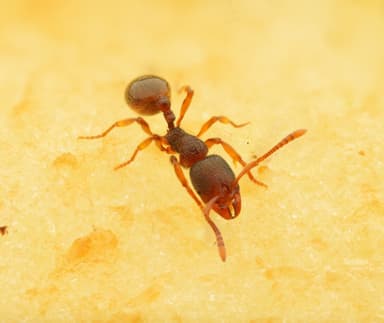
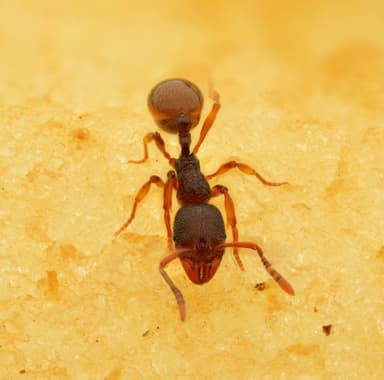
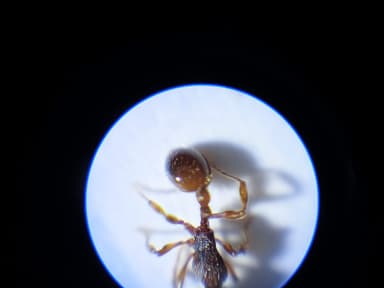
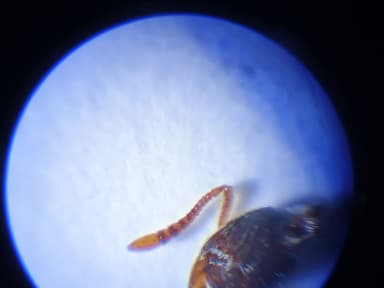
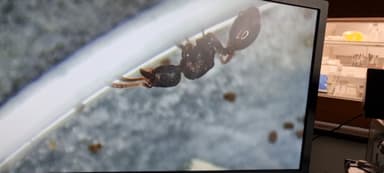
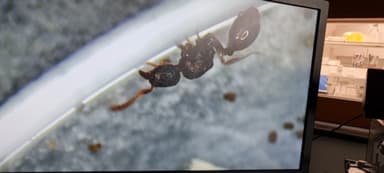
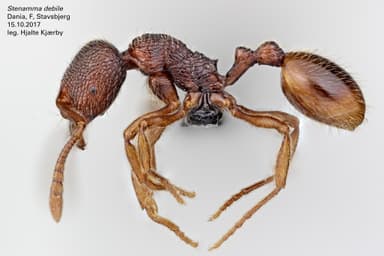
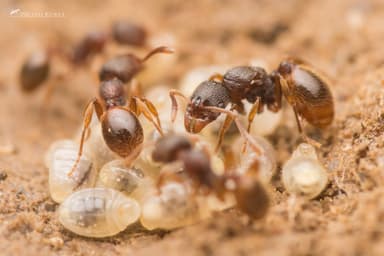
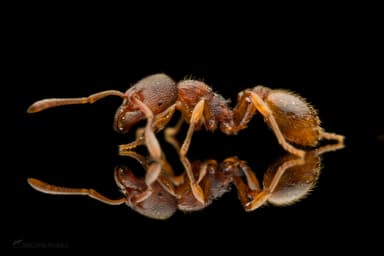
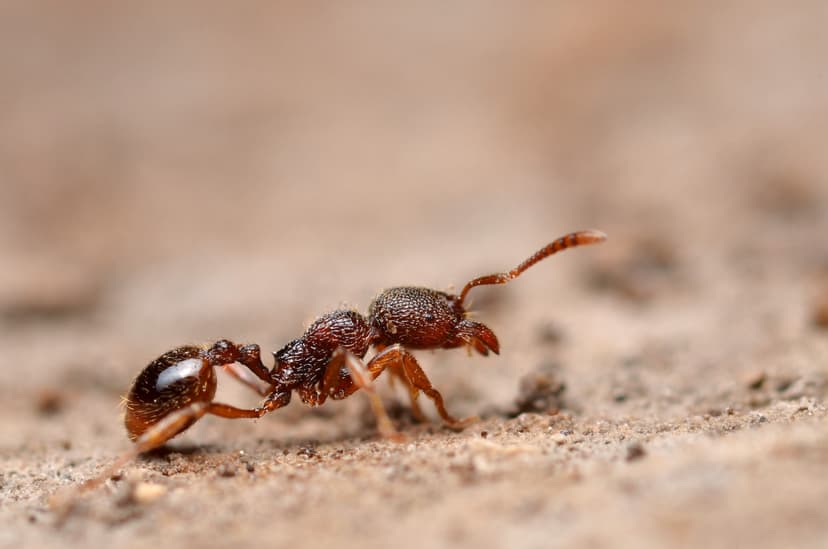
Stenamma debile is a small, unobtrusive ant that embodies the hidden world of the forest floor. Workers measure a diminutive 3 to 3.8 mm, while the single queen reaches a modest 4.5 to 5.5 mm — a slender, reddish-brown to dark brown silhouette with a subtle sheen. Colonies, which rarely exceed 300 individuals, are strictly monomorphic, comprising only minor workers that move with a nervous, deliberate gait (Seifert 2018). Their charm lies not in spectacle but in their subdued elegance and the opportunity to observe a truly cryptic species. Unlike bolder ants, S. debile spends its life largely underground, weaving through soil and leaf litter, which makes every fleeting glimpse of a worker foraging for a sugar droplet or a shred of insect protein a quiet reward for the patient keeper. The species is claustral, with newly mated queens sealing themselves away to raise their first nanitic brood without ever surfacing again — a testament to their self-contained resilience. Nuptial flights, as documented by Czechowski et al. (2002), take place in Europe from August to October, typically on warm, humid afternoons after rain, hinting at the precise environmental cues this ant requires.
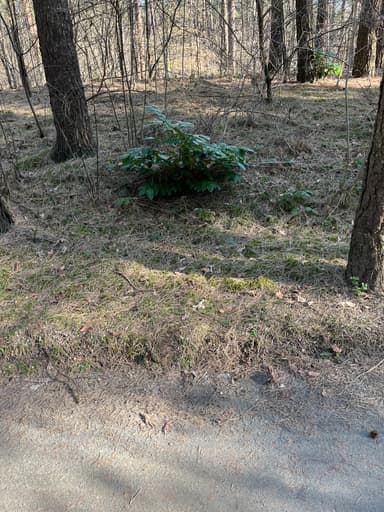
Ranking as an expert-level species, Stenamma debile is not for the faint-hearted. Its demands are narrow and unforgiving: a keeper must maintain a perpetually high humidity of 70–85% while keeping temperatures between 18 and 24 °C, all the while handling a colony that shrinks from light and vibration. Beginners will almost certainly struggle; even intermediate keepers may find the constant vigilance against desiccation exhausting. This ant suits the dedicated enthusiast who delights in replicating a slice of European deciduous woodland — someone who owns a reliable hygrometer and a cooling setup for hibernation. The long, mandatory winter dormancy at around 5 °C further culls casual interest, as does the colony’s moderate growth rate. Yet for the keeper who masters these nuances, the reward is profound: a living microcosm that demands authentic care and returns a window into one of nature’s most overlooked societies.
Successful housing begins with accepting that S. debile is essentially a subterranean species. A naturalistic soil-based formicarium, or at minimum a nest of aerated concrete (Ytong) that is heavily hydrated, is essential. The nest volume should be small and easily humidified — connecting chambers with a fine clay or plaster base that wicks moisture works well. A deep layer of damp, sterile potting soil or coconut coir in the outworld provides both a foraging arena and a humidity buffer. Keep temperatures within the safe range, ideally around 20 °C near a gentle heat source and dipping to 18 °C in cooler recesses, but avoid spikes above 24 °C, which can quickly prove fatal (Seifert 2018). Humidity must be monitored by digital sensors; if the medium dries, workers will cluster near the water source and refuse to forage. Provide numerous dark hides — flat stones, pieces of cork bark, or a covering of leaf litter — so the ants can emerge in seeming darkness. Full-spectrum lighting or direct sun is anathema; red film over the nest glass allows observation without disturbance.
Feeding this timid species requires a delicate touch. In the wild, Stenamma debile preys on minute soil invertebrates, so offer a steady supply of small, soft-bodied protein: freshly killed fruit flies (Drosophila melanogaster or D. hydei), pinhead crickets, chopped mealworm segments, and springtails. Pre-kill all live prey to prevent injury to workers by a struggling insect. Carbohydrates can be supplied as very small drops of sugar water (1:1 organic honey or maple syrup diluted), placed on a tiny piece of waxed paper or a feeding tray in the outworld to avoid mold. Because the colony is small, overfeeding quickly leads to spoilage and mite outbreaks; remove uneaten food within 24 hours. A test-tube waterer with a cotton plug in the outworld provides constant drinking access, but the primary water source is the nest’s humidity — so never let the substrate dry out. Czechowski et al. (2002) record that workers forage mainly in the leaf litter, so scattering a few bits of protein amidst the debris can stimulate natural hunting behavior, but always ensure any leftovers are removed.
An obligatory hibernation period is non-negotiable for S. debile. In nature, colonies endure several months of near-freezing soil temperatures, and without this chill, queens may cease egg-laying and workers lose vitality. As autumn approaches, gradually reduce temperatures over two to three weeks until the nest holds steady at 5 °C (tolerating a range of 4–6 °C). A dedicated small fridge or a cold, stable cellar is ideal. During dormancy, humidity must be maintained — check the nest medium weekly and lightly mist with a hand sprayer if it shows signs of drying, but avoid soaking. Keep the ants in complete darkness. The hibernation should last at least three months, from late October to February or March. In early spring, reverse the temperature gradient slowly, raising it a degree per day. You will know the colony is awakening when workers start to accept sugar water again. Only then resume regular feeding and warmth.
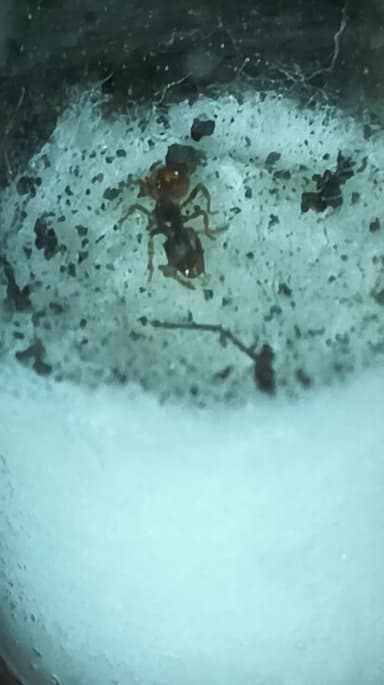
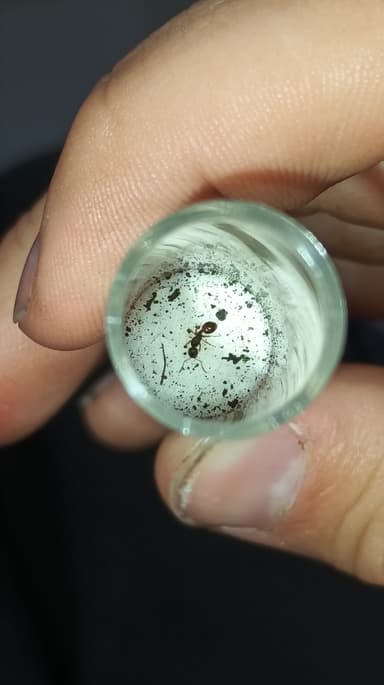
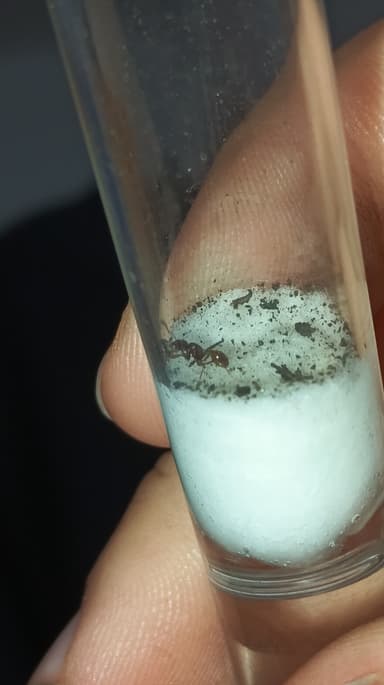
When your Stenamma debile queen — likely accompanied by a handful of workers — arrives in a test tube with moist cotton, resist the urge to transfer them immediately. Place the tube in a dark, vibration-free spot at around 20 °C and 75% humidity for 24 hours to let them recover from shipping stress. The next day, introduce the tube to a small, fully prepared nest setup by attaching it with a short length of vinyl tubing. Keep the connection dark and unlit; the ants will move at their own pace, which can take days. Offer your first meal — a tiny dab of sugar water and a single pre-killed fruit fly — on the second evening, placing it near the tube entrance. Do not disturb them again for several days. Watch for signs of distress: workers refusing to leave the tube, excessive grooming, or a queen that constantly paces. These often indicate the nest humidity is too low. Adjust by dripping a few drops of water onto the plaster far from the brood area. Patience at this stage is everything; a colony forced out before it is ready rarely thrives. With gentle husbandry, those first cautious forays into the outworld will soon become a quiet, daily ritual that repays your expert care many times over.