Pheidole
Pheidole tysoni
Nuptial Flight Calendar
Flight months: Jul, Aug, Sep
Care Guide
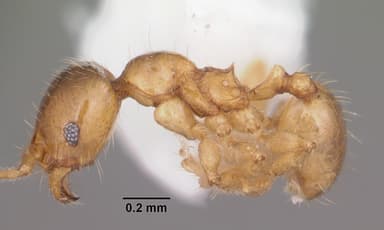
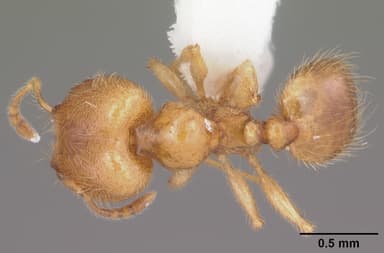
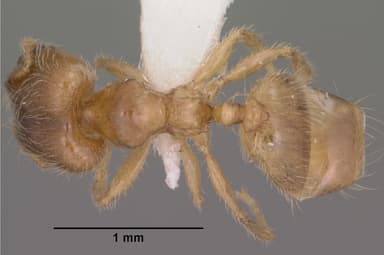
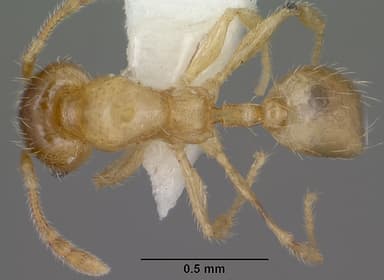
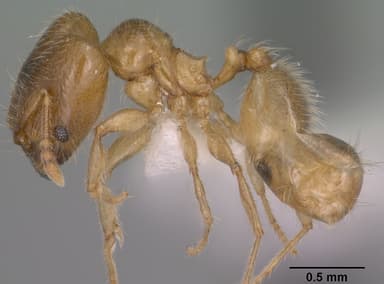
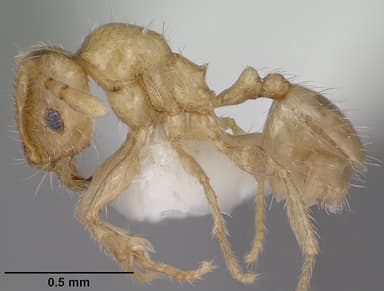
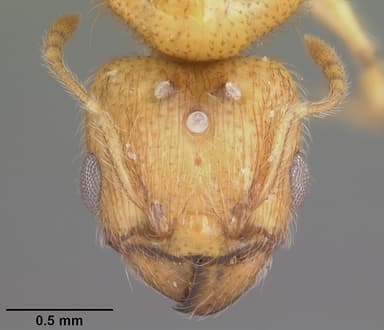
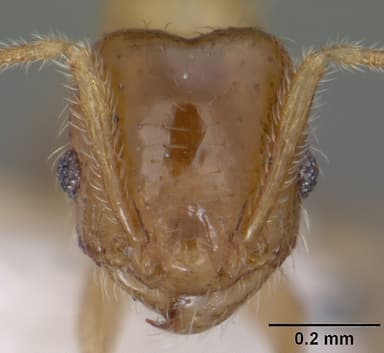
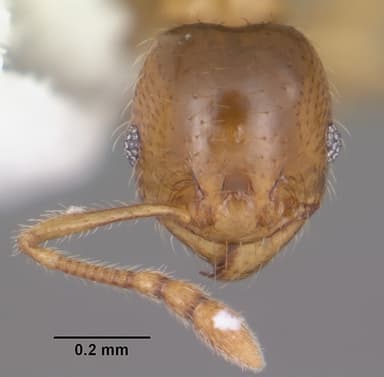
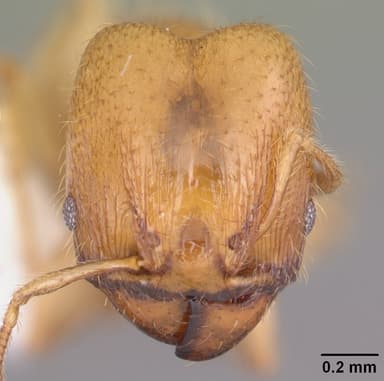
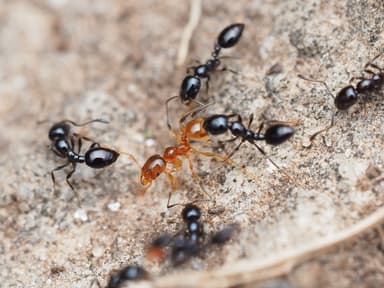
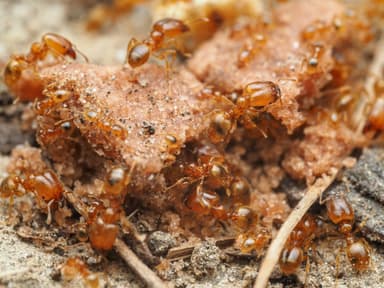
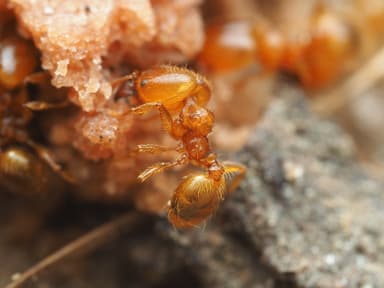
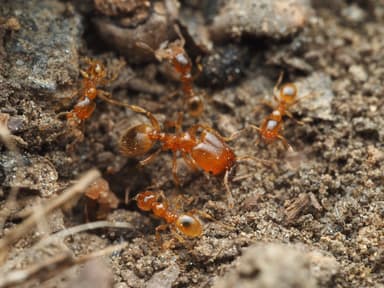
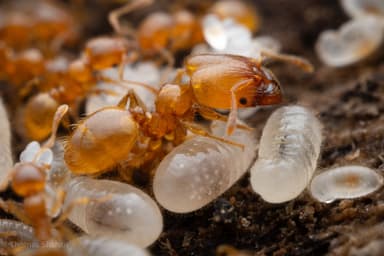
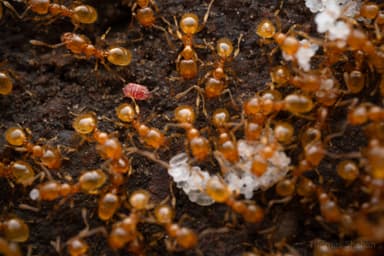
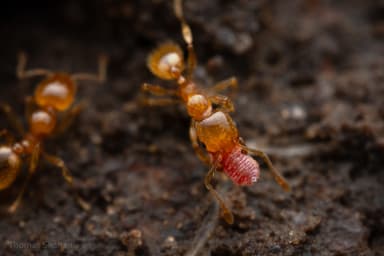
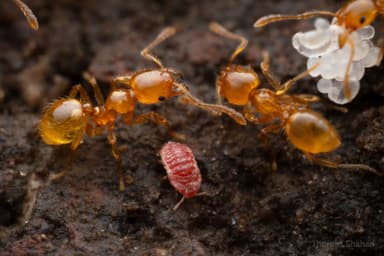
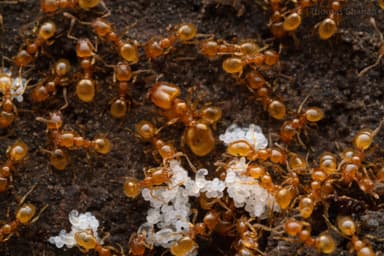
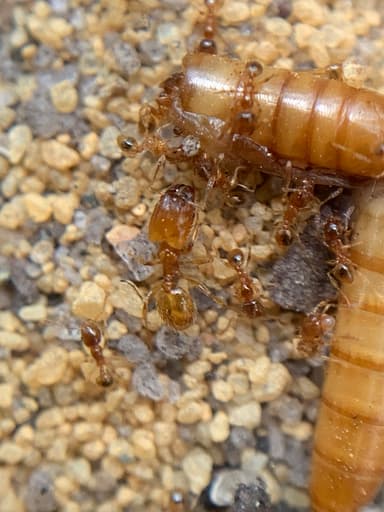
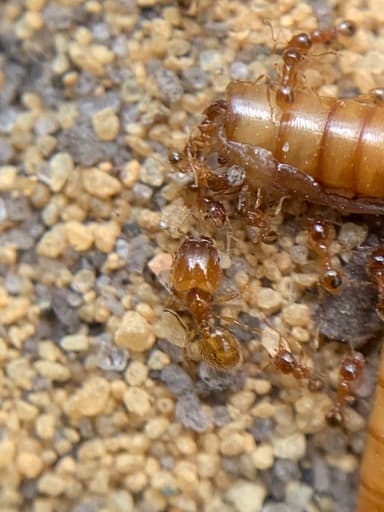
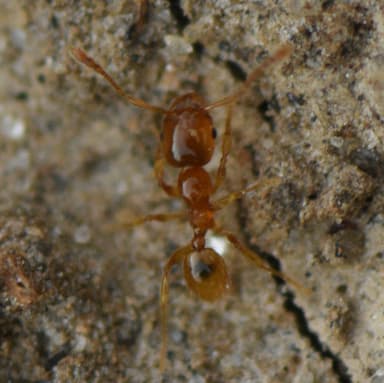
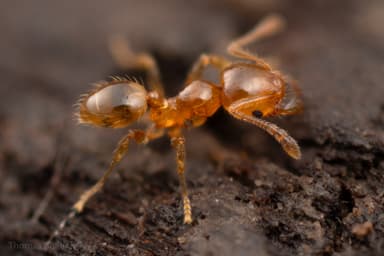
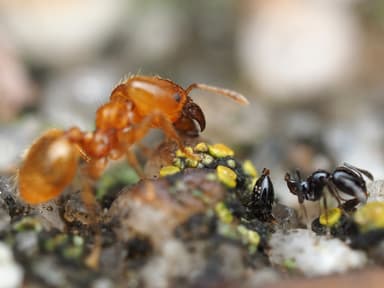
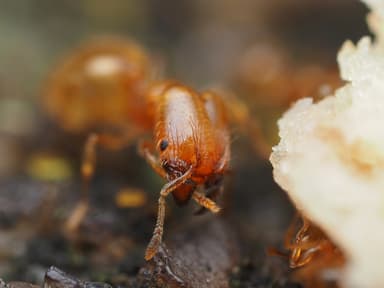
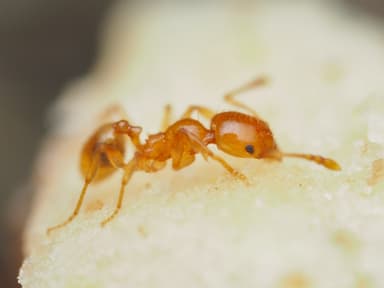
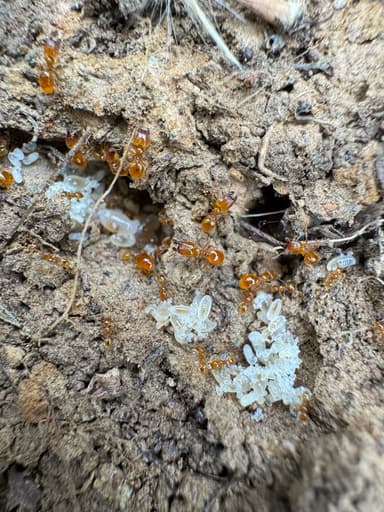
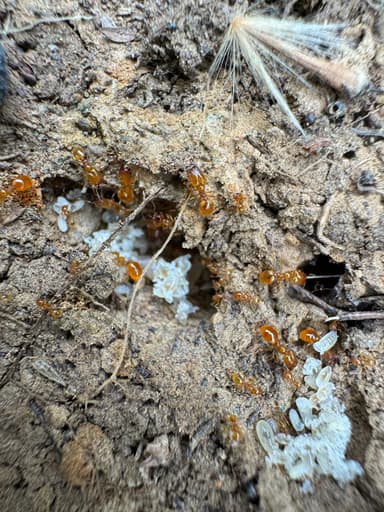
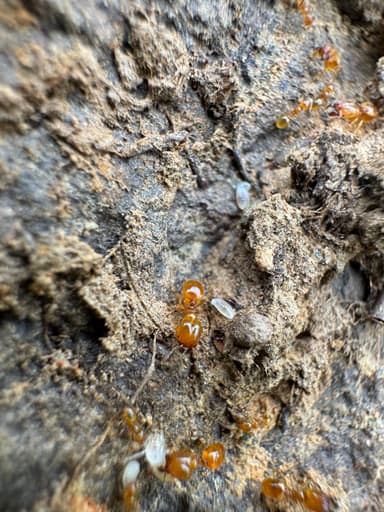
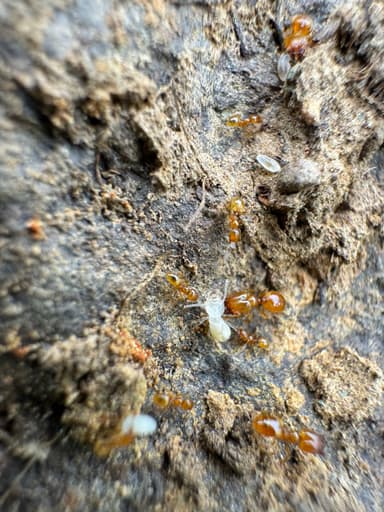
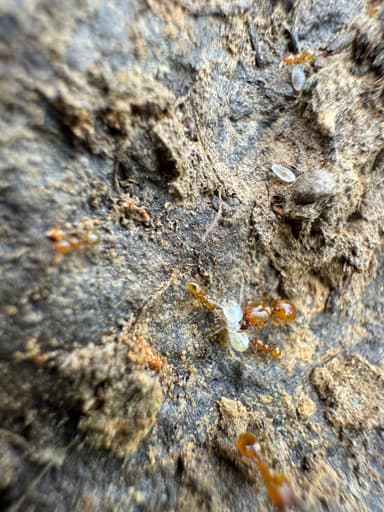
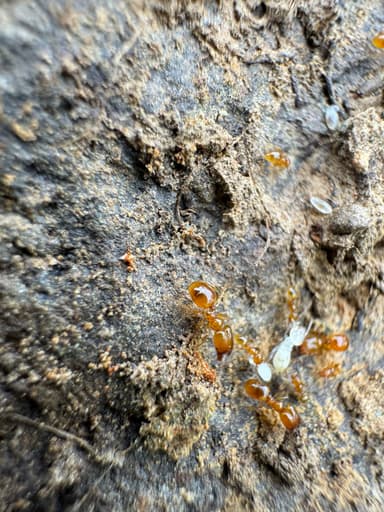
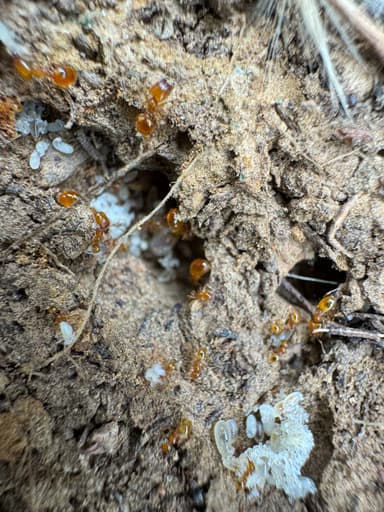
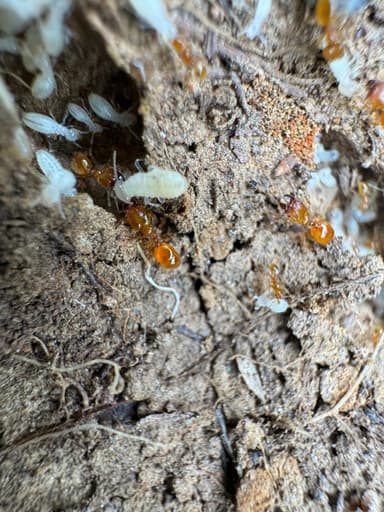
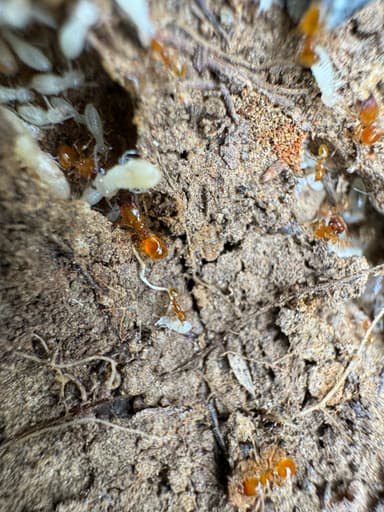
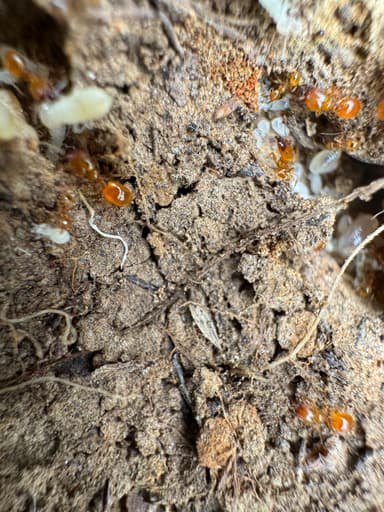
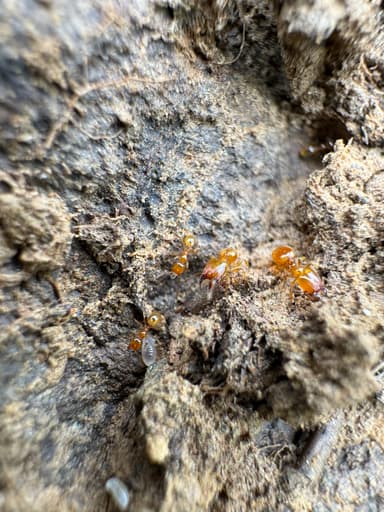
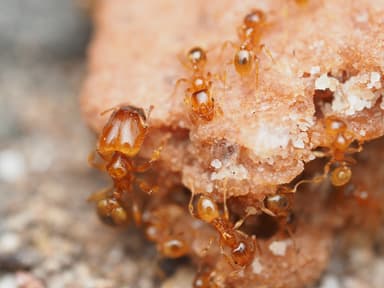
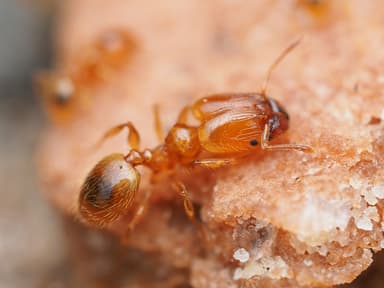
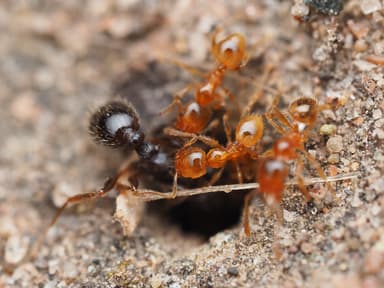
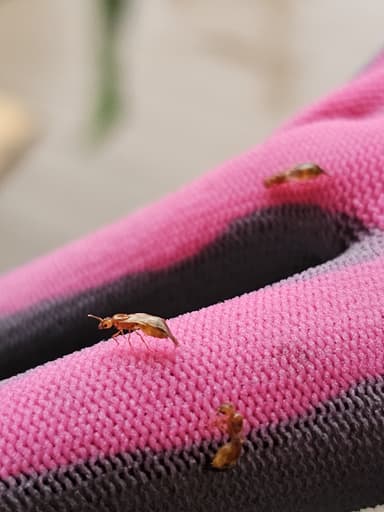
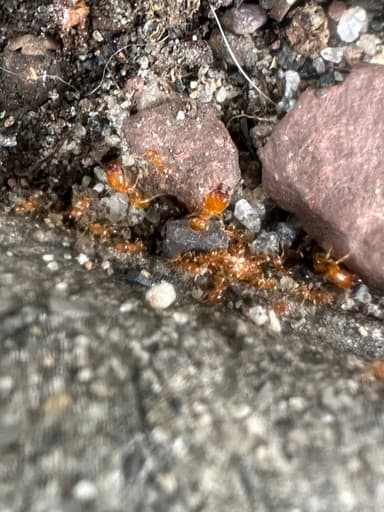
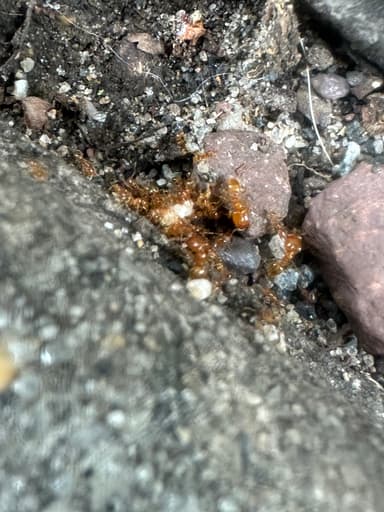
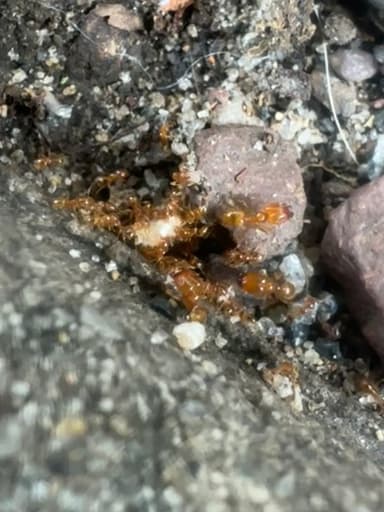
Pheidole tysoni is a delightful introduction to the world of big-headed ants, a genus celebrated for its striking worker polymorphism. This species, described by Forel in 1901, is found across the eastern and central United States, from the Gulf Coast north to the Great Lakes, and westward to the edge of the Great Plains. Queens measure a robust 5 to 6 millimeters, while the minor workers are a mere 2 to 3.5 millimeters, sleek and amber-brown, forming the bustling majority of the colony. The true stars, however, are the major workers, or soldiers, with their disproportionately large, blocky heads packed with mandibular muscles, often colored a deeper reddish-brown. These majors serve as seed crackers, food processors, and living fortifications, plugging nest entrances with their heads. A mature colony can reach around 3,000 individuals, a manageable but impressively bustling society that provides a constant display of division of labor. Their nuptial flights occur on warm, humid afternoons following summer rains, typically from July through September, giving lucky hobbyists a chance to start a colony from a freshly mated queen (Wilson 2003).
As a beginner-level species, Pheidole tysoni is remarkably forgiving, making it an ideal choice for those new to the hobby while still offering fascinating behaviors that captivate seasoned keepers. Their claustral founding means newly mated queens require no food until their first workers arrive, simplifying the initial weeks. They are not prone to sudden collapses from minor husbandry lapses, tolerate a reasonable range of conditions, and do not possess a sting, relying instead on a mild pinch from their mandibles. A single queen leads the colony, and while they can be shy at first, they quickly grow into bold, active foragers. Their rapid recruitment and the clear role of majors in processing larger food items make them endlessly watchable. This ant is perfectly suited to someone looking for a hardy, fast-growing species that exhibits the classic Pheidole traits without the neurotic sensitivities of some tropical relatives.
Providing a proper home will ensure your colony thrives. Given their modest size and maximum colony population, a nest that can expand over time—such as a modular acrylic, 3D-printed, or ytong setup—works best. Start a new queen in a standard test tube setup with a water reservoir, and once she has about 20 to 30 workers, connect it to a small foraging arena. Temperature should be kept between 21°C and 28°C (70–82°F), with a warm end around 26–28°C to encourage brood development; a simple heat mat under one side of the nest, controlled by a thermostat, is usually sufficient. Maintain humidity within the nest at 50 to 70 percent by providing a gradient—the water source in the test tube or a moistened nest chamber will allow them to choose their preferred microclimate. A thin layer of a sand-clay mix or grout substrate in a foraging arena can give them a naturalistic surface, though they are perfectly content with bare surfaces. Pheidole tysoni are prodigious diggers and will attempt to expand their nest if given the opportunity, so ensure all connections are escape-proof; a thin smear of fluon or baby powder along the arena rim is a must.
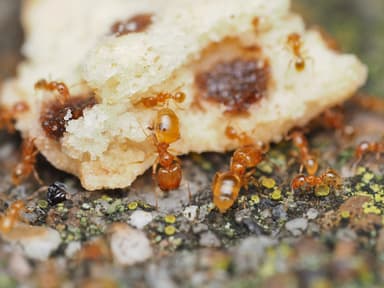
Feeding Pheidole tysoni is a joy, as they are aggressively omnivorous and eagerly recruit to a broad menu. Their diet should balance protein and carbohydrates. For protein, offer freshly killed insects such as small crickets, fruit flies, mealworm pieces, or roach nymphs two to three times a week. The minors will quickly swarm the prey, often dragging it back to the nest where majors macerate it with their powerful mandibles. Sugars are equally important; provide a small drop of honey, sugar water, or commercial ant jelly every two to three days on a piece of foil or in a liquid feeder to prevent drowning. A constant supply of clean fresh water must always be available in a test tube or water tower. Avoid overfeeding—remove any uneaten food after 24 to 48 hours to prevent mold. During the active growing season, a colony with abundant larvae will consume surprising quantities, so observe their consumption and adjust portions accordingly. Supplementing with a tiny pinch of pollen or crushed seeds can be beneficial, as in the wild they collect small grass seeds (Coovert 2005), though this is optional if a balanced insect-sugar diet is provided.
Hibernation is a non-negotiable annual rhythm for this temperate species. In the wild, Pheidole tysoni experiences a marked winter cool-down within its range, and in captivity failing to provide this diapause will lead to declining colony health, reduced queen longevity, and erratic brood cycles. As days shorten in late autumn, gradually reduce temperatures over a week or two until they reach a steady 12°C (about 54°F). A wine cooler, dedicated fridge with a temperature controller, or an unheated garage that stays within this range can work well. The colony will cluster, with the queen ceasing egg-laying, and activity will slow to a near standstill. Hibernation should last for three to four months. During this time, ensure the nest does not dry out—check the water source monthly—but do not offer food. When spring arrives, warm them back up slowly to the active range, and the queen will resume egg-laying, often with a rejuvenated, prolific burst.
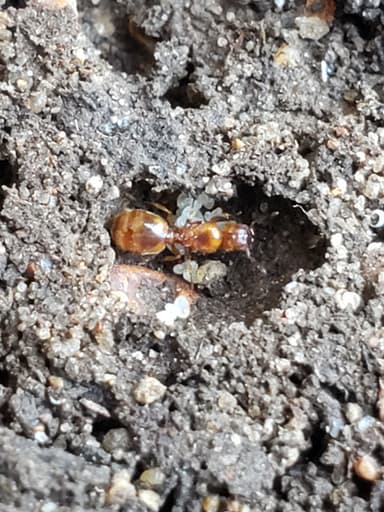
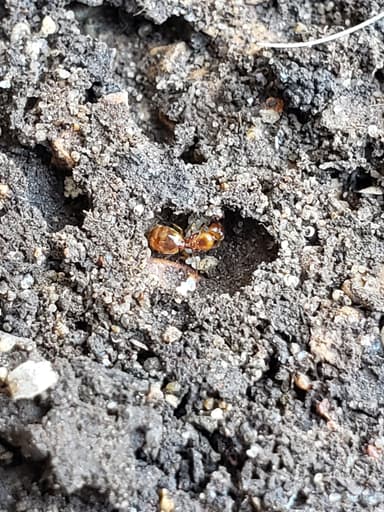
The first few days after your Pheidole tysoni queen arrives are critical, but happily, she does not demand much from you. Keep her in the test tube she arrived in, wrapped in a dark cover like red foil or a gentle cloth to minimize disturbance. Place the tube in a quiet, vibration-free spot at room temperature, ideally between 24°C and 26°C. Check on her only briefly once a week. A claustral queen has internal nutrient reserves—do not feed her at all until the first workers emerge. Feeding too early can stress her, promote mold, and often leads to her ignoring the food entirely. After about four to six weeks, the first tiny minors will appear. At this stage, you may offer a minuscule dab of sugar water on a cotton swab near the tube entrance and, a day later, a pre-killed small fruit fly or a fragment of a mealworm. Watch how the new workers gently palpate the queen’s body to beg for trophic eggs, a behavior that is as endearing as it is primitive. From this point, they will gradually take over all foraging duties, and you can begin the standard feeding schedule, attaching their test tube to a small outworld once their numbers reach a couple of dozen. Patience is key: a stress-free founding stage sets the foundation for a robust, thriving colony that will entertain you for years.