Lasius
Lasius brunneus
Nuptial Flight Calendar
Flight months: May, Jun, Jul, Aug
Care Guide
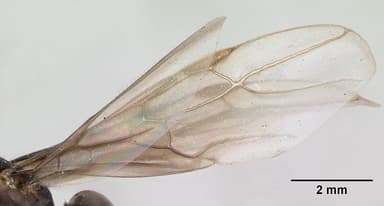
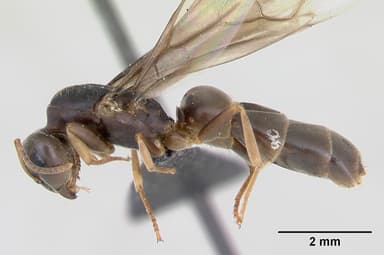
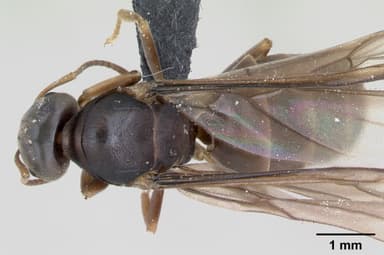
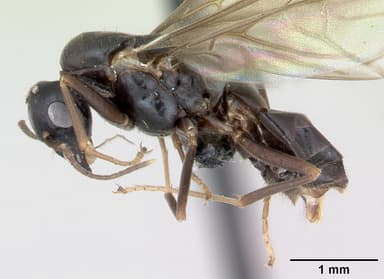
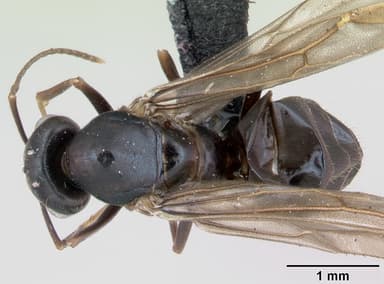
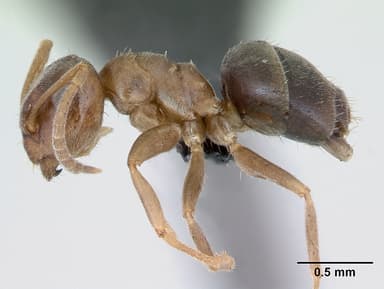
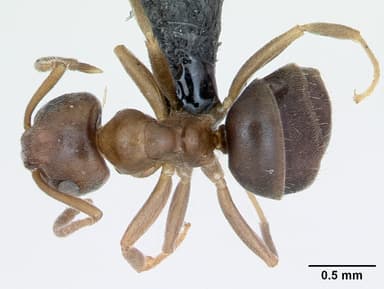
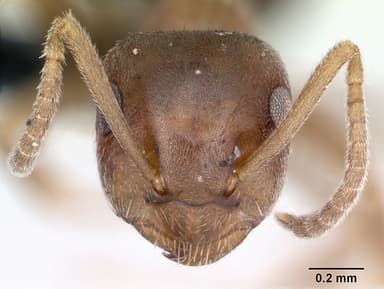
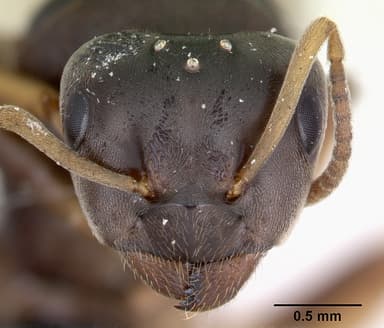
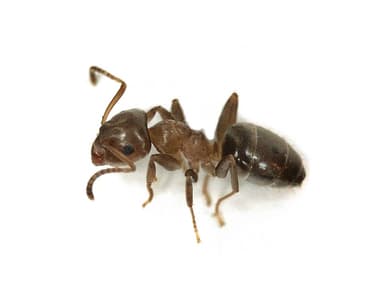
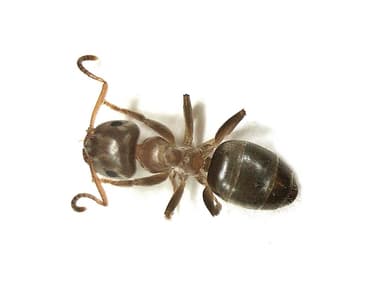
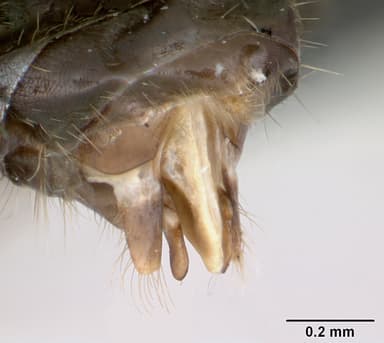
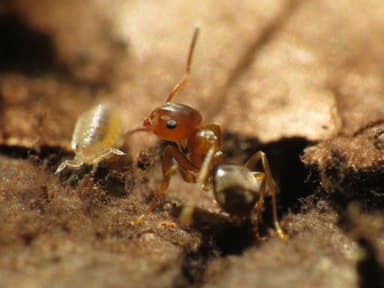
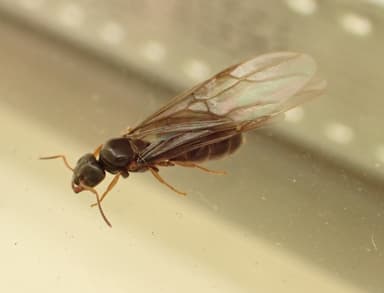
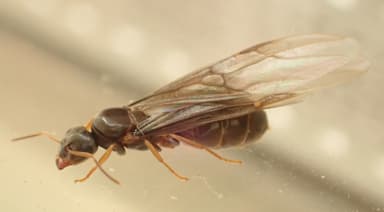
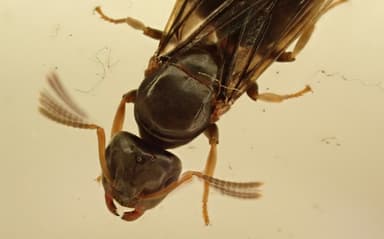
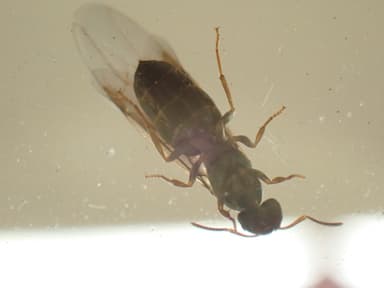
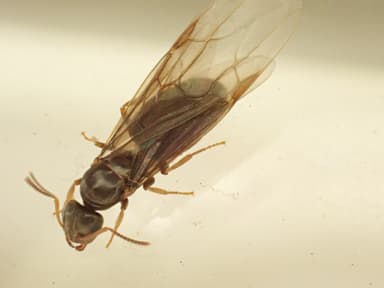
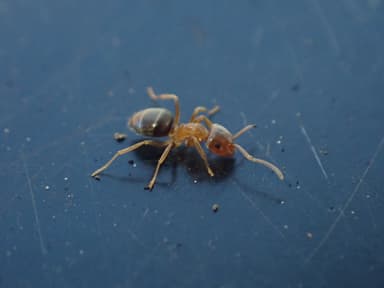
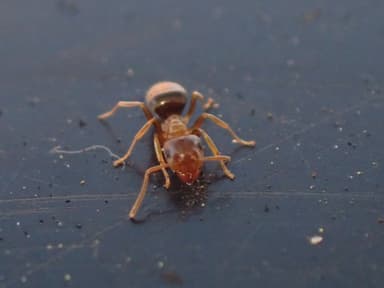
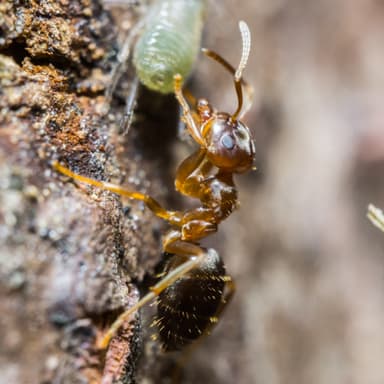
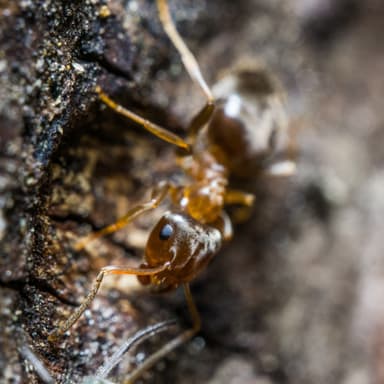
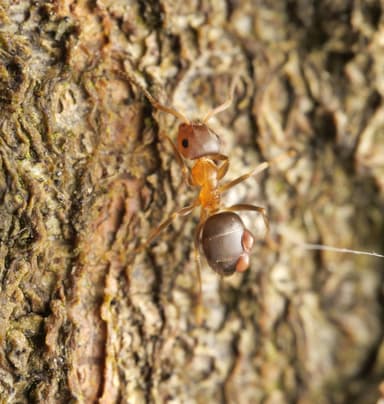
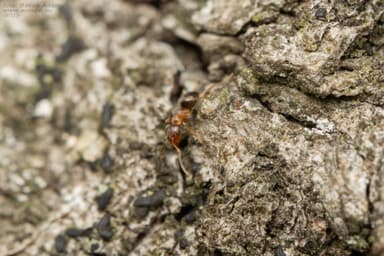
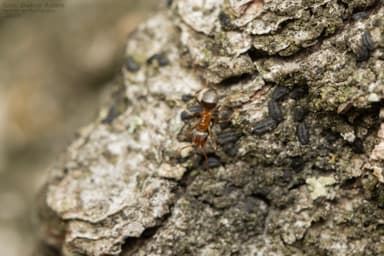
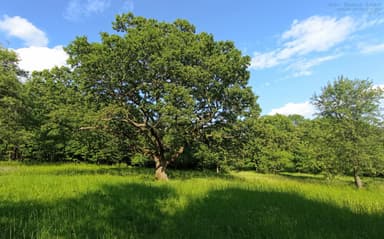
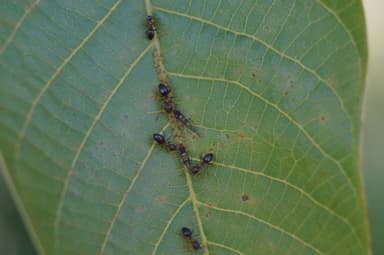
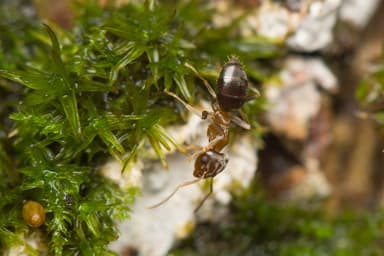
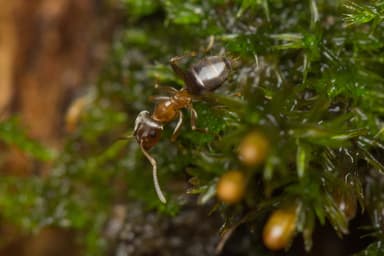
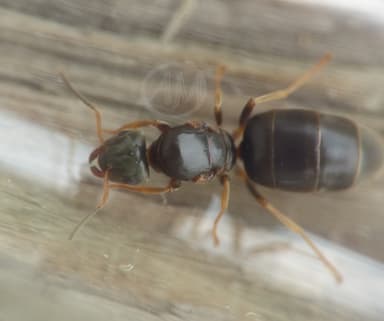
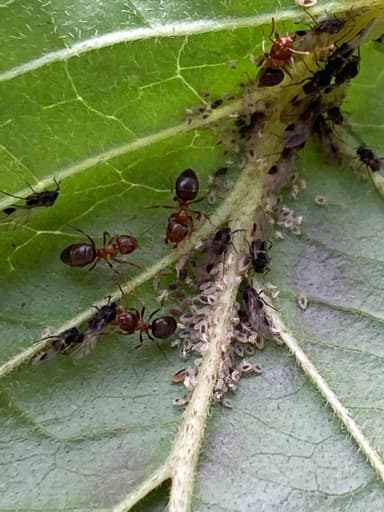
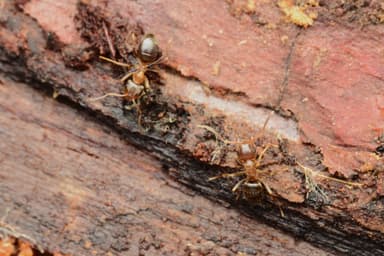
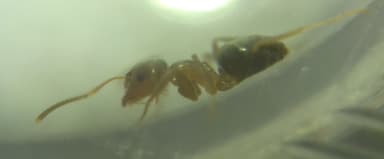
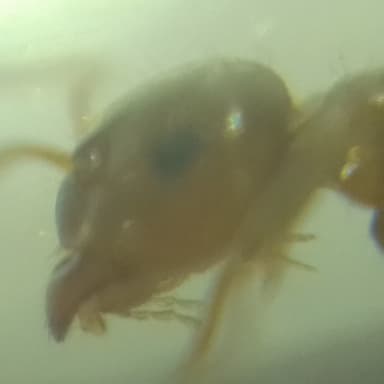
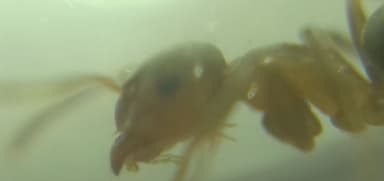
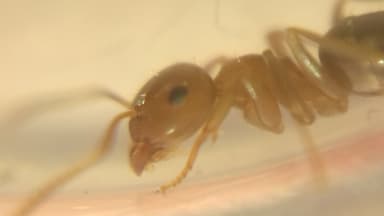
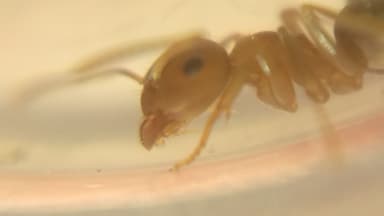
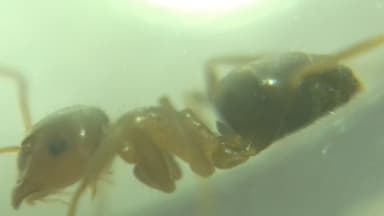
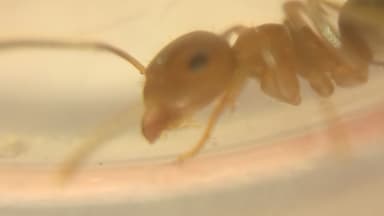
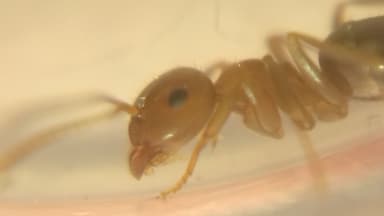
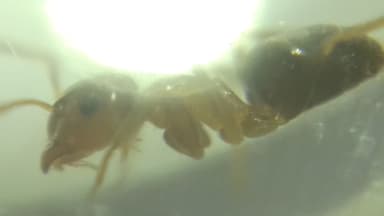
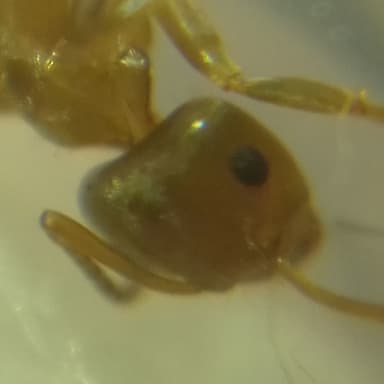
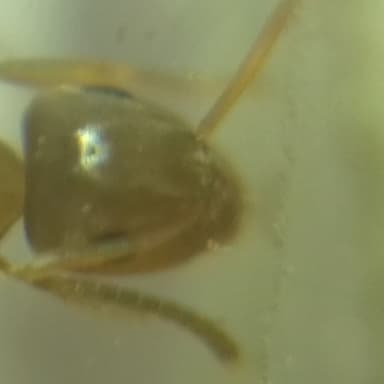
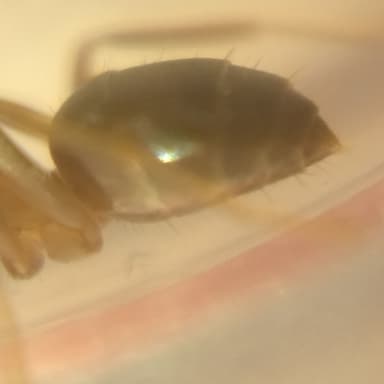
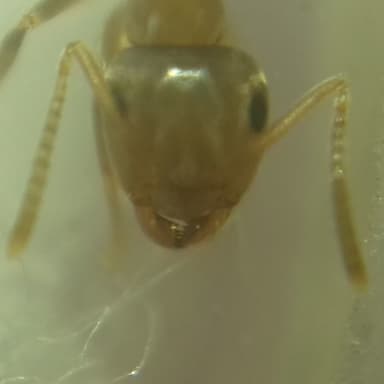
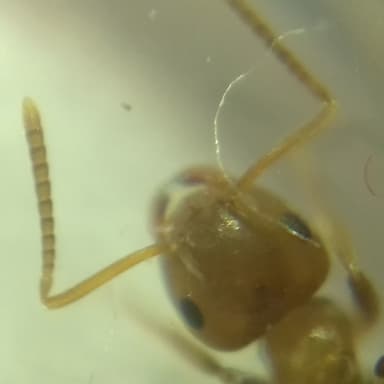
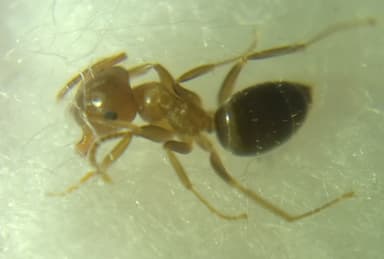
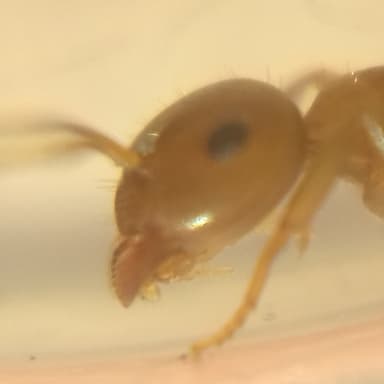
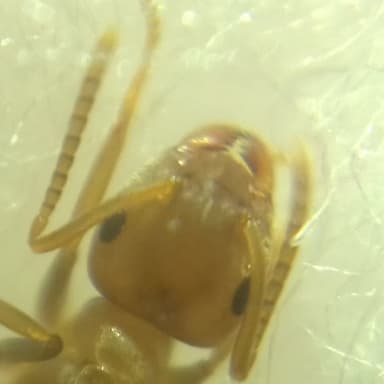
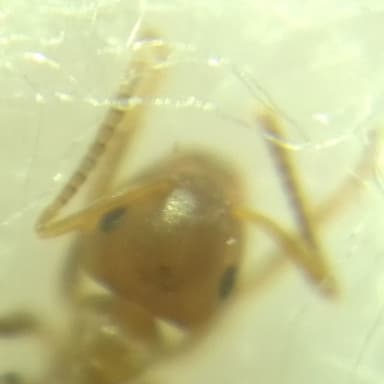
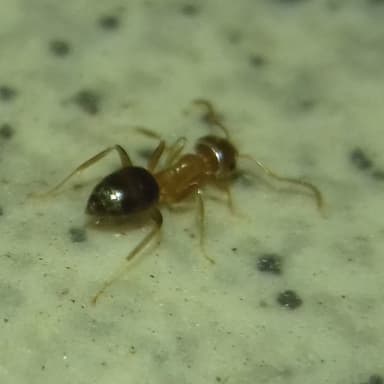
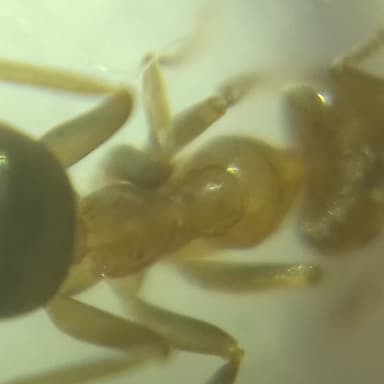
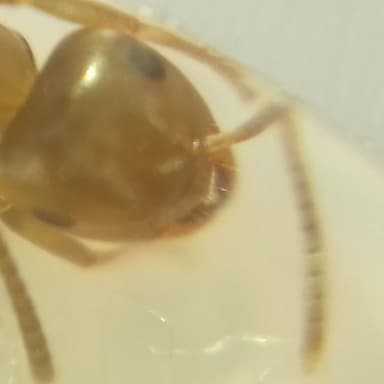
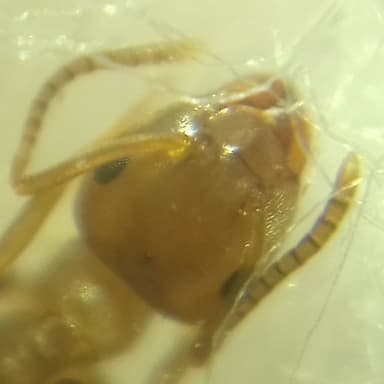
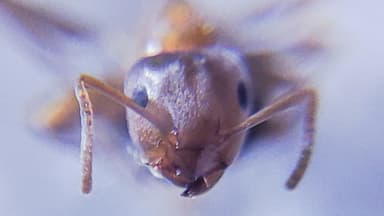
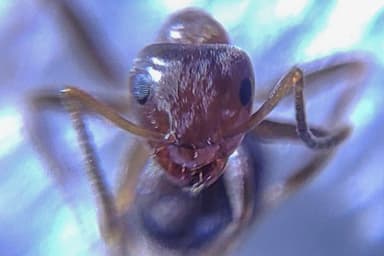
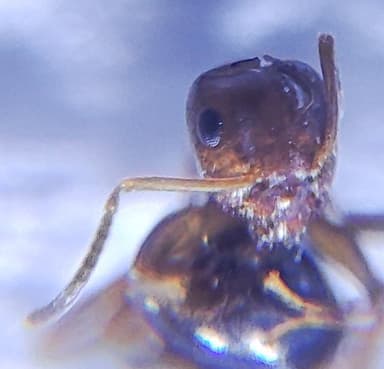
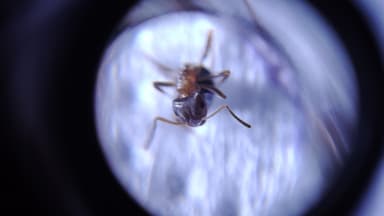
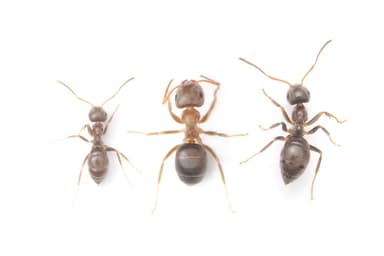
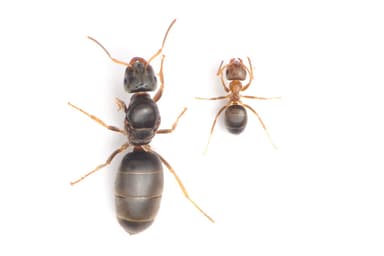
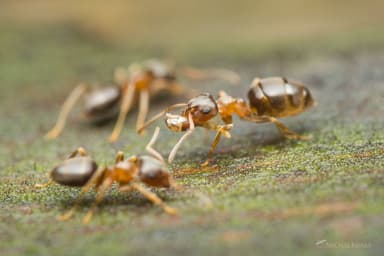
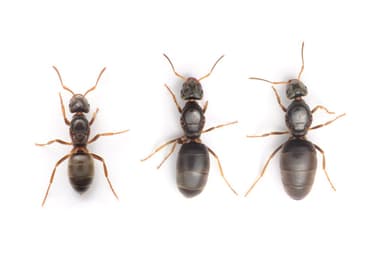
Lasius brunneus, often called the brown tree ant, is a modestly sized but endlessly rewarding species for the observant keeper. Workers measure a petite 3 to 4.5 mm, while queens reach a more substantial 6.5 to 8 mm, their uniformly warm brown bodies subtly shining under good light (AntWeb; Seifert 2018). Colonies are monomorphic, containing only one worker caste, yet they can swell to impressive numbers — up to 30,000 individuals at maturity — filling their nest with a constant hum of activity (AntWiki). The species is widespread, occurring naturally from the Mediterranean basin north to southern Scandinavia and eastwards into western Asia, well within a bounding box stretching from 36° to 60°N and from 10°W to 60°E (GBIF; Czechowski et al. 2012). What makes them especially fascinating is their arboreal inclination: in the wild they favour nesting in dead wood and under loose bark, often tending aphid colonies for honeydew. Their nuptial flights unfold on warm, humid summer afternoons from June to August, typically following rain and with temperatures above 20°C, offering a reliable window for capturing a freshly mated queen.
This species falls squarely into an intermediate care category, making it an ideal next step for hobbyists who have already succeeded with forgiving beginners like Lasius niger. The responsibility isn’t overwhelming, but a few non‑negotiable requirements — chiefly strict hibernation and attentive humidity control — raise the bar just enough to sharpen your skills. Keepers who enjoy crafting naturalistic, wood‑centric setups will find L. brunneus particularly engaging, as its behaviour flourishes when we mimic the rotting timber microhabitats it prefers. It’s not recommended as a first‑ever ant purely because missing hibernation or allowing chronic dampness can quickly cause decline, yet any enthusiast willing to provide those conditions will be richly rewarded by the colony’s dynamic foraging and steady growth.
Providing a home that echoes their natural nesting sites is the cornerstone of success. A formicarium constructed from or containing plenty of rotting wood, such as a plaster nest heavily blended with fine wood fibres or a sand‑clay mixture studded with bits of decomposing hardwood, will be eagerly inhabited. Temperature should stay between 20 and 26°C — a gentle heat mat attached to one side of the nest can accelerate brood development, though typical room temperatures often suffice. Humidity is the true linchpin: keep the nest medium within 50–70% moisture, creating a gradient from slightly drier to moderately damp so the ants can self‑select. Overhydration is a common mistake; saturated substrate breeds mould and mites. An outworld layered with a sand‑soil mix and decorated with small twigs and leaf litter encourages natural foraging paths and provides microclimates. Good ventilation, such as fine mesh lids, prevents runaway condensation and helps maintain healthy air quality.
Feeding Lasius brunneus is uncomplicated, mirroring the diet of most common pavement and tree ants. Protein in the form of fresh‑killed small insects — fruit flies, pinhead crickets, or chopped mealworms — should be offered two to three times per week and removed if uneaten after 24 hours to prevent decay. Carbohydrate sources like sugar water, honey, or commercial ant jelly must be constantly available in a shallow feeding dish; you’ll notice workers gorging and sharing with nestmates through trophallaxis. A reliable water source, whether a test tube with a cotton plug or a small sponge kept moist, is essential, as these ants can desiccate quickly in overly dry conditions. As the colony expands through spring and summer, expect the appetite to ramp up significantly, and adjust the quantity and frequency of feedings accordingly.
A cold winter rest is absolutely compulsory for long‑term health. From roughly November to March, the colony must be hibernated at a steady 5°C — a refrigerator set to that temperature, a chilly cellar, or a wine cooler works perfectly. About two weeks before cooling, stop feeding protein so workers’ digestive tracts can empty, then gradually reduce the temperature to the target. Keep the nest slightly moist and provide a tiny water reservoir so they can drink if needed; never let the substrate freeze or dry out entirely. This dormant phase resets the queen’s egg‑laying cycle and primes the colony for a vigorous spring. Colonies deprived of hibernation inevitably grow sluggish, fail to rear healthy brood, and ultimately perish.
The first days after acquiring your ants set the tone for a harmonious future. When the colony arrives, place the test tube or small starter nest into a dark, vibration‑free spot and resist all but the briefest checks for at least 48 hours. Offer nothing more than a tiny droplet of sugar water during this settling period; wait another day or two before introducing the first insect protein. Ensure temperature and humidity are already in the ideal range from the moment you unbox them. Watch quietly for signs of calm: the queen resting, workers grooming, and perhaps a tentative scout exploring the outworld. If you see continuous pacing or panicked behaviour, extend the undisturbed settling time. Once the colony begins foraging confidently, you can gradually connect a larger nest. Patience, more than any piece of equipment, is the keeper’s most valuable tool in these early days.