Forelius
Forelius pruinosus
Nuptial Flight Calendar
Flight months: May, Jun, Jul, Aug, Sep
Care Guide
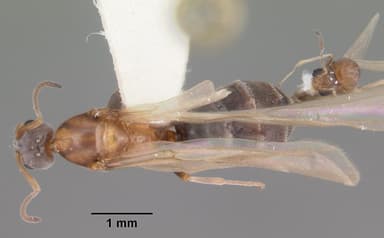
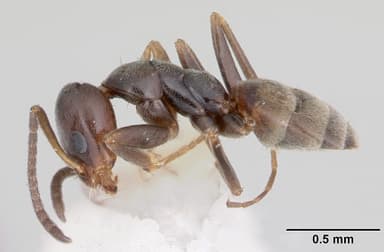
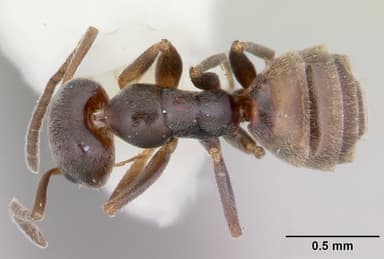
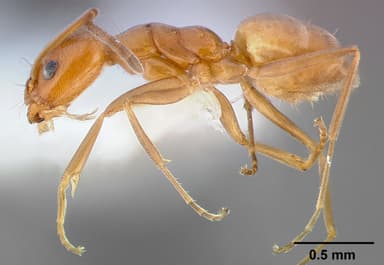
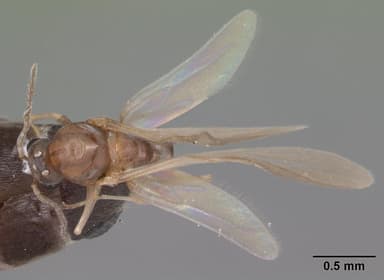
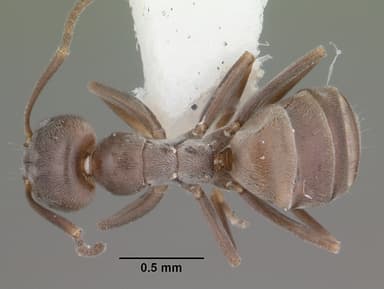
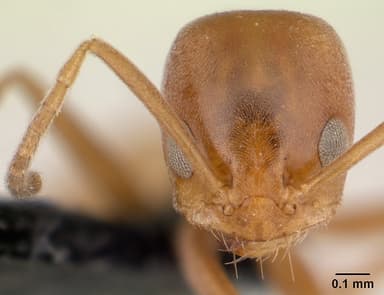
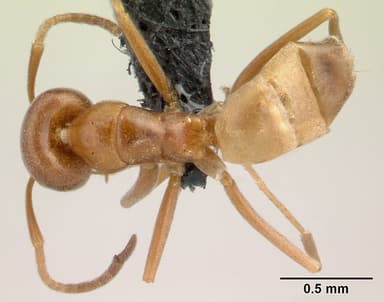
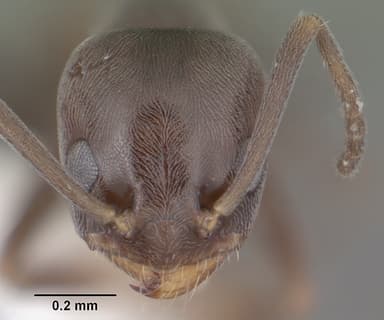
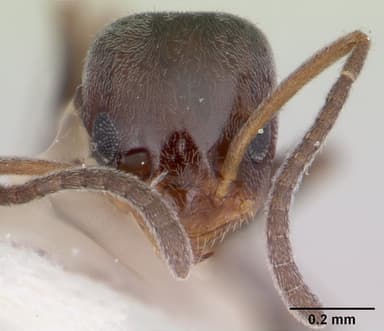
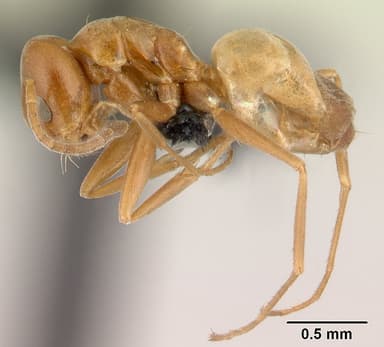
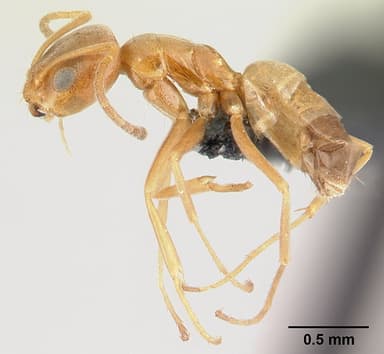
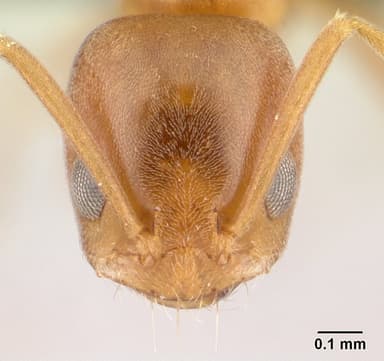
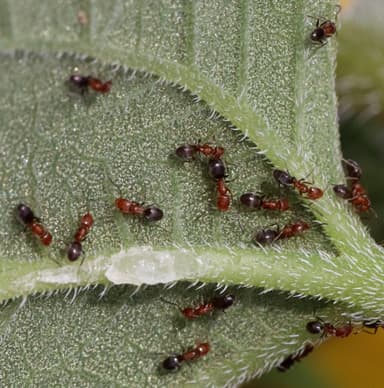
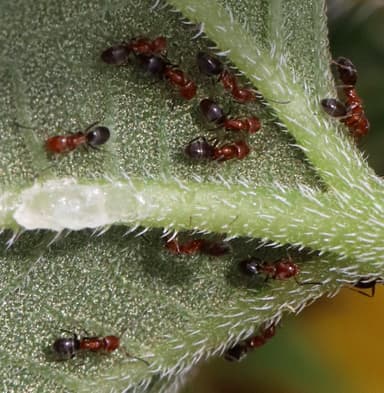
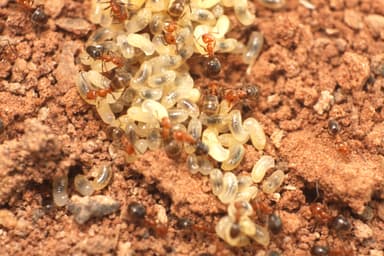
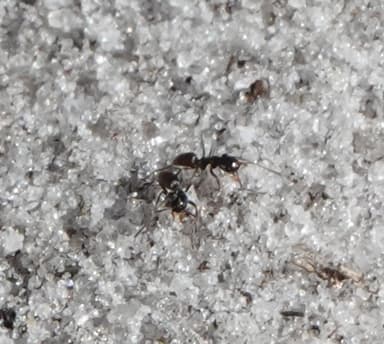
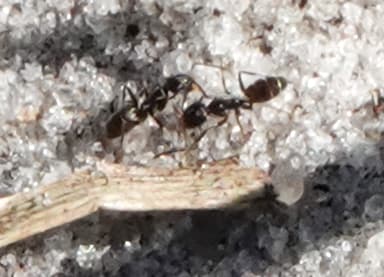
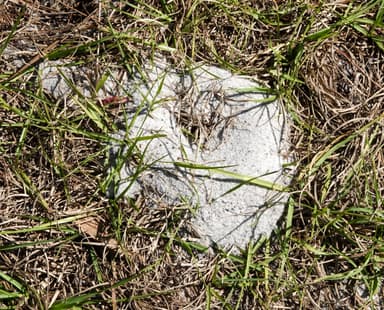
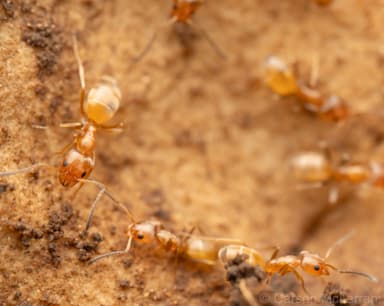
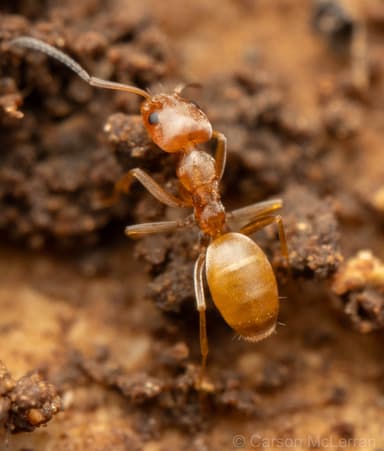
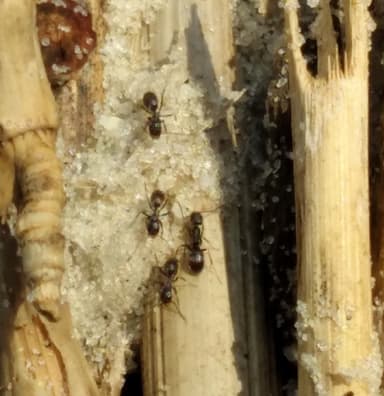
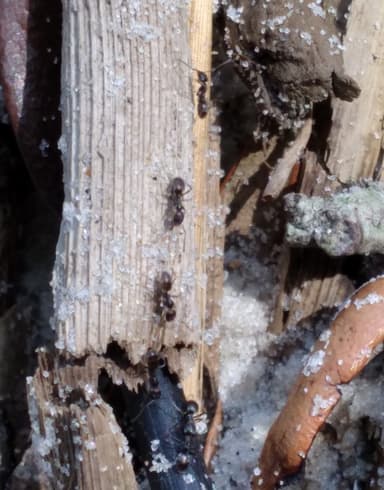
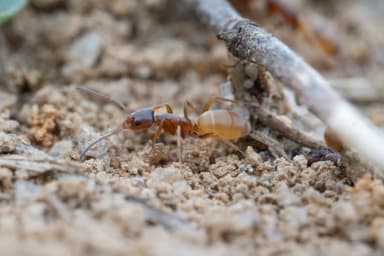
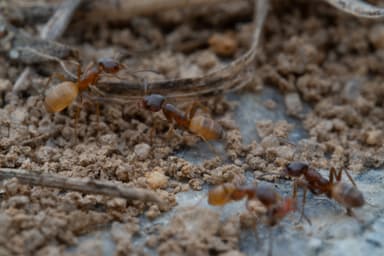
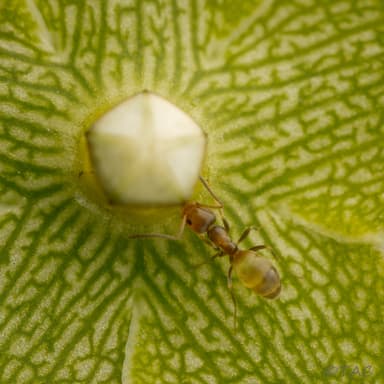
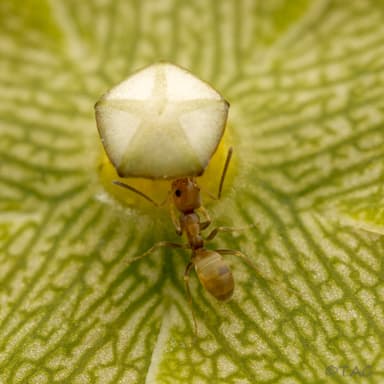
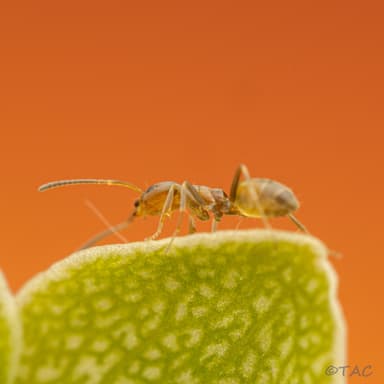
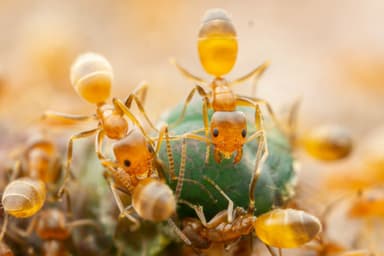
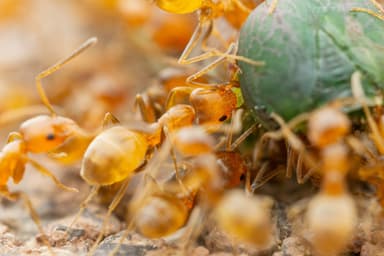
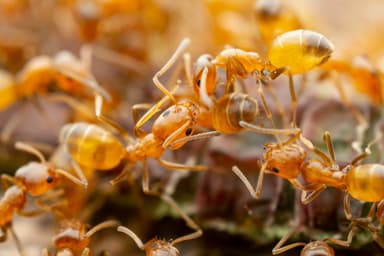
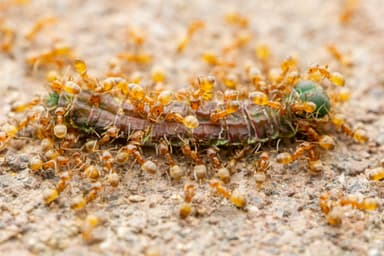
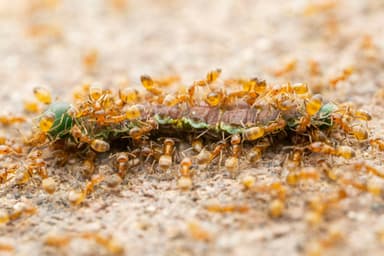
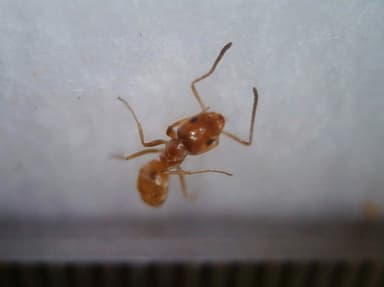
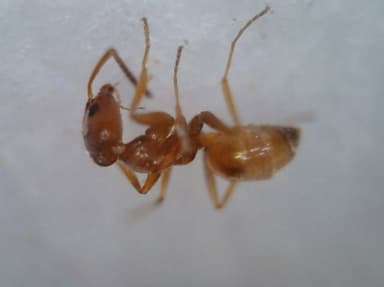
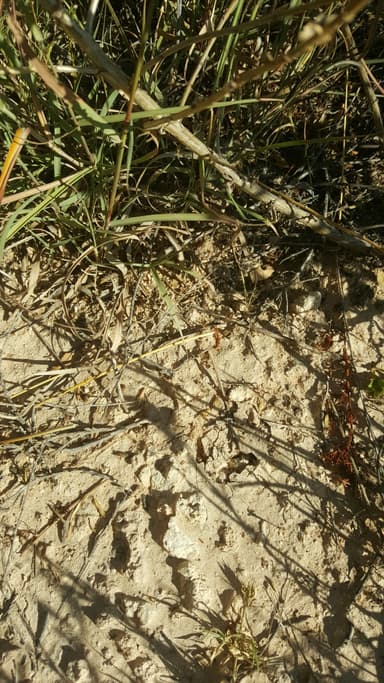
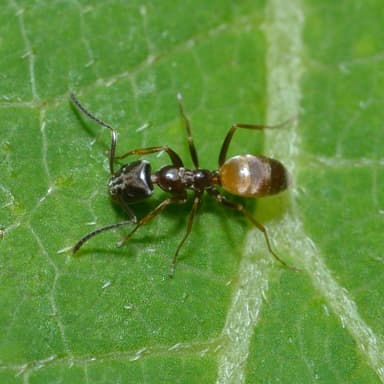
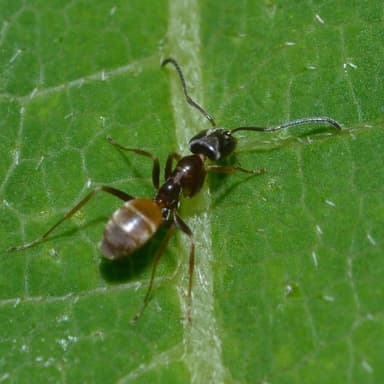
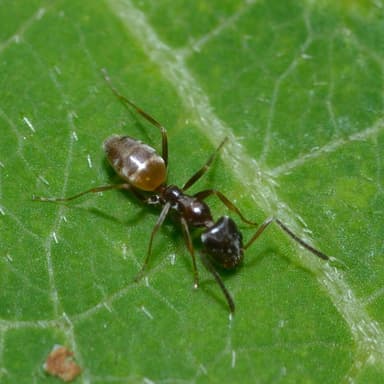
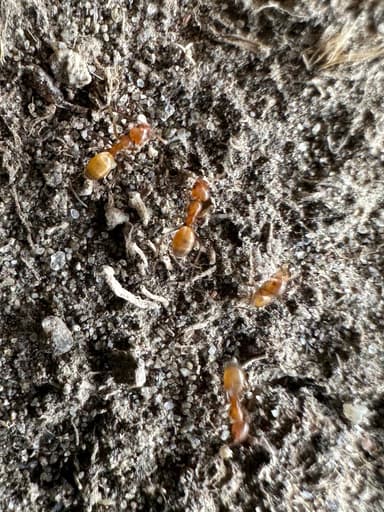
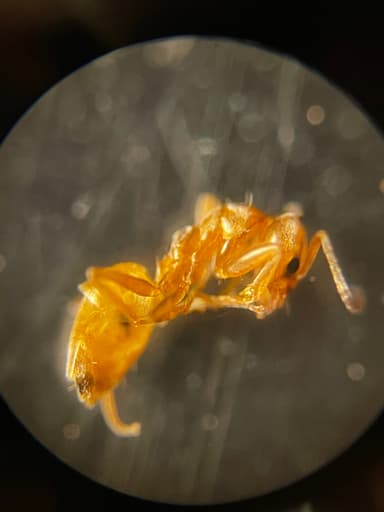
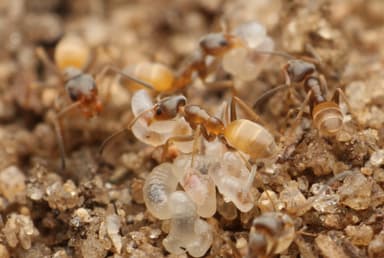
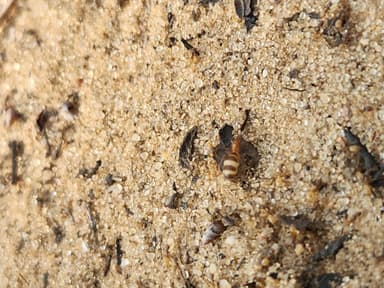
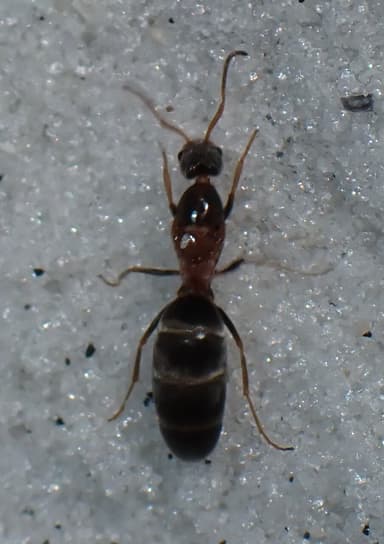
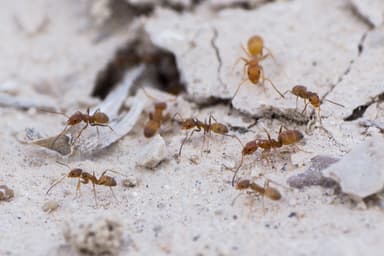
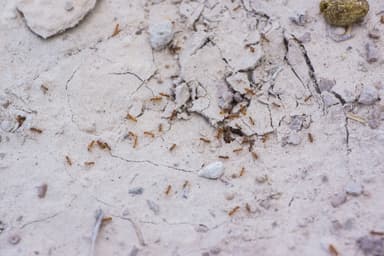
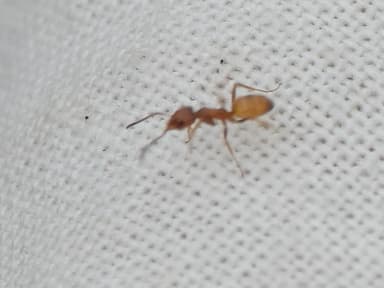
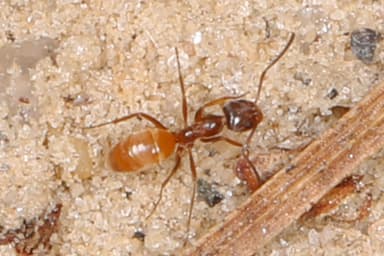
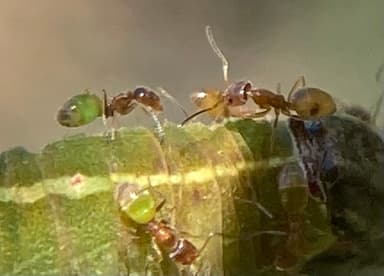
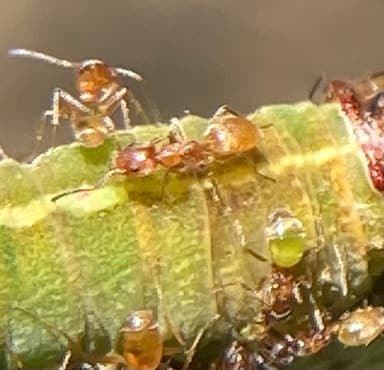
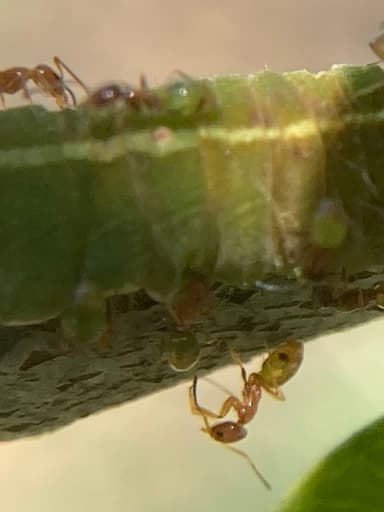
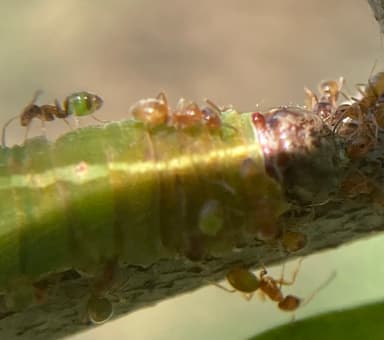
Forelius pruinosus, often called the high noon ant or crazy ant due to its frenetic, erratic movement, is a diminutive species with outsized character. Workers measure a mere 1.5 to 2.5 millimeters, while queens reach a more robust 4 to 5 millimeters. Their slender bodies range from a dusky brownish-black to a shimmering silvery-gray, the latter caused by a dense coat of fine pubescence that gives them a frosted appearance under light (Creighton 1950). Colonies are polygyne by nature and can swell to staggering numbers exceeding 100,000 individuals in the wild, creating long, bustling foraging columns that appear as moving ribbons of silver. This species thrives across a vast swath of the Americas, from the southern United States deep into Argentina, favoring disturbed, sun‑baked habitats like sidewalks, lawns, and desert flats—anywhere the soil warms quickly. Nuptial flights erupt on hot, humid afternoons following summer rains, from May through September in North America, with winged queens taking to the air in dense, shimmering clouds (AntWiki). In the nest, a single minor worker caste monomorphically carries out all tasks, from brood care to aggressive defense, where they will raise their gasters and secrete a potent formic acid cocktail to repel threats. Keeping them offers a front‑row seat to behaviors often missed in larger, slower ants: their dizzying speed, cooperative brood transport, and rapid response to food make every observation session a dynamic event.
As a care difficulty rated squarely for beginners, Forelius pruinosus is an excellent match for a keeper new to the hobby who wants a robust, fast‑growing colony without the fragility of more demanding species. Their resilience lies in wide environmental tolerances and a forgiving claustral founding strategy—a newly mated queen seals herself away and raises her first workers on internal fat reserves, requiring no food until nanitics emerge roughly a month later. This colony’s needs are straightforward but must be met with an escape‑proof setup, because their tiny size and surprising climbing ability can turn an ill‑sealed lid into a diaspora. A formicarium with very fine ventilation mesh or a PTFE‑coated barrier is essential. They thrive in a setup that mimics their natural preference for dry, open ground: a soil‑based or plaster dig nest with narrow, winding tunnels and small chambers suits them perfectly, as they will not chew through materials but will eagerly excavate loose substrate. Aim for a temperature gradient of 22 to 32°C—warmer areas speed brood development and foraging activity—while humidity should stay modest, between 40 and 60 percent. In practice, this means lightly moistening one side of the nesting area while keeping the majority dry, a balance that prevents both desiccation and fungal issues. A small outworld with a sandy or gritty surface allows natural foraging and gives the ants a secure footing for their high‑velocity patrols.
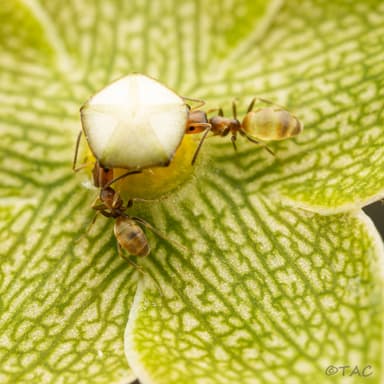
Diet is the engine that drives this species’ remarkable population growth. Forelius pruinosus is a voracious generalist, scavenging both insect protein and sugary carbohydrates with equal gusto. In captivity, offer freshly killed fruit flies, pinhead crickets, or chopped mealworm segments two to three times a week, removing uneaten portions after 24 hours to avoid mold. Their sweet tooth is satisfied with drops of sugar water, honey diluted in water, or pure maple syrup, provided in small liquid feeders that prevent drowning—cotton‑wicked tubes or miniature bottle caps filled with cotton work beautifully. Water is just as critical; always supply a fresh, clean source via a test‑tube water tower or a direct moist cotton plug in a hydration chamber. Remarkably, these ants can tolerate brief dry spells thanks to their adaptation to arid scrublands, but a stable water supply keeps brood plump and workers active. As the colony grows from a few dozen to hundreds, scale up feeding frequency and volume proportionally, and expect a noticeable surge in foraging during the warmest hours of the day, mirroring their crepuscular-to-diurnal rhythms in the wild (Mackay & Mackay 2002).
Despite their warmth‑loving disposition, Forelius pruinosus requires a pronounced hibernation period to maintain long‑term colony health and queen fertility. In their native range, winter temperatures dip, and they respond by retreating deep underground and drastically slowing metabolism. In captivity, this means a mandatory 2‑ to 3‑month rest at around 15°C. As autumn approaches, gradually reduce heating over a few weeks while decreasing food offerings, finally moving the formicarium to a cool, dark location—a wine cooler, unheated basement, or dedicated ant fridge works well. During diapause, workers huddle around the queen, brood development stalls, and feeding nearly ceases; only a very tiny sip of sugar water every few weeks is needed, if any. When spring arrives, warm them slowly back to optimal temperatures over a similar transition period, and watch for the queen to resume egg‑laying. Keepers who skip this cold rest often see a steady decline in colony vigor, with queens losing productivity and workers dying prematurely, so it is a non‑negotiable part of responsible husbandry.
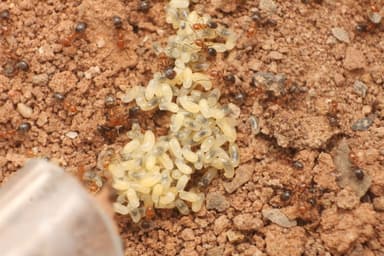
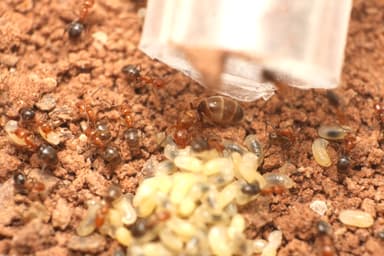
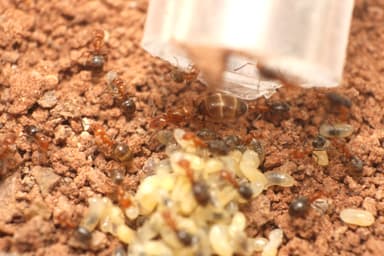
From the moment your queen arrives, the first days set the stage for everything to come. House her in a standard claustral setup—a test tube with a water reservoir plugged by cotton, placed in a quiet, darkened environment at around 25°C. She will not need food; checking on her more than once a week only introduces stress. After her first workers eclose, typically in 4 to 6 weeks, you may connect the tube to a small foraging arena and offer a micro‑drop of sugar water and a softened fruit fly limb. Watch the nanitics’ first tentative forays with patience—these millimetric pioneers are extremely delicate and can drown in even shallow liquid if not careful, so always present liquids soaked into cotton. Within days, their confidence will explode, and the colony will begin the rapid ascent that makes Forelius pruinosus so rewarding. As you observe their shimmering trails and tireless industry, you will understand why this little silver ant has become a beloved staple for keepers across the Americas.