Pogonomyrmex
Pogonomyrmex montanus
Nuptial Flight Calendar
Flight months: Jul, Aug
Care Guide
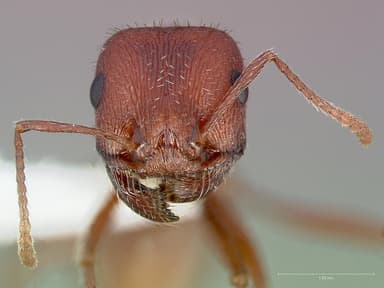
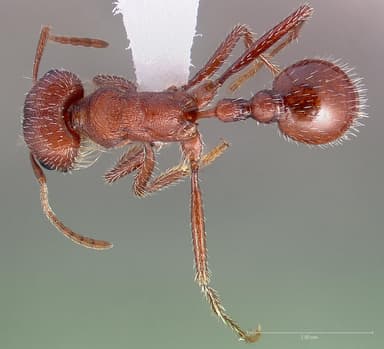
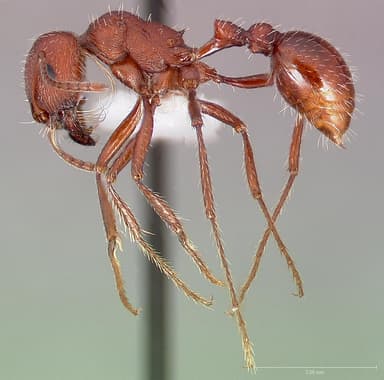
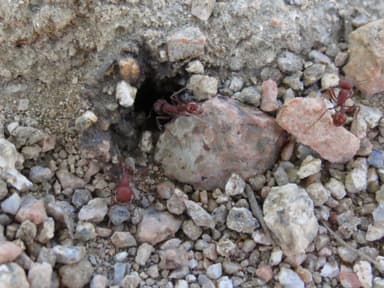
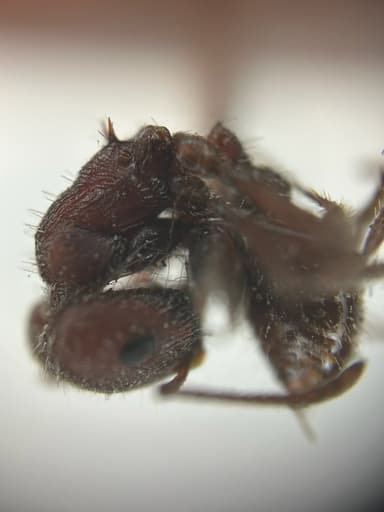
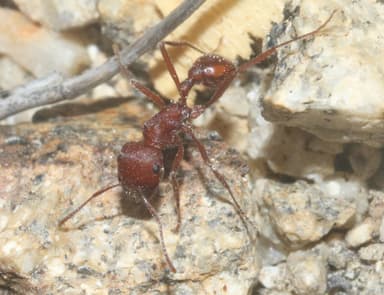
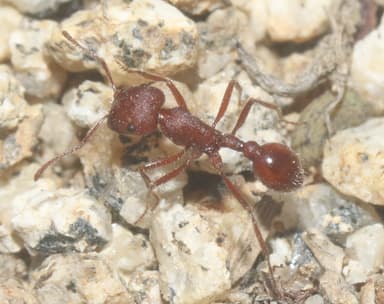
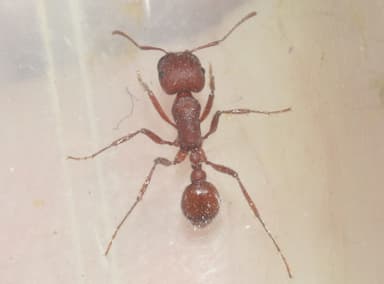
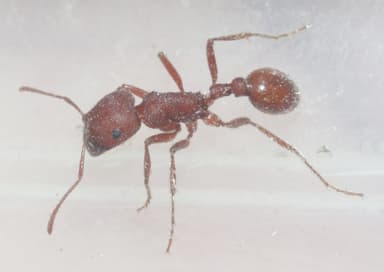
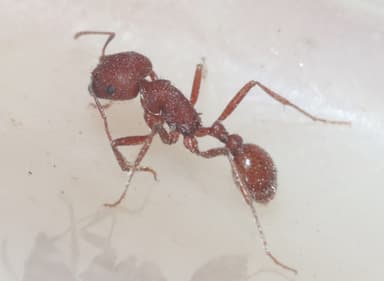
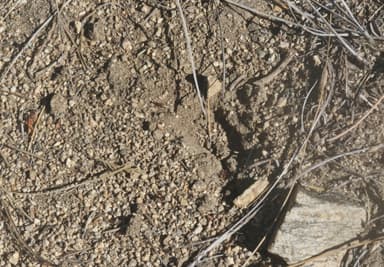
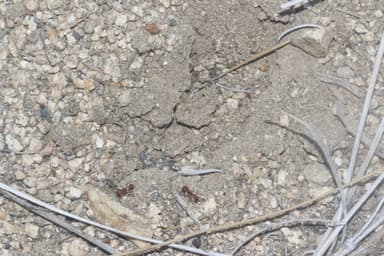
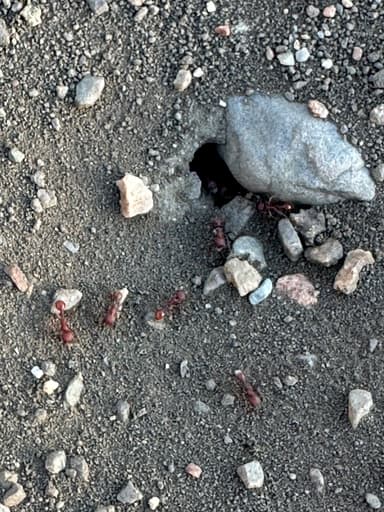
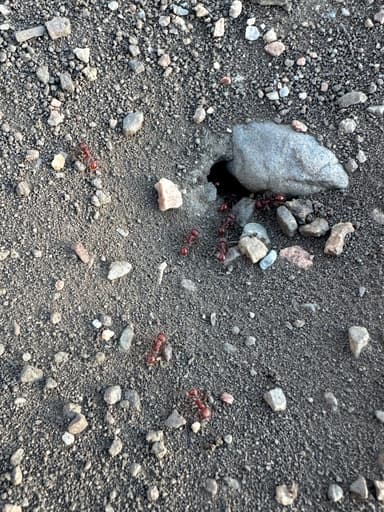
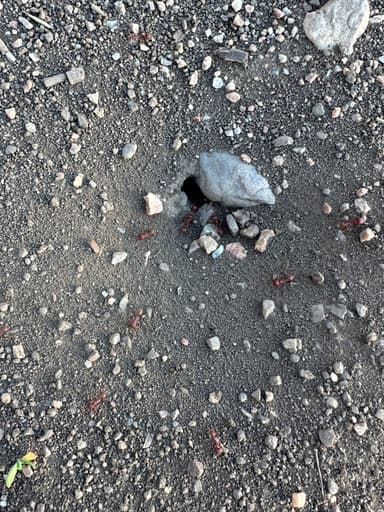
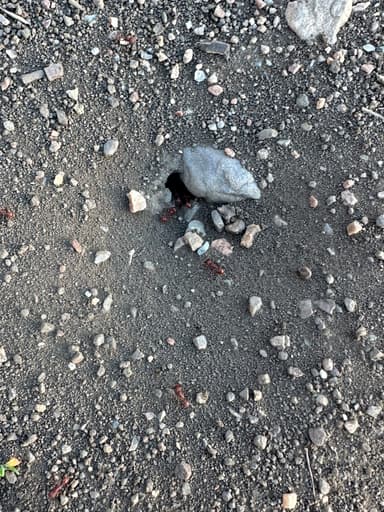
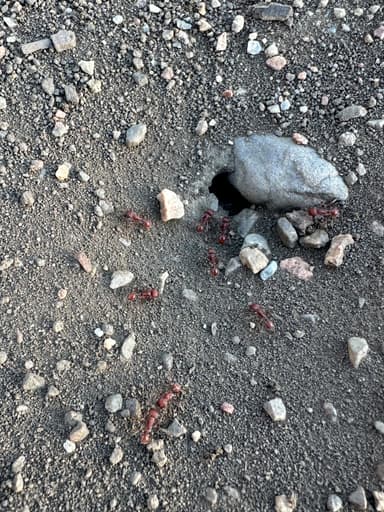
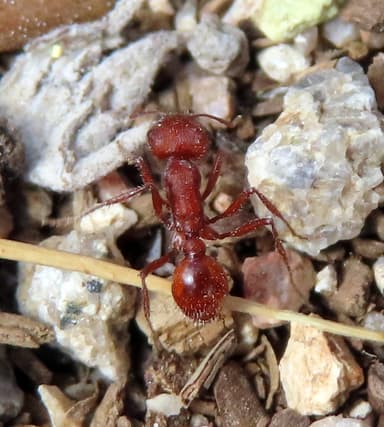
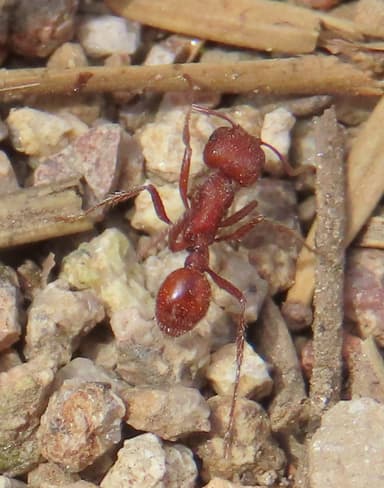
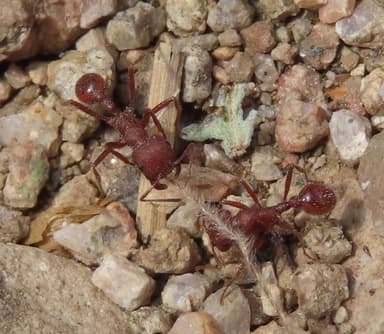
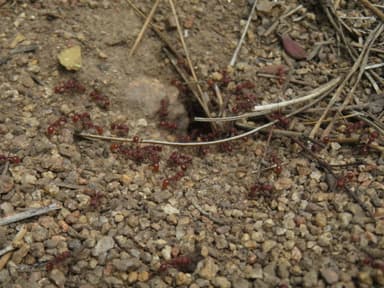
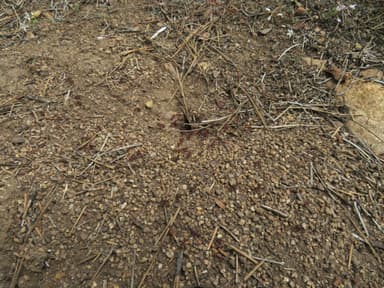
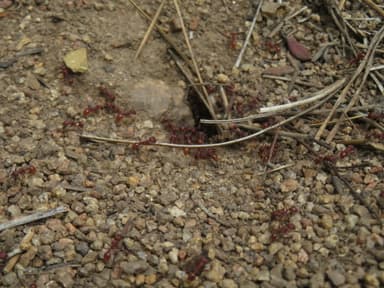
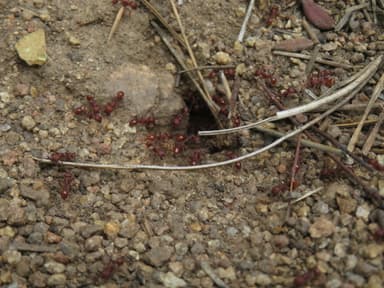
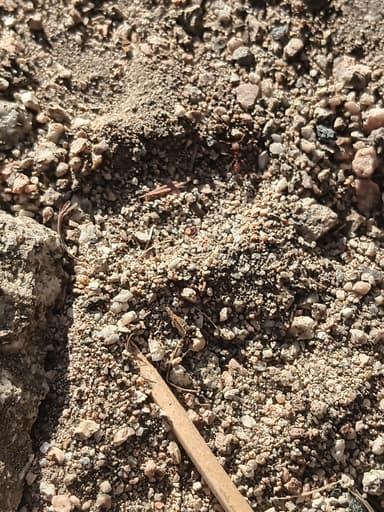
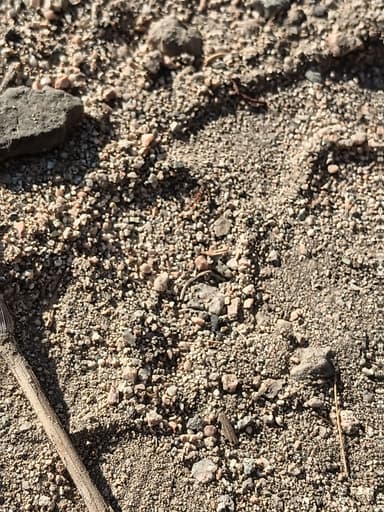
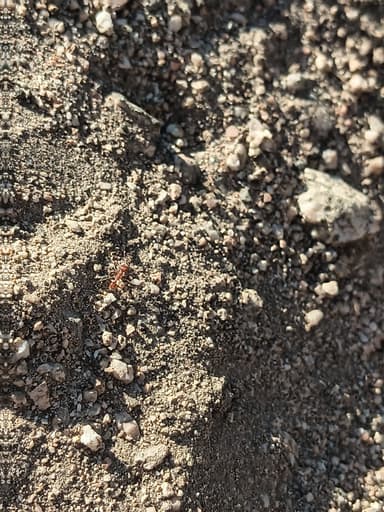
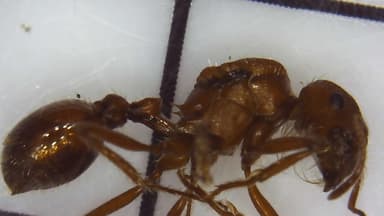
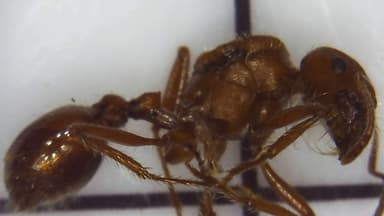
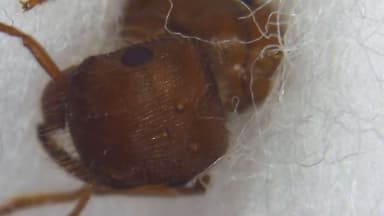
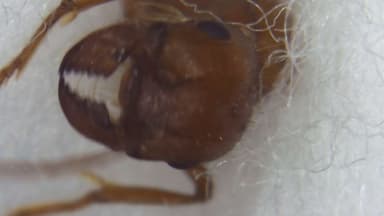
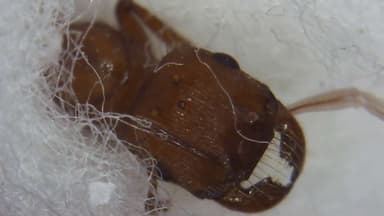
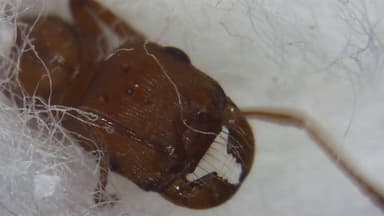
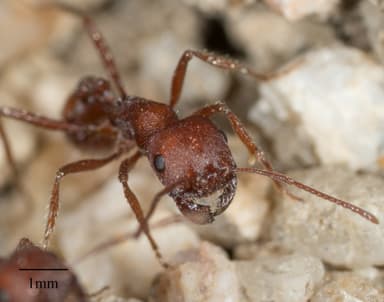
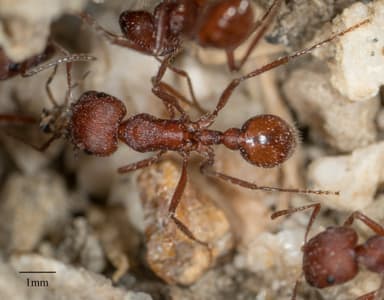
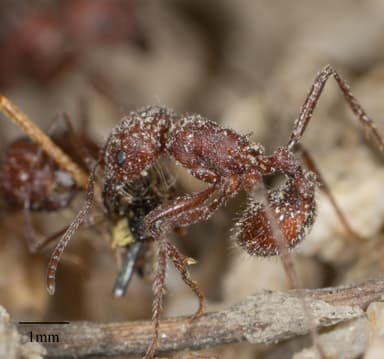
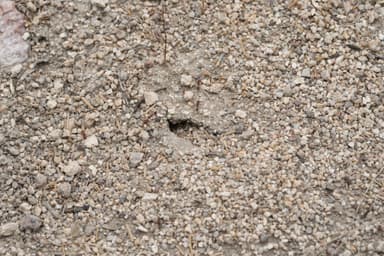
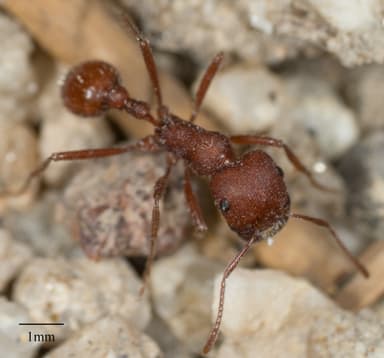
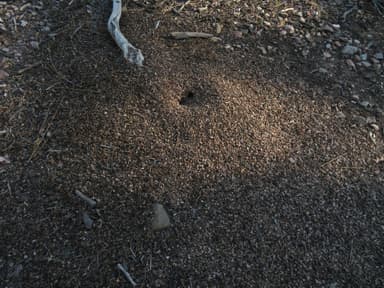
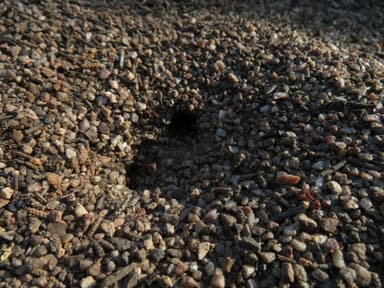
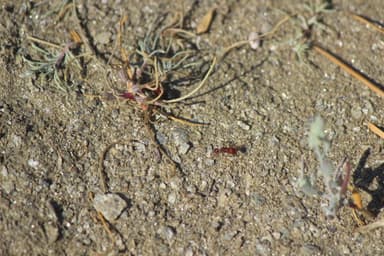
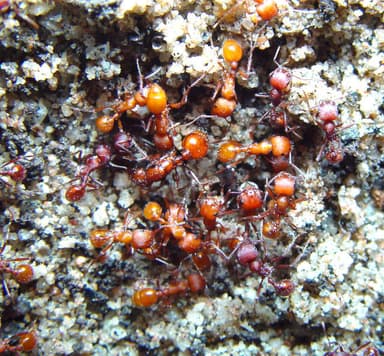
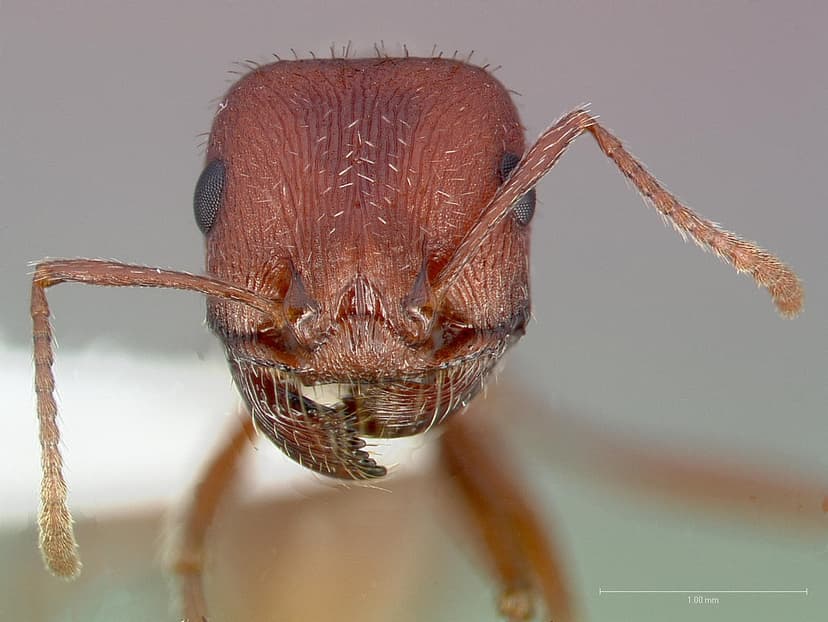
Pogonomyrmex montanus, the mountain harvester ant, is a striking species endemic to the montane regions of western North America, ranging from the Sierra Nevada into the Great Basin. Queens measure an impressive 9.5 to 11.5 millimeters in length, while workers span a monomorphic 6 to 9 millimeters, all clad in a dark reddish‑brown exoskeleton. Colonies in the wild may house up to around 5,000 individuals, a respectable size for a harvester ant, though they tend to remain relatively compact compared to lowland congeners. These ants are fascinating for their adaptation to high‑altitude meadows and open pine forests, where they forage primarily for seeds yet will not hesitate to deliver a memorable sting if their nest is disturbed. Nuptial flights occur during July and August, on warm, sunny afternoons following the arrival of summer monsoon rains—a brief window that any aspiring keeper should mark on the calendar if they hope to capture new queens. The species is fully claustral, meaning a founding queen seals herself away and raises her first workers using only her own metabolic reserves, a trait that simplifies founding attempts in captivity.
Given their specific environmental requirements, P. montanus sits at an intermediate level of care difficulty, ideally suited to hobbyists who have already experienced the rhythms of a more forgiving ant species. The mountain harvester demands a habitat that mimics its arid, high‑elevation home: a nest with a pronounced thermal gradient and very low ambient humidity. This is not an ant that will thrive in a stuffy, saturated formicarium; excess moisture quickly leads to stress, fungal outbreaks, or even colony collapse. The keeper must be prepared to maintain a temperature range of 20 to 30 degrees Celsius during the active season, while keeping relative humidity strictly between 30 and 50 percent. These conditions reflect the well‑drained, sandy‑loam soils the ants excavate in nature, and a nest medium that can wick away moisture—such as a ytong or fire‑brick setup with a small, controlled water source on one side—typically works best. A deep outworld filled with dry sand mixed with a little clay allows workers to engage in their natural digging and seed‑husking behaviors, while a heat lamp or heating pad placed at one end creates the essential basking zone.
Diet, in keeping with the granivorous habits of the genus, centers on a varied selection of small seeds. Kentucky bluegrass, chia, dandelion, and poppy seeds are all eagerly accepted and can be supplemented with crushed nuts or commercial seed mixes designed for harvester ants. During periods of active brood rearing, the colony also requires a reliable source of insect protein; small crickets, fruit flies, or mealworm pieces offered twice a week prevent cannibalism of the larvae and promote robust growth. Water must be provided in a manner that does not elevate nest humidity—a test tube with a cotton plug, placed on the dry side of the outworld, suffices. Many keepers find that a tiny drop of sugar water or diluted honey once a month is greedily consumed and may boost worker energy, but carbohydrates are not a daily necessity given that seeds provide ample stored energy. As always, remove uneaten insect remains promptly to deter mites.
A critical aspect of long‑term success with Pogonomyrmex montanus is a proper hibernation, or diapause, period. This species is obligately hibernating: colonies that are kept active year‑round gradually dwindle and perish. From late autumn, the colony should be cooled gradually over several weeks until the temperature stabilizes around 8 degrees Celsius. At this chilly but not freezing dormancy point, the ants become torpid, clustering together with almost no movement. Hibernation should last three to four months to mimic the montane winter, after which the temperature is slowly raised back to the active range in early spring. During diapause the nest must remain dry; a small, covered water source can be left in the outworld, but the keeper should avoid any condensation inside the nest chamber. Colonies handle this prolonged chill well if they are healthy and have some seed reserves stored in their chambers, a natural behavior that serves them in the snow‑covered Sierra.
When your new P. montanus colony first arrives—whether as a single queen in a tube or a small founding colony—patience is paramount. Place the setup in a quiet, dimly lit area and resist the urge to check more than once every few days. A founding queen needs no food whatsoever until her first nanitic workers emerge, which may take four to six weeks. If you have a young colony with a few workers, offer a pinch of tiny seeds and a freshly killed fruit fly, then withdraw. Overfeeding in these early days encourages mold far more than faster growth. Watch closely for signs of a settled queen: steady egg laying, gentle tending of the brood pile, and workers calmly moving about. Any frantic activity, especially workers pulling at brood or the queen, points to temperature or humidity stress. Once the colony reaches a couple of dozen workers, their bold, industrious character will truly shine—these mountain harvesters are a joy to observe, methodically collecting seeds and scouting their territory with the distinct, deliberate gait that all Pogonomyrmex enthusiasts come to treasure.