Pheidole
Pheidole rhea
Nuptial Flight Calendar
Flight months: Jul, Aug, Sep
Care Guide
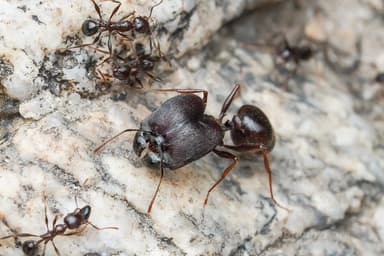
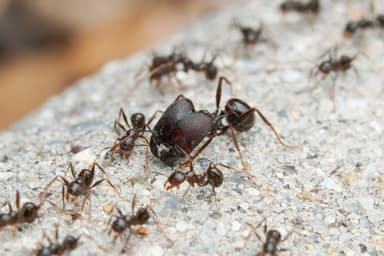
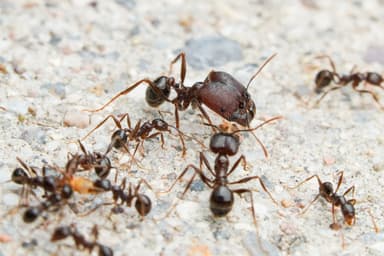
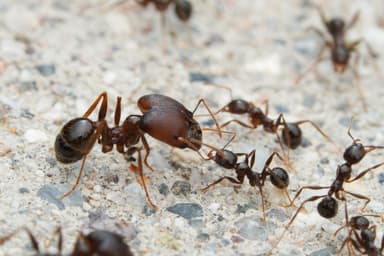
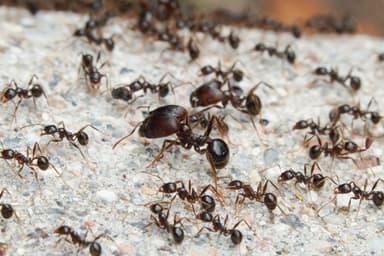
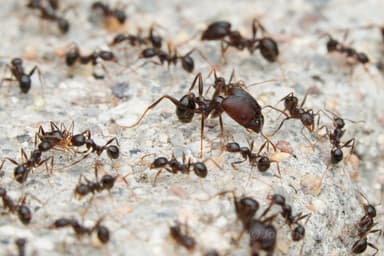
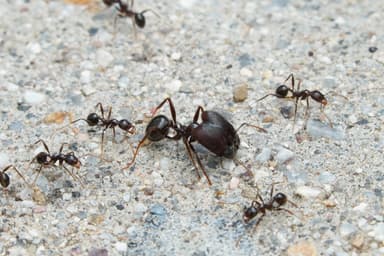
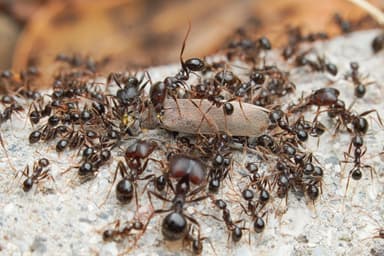
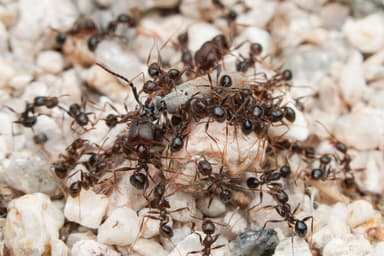
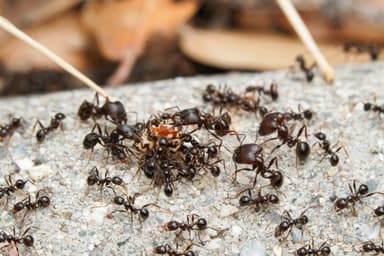
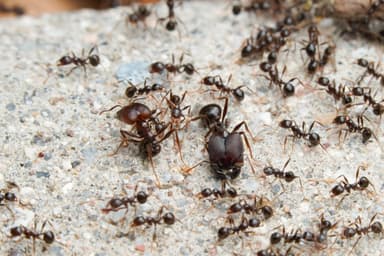
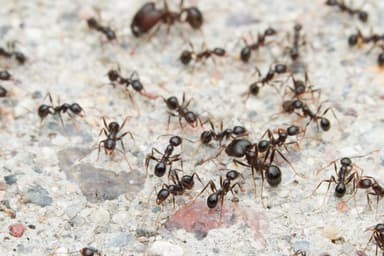
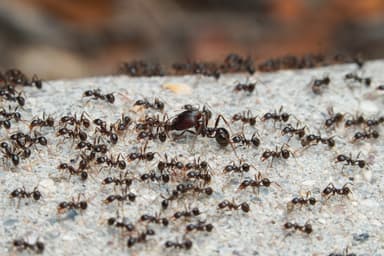
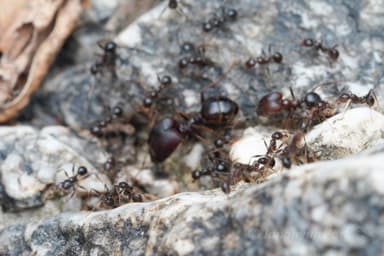
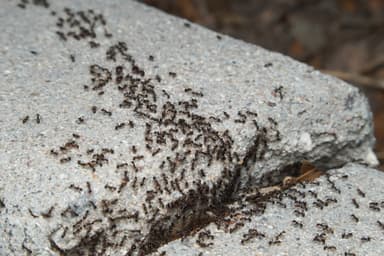
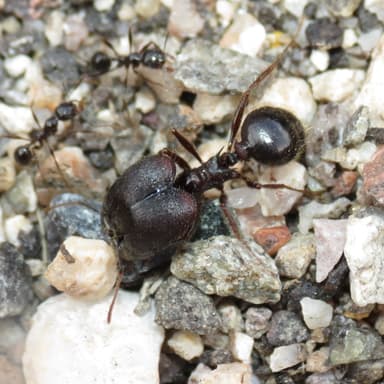
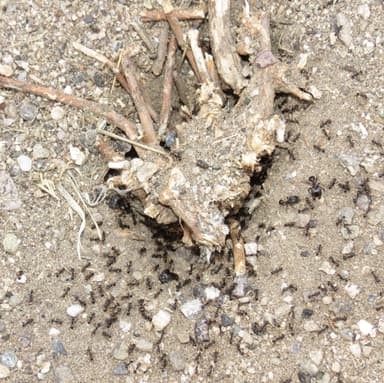
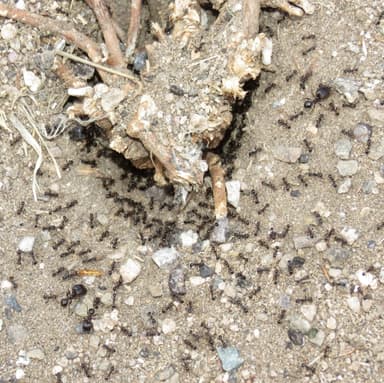
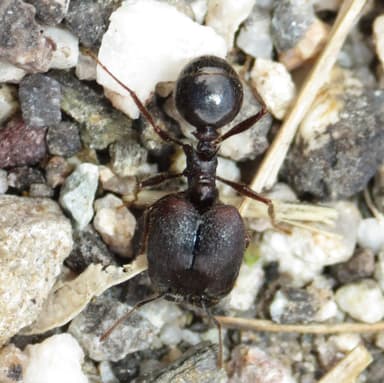
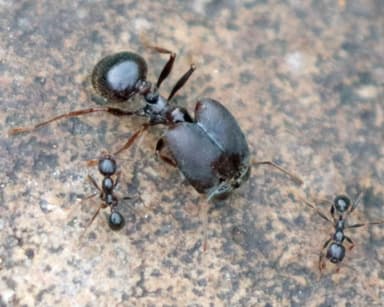
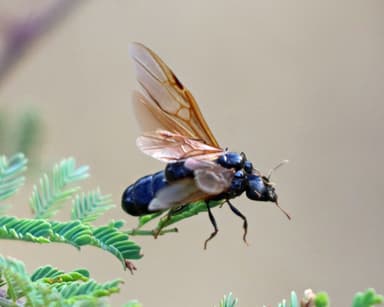
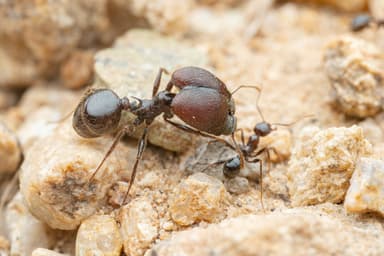
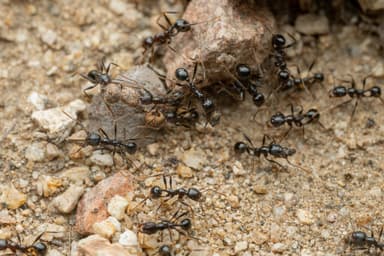
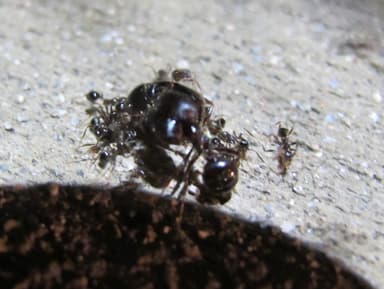
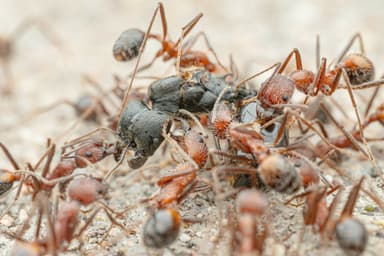
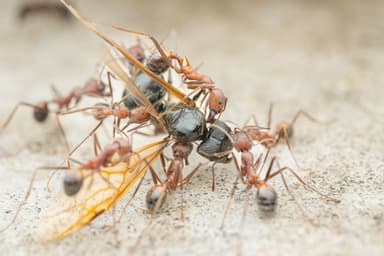
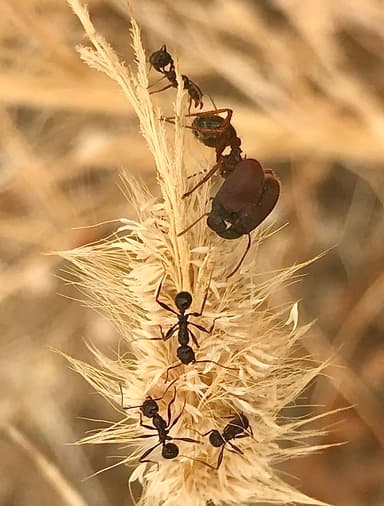
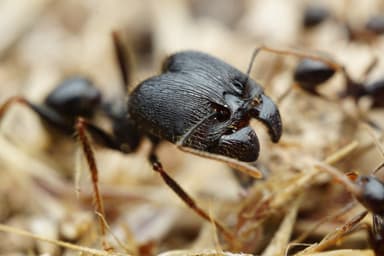
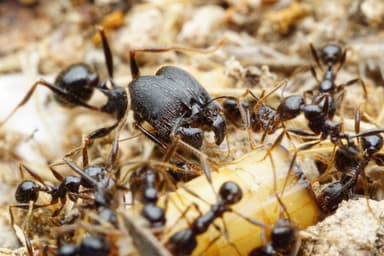
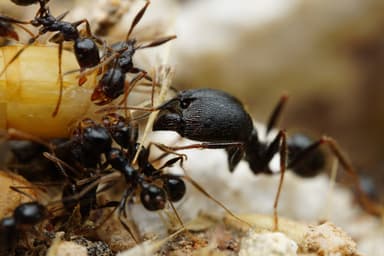
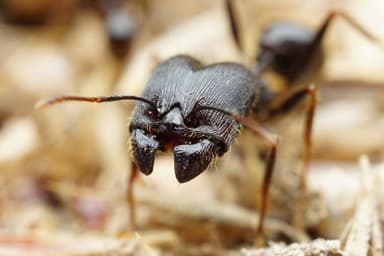
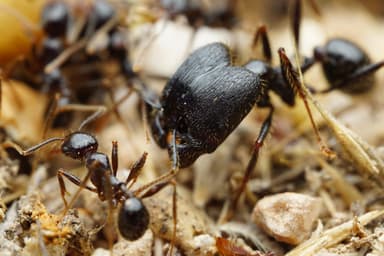
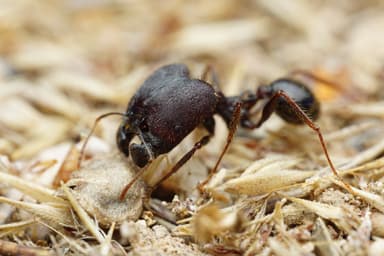
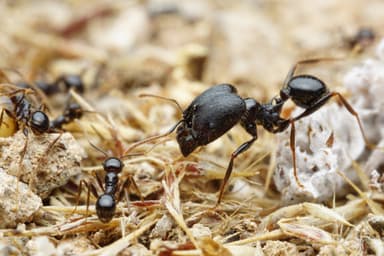
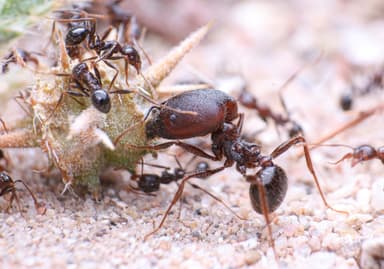
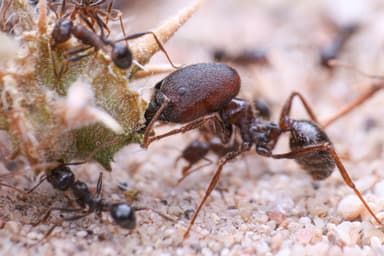
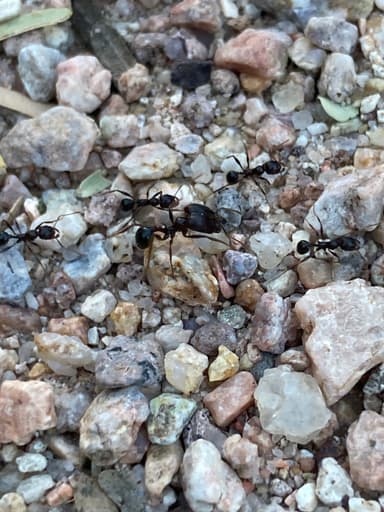
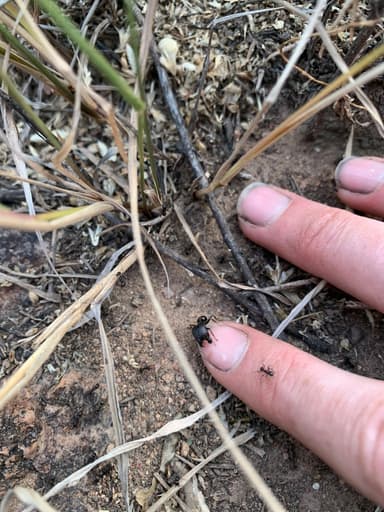
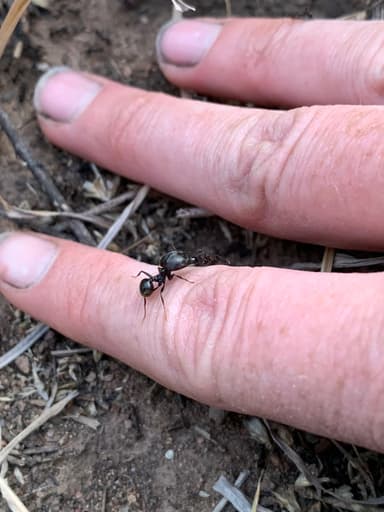
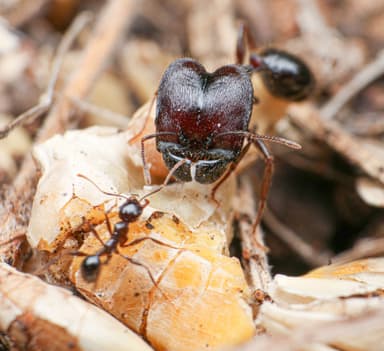
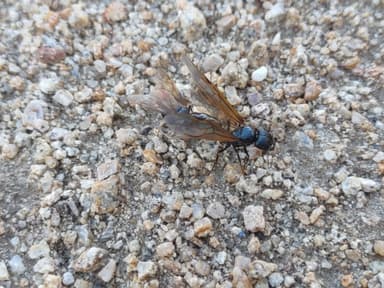
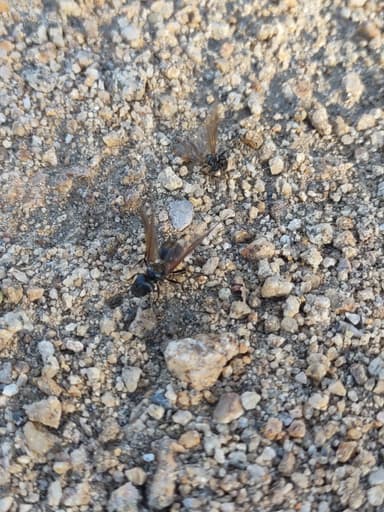
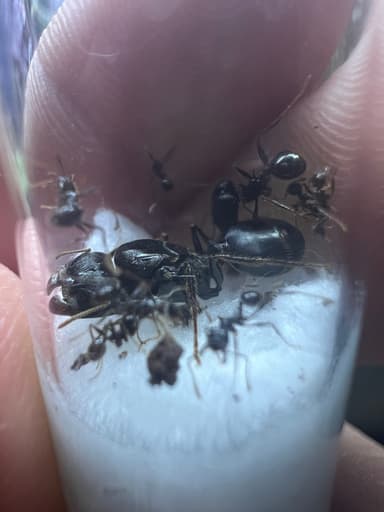
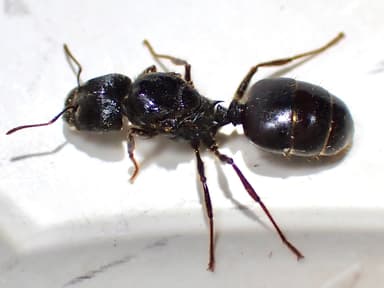
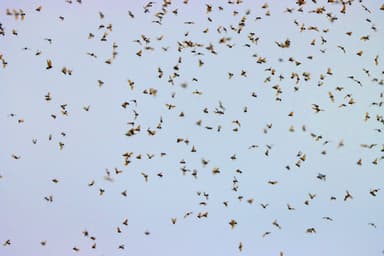
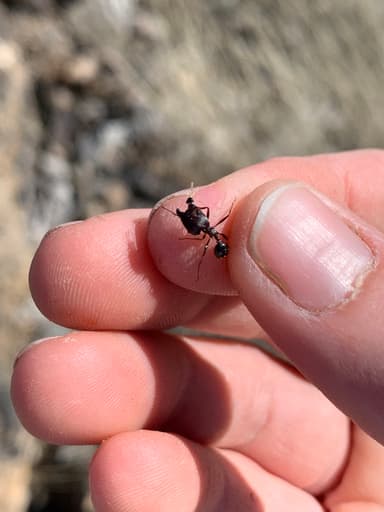
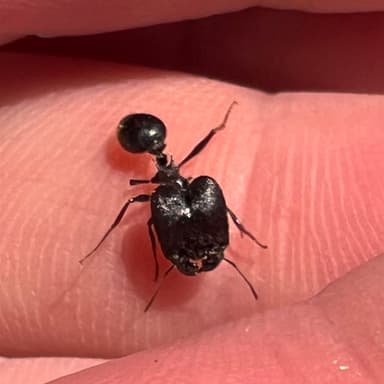
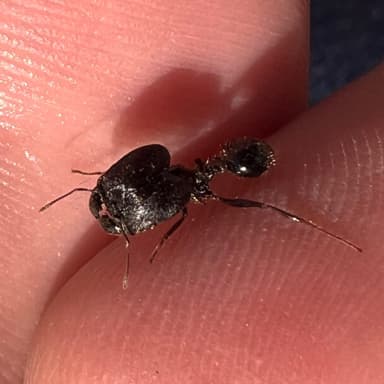
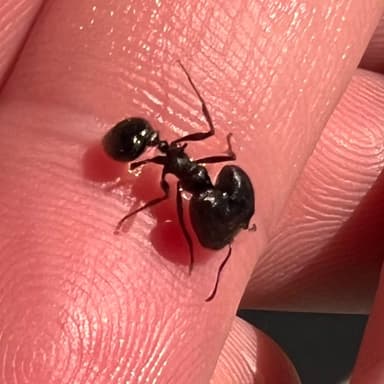
Few ants command attention quite like Pheidole rhea, a remarkably dimorphic species native to the arid uplands of the southwestern United States and northern Mexico. The queen is an impressive 11 to 13 millimeters in length, while her workers span a dramatic range from a mere 3 millimeters in the minor caste to a robust 8 millimeters among the majors (Wilson 2003). It is the majors that capture the imagination: they possess disproportionately large, blocky heads filled with powerful mandibular muscles, giving them the appearance of tiny, lumbering titans. In the wild, these majors serve as living seed mills, cracking open tough grass seeds that the minors then process into a finely chewed “ant bread” for the colony. With mature nests housing up to 15,000 individuals, a well-established Pheidole rhea colony is a bustling city of specialized labor, where a steady stream of minors forages above ground while the formidable majors stand guard or work at the granaries. The species’ nuptial flights occur in the evening after the summer monsoon rains, typically in July through September, a brief but spectacular event that can give a lucky keeper a freshly mated queen (AntWiki). For anyone fascinated by extreme caste specialization and the intricate food-processing behaviors of harvester ants, Pheidole rhea offers an endlessly captivating display.
This is a species best suited to keepers who have already mastered the basics with hardier ants. Rated intermediate in care difficulty, Pheidole rhea demands a bit more attention to environmental stability and has a few quirks that can trip up the inexperienced. The colony’s large maximum size means that, over time, it will require a spacious, escape-proof setup; the tiny minors are accomplished climbers and can exploit the smallest gap. Additionally, their reliance on seeds as a key dietary component calls for some understanding of granivorous nutrition, and their obligatory hibernation means the keeper must provide a consistent cool period each year. If you have successfully maintained a fast-growing species like Tetramorium or a smaller Pogonomyrmex and are ready for a more dramatically polymorphic ant with a strong foraging response, Pheidole rhea will be a deeply rewarding challenge.
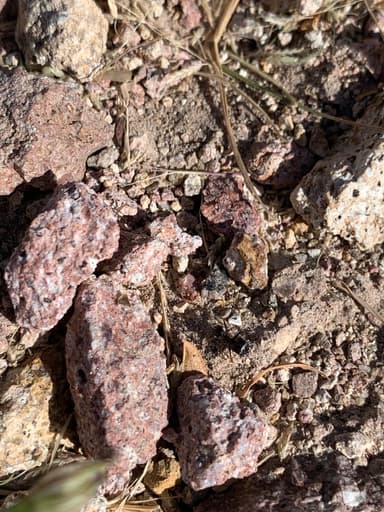
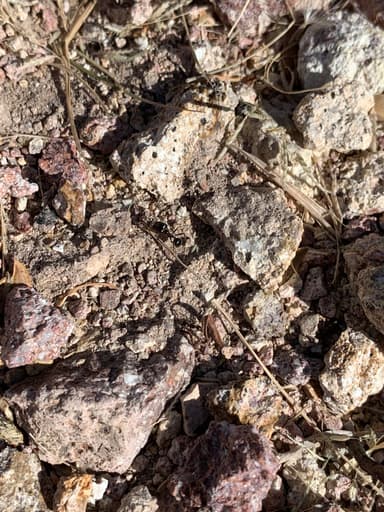
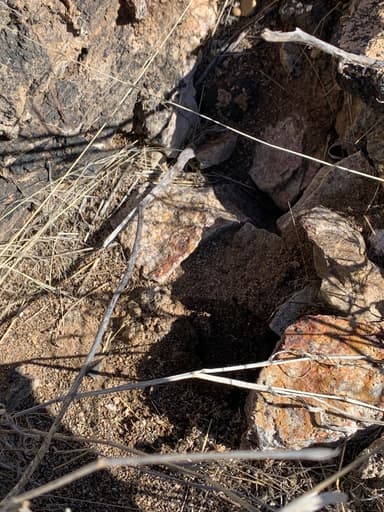
Housing must respect the species’ natural habitat, which encompasses the hot, semi-arid regions between roughly 28° and 34.5° north latitude and 106° and 114.5° west longitude, as the occurrence data indicate. A well-ventilated formicarium that provides a temperature gradient of 22 to 30°C is ideal; many keepers achieve this by placing a heating cable under one portion of the nest, allowing the ants to thermoregulate. Humidity should be maintained between 40% and 60%, with a distinct moist area inside the nest—often a plaster or ytong block with a water reservoir—while the foraging arena remains relatively dry. For substrate, a mixture of sand and loam in the outworld mimics their native ground and allows minors to dig lightly or bury seeds, though the nest itself can be kept bare for easy observation. Always secure the arena with a tight-fitting lid and a PTFE barrier, as the minors are astonishing escape artists. The nest should be scaled up as the colony grows: a founding queen with her first brood can be kept in a standard test tube setup, but a mature colony will thrive in a multi-chambered horizontal nest with ample surface area for the majors to move about without congestion.
Feeding Pheidole rhea is a delight because of their enthusiastic response to both protein and seeds. Offer freshly killed or blanched insects such as crickets, mealworms, or fruit flies as protein sources at least twice a week; the minors eagerly tear these into manageable pieces and shuttle the remains to the larvae. What sets this species apart is its use of seeds. Small, oil-rich seeds like grass seed, chia, or crushed nyjer are ideal—the majors will systematically mill them, and you can watch the fascinating seed-processing chain unfold (Wilson 2003). A small, shallow dish of seeds can be left in the outworld permanently. Carbohydrates can be supplied as a dilute honey-water solution or sugar water, provided in a test tube feeder or a small bottle cap with a cotton wick to prevent drowning. Fresh water must always be available in a similar safe vessel, as the tiny minors are vulnerable to surface tension. Do not over-rely on sugary liquids; the colony’s health seems best when a substantial portion of their energy comes from their seed harvest, aligning with observations by Cover and Johnson that wild colonies are primarily granivorous.
An annual hibernation is non-negotiable for the long-term health of Pheidole rhea. In their native range, winter temperatures drop reliably, and the ants have evolved to require this seasonal reset. To trigger hibernation, gradually reduce the nest temperature over several weeks starting in late autumn, aiming for a stable 15°C. The colony will become sluggish; the queen will stop laying eggs, and the workers will cluster together. Keep them at this temperature for approximately three to four months, ensuring the nest does not dry out—a small water source or a humidified chamber remains essential, as dehydration is a real risk during cool periods. A scattering of seeds in the nest provides a low-activity food source that workers can consume without needing to forage actively. When spring arrives, warm them gradually back to room temperature, and you will be greeted by a reinvigorated colony ready to explode in population.
The first days after your Pheidole rhea colony arrives in the mail are critical for a smooth transition. Unbox them in dim light and transfer the test tube or starter nest to your prepared setup with minimal jostling. Place the tube in a dark, quiet location and resist the urge to check on them for at least twenty-four hours; shipping is stressful, and the queen needs calm to resume egg-laying. On the second day, gently place a micro-drop of sugar water near the tube entrance using a toothpick or syringe, and add a single pre-killed fruit fly or a tiny piece of cricket. Do not flood the area with food, as uneaten prey can mold and create a health hazard. Watch for signs that the queen is settled: she will begin cleaning her brood pile and may accept a seed placed just outside the tube. If the workers drink eagerly but the queen remains agitated, retreat and wait another day before offering anything more. Maintain steady temperature and humidity from the start, and avoid direct sunlight on the nest. Any signs of excessive worker restlessness or refusal to feed may indicate poor environmental conditions, so double-check your gradients and seal. With patience, you will soon witness the first minor workers marching out to explore, and with them, the beginning of a dynamic, seed-milling society that truly showcases the wonders of ant polymorphism.