Formica
Formica uralensis
Nuptial Flight Calendar
Flight months: Jun, Jul, Aug
Care Guide
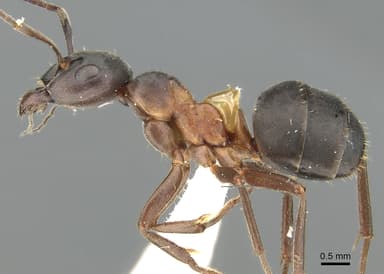
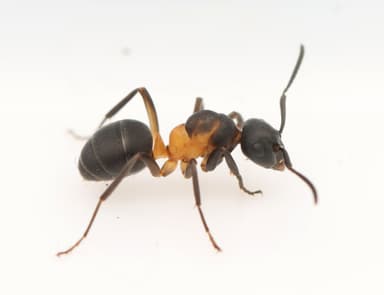
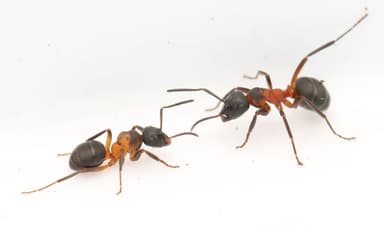
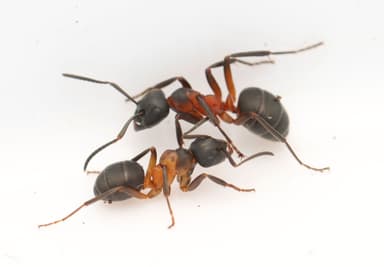
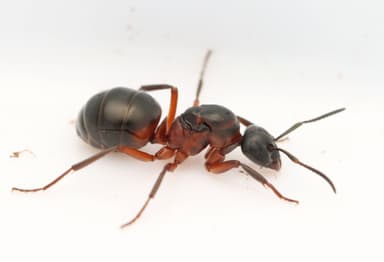
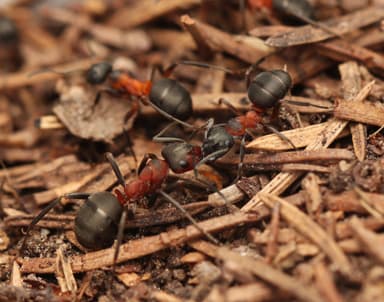
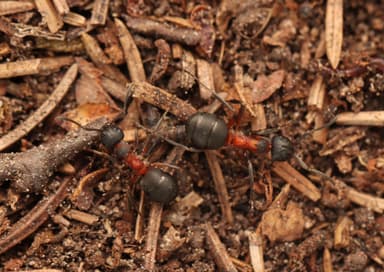
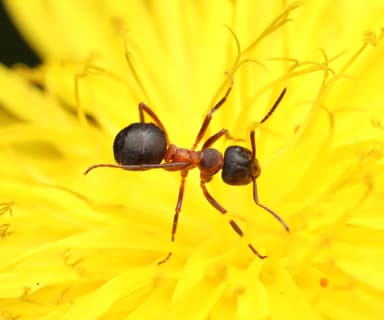
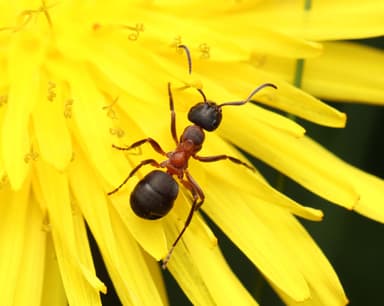
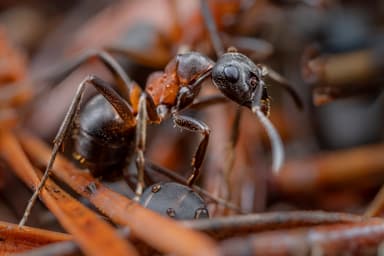
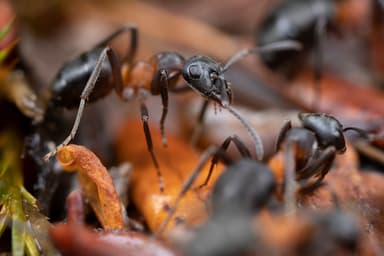
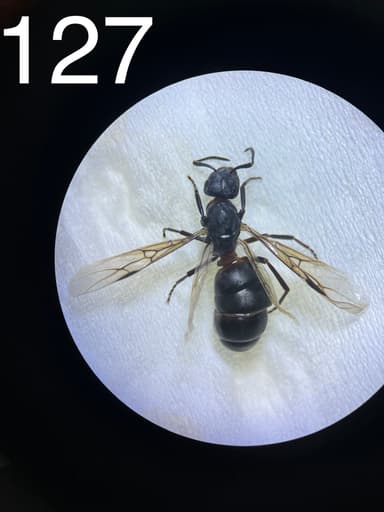
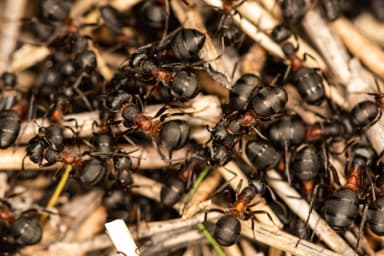
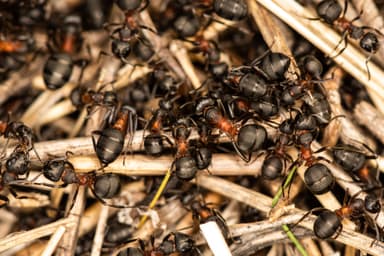
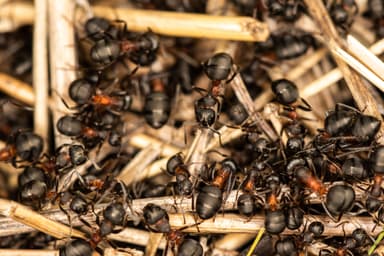
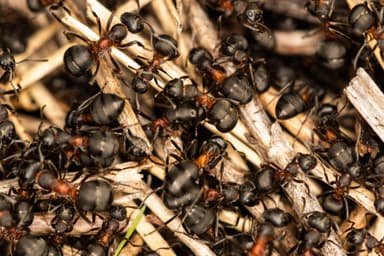
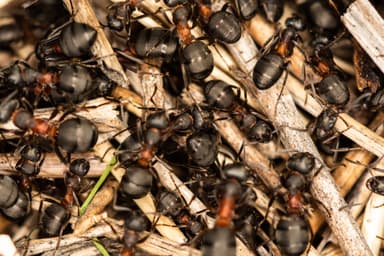
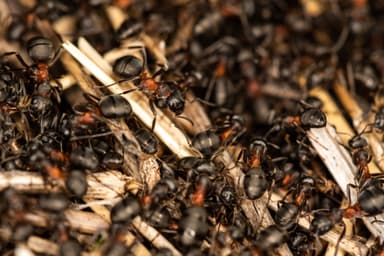
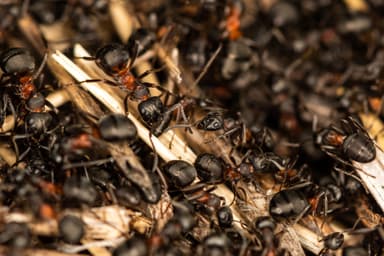
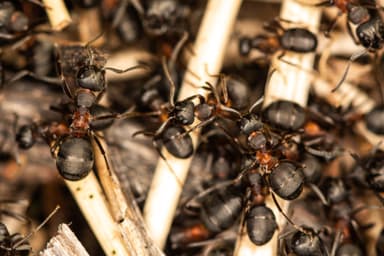
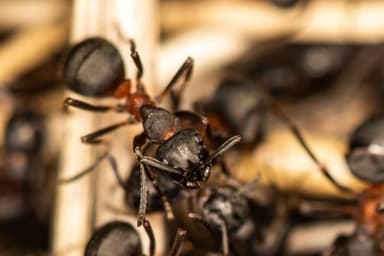
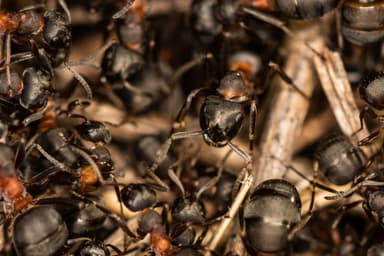
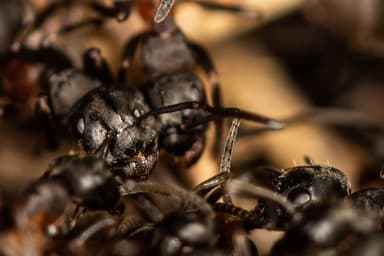
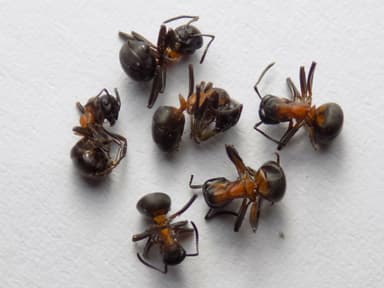
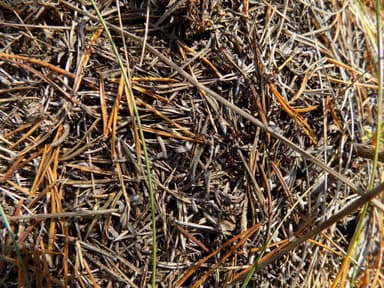
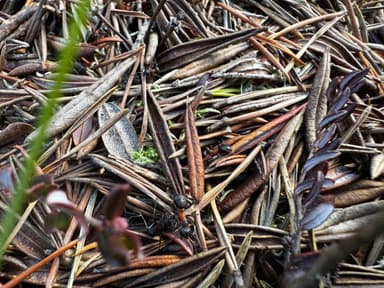
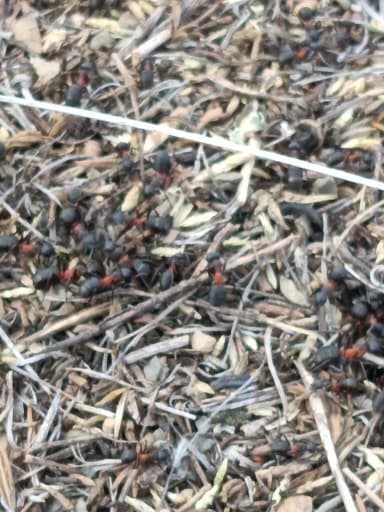
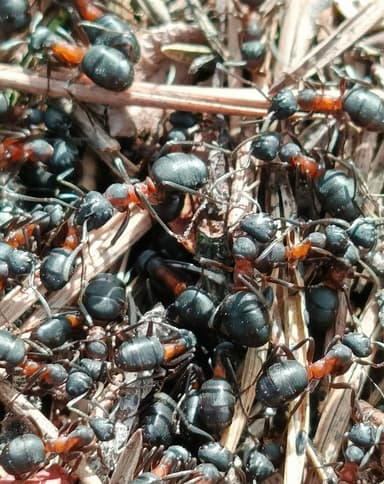
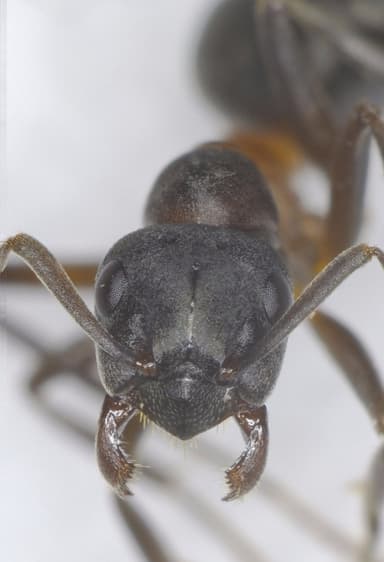
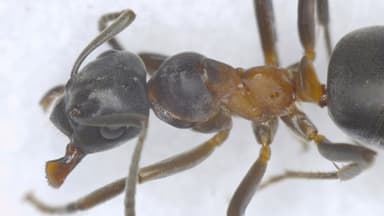
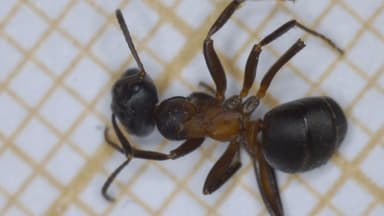
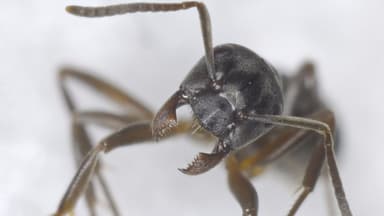
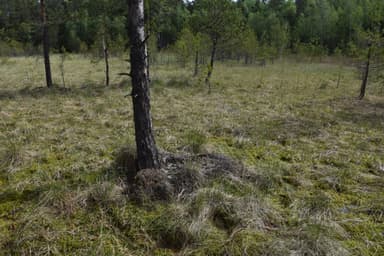
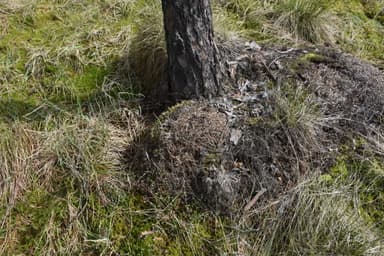
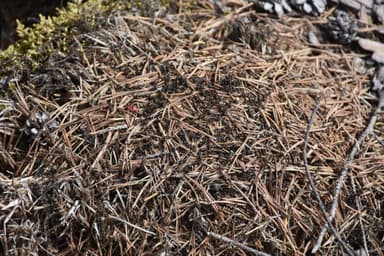
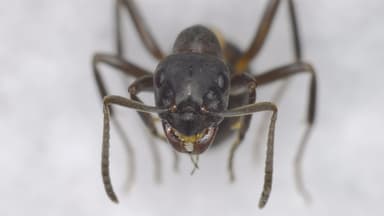
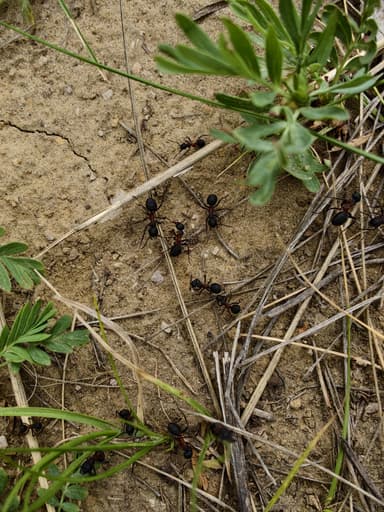
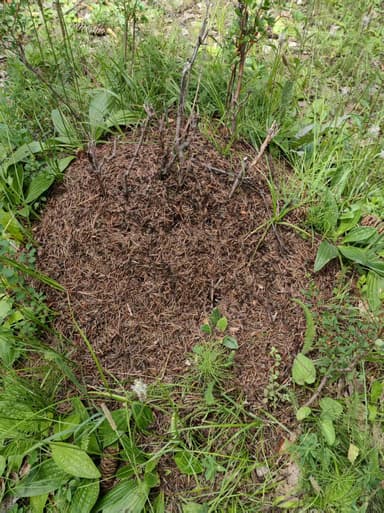
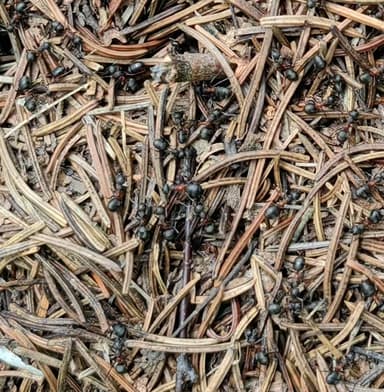
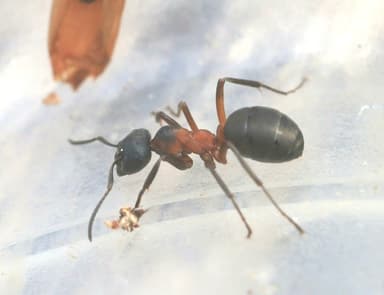
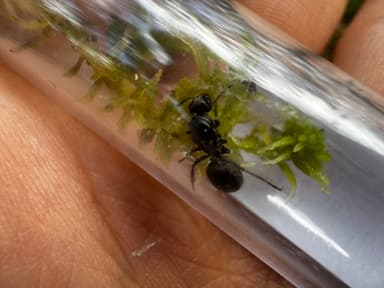
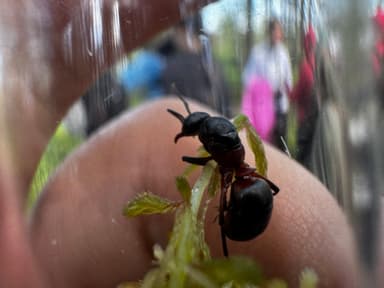
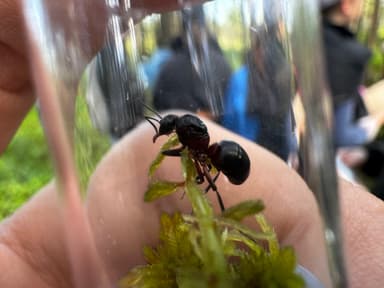
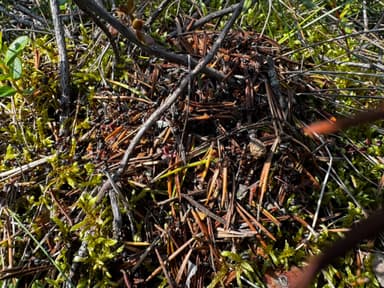
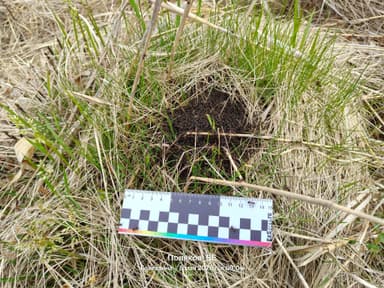
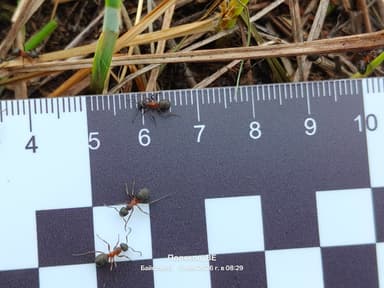
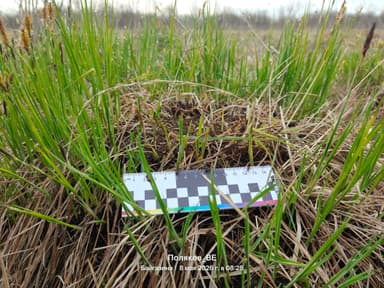
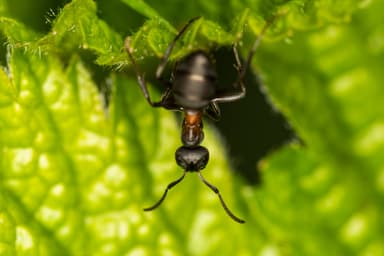
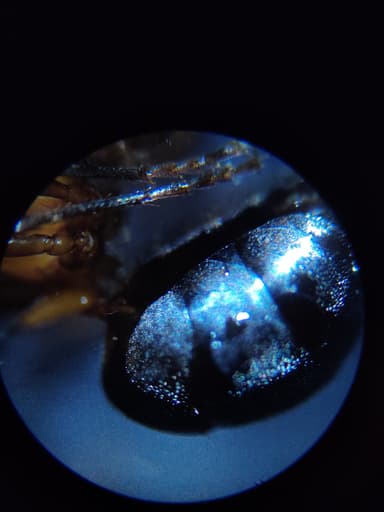
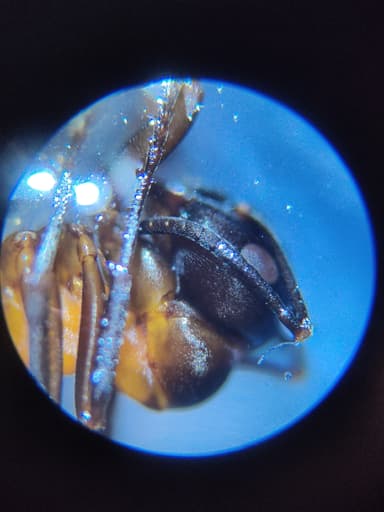
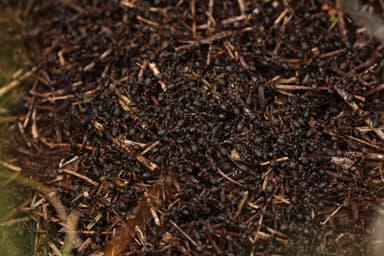
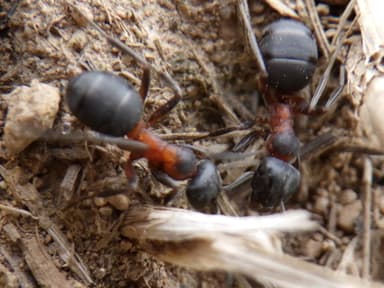
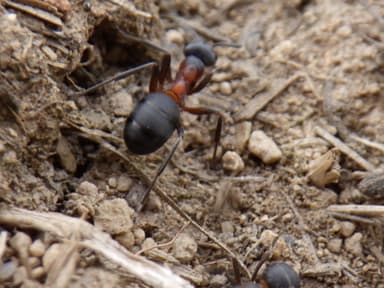
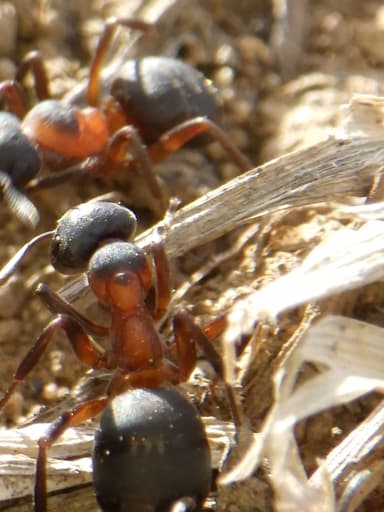
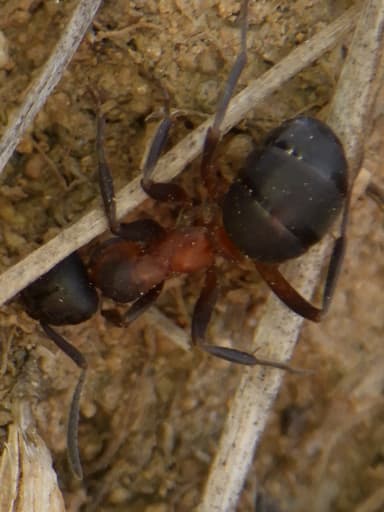
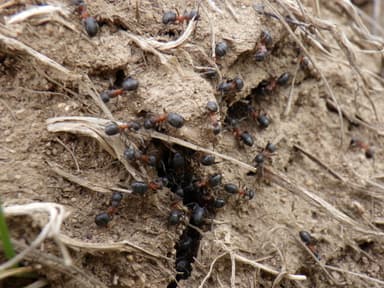
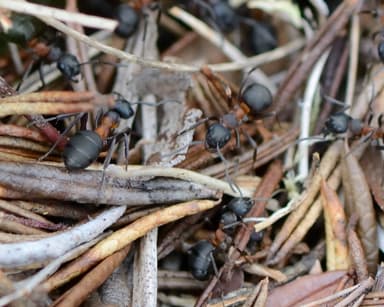
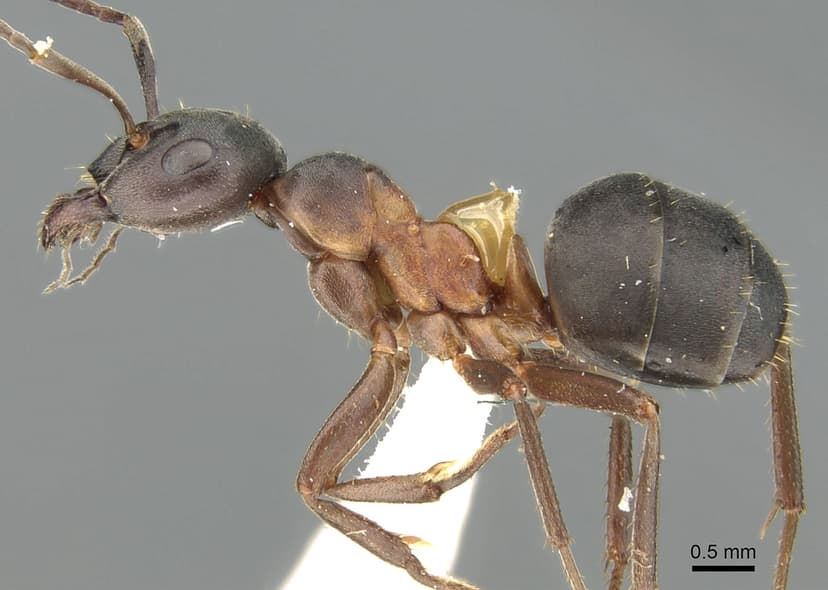
Formica uralensis, described by Ruzsky in 1895, is a captivating yet notoriously demanding ant from the cooler reaches of Eurasia. Queens measure a robust 9 to 11 millimeters, while workers display pronounced polymorphism, with minor workers as small as 4.5 millimeters and large-headed majors reaching a sturdy 8 millimeters (Seifert 2018). Mature colonies can swell to an impressive 50,000 individuals, yet their beginnings are far from ordinary. This species is a social parasite; a newly mated queen cannot start a colony on her own but must infiltrate an established nest of a suitable host, typically a species from the Formica fusca group, to usurp its workforce and resources. With a distribution stretching from Fennoscandia eastwards into Siberia, roughly between latitudes 45° and 68° North (GBIF; Collingwood 1979), F. uralensis is adapted to a harsh, seasonal climate. Their nuptial flights are a rare sight, thought to occur on warm, humid afternoons after rain in June through August, though reports remain sparse and carry low confidence. The combination of extensive polymorphism, the intrigue of social parasitism, and a cryptic boreal lifestyle makes this ant a true prize for the advanced collector, a living puzzle box that demands both patience and deep biological insight.
Unsurprisingly, this ant is rated for expert keepers only. The requirement of a host species for founding—and sometimes for the continued stability of the colony—immediately places it beyond the reach of a novice. A prospective keeper must not only maintain a thriving host colony beforehand but also execute a delicate introduction, often presenting host pupae and a few callow workers to a freshly mated queen in a controlled setting. Mistakes, such as presenting the wrong host species or disturbing the introduction tube at the wrong moment, usually result in a dead queen and a wasted effort. Even once established, the colony’s large eventual size and need for strict seasonal rhythms require significant space, equipment, and foresight. F. uralensis is suited to the dedicated myrmecologist who has already succeeded with independently founding Formica species and wishes to push deeper into the behavioral repertoire of the genus. It is a species that rewards meticulous record-keeping and a hands-off approach with a stunning display of social complexity, but it punishes casual oversight relentlessly.
For housing, a spacious naturalistic formicarium works best to accommodate both their polymorphism and queen size. The foraging area must be generous to cope with the colony’s future thousands, while the nest should mimic the cool, moist conditions of boreal soil. Maintain a nest temperature between 18 and 26 degrees Celsius, with a sweet spot around 22 degrees for optimal brood development. Humidity is critical: keep it between 50 and 70 percent, using a moisture gradient so the ants can choose where to place their eggs and pupae. A deep layer of a sand-loam mixture, kept permanently damp but not sodden beneath a cork or stone structure, allows the ants to excavate and regulate their microenvironment. Plaster or Ytong nests with integral hydration can work as long as they provide enough volume and a clearly defined moisture gradient. Always include an escape-proof barrier; major workers of F. uralensis are strong and will test every seal.
Nutrition must support both the host workers and the growing brood. Like most Formica, these ants are enthusiastic hunters and avid tenders of honeydew sources. Provide a steady supply of small insects—fruit flies, pinhead crickets, freshly killed mealworm segments—offered several times a week during the active season. Increase the protein ratio when the queen’s egg-laying surges in early summer. Carbohydrates are equally vital; a feeding dish with diluted honey, sugar water, or a specialized ant nectar substitute should be available at all times, refreshed daily to prevent spoilage. A clean, water-filled test tube stoppered with cotton acts as an emergency drinking source and helps maintain local humidity. Be careful not to overfeed protein, as leftover insect parts can foster mold in the high-humidity environment.
Hibernation is non-negotiable and must be taken seriously. This species experiences long, frigid winters in its native range, and the colony requires a dormancy period of three to four months at around 4 degrees Celsius. Gradually reduce the temperature over several weeks in late autumn, moving the setup to a cool cellar or a dedicated ant refrigerator. Keep the nest medium slightly damp throughout, but do not disturb or feed them during this time. Premature warming or skipped hibernation leads to a lethargic, slow-declining colony that rarely lasts more than a year. When spring arrives, warm them slowly back to activity, and you will witness a sharp burst of egg-laying and a renewed vigor that is characteristic of all boreal Formica.
When your F. uralensis colony arrives—likely as a queen with a small retinue of host workers and a cohort of her own nascent brood—the first hours are critical. Unpack them gently, and immediately provide a small drop of sugar water on a cotton pad near the nest entrance; dehydration during transport is a major risk. Place the setup in a dark, quiet spot with a temperature around 20 degrees Celsius and leave them entirely undisturbed for at least 48 hours. After this settling period, offer a tiny piece of pre-killed fruit fly and replenish the sugar source. Observe from a distance: are the host workers foraging and tending the brood? Is the queen calm and mobile? Any sign of aggression between host and parasite workers, or a queen that hides persistently away from the brood pile, needs immediate attention—typically by reducing disturbance and checking the temperature and humidity. With careful, steady management through these delicate early days, the colony will gradually build into the spectacular society that has evolved to master the chill northern forests.