Crematogaster
Crematogaster mutans
Nuptial Flight Calendar
Flight months: Jan, Feb, Apr, Oct, Nov, Dec
Care Guide
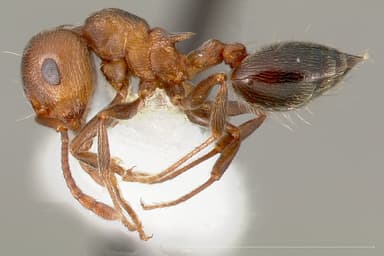
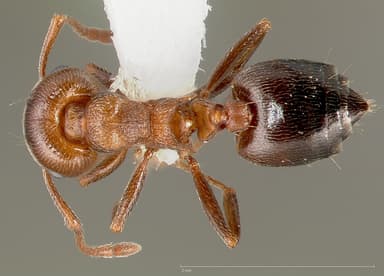
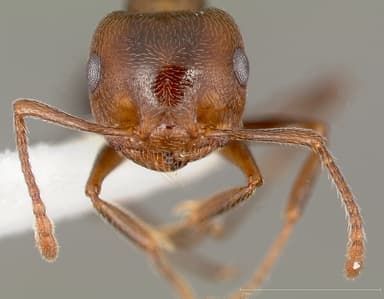
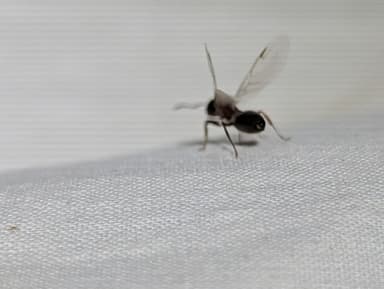
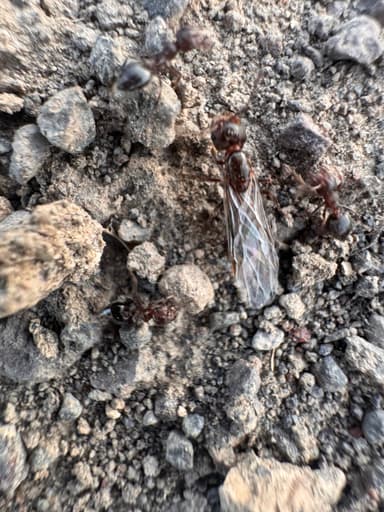
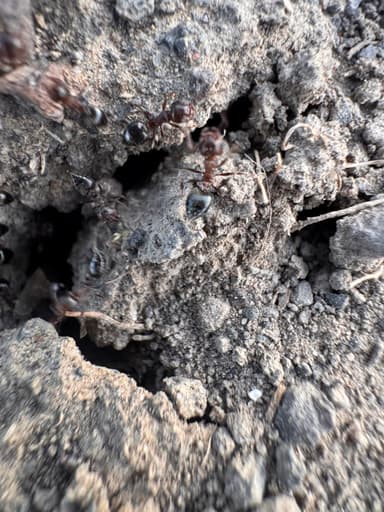
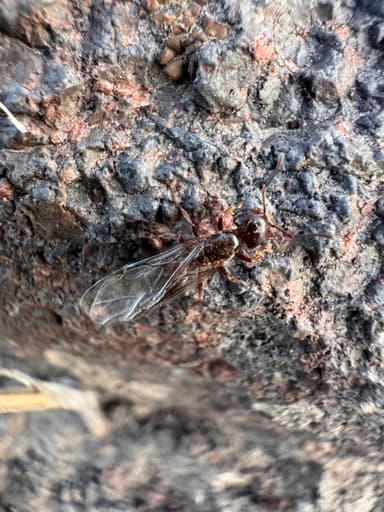
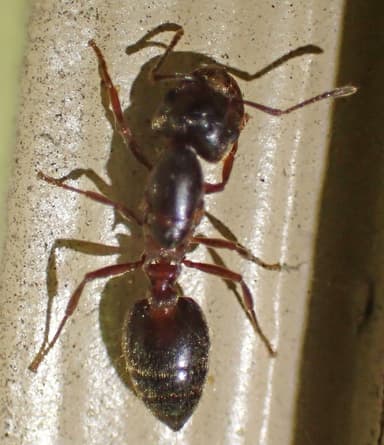
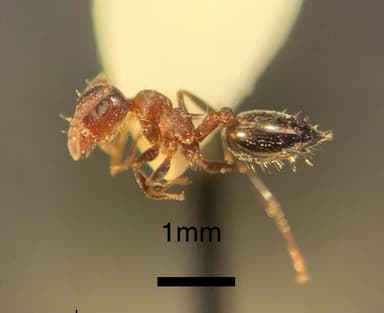
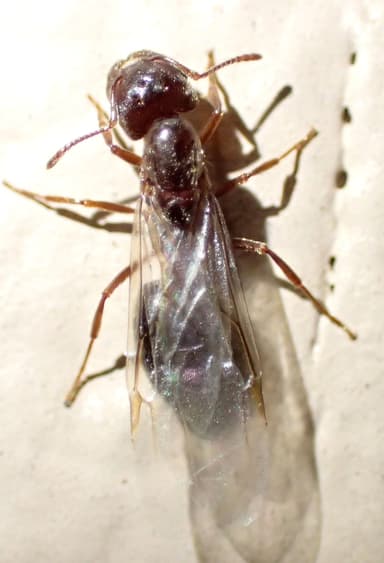
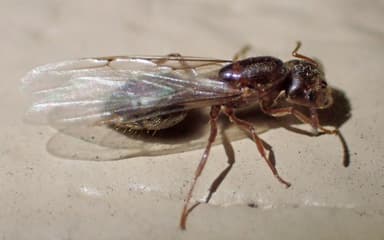
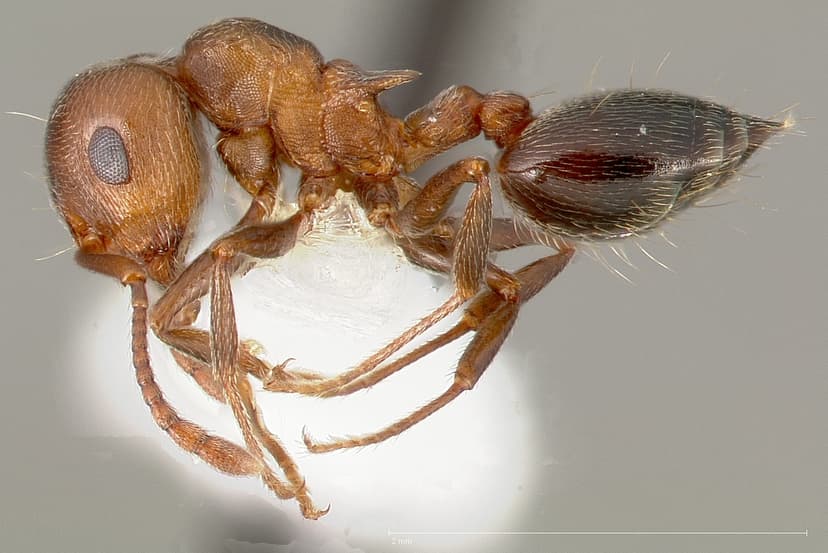
Crematogaster mutans is a captivating member of the hyper-diverse acrobat ant genus, instantly recognizable by the workers’ unique ability to raise their heart-shaped gasters high over the thorax when alarmed—a posture that gives the group its common name. Queens measure a modest 6 to 8 mm, while the monomorphic minor workers range between 3 and 4.5 mm, their slender bodies ranging from pale amber to a rich reddish brown. The species is broadly distributed across the Neotropical realm, from Costa Rica south to Argentina and east of the Andes, occupying warm lowland and premontane forests (Longino 2003). Colonies are claustrally founded, meaning a single queen seals herself away and raises her first brood using only internal reserves, eventually growing to populations of up to 10,000 workers. What makes C. mutans particularly engaging for the hobbyist is its arboreal trailing behavior, its defensive secretion cocktail that includes irritating volatile compounds, and the intricate, carton-like nest structures it often constructs, weaving together plant debris with silk from the larvae. This is a species that rewards careful observation, as workers move in fluid, synchronized columns and engage in elaborate mutualistic relationships with honeydew-producing insects in the wild.
Overall care difficulty is moderate, positioning C. mutans as an excellent step-up species for a keeper who has already succeeded with robust, slow-growing beginners. Because the workers are small and nimble, they can exploit the tiniest gaps in a poorly designed formicarium, so escape-proofing is essential. The lack of a winter hibernation requirement makes year-round management predictable, but the keeper must consistently provide tropical conditions. This species is best suited to those who enjoy watching active foraging and who have the patience to let a colony develop from a single queen into a bustling metropolis over many months. While it is not particularly sensitive to minor fluctuations, precise attention to humidity will reward the keeper with healthier brood development and fewer cases of failed pupation.
Housing should replicate the warm, humid microclimate of a Neotropical forest understory. A vertically oriented nest with multiple small chambers works beautifully, as it echoes the natural crevices and hollow twigs these ants favor. Temperature must be maintained between 22 and 30°C (72–86°F), with an ideal sweet spot around 26°C; gentle under-heating of a portion of the nest with a small heat mat allows workers to thermoregulate. Humidity levels of 50 to 70 percent are critical—too dry, and the thin-skinned brood will desiccate; too moist, and mold can overwhelm the nest. A well-ventilated, high-humidity nest, such as those made from gypsum or a fine sand-clay plaster, can hold moisture without becoming sodden. Alternatively, a naturalistic setup with a substrate of moist coconut coir, fine bark, and leaf litter, combined with hollowed branches or cork tubes, allows the colony to express its carton-construction instincts, a spectacle rarely witnessed in more artificial homes. Always include a water source within the foraging arena, either a test tube with a cotton plug or a shallow water tower, to prevent drowning.
The diet of Crematogaster mutans is broadly omnivorous, leaning toward protein-rich liquid foods and small arthropod prey. In the wild, workers tend sap-sucking insects and scavenge on a range of invertebrates. Offer a steady supply of protein such as freshly killed fruit flies, pinhead crickets, or chopped mealworms two to three times per week, removing any leftovers after 24 hours to prevent mites. Carbohydrates are just as vital: a tube of sugar water or diluted honey placed on a cotton pad will be avidly harvested, as will commercial formicarian nectar substitutes. Small droplets of ripe fruit, like mango or melon, can be offered occasionally as a treat and are often enthusiastically accepted. Fresh water must be available at all times, as workers will drink frequently. A colony in full growth can consume surprising amounts of both sugars and proteins, so scale offerings to population size and watch for the telltale swollen gasters of well-fed ants returning to the nest.
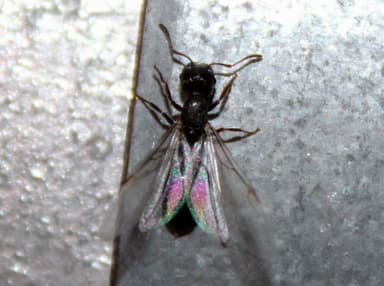
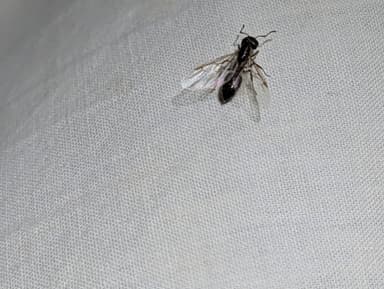
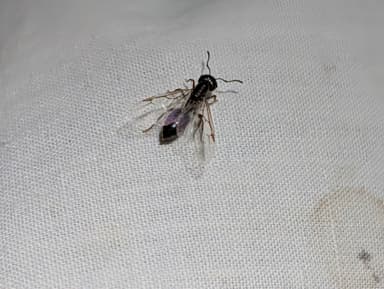
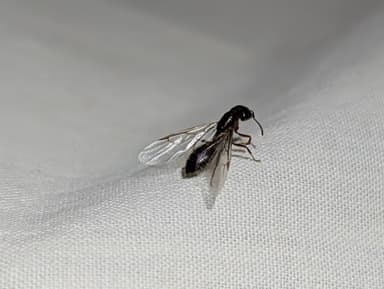
No hibernation or dormancy period is required for this fully tropical species. Colonies remain active throughout the year as long as warmth and food are available. In fact, attempting to induce a cool rest phase would likely stress the brood and queen, potentially leading to a population crash. Nuptial flights occur in their Neotropical range during the warm, humid season from October to February, often following heavy rains—a pattern you may see echoed in a captive colony’s tendency to produce alates when humidity spikes during the southern summer months. If your colony does rear alates, it is a sign of excellent health, though successful in-nest mating is rare without carefully controlled conditions.
When your Crematogaster mutans queen arrives, give her the quiet, dark seclusion essential for a claustral foundress. Place her test tube setup inside the intended formicarium or a small, ventilated dark box and resist the urge to check on her for at least five to seven days. Initially, provide only the water already in her tube; a tiny smear of honey on a piece of foil placed just inside the tube entrance can be offered after 48 hours if you wish to gauge her acceptance, but many queens will ignore food entirely until the first nanitic workers emerge. Keep temperatures stable and disturbance minimal. The first workers, tiny and pale, will eclose after roughly six to eight weeks, and only then should you begin introducing small protein and carbohydrate feeds in the attached foraging area. Watch for signs of stress—a queen that constantly moves and chews at the cotton plug may need a more humid tube, while motionless, darkened workers may signal desiccation. With patience, you will witness a colony that builds an empire from a single chamber, a miniature but mesmerizing mirror of the Neotropical forests from which it came.