Colobopsis
Colobopsis truncata
Nuptial Flight Calendar
Flight months: Jun, Jul, Aug
Care Guide
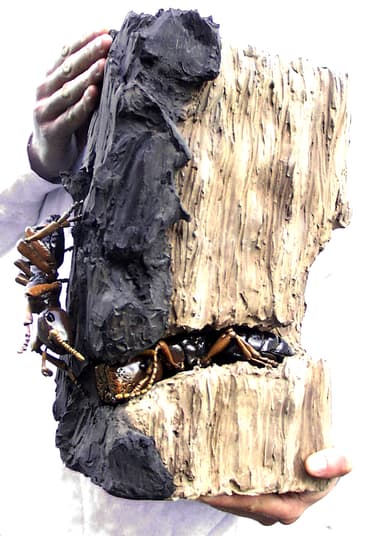
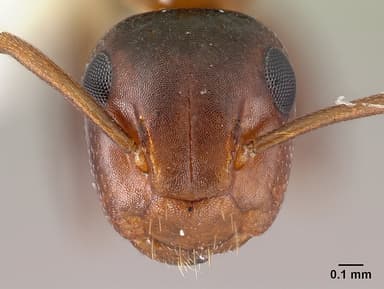
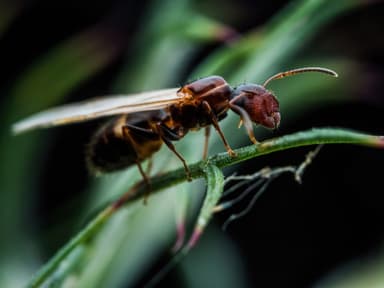
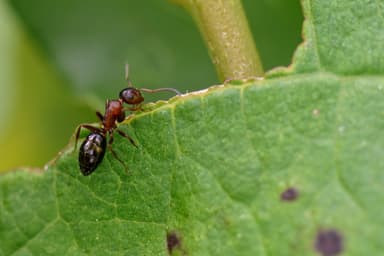
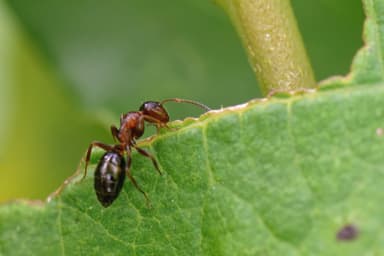
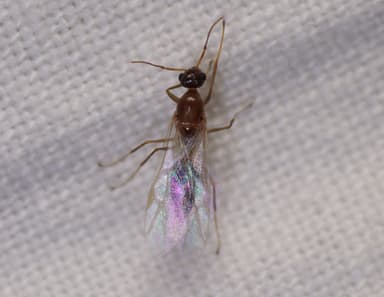
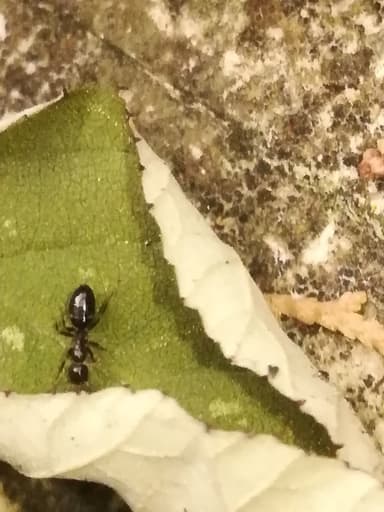
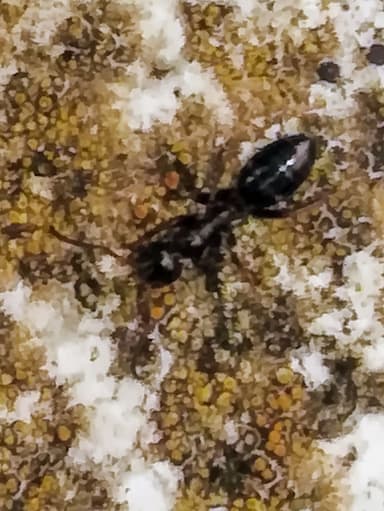
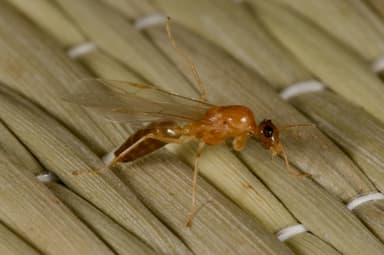
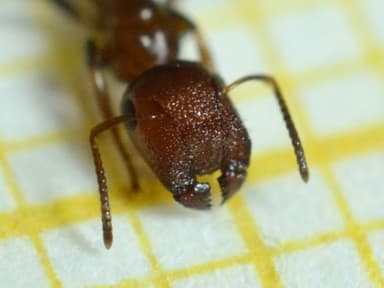
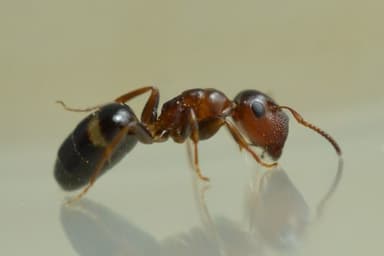
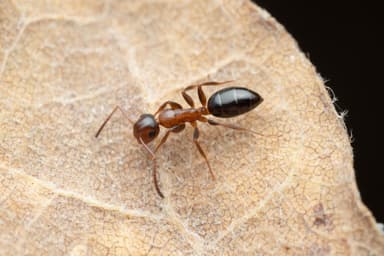
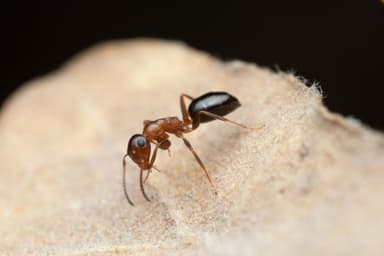
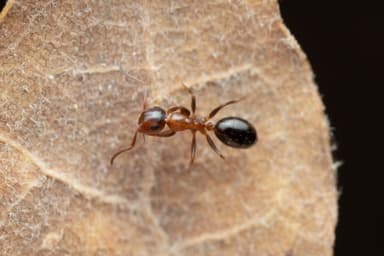
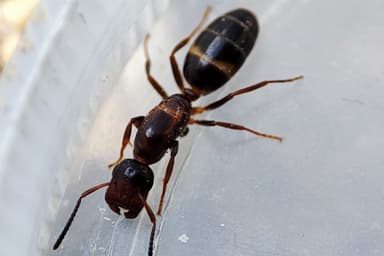
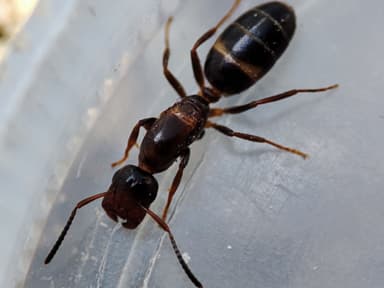
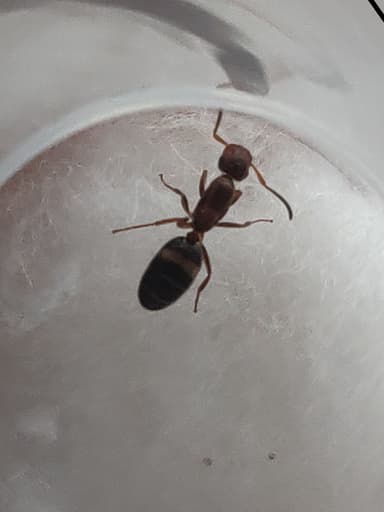
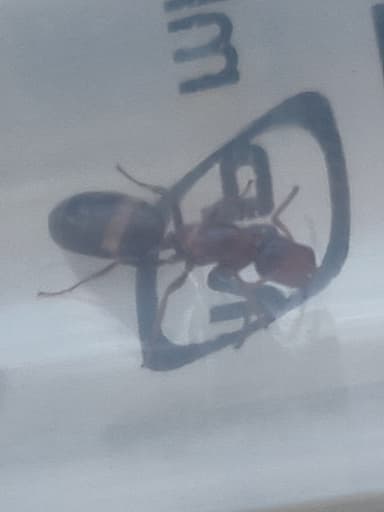
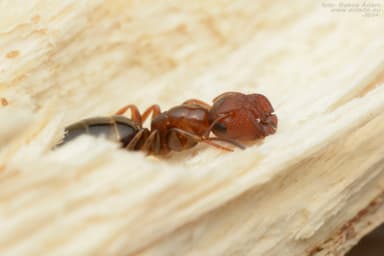
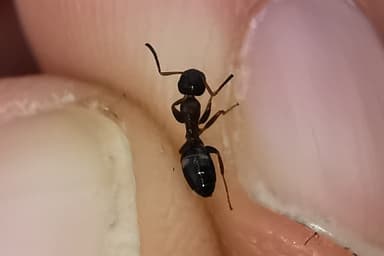
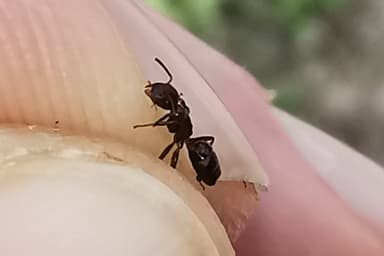
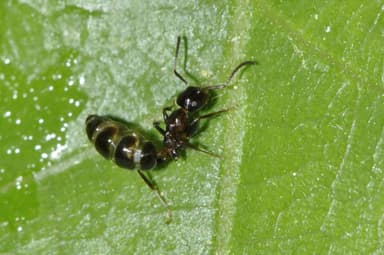
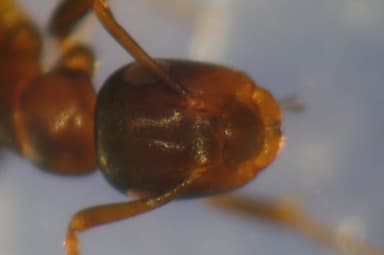
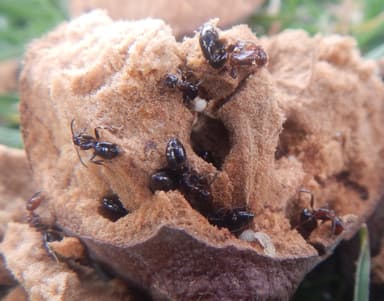
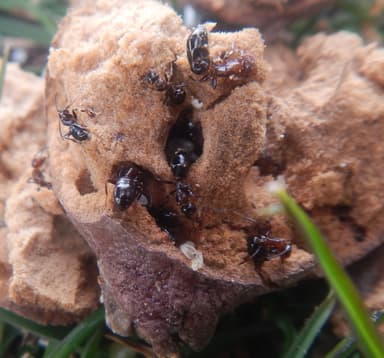
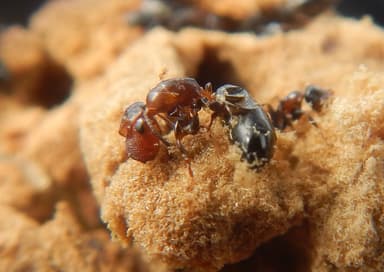
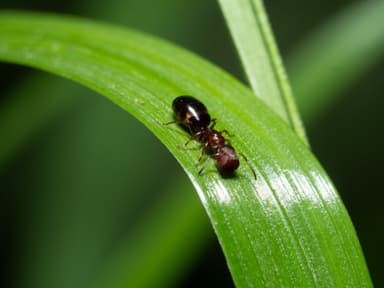
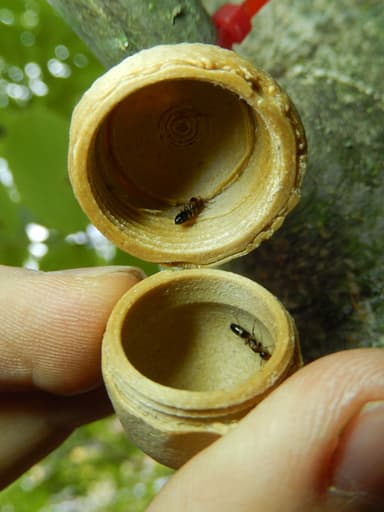
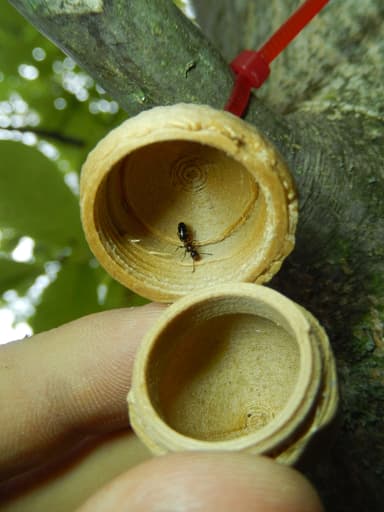
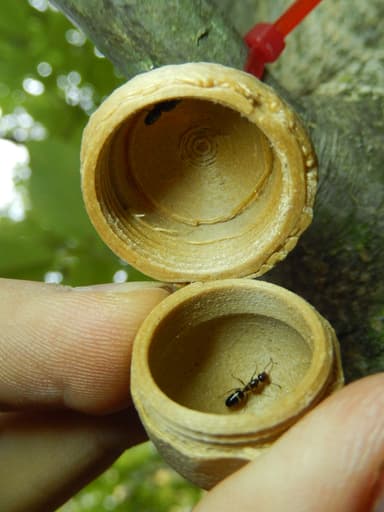
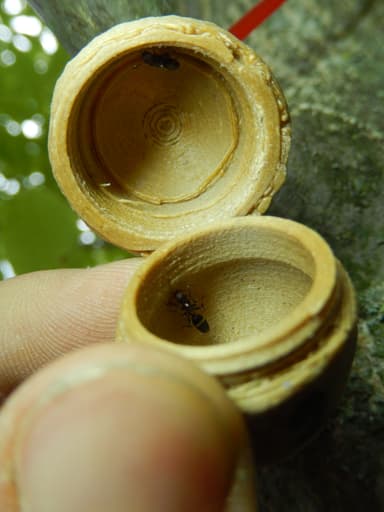
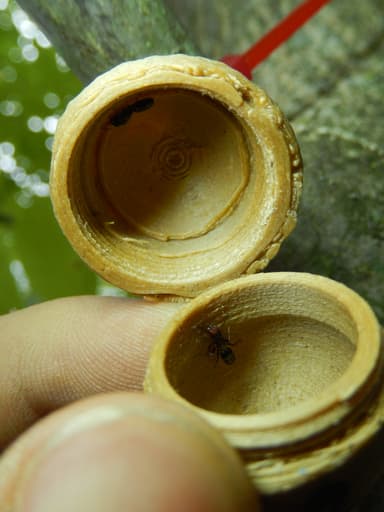
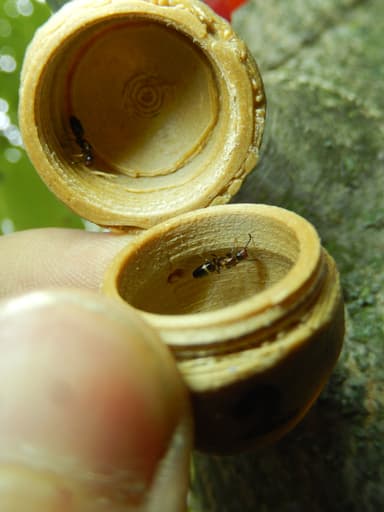
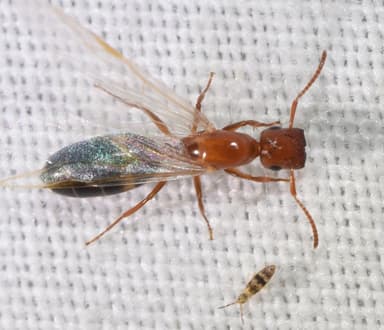
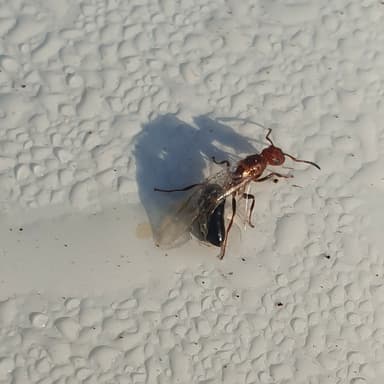
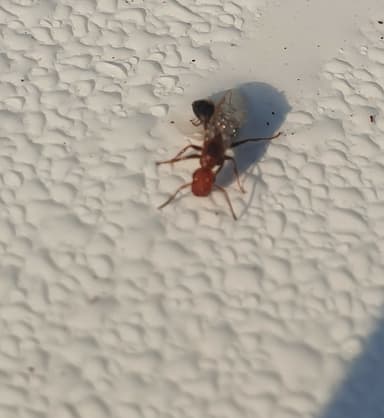
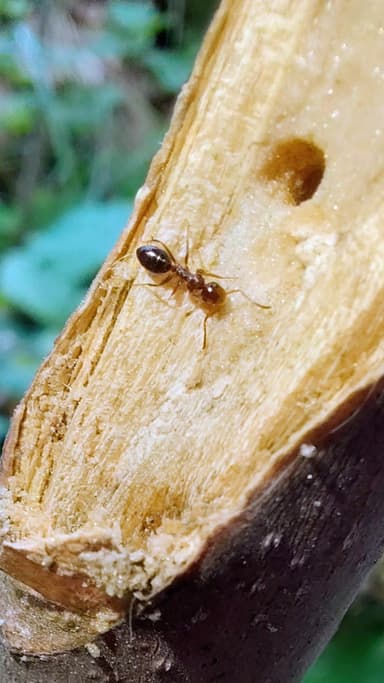
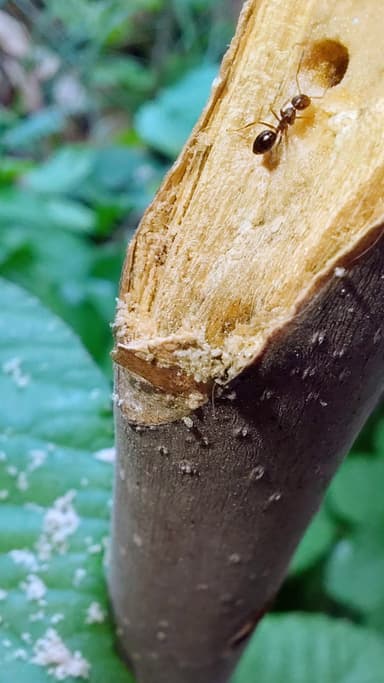
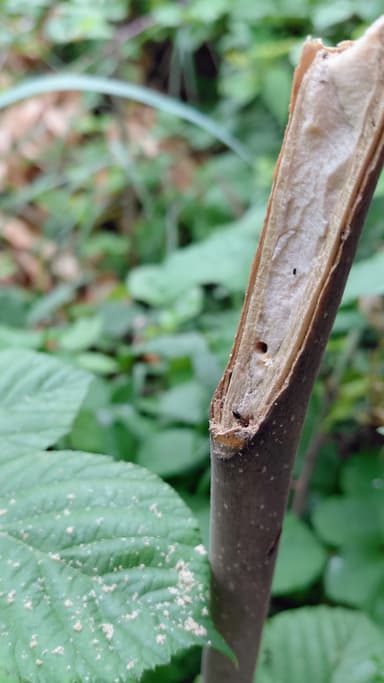
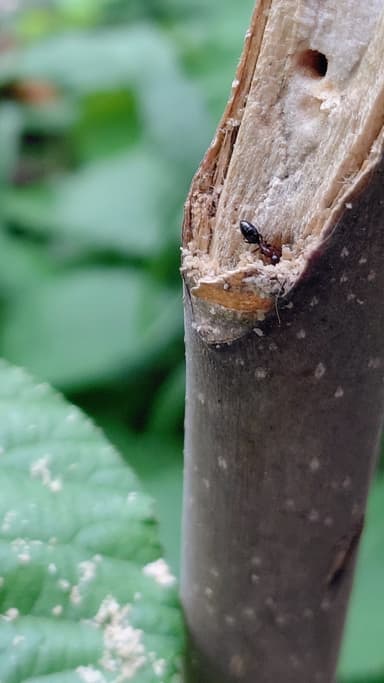
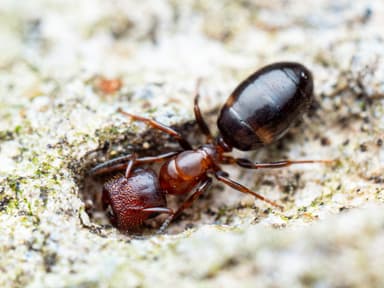
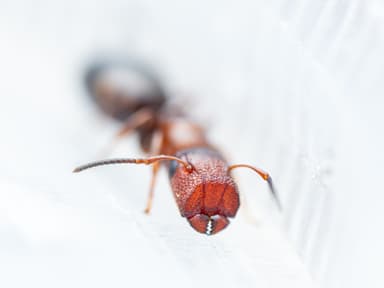
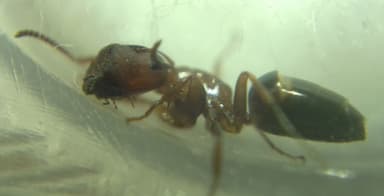
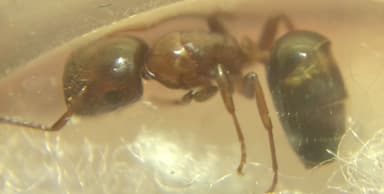
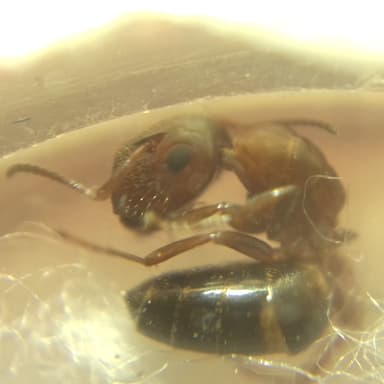
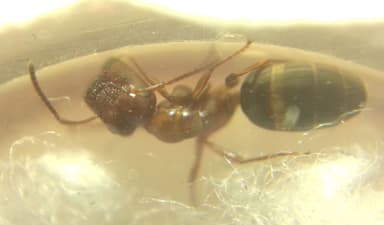
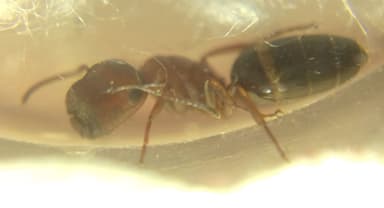
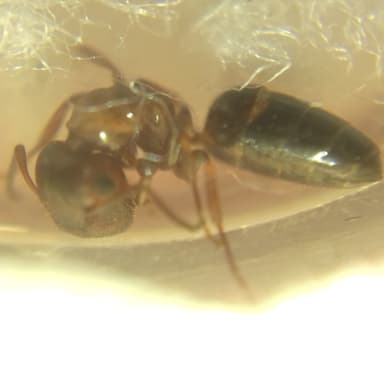
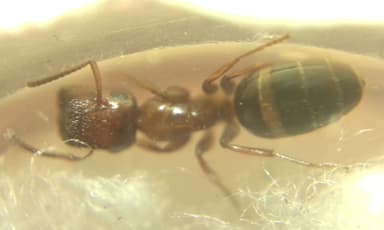
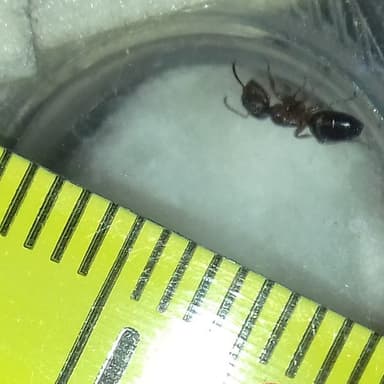
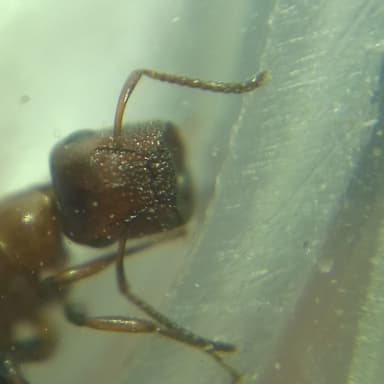
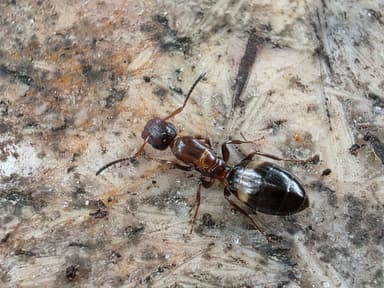
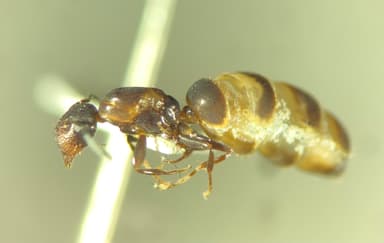
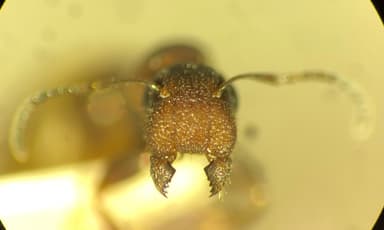
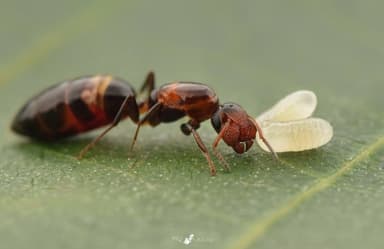
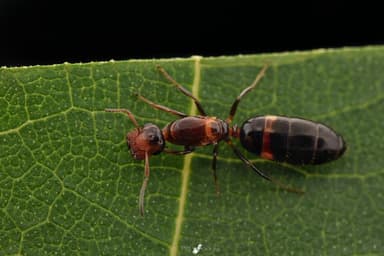
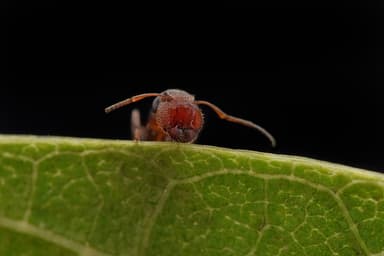
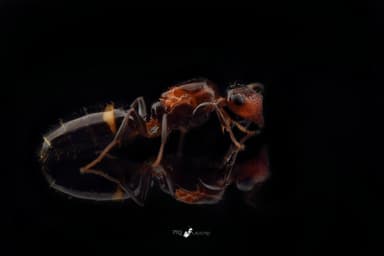
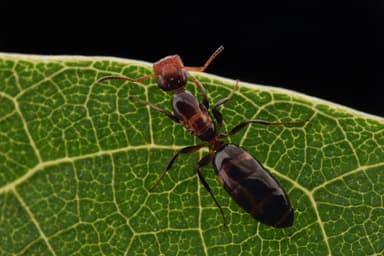
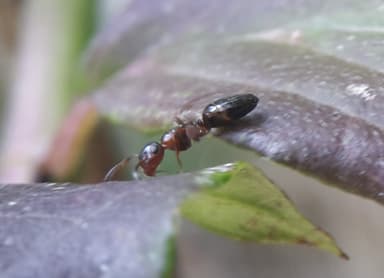
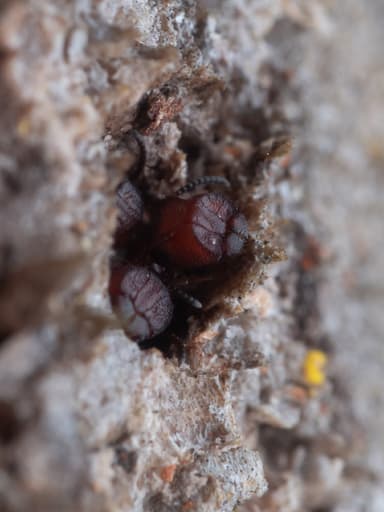
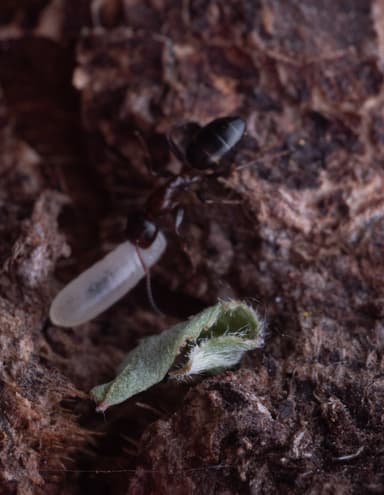
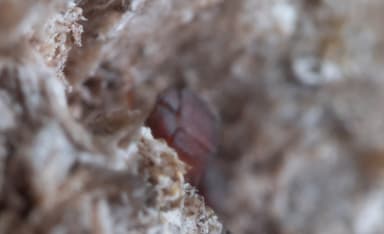
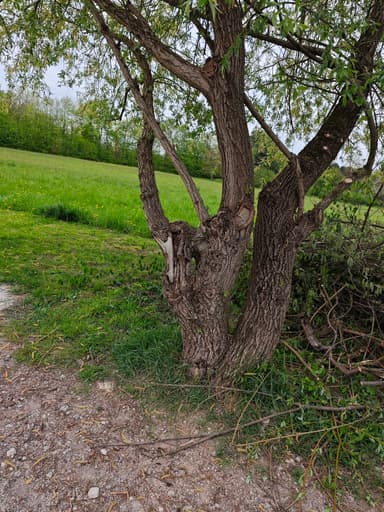
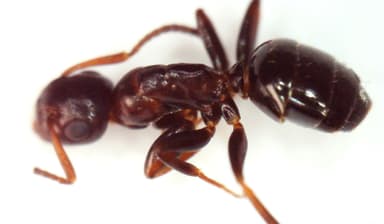
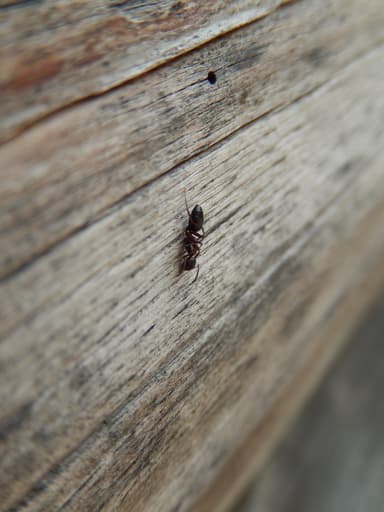
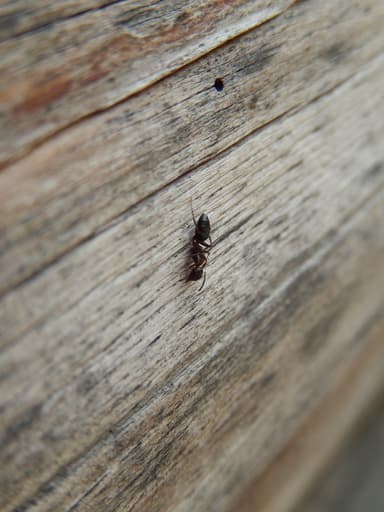
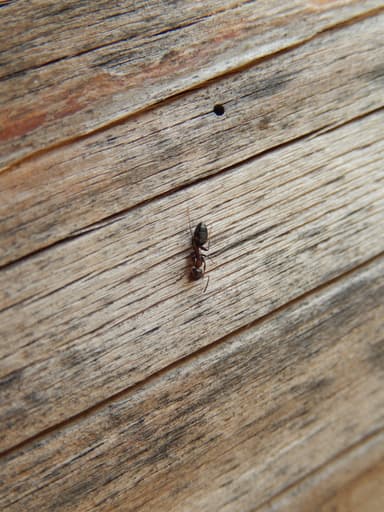
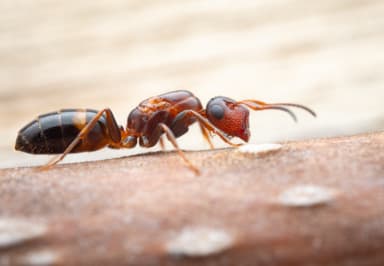
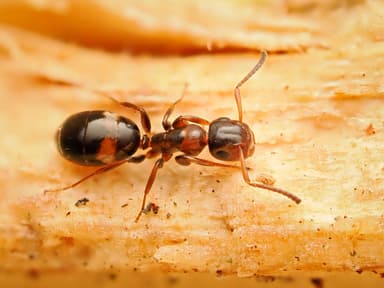
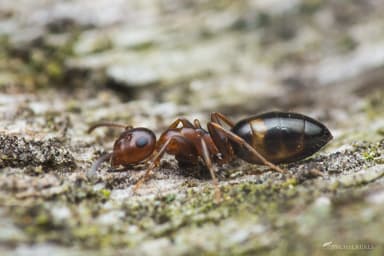
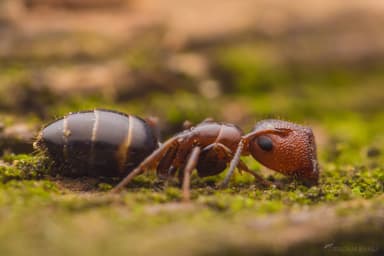
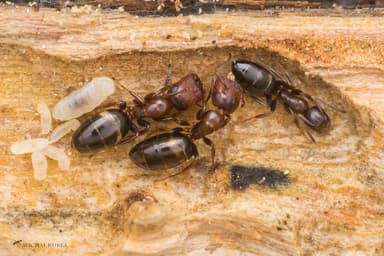
Colobopsis truncata, often called the cork-head ant, is a captivating species whose unique biology makes it a prized addition to any European ant keeper’s collection. Queens measure a robust 7 to 9 millimetres, while the worker caste is distinctly polymorphic, splitting into nimble minor workers of around 3.5 millimetres and strikingly adapted major workers that can reach 6 millimetres. Colony sizes rarely exceed a thousand individuals, but what the species lacks in sheer numbers it more than compensates for in behavioural intrigue. The majors possess a heavily truncated, plug-like head — an adaptation known as phragmosis — which they use to perfectly seal the nest entrance, effectively becoming a living, camouflaged door (Seifert 2018). This defensive strategy evolved to protect their colonies, which are founded claustrally by single queens inside pre-existing cavities in dead wood. Across Central and Southern Europe, nuptial flights occur on warm, sunny afternoons from June through August, typically after rain and once temperatures climb above 25°C, as documented in regional myrmecological surveys (Czechowski et al. 2012). Observing a major worker retreat into its gallery and lock its head flush with the wood is a spectacle that endlessly fascinates even seasoned keepers.
With a care difficulty rated intermediate, Colobopsis truncata is best suited to hobbyists who already have some experience managing temperate ant species and their seasonal rhythms. This is not a beginner’s ant: success hinges on maintaining stable humidity and temperature gradients, and the colony’s slow growth and modest ultimate size demand patience. The reward, however, is the chance to study phragmotic behaviour up close and to witness the complex division of labour between the delicate minors, which forage and tend brood, and the robust majors, which defend and manipulate solid food. Keepers who enjoy naturalistic, observation-focused setups will find this species deeply satisfying, while those seeking rapid expansion and massive worker counts may be frustrated.
Recreating the arboreal, wood-nesting conditions this ant favours is central to its wellbeing. A formicarium built around a vertical piece of cork bark or a custom wooden nest block with pre-drilled galleries works beautifully, mimicking the dead branches and tree cavities the ants occupy in the wild. The nesting area itself should maintain a humidity of 50 to 70 per cent, which can be achieved by periodic misting or a water reservoir beneath a plaster or wood pulp insert. Temperature is equally important: a thermal gradient from a cooler 20°C at the periphery to a warm 28°C near a heating cable or mat encourages the brood to develop in a concentrated zone and allows workers to thermoregulate. The foraging outworld benefits from a sand-and-humus substrate that retains some moisture without becoming soggy, and all enclosures must have an effective escape barrier — the ants are adept climbers and can chew through soft sealing materials if they decide to expand their nest. A drinking water source, such as a test tube setup or a small water feeder, should always be available in the foraging area.
Feeding Colobopsis truncata follows the classic omnivorous pattern of most ants, but with a focus on small, manageable prey items. Protein should be offered in the form of freshly killed fruit flies, small crickets, or chopped mealworms two to three times per week; the minor workers will rapidly recruit to the food and the majors often assist in breaking down tougher pieces. Carbohydrates are equally vital and can be supplied as a diluted honey mixture or a droplet of sugar water placed on a small piece of aluminium foil for easy cleanup. Remove any uneaten insect remains after a day to prevent mould, and refresh the sugar source regularly. Fresh water must be constantly accessible, as the colony can quickly desiccate in dry indoor air.
A strict annual hibernation is non-negotiable for the long-term health of Colobopsis truncata. In their natural range, these ants experience a distinct cold season, and captive colonies require the same. Beginning in late October, gradually lower the temperature over two to three weeks until it stabilises at 8°C; cease feeding entirely a few days before the cooldown to empty the workers’ crops and prevent fermentation in the gut. The colony should remain in this state until March, with only minimal moisture checks to ensure the nest does not dry out or become overly damp — condensation inside the nest during cold periods often leads to mould and must be avoided. Waking is equally gradual: bring the temperature back up to room levels slowly over several days, then offer a small drop of sugar water as the first meal. Skipping or shortening hibernation frequently results in weak brood, poor queen fecundity, and colony collapse, as noted by Seifert (2018) for many boreal-ant species.
The first few days after acquiring your Colobopsis truncata are a critical settling-in period. If you have purchased a founding queen in a test tube, simply place the tube in a dim, vibration-free spot at around 25°C and leave her undisturbed, checking only weekly that the water reservoir is intact. For colonies with workers, connect the test tube to a small foraging area but do not force a move into the intended nest; allow them to relocate at their own pace, which may take several days. Offer a tiny droplet of sugar water on the first day, and if the foragers accept it enthusiastically, you can introduce a pre-killed fruit fly the following day. Watch for signs of stress such as workers obsessively tugging at the cotton plug or clustering in a corner far from the heat — these indicate that conditions need adjustment. Once the colony begins regular foraging and the queen resumes egg-laying, you can consider them successfully established and start enjoying the quiet, endlessly watchable world of these master wood-dwelling ants.