Camponotus
Camponotus tortuganus
Nuptial Flight Calendar
Flight months: Mar, May, Jun, Jul, Aug
Care Guide
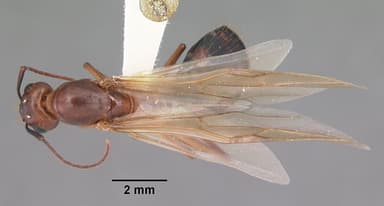
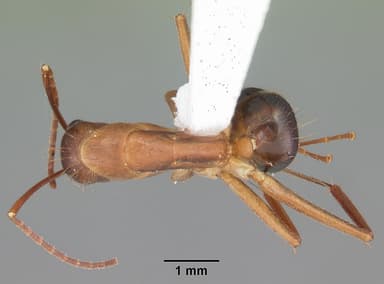
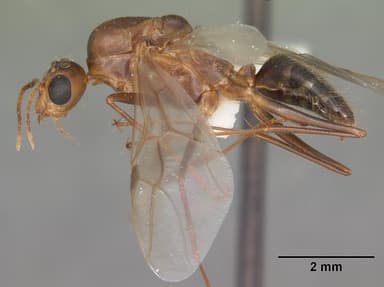
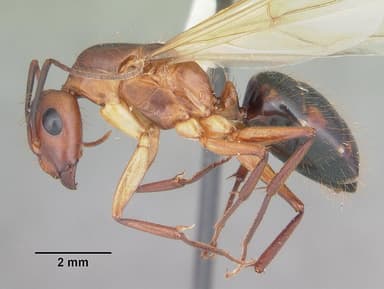
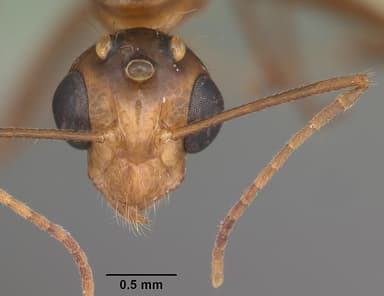
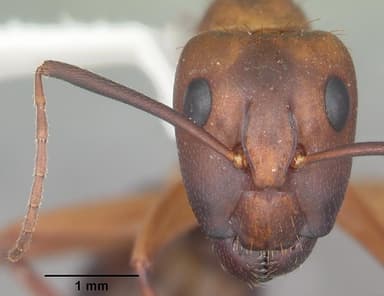
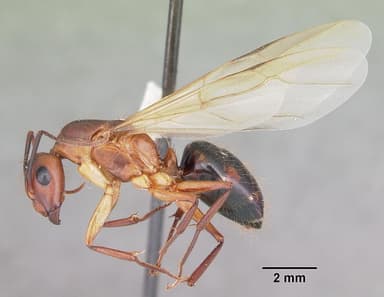
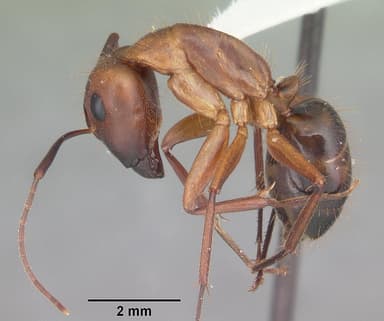
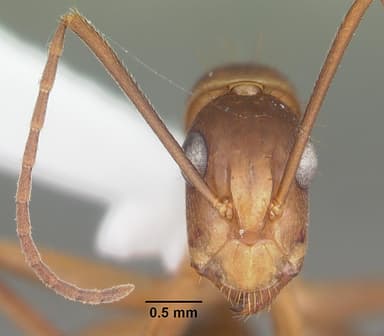
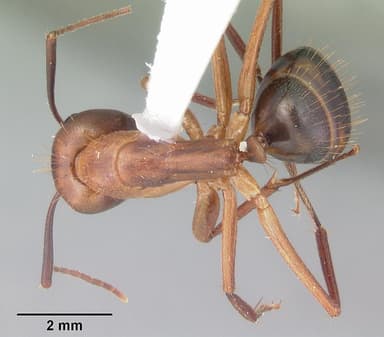
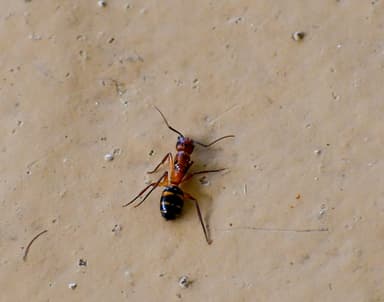
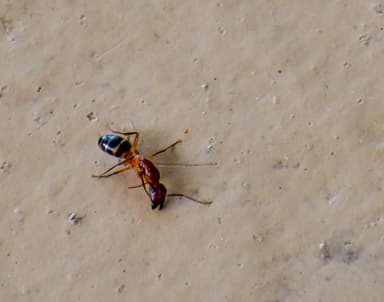
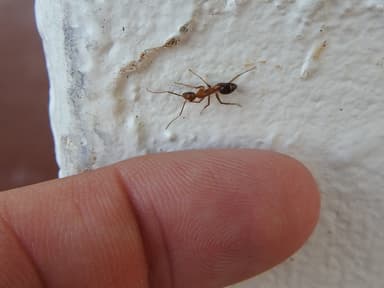
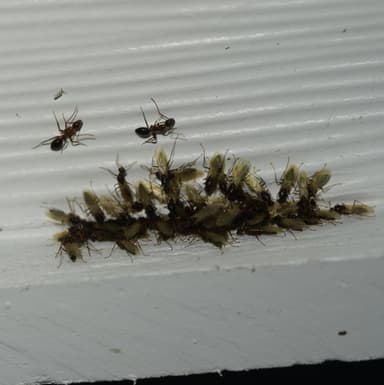
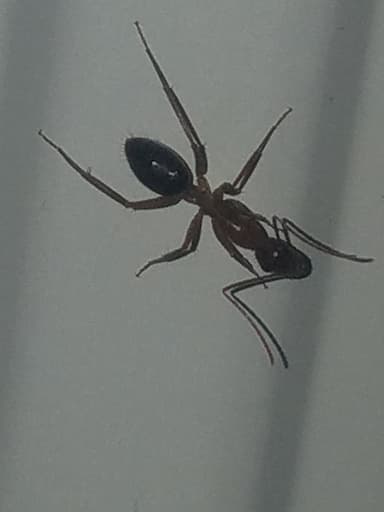
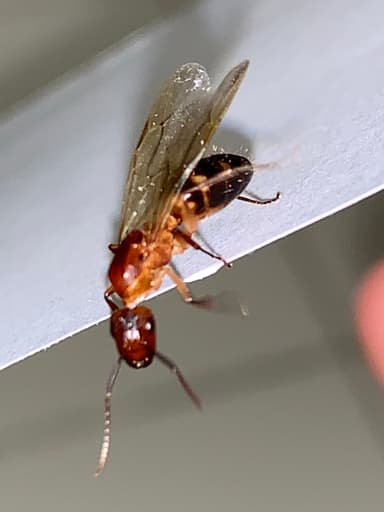
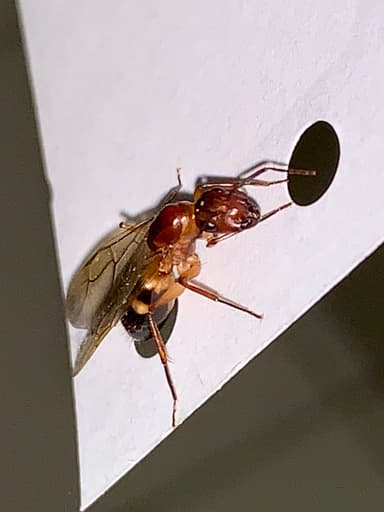
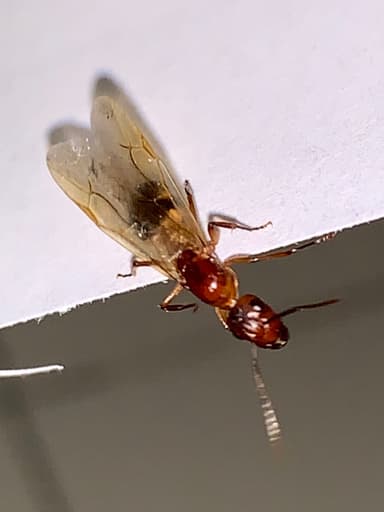
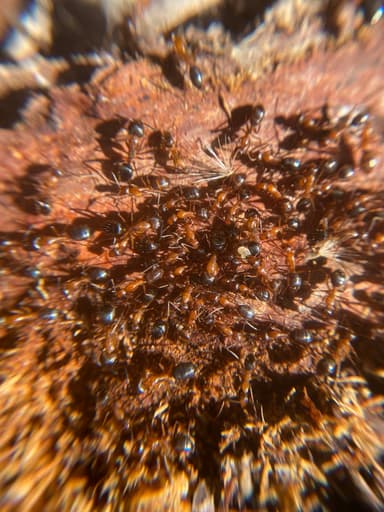
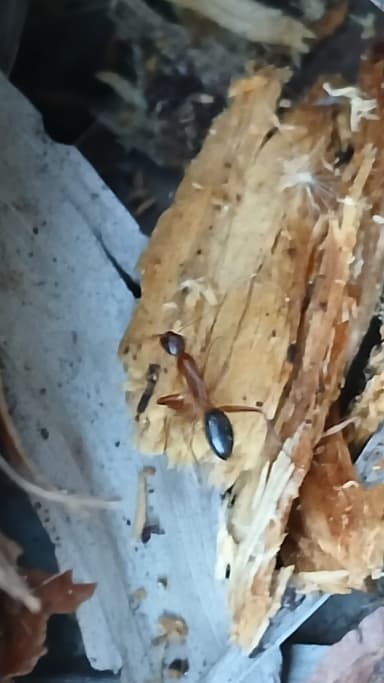
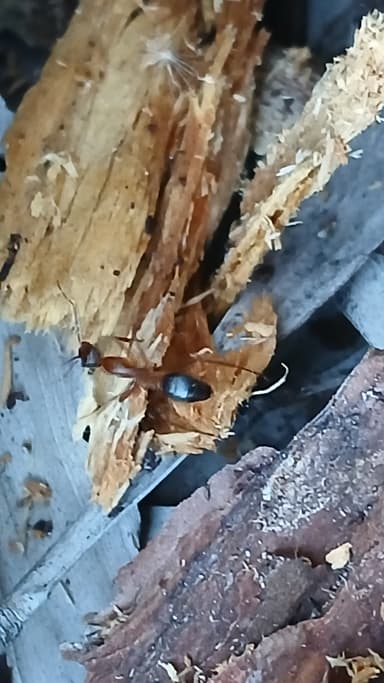
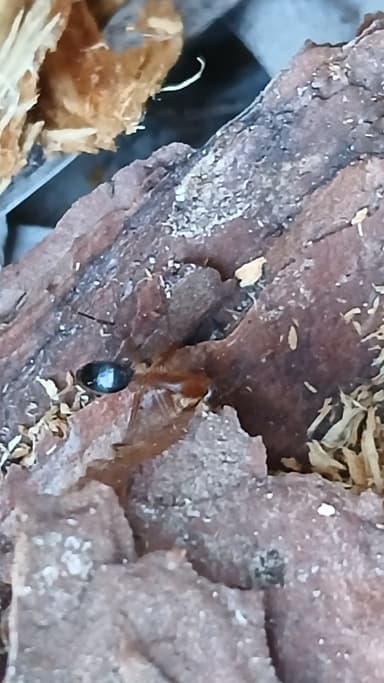
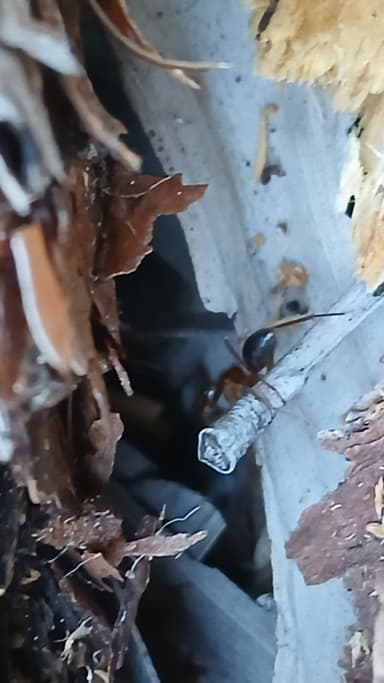
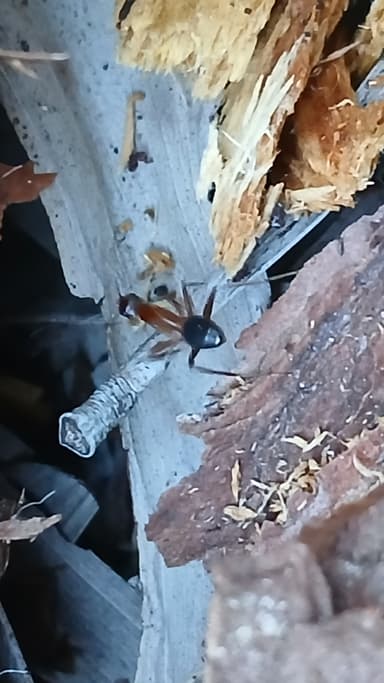
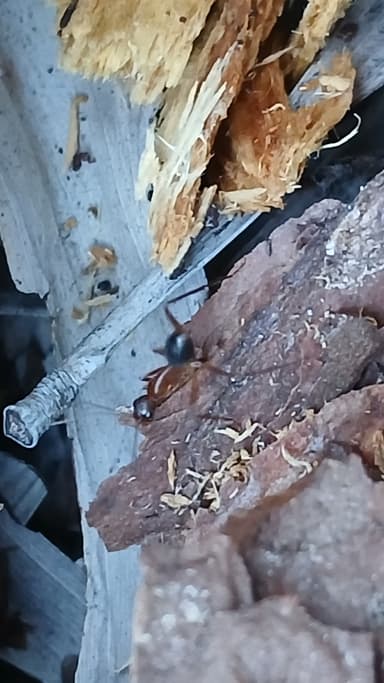
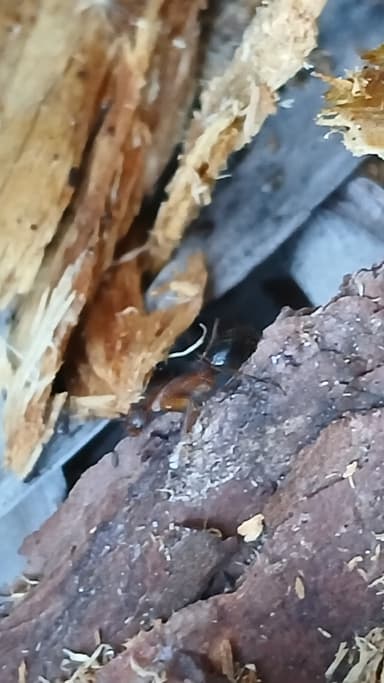
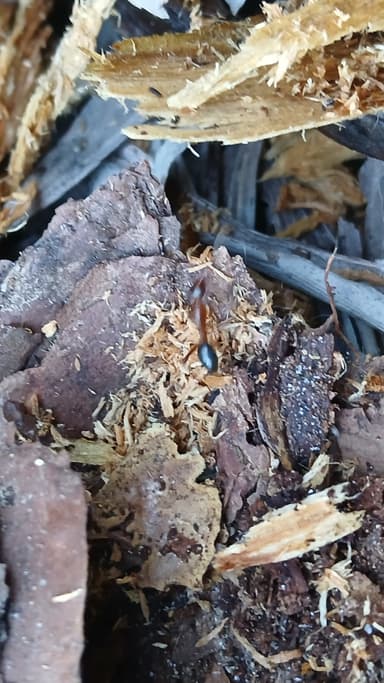
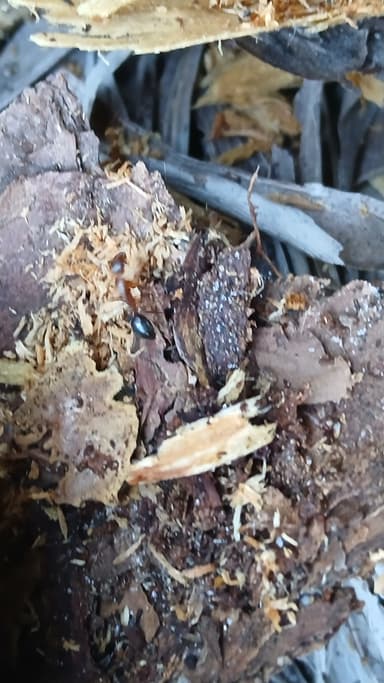
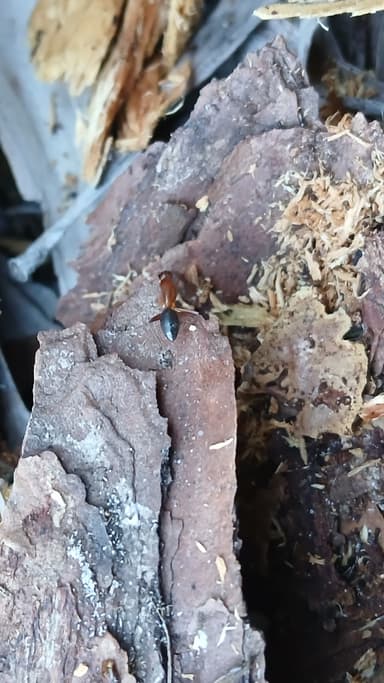
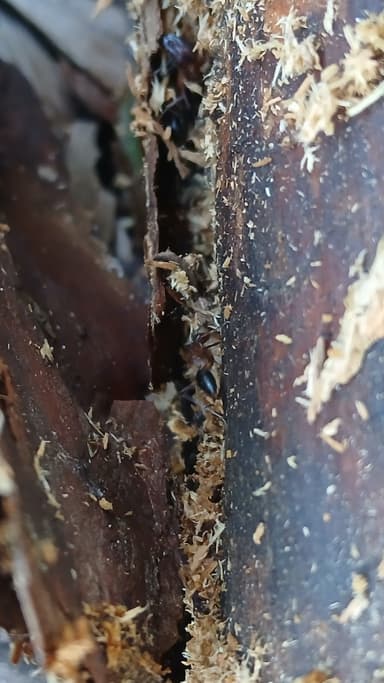
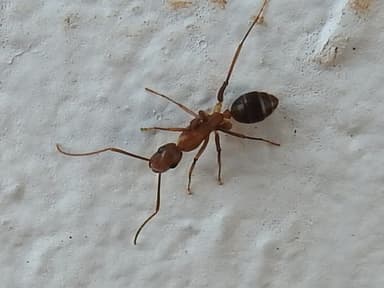
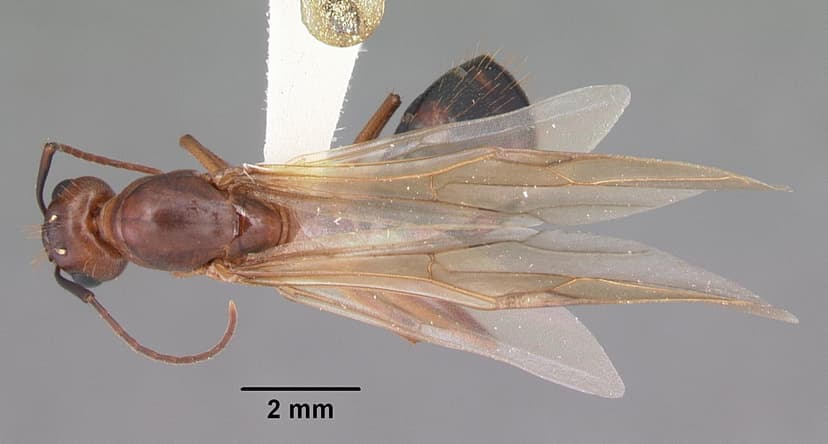
Camponotus tortuganus is a handsome carpenter ant endemic to the Florida peninsula, with historical records clustered roughly between 24.5°N and 30.5°N latitude (Wheeler 1932; Deyrup 2017). This medium-sized Camponotus displays a clear, though modest, polymorphism divided into two worker castes: minor workers range from 6–8 mm, while the bulkier major workers can reach 12 mm, their broad heads and powerful mandibles built for defense and processing larger prey. Queens are comparably robust at 12–15 mm and found colonies claustrally, sealing themselves away to rear their first brood without foraging. A mature colony typically caps at around 3,000 individuals, a manageable size for the dedicated hobbyist. Their coloration — often a deep reddish-brown thorax contrasting with a darker gaster — gives them a clean, appealing look. What truly sets this species apart is its nocturnal disposition; nuptial flights occur on warm, humid summer nights from May through August, typically after rain, a spectacular event rarely witnessed even in their native range. For keepers drawn to a Floridian native with year-round activity and no winter slumber, C. tortuganus offers a rewarding project.
The care difficulty is solidly intermediate, making it best suited for hobbyists who have successfully kept a few beginner colonies and are comfortable monitoring environmental parameters. While not alarmingly delicate, the species demands consistent warmth and careful humidity control, and its moderate growth rate can test patience. Absolute beginners might find it mildly frustrating, but those who have graduated from a hardy Lasius or Tetramorium will find it an engaging step up. The absence of a hibernation requirement is a major advantage; you never need to prepare a cold chamber. Instead, you must maintain a steady tropical temperature year-round, which nearly always calls for a thermostat-regulated heat mat, especially in temperate homes. These ants can be somewhat shy and sensitive to vibrations, so a tranquil location is essential — they will not thrive in a high-traffic household.
Housing should mirror their natural nest sites in dead wood or the sandy soils of Florida’s coastal scrub. A formicarium with a built-in humidity gradient works beautifully. Plaster, ytong, or 3D-printed nests allow you to moisten one side, letting workers select their preferred microclimate; target an ambient humidity between 50 and 70%, mimicking the damp subtropical air they evolved in. Temperature needs to stay in the 22–30°C band, with a warm spot around 26–28°C where the queen and brood will congregate. The outworld should have a layer of sand or a sandy loam mix, satisfying their instinct to rearrange substrate, though extensive tunneling is rare in captivity. A tight-fitting, escape-proof lid with fine mesh ventilation is mandatory — like all Camponotus, these ants climb glass with ease. Keep the nest portion covered or wrapped in red film, as they strongly prefer darkness for brood rearing and rest.
Nutrition follows the classic carpenter ant split between sugary carbohydrates and insect protein. Offer freshly killed or frozen-thawed crickets, mealworms, and small roaches two to three times per week, removing leftovers promptly. Major workers will often dismember larger prey items, so smaller colonies appreciate pre-cut pieces. For carbohydrates, a small dish of honey, sugar water, or a sliver of ripe fruit like apple or melon is ideal; change these frequently to prevent spoilage. A constant source of clean water is non-negotiable — use a test tube setup or water tower with a cotton plug to prevent drowning. As the colony grows, simply scale up portion sizes, always ensuring protein is abundant during heavy larval demands.
Because C. tortuganus originates from southern Florida’s nearly frost-free environment, it does not require a winter hibernation. No chilling period is needed; simply keep the nest warm and humid throughout the year. You may observe a slight natural slowdown in egg-laying during the shortest days of winter, but this is not a true diapause and requires no intervention. If you notice a brief lull, check that the temperature remains steady and food is offered — the queen will resume her pace as daylight hours lengthen.
Upon receiving your new colony, patience is your most important tool. The journey is stressful, so place the test tube or founding chamber in a dark, vibration-free spot and leave it completely undisturbed for 24–48 hours. Do not be tempted to peek, as the queen needs peace to settle and resume egg-laying. After this quiet period, slide a tiny drop of sugar water on a piece of foil near the tube entrance without forcing it. A day later, offer a small pre-killed fruit fly or a cricket leg. If the workers appear skittish and hide, remove the food and try again the following day. Within a week, ideally, the queen’s abdomen will plump, and a small clutch of eggs will appear. Once they are readily accepting food and the first workers eclose, you can consider moving them into a proper formicarium — but only when the worker count exceeds 20–25 to avoid overwhelming the young colony. With this gentle start, you will be rewarded with a captivating, long-lived colony that thrives under your watchful eye.