Camponotus
Camponotus substitutus
Nuptial Flight Calendar
Flight months: Oct, Nov, Dec
Care Guide
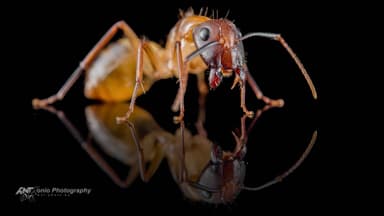
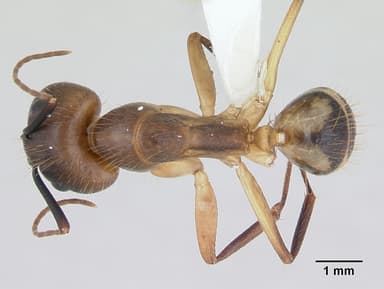
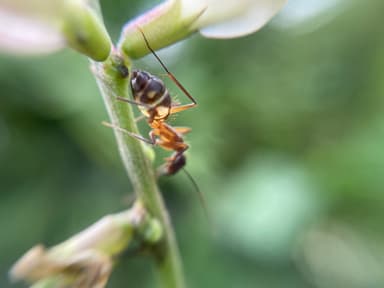
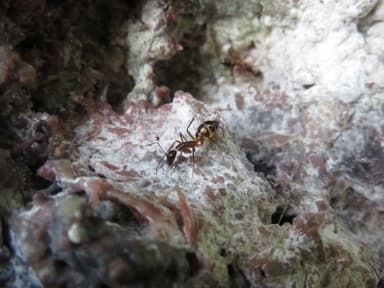
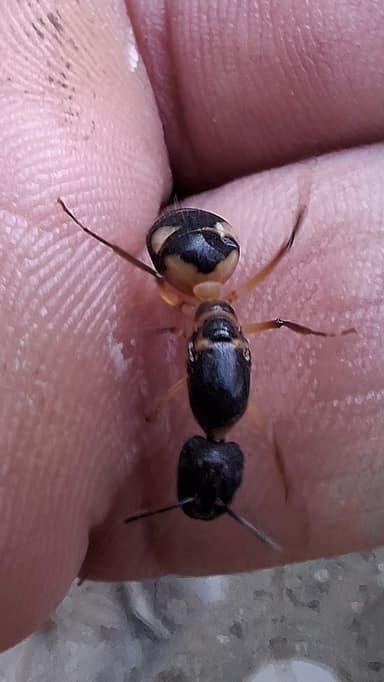
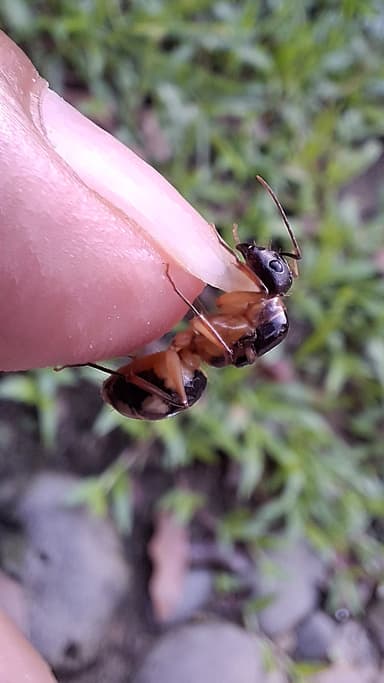
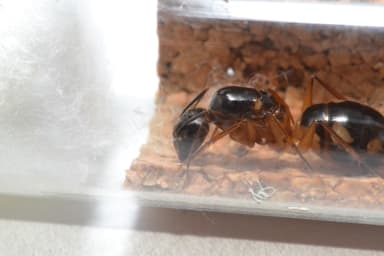
Camponotus substitutus is a robust, polymorphic carpenter ant native to the tropical and subtropical lowlands of south-eastern South America, with confirmed populations stretching from southern Brazil through Paraguay into northern Argentina (GBIF occurrence records; AntWeb). First described by Emery in 1894, this species has occasionally been overlooked in the hobby but rewards the attentive keeper with its dynamic colony structure and impressive major workers. Queens are substantial, measuring 14 to 16 mm in length, while the workers exhibit a clear dimorphism: minor workers are a nimble 7–9 mm, whereas the broad-headed majors can reach up to 12 mm. These majors serve as living fortresses and food repletes, plugging nest entrances or storing liquid carbohydrates in their distended gasters. In the wild, colonies can grow to around 10,000 individuals, nesting in dead wood or soil cavities. The founding is fully claustral, meaning the queen seals herself in a chamber and raises her first brood entirely on her own body reserves. Nuptial flights are reported from October to December, occurring on warm, humid evenings following rains during the wet season, although detailed observational data remain sparse. What makes C. substitutus particularly interesting is not just its size and dual castes, but its adaptation to a climatic rhythm of warm summers and mild winters without true dormancy — a trait that simplifies year-round husbandry once you understand its constant needs.
In terms of care difficulty, this ant lands squarely at an intermediate level. It is not a species for someone who has never kept ants before, but it is an excellent next step for hobbyists who have successfully maintained a smaller Camponotus species or a fast-growing colony that demands stable environmental parameters. The challenge lies less in aggression — these ants are not especially defensive — and more in the combination of their large eventual colony size and their requirement for consistently warm, humid conditions. If conditions dry out or temperatures drop significantly for extended periods, brood development stalls and the colony can succumb to stress-related die-offs. Therefore, C. substitutus suits keepers willing to invest in a quality nest with reliable hydration, a heating setup that maintains a steady 22–28 °C, and the space to accommodate a colony that can fill a large formicarium over two or three years. Patience and regular monitoring are rewarded with a spectacular, active colony that forages boldly and displays remarkable size variations within a single worker trail.
Providing the right home is central to success. These ants do best in a plaster, gypsum, or ytong nest that can hold moisture effectively while preventing waterlogging; a hydration chamber or a connected water tower allows you to keep relative humidity between 50 and 70 percent without wetting the substrate directly. Wooden nests are a possibility and mimic their natural habitat, but they must be carefully sealed to prevent the colony from chewing out, and they require scrupulous cleaning to avoid mould. The outworld — the foraging arena — should be spacious, with a layer of sand, coconut coir, or vermiculite that permits the ants to dig a little if they choose and that helps maintain ambient humidity. Temperature is best provided via a heat mat or cable placed under one side of the nest, creating a gentle gradient from 22 °C on the cooler end to a brood-warming 28 °C on the warm side. Because colonies can reach 10,000 workers, plan for expansion: a modular system that allows you to add additional nest boxes is ideal, preventing the sudden stress of moving a massive colony all at once.
A varied diet underpins both growth and the colony’s overall vitality. Like most Camponotus, C. substitutus feeds on a mix of protein-rich insects and sugary carbohydrates. Offer small, pre-killed crickets, roaches, or mealworms two to three times a week for a growing colony, adjusting quantity to match the number of larvae present; workers carry protein back to the brood, and you can watch majors use their strong mandibles to process prey. For carbohydrates, provide a fresh drop of honey, maple syrup, or a cotton ball soaked in sugar water at all times. Ripe fruit pieces such as apple or grape are also eagerly accepted. Always keep a clean water source, such as a test‑tube drinker, available in the outworld — dehydration is a common pitfall. Remove uneaten insect remains after 24 to 48 hours to prevent mould and mite infestations, which can quickly overwhelm a confined colony.
One major advantage of this tropical carpenter ant is that it does not require hibernation. Unlike temperate Camponotus species that must be cooled for several months to trigger the next reproductive cycle, C. substitutus originates from latitudes where temperatures remain mild year-round, and there is no seasonal diapause in its life history. You should maintain the recommended temperature range continuously, with only slight natural drops at night — a few degrees — being perfectly acceptable. Feeding schedules and hydration must also continue without interruption. Forcing a hibernation by reducing the temperature could stress the colony, disrupt brood production, and potentially lead to the death of the queen. The key to long-term health is stability: keep them warm, keep them humid, and they will grow rhythmically through all twelve months.
When your C. substitutus colony first arrives, the priority is to give them peace to recover from the journey. If you have purchased a single queen, remember she is claustral: place the test‑tube setup in a dark, quiet drawer or box, ensure the water reservoir is full, and ignore her for at least two to three weeks. She needs no food at all — her first priority is to lay eggs and rear the initial nanitic workers on her own reserves. For a colony that already includes workers and brood, connect their transport container to a prepared nest and outworld, but do not force the move. Dim the lights, keep vibrations to a minimum, and allow 24 hours before offering a tiny amount of sugar water on a piece of foil. After a further day or two, you can introduce a small, freshly killed insect. Watch for the queen to resume egg-laying within the first fortnight; a steady stream of eggs and young larvae indicates the colony is settling well. If the ants huddle nervously, refuse food, or the queen stops laying, reassess for drafts, temperature swings, or excessive disturbance. With gentle, consistent care, your Camponotus substitutus colony will soon emerge to forage and display the full grandeur of its worker castes, making every patient moment worthwhile.