Camponotus
Camponotus chromaiodes
Nuptial Flight Calendar
Flight months: Mar, Apr, May, Jun, Jul
Care Guide
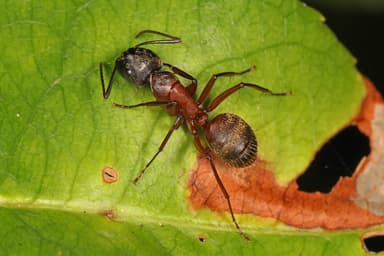
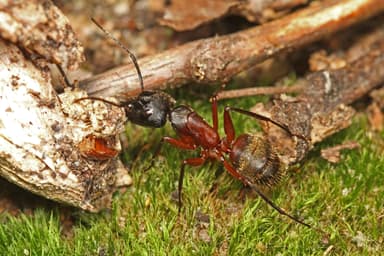
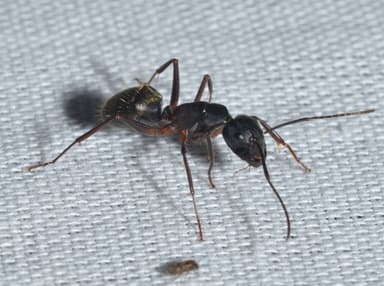
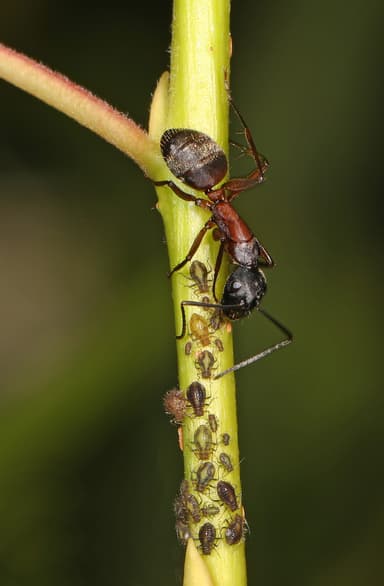
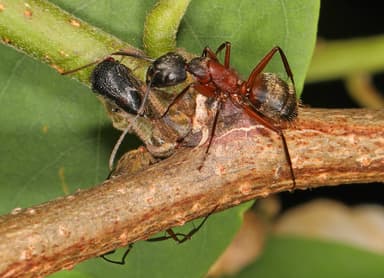
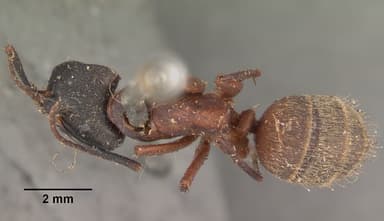
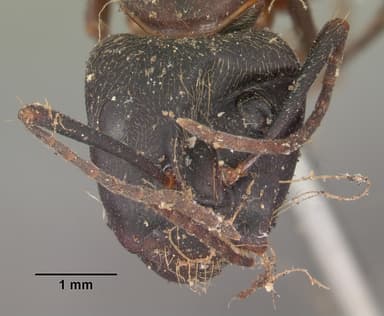
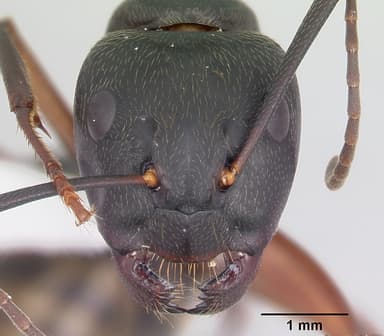
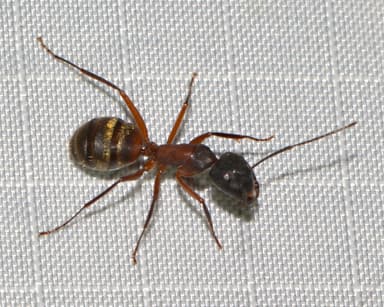
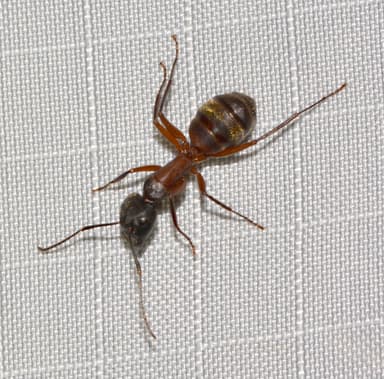
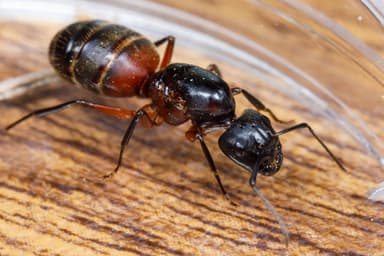
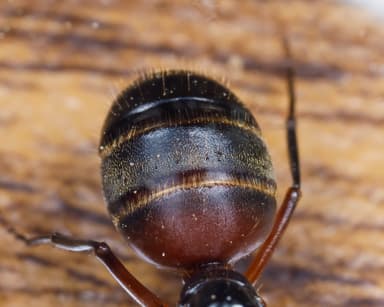
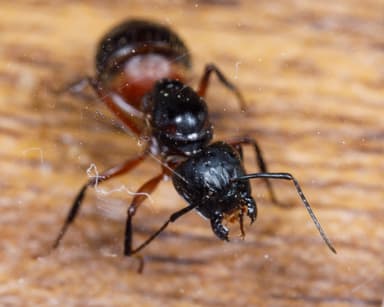
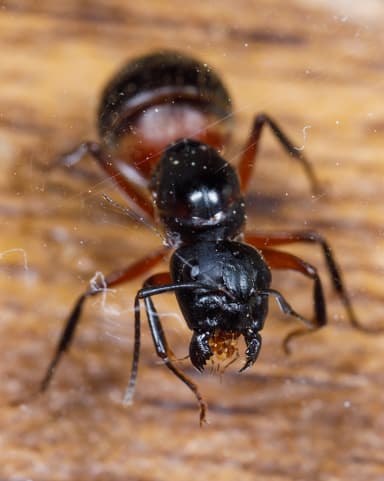
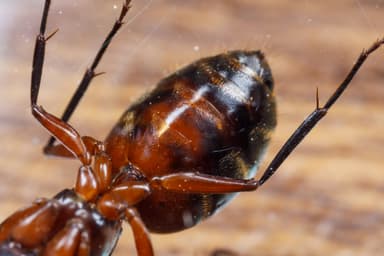
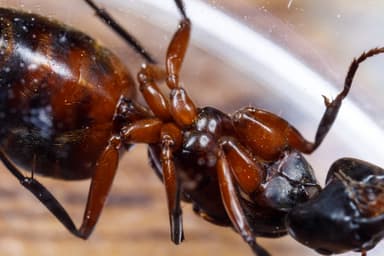
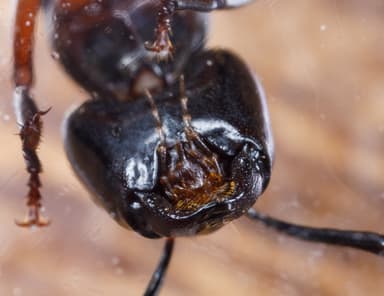
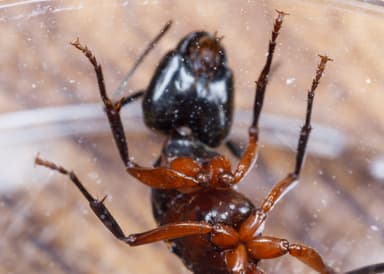
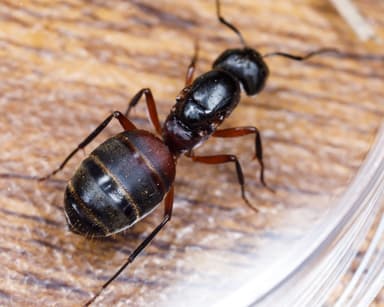
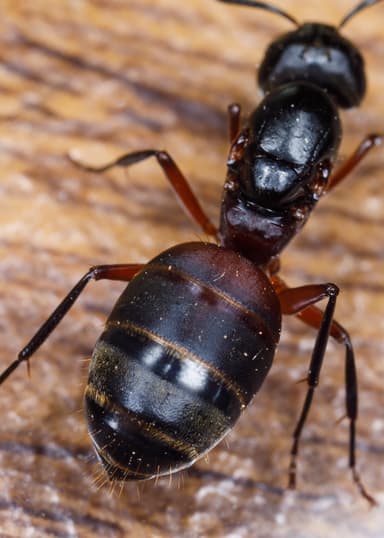
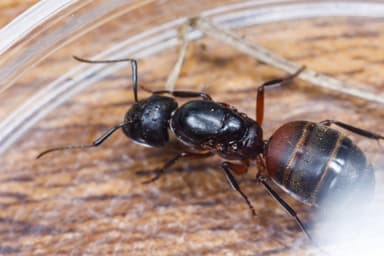
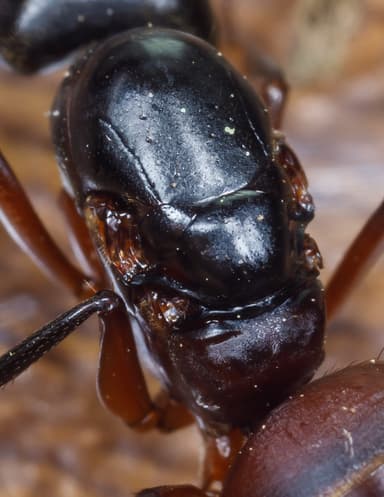
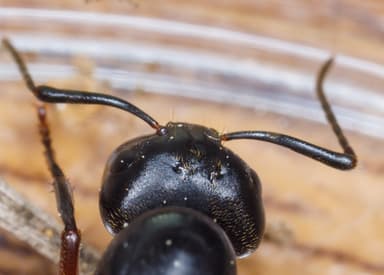
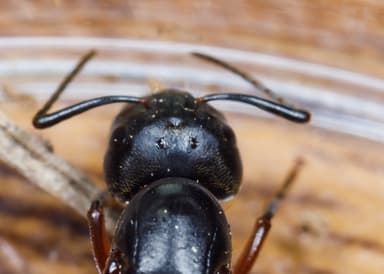
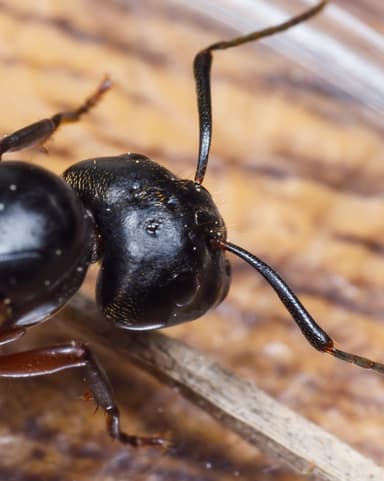
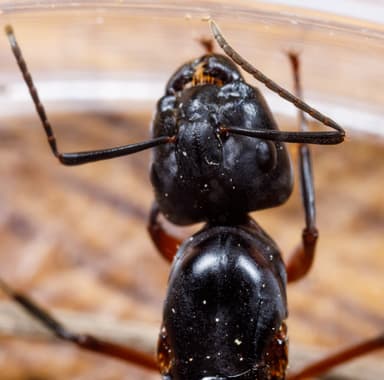
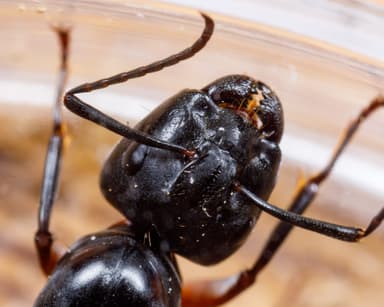
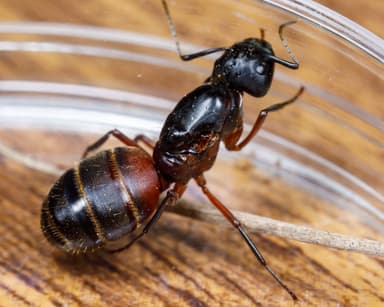
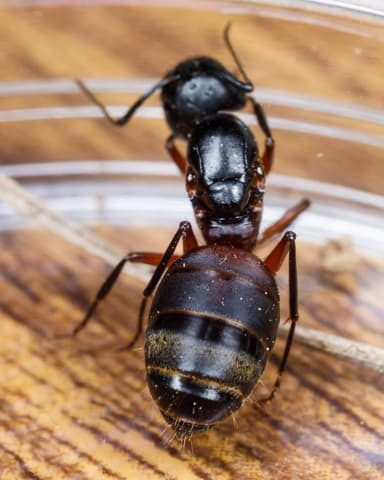
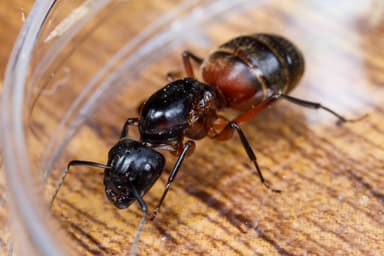
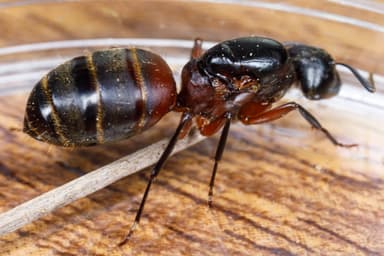
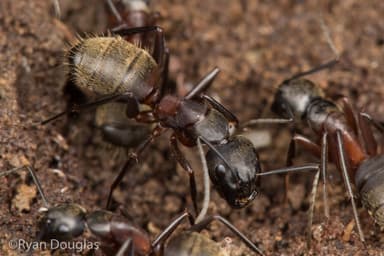
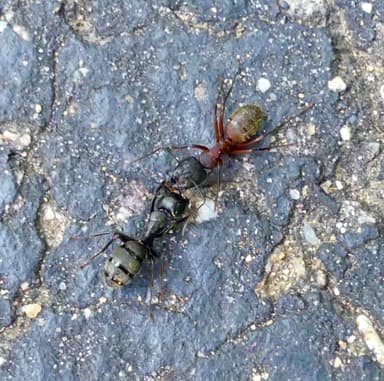
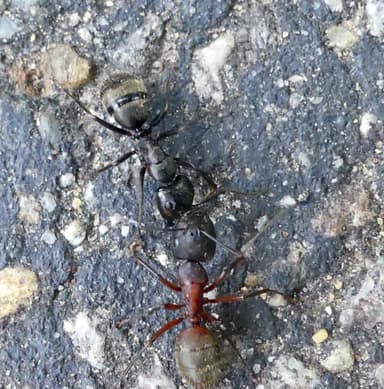
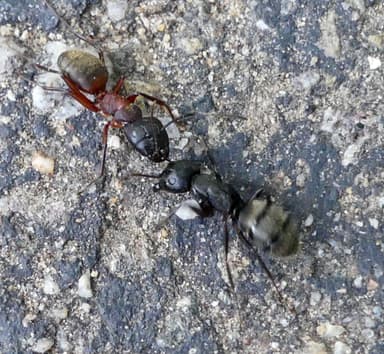
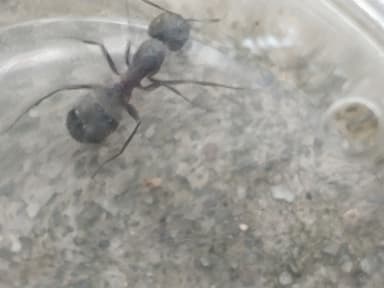
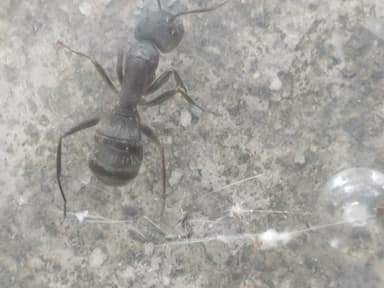
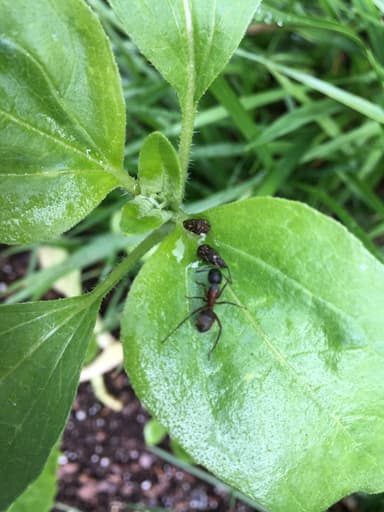
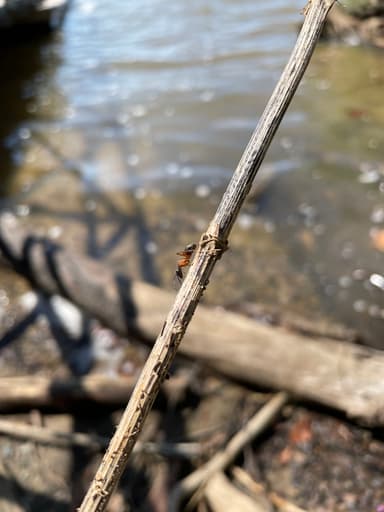
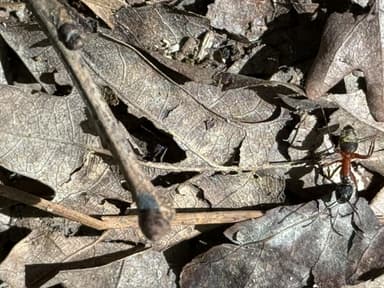
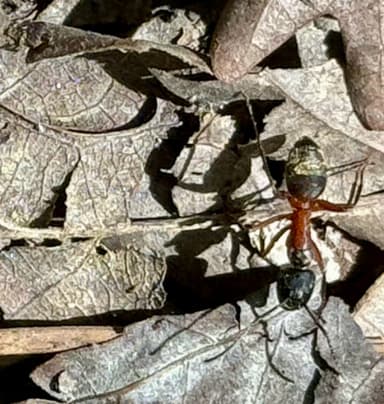
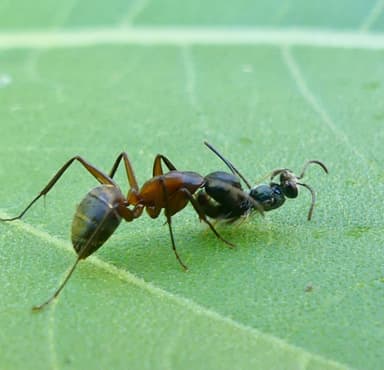
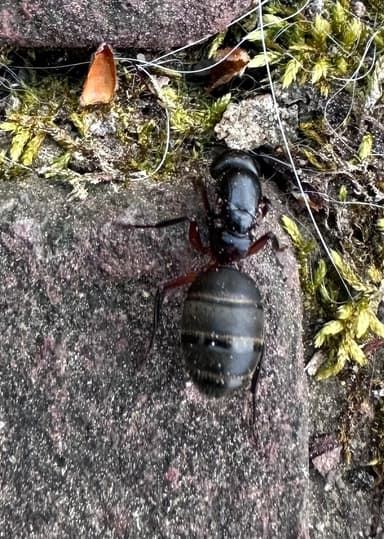
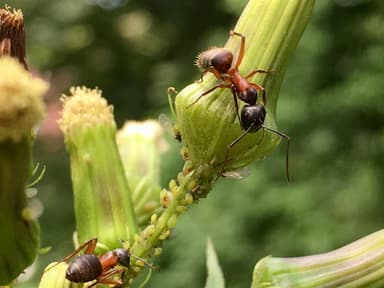
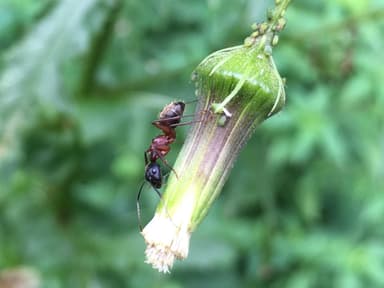
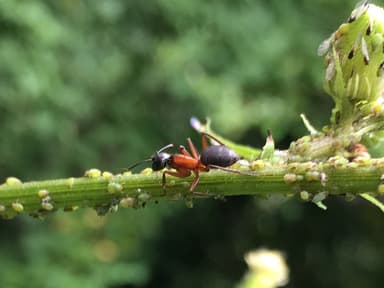
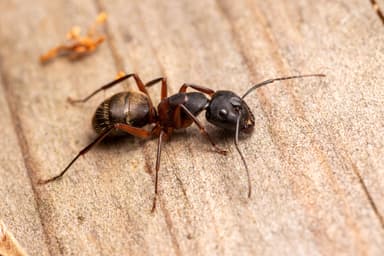
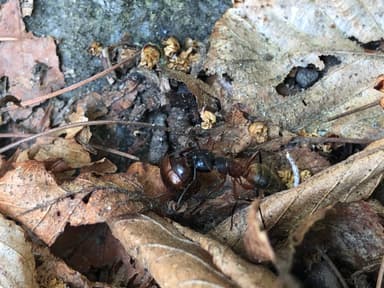
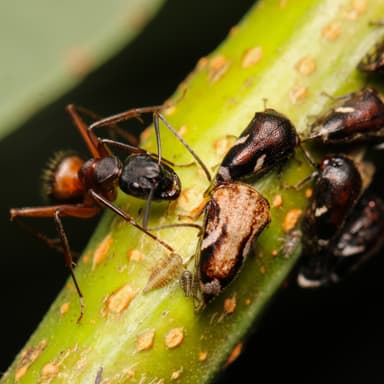
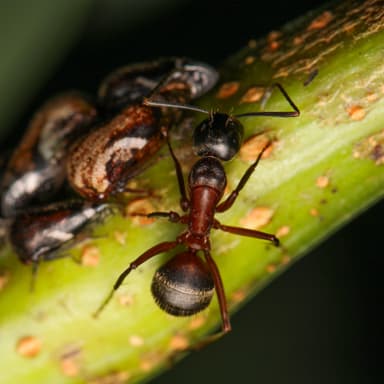
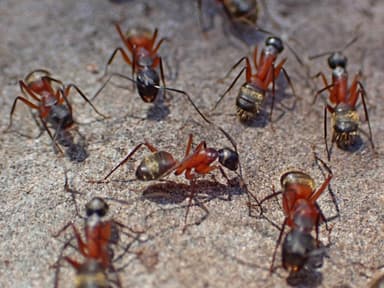
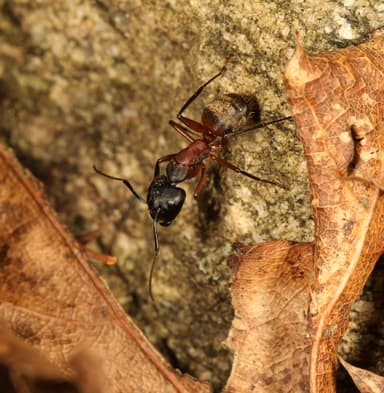
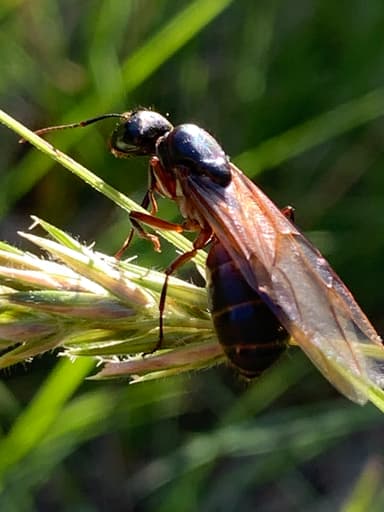
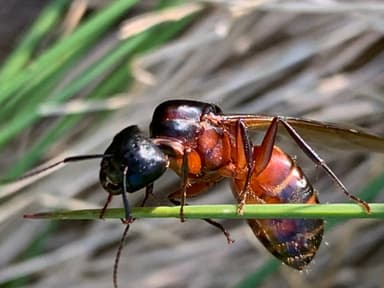
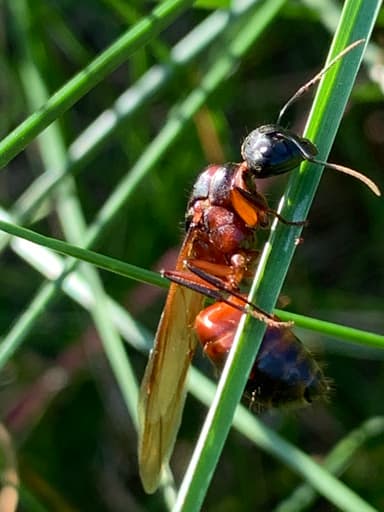
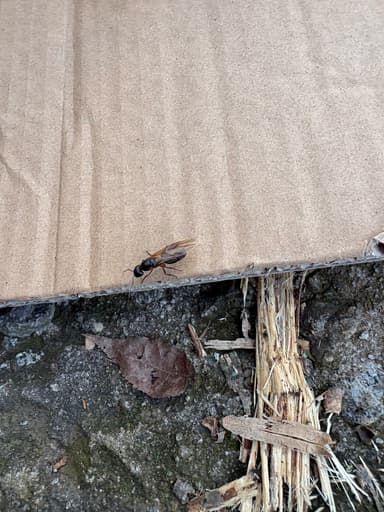
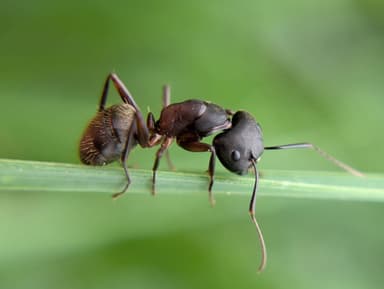
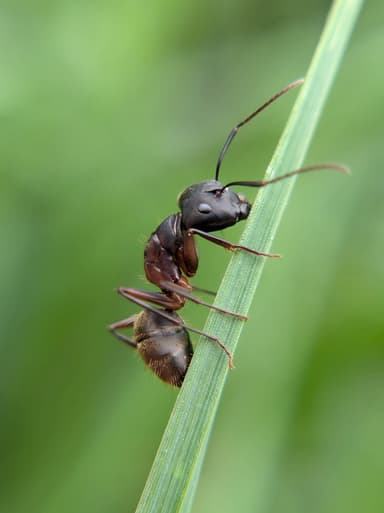
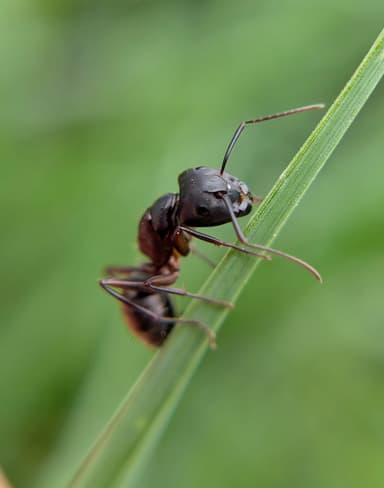
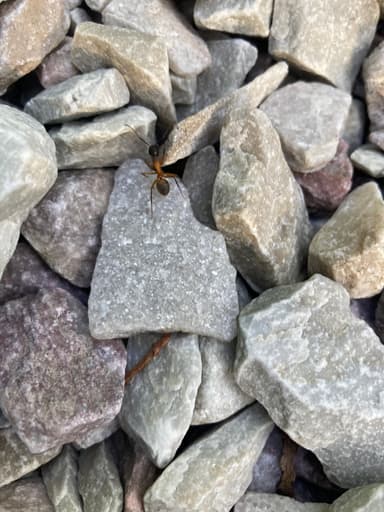
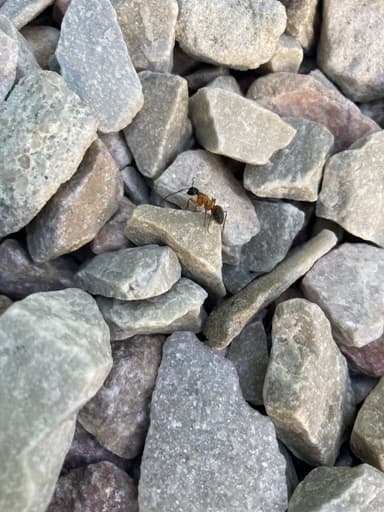
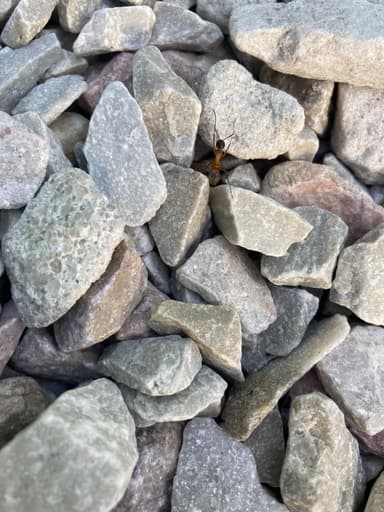
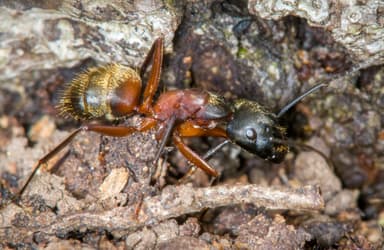
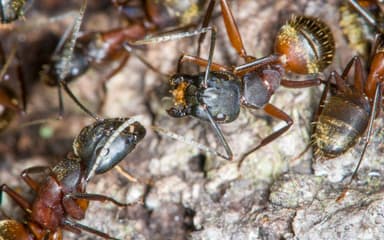
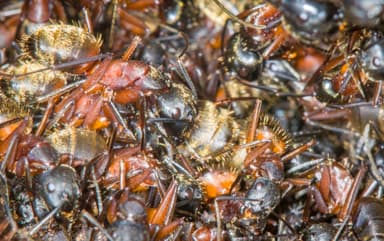
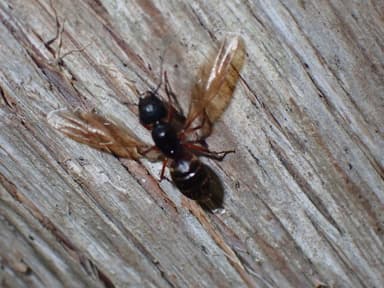
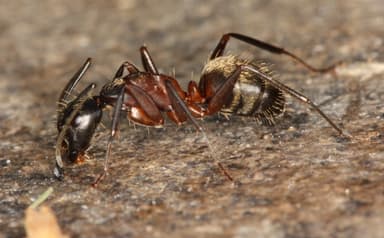
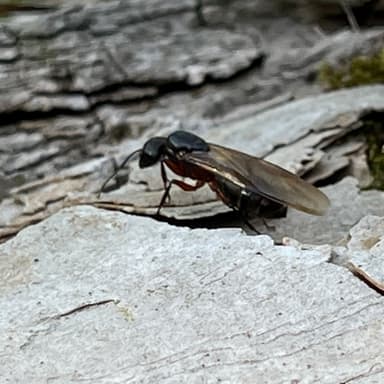
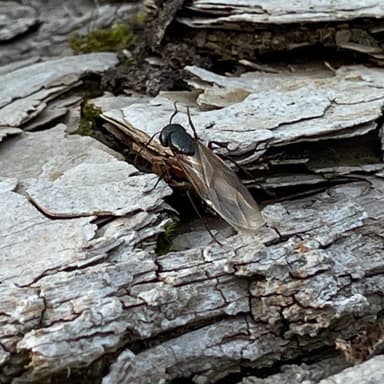
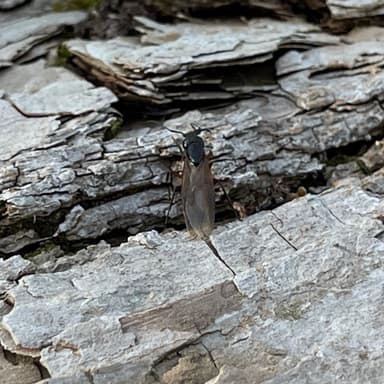
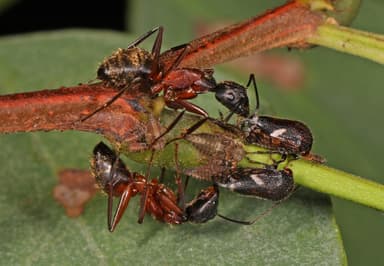
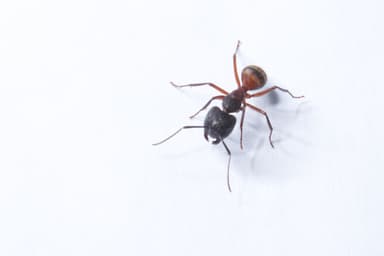
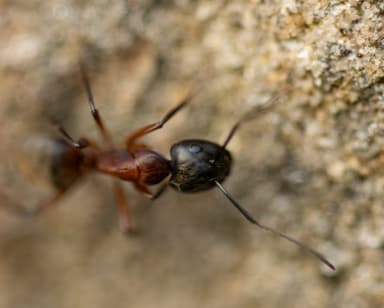
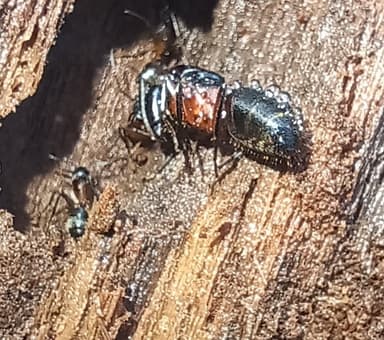
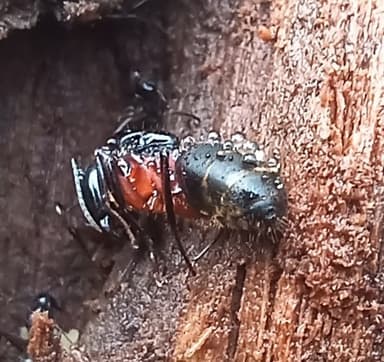
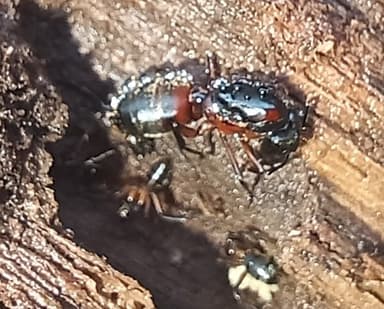
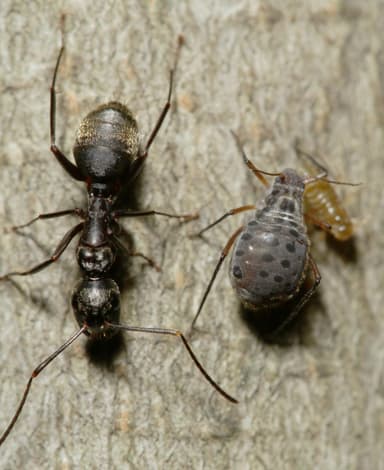
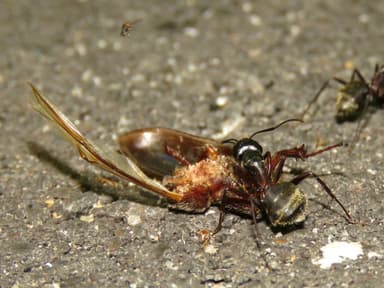
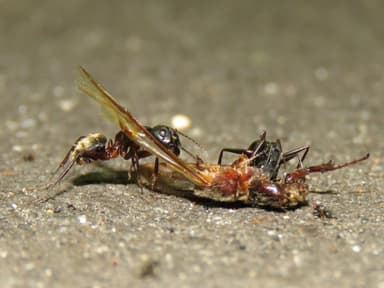
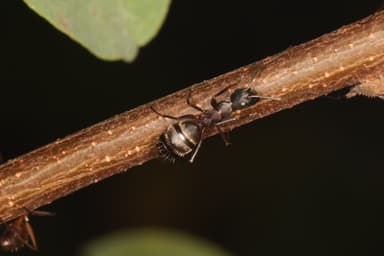
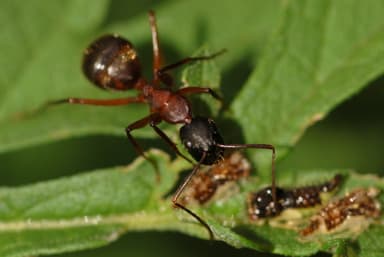
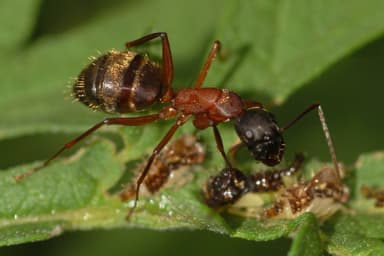
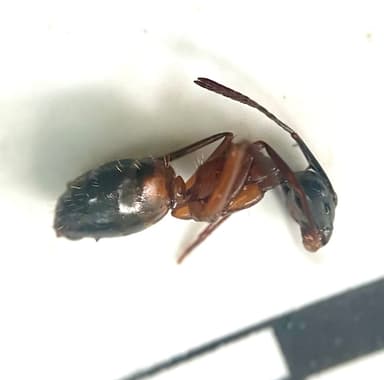
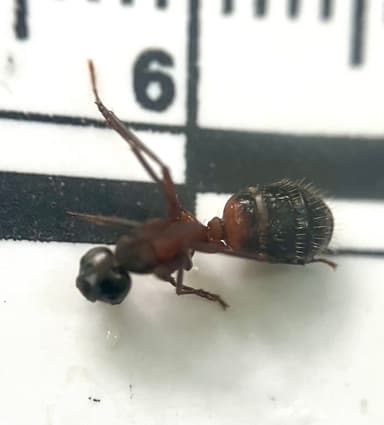
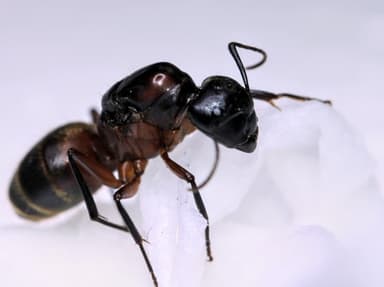
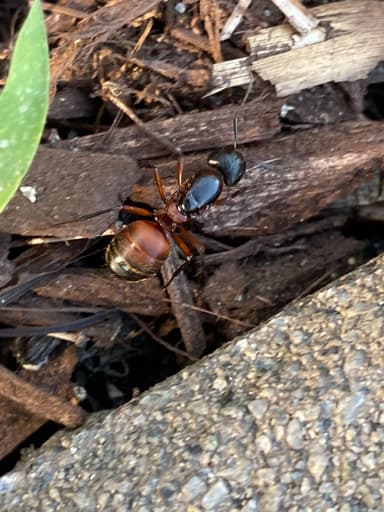
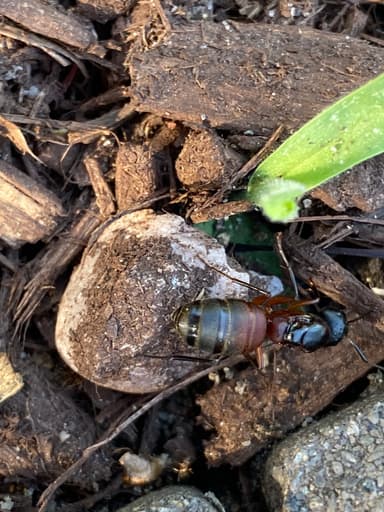
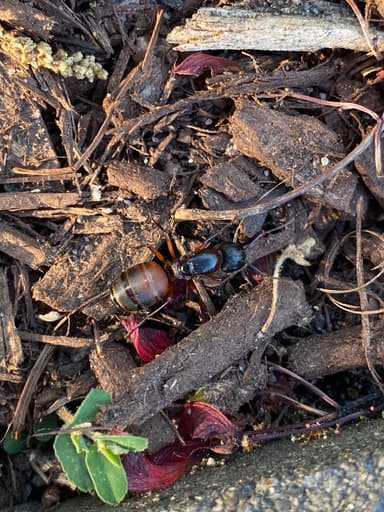
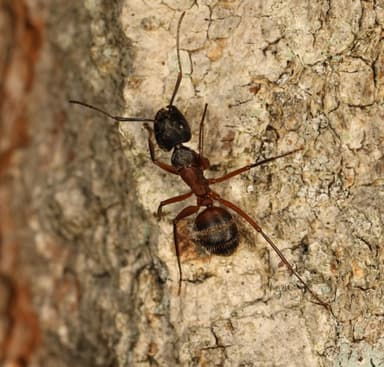
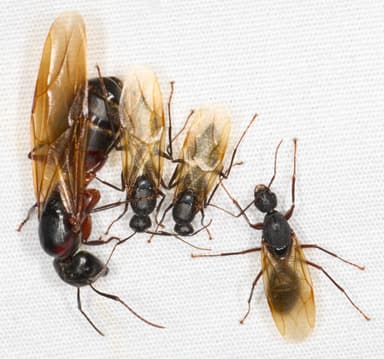
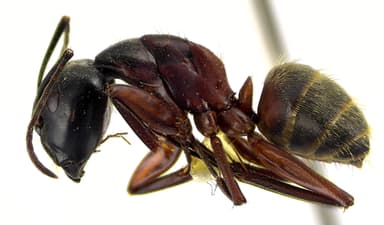
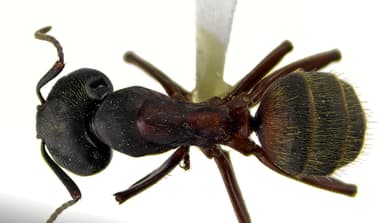
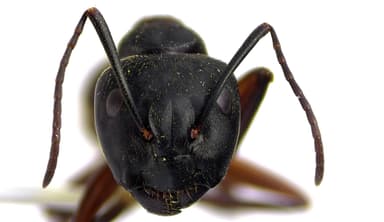
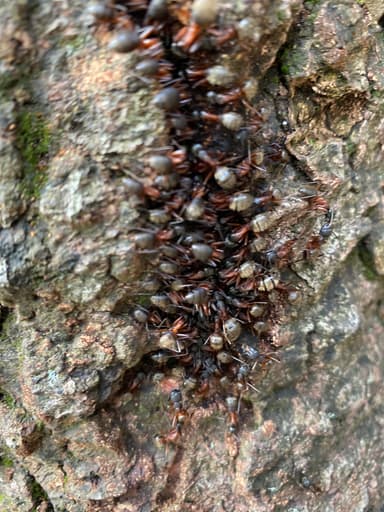
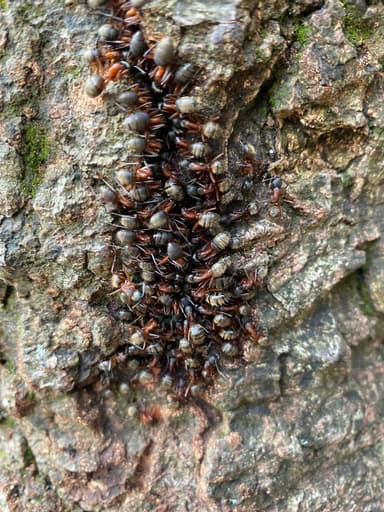
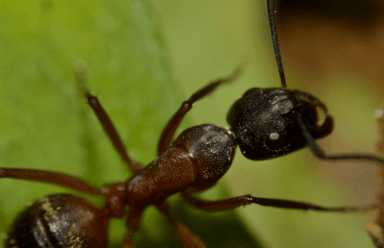
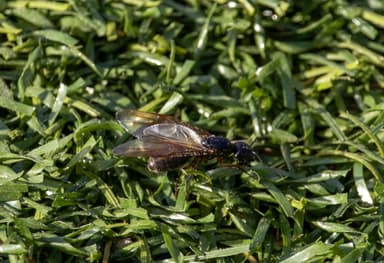
Few North American carpenter ants rival the visual appeal of Camponotus chromaiodes, a robust and dazzlingly bicolored species that has earned a deserved reputation as a cornerstone for beginner ant keepers. Newly mated queens measure a substantial 15 to 18 millimeters, while the polymorphic worker force—expressed across three distinct castes: minor, media, and major—spans a striking 6 to 13 millimeters in length. This physical diversity, paired with a burnished reddish-brown mesosoma and legs that contrast sharply with a nearly black head and gaster, makes every glance into the formicarium a small revelation. Colonies grow with deliberation but great reward, eventually housing up to 10,000 individuals at maturity (Hansen & Klotz 2005). The founding strategy is fully claustral, meaning the queen seals herself away and rears her first brood on internal fat reserves alone, a process that allows intimate observation of the colony’s earliest chapter without the immediate need for foraging space. For enthusiasts across the eastern United States—the species’ native range, from roughly the Great Plains to the Atlantic seaboard between latitudes 25°N and 45.5°N (Ellison et al. 2012)—the warm, humid afternoons of May, June, and July, especially following rain, offer prime opportunities to collect a founding queen after her nuptial flight.
Thanks to their forgiving nature and modest demands, C. chromaiodes lands squarely in the beginner category, yet remains deeply satisfying for seasoned keepers. The colony’s slow, measured growth is its single greatest test of patience: a queen may take two months or more to produce her first minuscule nanitic workers, and significant population booms arrive only after the first full year. In exchange, you receive a colony that is resilient to minor mistakes, tolerates a stable room-temperature existence, and does not require daily intervention. Their visual charisma and the complex behavior of major workers—those broad-headed defenders and food processors—repay the wait many times over. Because these ants are widespread in the eastern deciduous forests and suburban zones of the continent, many keepers can source queens locally, eliminating the ethical and logistical tangles of importing exotics.
Housing a Camponotus chromaiodes colony marries simplicity with thoughtful preparation. Aim for a temperature band of 18 to 28°C (65–82°F); most homes naturally fall within this range during the active season, though a gentle heating cable on one side of the nest can accelerate brood development if desired, provided a temperature gradient is maintained. Humidity in the nest chambers should hover between 50 and 70 percent—achievable through a combination of a water-filled test tube reservoir, periodic misting, or a reliable plaster or ytong nest block that wicks moisture. Carpenter ants are prodigious chewers, so avoid enclosures made of soft wood or flimsy plastic; they won’t hesitate to remodel them. A formicarium with glass sides and a grout or acrylic nest offers durability, while a deep sand-loam mix can support naturalistic setups if you’re willing to monitor tunneling. Always connect the nest to a spacious, escape-proof outworld where foraging, waste disposal, and exploration can unfold naturally.
Dietary care leans into the classic carpenter ant duality: adults and larvae are voracious for carbohydrates, while growing brood demand a steady stream of protein. Offer diluted honey, sugar water, or slices of fresh fruit like apple or melon for energy; replace these sugar sources every two to three days to prevent spoilage. For protein, provide small, pre-killed insects such as crickets, mealworms, fruit flies, or even bits of cooked unseasoned chicken. Hunting live prey is not essential and can risk injury to young workers, so freshly killed or frozen-thawed fare is both safer and simpler. Never skip the water: a clean test tube with a cotton plug, or a dedicated water tower in the outworld, ensures constant access. During peak brood-rearing in late spring and summer, the colony’s protein appetite will surge, and feeding every other day may be necessary; in slower periods, twice weekly suffices.
Do not underestimate the biological imperative of hibernation. This species requires a winter dormancy at approximately 8°C (46°F) for three to four months to reset its physiological clock and preserve long-term colony vigor. Without a proper diapause, queens often stop laying, workers die prematurely, and the colony may spiral into decline. Begin the cool-down gradually in late autumn by reducing feeding and moving the setup to a wine cooler, an unheated garage that stays above freezing, or a dedicated refrigerated incubator. The ants will cluster together, barely moving, and should not be disturbed except to check moisture levels every few weeks. In early spring, gradually warm them back to room temperature, and resume feeding with a small carbohydrate boost to signal the start of a new season. Keepers who faithfully implement this cycle are rewarded with explosive egg-laying and robust health year after year.
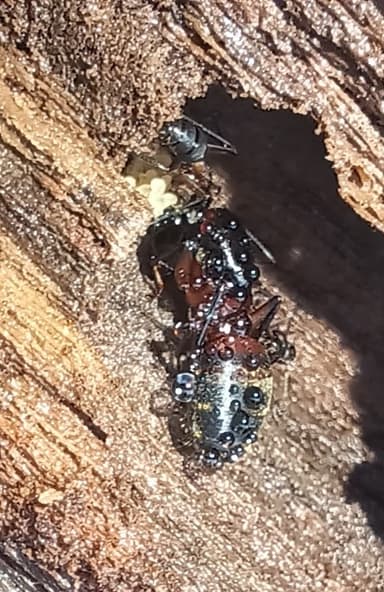
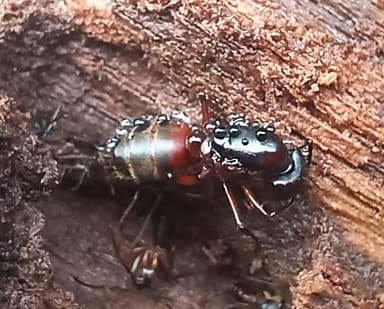
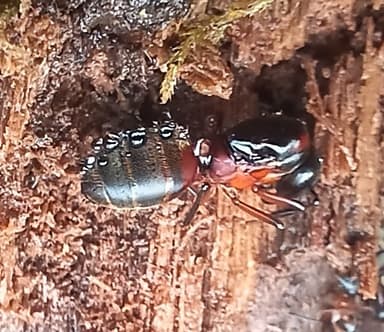
The first days after acquiring a newly mated queen are a sacred, hands-off period. Place her test tube setup in a dark, vibration-free drawer or cupboard and resist all temptation to peek more than once a week. She has everything she needs inside: the water reservoir sustains her, and her stored body fat will fuel the claustral founding. After the first pale nanitic workers emerge—usually six to ten weeks later—the dynamic shifts. Gently introduce a minuscule drop of sugar water on a bit of foil or a small, freshly killed fruit fly near the tube entrance; watch for eager recruitment. Avoid flooding the tube with food, as uneaten protein quickly molds. Over the following days, you’ll see the workers become bolder, venturing tentatively outward, and this is the moment to attach a tiny outworld where regular feedings can become a cherished ritual. Monitor hydration, keep disturbances low, and within a season you’ll witness the mesmerizing rhythm of one of the continent’s most beautiful ant societies unfolding before you.