Cephalotes
Cephalotes maculatus
Care Guide
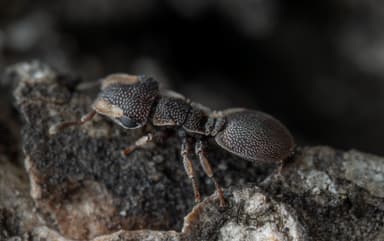
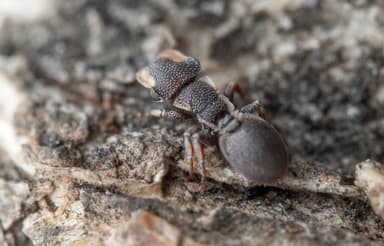
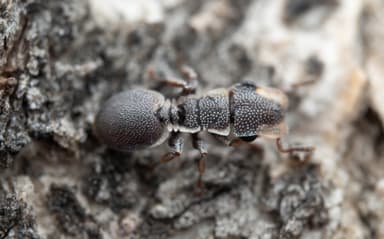
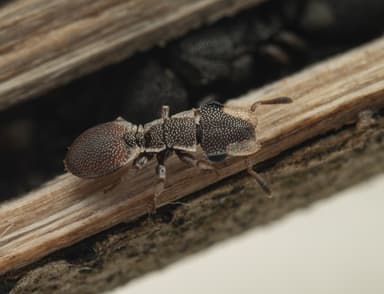
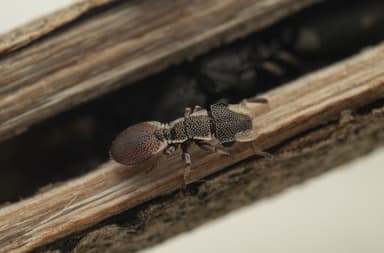
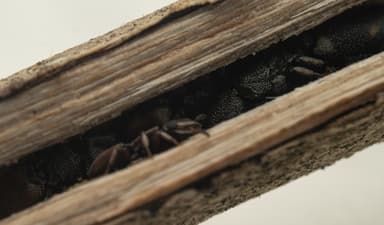
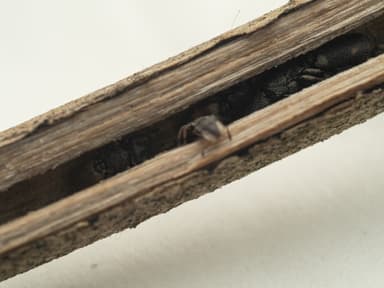
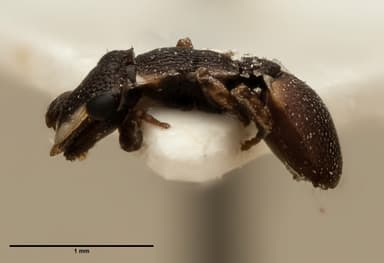
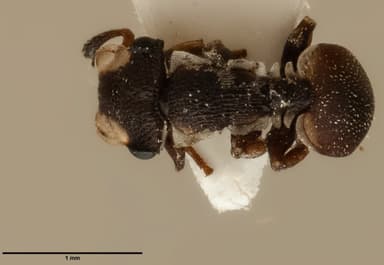
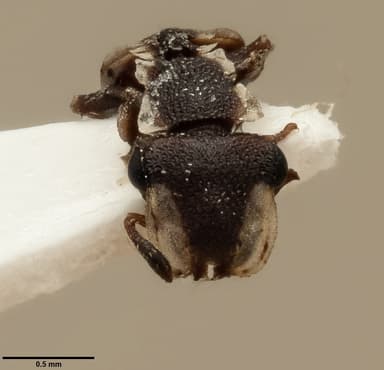
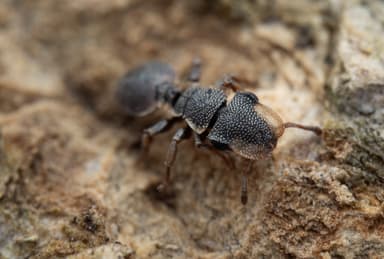
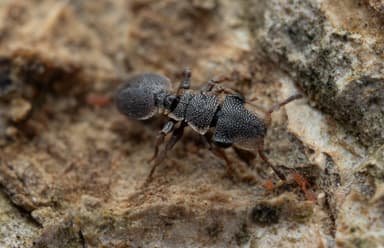
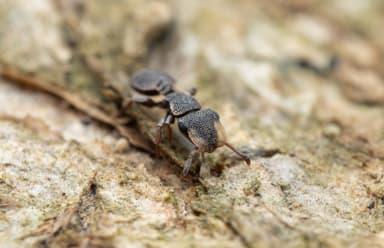
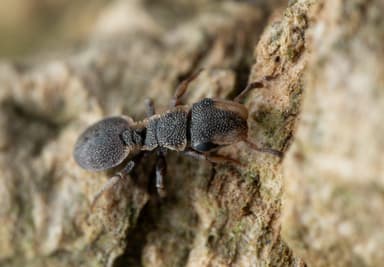
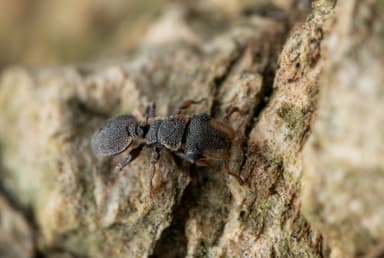
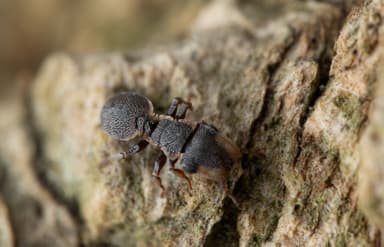
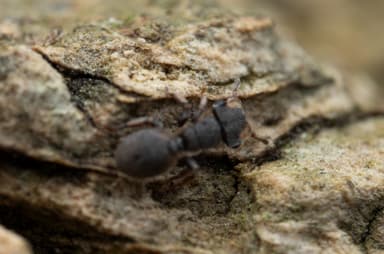
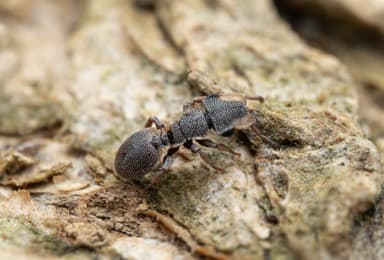
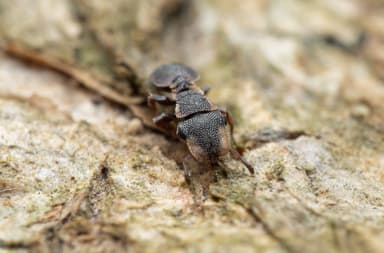
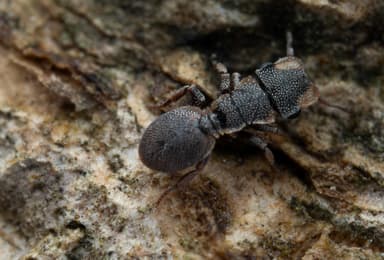
Cephalotes maculatus, commonly known as the turtle ant, is one of the most visually striking and behaviorally fascinating species available to advanced keepers. Their most iconic feature is the flattened, shield-like head of the workers, which they use as a living door to block nest entrances—a defensive strategy known as phragmosis. When disturbed, a soldier will plug the entrance with its head, creating an almost impenetrable barrier. The queen, ranging from 10 to 12 mm, is robust but less dramatically armored than her workers, who measure 4 to 6 mm. Colonies are relatively modest in size, typically reaching 300 to 1,500 workers, and are founded claustrally: the queen seals herself in a small chamber and raises her first brood without foraging, relying entirely on her own metabolic reserves.
In the wild, Cephalotes maculatus is an arboreal specialist, nesting in pre-existing cavities in dead wood or under bark. Their diet is omnivorous with a strong preference for sweet liquids. In captivity, they thrive on a mix of sugar water or honeydew and protein-rich insects such as fruit flies, small crickets, or mealworms. They are not seed-eaters, so fresh liquid food must be offered regularly. Observing their feeding behavior is a delight—workers will line up to share liquid via trophallaxis, creating a living chain of nourishment within the nest.
Care difficulty
Keeping Cephalotes maculatus is best suited for experienced ant keepers. Their advanced difficulty stems from two main factors: their high humidity requirements and their sensitivity to disturbance. Maintaining humidity at 70 to 80 percent is critical, especially for larval development, and requires a formicarium with excellent moisture retention, such as a clay or natural wood nest with a reliable hydration system. Additionally, these ants are easily stressed by vibrations, light, and sudden changes in their environment. A quiet, stable location is essential for colony growth.
Housing
Provide a formicarium that mimics their natural arboreal habitat. A vertical or semi-vertical nest made of rot-resistant hardwood, with pre-drilled chambers and a glass viewing pane, works well. The foraging area should be enclosed to maintain high humidity and prevent escapes—Cephalotes are excellent climbers and can scale smooth surfaces. Include branches or cork bark for climbing enrichment. Regular misting or a humidity gradient within the nest is necessary, but avoid waterlogging. Temperature should be kept between 24 and 28°C year-round; no hibernation is required.
First days after purchase
Upon receiving your colony, transfer the ants into their prepared formicarium gently, ideally using a small tube connected to the nest entrance. Place the setup in a dim, quiet room and leave them completely undisturbed for at least 48 hours. Ensure that a small drop of sugar water and a piece of insect are available near the entrance. Resist the urge to check on them frequently—allow the queen to settle and the workers to explore. After a few days, you can begin offering food on a regular schedule, always observing from a distance. Patience and a steady hand will reward you with a truly unique colony that guards its home with living shields.