Pogonomyrmex
Pogonomyrmex badius
Nuptial Flight Calendar
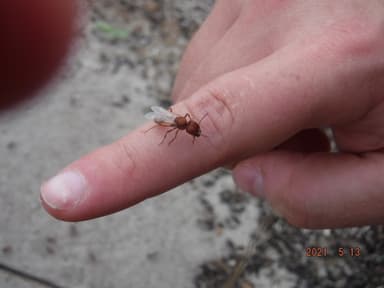
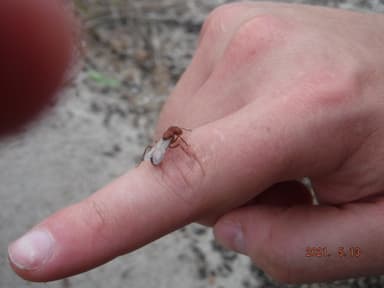
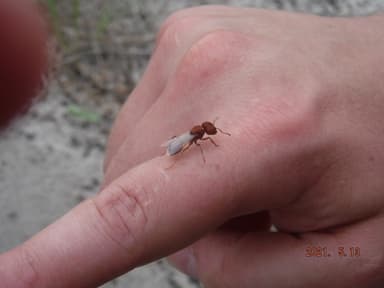
Flight months: May, Jun, Jul, Aug, Sep
Care Guide
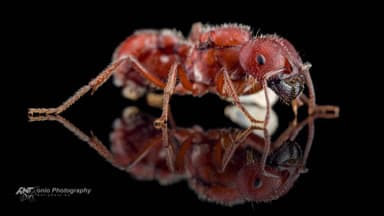
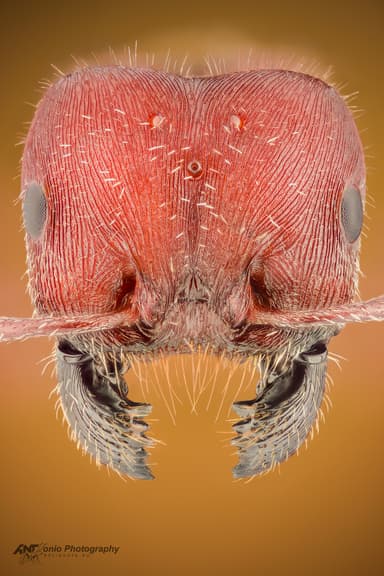
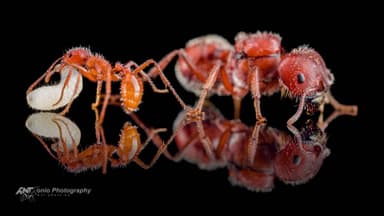
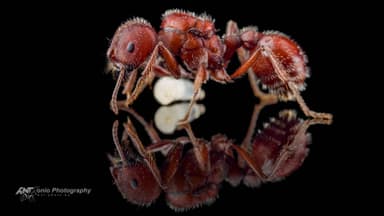
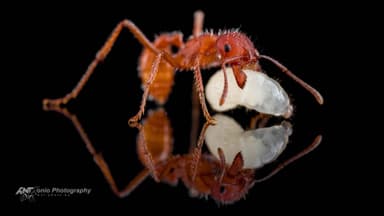
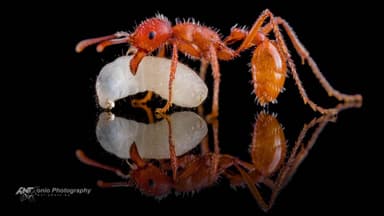
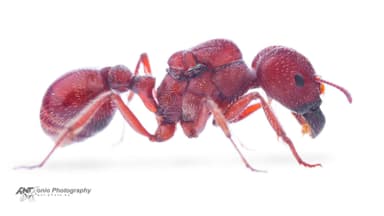
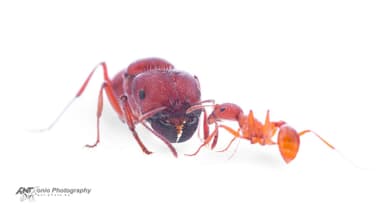
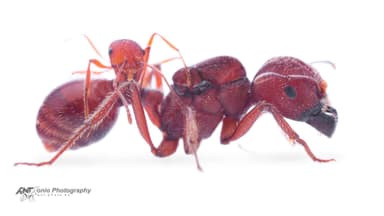
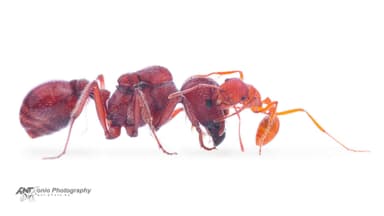
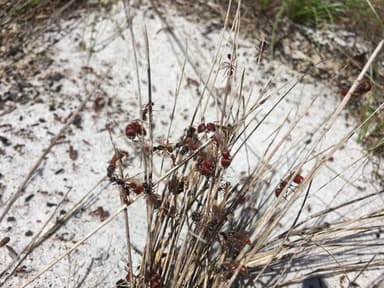
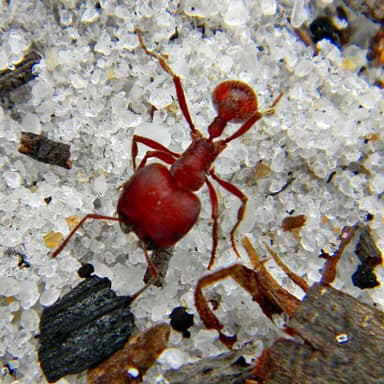
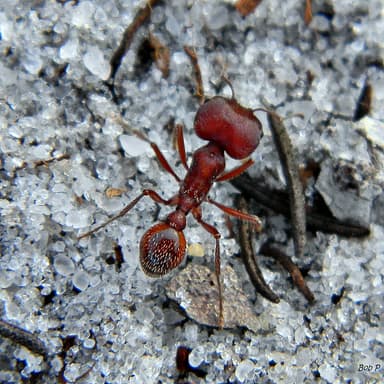
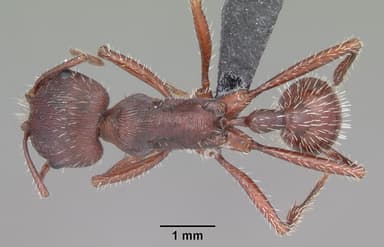
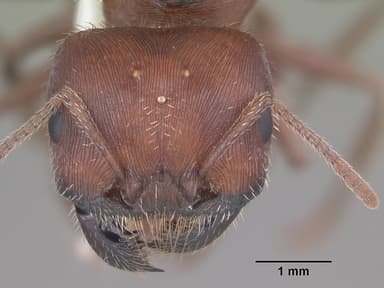
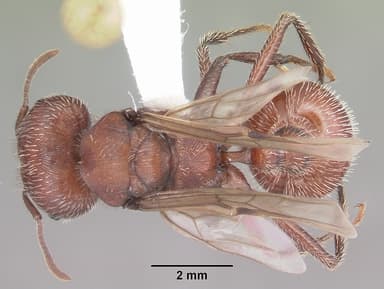
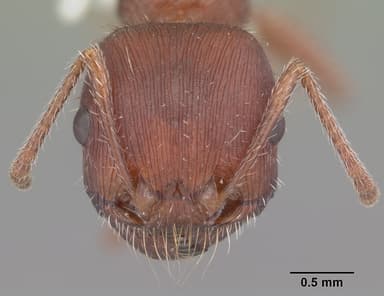
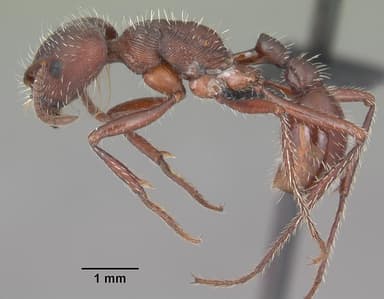
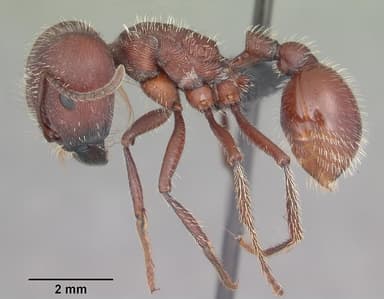
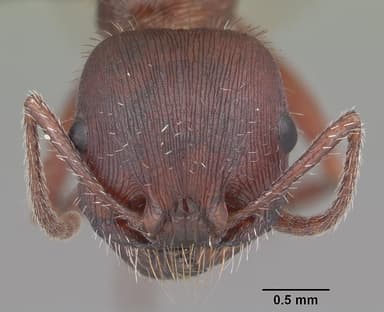
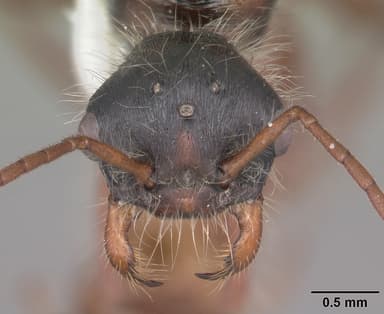
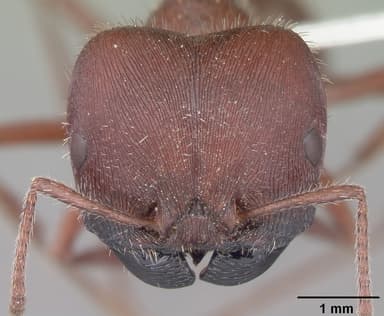
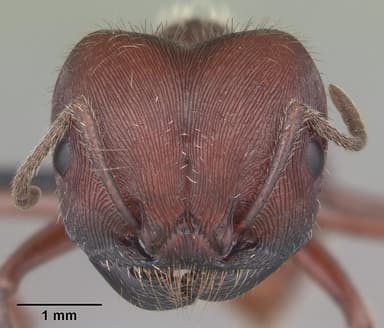
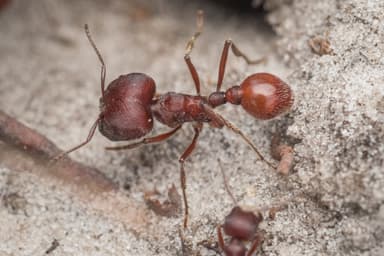
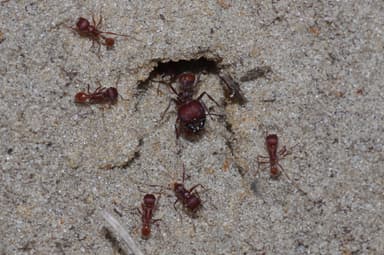
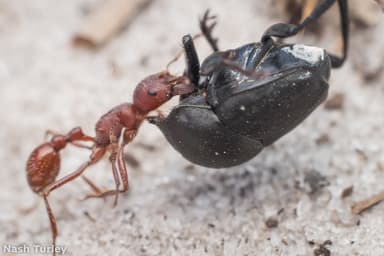
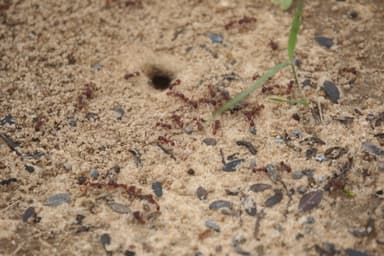
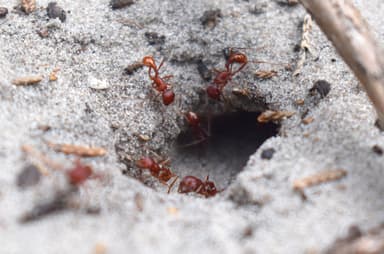
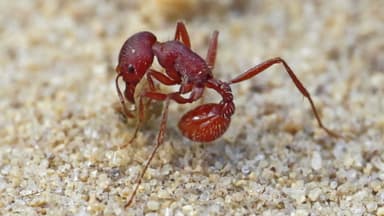
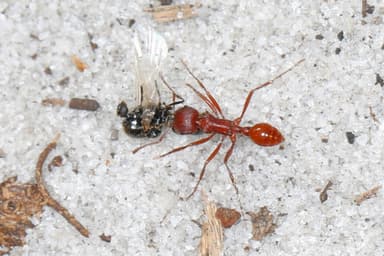
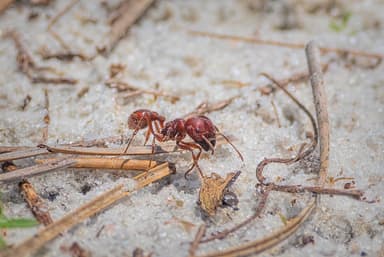
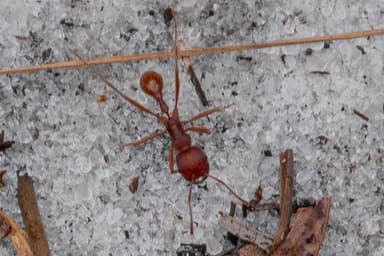
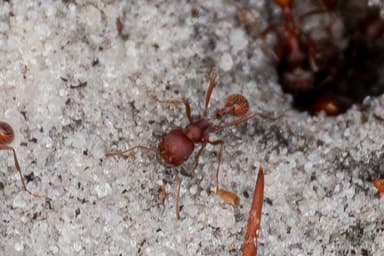
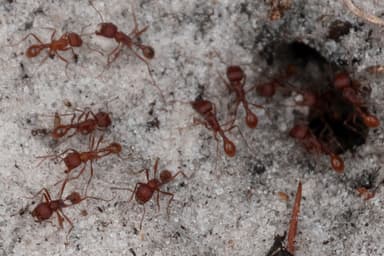
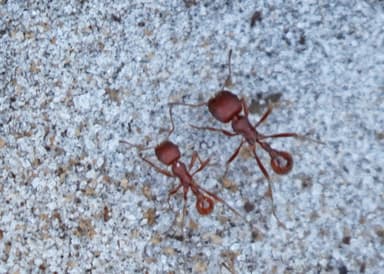
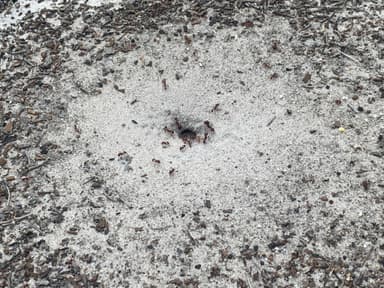
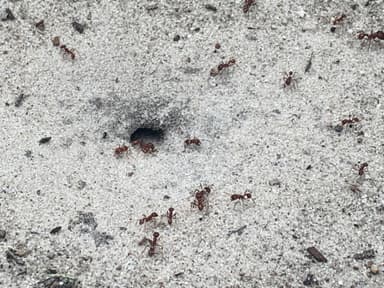
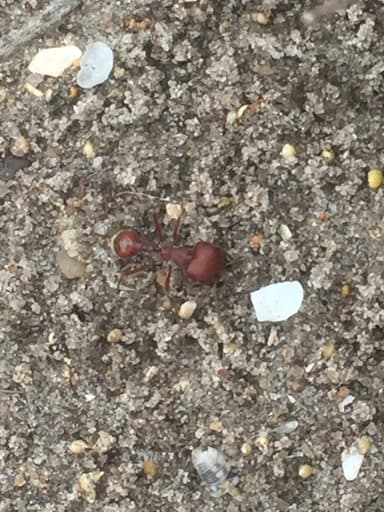
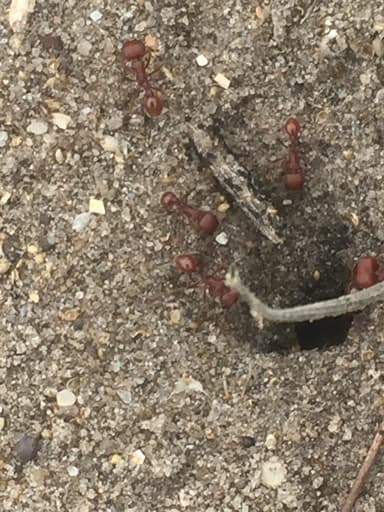
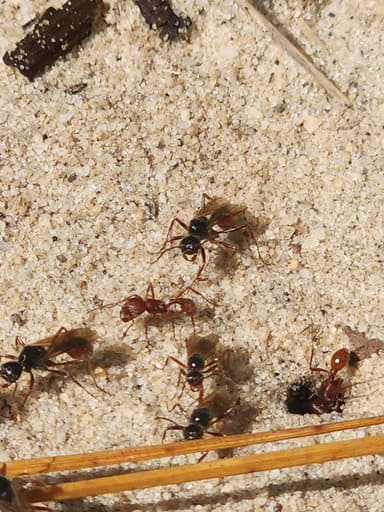
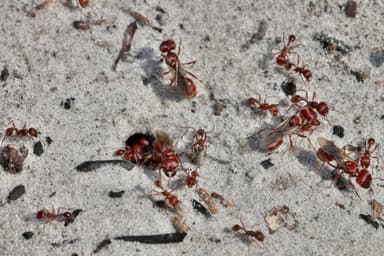
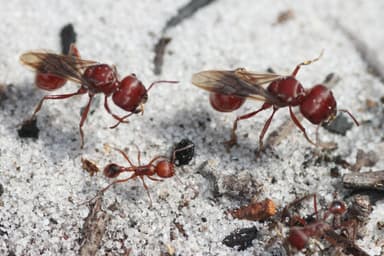
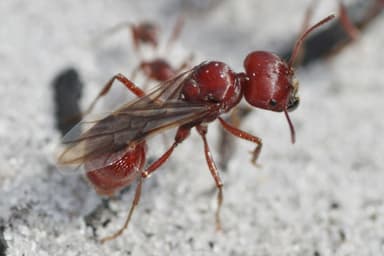
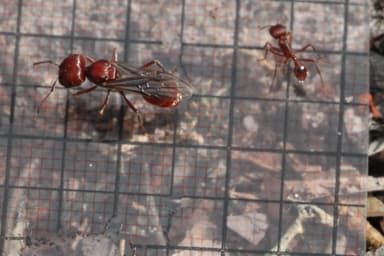
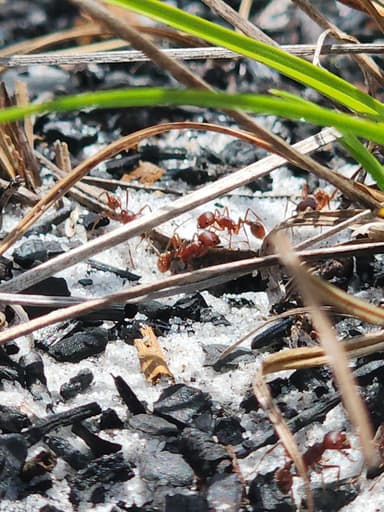
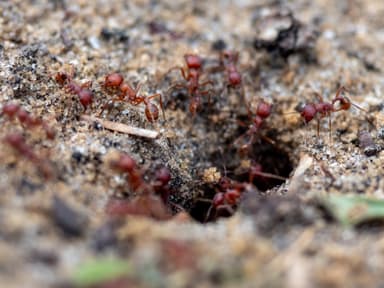
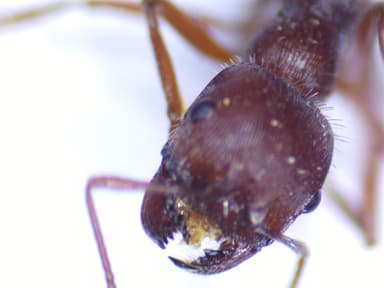
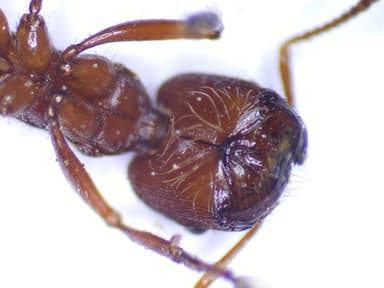
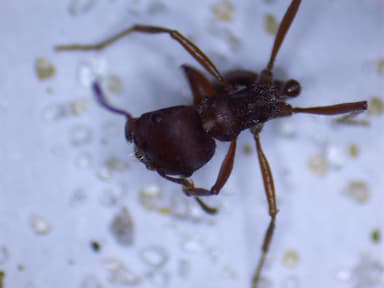
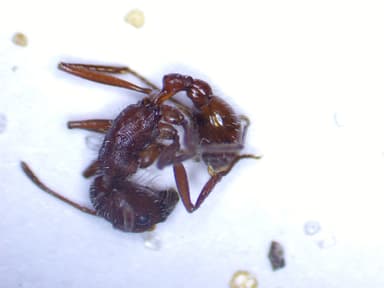
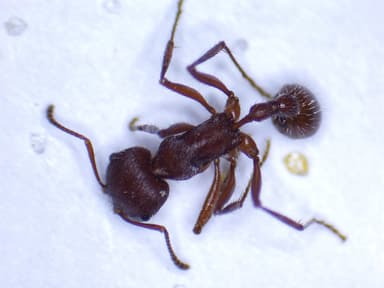
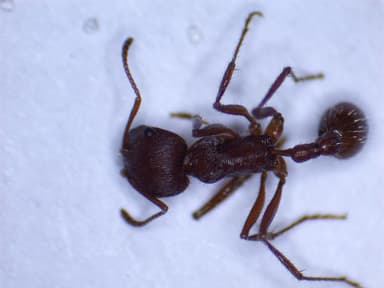
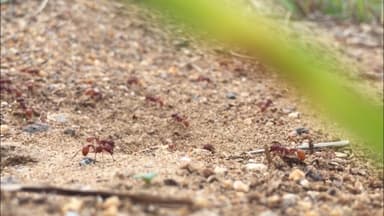
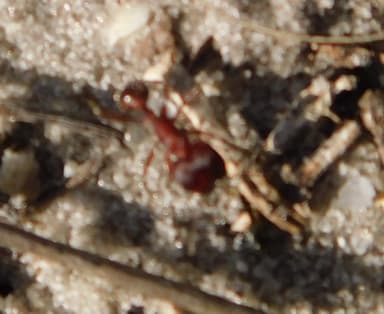
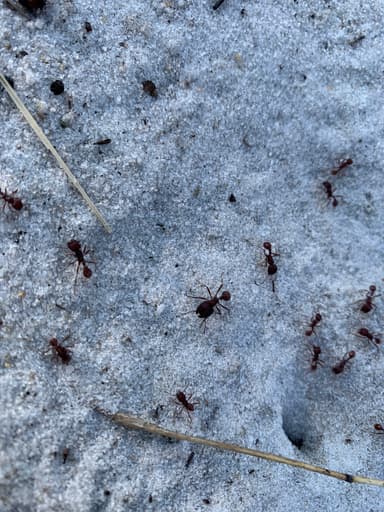
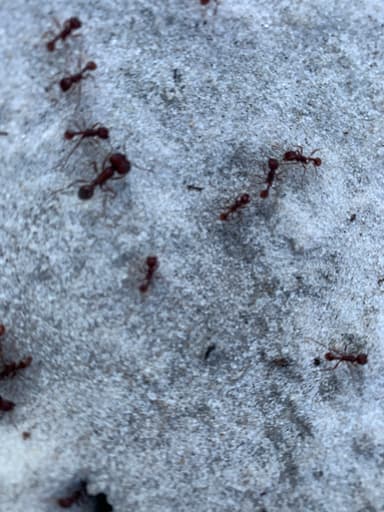
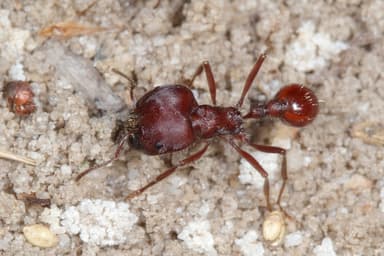
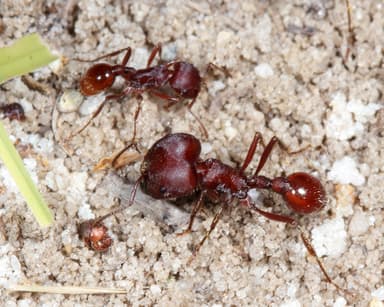
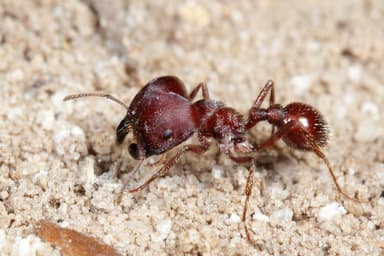
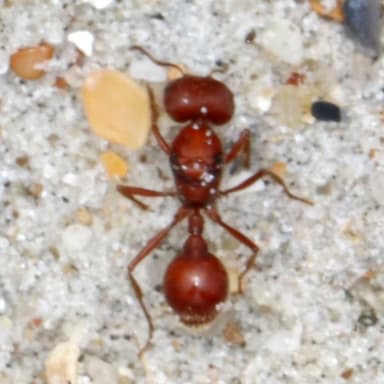
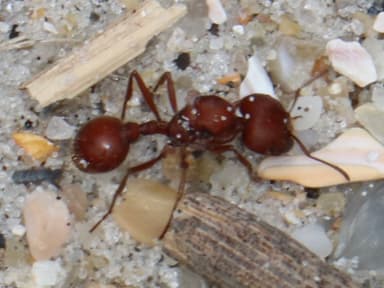
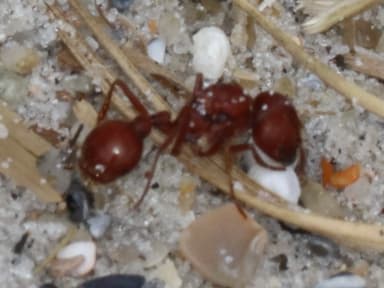
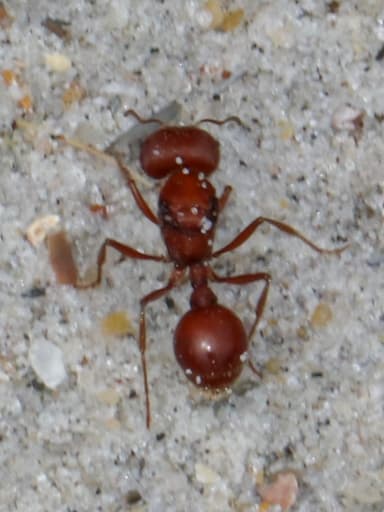
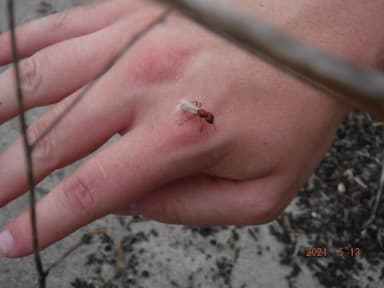
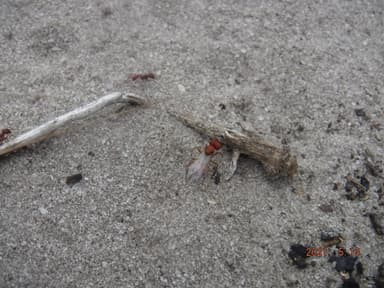
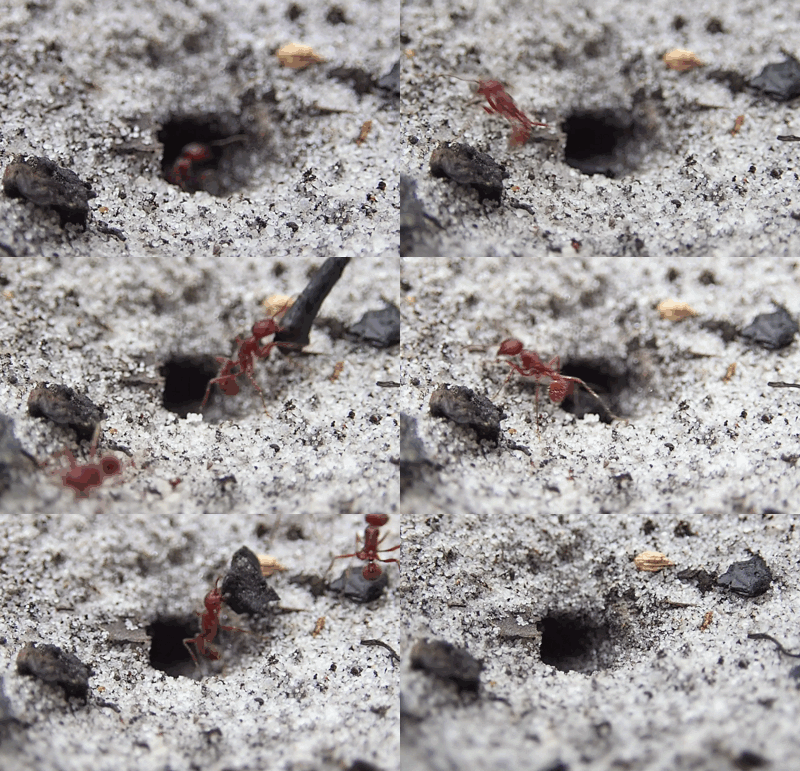
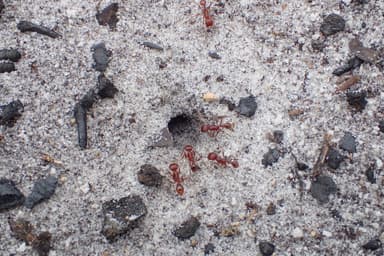
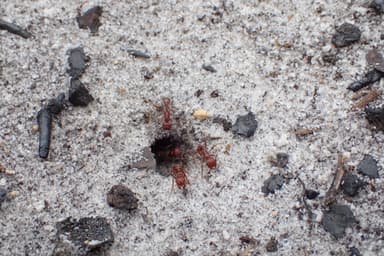
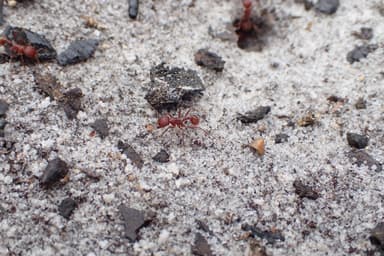
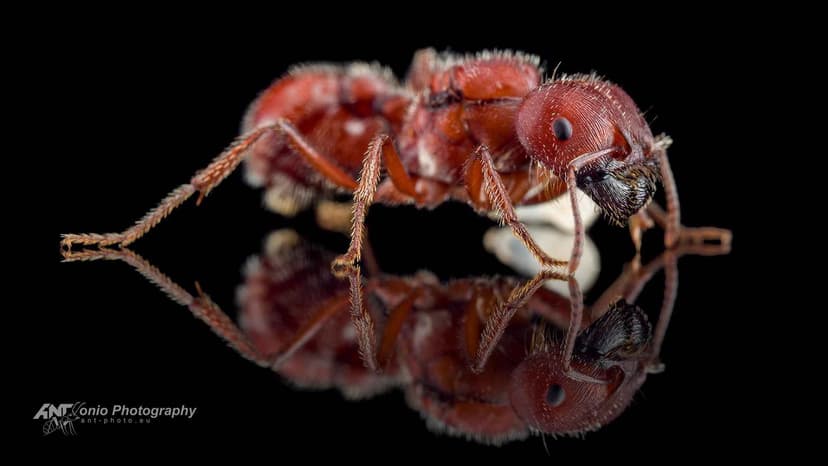
The Florida harvester ant, Pogonomyrmex badius, is a remarkable species that embodies the resilience and complexity of the open sandy scrublands of the southeastern United States. Its range extends from the coastal plain of Florida and Georgia westward to Texas, and north into the Carolinas, a distribution bounded roughly by the 37.5°N parallel and the 98°W meridian (AntWiki). This ant is instantly recognizable by its deep brick‑red to dark mahogany coloration, matching the sun‑baked soils it inhabits. Queens are notably robust, measuring 9 to 11.5 mm, while workers display a striking degree of polymorphism, with minors starting around 4 mm and heavily armoured majors reaching 9 mm (Tschinkel 1999). A mature colony can number up to 12,000 individuals and will contain three distinct worker castes—minor, media, and major—each specialized for tasks from brood care to seed milling and defense. What truly sets P. badius apart, however, is its extraordinary nest architecture, which in the wild forms a deep, helical shaft extending over two meters down into the water table, a structure meticulously mapped by Walter Tschinkel (Tschinkel 2004). For the keeper, observing this species’ granivorous habits, intricate social dynamics, and the sheer power of its major workers makes it a deeply rewarding subject, though one that commands respect—the sting of Pogonomyrmex is famously among the most painful of any insect.
Given its specific environmental needs and formidable defensive capabilities, Pogonomyrmex badius is best suited to keepers with at least an intermediate level of experience. This is not a beginner’s ant. The colony’s reaction to disturbance is swift and coordinated; workers will rush out aggressively, delivering a potent, venom‑filled sting that causes intense, lingering pain. Handling the formicarium therefore requires deliberate care, escape‑proof containment, and a calm workspace. The species also demands strict adherence to a warm, arid climate and a seasonal hibernation, which can be challenging to replicate consistently. If you have successfully kept more forgiving species and are looking to graduate to a large, polymorphic harvester ant with mesmerising foraging columns and a profound influence on its environment, then P. badius will richly reward your dedication. Hobbyists who enjoy the mechanical act of seed collection and processing, or who wish to observe true nest‑building behaviour in a deep substrate, will find this ant endlessly fascinating.
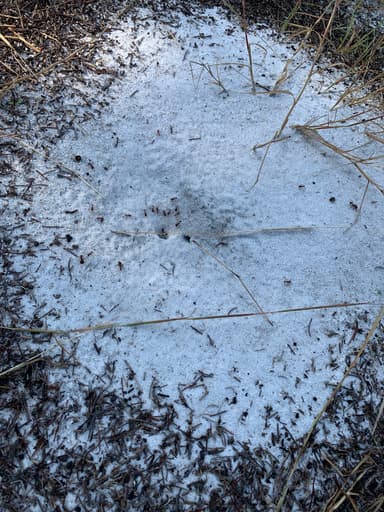
Creating a suitable captive environment means mimicking the xerothermic, sandy habitats these ants prefer. The ideal setup combines a spacious foraging arena with a nest that offers a steep moisture gradient—dry at the top, slightly damp at depth. Naturalistic substrates are paramount, as P. badius is a prodigious digger. A mix of fine quartz sand and sterilised loam, at least 15–20 cm deep, allows workers to excavate chambers and tunnels, mirroring the architecture described by Tschinkel (2004). Alternatively, a vertical plaster or ytong nest with a heated, dry upper section and a cooler, moist bottom can work well, provided a deep digging box is attached later. Temperature should be maintained between 22°C and 32°C, with a basking spot near the high end achieved via a heat mat or lamp placed on one side of the arena. Humidity is surprisingly low for a species kept in captivity: the nest interior should sit at 30–60% relative humidity. Misting is rarely needed; a small water source in the outworld and the slight moisture that wicks from a water reservoir in a plaster nest are usually sufficient. Avoid condensation, as damp conditions promote fungal spores and can be fatal to the brood.
Diet is centered on the ant’s natural role as a seed harvester, but protein is essential for a thriving colony. A continuous supply of small, dry seeds—canary grass, chia, dandelion, and various pasture grasses—should always be available. Workers will de‑husk these seeds, storing the nutrient‑rich endosperm inside the nest in specialised granary chambers, discarding the empty husks in a midden pile that you must remove regularly. For protein, offer freshly killed or frozen‑thawed insects such as fruit flies, small crickets, or pieces of mealworm two to three times a week, increasing in size and frequency as the colony grows. P. badius will also accept dilute honey or sugar water from a cotton wick, but carbohydrates are largely obtained from seeds. Clean, fresh water is critical, provided via a test tube plugged with cotton or a small water tower in the foraging arena. Take care not to overwater; the drinking source should be separate from the dry nest area to prevent accidental flooding and humidity spikes.
A true hibernation period is non‑negotiable for this species. In nature, the Florida harvester ant experiences a mild winter diapause, and in captivity colonies must be cooled to around 15°C for at least two to three months, typically from November to February. Preparation involves gradually reducing the photophase and temperature over a couple of weeks, and ceasing protein feeding about ten days beforehand to allow their crops to clear. The colony can be moved to a wine cooler, a cool basement, or an insulated room that reliably holds the target temperature. During this time, workers will cluster lethargically around the queen, and activity will cease almost entirely. Check every few weeks to ensure water is still available and the nest has not dried out completely. As spring approaches, warm the colony slowly back to its active temperature, and resume feeding with small protein items. Skipping this diapause shortens the queen’s lifespan and often leads to a failure to rear brood in the following season, undoing months of patient husbandry.
Upon receiving your new Pogonomyrmex badius colony, restraint is everything. If the queen and her first workers are in a shipping tube, connect that tube to a small outworld and allow them to discover the new nest on their own schedule—this can take several days. Refrain from tapping, shaking, or trying to manually transfer them; stress at this stage can trigger defensive attacks and brood abandonment. Place a tiny pile of tiny seeds and a cotton‑plugged water source in the arena immediately, but wait until you see regular foraging before adding a pre‑killed infant cricket or a fragment of a mealworm. Keep the environment warm and stable, and resist the urge to peek into the nest chamber too frequently, as vibrations will alarm the colony. Watch for clumping of workers and the appearance of new, white brood, signs that the queen is laying and the colony is settling. In these first weeks, your chief role is to provide a perfect microclimate and minimal disturbance, laying the foundation for a vigorous, long‑lived colony that will soon begin to reshape its world with every seed it carries home.