Myrmica
Myrmica sulcinodis
Nuptial Flight Calendar
Flight months: Jul, Aug, Sep
Care Guide
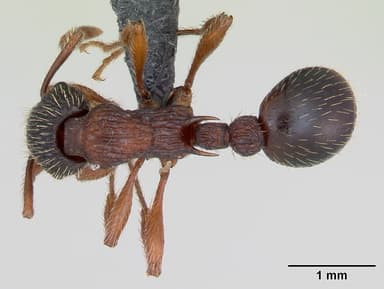
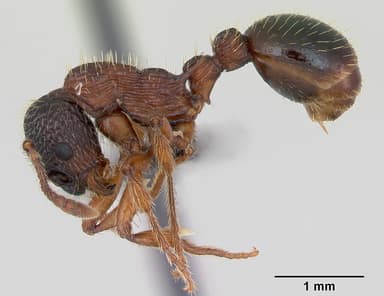
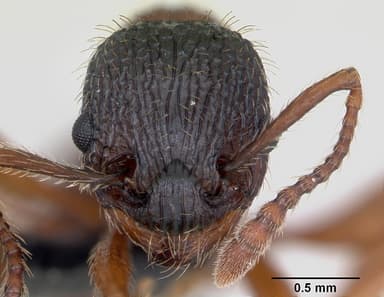
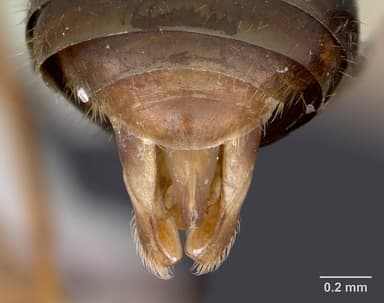
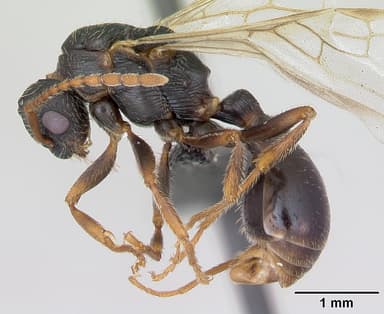
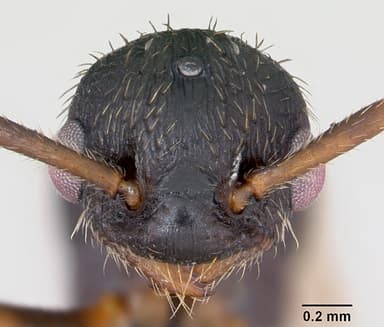
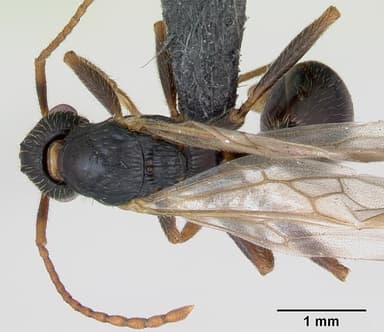
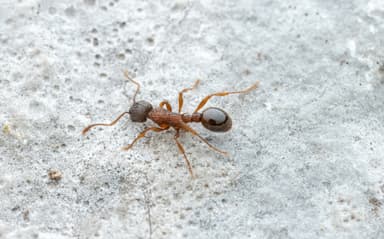
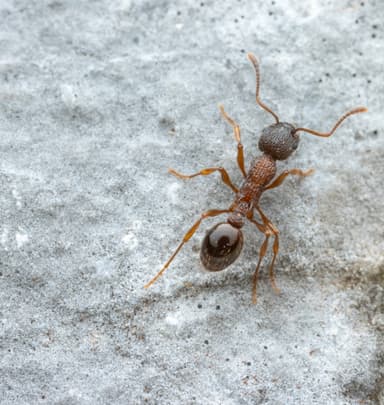
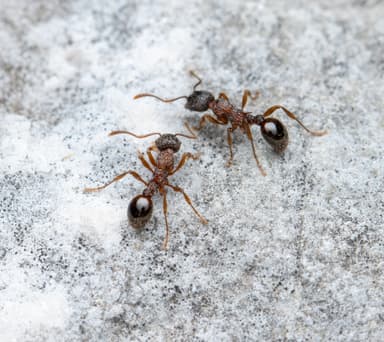
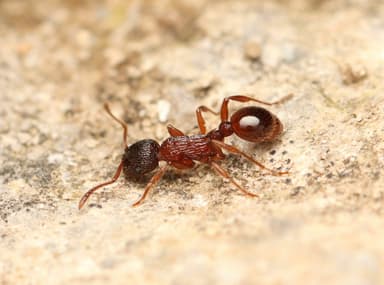
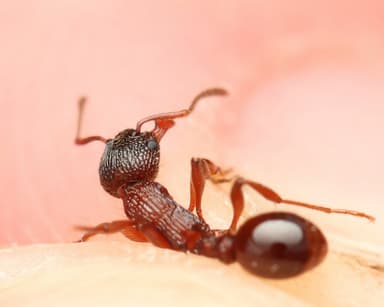
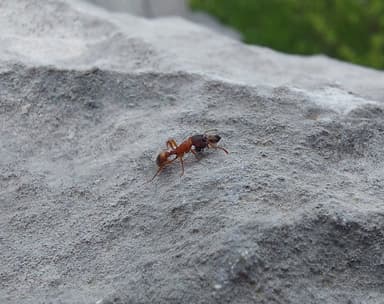
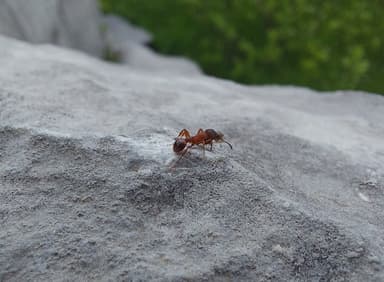
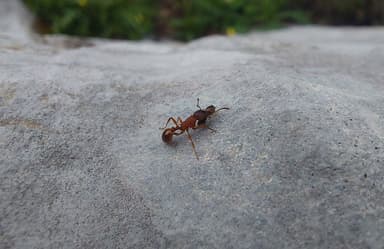
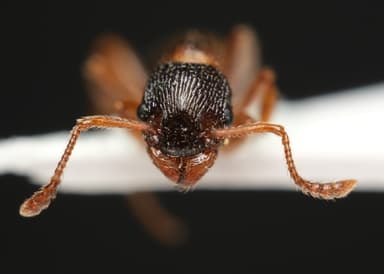
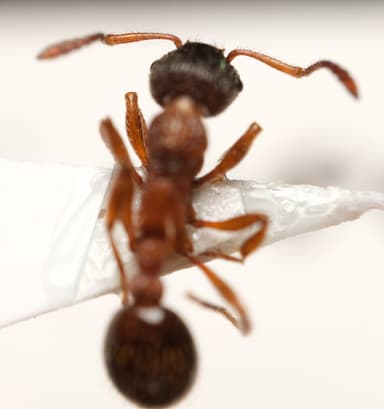
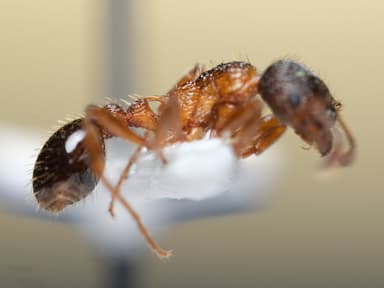
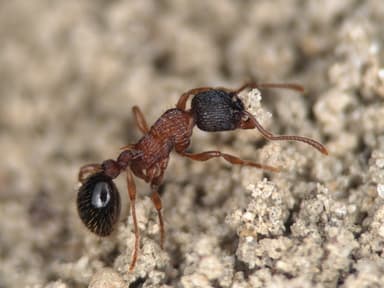
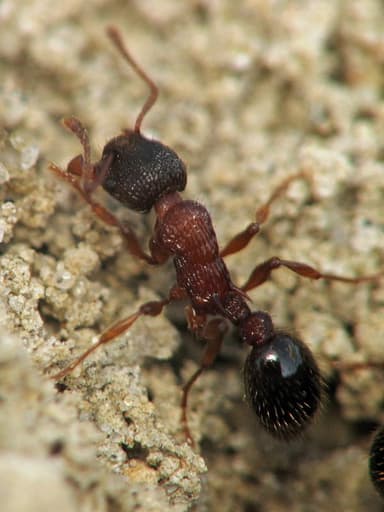
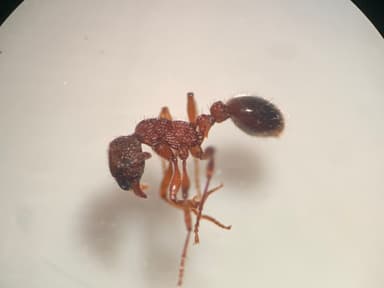
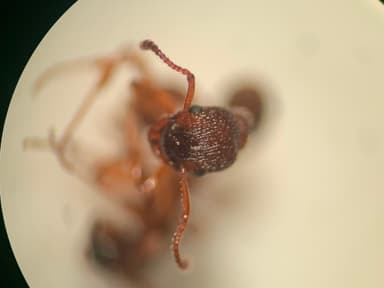
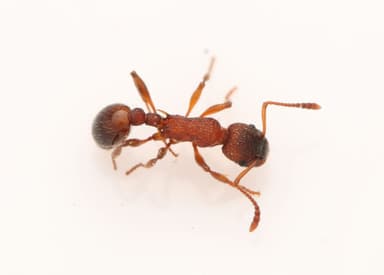
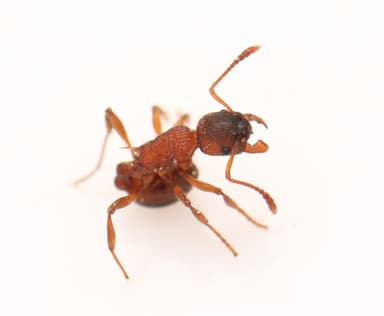
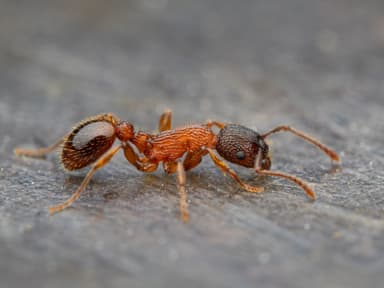
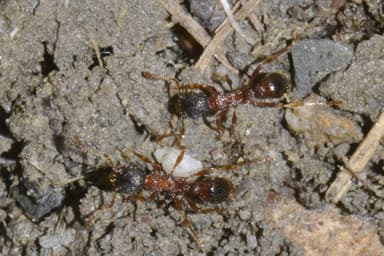
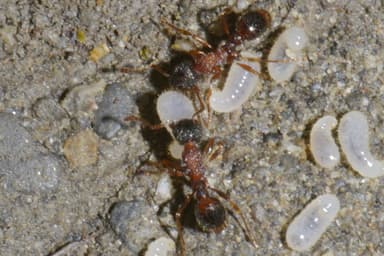
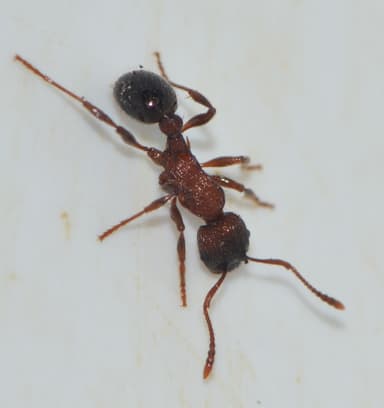
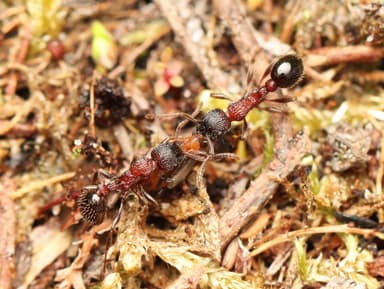
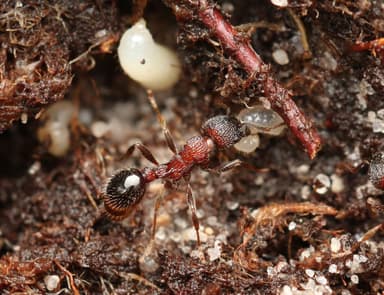
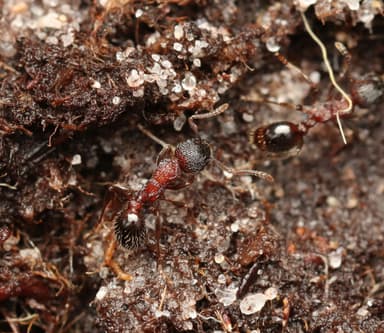
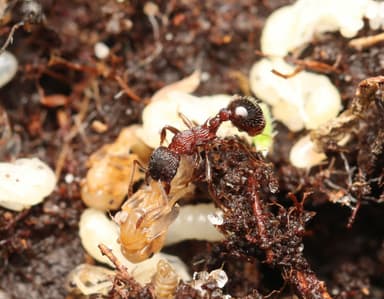
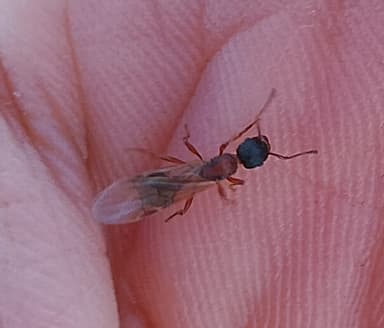
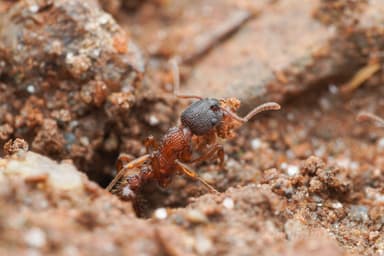
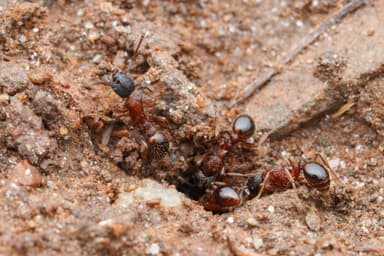
Myrmica sulcinodis is a robust, cold-adapted ant that inhabits boreal and montane landscapes across the Palaearctic, its range extending from the British Isles and Scandinavia eastward into Siberia and as far north as 71°N (GBIF). Queens are a substantial 6.5–8 mm, workers 4.5–6 mm, and both exhibit the reddish‑brown to dark brown colouration and deeply grooved mesosoma that give the species its name. The colonies are modest, reaching a maximum of around 1,500 individuals, and workers are monomorphic, with no soldier caste. What makes this Myrmica particularly enticing for observant keepers is its semi‑claustral founding strategy: unlike fully claustral queens, newly mated M. sulcinodis queens must leave their brood chamber to hunt during the founding phase, a relatively rare behaviour that allows a fascinating window into the colony’s early life. Natural predation and a willingness to recruit aggressively to food make them active display ants, though their famously pungent sting demands respect.
With an intermediate care difficulty, Myrmica sulcinodis is best suited to hobbyists who already have some experience nursing founding queens and managing a moisture gradient. The semi‑claustral stage requires a careful balance of regular feeding and minimal disturbance, which can be a stumbling block for absolute beginners. Once the first workers eclose, however, the colony becomes more robust and forgiving. The limited final size means you will not need a sprawling setup, and the species slots neatly into a modest display. Anyone who delights in the seasonal rhythms of temperate ants and can provide a reliable winter chill will find it a deeply rewarding species. Its defensive nature does mean it is less ideal for keepers who want a placid ant to handle casually, but for those who relish natural behaviour, M. sulcinodis is a charismatic choice.
The housing for M. sulcinodis should reflect its preference for cool‑temperate, somewhat humid microhabitats. Maintain the nest at 18–26°C, while keeping relative humidity between 50% and 70%; good ventilation is paramount, because stagnant, saturated air encourages mould, which is deadly to Myrmica brood (Seifert, 2018). A plaster, ytong, or soil‑based nest with a distinct moisture gradient works best, allowing the ants to select their preferred zone. The foraging outworld should be escape‑proof and can be furnished with a sandy loam substrate, a few small stones or bits of bark for cover, and a shallow water source. As the colony grows from a few dozen to hundreds of workers, start with a small founding chamber and later attach larger nest modules, so the ants are never lost in too capacious a home. Bear in mind that these ants climb well and will test every gap, so a tight‑fitting lid lined with a fluon or oil barrier is essential.
A mixed diet with a strong protein component fuels their energetic brood production. Provide tiny insect prey—fruit flies, pinhead crickets, minced mealworms, or small roach nymphs—two to three times per week, removing any uneaten pieces after 24 hours to prevent spoilage. Carbohydrates can be offered as a shallow droplet of honey‑water, sugar water, or a sliver of ripe apple placed on a clean dish. During the founding phase, the solitary queen needs protein regularly, so a freshly killed fruit fly placed near her tube every other day will be taken eagerly. Always make available a safe water source; an open droplet can trap and drown workers, so instead use a cotton‑plugged water tube or a plaster feeder that stays moist but not sopping. Workers will also glean moisture from the nest substrate, but a standalone hydration station is a critical backup.
Hibernation is not optional for M. sulcinodis if you want a thriving, long‑lived colony. In the wild these ants endure a protracted winter, and captive colonies must be cooled to around 4°C for a period of three to five months, typically from November to March. Without this cold diapause, queens gradually cease egg‑laying and workers become listless, commonly leading to the colony’s collapse (Radchenko & Elmes, 2010). Gradually reduce the temperature over a few weeks in autumn, then transfer the nest to a fridge or cold cellar that reliably holds 4–6°C. The nest may even experience light surface frost without harm, but deep freezing must be avoided. Check the colony every few weeks to ensure the medium has not dried out, and if the ants stir during a slight warm‑up, a tiny dot of sugar water can be given. In early spring, warm them slowly back to room temperature, and you will soon see the queen resume laying and the workers begin to forage with vigour.
Your newly purchased Myrmica sulcinodis colony will be stressed from transit, whether you receive a single semi‑claustral queen or a queen with a handful of workers. Place the shipping tube or container in the prepared outworld, darken the area, and leave it completely undisturbed for the first 24–48 hours, allowing the ants to acclimatise. Avoid the temptation to tip them into the nest; instead, let them move at their own pace by connecting the tube to the nest entrance. For a founding queen, offer a minute droplet of sugar water and a pre‑killed fruit fly right at the tube opening, then back away. Resist frequent checks, because a nervous queen may abandon her brood or fail to settle. Watch for any frantic wandering or persistent failure to accept food, which signals acute stress. Once the ants begin calmly exploring their new home, you can slowly introduce a regular lighting schedule and feeding routine, keeping vibrations to a minimum for the first full week. With patience and minimal interference, you will soon witness the industrious pulse of this northern treasure unfolding in your care.