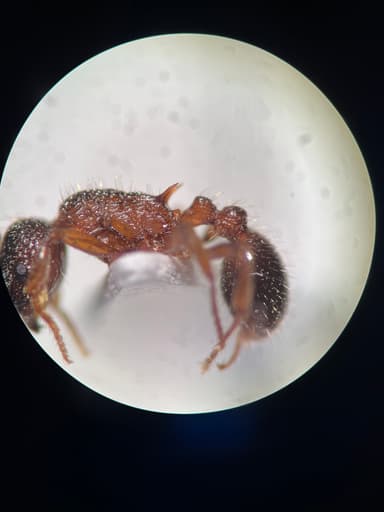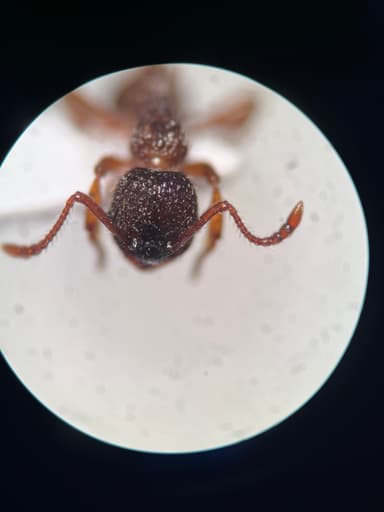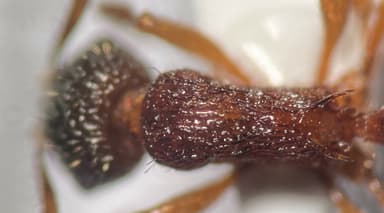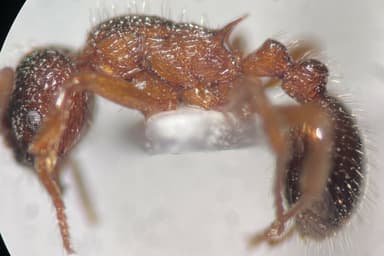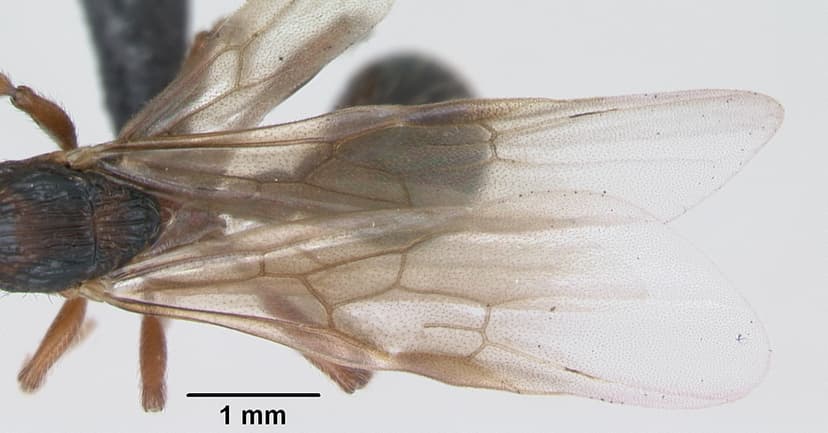
Myrmica
Myrmica schencki
Nuptial Flight Calendar
Flight months: Jul, Aug, Sep
Care Guide
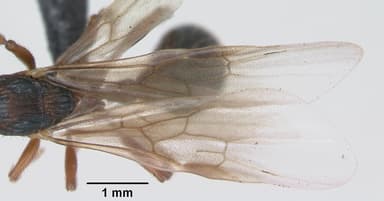
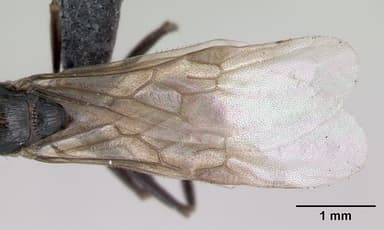
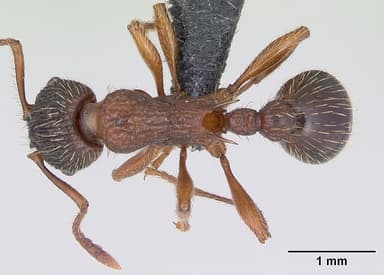
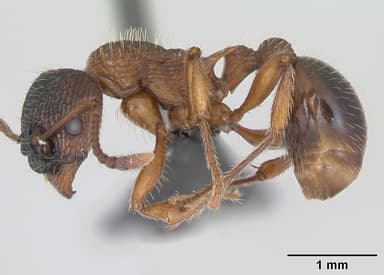
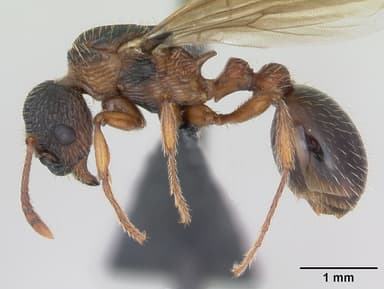
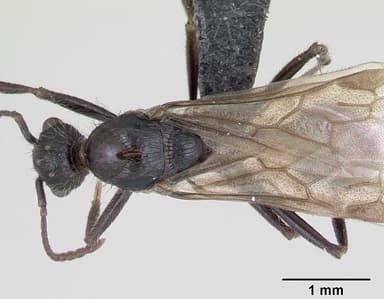
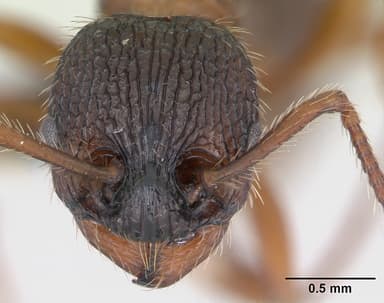
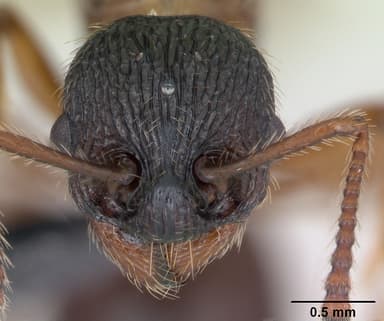
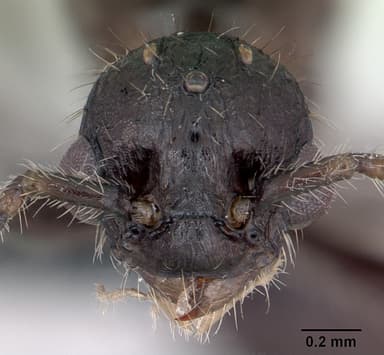
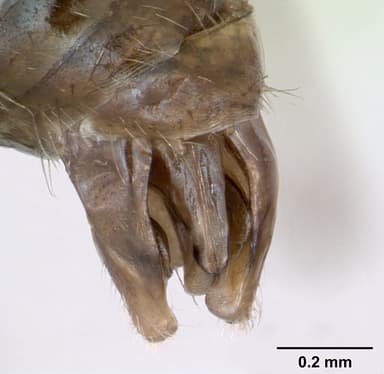
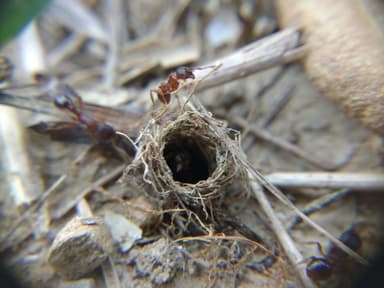
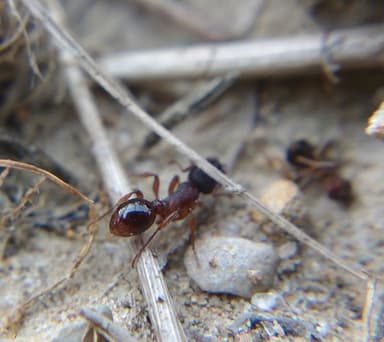
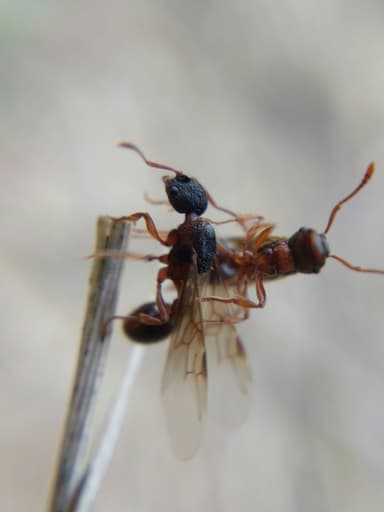
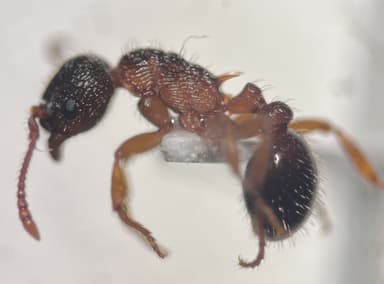
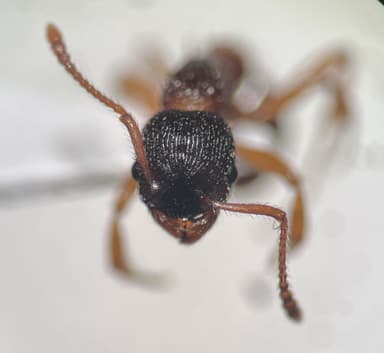
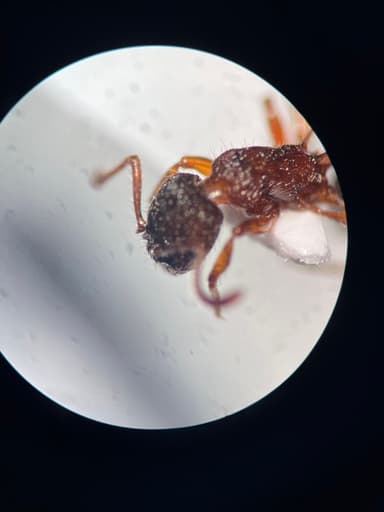
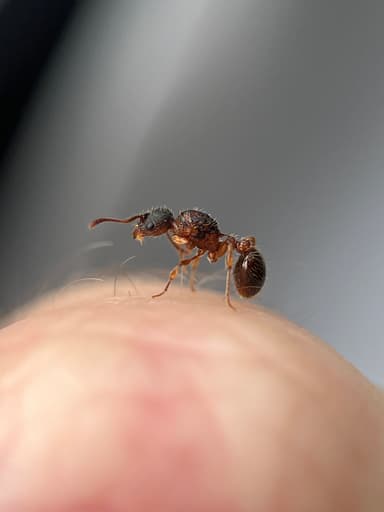
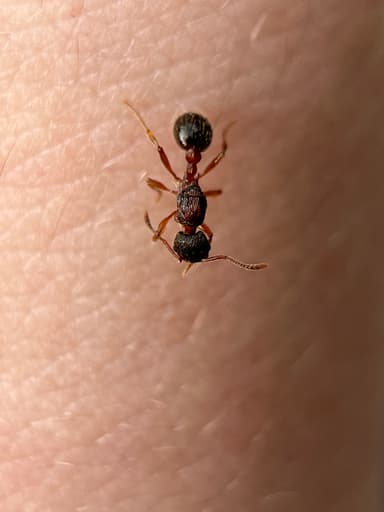
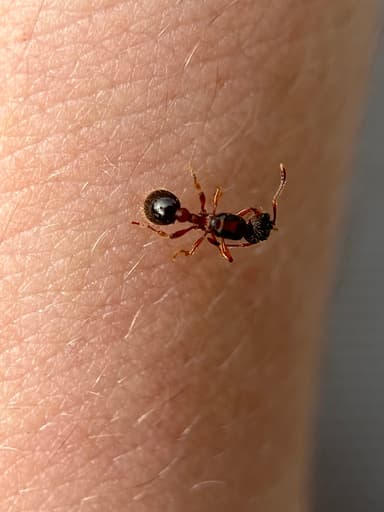
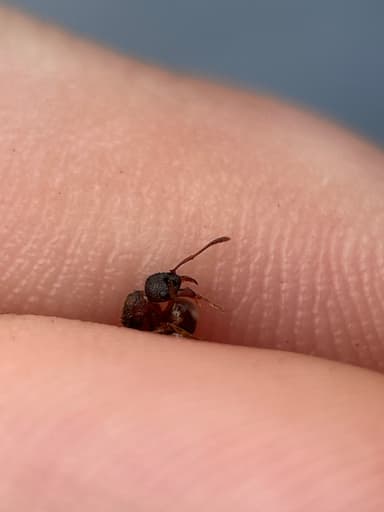
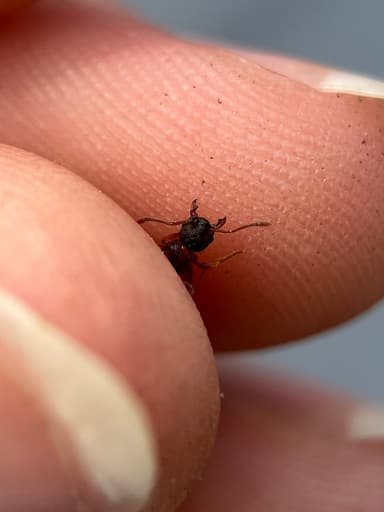
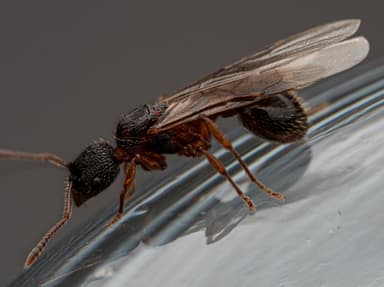
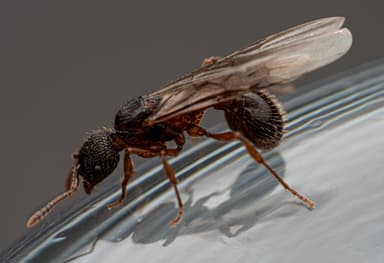
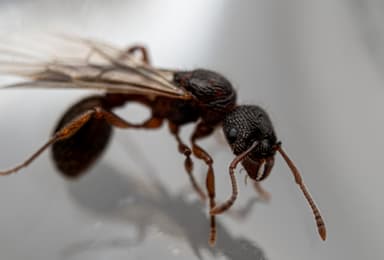
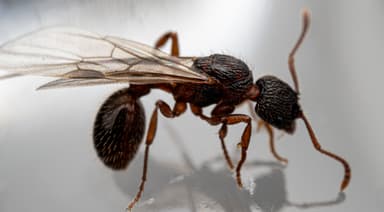
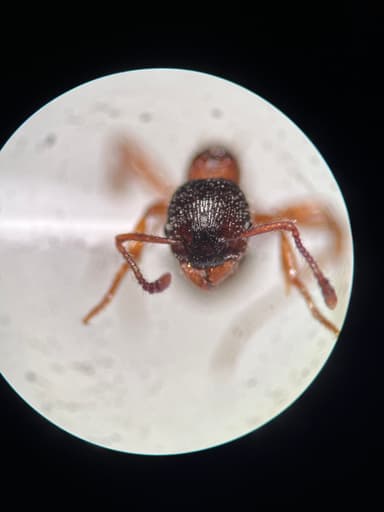
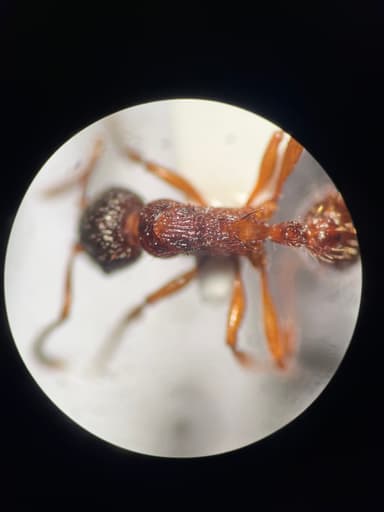
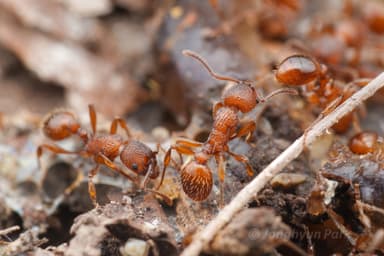
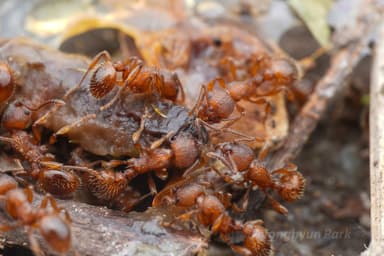
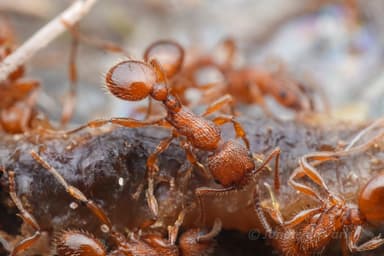
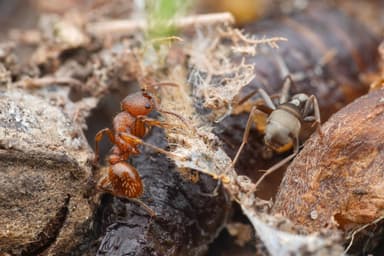
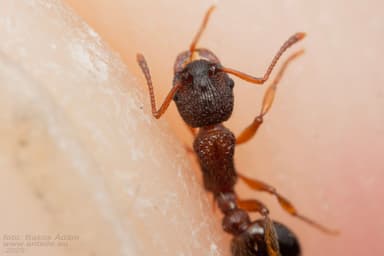
Myrmica schencki is a rewarding yet demanding species that encapsulates the rugged charm of Palearctic myrmicines. Workers range from 4 to 5.5 mm and queens from 6.5 to 8 mm, all cast in a warm, reddish‑brown hue with the characteristic two‑spined propodeum and geniculate antennae of the genus. Colonies are modest by formicarium standards, reaching up to 2,500 individuals, and are strictly monomorphic with a single worker caste (Radchenko & Elmes 2010). The species is distributed across Europe and Asia, roughly between 40° and 62° N latitude, and is a fully claustral nester. Its notoriety among field biologists stems from its role as a primary host for the Alcon blue butterfly (Phengaris alcon), whose caterpillars infiltrate the nest and are fed by the ants — a dramatic example of social parasitism. Nuptial flights in Central and Northern Europe take place during warm, humid afternoons in August and September, typically after rain and with temperatures above 20 °C, though records from other parts of its range are sparse (Seifert 2018). For the patient keeper, the prospect of witnessing a mated dealate raise her first workers is as fascinating as the colony’s daily foraging rhythms.
With an intermediate care difficulty, Myrmica schencki suits hobbyists who have already successfully maintained and overwintered a temperate species such as Lasius niger or Formica fusca. The ants are active, curious, and surprisingly bold for their size, but they will sting if mishandled — the sting is mild, comparable to a nettle rash, though it can be painful for sensitive individuals. A secure, escape‑proof setup is non‑negotiable because workers climb glass and plastic with ease; a well‑applied Fluon or PTFE barrier is essential. The keeper must also be prepared for the annual hibernation cycle, without which the colony will inevitably decline. If you enjoy a hands‑off approach, relish meticulous climate control, and want to observe a species with a complex natural history, this ant will be a brilliant study subject.
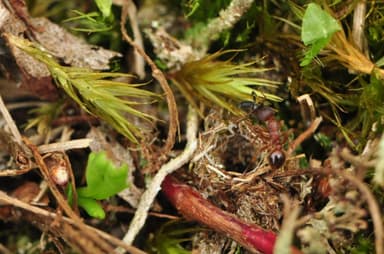
Housing should replicate the cool, damp microhabitats these ants favour in the wild, such as soil banks, mossy hollows, and the base of grass tussocks. A nest made of Ytong, plaster, or grouted stone, with a built‑in hydration system, is ideal. Maintain a relative humidity of 50–70 % and a temperature between 18 and 26 °C; a gentle heat gradient can be provided by a small heat cable at one end of the nest, but take care not to dry out the chamber. Many keepers add a thin layer of sand‑loam mix in the foraging arena, as workers will carry particles into the nest and build crude entrance turrets — a behaviour that is a pure delight to observe. The arena should be ventilated yet hold humidity, and a permanent drinking water source, such as a water‑filled test tube plugged with cotton, must always be present.
A balanced diet is critical for the colony’s growth. Offer small, pre‑killed or disabled insects — fruit flies, micro‑crickets, and pieces of mealworm — two to three times a week. Protein availability directly drives brood production, so increase the frequency slightly when a large batch of larvae is present. Carbohydrates can be supplied as a drop of honey, maple syrup, or sugar water on a piece of foil, refreshed every two days to prevent fermentation. Nectar‑rich flowers like dandelion or clover placed in the arena will be eagerly visited if you prefer a more natural source. Always keep a clean water source; thirsty workers will drown in deep liquid, so use a shallow dish or water‑soaked cotton. Remove any uneaten protein within 24 hours to avoid mould and mite outbreaks, which Myrmica colonies are somewhat prone to in static humidity.
Hibernation is mandatory and non‑negotiable. As autumn shortens the days and the temperature drops, gradually reduce the nest temperature to around 5 °C over a period of two to three weeks. Cease feeding protein a week before the descent begins, but leave a water source. The ants will cluster tightly around the queen and become virtually immobile; do not disturb them regularly. A standard domestic fridge, a cold cellar, or an insulated box in a cool outbuilding can all work, provided the temperature stays stable and does not drop below freezing. After a dormancy of three to four months, warm the colony slowly — no more than a few degrees per day — until they resume activity at spring room temperature. Offer a droplet of diluted honey as a first meal, and resume protein only once foraging activity picks up. Colonies that are denied this chill period quickly lose vigour, cease brood production, and invariably collapse.
The first few days after purchase demand patience and minimal interference. Upon arrival, place the entire container or tube in a dim, quiet room and let the ants settle for at least 24 hours. Your first offering should be a tiny smear of sugar water on a slip of paper; this rehydrates the workers and reduces stress. Do not immediately flood them with insects — an unsettled colony may ignore protein or, worse, become defensive. After two quiet days, introduce a single, small pre‑killed fruit fly, and note how the workers react. Healthy Myrmica schencki will immediately investigate, drink the haemolymph, and carry morsels back to the brood. Signs of trouble include constant, frantic pacing along the barrier, workers huddling apart from the queen, or a queen that stays motionless away from her eggs. Such behaviours usually point to incorrect humidity or temperature, so fine‑tune the nest’s hydration and check the thermal gradient. Within a few weeks, if conditions are right, the queen will begin laying the small, white eggs that mark the start of your journey with this charismatic, fiery little ant.