Formica
Formica rubicunda
Nuptial Flight Calendar
Flight months: Jul, Aug
Care Guide
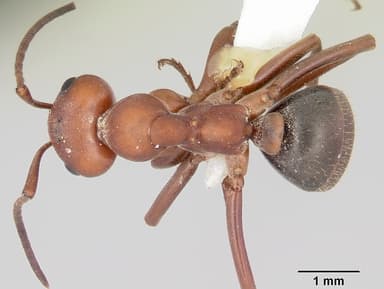
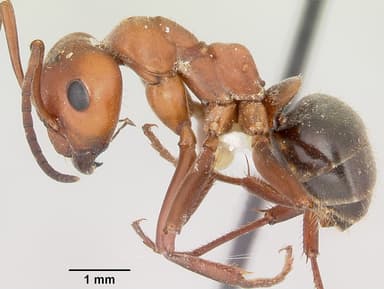
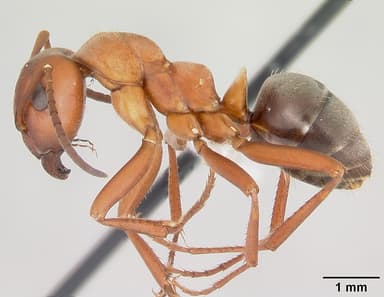
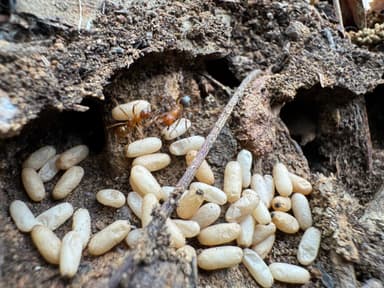
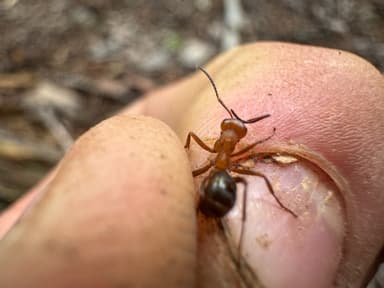
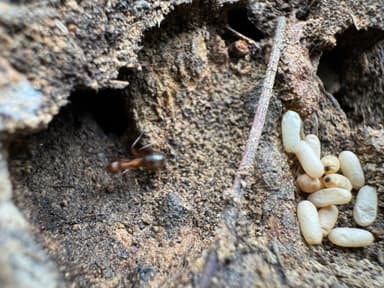
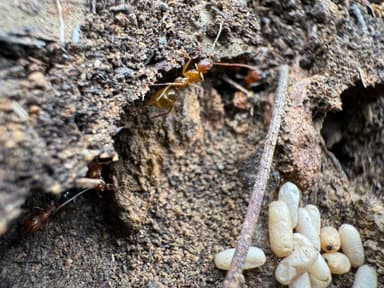
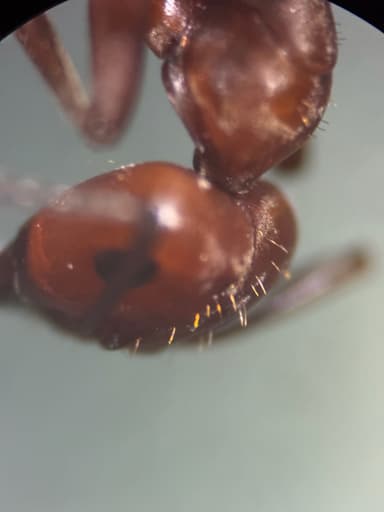
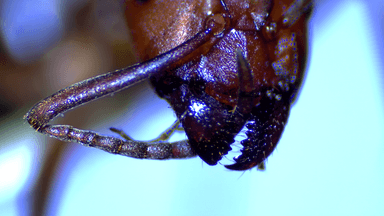
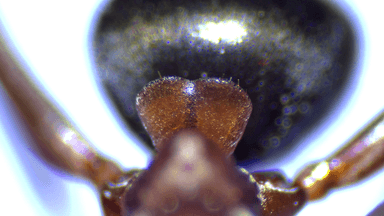
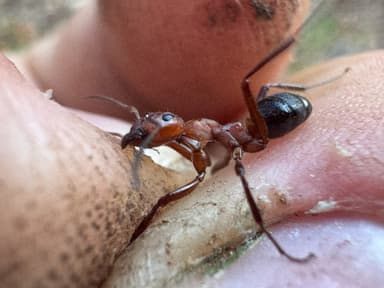
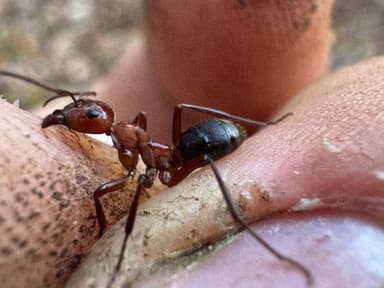
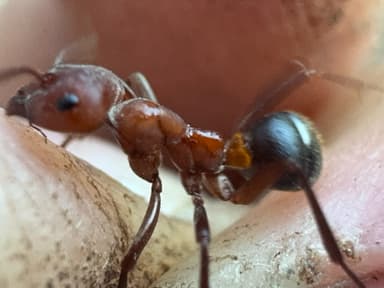
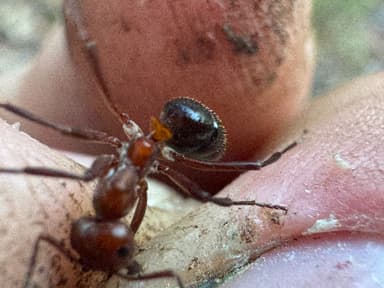
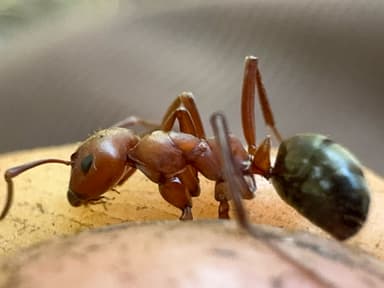
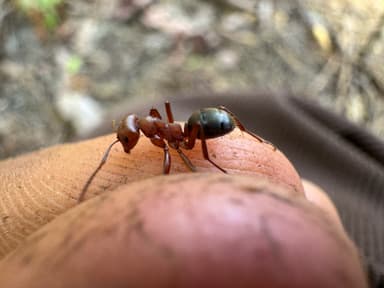
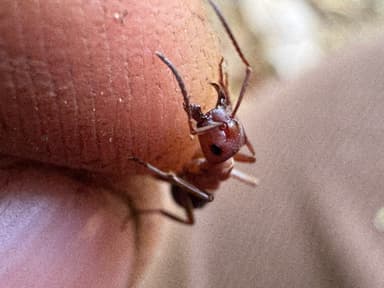
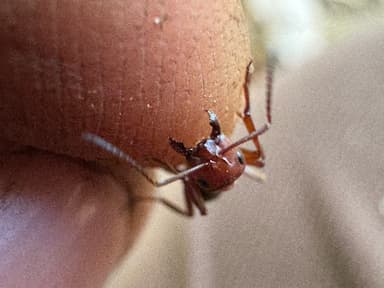
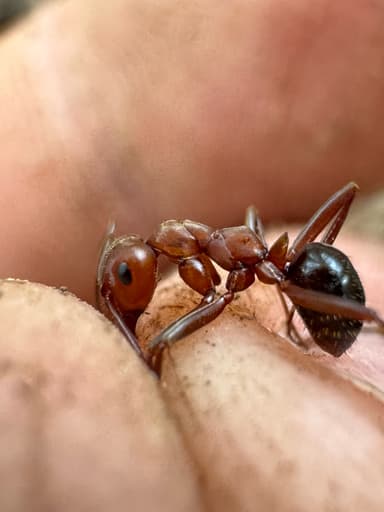
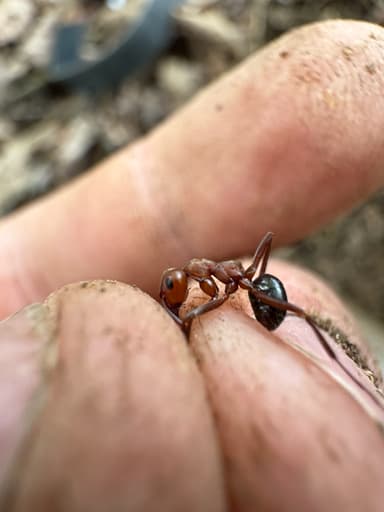
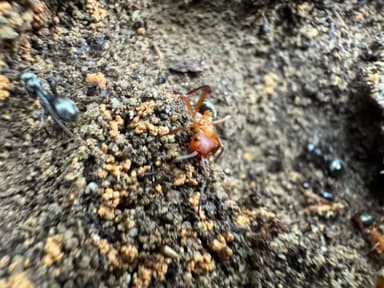
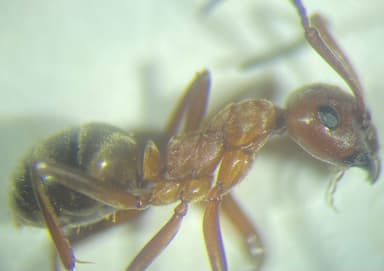
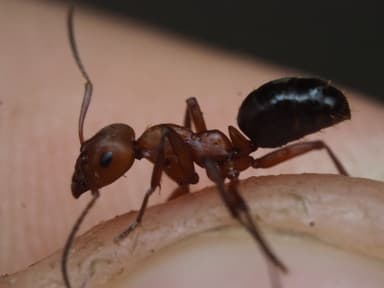
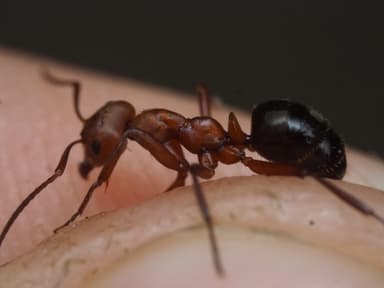
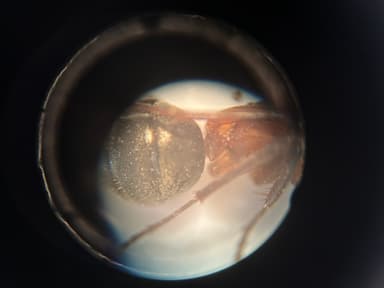
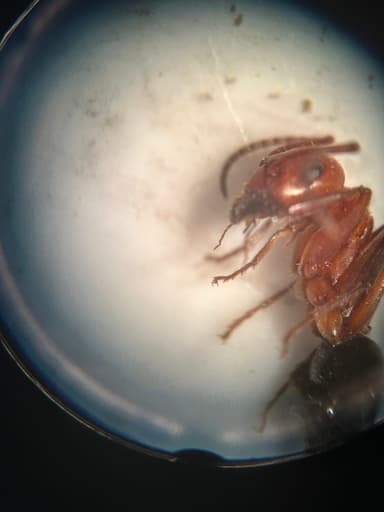
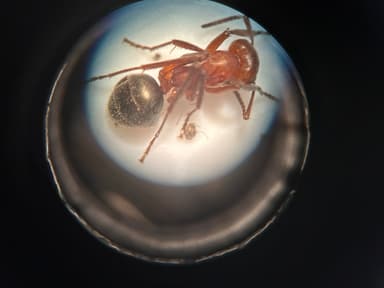
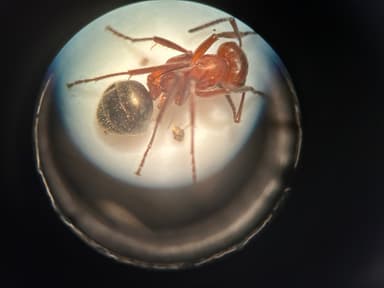
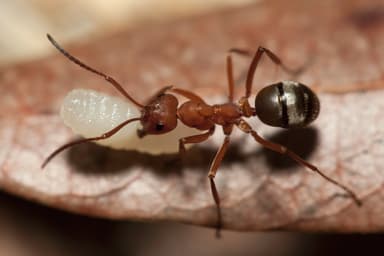
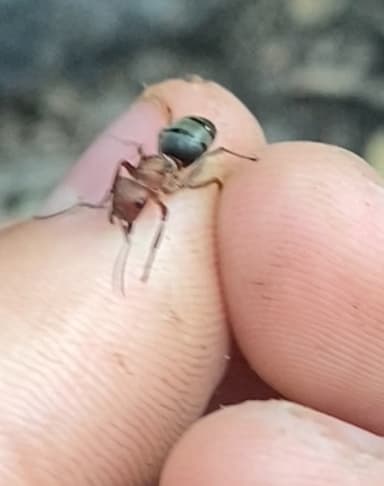
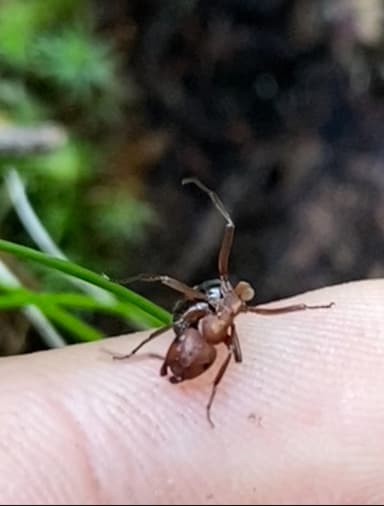
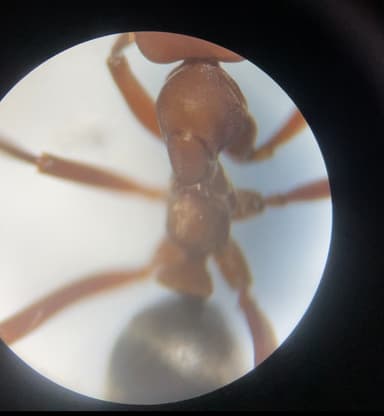
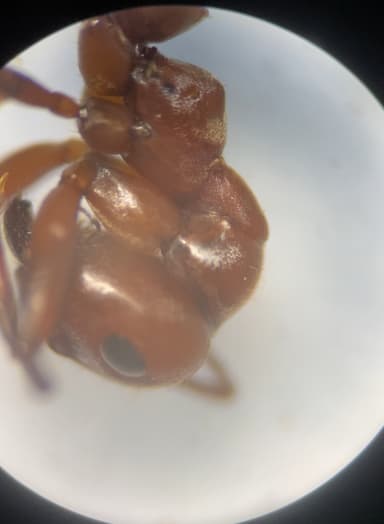
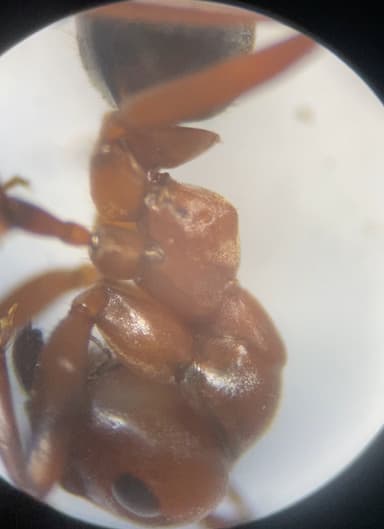
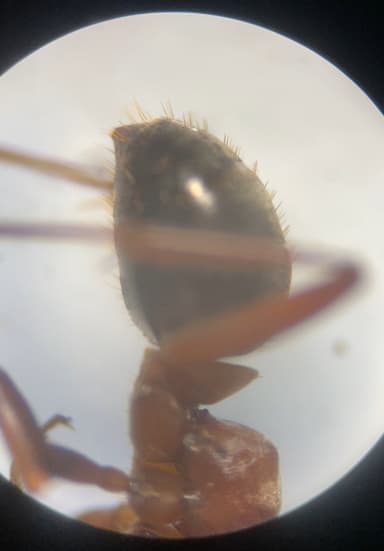
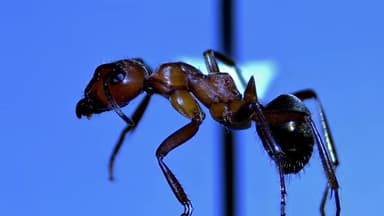
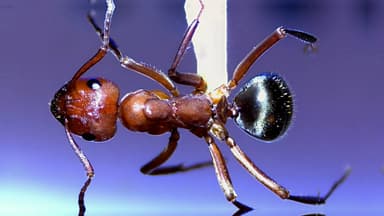
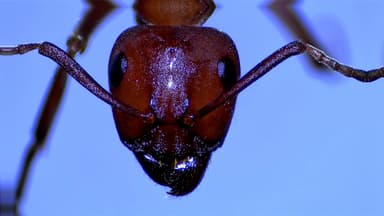
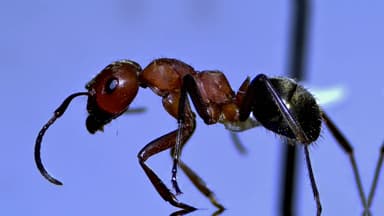
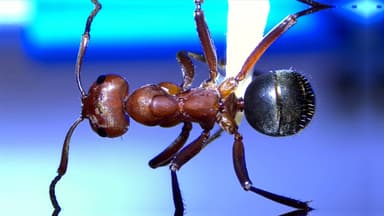
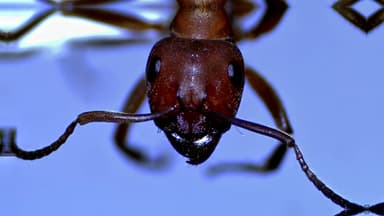
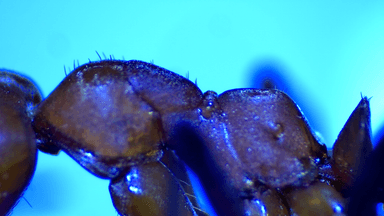
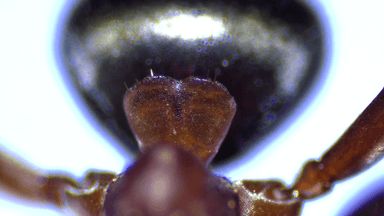
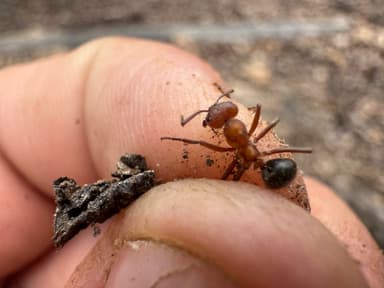
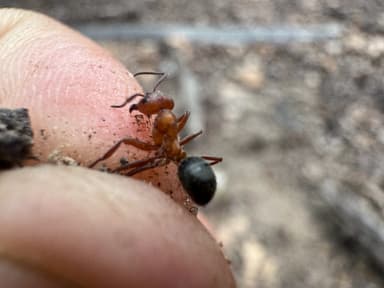
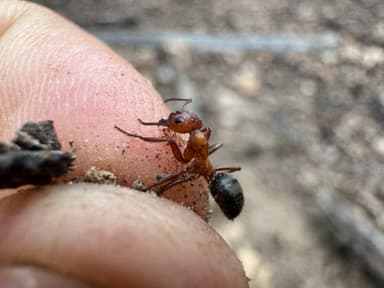
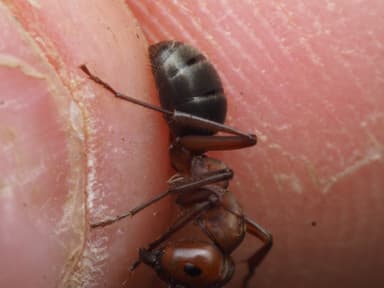
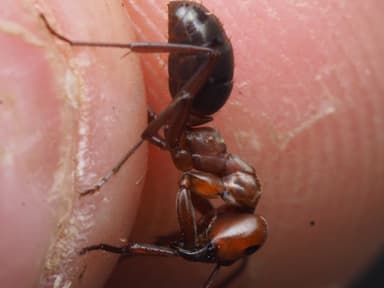
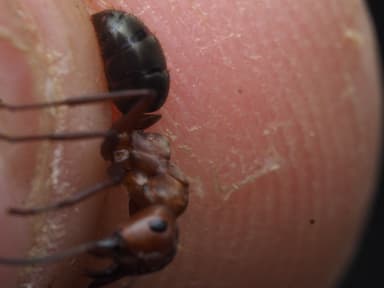
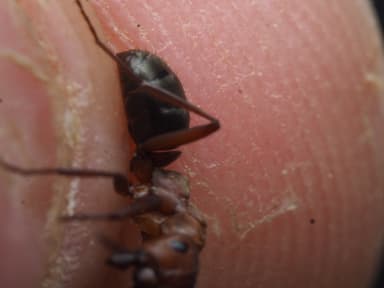
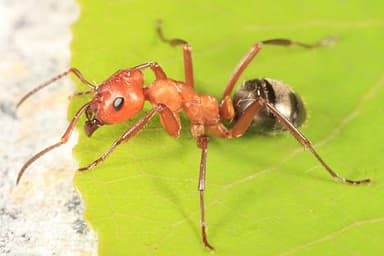
Formica rubicunda, a fiery presence across the northern forests and grasslands of North America, is a species that embodies both the subtle beauty and the delicate complexity of social parasitism. Workers range from a modest 4 mm up to 7 mm, while queens, at 6.5–8 mm, are not dramatically larger, yet the colony they can produce may grow to a bustling 5,000 individuals. Monomorphic in its worker caste, the colony lacks soldier or major subcastes, relying instead on the sheer coordination of its many minor workers. The specific epithet rubicunda hints at the ruddy, reddish-brown tones that wash over the ant’s head and thorax, contrasting with a darker gaster. What makes this ant profoundly interesting is not just its handsome coloration, but its mode of founding: it is an obligate social parasite, a life strategy exquisitely documented by Buschinger (2009). A newly mated queen cannot start a colony alone; she must infiltrate a nest of a suitable host, typically a species of the fusca group such as Formica subsericea, usurp or coexist with the host queen, and gradually replace the host workforce with her own offspring. This intricate dance of chemical deception and colony takeover is the very factor that places this ant among the most challenging, and rewarding, for the dedicated myrmecologist.
This care guide addresses the established colony that has already been founded and raised by an experienced breeder, as starting from a solitary queen is virtually impossible for all but the most advanced keepers with access to host colonies. The difficulty remains firmly in the expert tier, not only because of the parasitic inception but also because the colony’s sensitivity to environmental fluctuations demands constant vigilance. This ant is suited to the keeper who already has years of success with easier claustral species and a thorough academic grasp of social parasite integration. The colony will not forgive neglect; fluctuations in humidity, a slip in hibernation protocol, or a poorly chosen diet can send a thriving colony into decline. But for that keeper, F. rubicunda offers an unparalleled window into one of evolution’s most baroque strategies. The ants are active, visually alert, and display pronounced foraging columns in their outworld, recalling their subgenus’s namesake, the raiding wood ants, albeit on a more manageable scale for the hobbyist.
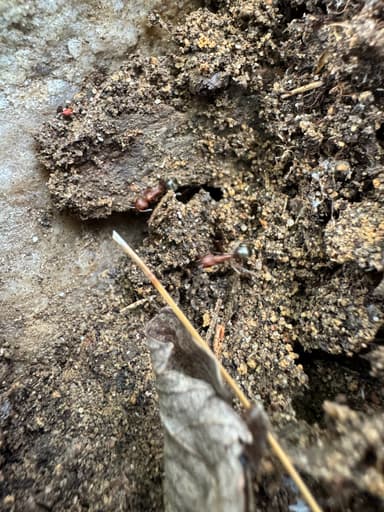
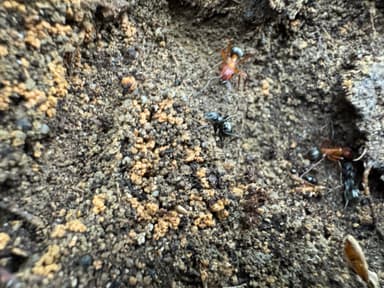
Housing must replicate the moderate, humid microclimate of their native range, which stretches from the Pacific Northwest east to the Atlantic, roughly between latitudes 35°N and 50°N, as mapped by Creighton (1950). A temperature gradient within the nest is ideal: 20–22°C in the farthest chambers, gradually warming to a basking spot of 26–28°C near the entrance, achievable with a gentle heat cable or a small heating pad placed under one corner of a glass or plaster nest. Ambient relative humidity must be held between 50% and 70%, never dipping below, as desiccation is a rapid killer of the brood. A Ytong or plaster nest with a built-in water tower, or a naturalistic soil-filled terrarium, works wonderfully; if using a soil-based setup, a deep layer of damp, sandy loam allows the ants to excavate and self-regulate moisture, reminiscent of the sandy woodland edges where they often nest in the wild. The foraging arena should be kept drier but with a constant water source, and all surfaces must be coated with a fluon barrier, as these ants are assertive climbers. Good ventilation is critical to prevent mold, but it must not come at the cost of a draft that would strip the nest of humidity.
In the wild, Formica rubicunda is a skilled scavenger and a tender of aphids, and its diet in captivity must reflect this omnivorous breadth. Protein should be offered in the form of small, freshly killed or pre-frozen insects: fruit flies, pinhead crickets, mealworm pieces, or chopped dubia roaches, always varied to ensure a full amino acid profile. Carbohydrates are equally vital; a feeding dish of sugar water (1:1 ratio by weight), diluted honey, or a commercial ant nectar can be placed in the outworld, replenished every two to three days to prevent fermentation. Water, in addition to that supplied through the nest’s hydration system, should always be available in a test tube with a cotton plug. A colony of several hundred workers will consume a surprising amount, but care must be taken to remove uneaten prey after 24 hours to suppress mites and fungal growth. During the active season, a small pinch of pollen or a drop of diluted maple syrup can stimulate extra brood production, mimicking the natural spring flow of tree sap.
Hibernation is not optional; it is a rigid biological imperative. The northern distribution of F. rubicunda means it has evolved with a long, cold winter, and the colony’s annual rhythm will break without it. At summer’s end, as the foraging tempo naturally wanes, gradually reduce temperature over two weeks until the colony rests at a steady 5°C—a dedicated ant fridge or a cold cellar is ideal, never a domestic freezer which would kill them. Maintain this dormancy for three to five months, ensuring the nest medium remains just slightly moist, not wet. Queen fecundity, worker longevity, and the successful eclosion of the following year’s brood all hinge on this period of metabolic stasis, a fact Wheeler (1910) noted over a century ago when observing the life histories of temperate Formica. Neglect this, and the colony will dwindle within a year.
When the long-awaited colony first arrives, the impulse to watch it immediately must be resisted. Prepare the target nest and outworld well in advance, allowing temperatures and humidity to stabilize for at least 24 hours. Introduce the colony – usually housed in a tube with a moist cotton plug – into the outworld and connect it to the nest entrance. Dim the lighting, and let the ants discover their new home on their own terms; this may take hours, even a day. Offer no food on the first day, only a fresh water source. After 24 hours of acclimation, offer a tiny drop of sugar water and a single, very small pre-killed insect. Watch quietly for acceptance, and for the queen, who should appear calm and surrounded by a retinue of groomers. Any sign of workers frantically running, refusing to settle, or the queen being isolated in a corner signals that the setup’s temperature or humidity is off. A dark cover over the nest and a deliberate absence of vibrations for the first week will cement the bond between the colony and its new keeper. Patience, now as ever, is the ant-keeper’s truest friend.