Formica
Formica incerta
Nuptial Flight Calendar
Flight months: Jun, Jul, Aug
Care Guide
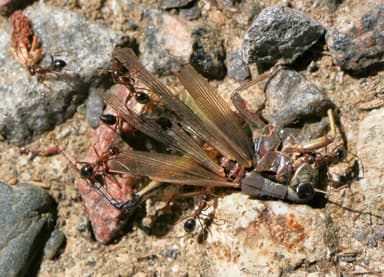
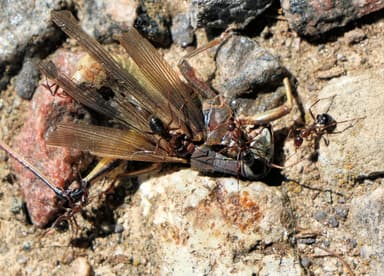
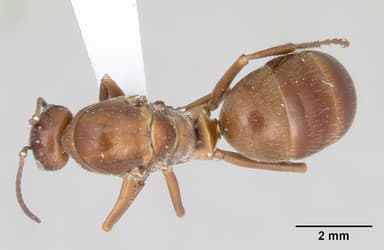
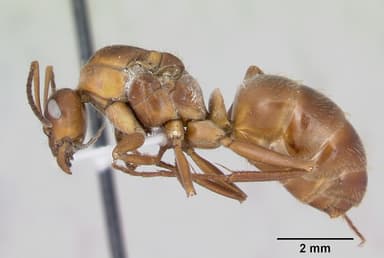
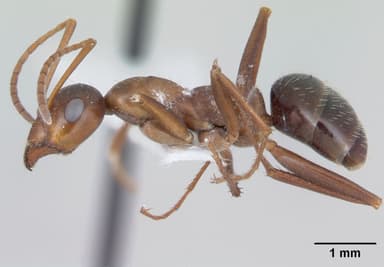
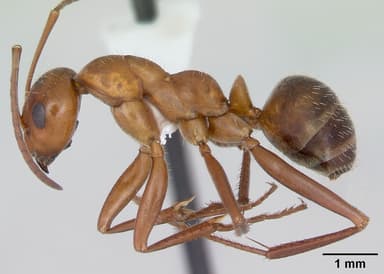
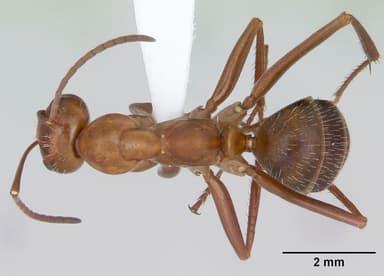
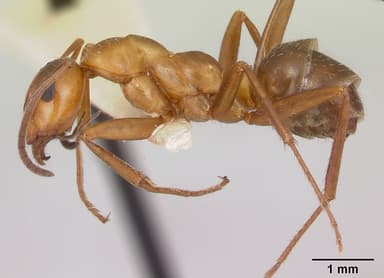
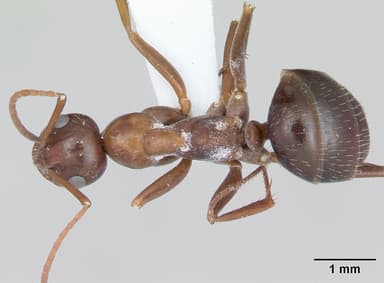
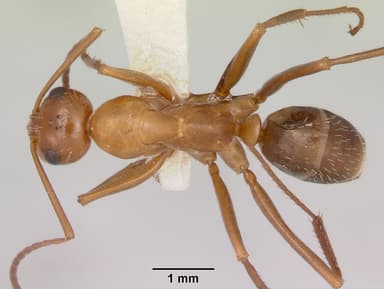
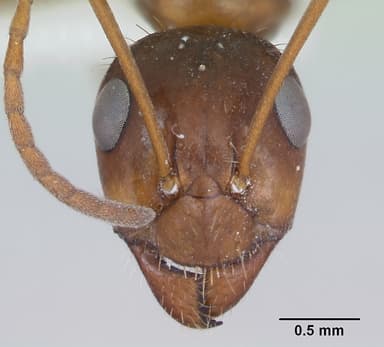
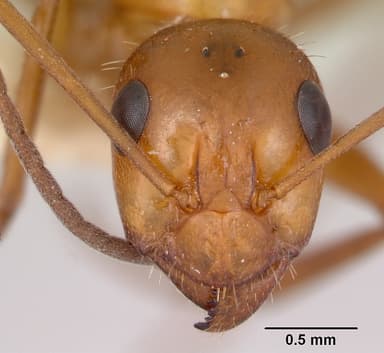
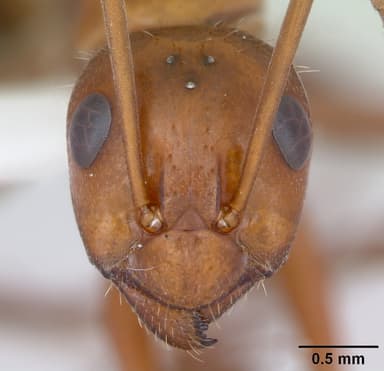
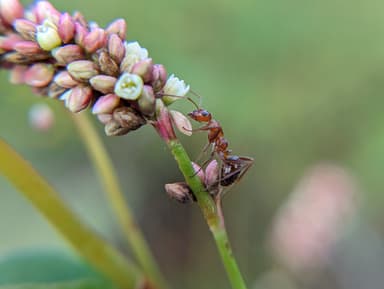
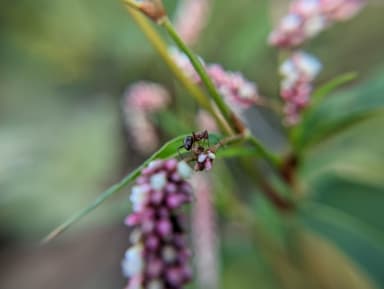
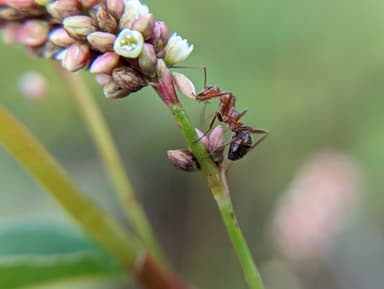
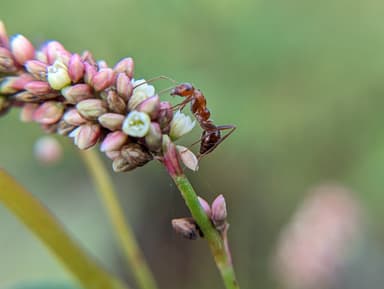
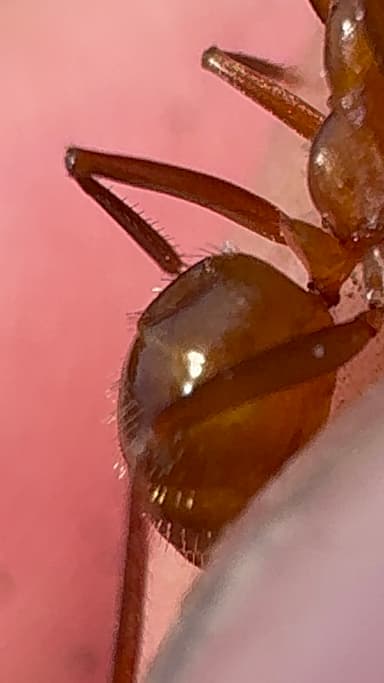
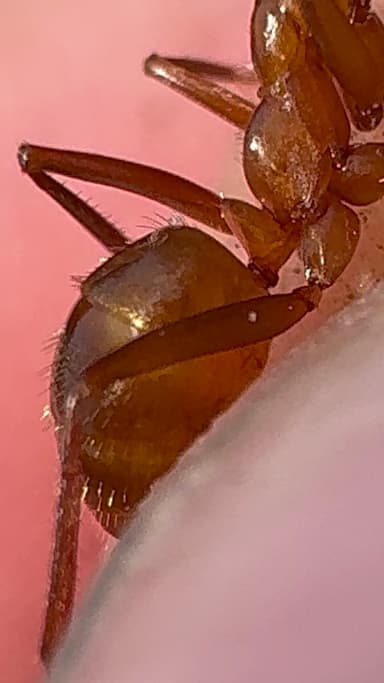
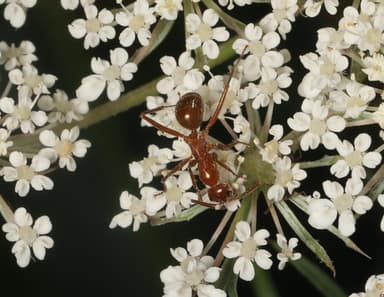
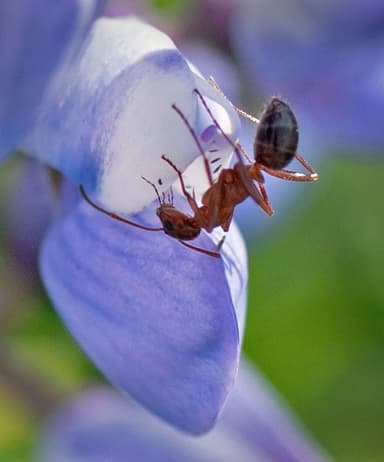
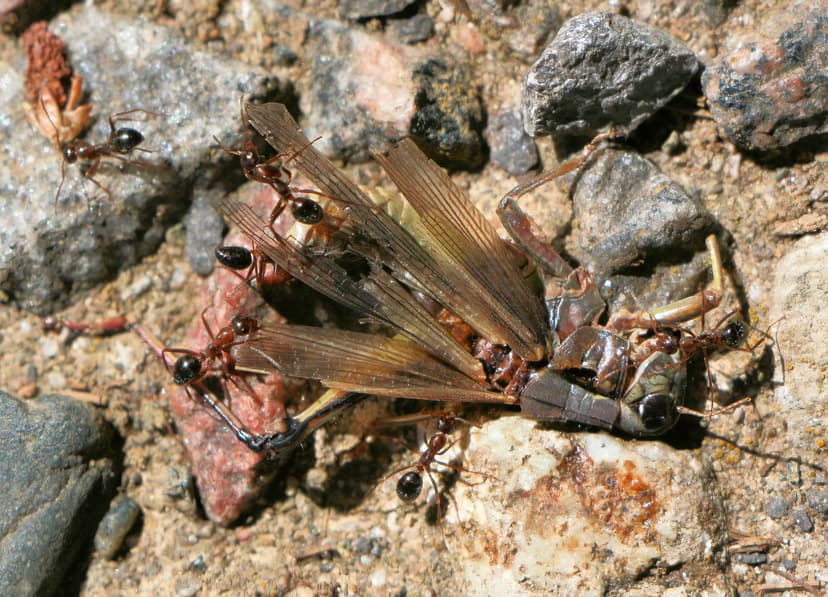
Formica incerta is a sleek, amber-hued ant of the Nearctic grasslands, a species that has long been overshadowed by its more conspicuous relatives but is now gaining well-deserved attention among hobbyists. Workers range from 4 to 6.5 millimeters and present a uniform, monomorphic silhouette, lacking the distinct size-based castes seen in some other Formica (Trager et al. 2007). Queens are noticeably larger, spanning 7 to 9 millimeters, with a deeper, reddish-brown thorax that hints at her fully claustral founding strategy. In the wild, mature colonies can swell to around 4,000 individuals, creating bustling networks of foragers across open, sandy soils from the Great Plains to the Atlantic seaboard, roughly between latitudes 28°N and 50°N and longitudes 100°W to 70°W (GBIF occurrence data). What makes this ant particularly fascinating is its ecological niche: it thrives in disturbance-prone habitats, often nesting under stones or in exposed soil, and its workers are agile, alert, and surprisingly bold for their size, readily recruiting to food sources and displaying a wary but not overtly aggressive temperament that rewards careful observation.
With an intermediate care difficulty, Formica incerta is best suited for keepers who have successfully maintained a beginner species and are ready to manage a fast-growing colony that demands seasonal cycling. The species is not especially delicate, but its mandatory hibernation and a tendency to stress from excessive disturbance mean that hands-off, well-planned setups yield the best results. Novices could certainly attempt it with thorough research, though the requirement for a cool winter rest may surprise those accustomed to tropical ants. The nuptial flights, which occur on warm, humid afternoons following rain in the months of June through August across eastern and central North America, provide a predictable window for acquiring a newly mated queen, and the founding phase is straightforward—once confined, she will rear her first tiny workers without any need for feeding, drawing solely on her internal reserves. Watching a lone queen delicately tend her brood in the quiet dark is a rewarding prelude to the colony’s later exuberance.
Housing for Formica incerta should mimic the temperate, well-drained meadows it calls home. A combination nest—offering both a humidified plaster or grout chamber and a dry foraging arena—works admirably, as it allows the ants to self-regulate their microclimate. The nest area should maintain a humidity between 40% and 60%, never saturated, as prolonged dampness can encourage fungal problems. Temperature is best kept in the range of 20 to 28°C; a gentle gradient from cooler nesting quarters to a warmer outworld around 24–26°C encourages natural foraging activity and brood development without overheating. A substrate of clean sand mixed with a small amount of loam or clay gives the ants a chance to express their digging instincts, though they also accept pre-formed tunnels. Crucially, the foraging arena must be escape-proof—these ants are lithe and tenacious climbers, so a tightly fitted lid and a fluon or talcum barrier are non-negotiable. Provide a few small stones or a piece of cork bark under which they can cluster; in nature, this species often capitalizes on such cover to thermoregulate and protect developing brood.
An omnivorous diet fuels the colony’s growth, with a clear emphasis on protein during the larval months of spring and summer. Offer a steady supply of small, soft-bodied insects—fruit flies, pinhead crickets, or chopped mealworms—killed to prevent injury to workers. In a pinch, high-quality cat kibble softened with water can substitute, though live-feed variety yields stronger colonies. Carbohydrates should come from a dilute honey-water solution or, even better, a droplet of pure maple syrup, which Formica workers avidly consume and transport back to the nest. Always provide a plain water source via a cotton-plugged tube or a small water tower; open pools are dangerous as workers drown easily. Feed protein roughly twice a week for a young colony, scaling up to daily offerings as the population booms, while carbohydrate sources can remain constantly available but refreshed often to prevent mold. Remove uneaten bits promptly, as Formica incerta nests are not self-cleaning, and spoilage invites mites and pathogens.
A strict hibernation is not optional for this species—it is a biological imperative cued by their temperate origins. Without a cold rest of at least three to four months at around 5°C, queens may cease egg-laying, workers grow lethargic and short-lived, and the colony typically declines. As days shorten in autumn, gradually reduce heating and cease protein feeding, allowing the ants to clear their digestive tracts. Once they cluster and activity drops, transfer the nest to a cold environment—a refrigerator, a cool basement, or a dedicated wine cooler works well—ensuring the temperature remains steady and does not fluctuate wildly or fall below freezing. A thin layer of damp sand in the nest helps maintain minimal humidity without condensation. Checking occasionally for mold or dehydration is prudent, but avoid waking the colony. When spring arrives, warm them slowly over a week back to active temperatures, and offer a tiny droplet of sugar water before reintroducing protein. The surge of energy as the queen resumes laying is one of the most satisfying moments in ant keeping.
Upon receiving your new Formica incerta queen or small founding colony, prioritize tranquility and minimal interference. Gently place the test tube or starter container in a dim, vibration-free spot at about 24°C and leave it undisturbed for at least 48 hours. A new queen, especially if she has been in transit, needs time to settle, rehydrate if offered a tiny sip of sugar water, and resume tending any existing eggs. Resist the urge to check on her every few hours—use red light if you must observe. For a freshly caught founding queen, after a week of calm, you can offer a minuscule dot of honey on a slip of wax paper placed at the tube entrance, but do not force her to move or connect a foraging area until the first workers emerge and begin tapping at the cotton plug, signaling readiness. Once workers arrive, begin feeding as described, starting with a single fruit fly and a water source. Watch for telltale signs of stress: a queen that continuously paces or chews at the cotton may be too warm or need more darkness, while workers with crumpled, misformed limbs hint at humidity issues. With patience and a well-timed winter rest, Formica incerta will reward you with a vibrant, glass-clear view into the industrious life of a native grassland ant.