Liometopum
Liometopum occidentale
Nuptial Flight Calendar
Care Guide
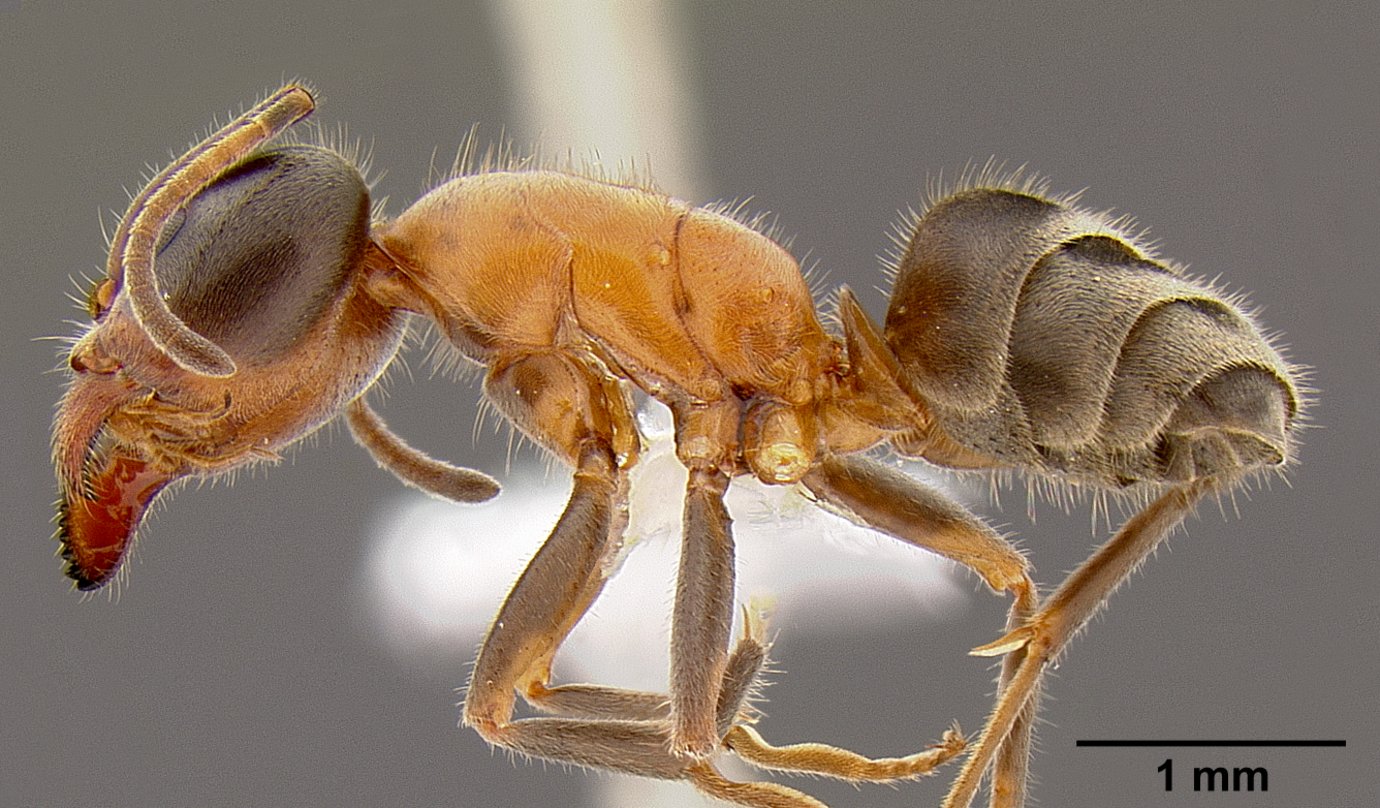
Liometopum occidentale, commonly known as the velvety tree ant, is a captivating species native to the western United States. These ants are highly social and well known for their imposing presence in arboreal habitats. Queens measure 8–10 mm, while workers range from 3.5–5.5 mm and exhibit slight size variation, though they lack the extreme polymorphism seen in some other genera. Colonies can grow to substantial sizes of 5,000–30,000 workers, creating bustling, well-organized societies that are a joy to observe.
One of the most distinctive traits of Liometopum occidentale is their strong, characteristic odor, often described as resembling vinegar or citronella, which they release when disturbed. This defensive secretion, along with their aggressive nature, makes them formidable competitors in the wild. In captivity, they remain active and curious, but keepers should be mindful of their tendency to escape if not properly contained. Their diet is straightforward: they require a steady supply of insects for protein and sugar water or honeydew for carbohydrates. Offering a varied menu of feeder insects such as crickets, mealworms, or roaches will support healthy brood development.
Care difficulty
Keeping Liometopum occidentale is best suited for intermediate ant keepers. While not overly demanding, their need for a consistent hibernation period and their sensitivity to environmental stability require some experience. They are claustral founders, meaning the queen seals herself in a chamber and raises the first generation of workers without foraging, which simplifies the initial phase. However, once the colony grows, their higher activity levels and defensive behavior demand attentive husbandry.
Housing
A formicarium with good ventilation and a separate foraging area works well for this species. They appreciate a mix of soil or sand substrate in the nest, as they naturally excavate chambers in wood or under bark. Maintain a temperature gradient between 20–28°C, with the warmer side encouraging brood development. Humidity should stay between 50–70%; regular moistening of the nesting area is essential, but avoid waterlogging. Hibernation is mandatory — from late autumn through winter, gradually cool the colony to around 8°C for three to four months. During this rest period, reduce feeding and disturbance.
First days after purchase
Upon receiving your Liometopum occidentale colony, place the setup in a quiet, dimly lit location and allow the ants to acclimate for at least 24 hours. Resist the urge to open the nest or handle the queen. Provide a small drop of sugar water and a piece of insect to test their appetite. Observe their behavior without tapping or shaking the container. If any workers seem stressed, cover the nest with a dark cloth. Patience is key — once they settle, these velvety tree ants will reward you with fascinating activity and a memorable ant-keeping experience.