Temnothorax
Temnothorax nylanderi
Nuptial Flight Calendar
Flight months: Jul, Aug, Sep
Care Guide
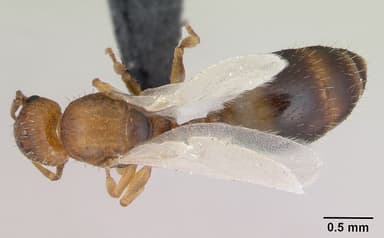
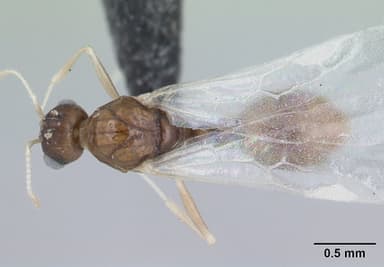
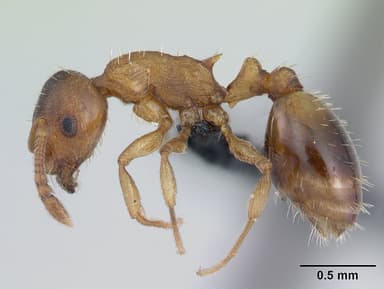
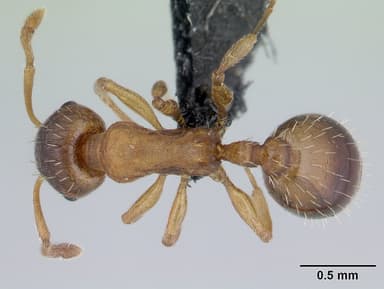
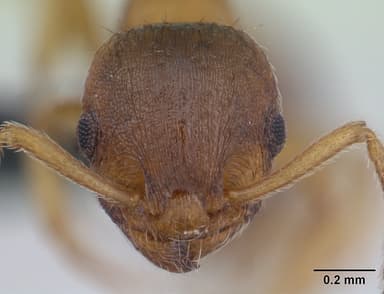
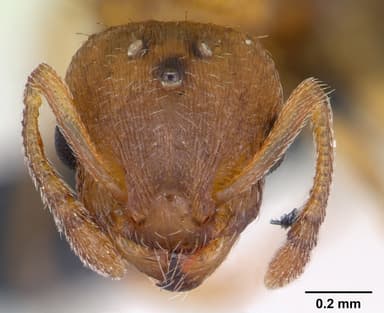
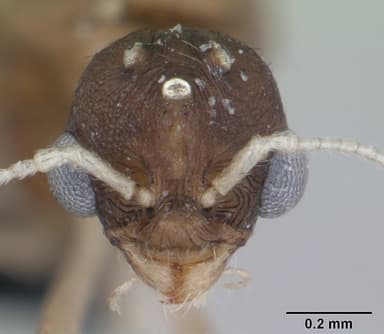
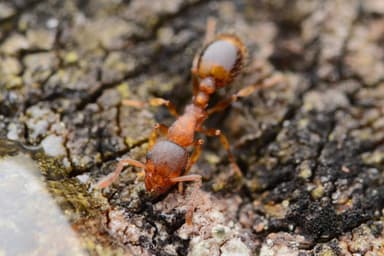
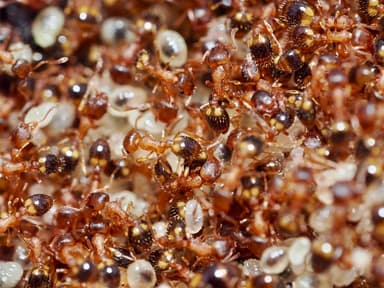
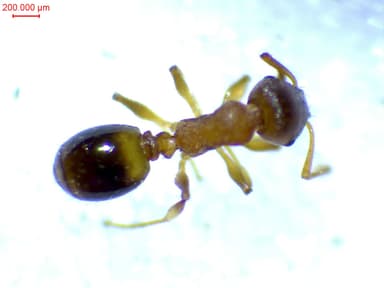
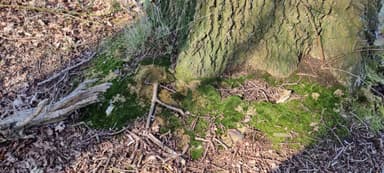
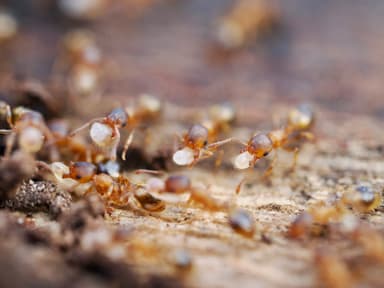
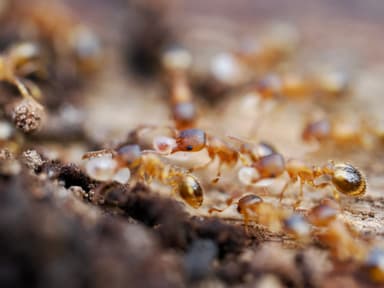
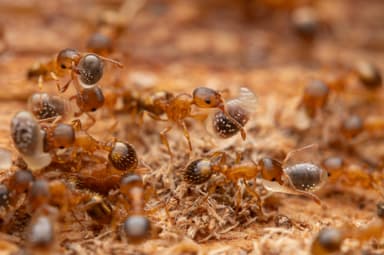
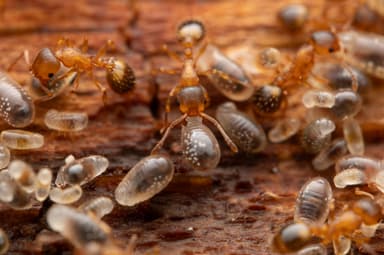
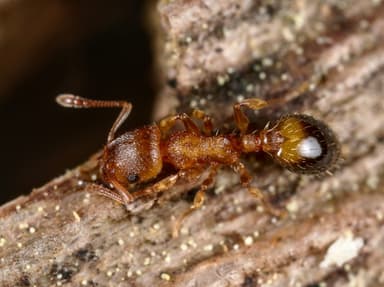
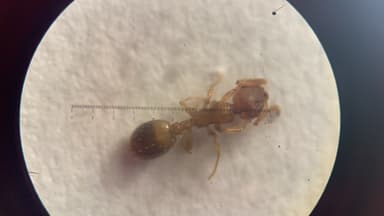
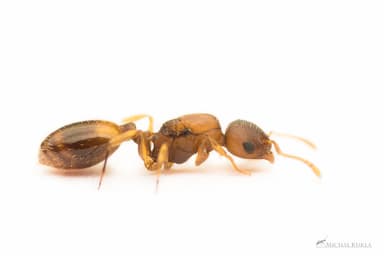
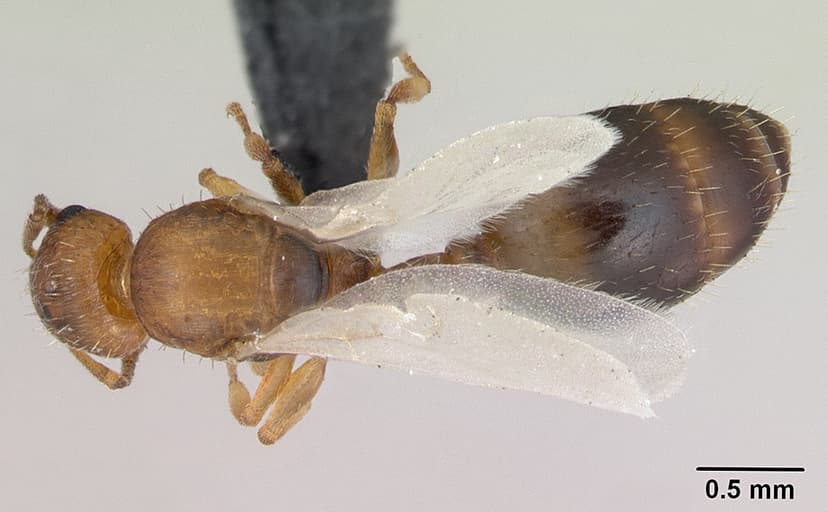
Temnothorax nylanderi is a diminutive yet captivating ant that inhabits the broadleaf forests of Central and Western Europe, stretching from the Mediterranean north to southern Scandinavia and from the Atlantic coast eastwards into Poland (GBIF occurrence data; Seifert 2018). The workers measure no more than 2.5 to 3.5 millimetres, while the queens reach a modest 3.5 to 4.5 millimetres, making an entire colony easily overlooked on a woodland walk. Colonies are monomorphic, consisting solely of a single, unassuming worker caste, and rarely exceed 300 individuals. Their colour is a subtle blend of pale yellowish-brown to darker brown, often with a slightly darker head and gaster, and the body is smooth and shiny with sparse, upright hairs. What sets this species apart is not its looks but its intricate social life. Queens found their colonies claustrally, sealing themselves away to raise the first brood alone, and in mature colonies, workers frequently engage in a delicate dance of nest relocation and even non-lethal colony takeovers when suitable hollow twigs, acorns, or beetle galleries are scarce (Foitzik & Heinze 1998). This blend of fragility and resilience, combined with their ability to thrive in preformed cavities too small for most ants, makes them a perennial favourite among keepers who appreciate understated complexity.
As a beginner-level species, Temnothorax nylanderi is perfectly suited to hobbyists starting their journey into ant keeping, as well as experienced enthusiasts seeking a low-maintenance desktop colony. Their small size and modest colony growth mean they demand little space and are forgiving of minor husbandry errors, yet they reward careful observation with rich behavioural displays. Because the workers are almost escape-artist small, a secure formicarium with tight seals and a reliable barrier such as fluon is essential; a vigilant eye is required to prevent wanderers from exploring your bookshelf. They neither sting nor bite with any vigour, posing no threat to skin, and their calm demeanour makes routine feeding and maintenance a stress-free affair. The main commitment is the hibernation period, which cannot be skipped, so keepers without access to a cool storage space may need to plan ahead. For anyone wanting to witness brood care, queen-worker interactions, and the occasional dramatic nest move on a miniature scale, this ant is an exquisite choice.
Housing T. nylanderi is an exercise in thinking small. In the wild they prefer pre-existing cavities such as hollow acorns, dead twigs, or narrow crevices under bark, so replicating this environment in captivity is straightforward. A plaster, ytong, or acrylic nest with very shallow chambers—only a few millimetres deep—works beautifully, as it mimics the tight spaces they seek out and helps maintain the nest’s internal microclimate. Temperature should be kept between 18 and 26 °C; the upper end stimulates faster brood development, while room temperature is entirely acceptable for day-to-day activity. Humidity is best maintained at 50 to 70 percent, easily achieved by providing a water-filled test tube or a moistened corner of the nest, but avoid saturating the substrate, as these ants are prone to fungal issues in stagnant, overly damp conditions. A thin layer of fine sand or loam in the outworld gives them a naturalistic foraging surface, though they will not dig elaborate tunnels. Instead, they will readily accept a preformed nest and may even decorate the entrance with tiny particles of soil or debris. Because the colony remains compact, a small acrylic box or test tube setup with a connected foraging arena is all they require for the entirety of their life, a delightful contrast to their more sprawling cousins.
Feeding this species is refreshingly uncomplicated. In nature, Temnothorax nylanderi are generalist scavengers and occasional predators of minute invertebrates, so in the home they thrive on a diet of small, soft-bodied protein sources. Offer fruit flies (Drosophila), micro crickets, or finely chopped mealworms two to three times a week, always ensuring the prey is killed or stunned to prevent injury to the ants. For carbohydrates, they enthusiastically lap up sugar water, diluted honey, or a commercial ant nectar like byFormica Sunburst; a tiny drop placed directly in the outworld is enough to fuel an entire colony for days. Fresh water must be available at all times, typically via a cotton-plugged test tube or a small water feeder in the foraging area. Because the workers are so small, it is vital to remove uneaten food after a day or two to prevent mould, and to check that liquid feeds do not flood the arena—a bottleneck in a tiny world can become a sticky trap. With conscientious feeding, you will see workers sharing liquid food via trophallaxis and methodically dissecting insect prey in a mesmerising display of collective economy.
Hibernation is a non-negotiable aspect of Temnothorax nylanderi care and one that mirrors the cold winters of their native range. From late October or November through to March, the colony should be cooled to around 5 °C, ideally inside an insulated container in a dedicated refrigerator or a temperature-controlled wine cooler. A gradual reduction in temperature over a couple of weeks prevents shock, and the ants will naturally cluster together and cease all brood production. It is critical to ensure the nest does not dry out during this slumber; a fully hydrated test tube attached to the setup or a carefully monitored moist nest block will sustain them. Likewise, check every few weeks for condensation or mould, but otherwise disturb them as little as possible. When spring arrives, slowly warm them back to room temperature and you will witness a flurry of activity as the queen resumes egg laying and the workers rekindle their foraging duties. Skipping hibernation leads to dwindling colony health, a breakdown in the reproductive cycle, and ultimately a short-lived colony, so this annual ritual is a small price to pay for a thriving miniature society.
The first days after your Temnothorax nylanderi arrives are a quiet, formative period that sets the tone for their long-term wellbeing. Whether you receive a lone founding queen, a queen with her first few workers, or a small established colony in a test tube, grant them at least two full days of total darkness and stillness to overcome the stress of transport. Do not offer food immediately; instead, simply confirm that the water reservoir is full. On the third day, the gentlest of introductions can begin: place a miniscule drop of sugar water on the cotton plug or just inside the tube mouth, and if workers are present, offer a single pre-killed fruit fly. Do not be alarmed if they ignore the offering at first—nervous colonies may take a week or more to forage confidently. As they settle, keep the setup in a draught-free spot away from direct sunlight and vibrations. When the colony begins to explore regularly, you can connect a tiny outworld, but resist the urge to move them into a larger nest too soon; a too-spacious home can cause stress and refuse accumulation. Monitor the water level and the appearance of any mould, and within a few weeks you will have a colony that regards your presence with equanimity, ready to embark on a long and quietly fascinating life under your care (AntWiki; Seifert 2018).